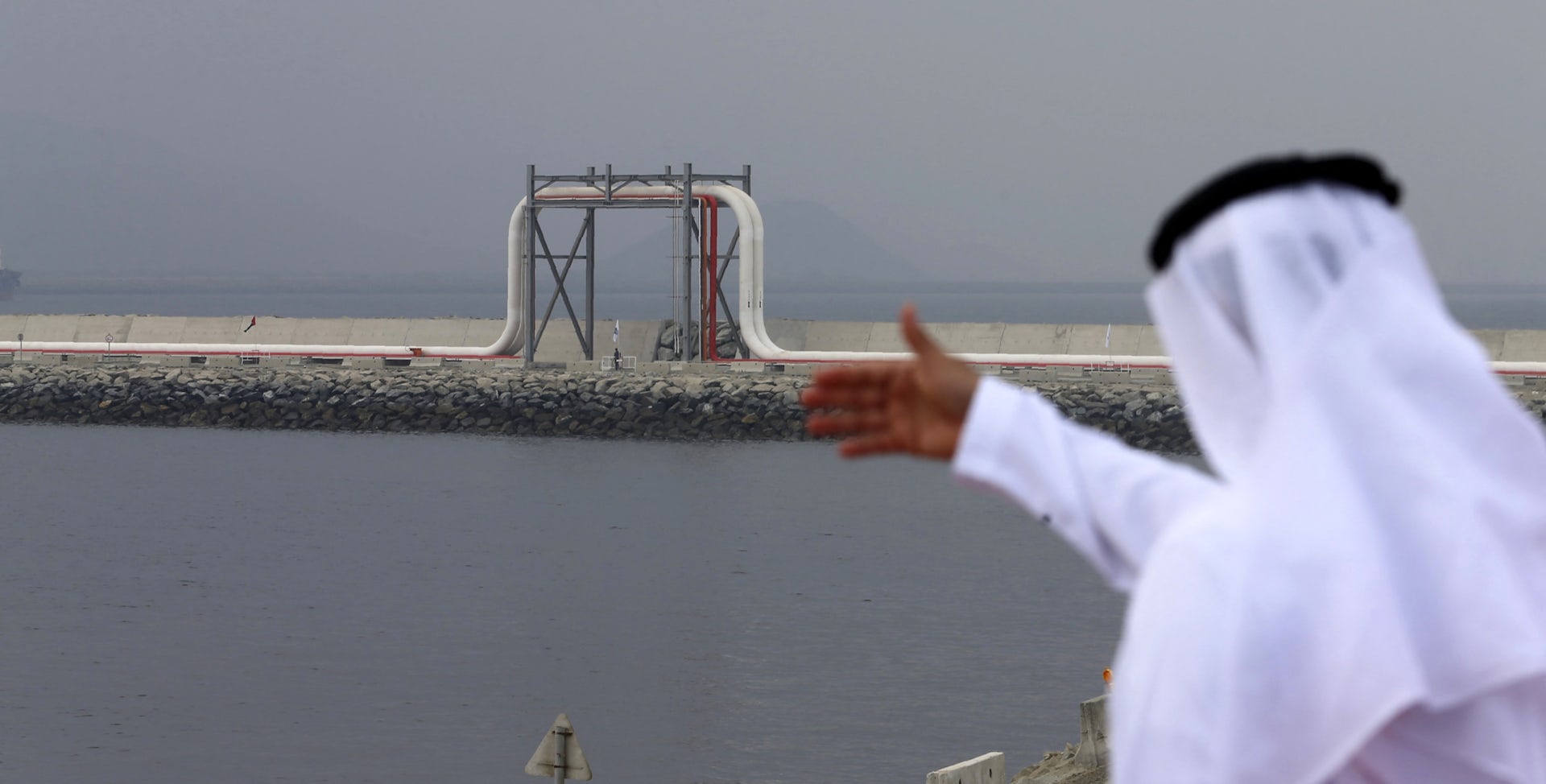
كان خروج الإمارات من أوبك قيد العمل منذ فترة طويلة – وقد يمثل بداية لإعادة تنظيم في الخليج.
UAE’s OPEC exit has been long in the works – and may mark the beginning of a Gulf realignment
The UAE and Saudi Arabia have long been at odds over oil policy. The latest move is also likely to further their broader regional rivalry.
لطالما كانت الإمارات والسعودية متنازعتين بشأن سياسة النفط. ومن المرجح أن تؤدي الخطوة الأخيرة إلى تفاقم تنافسهما الإقليمي الأوسع.
The United Arab Emirates’ decision to withdraw from the Organization of Petroleum Exporting Countries will leave the oil cartel weakened at a crucial time. It also illustrates the ongoing tensions between the UAE and Saudi Arabia, OPEC’s largest producer and de facto leader.
قرار دولة الإمارات العربية المتحدة بالانسحاب من منظمة الدول المصدرة للنفط سيُضعف الكارتل النفطي في وقت حرج. كما أنه يوضح التوترات المستمرة بين الإمارات والمملكة العربية السعودية، أكبر منتج في أوبك وقائدها الفعلي.
The UAE announced on April 28, 2026, that it will depart OPEC and OPEC+, an expanded grouping which includes Russia, on May 1, depriving the groups of their third- and fourth-largest oil producer, respectively.
أعلنت الإمارات في 28 أبريل 2026 أنها ستغادر منظمة أوبك وأوبك+، وهي مجموعة موسعة تشمل روسيا، في الأول من مايو، مما يحرم المجموعتين من ثالث ورابع أكبر منتج نفطي لهما على التوالي.
Though the move may seem abrupt, as a close observer of the UAE and intra-Gulf politics, I believe Abu Dhabi’s decision to leave OPEC and go it alone was in the cards for a while and follows years of Abu Dhabi’s complaints about the cartel.
على الرغم من أن هذه الخطوة قد تبدو مفاجئة، وبصفتي مراقبًا مقربًا لشؤون الإمارات والسياسات الخليجية الداخلية، أعتقد أن قرار أبو ظبي بمغادرة أوبك والذهاب بمفردها كان متوقعًا منذ فترة، ويأتي في أعقاب سنوات من شكاوى أبو ظبي بشأن الكارتل.
The announcement also follows years of divergence between Emirati and Saudi oil policies, as well as the growth of competitive rivalries between the two countries over wider regional questions. This rift between the two largest Sunni Gulf states burst into the open in December 2025, when competing visions for security in Yemen threatened to reignite civil conflict in the war-torn country.
كما أن هذا الإعلان يأتي في أعقاب سنوات من التباين بين السياسات النفطية الإماراتية والسعودية، بالإضافة إلى نمو التنافسات المتنافسة بين البلدين حول قضايا إقليمية أوسع. وقد انفجرت هذه الخلافات بين أكبر دول الخليج السنية في ديسمبر 2025، عندما هددت الرؤى المتنافسة للأمن في اليمن بإعادة إشعال الصراع الأهلي في البلاد التي مزقتها الحرب.
Unity in the face of Iranian attacks since then should not mask that underlying split, of which the UAE’s OPEC decision is merely the latest manifestation.
إن الوحدة في مواجهة الهجمات الإيرانية منذ ذلك الحين لا ينبغي أن تحجب هذا الانقسام الكامن، الذي يمثل قرار الإمارات بشأن أوبك مجرد أحدث تجليات له.
The world’s most prominent cartel
الكارتل الأكثر بروزاً في العالم
OPEC formed in 1960 as a way for the main oil producers to set production limits and therefore control the price of crude around the world.
تأسست أوبك (OPEC) عام 1960 كوسيلة للمنتجين الرئيسيين للنفط لوضع حدود للإنتاج وبالتالي التحكم في سعر النفط الخام حول العالم.
The UAE has been a member of OPEC since the seven-emirate federation was established in 1971, although Abu Dhabi – the emirate that holds 95% of Emirati oil reserves – has been a member since 1967.
كانت دولة الإمارات العربية المتحدة عضواً في أوبك منذ تأسيس اتحاد الإمارات السبع في عام 1971، على الرغم من أن أبو ظبي – الإمارة التي تحتفظ بنسبة 95% من احتياطيات النفط الإماراتية – كانت عضواً منذ عام 1967.
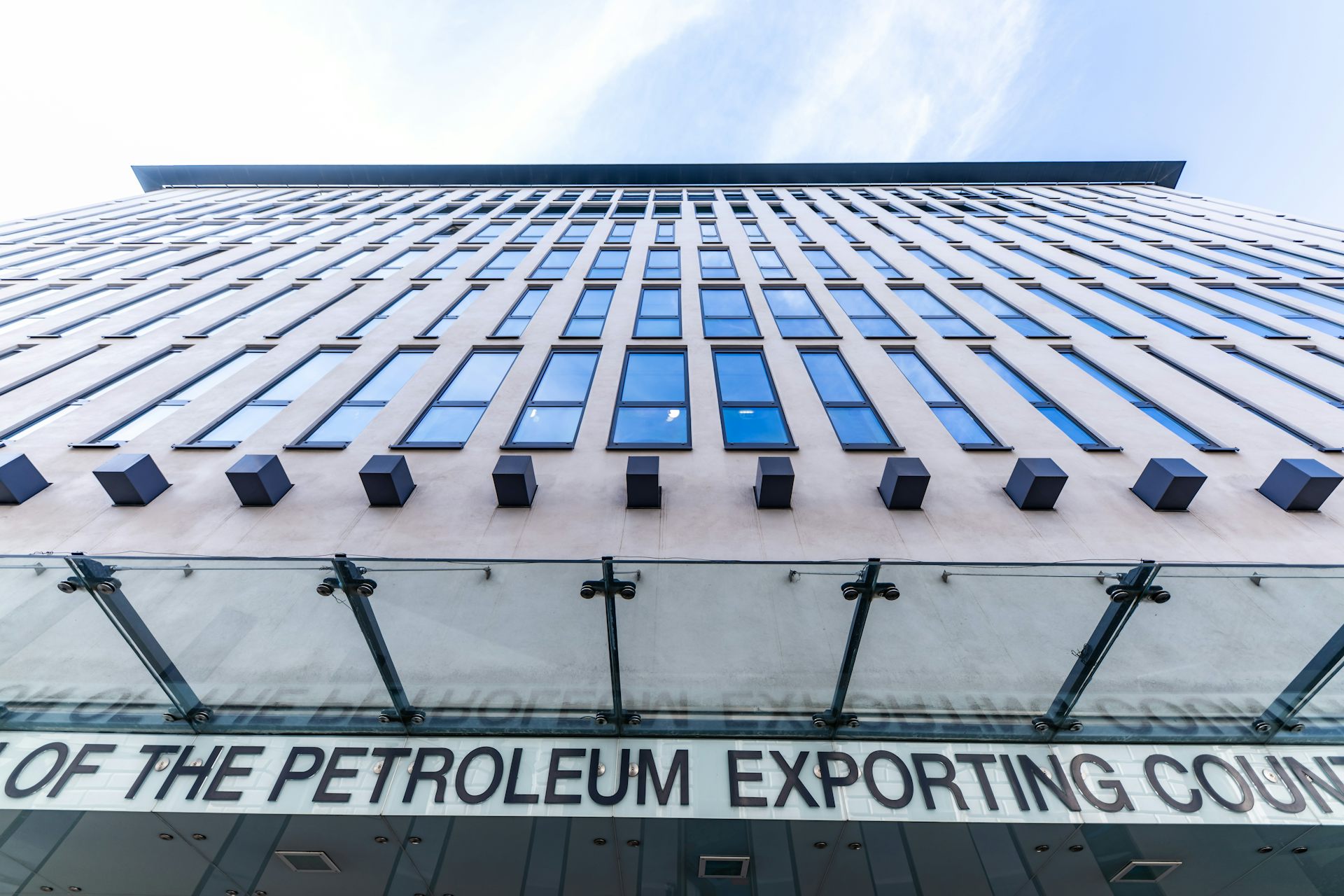
At its height in the mid- and late-1970s, OPEC played a powerful role in reshaping the balance of power between oil producers and consumers, and countering Western dominance in a postcolonial setting of resource nationalization.
في أوجها في منتصف وأواخر السبعينيات، لعبت أوبك دوراً قوياً في إعادة تشكيل توازن القوى بين منتجي النفط والمستهلكين، ومواجهة الهيمنة الغربية في سياق ما بعد الاستعمار وتأميم الموارد.
While other members have withdrawn from OPEC in recent years – such as Qatar in 2019 and Angola in 2024 – the impact of the UAE’s departure is on a far greater scale, affecting about 12% of OPEC’s total oil output.
وفي حين انسحب أعضاء آخرون من أوبك في السنوات الأخيرة – مثل قطر في عام 2019 وأنغولا في عام 2024 – فإن تأثير مغادرة دولة الإمارات العربية المتحدة أكبر بكثير، حيث يؤثر على حوالي 12% من إجمالي إنتاج النفط لأوبك.
Furthermore, the exit of the UAE removes one of the few major swing producers from OPEC, weakening the organization’s ability to respond rapidly to changing market conditions in the future.
علاوة على ذلك، فإن خروج دولة الإمارات العربية المتحدة يزيل أحد عدد قليل من المنتجين الرئيسيين المتقلبين (swing producers) من أوبك، مما يضعف قدرة المنظمة على الاستجابة السريعة لتغير ظروف السوق في المستقبل.
Diverging Gulf priorities
تباين أولويات الخليج
The UAE has been signaling a potential split for at least five years, when differences of opinion with Saudi Arabia on how to manage oil policy emerged ahead of a November 2020 OPEC+ summit. The rift became openly visible during a subsequent meeting of OPEC+ countries in July 2021.
كانت الإمارات تشير إلى انقسام محتمل لمدة خمس سنوات على الأقل، عندما ظهرت خلافات الرأي مع المملكة العربية السعودية حول كيفية إدارة سياسة النفط قبل قمة أوبك+ في نوفمبر 2020. وأصبح هذا التباين واضحاً علناً خلال اجتماع لاحق لدول أوبك+ في يوليو 2021.
In both cases, the UAE wished to increase oil production – which had been sharply curtailed by OPEC members during the COVID-19 pandemic – while the Saudis sought to maintain high prices by keeping output lower and prices higher.
في كلتا الحالتين، أرادت الإمارات زيادة إنتاج النفط – الذي خفضه أعضاء أوبك بشكل حاد خلال جائحة كوفيد-19 – بينما سعت السعودية للحفاظ على أسعار مرتفعة من خلال إبقاء الإنتاج أقل والأسعار أعلى.
In part, this reflects the different circumstances of the two Gulf nations. The Saudis are reliant on higher oil prices to drive the revenues needed to fund its lavish budget and pay for massive infrastructure projects like its Vision 2030 project. The Emirati economy, on the other hand, is more diversified and less directly dependent on oil revenues.
يعكس هذا جزئياً الظروف المختلفة للدول الخليجية. تعتمد السعودية على ارتفاع أسعار النفط لتوليد الإيرادات اللازمة لتمويل ميزانيتها الضخمة ودفع تكاليف مشاريع البنية التحتية الضخمة مثل مشروع رؤية 2030. أما الاقتصاد الإماراتي، فإنه أكثر تنوعاً وأقل اعتماداً بشكل مباشر على إيرادات النفط.
Instead, Abu Dhabi has invested heavily in recent years to expand capacity to be able to increase oil production from 3.4 million barrels a day before the U.S.-Israel war against Iran to 5 million barrels a day by 2027 – and potentially higher later on. This reflects a desire to monetize its reserves and move the oil to market to avoid the risk of stranded assets should global demand fall in any future transition away from fossil fuels.
بدلاً من ذلك، استثمرت أبو ظبي بكثافة في السنوات الأخيرة لتوسيع طاقتها لتتمكن من زيادة إنتاج النفط من 3.4 مليون برميل يومياً قبل الحرب الأمريكية الإسرائيلية ضد إيران إلى 5 ملايين برميل يومياً بحلول عام 2027 – وربما أكثر لاحقاً. ويعكس هذا رغبة في تحقيق الدخل من احتياطياتها وتوجيه النفط إلى السوق لتجنب خطر الأصول العالقة في حال انخفاض الطلب العالمي في أي تحول مستقبلي بعيداً عن الوقود الأحفوري.
Shorn of the constraints of OPEC quotas, which the Emiratis have chafed against for years, officials in Abu Dhabi will be able to increase production should it wish to do so once the impasse with Iran is broken and the Strait of Hormuz fully reopens.
وبإزالة قيود حصص أوبك، التي سئمت منها الإمارات لسنوات، سيتمكن المسؤولون في أبو ظبي من زيادة الإنتاج إذا رغبوا في ذلك بمجرد حل الجمود مع إيران وإعادة فتح مضيق هرمز بالكامل.
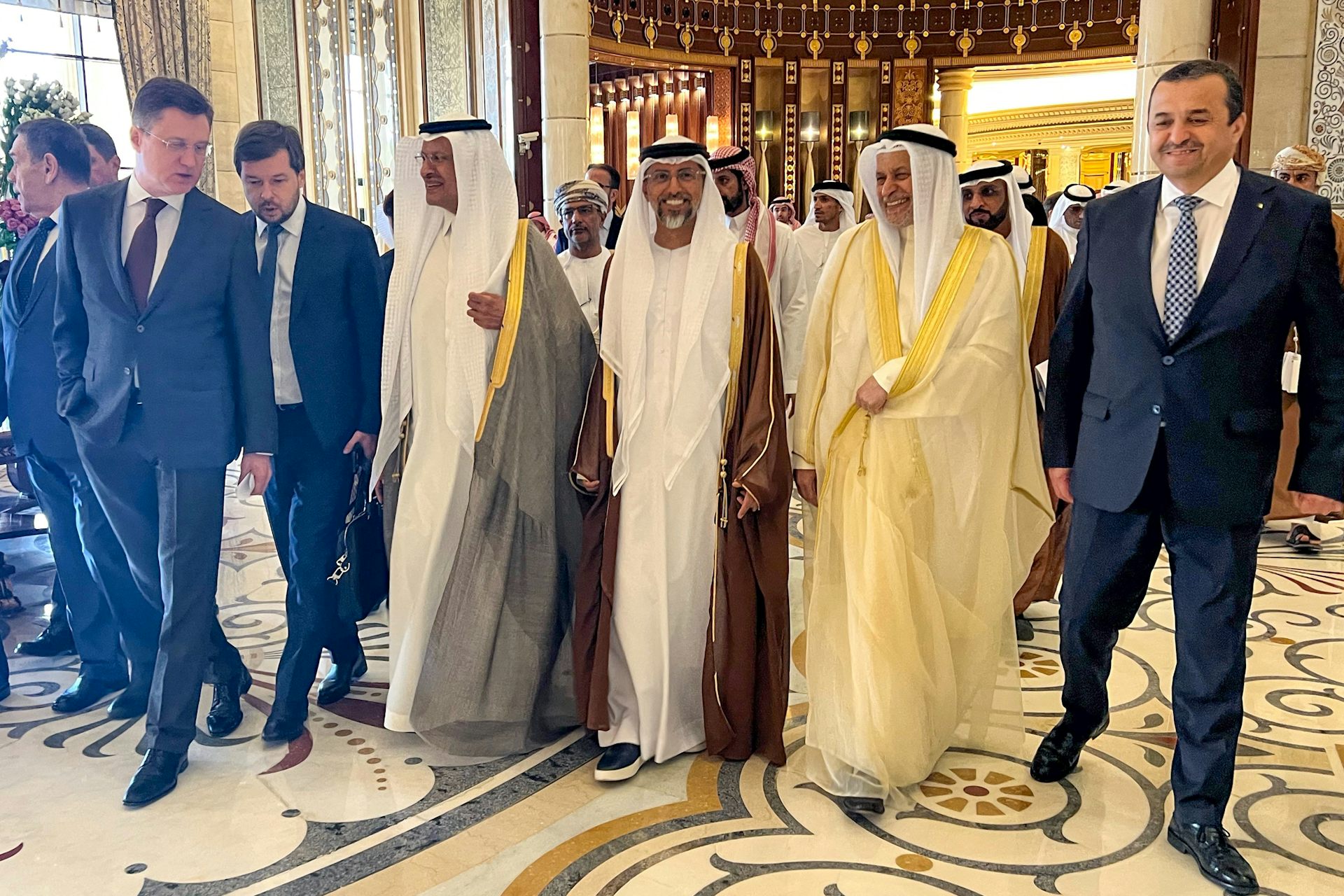
Post-Iran war regional shifts
التحولات الإقليمية بعد الحرب في إيران
It is clear that UAE leadership is first and foremost intent on doubling down on the pursuit of its national interests, with an emphasis on prioritizing ties with the U.S. – and likely also Israel – over those with countries that Abu Dhabi feels reflect an old world it is now seeking to leave behind.
من الواضح أن قيادة الإمارات العربية المتحدة عازمة قبل كل شيء على تعزيز سعيها لمصالحها الوطنية، مع التركيز على إعطاء الأولوية للعلاقات مع الولايات المتحدة – ومن المحتمل أيضاً إسرائيل – على حساب تلك العلاقات مع الدول التي تشعر أبو ظبي أنها تعكس عالماً قديماً تسعى الآن لتركه خلفها.
While the war in Iran may have temporarily overshadowed the eruption of Saudi-Emirati tensions over Yemen and visions for the region, the rift had not been resolved prior to the U.S. and Israeli launch of military operations on Feb. 28.
وفي حين أن الحرب في إيران ربما طغت مؤقتاً على اندلاع التوترات السعودية الإماراتية حول اليمن والرؤى للمنطقة، إلا أن هذا الخلاف لم يكن قد حُل قبل إطلاق الولايات المتحدة وإسرائيل العمليات العسكرية في 28 فبراير.
Comments by prominent Emiratis have suggested that officials in the UAE have paid close attention to which countries have, in their view, stepped up to assist the UAE in times of crisis, and which have not.
وأشارت تعليقات من إماراتيين بارزين إلى أن مسؤولين في دولة الإمارات العربية المتحدة أولوا اهتماماً بالغاً للدول التي، في نظرهم، تقدمت لمساعدة الإمارات في أوقات الأزمات، وتلك التي لم تفعل.
The OPEC decision thus reflects a calculation in Abu Dhabi that there is no longer any utility in remaining part of a Saudi-dominated organization. The UAE’s reconsideration of other memberships, such as the Arab League, Organization of Islamic Conference or even the Gulf Cooperation Council, may be next, as the UAE and other regional countries begin to think ahead to an uncertain post-war landscape.
وبالتالي، يعكس قرار أوبك حساباً في أبو ظبي بأنه لم يعد هناك أي فائدة في البقاء جزءاً من منظمة يهيمن عليها السعوديون. وقد يكون التفكير الإماراتي في عضويات أخرى، مثل جامعة الدول العربية، أو منظمة التعاون الإسلامي، أو حتى مجلس التعاون الخليجي، هو الخطوة التالية، مع بدء الإمارات والدول الإقليمية الأخرى بالتفكير في مشهد ما بعد الحرب غير المؤكد.
Kristian Coates Ulrichsen does not work for, consult, own shares in or receive funding from any company or organization that would benefit from this article, and has disclosed no relevant affiliations beyond their academic appointment.
كريستيان كوتس أولريشن لا يعمل لدى، أو يستشير، أو يمتلك حصصاً في، أو يتلقى تمويلاً من أي شركة أو منظمة قد تستفيد من هذه المقالة، ولم يفصح عن أي انتماءات ذات صلة تتجاوز منصبه الأكاديمي.
Read more
-
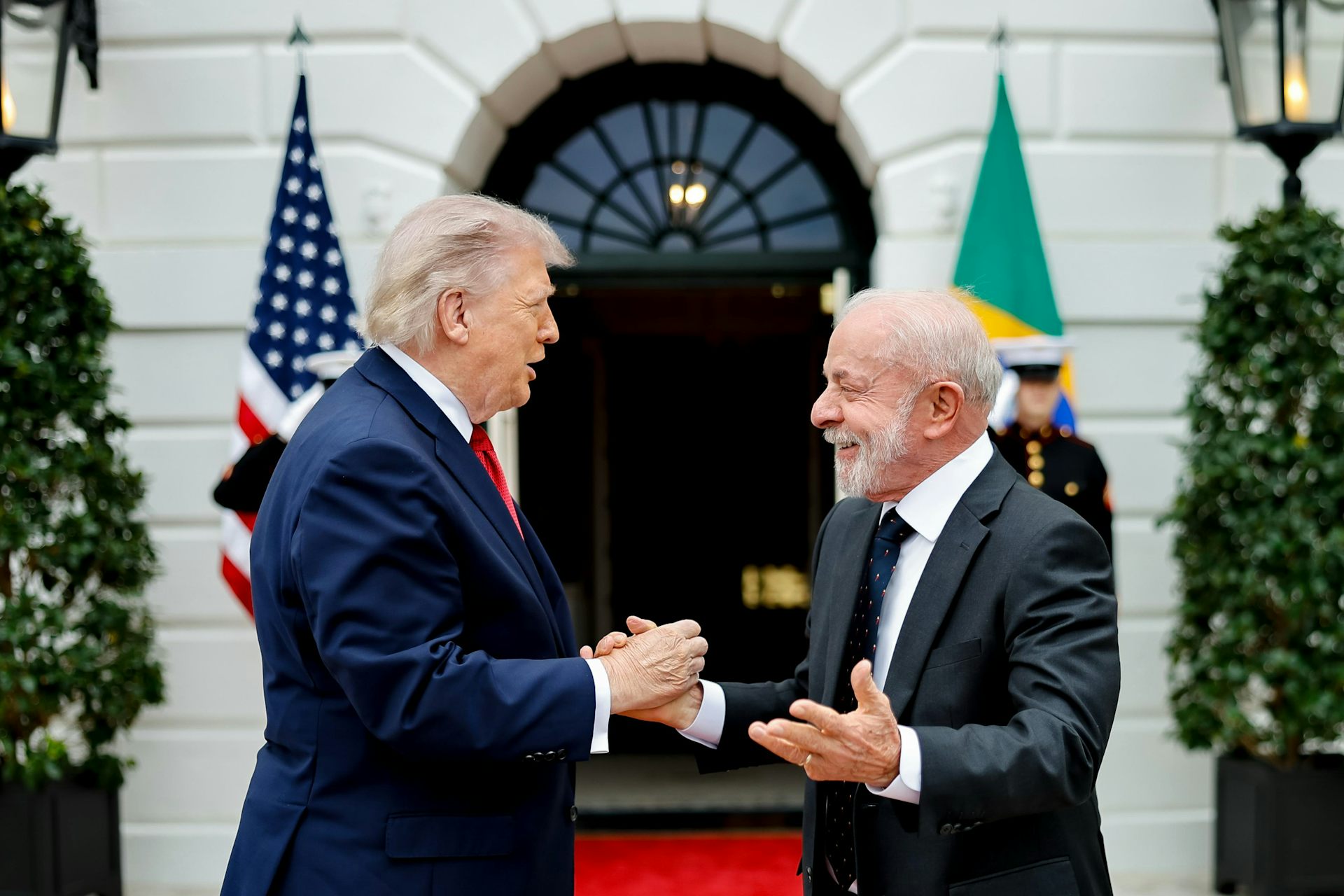
ترامب ولولا في البيت الأبيض: علاقة مبنية على البراغماتية وحساب إقليمي أوسع
Trump and Lula at the White House: a relationship built on pragmatism and a broader regional calculus
-
تشير ملفات الستاسي السرية إلى مدى حملة التضليل السوفييتي حول الكارثة النووية في تشيرنوبل بعد 40 عاماً
Chernobyl at 40: Secret Stasi files reveal extent of Soviet misinformation campaign over nuclear disaster