تشير ملفات الستاسي السرية إلى مدى حملة التضليل السوفييتي حول الكارثة النووية في تشيرنوبل بعد 40 عاماً
Chernobyl at 40: Secret Stasi files reveal extent of Soviet misinformation campaign over nuclear disaster
Once classified files from East Germany reveal the extent of Soviet actions to hide the true extent of catastrophe.
تكشف ملفات مصنفة من ألمانيا الشرقية عن مدى الإجراءات السوفييتية لإخفاء الحجم الحقيقي للكارثة.
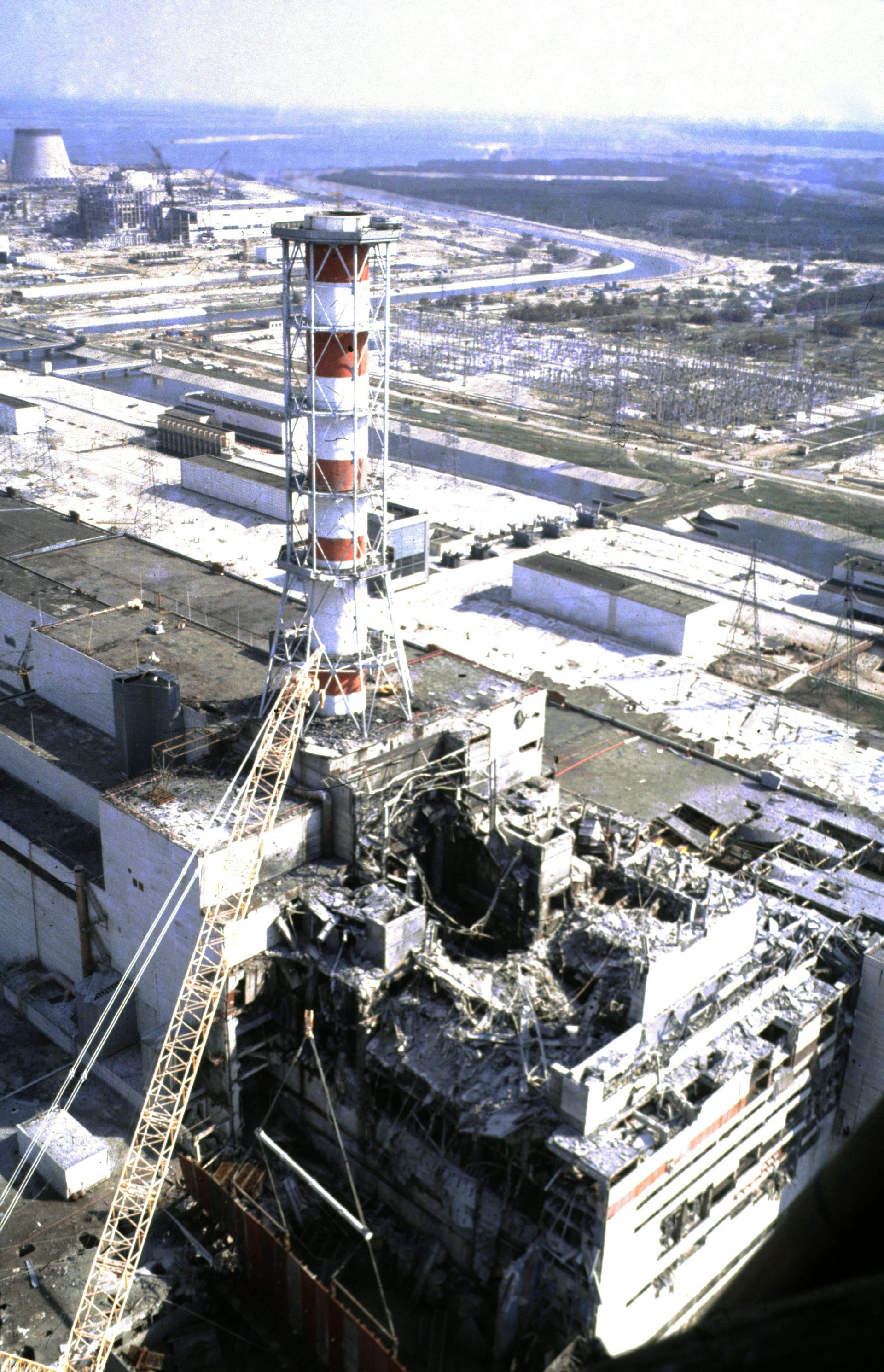
On April 26, 1986, Soviet engineers at the Chernobyl nuclear power plant were conducting a safety test. Doomed by a fatal design flaw and pushed to the limit by human negligence, reactor 4 exploded amid an attempted shutdown during a routine procedure, setting off a chain of events that ultimately released radioactive material hundreds of times greater than that of the atomic bomb dropped on Hiroshima.
في السادس والعشرين من أبريل عام 1986، كان مهندسون سوفييت في محطة تشيرنوبيل للطاقة النووية يجرون اختباراً للسلامة. انفجر المفاعل رقم 4، الذي كان قد حُكم عليه بالفشل بسبب عيب تصميم قاتل ودُفع إلى الحد الأقصى بسبب الإهمال البشري، وسط محاولة إيقاف تشغيل أثناء إجراء روتيني، مما أطلق سلسلة من الأحداث التي أطلقت في نهاية المطاف مواد مشعة تفوق بمئات المرات تلك التي أُطلقت من القنبلة الذرية على هيروشيما.
Although the accident occurred north of Kyiv, Ukraine, near the border with Belarus, radioactive fallout was soon detected throughout northern and central Europe. Yet the Soviets did what they could to prevent the spread of information that would reveal the true horror of what had occurred.
على الرغم من أن الحادث وقع شمال كييف في أوكرانيا، بالقرب من الحدود مع بيلاروسيا، إلا أن التساقط الإشعاعي سرعان ما اكتُشف في جميع أنحاء أوروبا الشمالية والوسطى. ومع ذلك، فعل السوفييت كل ما بوسعهم لمنع انتشار المعلومات التي تكشف عن الرعب الحقيقي لما حدث.
For decades, researchers, political leaders and advocacy groups have worked to uncover the story of the explosion. While science has allowed us to understand the circumstances of the explosion itself, it has taken much more work to uncover the layers of mismanagement, negligence and misinformation that resulted in human suffering, ecological disaster and economic damage.
لعقود من الزمان، عمل الباحثون والزعماء السياسيون والمجموعات الداعية للكشف عن قصة الانفجار. وفي حين سمح لنا العلم بفهم ظروف الانفجار نفسه، فقد تطلب الكشف عن طبقات سوء الإدارة والإهمال والمعلومات المضللة التي أدت إلى المعاناة البشرية والكارثة البيئية والضرر الاقتصادي عملاً أكبر بكثير.
One of the problems is that many of the official Soviet records of the event, such as the KGB files, are located in Moscow and are inaccessible to all but a few Russian government agencies.
إحدى المشكلات هي أن العديد من السجلات السوفيتية الرسمية للحدث، مثل ملفات جهاز الكي جي بي (KGB) ، تقع في موسكو وهي غير متاحة إلا لعدد قليل من الوكالات الحكومية الروسية.
But there is a partial workaround: Because East Germany was a Soviet satellite state and not a full member of the Soviet Union, official documents remained in the country after the fall of the Berlin Wall. In 1991, after the reunification of Germany, the German government passed a law allowing for the declassification of certain files from the Stasi, East Germany’s secret police and intelligence service. These files can now give us further insight into the mismanagement of Chernobyl, since the East German Stasi and the Soviet KGB were in communication on the matter.
ولكن هناك حل جزئي: بما أن ألمانيا الشرقية كانت دولة تابعة سوفيتية وليست عضواً كاملاً في الاتحاد السوفيتي، فقد بقيت الوثائق الرسمية في البلاد بعد سقوط جدار برلين. وفي عام 1991، بعد إعادة توحيد ألمانيا، أصدرت الحكومة الألمانية قانوناً يسمح بإلغاء تصنيف ملفات معينة من جهاز الستاسي (Stasi) ، وهي الشرطة السرية وخدمة المخابرات في ألمانيا الشرقية. يمكن لهذه الملفات الآن أن تمنحنا رؤى إضافية حول سوء إدارة تشيرنوبيل، نظراً لأن جهاز الستاسي الألماني الشرقي وجهاز الكي جي بي السوفييتي كانا على اتصال بشأن هذا الأمر.
I have spent the past three years reading Stasi files and researching the creation of misinformation in the former Eastern bloc, meeting with Stasi archivists in Berlin and viewing the original archival rooms in the former Stasi headquarters.
لقد أمضيت السنوات الثلاث الماضية في قراءة ملفات الستاسي وببحث إنشاء المعلومات المضللة في الكتلة الشرقية السابقة، والالتقاء بأرشيفيي الستاسي في برلين، ومشاهدة الغرف الأرشيفية الأصلية في المقر السابق للستاسي.
Looking at formerly top secret communication between the KGB and Stasi, it is clear that despite publicly insisting everything was under control, both intelligence agencies knew the explosion was absolutely devastating. They kept detailed records of hospitalizations, casualties, damaged crops, contaminated livestock and radiation levels.
بالنظر إلى الاتصالات التي كانت تعتبر في السابق سرية للغاية بين الكي جي بي والستاسي، من الواضح أنه على الرغم من إصرارهما علناً على أن كل شيء تحت السيطرة، إلا أن كلتا وكالتي المخابرات كانتا تعلمان أن الانفجار كان مدمراً للغاية. واحتفظتا بسجلات مفصلة للدخول إلى المستشفيات، والضحايا، والمحاصيل التالفة، والمواشي الملوثة، ومستويات الإشعاع.
But only the very top officials in East Germany and the Soviet Union had access to these numbers. The main fear for both the KGB and Stasi was not the radiation that would harm affected populations but the damage done to their respective countries’ reputations.
لكن كبار المسؤولين فقط في ألمانيا الشرقية والاتحاد السوفيتي هم من كان لديهم حق الوصول إلى هذه الأرقام. لم يكن الخوف الرئيسي لكل من الكي جي بي والستاسي هو الإشعاع الذي من شأنه أن يضر بالسكان المتضررين، بل الضرر الذي لحق بسمعة بلدياتهما المعنيتين.
Controlling the message
التحكم في الرسالة
Handling the press was a top priority.
كانت إدارة الصحافة أولوية قصوى.
In the Soviet Union, top government officials created their own briefings for the media to be published at precise dates and times. In a set of classified documents that one government official bravely saved and later published, the concreteness with which the lies were devised is apparent. It documents Mikhail Gorbachev, then-leader of the Soviet Union, saying in a Politburo meeting with top government officials: “When we inform the public, we should say that the power plant was being renovated at the time, so it doesn’t reflect badly on our reactor equipment.”
في الاتحاد السوفيتي، أعد كبار المسؤولين الحكوميين إحاطاتهم الإعلامية الخاصة ليتم نشرها في تواريخ وأوقات محددة. وفي مجموعة من الوثائق السرية التي أنقذها لاحقاً ونشرها مسؤول حكومي بشجاعة، يتضح مدى واقعية الكذب الذي تم تصميمه. وتوثق الوثائق تصريح ميخائيل غورباتشوف، زعيم الاتحاد السوفيتي آنذاك، خلال اجتماع لمكتب البوليتبيورو مع كبار المسؤولين الحكوميين: “عندما نُعلِم الجمهور، يجب أن نقول إن محطة الطاقة كانت تخضع للتجديد في ذلك الوقت، حتى لا ينعكس ذلك سلباً على معدات المفاعل لدينا.”
Later in the same meeting, another senior Soviet official, Nikolai Ryzhkov, suggests that the group prepare three different press releases: one for the Soviet people, one for the satellite states and another for Europe, the U.S. and Canada.
وفي وقت لاحق من نفس الاجتماع، اقترح مسؤول سوفيتي كبير آخر، نيكولاي ريزخوف، أن تُعد المجموعة ثلاث بيانات صحفية مختلفة: واحدة للشعب السوفيتي، وأخرى للدول التابعة، وثالثة لأوروبا والولايات المتحدة وكندا.
In East Germany, the Stasi reports mirrored this messaging. Although top officials are briefed on the presence of radioactive contaminants, the formerly classified Stasi files reiterate that the public is to be told that “absolutely no danger” is present. East German media, controlled by the state, then disseminated this information to the public.
في ألمانيا الشرقية، عكست تقارير الستاسي (Stasi) هذه الرسائل. وعلى الرغم من إحاطة كبار المسؤولين بوجود ملوثات مشعة، فإن ملفات الستاسي المصنفة سابقاً تكرر أنه يجب إخبار الجمهور بأن “لا يوجد خطر على الإطلاق.” ثم قامت وسائل الإعلام الألمانية الشرقية، التي تسيطر عليها الدولة، بنشر هذه المعلومات للجمهور.
The problem for the East German state was that by the mid-1980s, a lot of people were able to pick up Western TV and radio signals. Many recognized that their own government wasn’t telling them the truth. However, they also knew that Western media would take any chance they got to disparage the Eastern bloc. The result was that many people knew that they weren’t being told the truth, but they weren’t sure exactly what the truth was.
كانت مشكلة الدولة الألمانية الشرقية هي أنه بحلول منتصف الثمانينيات، أصبح بإمكان الكثير من الناس التقاط إشارات التلفزيون والراديو الغربية. وأدرك الكثيرون أن حكومتهم لم تكن تخبرهم بالحقيقة. ومع ذلك، كانوا يعلمون أيضاً أن وسائل الإعلام الغربية ستغتنم أي فرصة لتشويه سمعة الكتلة الشرقية. وكانت النتيجة أن الكثير من الناس علموا أنهم لا يتلقون الحقيقة، لكنهم لم يكونوا متأكدين بالضبط ما هي الحقيقة.
Much of the East German and Soviet propaganda at that time was designed to confuse and cast doubt, not necessarily to fully persuade. The idea was that enough conflicting information would tire people out.
كان جزء كبير من الدعاية الألمانية الشرقية والسوفيتية في ذلك الوقت مصمماً لإثارة الارتباك والشك، وليس بالضرورة لإقناع الناس بالكامل. كانت الفكرة هي أن كمية كافية من المعلومات المتضاربة ستُرهق الناس.
Downplaying economic concerns
تخفيف المخاوف الاقتصادية
One of the Stasi’s major concerns following the disaster was the economic damage that was sure to affect East Germany. Once people began to learn of the radioactive fallout over much of Europe, they grew fearful of their own produce and dairy products.
كان أحد المخاوف الرئيسية لجهاز الأمن (الستاسي) بعد الكارثة هو الضرر الاقتصادي الذي كان من المؤكد أن يلحق بألمانيا الشرقية. وبمجرد أن بدأ الناس في معرفة تفاصيل التساقط الإشعاعي على جزء كبير من أوروبا، بدأوا يشعرون بالخوف على منتجاتهم ومنتجات الألبان.
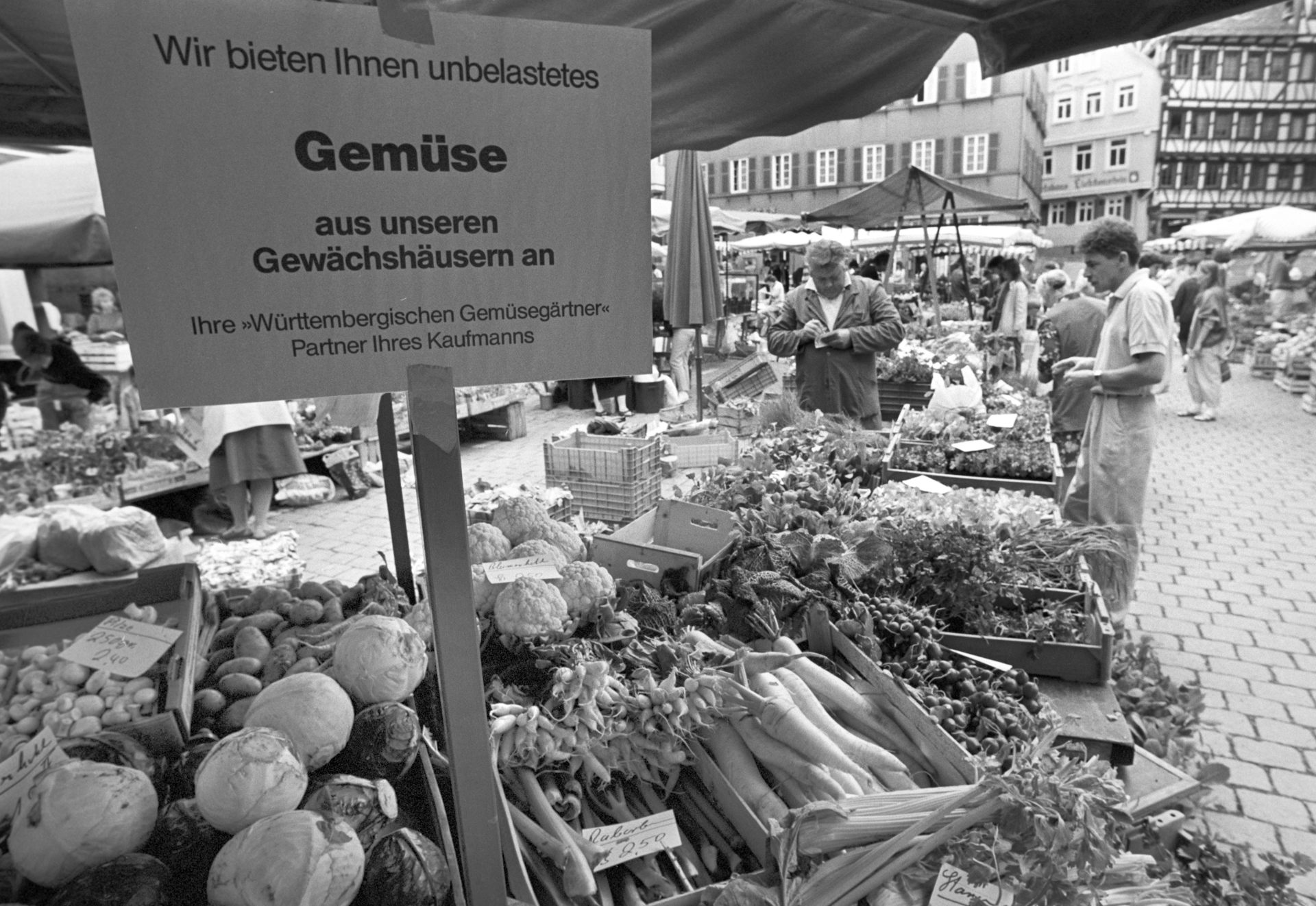
Children began refusing to drink milk at school, while people frequently asked produce vendors whether their products were grown in a greenhouse or outdoors. On the whole, people stopped buying many of these products.
بدأ الأطفال يرفضون شرب الحليب في المدارس، بينما كان الناس يسألون الباعة المنتجات بشكل متكرر عما إذا كانت بضاعتهم مزروعة في بيت بلاستيكي (دفيئة) أم في الهواء الطلق. وبشكل عام، توقف الناس عن شراء العديد من هذه المنتجات.
With an excess of these goods, the East German government needed to devise a plan to continue to make money off potentially contaminated goods. The Stasi’s solution was to increase export of these goods to West Germany.
مع وجود فائض من هذه السلع، احتاجت حكومة ألمانيا الشرقية إلى وضع خطة لمواصلة جني الأموال من السلع التي يحتمل تلوثها. وكان حل جهاز الأمن هو زيادة تصدير هذه السلع إلى ألمانيا الغربية.
In the formerly classified files, Stasi officials claim that exports would spread out the consumption of radioactive products, so that no one would consume unsafe levels of contaminated meat and produce.
في الملفات المصنفة سابقاً، يزعم مسؤولو جهاز الأمن أن التصدير سيوزع استهلاك المنتجات المشعة، بحيث لا يستهلك أحد مستويات غير آمنة من اللحوم والمنتجات الملوثة.
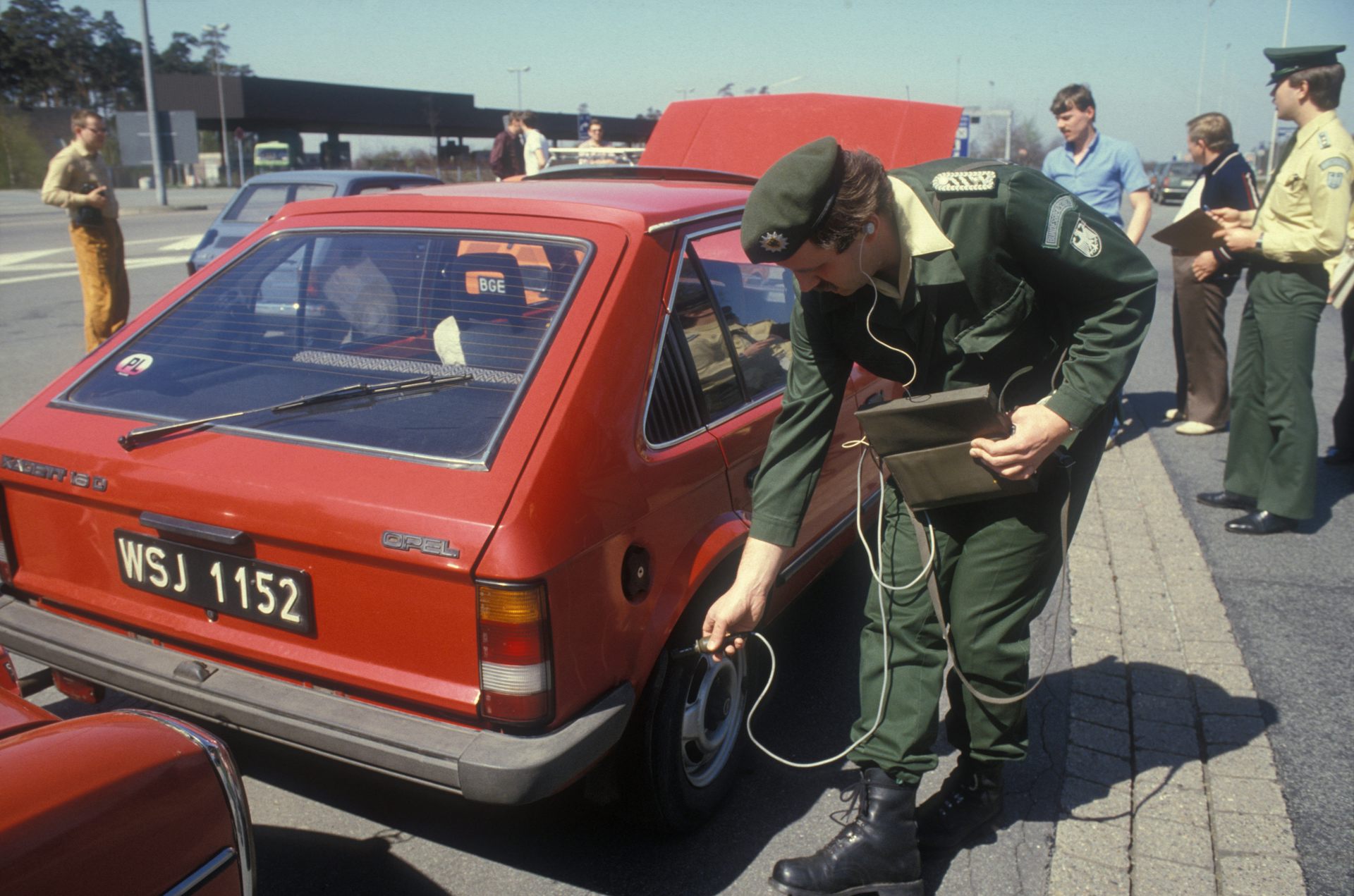
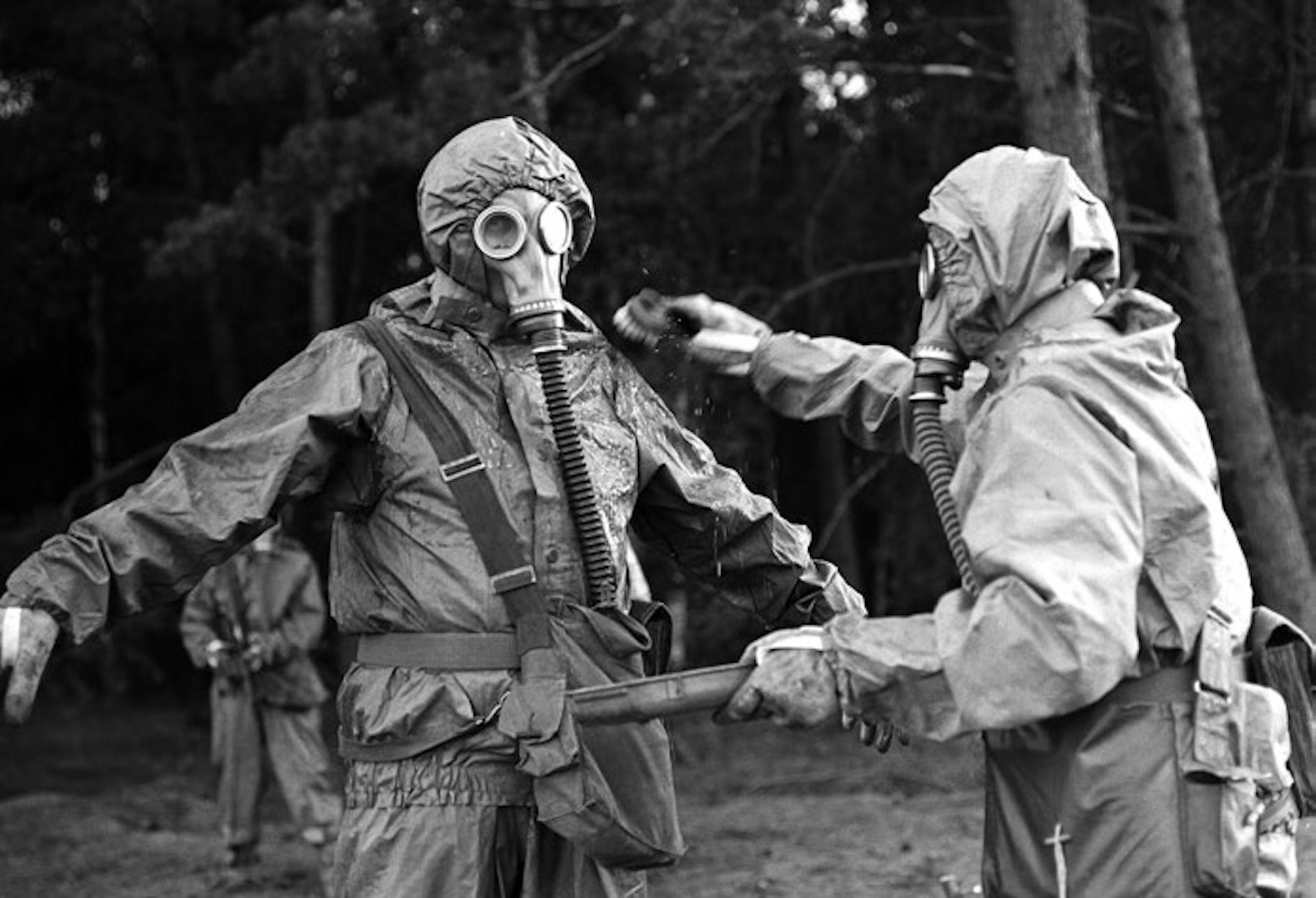
The problem for the East Germans was that West Germany quickly amended their regulations for border crossings from East to West. Vehicles emitting certain levels of radiation were no longer allowed across the border. As a response, the lower-ranking Stasi workers were required to clean radioactive vehicles themselves. In doing so, the state was knowingly risking the health and safety of its own officials.
كانت المشكلة التي واجهها الألمان الشرقيون هي أن ألمانيا الغربية قامت بتعديل لوائحها بسرعة للمعابر الحدودية من الشرق إلى الغرب. ولم يعد مسموحاً بمرور المركبات التي تصدر مستويات معينة من الإشعاع عبر الحدود. وردًا على ذلك، طُلب من عمال جهاز الأمن ذوي الرتب الأدنى تنظيف المركبات المشعة بأنفسهم. وبذلك، كانت الدولة تخاطر بشكل متعمد بصحة وسلامة مسؤوليها.
The East German food export plan was modeled on a similar one proposed by the Soviet government. The Soviet strategy, however, was not to export contaminated goods abroad but rather to send contaminated meat products to “the majority of regions” in the Soviet Union “except for Moscow.”
تم تصميم خطة التصدير الغذائي لألمانيا الشرقية على نموذج مشابه اقترحته الحكومة السوفيتية. ومع ذلك، لم تكن الاستراتيجية السوفيتية هي تصدير السلع الملوثة إلى الخارج، بل كانت إرسال منتجات اللحوم الملوثة إلى “غالبية المناطق” في الاتحاد السوفيتي “باستثناء موسكو.”
How disinformation proved an Achilles’ Heel
كيف أثبت التضليل أن كعب أخيل
When the Stasi was founded in 1950, many of its employees genuinely believed in the East German cause.
عندما تأسست جهاز الأمن والمخابرات (الستاسي) عام 1950، آمن العديد من موظفيه بإخلاص بقضية ألمانيا الشرقية.
Having witnessed the horrors of Nazi Germany, many older Stasi workers saw the East German state as the answer to creating a just and equitable society. By the 1980s, however, this sentiment had grown rare. Instead, many Stasi workers viewed their jobs as means to a decent income and privileged government treatment.
بعد أن شهد العديد من العاملين الأقدم في الستاسي فظائع ألمانيا النازية، رأوا الدولة الألمانية الشرقية كحل لخلق مجتمع عادل ومنصف. ولكن بحلول الثمانينيات، أصبح هذا الشعور نادرًا. وبدلاً من ذلك، رأى العديد من موظفي الستاسي وظائفهم كوسيلة لدخل لائق ومعاملة حكومية متميزة.
As a result, many Stasi workers had grown disillusioned and dispassionate.
ونتيجة لذلك، أصبح العديد من موظفي الستاسي محبطين وغير مبالين.
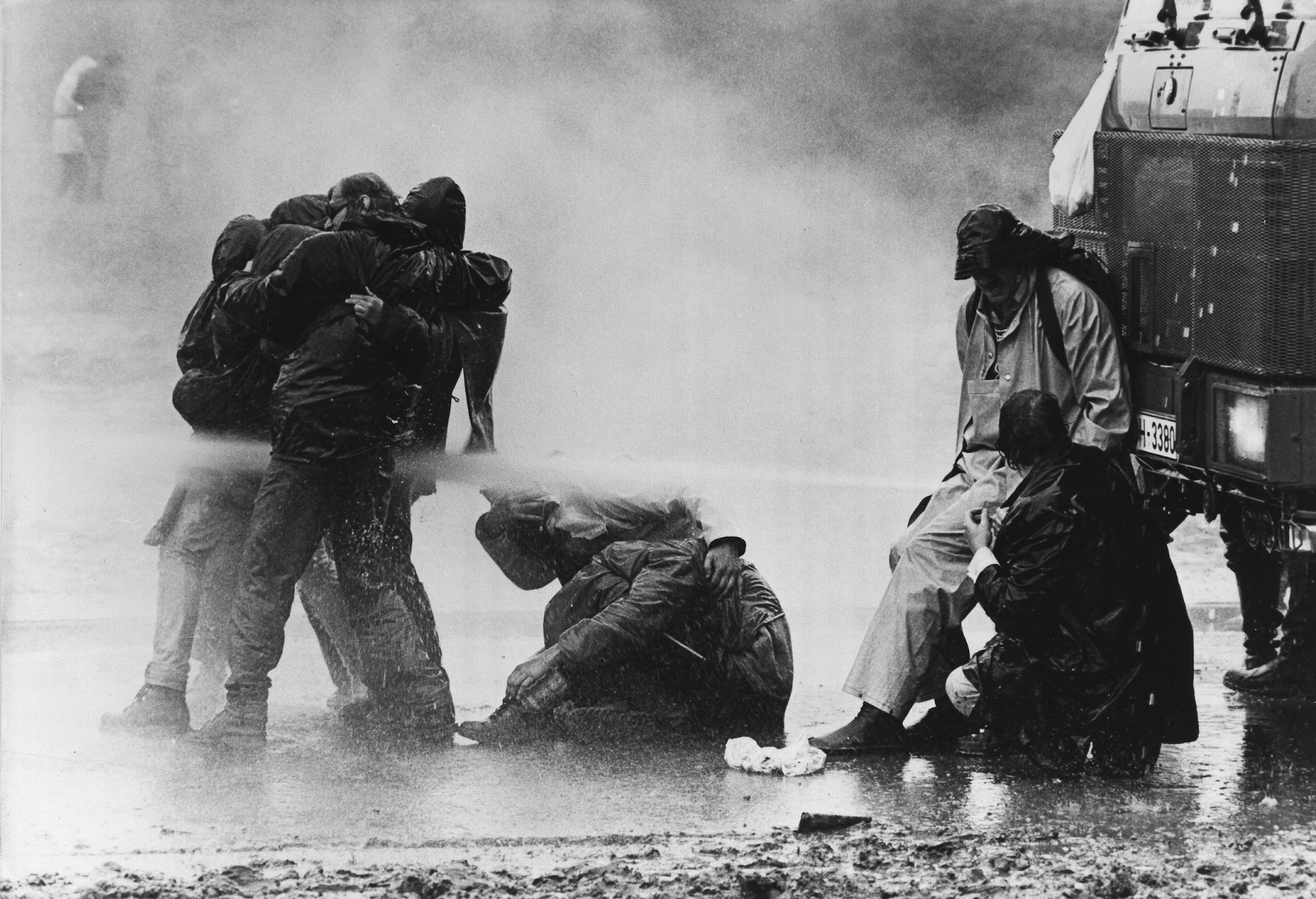
It was little surprise, then, that the Stasi put up little resistance when protesters stormed their headquarters in 1990, months after the Berlin Wall fell. While there are many factors in the demise of the communist bloc, the way the East German and Soviet governments handled the aftermath of Chernobyl contributed greatly to the growing popular sentiment against each regime.
لم يكن من المستغرب أن يقدم الستاسي مقاومة قليلة عندما اقتحم المتظاهرون مقره الرئيسي في عام 1990، بعد أشهر من سقوط جدار برلين. وفي حين أن هناك العديد من العوامل في زوال الكتلة الشيوعية، فإن الطريقة التي تعاملت بها حكومتا ألمانيا الشرقية والاتحاد السوفيتي مع تداعيات تشيرنوبل ساهمت بشكل كبير في تزايد الشعور الشعبي ضد كل نظام.
In East Germany, the disinformation campaign after the nuclear disaster only strengthened the message that the state did not have its people’s best interests in mind and that it was willing to sacrifice their health and well-being in order to maintain a certain image.
في ألمانيا الشرقية، لم تقم حملة التضليل بعد الكارثة النووية إلا بتعزيز الرسالة القائلة بأن الدولة لم تكن تضع مصالح شعبها في اعتبارها، وأنها كانت مستعدة للتضحية بصحتهم ورفاهيتهم للحفاظ على صورة معينة.
Lauren Cassidy does not work for, consult, own shares in or receive funding from any company or organization that would benefit from this article, and has disclosed no relevant affiliations beyond their academic appointment.
لا تعمل لورين كاسيدي أو تستشير أو تمتلك أسهمًا أو تتلقى تمويلاً من أي شركة أو منظمة قد تستفيد من هذه المقالة، ولم تكشف عن أي انتماءات ذات صلة تتجاوز منصبها الأكاديمي.
Read more
-
كيف تقرر المحكمة العليا الأمريكية قضاياها – دليل خطوة بخطوة
How the US Supreme Court decides its cases – a step-by-step guide
-
هل تفضل كأس العالم الدول الديمقراطية أم الاستبدادية؟ أجريت بعض الحسابات لمعرفة ذلك
Does the World Cup favor democratic or autocratic nations? I did some number crunching to find out