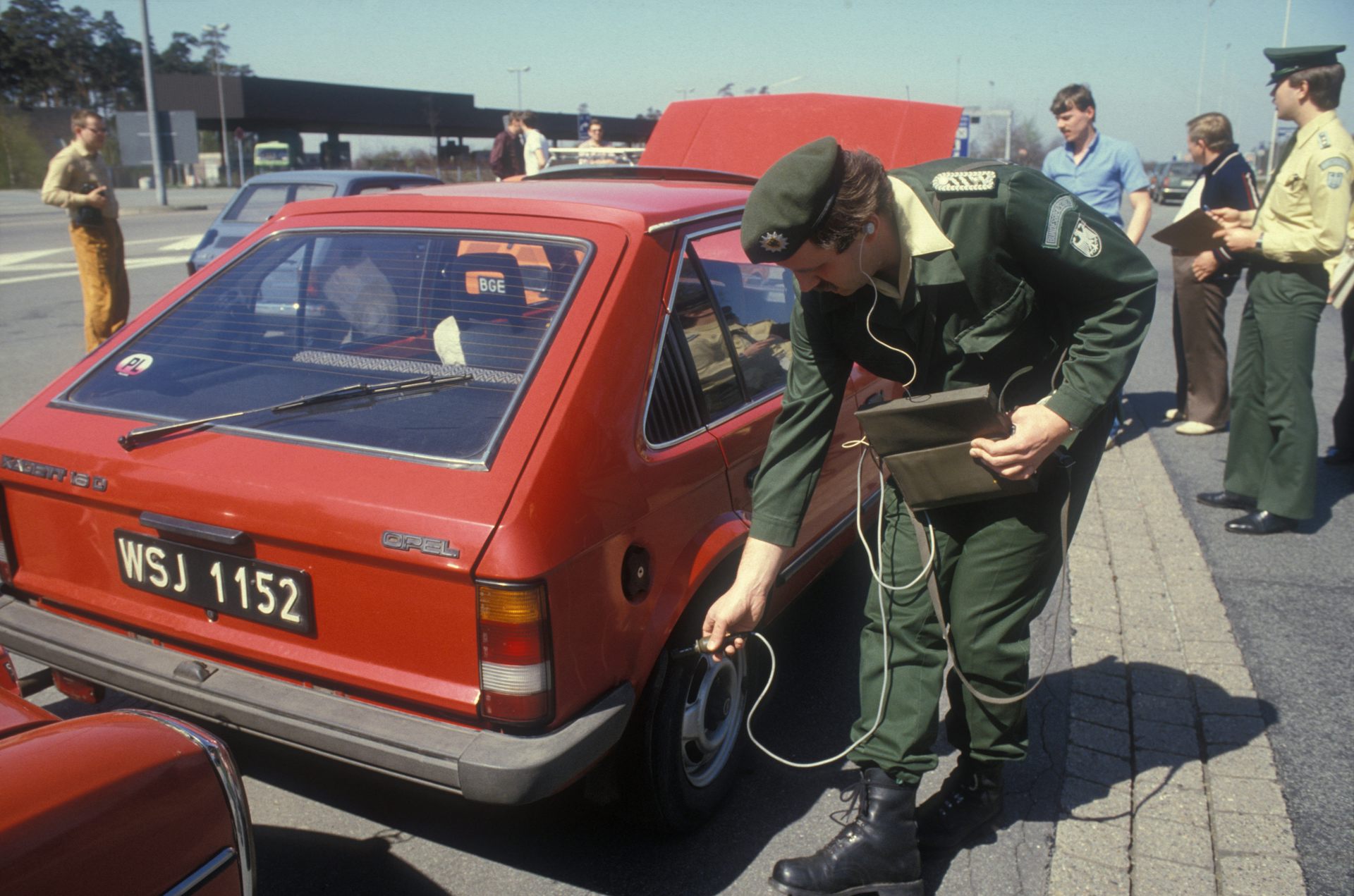
Chernobyl aos 40: Arquivos secretos da Stasi revelam o alcance da campanha de desinformação soviética sobre o desastre nuclear
Chernobyl at 40: Secret Stasi files reveal extent of Soviet misinformation campaign over nuclear disaster
Once classified files from East Germany reveal the extent of Soviet actions to hide the true extent of catastrophe.
Arquivos antes classificados da Alemanha Oriental revelam o alcance das ações soviéticas para esconder a verdadeira extensão da catástrofe.
On April 26, 1986, Soviet engineers at the Chernobyl nuclear power plant were conducting a safety test. Doomed by a fatal design flaw and pushed to the limit by human negligence, reactor 4 exploded amid an attempted shutdown during a routine procedure, setting off a chain of events that ultimately released radioactive material hundreds of times greater than that of the atomic bomb dropped on Hiroshima.
Em 26 de abril de 1986, engenheiros soviéticos na usina nuclear de Chernobyl estavam realizando um teste de segurança. Condutores por uma falha de projeto fatal e levados ao limite pela negligência humana, o reator 4 explodiu durante uma tentativa de desligamento em um procedimento de rotina, desencadeando uma cadeia de eventos que, em última análise, liberou material radioativo centenas de vezes maior do que o da bomba atômica lançada em Hiroshima.
Although the accident occurred north of Kyiv, Ukraine, near the border with Belarus, radioactive fallout was soon detected throughout northern and central Europe. Yet the Soviets did what they could to prevent the spread of information that would reveal the true horror of what had occurred.
Embora o acidente tenha ocorrido ao norte de Kyiv, Ucrânia, perto da fronteira com Belarus, a queda radioativa foi logo detectada em toda a Europa do norte e central. No entanto, os soviéticos fizeram o possível para impedir a disseminação de informações que revelariam o verdadeiro horror do que havia acontecido.
For decades, researchers, political leaders and advocacy groups have worked to uncover the story of the explosion. While science has allowed us to understand the circumstances of the explosion itself, it has taken much more work to uncover the layers of mismanagement, negligence and misinformation that resulted in human suffering, ecological disaster and economic damage.
Por décadas, pesquisadores, líderes políticos e grupos de defesa trabalharam para desvendar a história da explosão. Enquanto a ciência nos permitiu entender as circunstâncias da própria explosão, foi necessário um trabalho muito maior para desvendar as camadas de má gestão, negligência e desinformação que resultaram em sofrimento humano, desastre ecológico e danos econômicos.
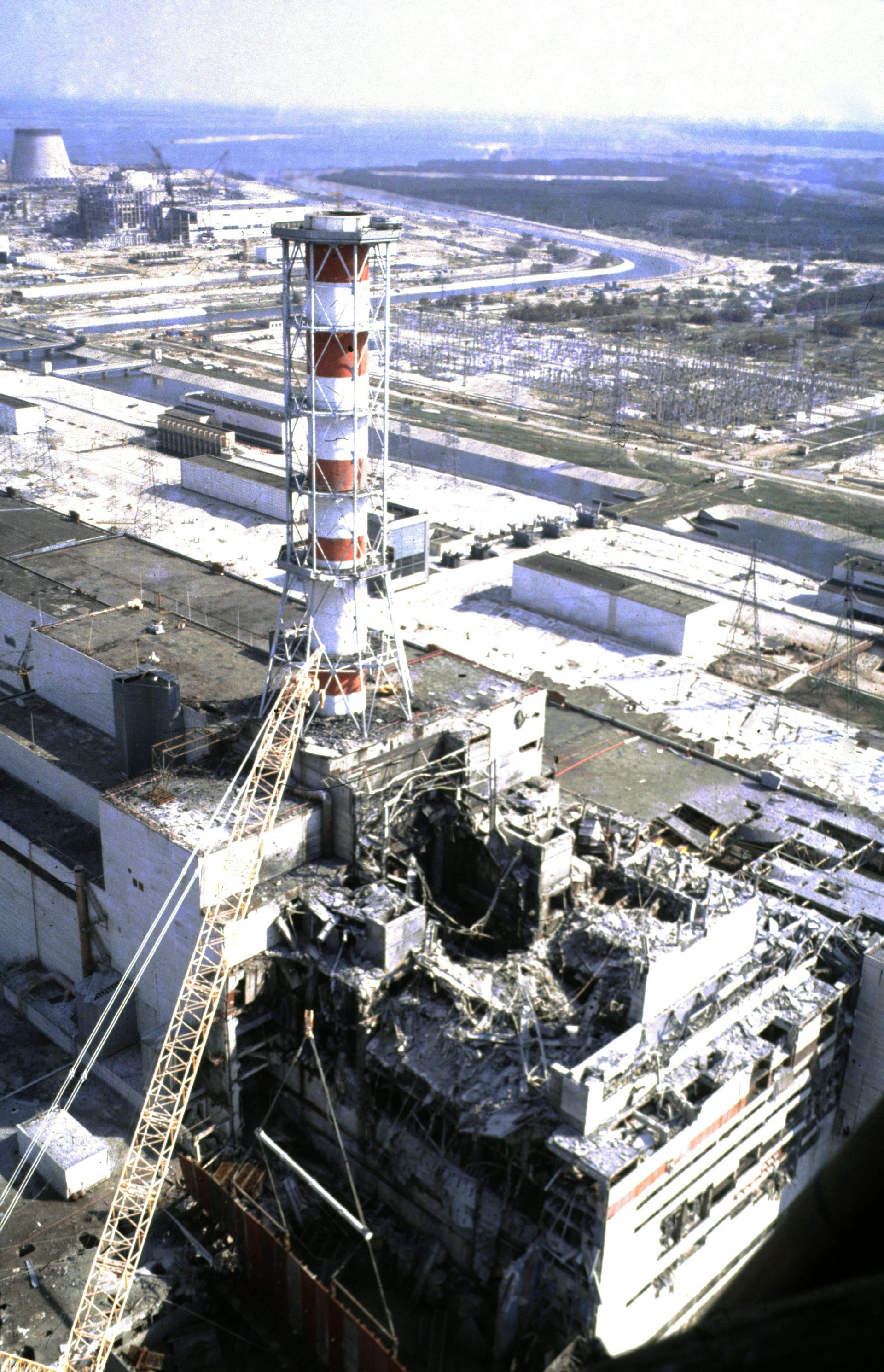
One of the problems is that many of the official Soviet records of the event, such as the KGB files, are located in Moscow and are inaccessible to all but a few Russian government agencies.
Um dos problemas é que muitos dos registros oficiais soviéticos do evento, como os arquivos da KGB, estão localizados em Moscou e são inacessíveis a todos, exceto a algumas agências governamentais russas.
But there is a partial workaround: Because East Germany was a Soviet satellite state and not a full member of the Soviet Union, official documents remained in the country after the fall of the Berlin Wall. In 1991, after the reunification of Germany, the German government passed a law allowing for the declassification of certain files from the Stasi, East Germany’s secret police and intelligence service. These files can now give us further insight into the mismanagement of Chernobyl, since the East German Stasi and the Soviet KGB were in communication on the matter.
Mas há uma solução parcial: Como a Alemanha Oriental era um estado satélite soviético e não um membro pleno da União Soviética, os documentos oficiais permaneceram no país após a queda do Muro de Berlim. Em 1991, após a reunificação da Alemanha, o governo alemão aprovou uma lei que permitiu a desclassificação de certos arquivos da Stasi, a polícia secreta e serviço de inteligência da Alemanha Oriental. Esses arquivos agora podem nos dar mais informações sobre a má gestão de Chernobyl, já que a Stasi da Alemanha Oriental e a KGB soviética estavam em comunicação sobre o assunto.
I have spent the past three years reading Stasi files and researching the creation of misinformation in the former Eastern bloc, meeting with Stasi archivists in Berlin and viewing the original archival rooms in the former Stasi headquarters.
Passei os últimos três anos lendo arquivos da Stasi e pesquisando a criação de desinformação no antigo bloco oriental, encontrando-me com arquivistas da Stasi em Berlim e visitando as salas de arquivo originais no antigo quartel-general da Stasi.
Looking at formerly top secret communication between the KGB and Stasi, it is clear that despite publicly insisting everything was under control, both intelligence agencies knew the explosion was absolutely devastating. They kept detailed records of hospitalizations, casualties, damaged crops, contaminated livestock and radiation levels.
Ao analisar a comunicação ultrassecreta entre a KGB e a Stasi, fica claro que, apesar de insistirem publicamente que tudo estava sob controle, ambas as agências de inteligência sabiam que a explosão era absolutamente devastadora. Elas mantiveram registros detalhados de hospitalizações, baixas, colheitas danificadas, gado contaminado e níveis de radiação.
But only the very top officials in East Germany and the Soviet Union had access to these numbers. The main fear for both the KGB and Stasi was not the radiation that would harm affected populations but the damage done to their respective countries’ reputations.
Mas apenas os mais altos funcionários da Alemanha Oriental e da União Soviética tinham acesso a esses números. O principal medo tanto da KGB quanto da Stasi não era a radiação que prejudicaria as populações afetadas, mas o dano às reputações de seus respectivos países.
Controlling the message
Controlando a mensagem
Handling the press was a top priority.
Lidar com a imprensa era uma prioridade máxima.
In the Soviet Union, top government officials created their own briefings for the media to be published at precise dates and times. In a set of classified documents that one government official bravely saved and later published, the concreteness with which the lies were devised is apparent. It documents Mikhail Gorbachev, then-leader of the Soviet Union, saying in a Politburo meeting with top government officials: “When we inform the public, we should say that the power plant was being renovated at the time, so it doesn’t reflect badly on our reactor equipment.”
Na União Soviética, altos funcionários do governo criavam seus próprios briefings para a mídia serem publicados em datas e horários precisos. Em um conjunto de documentos classificados que um funcionário do governo salvou bravamente e publicou mais tarde, é aparente o quão concreta era a elaboração das mentiras. Documenta Mikhail Gorbachev, então líder da União Soviética, dizendo em uma reunião do Politburo com altos funcionários do governo: “Quando informamos o público, devemos dizer que a usina estava em reforma na época, para que não reflita mal em nosso equipamento de reator.”
Later in the same meeting, another senior Soviet official, Nikolai Ryzhkov, suggests that the group prepare three different press releases: one for the Soviet people, one for the satellite states and another for Europe, the U.S. and Canada.
Mais tarde, na mesma reunião, outro alto funcionário soviético, Nikolai Ryzhkov, sugere que o grupo prepare três comunicados de imprensa diferentes: um para o povo soviético, um para os estados satélites e outro para a Europa, os EUA e o Canadá.
In East Germany, the Stasi reports mirrored this messaging. Although top officials are briefed on the presence of radioactive contaminants, the formerly classified Stasi files reiterate that the public is to be told that “absolutely no danger” is present. East German media, controlled by the state, then disseminated this information to the public.
Na Alemanha Oriental, os relatórios da Stasi espelhavam essa mensagem. Embora os altos funcionários recebessem briefings sobre a presença de contaminantes radioativos, os arquivos da Stasi, antes classificados, reiteram que o público deve ser informado de que “não há absolutamente nenhum perigo”. A mídia da Alemanha Oriental, controlada pelo estado, então disseminou essa informação ao público.
The problem for the East German state was that by the mid-1980s, a lot of people were able to pick up Western TV and radio signals. Many recognized that their own government wasn’t telling them the truth. However, they also knew that Western media would take any chance they got to disparage the Eastern bloc. The result was that many people knew that they weren’t being told the truth, but they weren’t sure exactly what the truth was.
O problema para o estado da Alemanha Oriental era que, em meados da década de 1980, muitas pessoas conseguiam captar sinais de TV e rádio ocidentais. Muitos reconheceram que seu próprio governo não estava lhes dizendo a verdade. No entanto, eles também sabiam que a mídia ocidental aproveitaria qualquer chance para difamar o bloco oriental. O resultado foi que muitas pessoas sabiam que não estavam recebendo a verdade, mas não tinham certeza de qual era exatamente essa verdade.
Much of the East German and Soviet propaganda at that time was designed to confuse and cast doubt, not necessarily to fully persuade. The idea was that enough conflicting information would tire people out.
Grande parte da propaganda da Alemanha Oriental e da União Soviética naquela época foi projetada para confundir e semear dúvidas, não necessariamente para persuadir totalmente. A ideia era que informações conflitantes suficientes cansariam as pessoas.
Downplaying economic concerns
Minimizar preocupações econômicas
One of the Stasi’s major concerns following the disaster was the economic damage that was sure to affect East Germany. Once people began to learn of the radioactive fallout over much of Europe, they grew fearful of their own produce and dairy products.
Uma das principais preocupações da Stasi após o desastre foi o dano econômico que certamente afetaria a Alemanha Oriental. Assim que as pessoas começaram a saber sobre a queda radioativa em grande parte da Europa, elas ficaram receosas de seus próprios produtos agrícolas e laticínios.
Children began refusing to drink milk at school, while people frequently asked produce vendors whether their products were grown in a greenhouse or outdoors. On the whole, people stopped buying many of these products.
As crianças começaram a recusar beber leite na escola, enquanto as pessoas perguntavam frequentemente aos vendedores de produtos agrícolas se seus produtos eram cultivados em estufa ou ao ar livre. No geral, as pessoas pararam de comprar muitos desses produtos.
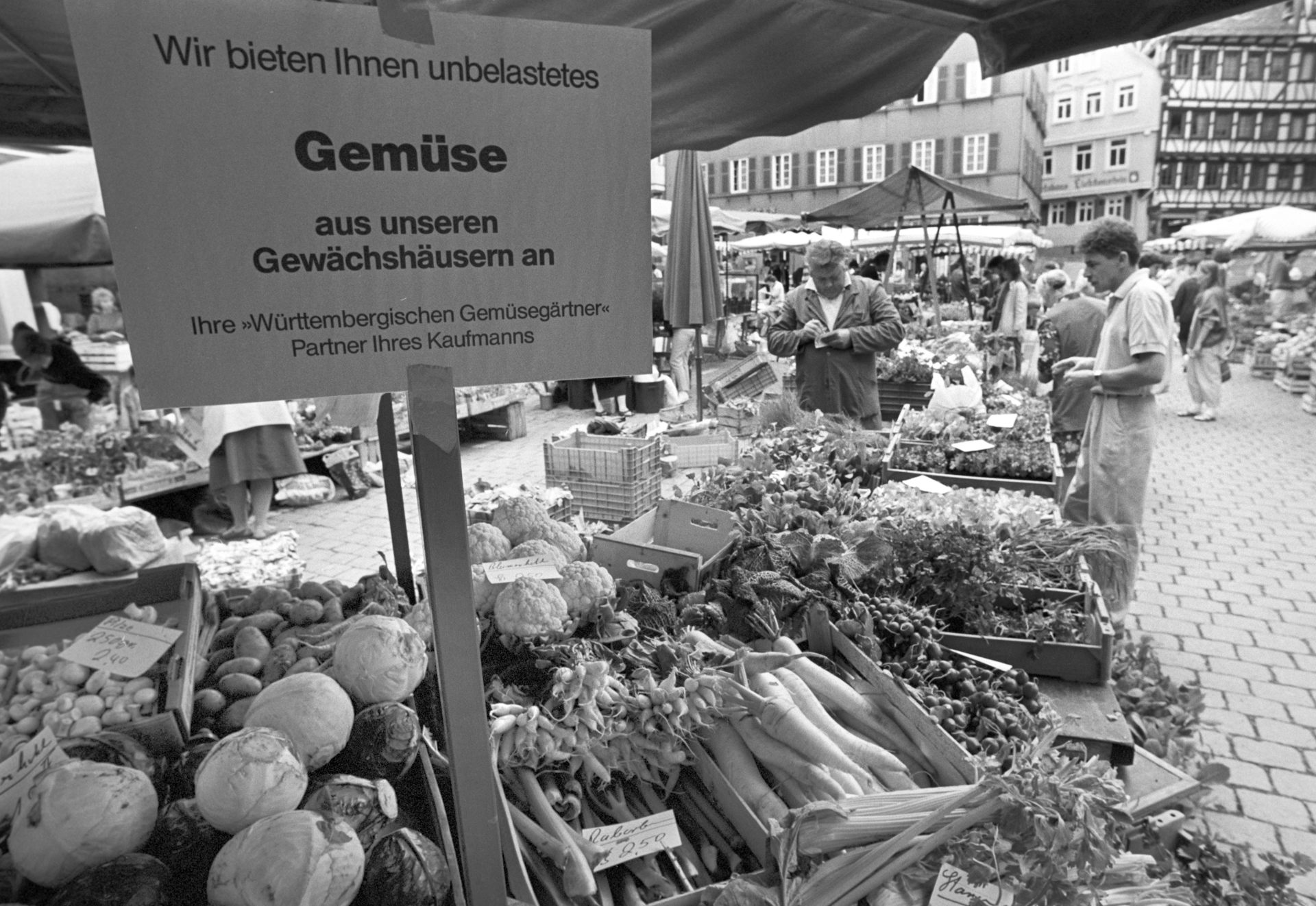
With an excess of these goods, the East German government needed to devise a plan to continue to make money off potentially contaminated goods. The Stasi’s solution was to increase export of these goods to West Germany.
Com um excesso desses bens, o governo da Alemanha Oriental precisou elaborar um plano para continuar a ganhar dinheiro com produtos potencialmente contaminados. A solução da Stasi foi aumentar a exportação desses bens para a Alemanha Ocidental.
In the formerly classified files, Stasi officials claim that exports would spread out the consumption of radioactive products, so that no one would consume unsafe levels of contaminated meat and produce.
Nos arquivos anteriormente classificados, os funcionários da Stasi afirmam que as exportações dispersariam o consumo de produtos radioativos, para que ninguém consumisse níveis inseguros de carne e produtos contaminados.
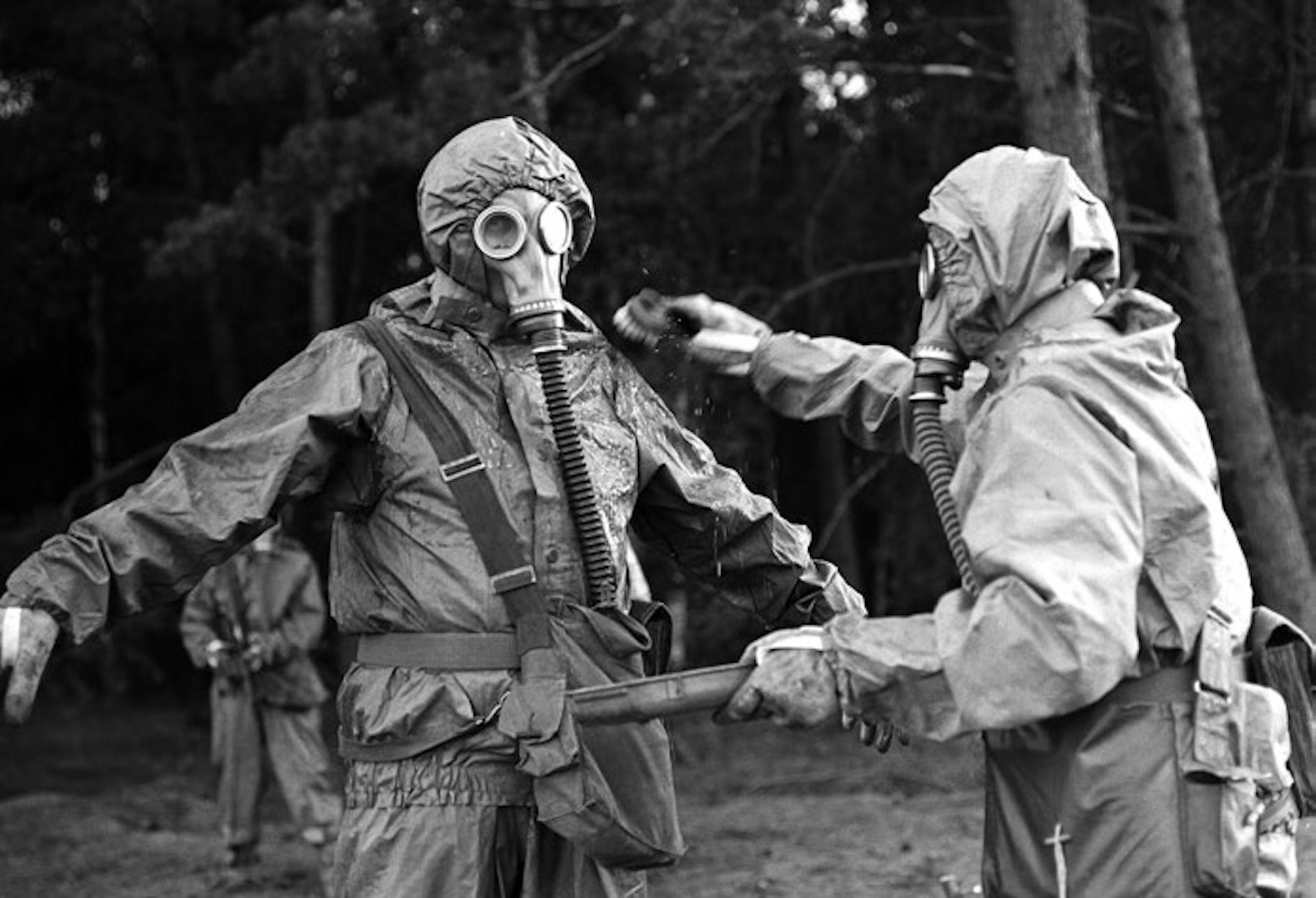
The problem for the East Germans was that West Germany quickly amended their regulations for border crossings from East to West. Vehicles emitting certain levels of radiation were no longer allowed across the border. As a response, the lower-ranking Stasi workers were required to clean radioactive vehicles themselves. In doing so, the state was knowingly risking the health and safety of its own officials.
O problema para os alemães orientais foi que a Alemanha Ocidental rapidamente alterou seus regulamentos para cruzamentos de fronteira do Leste para o Oeste. Veículos que emitiam certos níveis de radiação não eram mais permitidos na fronteira. Em resposta, os trabalhadores de menor patente da Stasi foram obrigados a limpar os veículos radioativos eles mesmos. Ao fazer isso, o estado estava arriscando o conhecimento da saúde e segurança de seus próprios funcionários.
The East German food export plan was modeled on a similar one proposed by the Soviet government. The Soviet strategy, however, was not to export contaminated goods abroad but rather to send contaminated meat products to “the majority of regions” in the Soviet Union “except for Moscow.”
O plano de exportação de alimentos da Alemanha Oriental foi modelado em um similar proposto pelo governo soviético. A estratégia soviética, no entanto, não era exportar bens contaminados para o exterior, mas sim enviar produtos de carne contaminados para “a maioria das regiões” da União Soviética “exceto Moscou”.
How disinformation proved an Achilles’ Heel
Como a desinformação provou um calcanhar de Aquiles
When the Stasi was founded in 1950, many of its employees genuinely believed in the East German cause.
Quando a Stasi foi fundada em 1950, muitos de seus funcionários acreditavam genuinamente na causa da Alemanha Oriental.
Having witnessed the horrors of Nazi Germany, many older Stasi workers saw the East German state as the answer to creating a just and equitable society. By the 1980s, however, this sentiment had grown rare. Instead, many Stasi workers viewed their jobs as means to a decent income and privileged government treatment.
Tendo testemunhado os horrores da Alemanha Nazista, muitos trabalhadores mais velhos da Stasi viam o estado da Alemanha Oriental como a resposta para criar uma sociedade justa e equitativa. Na década de 1980, no entanto, esse sentimento havia se tornado raro. Em vez disso, muitos trabalhadores da Stasi viam seus empregos como meios para obter uma renda decente e tratamento privilegiado do governo.
As a result, many Stasi workers had grown disillusioned and dispassionate.
Como resultado, muitos trabalhadores da Stasi estavam desiludidos e apáticos.
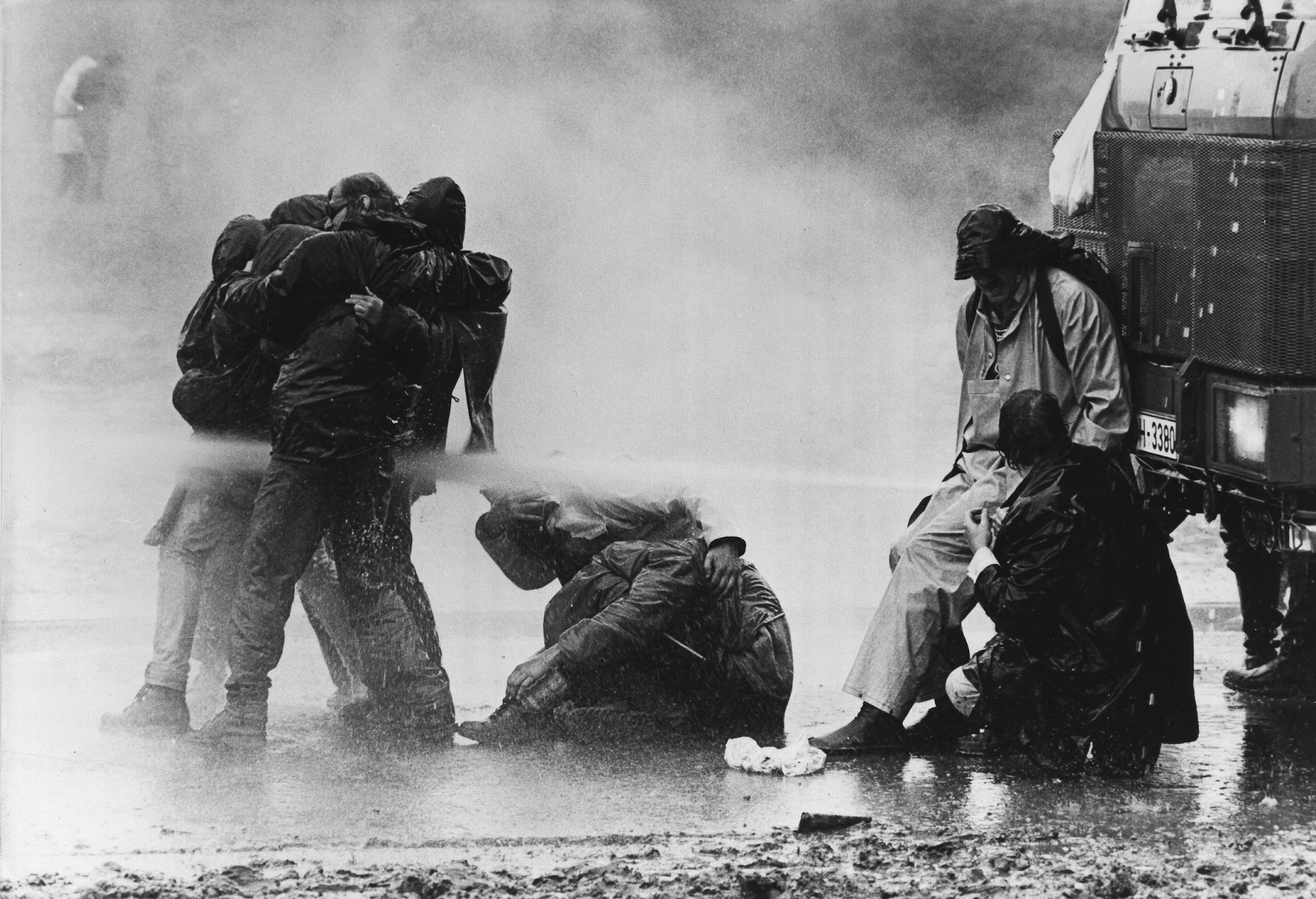
It was little surprise, then, that the Stasi put up little resistance when protesters stormed their headquarters in 1990, months after the Berlin Wall fell. While there are many factors in the demise of the communist bloc, the way the East German and Soviet governments handled the aftermath of Chernobyl contributed greatly to the growing popular sentiment against each regime.
Não foi surpresa, então, que a Stasi oferecesse pouca resistência quando os manifestantes invadiram sua sede em 1990, meses após a queda do Muro de Berlim. Embora haja muitos fatores no declínio do bloco comunista, a maneira como os governos da Alemanha Oriental e da União Soviética lidaram com as consequências de Chernobyl contribuiu enormemente para o crescente sentimento popular contra cada regime.
In East Germany, the disinformation campaign after the nuclear disaster only strengthened the message that the state did not have its people’s best interests in mind and that it was willing to sacrifice their health and well-being in order to maintain a certain image.
Na Alemanha Oriental, a campanha de desinformação após o desastre nuclear apenas reforçou a mensagem de que o estado não tinha os melhores interesses de seu povo em mente e que estava disposto a sacrificar sua saúde e bem-estar para manter uma certa imagem.
Lauren Cassidy does not work for, consult, own shares in or receive funding from any company or organization that would benefit from this article, and has disclosed no relevant affiliations beyond their academic appointment.
Lauren Cassidy não trabalha, não é consultora, não possui ações nem recebe financiamento de nenhuma empresa ou organização que se beneficiaria deste artigo, e não divulgou afiliações relevantes além de seu cargo acadêmico.
Read more
-

A obra-prima de Marjane Satrapi, Persepolis, transformou a compreensão mundial do Irã
Marjane Satrapi’s masterpiece Persepolis transformed the world’s understanding of Iran
-
Ulysses em isiZulu: por que uma tradução africana do clássico romance irlandês é importante no mundo de hoje
Ulysses in isiZulu: why an African translation of the classic Irish novel matters in today’s world