《切尔诺贝利40周年:秘密斯塔西档案揭示苏联关于核灾难的虚假信息宣传范围》
Chernobyl at 40: Secret Stasi files reveal extent of So…
Once classified files from East Germany reveal the extent of Soviet actions to hide the true extent of catastrophe.
东德的机密文件揭示了苏联掩盖灾难真实程度的行动范围。
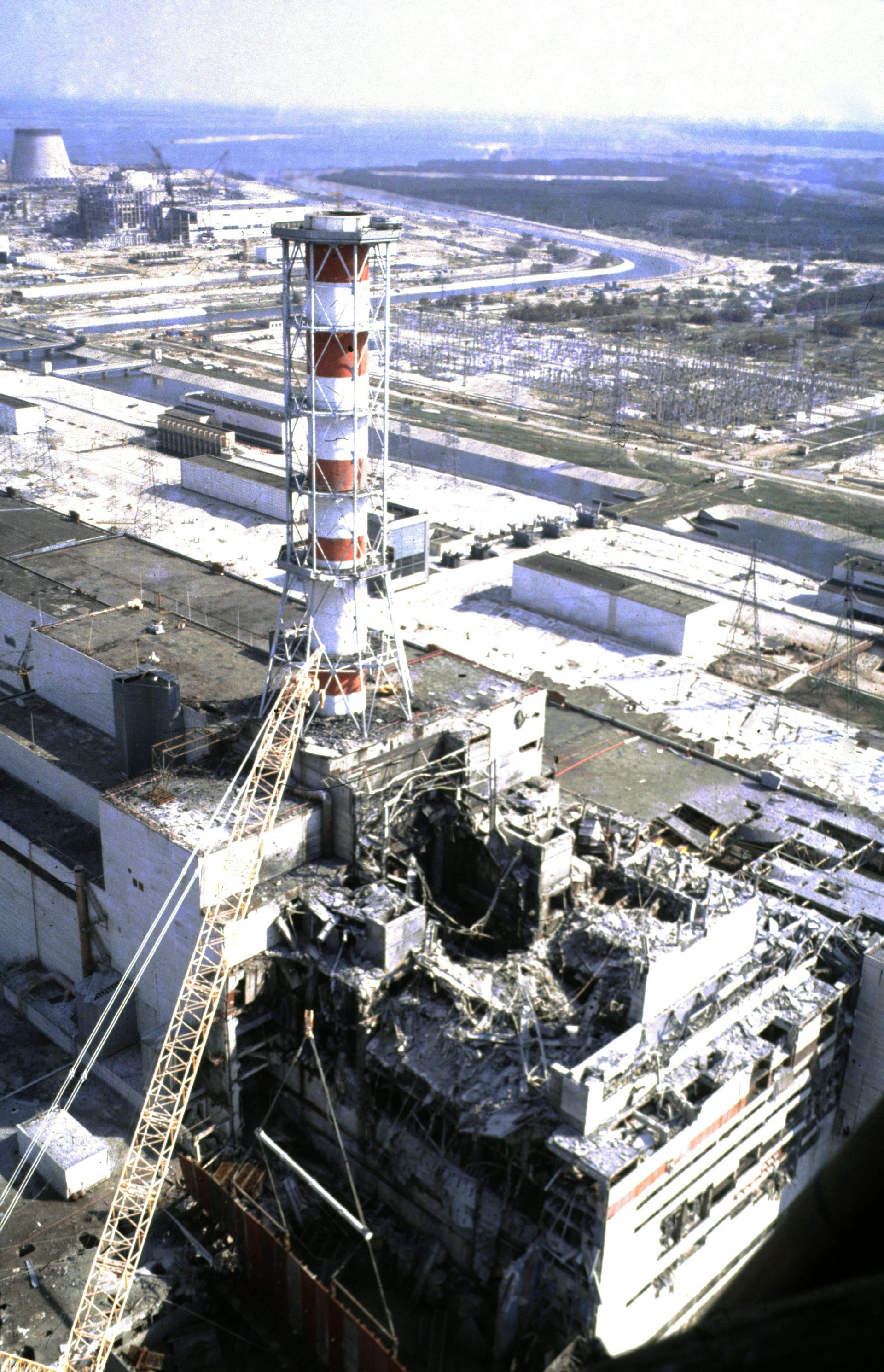
On April 26, 1986, Soviet engineers at the Chernobyl nuclear power plant were conducting a safety test. Doomed by a fatal design flaw and pushed to the limit by human negligence, reactor 4 exploded amid an attempted shutdown during a routine procedure, setting off a chain of events that ultimately released radioactive material hundreds of times greater than that of the atomic bomb dropped on Hiroshima.
1986年4月26日,苏联工程师在切尔诺贝利核电站进行安全测试。由于致命的设计缺陷和人为疏忽的极限推动,反应堆4在一次例行程序尝试停机过程中爆炸,引发了一系列事件,最终释放出的放射性物质比原子弹投在日本广岛的放射性物质要大数百倍。
Although the accident occurred north of Kyiv, Ukraine, near the border with Belarus, radioactive fallout was soon detected throughout northern and central Europe. Yet the Soviets did what they could to prevent the spread of information that would reveal the true horror of what had occurred.
尽管事故发生在乌克兰基辅以北、靠近白俄罗斯边境,但放射性沉降物很快被检测到蔓延到整个北欧和中欧。然而,苏联方面竭尽所能阻止了任何可能揭示事件真正恐怖真相的信息传播。
For decades, researchers, political leaders and advocacy groups have worked to uncover the story of the explosion. While science has allowed us to understand the circumstances of the explosion itself, it has taken much more work to uncover the layers of mismanagement, negligence and misinformation that resulted in human suffering, ecological disaster and economic damage.
几十年来,研究人员、政治领导人和倡导团体一直致力于揭开这场爆炸背后的故事。科学使我们了解了爆炸本身的经过,但要揭开导致人类苦难、生态灾难和经济损失的层层管理不善、疏忽和虚假信息,则需要付出更多的努力。
One of the problems is that many of the official Soviet records of the event, such as the KGB files, are located in Moscow and are inaccessible to all but a few Russian government agencies.
问题之一是,许多官方的苏联记录,例如克格勃档案,都存放在莫斯科,只有少数俄罗斯政府机构可以获取。
But there is a partial workaround: Because East Germany was a Soviet satellite state and not a full member of the Soviet Union, official documents remained in the country after the fall of the Berlin Wall. In 1991, after the reunification of Germany, the German government passed a law allowing for the declassification of certain files from the Stasi, East Germany’s secret police and intelligence service. These files can now give us further insight into the mismanagement of Chernobyl, since the East German Stasi and the Soviet KGB were in communication on the matter.
但存在一个部分可行的替代方案:由于东德是苏联的卫星国而非苏联的完全成员,因此官方文件在柏林墙倒塌后仍留在该国。1991年,德国统一后,德国政府通过了一项法律,允许解密东德秘密警察和情报机构斯塔西(Stasi)的某些档案。这些档案现在可以让我们进一步了解切尔诺贝利的管理不善,因为东德的斯塔西和苏联的克格勃在此事上曾进行过沟通。
I have spent the past three years reading Stasi files and researching the creation of misinformation in the former Eastern bloc, meeting with Stasi archivists in Berlin and viewing the original archival rooms in the former Stasi headquarters.
我花了过去三年时间阅读斯塔西档案,研究前东集团虚假信息的制造过程,并在柏林会见了斯塔西档案管理员,并参观了前斯塔西总部原始的档案室。
Looking at formerly top secret communication between the KGB and Stasi, it is clear that despite publicly insisting everything was under control, both intelligence agencies knew the explosion was absolutely devastating. They kept detailed records of hospitalizations, casualties, damaged crops, contaminated livestock and radiation levels.
从克格勃和斯塔西之间曾经的高度机密通信中可以看出,尽管公开坚持一切都在控制之下,但这两个情报机构都知道这次爆炸是绝对毁灭性的。他们详细记录了住院人数、伤亡人数、受损农作物、受污染牲畜和辐射水平。
But only the very top officials in East Germany and the Soviet Union had access to these numbers. The main fear for both the KGB and Stasi was not the radiation that would harm affected populations but the damage done to their respective countries’ reputations.
但只有东德和苏联的最高官员能够获取这些数据。克格勃和斯塔西最大的恐惧不是会伤害到受影响人口的辐射,而是对各自国家声誉造成的损害。
Controlling the message
控制信息
Handling the press was a top priority.
处理媒体是重中之重。
In the Soviet Union, top government officials created their own briefings for the media to be published at precise dates and times. In a set of classified documents that one government official bravely saved and later published, the concreteness with which the lies were devised is apparent. It documents Mikhail Gorbachev, then-leader of the Soviet Union, saying in a Politburo meeting with top government officials: “When we inform the public, we should say that the power plant was being renovated at the time, so it doesn’t reflect badly on our reactor equipment.”
在苏联,高级政府官员为媒体准备了各自的简报,并在精确的日期和时间发布。在一份一位政府官员勇敢保存并后来公布的绝密文件中,谎言的编造之具体程度显而易见。其中记录了米哈伊尔·戈尔巴乔夫(当时苏联领导人)在与高级政府官员的政治局会议上说:“当我们向公众通报时,我们应该说当时电厂正在进行翻修,这样就不会让我们的反应堆设备蒙上阴影。”
Later in the same meeting, another senior Soviet official, Nikolai Ryzhkov, suggests that the group prepare three different press releases: one for the Soviet people, one for the satellite states and another for Europe, the U.S. and Canada.
在同一会议上,另一位高级苏联官员尼古拉·里日科夫建议该小组准备三份不同的新闻稿:一份给苏联人民,一份给卫星国,还有一份给欧洲、美国和加拿大。
In East Germany, the Stasi reports mirrored this messaging. Although top officials are briefed on the presence of radioactive contaminants, the formerly classified Stasi files reiterate that the public is to be told that “absolutely no danger” is present. East German media, controlled by the state, then disseminated this information to the public.
在东德,国家安全部(Stasi)的报告也反映了这种信息传递模式。尽管高级官员被告知存在放射性污染物,但以前被归档的国安部文件仍重申,必须告诉公众“绝对没有危险”。随后,由国家控制的东德媒体将这些信息传播给公众。
The problem for the East German state was that by the mid-1980s, a lot of people were able to pick up Western TV and radio signals. Many recognized that their own government wasn’t telling them the truth. However, they also knew that Western media would take any chance they got to disparage the Eastern bloc. The result was that many people knew that they weren’t being told the truth, but they weren’t sure exactly what the truth was.
东德政府的问题在于,到了20世纪80年代中期,很多人能够接收到西方的电视和无线电信号。许多人意识到自己的政府没有说实话。然而,他们也知道西方媒体会抓住任何机会诋毁东方阵营。结果是,许多人知道自己没有听到真相,但他们不确定真相到底是什么。
Much of the East German and Soviet propaganda at that time was designed to confuse and cast doubt, not necessarily to fully persuade. The idea was that enough conflicting information would tire people out.
当时的东德和苏联的大部分宣传旨在制造困惑和质疑,而不是一定程度上说服人。其思路是,足够多的相互矛盾的信息会让人感到疲惫。
Downplaying economic concerns
淡化经济担忧
One of the Stasi’s major concerns following the disaster was the economic damage that was sure to affect East Germany. Once people began to learn of the radioactive fallout over much of Europe, they grew fearful of their own produce and dairy products.
斯塔西(Stasi)在灾难后关注的主要问题之一是必然影响东德的经济损失。当人们开始了解欧洲大部分地区遭受放射性沉降后,他们对自己的农产品和乳制品产生了恐惧。
Children began refusing to drink milk at school, while people frequently asked produce vendors whether their products were grown in a greenhouse or outdoors. On the whole, people stopped buying many of these products.
孩子们开始拒绝在学校喝牛奶,人们经常询问农产品摊贩,他们的产品是在温室还是露天种植的。总的来说,人们停止购买了许多这类产品。
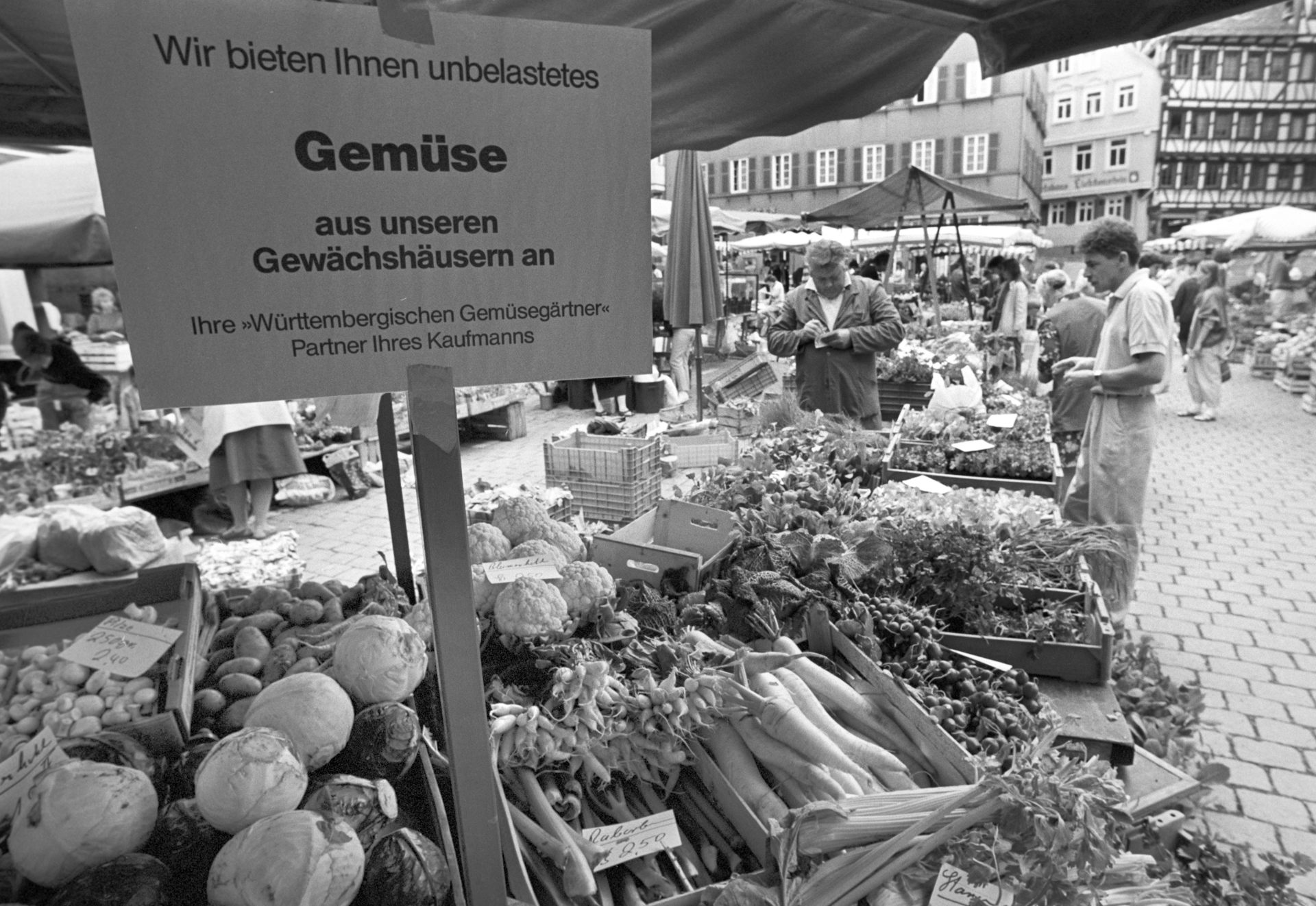
With an excess of these goods, the East German government needed to devise a plan to continue to make money off potentially contaminated goods. The Stasi’s solution was to increase export of these goods to West Germany.
随着这些商品的过剩,东德政府需要制定计划,继续从可能受污染的商品中牟利。斯塔西的解决方案是增加这些商品对西德的出口。
In the formerly classified files, Stasi officials claim that exports would spread out the consumption of radioactive products, so that no one would consume unsafe levels of contaminated meat and produce.
在以前的绝密档案中,斯塔西官员声称,出口可以分散放射性产品的消费,这样就不会有人摄入不安全的水平的受污染肉类和农产品。
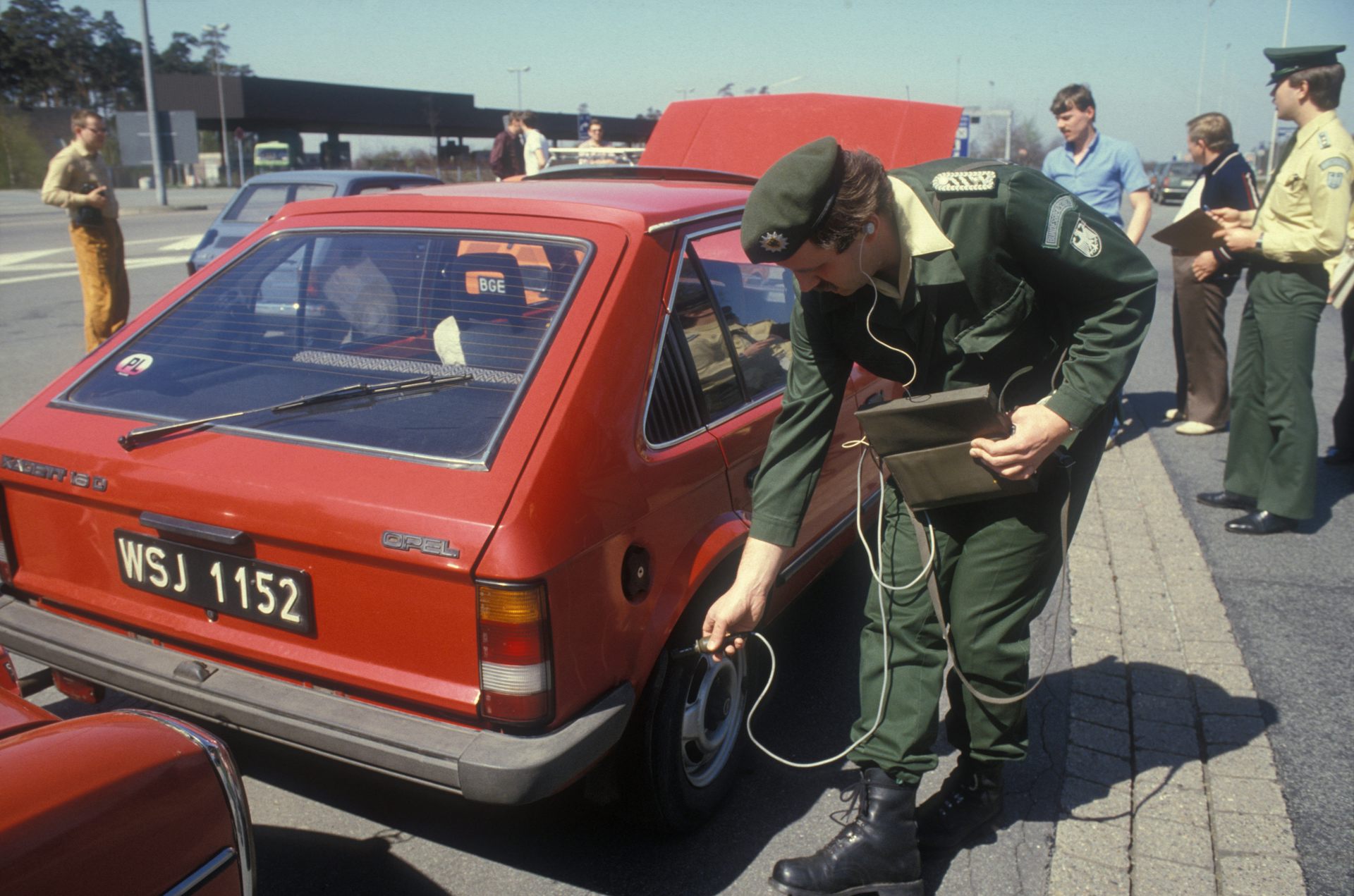
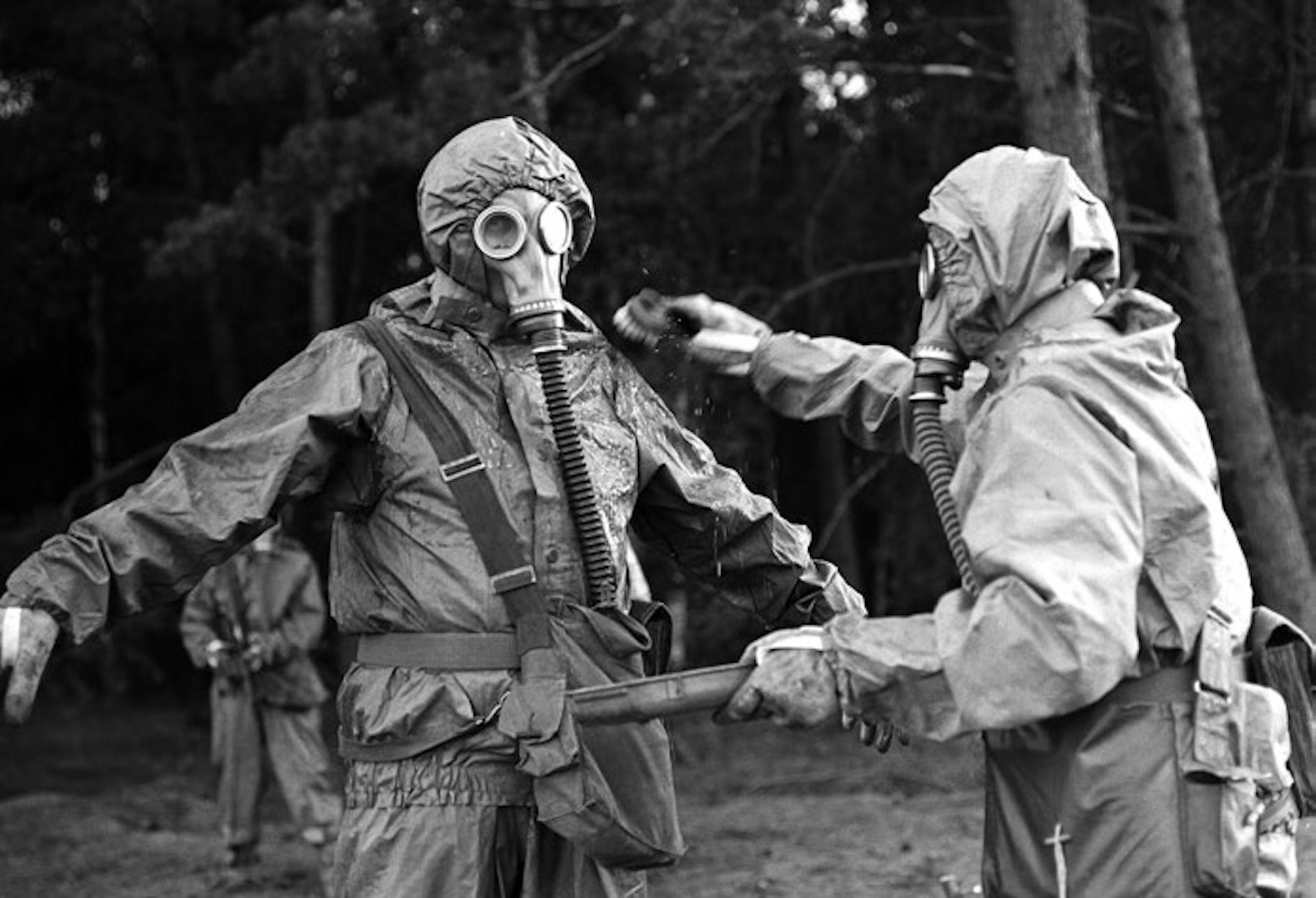
The problem for the East Germans was that West Germany quickly amended their regulations for border crossings from East to West. Vehicles emitting certain levels of radiation were no longer allowed across the border. As a response, the lower-ranking Stasi workers were required to clean radioactive vehicles themselves. In doing so, the state was knowingly risking the health and safety of its own officials.
东德人的问题是,西德迅速修改了从东向西的边境过境规定。排放一定水平辐射的车辆不再允许过境。作为回应,低级别的斯塔西工作人员被要求自己清洗放射性车辆。这样做,国家是在有意识地拿自己官员的健康和安全冒险。
The East German food export plan was modeled on a similar one proposed by the Soviet government. The Soviet strategy, however, was not to export contaminated goods abroad but rather to send contaminated meat products to “the majority of regions” in the Soviet Union “except for Moscow.”
东德的食品出口计划是模仿苏联政府提出的类似计划的。然而,苏联的战略不是将受污染的商品出口到国外,而是将受污染的肉类产品运往苏联“除莫斯科以外的大多数地区”。
How disinformation proved an Achilles’ Heel
虚假信息如何暴露了阿喀琉斯之踵
When the Stasi was founded in 1950, many of its employees genuinely believed in the East German cause.
当斯塔西(Stasi)于1950年成立时,许多员工真心相信东德的理想。
Having witnessed the horrors of Nazi Germany, many older Stasi workers saw the East German state as the answer to creating a just and equitable society. By the 1980s, however, this sentiment had grown rare. Instead, many Stasi workers viewed their jobs as means to a decent income and privileged government treatment.
目睹了纳粹德国的恐怖后,许多年长的斯塔西工作者将东德国家视为创造公正公平社会的答案。然而,到了20世纪80年代,这种情感已经变得罕见。相反,许多斯塔西工作者将这份工作视为获取体面收入和享有特权政府待遇的手段。
As a result, many Stasi workers had grown disillusioned and dispassionate.
因此,许多斯塔西工作者变得幻灭和冷漠。
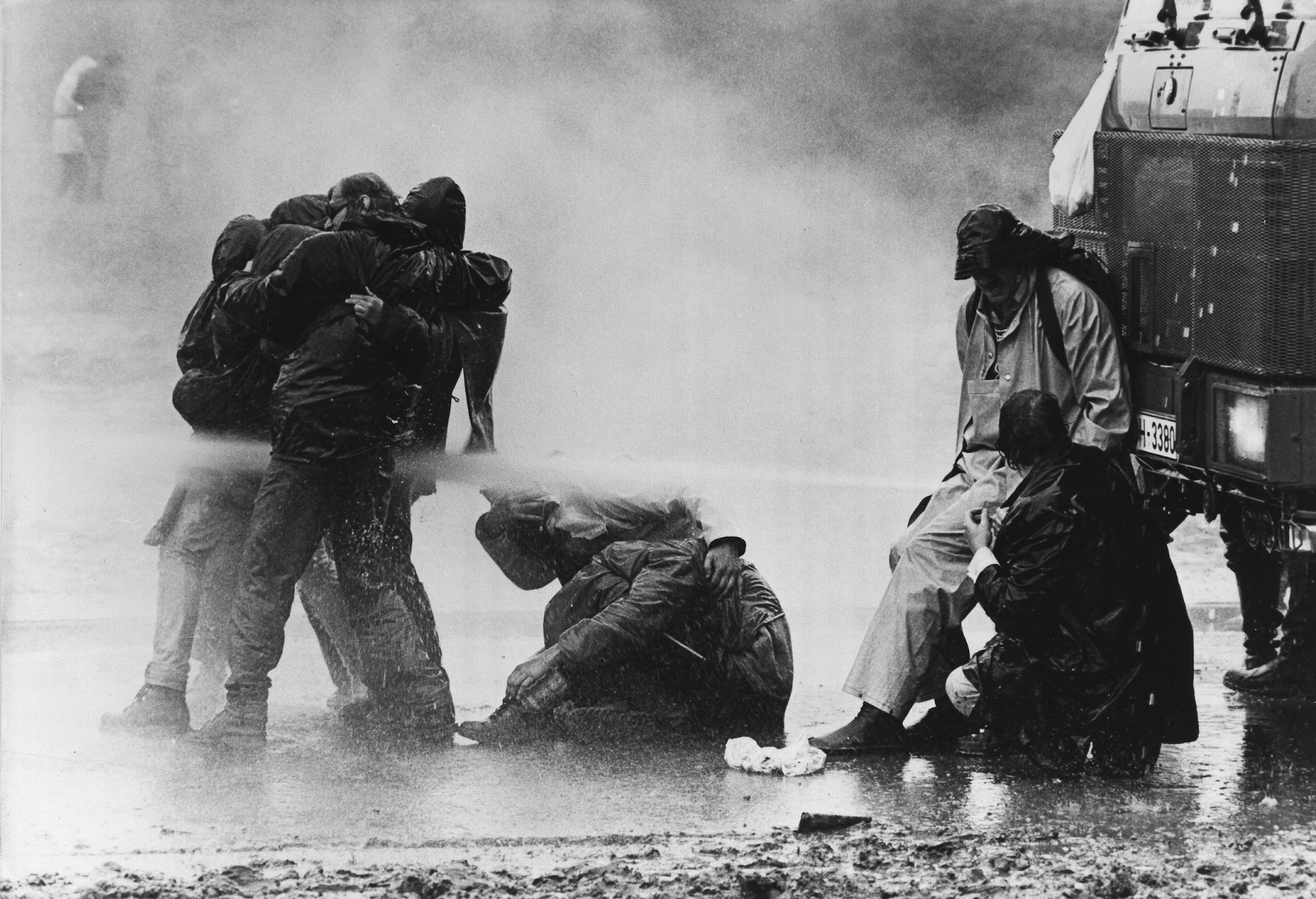
It was little surprise, then, that the Stasi put up little resistance when protesters stormed their headquarters in 1990, months after the Berlin Wall fell. While there are many factors in the demise of the communist bloc, the way the East German and Soviet governments handled the aftermath of Chernobyl contributed greatly to the growing popular sentiment against each regime.
因此,当柏林墙倒塌数月后,抗议者于1990年攻占斯塔西总部时,斯塔西几乎没有抵抗,这并不令人意外。尽管共产主义阵营的衰落有许多因素,但东德和苏联政府处理切尔诺贝利事件后续的方式,极大地加剧了民众对各自政权的负面情绪。
In East Germany, the disinformation campaign after the nuclear disaster only strengthened the message that the state did not have its people’s best interests in mind and that it was willing to sacrifice their health and well-being in order to maintain a certain image.
在东德,核灾难后的虚假信息运动只会强化一个信息:国家没有人民的最佳利益可言,并且为了维持某种形象,它愿意牺牲人民的健康和福祉。
Lauren Cassidy does not work for, consult, own shares in or receive funding from any company or organization that would benefit from this article, and has disclosed no relevant affiliations beyond their academic appointment.
Lauren Cassidy不为任何可能从本文中受益的公司或组织工作、提供咨询、拥有股份或接受资金,并且除了其学术任命外,未披露任何相关隶属关系。