كانت محادثات إسلام أباد محكومة بالفشل – وألقى الحصار في هرمز عقبة أخرى أمام أي صفقة إيرانية أمريكية.
The Islamabad talks were doomed to failure – and Hormuz blockade has thrown another obstacle to any Iran-US deal
A lack of trust, failure to agree to the grounds on which discussion is taking place and Israel’s de facto veto provide insurmountable barriers.
يشكل نقص الثقة، والفشل في الاتفاق على الأسس التي يجري عليها النقاش، وحق النقض الفعلي لإسرائيل، حواجز لا يمكن تجاوزها.
Twenty-one hours of direct negotiations. The highest-level face-to-face engagement between Washington and Tehran since the 1979 Islamic Revolution.
واحد وعشرون ساعة من المفاوضات المباشرة. أعلى مستوى من التفاعل وجهًا لوجه بين واشنطن وطهران منذ الثورة الإسلامية عام 1979.
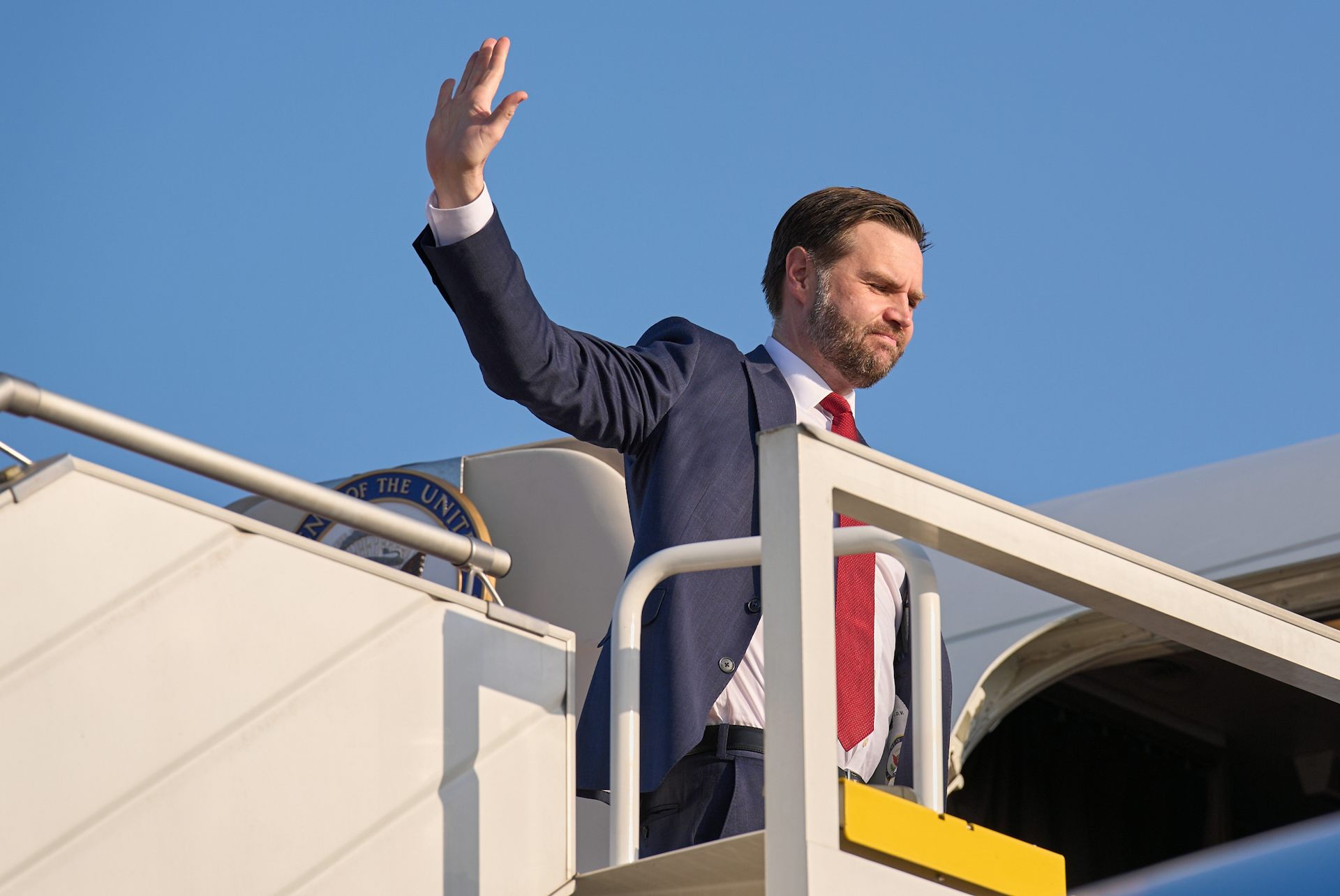
And yet, U.S. Vice President JD Vance boarded Air Force Two in Islamabad on the morning of April 12, 2026, with no deal to end the U.S. and Israeli war against Iran, including an understanding over Tehran’s nuclear ambitions.
ومع ذلك، صعد نائب الرئيس الأمريكي جيه دي فانس إلى طائرة القوات الجوية الثانية في إسلام أباد صباح 12 أبريل 2026، دون أي اتفاق لوقف الحرب الأمريكية والإسرائيلية ضد إيران، بما في ذلك تفاهم بشأن الطموحات النووية لطهران.
The U.S. has since begun what it says is a blockade of any and all ships originating in Iranian ports and would interdict every vessel that has paid a toll to Iran.
ومنذ ذلك الحين، بدأت الولايات المتحدة ما تسميه حصارًا لجميع السفن القادمة من الموانئ الإيرانية، وستعترض كل سفينة دفعت رسومًا لإيران.
The collapse of the talks wasn’t the fault of bad faith or clumsy diplomacy. Rather, the talks failed because of structural obstacles that no amount of negotiating skill can overcome in a single weekend.
لم يكن انهيار المحادثات بسبب سوء النية أو الدبلوماسية المتعثرة. بل فشلت المحادثات بسبب عقبات هيكلية لا يمكن لأي قدر من مهارات التفاوض التغلب عليها في عطلة نهاية أسبوع واحدة.
I and other exponents of international relations theory predicted this outcome. Understanding why matters enormously for what comes next.
لقد تنبأت أنا وغيري من دعاة نظرية العلاقات الدولية بهذه النتيجة. إن فهم السبب أمر بالغ الأهمية لما سيأتي بعد ذلك.
The commitment barrier
حاجز الالتزام
The meeting in Islamabad wasn’t the first time representatives from the United States and Iran have sat around a table. In 2015, the Joint Comprehensive Plan of Action agreed to by Iran, the U.S. and five other nations showed that a formal agreement with nuclear inspections and verification is possible.
لم يكن الاجتماع في إسلام أباد المرة الأولى التي يجلس فيها ممثلون عن الولايات المتحدة وإيران حول طاولة. فقد أظهرت خطة العمل الشاملة المشتركة لعام 2015، التي وافقت عليها إيران والولايات المتحدة وخمس دول أخرى، أن الاتفاق الرسمي مع التفتيش النووي والتحقق ممكن.
But that deal, which saw sanctions on Iran relaxed in return for limits over Tehran’s nuclear program, collapsed because the first Trump administration unilaterally walked away from the deal in 2018. In fact, the International Atomic Energy Agency had consistently certified Tehran was holding up its end of the bargain.
لكن تلك الصفقة، التي شهدت تخفيف العقوبات عن إيران مقابل وضع قيود على برنامجها النووي في طهران، انهارت لأن إدارة ترامب الأولى انسحبت من الاتفاق من جانب واحد في عام 2018. في الواقع، كانت الوكالة الدولية للطاقة الذرية قد أكدت باستمرار أن طهران تفي بالتزاماتها.
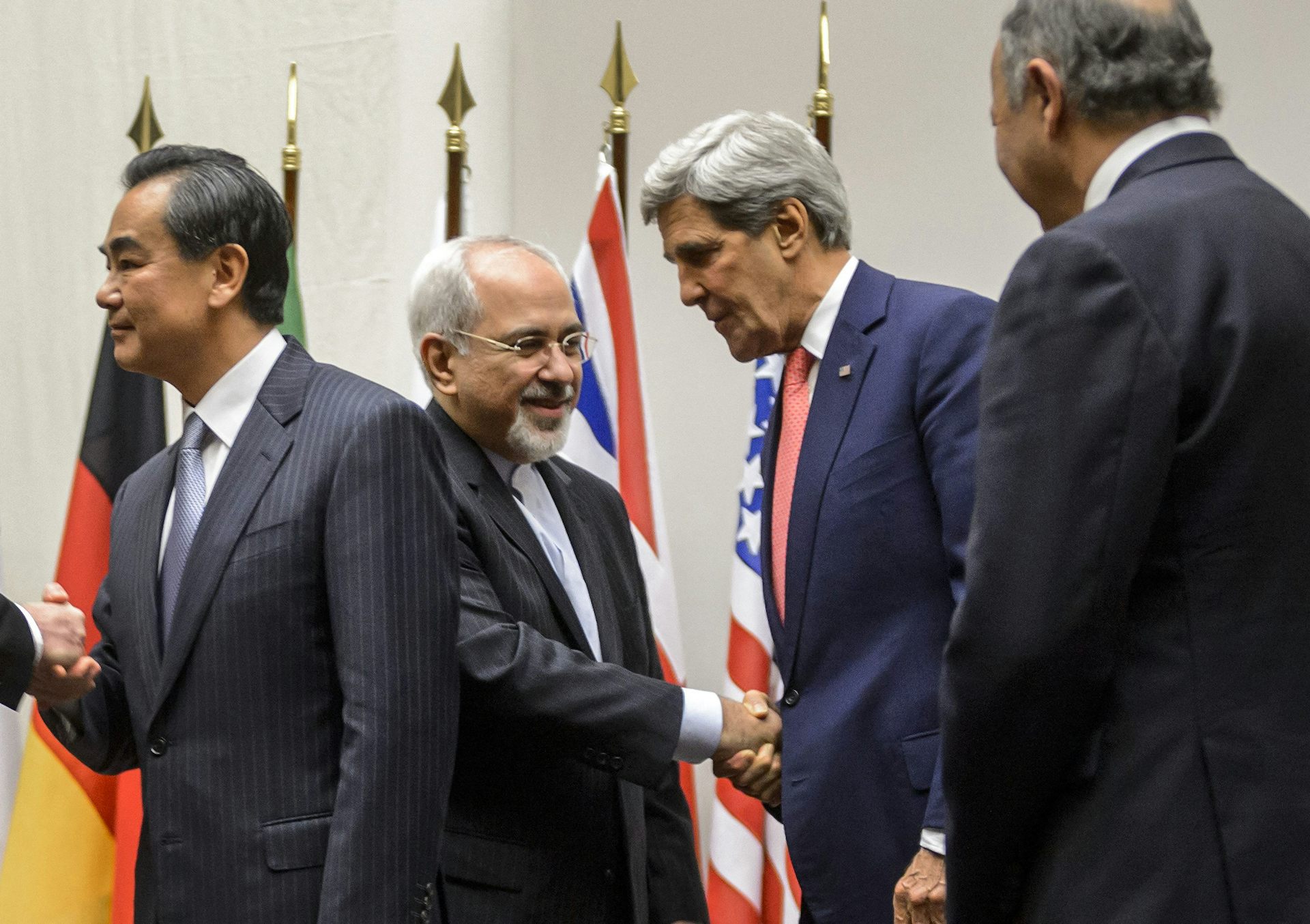
Then came the June 2025 strikes by Israel and the U.S. on Iran’s nuclear facilities.
ثم جاءت ضربات إسرائيل والولايات المتحدة في يونيو 2025 على المنشآت النووية الإيرانية.
Successive rounds of indirect talks between the U.S. and Iran followed in early 2026. But despite an Omani mediator telling the world that a breakthrough was within reach, the U.S. bombed Iran on Feb. 28, 2026.
تبعَت جولات متتالية من المحادثات غير المباشرة بين الولايات المتحدة وإيران في أوائل عام 2026. ولكن على الرغم من أن وسيطاً عمانياً أخبر العالم بأن تحقيق اختراق كان في متناول اليد، قامت الولايات المتحدة بقصف إيران في 28 فبراير 2026.
Mohammad Bagher Ghalibaf, Iran’s parliamentary speaker who led Iran’s delegation in Islamabad, cited recent U.S. military action as a barrier to successful negotiations: “Due to the experiences of the previous two wars, we have no trust in the other side.”
استشهد محمد باقر غالباف، رئيس البرلمان الإيراني الذي قاد وفد إيران في إسلام أباد، بالإجراء العسكري الأمريكي الأخير كعائق أمام المفاوضات الناجحة: “بسبب تجارب الحربين السابقتين، ليس لدينا ثقة في الطرف الآخر.”
Rather than an Iranian negotiating position, however, that was merely a description of a structural reality. Iran cannot be confident that any agreement it signs will be honored by this or subsequent American or Israeli administrations. And Washington isn’t sure Iran will not quietly rebuild what was destroyed once pressure lifts.
ومع ذلك، لم يكن ذلك بمثابة موقف تفاوضي إيراني، بل كان مجرد وصف لواقع هيكلي. لا يمكن لإيران أن تكون واثقة من أن أي اتفاق توقع عليه سيتم الوفاء به من قبل الإدارات الأمريكية أو الإسرائيلية الحالية أو اللاحقة. والواشنطن ليست متأكدة من أن إيران لن تعيد بناء ما دُمر بهدوء بمجرد رفع الضغط.
Moreover, while verification mechanisms on Iran’s nuclear program solve a technical problem, they do not solve the ongoing political one, in which both states are effectively still at war. Trust, once comprehensively destroyed, cannot be rebuilt in a hotel in Islamabad over 21 hours.
علاوة على ذلك، فبينما تحل آليات التحقق من البرنامج النووي الإيراني مشكلة تقنية، فإنها لا تحل المشكلة السياسية المستمرة، التي لا تزال فيها الدولتان في حالة حرب فعلياً. والثقة، بمجرد تدميرها بشكل شامل، لا يمكن إعادة بنائها في فندق في إسلام أباد خلال 21 ساعة.
The scope of the problem
نطاق المشكلة
“The simple fact is that we need to see an affirmative commitment that (Iran) will not seek a nuclear weapon, and they will not seek the tools that would enable them to quickly achieve a nuclear weapon,” Vance said amid the Islamabad talks.
“الحقيقة البسيطة هي أننا بحاجة إلى رؤية التزام إيجابي بأن (إيران) لن تسعى إلى سلاح نووي، ولن تسعى إلى الأدوات التي تمكنها من تحقيق سلاح نووي بسرعة،” قال فانس وسط محادثات إسلام آباد.
Iran’s enrichment knowledge is one of those tools. But the knowledge of how to enrich uranium to weapons-grade purity does not disappear when centrifuges are destroyed.
إن معرفة إيران بإثراء اليورانيوم هي إحدى تلك الأدوات. لكن المعرفة بكيفية إثراء اليورانيوم إلى نقاء الدرجة السلاحية لا تختفي بمجرد تدمير أجهزة الطرد المركزي.
In this way, nuclear expertise is not like territory, equipment or sanctions relief. Centrifuges can be dismantled, and sanctions can be lifted in stages – both lend themselves to phased, verifiable agreements.
بهذه الطريقة، الخبرة النووية ليست مثل الأراضي أو المعدات أو تخفيف العقوبات. يمكن تفكيك أجهزة الطرد المركزي، ويمكن رفع العقوبات على مراحل – وكلاهما يسمح باتفاقيات تدريجية وقابلة للتحقق.
What the U.S. is demanding – a verifiable, permanent end to Iran’s breakout potential – requires Iran to surrender something that cannot be given back once conceded. Tehran and Washington both know this.
ما يطالب به الولايات المتحدة – وهو نهاية دائمة وقابلة للتحقق لإمكانات الخروج النووي لإيران – يتطلب من إيران التنازل عن شيء لا يمكن استعادته بمجرد التنازل عنه. تعرف طهران وواشنطن هذا جيداً.
The problem is compounded by the extraordinary breadth of American demands on nonnuclear issues. Tehran’s demands included the release of frozen assets, guarantees around its nuclear program, the right to charge ships passing through the Strait of Hormuz, an end to Israeli attacks on Hezbollah and war reparations.
تتفاقم المشكلة بسبب الاتساع غير العادي للمطالب الأمريكية المتعلقة بالقضايا غير النووية. شملت مطالب طهران الإفراج عن الأصول المجمدة، وضمانات حول برنامجها النووي، والحق في فرض رسوم على السفن المارة عبر مضيق هرمز، ووضع حد للهجمات الإسرائيلية على حزب الله ووقف التعويضات الحربية.
Washington’s 15-point proposal reportedly demanded a 20-year moratorium on enrichment, ballistic missile suspension, reopening of Hormuz, recognition of Israel’s right to exist and an end to Iran’s support for its regional proxy network, including Hezbollah, the Houthis and Hamas.
طالب مقترح واشنطن المكون من 15 نقطة، حسب التقارير، بوقف لمدة 20 عاماً لإثراء اليورانيوم، وتعليق الصواريخ الباليستية، وإعادة فتح مضيق هرمز، والاعتراف بالحق الإسرائيلي في الوجود، ووضع حد لدعم إيران لشبكتها الوكيلة الإقليمية، بما في ذلك حزب الله والحوثيين وحماس.
These are not two sides haggling over price. They are two sides who cannot even agree on what the negotiation is about.
هذان الجانبان ليسا يتفاوضان على السعر. إنهما جانبان لا يتفقان حتى على ماهية المفاوضات.
Israel veto
حق النقض الإسرائيلي
Iran has also made ending Israeli strikes on Hezbollah in Lebanon a condition of any comprehensive settlement, conditions which Washington and Jerusalem have both rejected.
كما اشترطت إيران إنهاء الضربات الإسرائيلية على حزب الله في لبنان كشرط لأي تسوية شاملة، وهي شروط رفضتها كل من واشنطن والقدس.
The result is a structural deadlock that has nothing to do with Iranian or American negotiating skill. Moreover, even if the two parties in Islamabad found common ground on the nuclear question, Israel could always torpedo any deal through a continuation of its military action in Lebanon and Iran.
والنتيجة هي طريق مسدود هيكلي لا علاقة له بالمهارة التفاوضية الإيرانية أو الأمريكية. علاوة على ذلك، حتى لو توصل الطرفان في إسلام أباد إلى أرضية مشتركة بشأن القضية النووية، يمكن لإسرائيل دائمًا إفشال أي صفقة من خلال استمرار عملها العسكري في لبنان وإيران.
And Israeli Prime Minister Benjamin Netanyahu did not need to be in Islamabad to shape what happened there. While Vance and Ghalibaf were negotiating, Netanyahu was on television, telling the world: “Israel under my leadership will continue to fight Iran’s terror regime and its proxies.” He made no mention of the talks at all – and has since come out strongly in support of the U.S. blockade.
ولم يكن من الواجب أن يتواجد رئيس الوزراء الإسرائيلي بنيامين نتنياهو في إسلام أباد ليُشكّل ما حدث هناك. فبينما كان فانس وغالي باف يتفاوضان، كان نتنياهو على التلفزيون، يخبر العالم: “ستستمر إسرائيل تحت قيادتي في محاربة نظام إيران الإرهابي ووكلائه”. لم يذكر المحادثات على الإطلاق- ومنذ ذلك الحين، خرج بقوة لدعم الحصار الأمريكي.
What happens next?
ماذا سيحدث بعد ذلك؟
Where does this leave the 14-day ceasefire, and what happens after that?
أين يترك هذا وقف إطلاق النار لمدة 14 يومًا، وماذا يحدث بعد ذلك؟
While the Trump administration immediately ramped up pressure on Tehran after the failure of talks, such escalation has thus far failed to bring about Iran’s capitulation in the current conflict.
على الرغم من أن إدارة ترامب زادت الضغط على طهران فوراً بعد فشل المحادثات، إلا أن هذا التصعيد لم ينجح حتى الآن في إحداث استسلام إيران في الصراع الحالي.
Iran has declared the blockade an act of “piracy” and placed the country on “maximum combat alert,” with the country’s Revolutionary Guard warning that any military vessels approaching Hormuz would receive a “firm response.”
أعلنت إيران أن الحصار عمل “قرصنة” ووضعت البلاد في حالة “تأهب قتالي قصوى”، محذرة الحرس الثوري للبلاد من أن أي سفن عسكرية تقترب من هرمز ستتلقى “ردًا حازمًا.”
But like the nuclear negotiations, the blockade runs into the same wall. Iran controls the strait through mines, drones and geography. The U.S. can interdict ships but cannot reopen the strait without Iran’s cooperation – absent an unlikely military occupation.
لكن مثل المفاوضات النووية، يصطدم الحصار بنفس الجدار. تسيطر إيران على المضيق عبر الألغام والطائرات المسيرة والجغرافيا. يمكن للولايات المتحدة اعتراض السفن، لكنها لا تستطيع إعادة فتح المضيق دون تعاون إيران – ما لم يحدث احتلال عسكري مستبعد.
As such, the blockade is largely a pressure tactic without a clear path for how it would resolve, which is exactly the problem that produced the Islamabad failure in the first place. The blockade also holds the risk of pulling in more countries. Trump’s interdiction order – “it’s going to be all or none” – in theory means the U.S. Navy would be prepared to interdict a Chinese tanker that has done business with Iran, risking a direct maritime confrontation with a nuclear power.
وبالتالي، فإن الحصار هو في الأساس تكتيك ضغط لا يوجد له مسار واضح لكيفية حله، وهي المشكلة ذاتها التي أدت إلى فشل إسلام أباد في المقام الأول. كما أن الحصار يحمل خطر سحب المزيد من الدول إليه. ويُعني أمر ترامب بالاعتراض – “إما كل شيء أو لا شيء” – نظرياً أن البحرية الأمريكية ستكون مستعدة لاعتراض ناقلة صينية تعاملت مع إيران، مما يهدد بمواجهة بحرية مباشرة مع قوة نووية.
The alternative would be to let Chinese tankers through to avoid confrontation, but in so doing expose the blockade as a hollow strategy.
الخيار البديل هو السماح لناقلات النفط الصينية بالمرور لتجنب المواجهة، ولكن هذا سيكشف الحصار على أنه استراتيجية واهية.
In either case, Beijing has become an active stakeholder in Iran’s leverage.
في كلتا الحالتين، أصبحت بكين طرفاً فاعلاً في نفوذ إيران.
Same old problems … and a new one to boot
نفس المشاكل القديمة… ومشكلة جديدة لتضاف إليها
The structural obstacles that broke the Islamabad meetings will not dissolve before April 22, when the current ceasefire is due to expire.
العوائق الهيكلية التي أوقفت اجتماعات إسلام آباد لن تتبدد قبل 22 أبريل، وهو الموعد الذي من المقرر أن ينتهي فيه وقف إطلاق النار الحالي.
The difficulty of convincing either side that any agreement will actually be honored will not be resolved by more talks, but is rather a product of what happened before the current negotiations. The nature of the nuclear question itself will not be negotiated away – it is a feature of physics and knowledge, not of political will. Moreover, Israel’s veto over any regional settlement will not disappear because Washington wants a deal.
لن يتم حل صعوبة إقناع أي من الجانبين بأن أي اتفاق سيتم الوفاء به بالفعل من خلال المزيد من المحادثات، بل هي بالأحرى نتاج لما حدث قبل المفاوضات الحالية. كما أن طبيعة القضية النووية نفسها لن يتم التفاوض عليها بعيداً – فهي سمة في الفيزياء والمعرفة، وليست في الإرادة السياسية. علاوة على ذلك، فإن حق النقض الإسرائيلي (الفيتو) بشأن أي تسوية إقليمية لن يختفي لمجرد أن واشنطن تريد صفقة.
Signs suggest that talks are still alive, and both Iran and the U.S. have shown a willingness to change previous red lines on the nuclear question even since the failure in Islamabad. Absent a larger shift in the status quo, however, the next round will face the same structural obstacles as before. But this time, there will be the added complication of a naval blockade that narrows, rather than expands, the diplomatic space.
تشير الدلائل إلى أن المحادثات لا تزال قائمة، وقد أظهر كل من إيران والولايات المتحدة استعداداً لتغيير الخطوط الحمراء السابقة بشأن القضية النووية حتى منذ فشل إسلام آباد. ومع ذلك، في غياب تحول أكبر في الوضع الراهن، ستواجه الجولة القادمة نفس العوائق الهيكلية السابقة. ولكن هذه المرة، ستكون هناك تعقيدات إضافية تتمثل في الحصار البحري الذي يضيق، بدلاً من أن يوسع، المجال الدبلوماسي.
Farah N. Jan does not work for, consult, own shares in or receive funding from any company or organization that would benefit from this article, and has disclosed no relevant affiliations beyond their academic appointment.
لا تعمل فرح ن. جان لدى، أو تستشير، أو تمتلك أسهمًا في، أو تتلقى تمويلاً من أي شركة أو منظمة تستفيد من هذه المقالة، ولم تكشف عن أي انتماءات ذات صلة تتجاوز منصبها الأكاديمي.
Read more
-
٦ طرق تكذب بها ساعتك الذكية عليك، وفقاً للعلم
6 ways your smartwatch is lying to you, according to science
-
من المقرر أن تفشل دعوة ترامب لتوسيع اتفاقيات إبراهيم
Trump’s call to expand Abraham accords is destined to fail