霍尔木兹海峡展示了如今一切都关乎杠杆
The Strait of Hormuz shows how everything is now about …
Controlling supply chains puts a country in a very powerful position.
控制供应链使一个国家处于非常强大的地位。
Iran’s military might was never going to be a match for the US and Israel. So instead it turned to the highly effective weapon it has at its disposal – geography.
伊朗的军事实力从未能与美国和以色列匹敌。因此,它转而利用了其可支配的、极具效力的武器——地理位置。
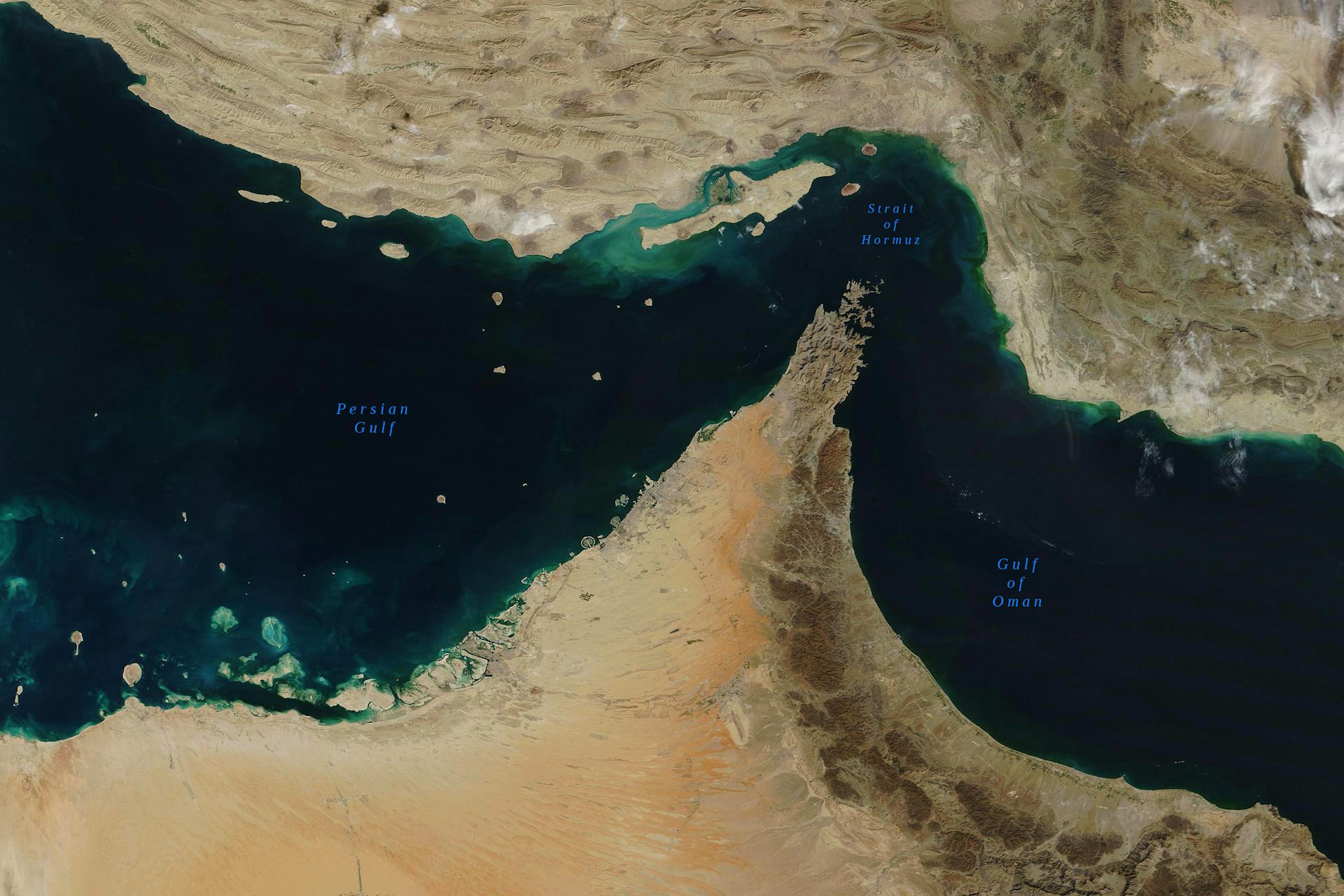
Blocking off the Strait of Hormuz has shaken the global economy. It has doubled the price of a barrel of crude oil, which has a knock-on effect on the price the rest of the world pays for everything from fuel to heating and food to holidays.
封锁霍尔木兹海峡动摇了全球经济。它使一桶原油的价格翻了一番,这对世界其他地区支付的从燃料、供暖、食品到节假日的一切物品的价格产生了连锁反应。
It also made Donald Trump have a rethink. The world is now waiting to see what happens next in a stretch of water which carries around 20% of the world’s oil and liquefied natural gas.
这也让唐纳德·特朗普重新考虑了。世界现在正等待着了解,在一条承载着全球约20%石油和液化天然气的海域接下来会发生什么。
For Iran, the Strait of Hormuz has been an extremely valuable geopolitical asset. And its surprisingly strong negotiating position demonstrates a classic principle of game theory, the mathematical study of strategic interactions.
对于伊朗来说,霍尔木兹海峡一直是一个极其宝贵的地缘政治资产。而其出人意料的强硬谈判地位,则体现了博弈论的一个经典原则,即对战略互动的数学研究。
This principle, sometimes referred to as Rubinstein bargaining, basically says that during a conflict, each side’s strength depends on two things: how badly off it would be without a resolution, and how impatient it is to get things resolved.
这一原则,有时被称为鲁宾斯坦谈判,基本上指出在冲突中,每个方的实力取决于两点:没有解决方案时会处于何种困境,以及它迫切希望解决问题的程度。
Iran will certainly be badly off if the war continues, using up its stockpiles of missiles and drones while its infrastructure gets bombed. But dictatorships can afford to be patient, crushing dissent if it arises.
如果战争持续,伊朗肯定会陷入困境,它将耗尽导弹和无人机的储备,而其基础设施却不断遭到轰炸。但独裁政权可以承受耐心,并在出现异议时将其镇压。
For the US, continuing with the conflict means spending billions more taxpayer dollars on those bombs, while a blocked-off Strait of Hormuz risks more rises in the price of fuel paid by American motorists. With midterm elections coming up in November, perhaps the White House will lose patience quickly.
对于美国而言,继续冲突意味着要用数十亿美元的纳税人资金购买炸弹,而封锁的霍尔木兹海峡则增加了美国驾车者支付的燃料价格上涨的风险。随着中期选举在11月临近,白宫或许会很快失去耐心。
The Strait of Hormuz, then, has played an enormous role in the conflict so far. The US’s position is much weaker than first thought because of a stretch of water the world can’t do without.
因此,霍尔木兹海峡在迄今为止的冲突中发挥了巨大的作用。由于这个世界不可或缺的水域,美国的地位比最初想象的要弱得多。
Game theory suggests that to achieve a position of strength, countries and regions need to come up with their own version of the strait – something others need which will strengthen their negotiating position.
博弈论表明,为了获得强大的地位,国家和地区需要创造出自己版本的“海峡”——一些别人需要的东西,从而增强自身的谈判地位。
It doesn’t have to be a shipping route, of course. China’s version could be its global dominance in manufacturing. It would be very hard for most countries to live without the things China makes.
当然,它不一定是一个航运路线。中国的版本可能是其在全球制造业的支配地位。对于大多数国家来说,生活没有中国制造的东西将非常困难。
Sub-Saharan Africa’s strength is its natural resources, such as most of the world’s cobalt being mined in the Democratic Republic of Congo. In the future, it may also be able to leverage the fact it is the last continent with a young and growing population, while the rest of the world is rapidly ageing.
撒哈拉以南非洲的优势在于其自然资源,例如世界上大部分钴矿都在刚果民主共和国开采。未来,它还可能利用自己是最后一个拥有年轻且不断增长人口的大陆的优势,而世界其他地区正在快速老龄化。
The EU’s strength, meanwhile, has been the size of its united single market. It has been able to leverage this market to get preferential treatment, protecting its produce and exports. It also managed to impose European standards on food and products across the world.
与此同时,欧盟的优势在于其统一单一市场的规模。它能够利用这个市场获得优惠待遇,保护其农产品和出口。它还设法在全球范围内对食品和产品实施欧洲标准。
But the EU’s strength is by no means guaranteed. Most economic growth is now expected to come from the likes of China, India or Indonesia, weakening Europe’s negotiating position. Research suggests the only way to get some of this strength back is to integrate European markets even more, and to enlarge the EU further.
但欧盟的优势绝非板上钉钉。目前预计大部分经济增长将来自中国、印度或印度尼西亚等国家,这削弱了欧洲的谈判地位。研究表明,要收回部分优势,唯一的方法是进一步整合欧洲市场,并扩大欧盟的范围。
This is also why the UK will soon probably return to the European single market, one way or another. Brexit has considerably weakened the international negotiating position of both the UK and EU.
这也是为什么英国很快可能会以某种方式重返欧洲单一市场。脱欧极大地削弱了英国和欧盟双方的国际谈判地位。
Strait and narrow
狭路与窄道
Having a version of the Strait of Hormuz seems especially important now that alliances and divisions have become much less clear. Old alliances and promises have lost a lot of their meaning.
鉴于联盟和分歧变得越来越不明确,拥有自己的“霍尔木兹海峡”版本显得尤为重要。旧的联盟和承诺已经失去了许多意义。
The US has threatened to leave Nato, and said it would annex Canada and Greenland. Both it and Russia have jointly campaigned for the failed re-election of Viktor Orbán in Hungary.
美国威胁要退出北约,并声称要吞并加拿大和格陵兰岛。美国和俄罗斯都联合竞选了匈牙利维克多·奥尔班的失败连任。
But in a world without reliable alliances, all countries are interdependent. Supply chains are so interconnected that a small change in one country can have a major impact on the other side of the world. Oil tankers not moving near Iran could mean no pork sausages in UK grocery stores this summer.
但在一个没有可靠联盟的世界里,所有国家都是相互依赖的。供应链的相互关联性极高,一个国家的小变化可能会对世界另一端产生重大影响。伊朗附近石油油轮的停运,可能意味着今年夏天英国的杂货店里没有猪肉香肠。
In these circumstances, game theory tells us that success requires two things: not relying on a single partner, and offering something that others cannot do without. When everything is about leverage, power comes from being impossible to ignore.
在这些情况下,博弈论告诉我们,成功需要两件事:不能依赖单一伙伴,并且必须提供别人无法替代的东西。当一切都关乎杠杆时,力量来源于不可忽视性。
The countries that will thrive in the next decades will be those which manage to establish their own version of the Strait of Hormuz. And make sure they never need to sail through anyone else’s.
在未来几十年里,那些能够建立自己版本的“霍尔木兹海峡”的国家将会蓬勃发展。并确保它们永远不需要穿过任何其他人的海峡。
Renaud Foucart does not work for, consult, own shares in or receive funding from any company or organisation that would benefit from this article, and has disclosed no relevant affiliations beyond their academic appointment.
Renaud Foucart 不受任何从本文中受益的公司或组织的雇佣、咨询、拥有股份或资金支持,并且除了其学术职位外,未披露任何相关隶属关系。