
周五文章:宝莱坞塑造了我——现在,它投射出莫迪的印度民族主义
Friday essay: Bollywood helped make me – now, it projec…
Vijay Mishra changed forever when a cinema opened in his Fijian town, in 1951. He traces Bollywood’s shift from multicultural fantasy to Hindu nationalism.
1951年,当一家电影院在他斐济的城镇开业时,维杰·米什拉的人生彻底改变了。他追溯了宝莱坞从多元文化幻想转向印度教民族主义的转变。
My earliest memories are of Methodist Mission quarters in the diocese of Dilkusha, Fiji. Dilkusha, the name of a minor Indian principality, was mentioned in E.M. Forster’s classic novel A Passage to India: its name literally means “Heart’s Delight” in Hindi–Urdu.
我最早的记忆来自斐济迪尔库沙(Dilkusha)教区的方法路易派传教所。迪尔库沙,一个小型印度邦国的名字,出现在E.M.福斯特的经典小说《印度往事》中:在印地语-乌尔都语中,它的字面意思是“心之喜悦”。
Dilkusha was the Indian wing of the much larger Fijian diocese of Davuilevu (in Fiji’s Rewa province) , site of the famous Baker Hall – named after Reverend Thomas Baker, an Australian Methodist evangelist who ended up in the pot of a disgruntled Fijian chief on July 20 1867.
迪尔库沙是更大的斐济教区达武莱武(Davuilevu)(位于斐济的雷瓦省)的印度分支,这里曾是著名的贝克厅(Baker Hall)所在地——该厅以托马斯·贝克牧师命名,他是一位澳大利亚方法路易派传教士,于1867年7月20日落入了一位心怀不满的斐济酋长的陷阱。
We were told the reverend had humiliated the high chief in front of his people by touching his hair: a clear affront to Fijian aristocratic protocol. His spare boots, however, survived. They may be seen in the Fiji Museum.
人们告诉我们,这位牧师通过触碰酋长的头发,在众人面前羞辱了这位大酋长:这明显违反了斐济贵族礼仪。然而,他那双备用的靴子却幸存了下来。它们可以在斐济博物馆看到。
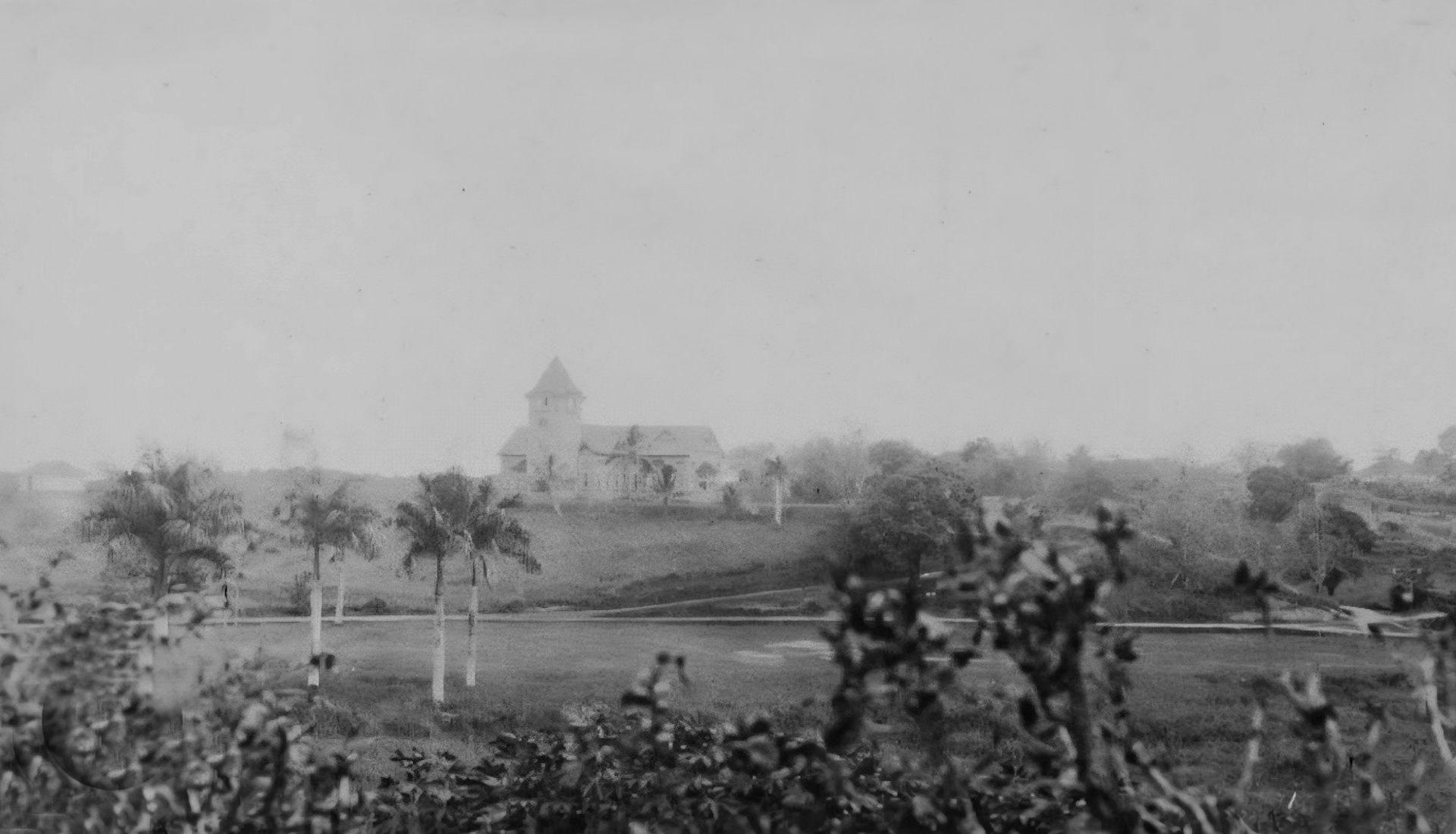
Dilkusha, the lesser sister diocese, had no such epic tale. But it quickly became a vibrant centre for Australian Christian evangelists, eager to convert Indian heathens. My father, grandson of an indentured labourer on his mother’s side, came here in the mid-1940s as a primary school teacher.
迪尔库沙,这个较小的姐妹教区,没有这样的史诗故事。但它很快成为了澳大利亚基督教传教士充满活力的中心,他们渴望将印度异教徒皈依。我的父亲,母亲那边的佃农后代,于20世纪40年代中期来到这里,担任小学教师。
In the end my father, like Mr Biswas in V.S. Naipaul’s great novel on the plantation Indian diaspora, built a house of his own in the adjoining village of Waila (Realm of Floods) . But when I remember my homeland, it is through the decade I spent in Dilkusha Methodist quarters, in the 1950s and early 1960s.
最终,我的父亲,就像V.S.奈保尔伟大小说中描绘的种植园印度侨民群体里的毕斯瓦斯先生一样,在隔壁的怀拉村(Waila,意为“洪水的领域”)为自己建了一座房子。但当我回忆我的家乡时,却是通过我在迪尔库沙方法路易派传教所度过的那个十年,即20世纪50年代和60年代初。
We were part of an enclosed community run by successive Methodist priests. Our joys were few: fishing or canoeing in the great Rewa River below, attending Sunday church services or walking across the paddock to the Boys’ Hostel.
我们是一个由接替的方法路易派神父管理的封闭社区的一部分。我们的乐趣很少:在下方的雷瓦大河里捕鱼或划独木舟,参加周日教堂礼拜,或穿过草地走到男生宿舍。
Dilkusha’s history was rich – but for me, it was a drab world. And then magic occurred: we discovered Aladdin’s cave.
迪尔库沙的历史非常丰富——但对我来说,它是一个平淡无奇的世界。然后,魔法发生了:我们发现了阿拉丁洞穴。
Across the river from us, in Nausori Town, a Gujarati Muslim entrepreneur built a cinema hall – Empire Theatre – and my life changed.
在河的对岸,在瑙索里镇(Nausori Town),一位古吉拉特穆斯林企业家建了一座电影院——帝国剧院(Empire Theatre)——我的生活因此改变了。

Cinema was my world
电影曾是我的世界
I was five years old in 1950, a year short of six, when you could enter school and would be considered mature. Then, in 1951, Raj Kapoor’s film Awaara (The Vagabond) , about geneticism and social determinism, came to Empire Theatre. Aged six, my life began to change.
1950年,我五岁,离六岁还差一年,那是可以上学并被认为是成熟的年龄。直到1951年,拉吉· Kapoor 的电影《流浪汉》(Awaara),这部关于基因决定论和社会决定论的影片,上映在了帝国剧院。我六岁时,生活开始改变了。
I was never good at reading, unlike my Dilkusha mate Sarwesh (“Tomato”) Thakur, who was an exceptional reader. At school, we learned to read in English, but we spoke in Fiji Hindi at home. My father’s side of the family, however, were more comfortable with Fijian, or iTaukei – the language of the country’s First Nation peoples.
我从来不擅长阅读,不像我的同伴迪尔库莎·萨尔韦什(“番茄”)·塔库尔,他是一位出色的读者。在学校,我们学习用英语阅读,但在家里我们说斐济印地语。然而,我父亲一边的家族更习惯使用斐济语,也就是 iTaukei——这个国家原住民的语言。
It mattered little that I wasn’t a good reader (or a reader at all) . On Saturdays, I entered a world of my own. Over a period of time, I had a repertoire of films in me, thanks to the weekly allowance of a shilling from my parents and another shilling from my Dādī (grandmother) , Nausori market’s foremost coconut-oil seller. (I have yet to work out why she did it for me alone when she had some 20 other grandchildren!)
我是否是个好的读者(或者根本不是读者)并不重要。在周六,我进入了我自己的世界。随着时间的推移,多亏了父母每周给我的一个先令零用钱,以及我祖母(Dādī)——一位来自瑙索里市场最著名的椰子油卖家——给我的另一个先令。(我至今没搞明白,她为什么只为我做这件事,而不是为她那二十多个孙辈做!)
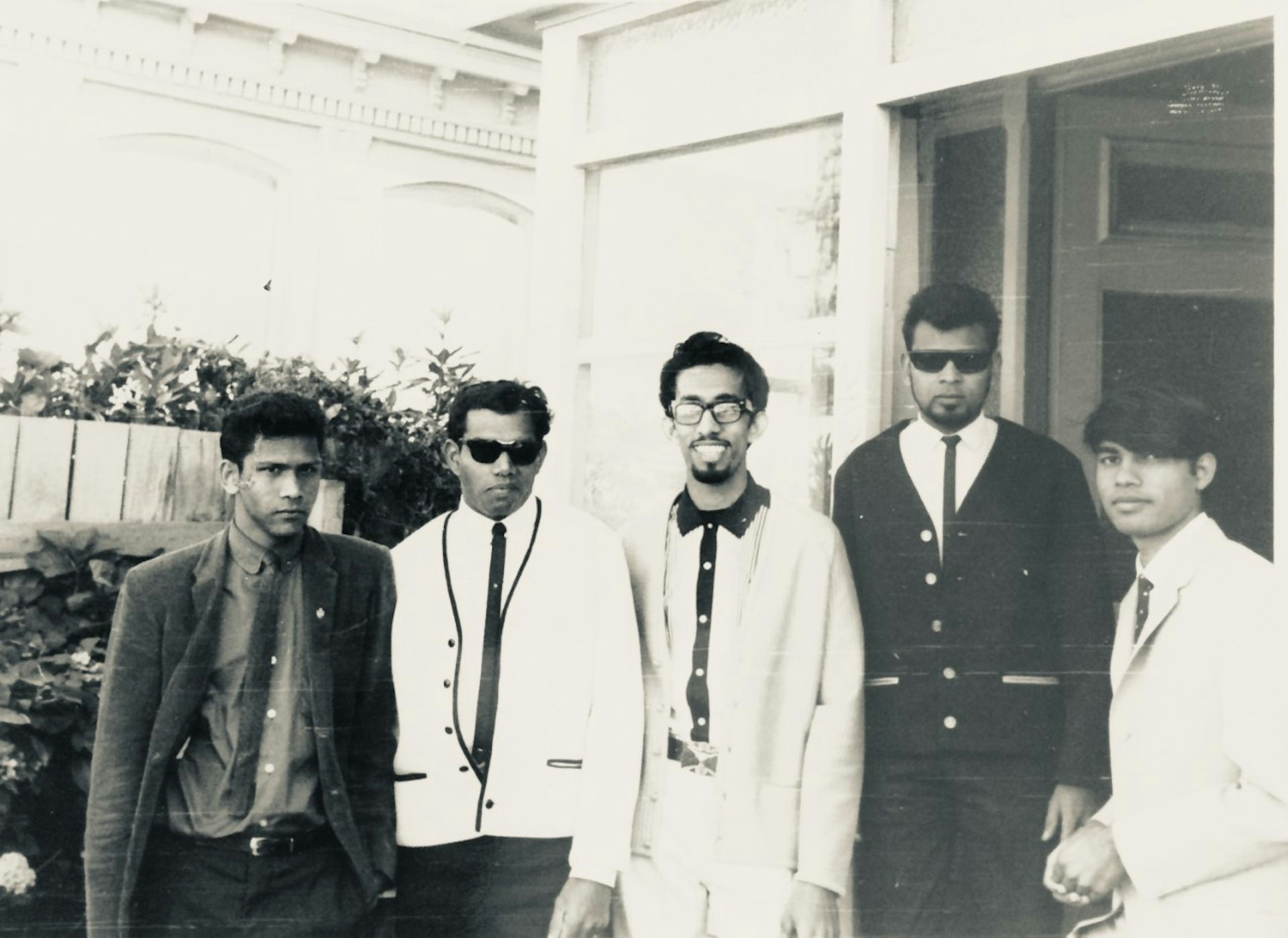
So cinema – and Empire Theatre – became my world. It was my literature, my culture, my dream world. It was my escape from failure to compete with my peers, and my school of drama – indeed, my language too. I look back and ask myself how I could have lived without the Saturday matinees – the 10am Hindi film and the 2.30pm Hollywood film.
于是,电影——和帝国剧院——成了我的世界。它是我的文学,我的文化,我的梦想世界。它是我逃避与同龄人竞争失败的出口,也是我的戏剧学校——事实上,也是我的语言。回想起来,我忍不住问自己,如果没有周六的电影放映——上午10点的印地语电影和下午2点半的好莱坞电影,我该如何度过。
I lived for Saturdays until I left Fiji aged 18, in 1964. In the Empire Theatre’s downstairs, one shilling (ten cents) seats, infested with khaṭmal (bed bugs) , my fantasies were created.
直到1964年,我18岁离开斐济,我一直为周六而活。在帝国剧院楼下的、铺着吸血虫(khaṭmal)的、一个先令(十美分)的座位上,我的幻想被创造出来。
While the films I watched there would connect me with the India I had never physically inhabited, the worlds they opened to me were like temples of desire: elusive and mysterious, as well as enchanting. This would change – but long after I had left Fiji, after I had become a film scholar, writing from distant, sometimes cold lands.
虽然我在那里看的电影将我与从未亲身居住的印度联系起来,但它们为我打开的世界却像神庙般的欲望:难以捉摸、神秘,同时也令人着迷。这将发生改变——但直到我离开斐济很久之后,当我成为一名电影学者,从遥远、有时冰冷的地方写作时。

Years later, writing from Perth, Australia, I watched Bollywood fantasies shift from their roots in melodrama to an endorsement of a nation ideologically defined as Hindu. This often involved demonising India’s non-Hindus, especially its age-old Muslim inhabitants. Under Prime Minister Narendra Modi, elected in 2014, this is also the nation’s political agenda.
多年后,当我从澳大利亚珀斯写作时,我看到宝莱坞的幻想从其根源的“情节剧”转向了对一个在意识形态上被定义为印度教徒的国家的认可。这通常涉及妖魔化印度的非印度教徒,尤其是其历史悠久的穆斯林居民。在2014年当选的总理纳伦德拉·莫迪的领导下,这也是这个国家的政治议程。
It is strikingly displayed in the jingoistic espionage thrillers Dhurandhar I (The Stalwart, 2025) and Durandhar II (The Revenge, 2026) – the latter currently screening in Perth. These films, based on the adventures of an Indian spy in Karachi, Pakistan, define an Indian nation obsessed by the spectres of an enemy that is both another nation (Pakistan) and a “nation”, the Muslim minority within India.
这一点在充满爱国情怀的间谍惊悚片《杜兰德哈尔一》(The Stalwart, 2025)和《杜兰德哈尔二》(The Revenge, 2026)中得到了惊人的展示——后者目前在珀斯上映。这两部电影以印度间谍在巴基斯坦卡拉奇的冒险为基础,描绘了一个痴迷于敌人的幽灵的印度国家,这个敌人既是另一个国家(巴基斯坦),也是印度内部的“国家”——穆斯林少数群体。
Fantasies on film
电影中的幻想
Back in 1950s Dilkusha, my Empire Theatre fantasies were of a different order. They began with the Arabian Nights. The defining film in that genre, Homi Wadia’s Alibaba and the Forty Thieves (1954) , was properly introduced to me when my father’s friend, the cook at Dilkusha Boys’ Hostel, took me to watch it one Wednesday night in 1955.
回到上世纪五十年代,我在迪尔库莎(Dilkusha)看的电影幻想与众不同。它们始于《一千零一夜》。该类型电影的代表作,霍米·瓦迪亚(Homi Wadia)的《阿里巴巴与四十个盗贼》(1954年),是在我父亲一位朋友——迪尔库莎男孩宿舍的厨师——带我在1955年一个周三晚上看的时候,正式介绍给我的。
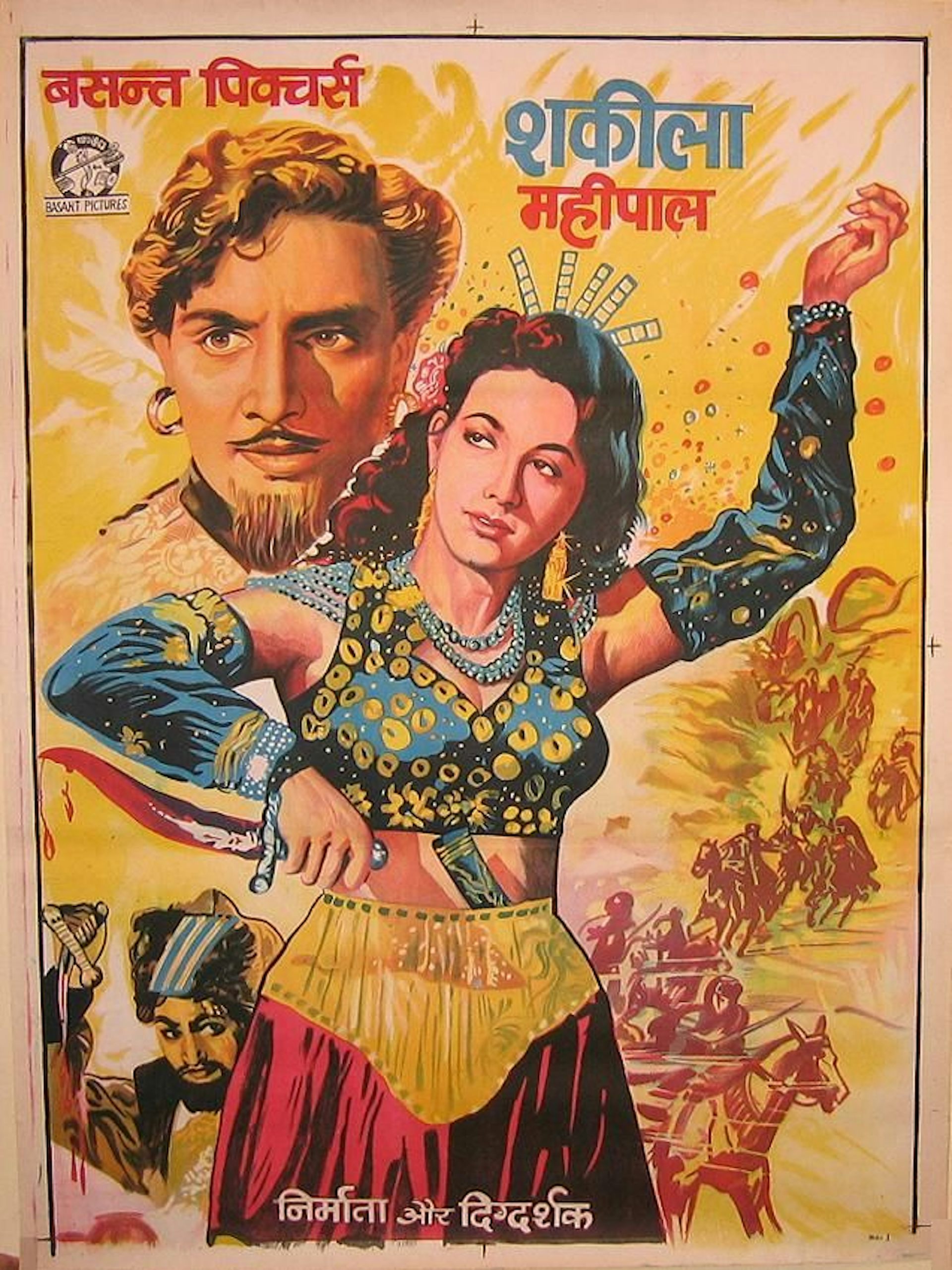
I knew the Alibaba tale, but Wadia’s rendition is a great piece of cinema. It captured Oriental fantasies way better than his Hollywood counterparts. I have seen it more than any other film – and consider it the finest version of an Arabian Nights tale ever.
我了解阿里巴巴的故事,但瓦迪亚的版本是一部伟大的电影作品。它捕捉东方幻想的程度,远胜于他的好莱坞对应作品。我看过它比任何其他电影都多——并认为它是史上最棒的《一千零一夜》故事版本。
I also loved sentimental songs from the films of Bollywood’s Golden Age, roughly spanning the films made between Deedar (Sight, 1951) and Gumrah (Infidelity, 1963) – and often marked by a final shot of the lonely hero walking away towards the horizon.
我也爱上了宝莱坞黄金时代电影中的抒情歌曲,大致涵盖了从《德迪尔》(Deedar,意为“目光”,1951年)到《古姆拉》(Gumrah,意为“淫荡”,1963年)之间的电影——这些歌曲通常以孤独的英雄走向地平线的最后一个镜头作结。
It was in Empire Theatre that I saw the original version of Aah (Sighs, 1953) , actor and director Raj Kapoor’s homage to P.C. Barua’s foundational 1935 Bollywood film Devdas (based on a Bengali novel by Saratchandra Chatterjee) . Sadly, soon after its initial release, the tragic ending of Aah was changed and the original is no longer available.
正是在帝国剧院(Empire Theatre),我观看了《啊》(Aah,意为“叹息”,1953年)的原版。这是演员兼导演拉吉·卡普尔(Raj Kapoor)对P.C.巴鲁阿(P.C. Barua)1935年开创性宝莱坞电影《德夫达斯》(Devdas,改编自萨拉查德拉·查塔吉的孟加拉小说)的致敬。遗憾的是,在最初上映后不久,《啊》的悲剧结局被更改了,原版已经无法找到。
Barua’s film had celebrated the entry of the English melodramatic “Man of Feeling” – for whom sentiment and sensibility were allied with true virtue – into the Indian film aesthetic for the first time. (The concept goes back to 18th-century English writer Henry Mackenzie, whose novel The Man of Feeling named it.) The sentimental hero, unable to declare his love, takes to drinking and dies a lonely man.
巴鲁阿的电影首次将英国的“情感人”(Man of Feeling)这一情节剧元素引入印度电影美学。(这一概念可追溯到18世纪英国作家亨利·麦肯齐(Henry Mackenzie),他的小说《情感人》命名了它。)这位无法表达爱意的抒情英雄,沉溺于饮酒,最终成为一个孤独的男人。
Raj Kapoor’s Shree 420 (1955) transformed the Man of Feeling into a picaro figure around whom the tensions of tradition and modernity in capitalist India unfold. It also holds a special place, with its appealing cosmopolitanism noted as well in Salman Rushdie’s The Satanic Verses.
拉吉·卡普尔的《什里420》(Shree 420,1955年)将“情感人”转变为一个皮卡罗形象,围绕着这个形象,展开了资本主义印度传统与现代的张力。它也占据了特殊地位,其迷人的世界主义色彩甚至被萨尔曼·鲁什迪的《撒旦的经文》所提及。
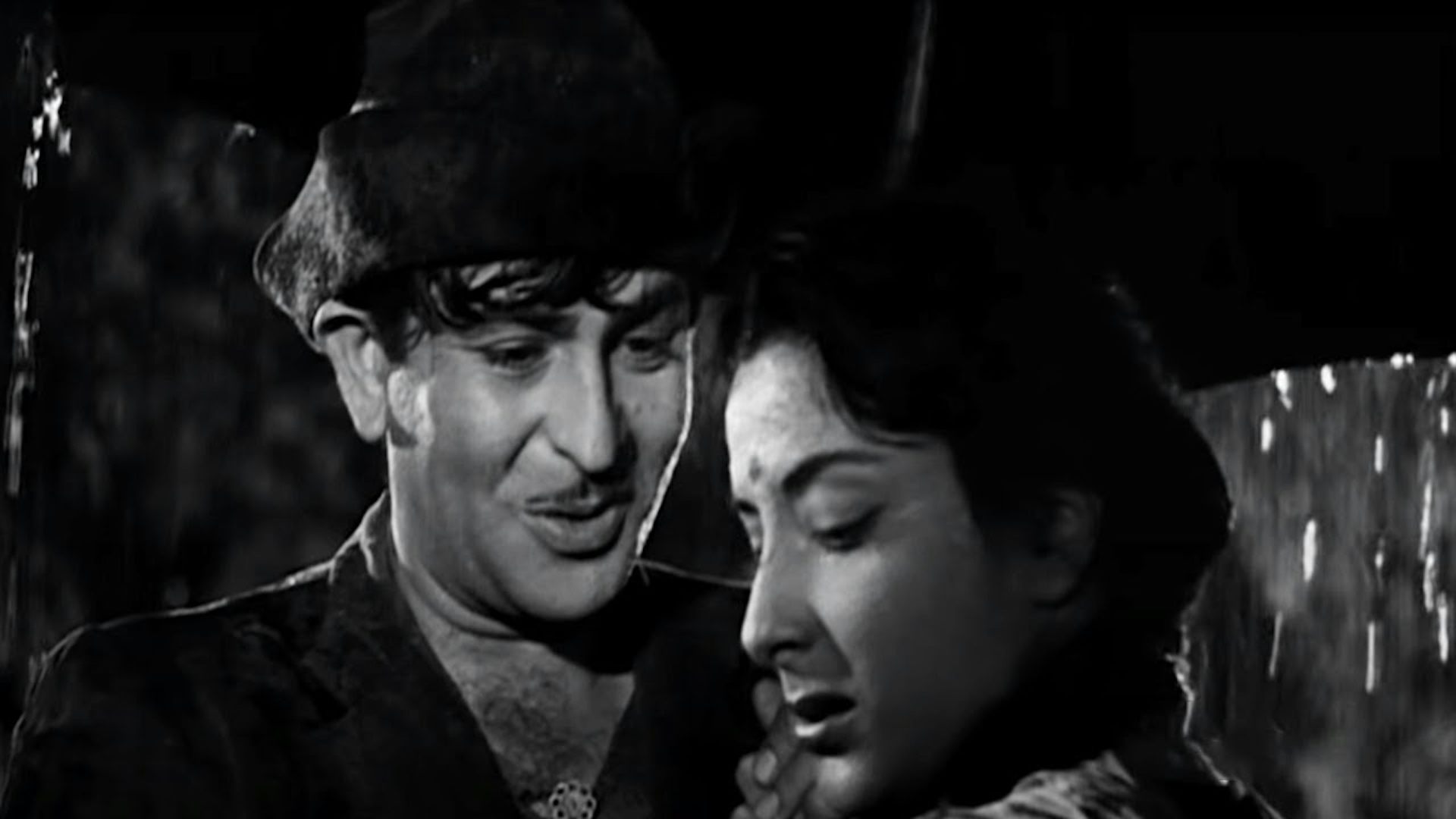
In spite of Shree 420’s political message, melodrama remained the overarching genre of Bollywood films. Melodramatic sentimentality found its consummate expression in the films of Dilip Kumar, Bollywood’s finest actor. We sang our own songs of love and longing through films such as Deedar (Sight, 1951) , Daag (Blemish, 1952) and Madhumati (1958) .
尽管《什里420》带有政治信息,但情节剧仍然是宝莱坞电影的主导类型。抒情的情感美学在宝莱坞最出色的演员迪利普·库马尔(Dilip Kumar)的电影中达到了完美的表达。我们通过《德迪尔》(Deedar,1951年)、《达格》(Daag,意为“污点”,1952年)和《玛杜玛蒂》(Madhumati,1958年)等电影,唱出了属于我们自己的爱与渴望之歌。
But we also felt at home in his phenomenal banditry drama of peasant rebellion, Gunga Jamna (1961) , because of Dilip Kumar’s extraordinary mastery of Avadhi, a Hindi dialect very close to Fiji Hindi. Although the film’s theme of agrarian rebelliousness against the landed gentry was not uncommon, we were attracted to its use of a language that returned the one repressed in us.
但我们也沉浸在他的田园叛乱的现象级匪帮剧中《贡加·贾姆纳》(Gunga Jamna,1961年),因为迪利普·库马尔对阿瓦迪语(Avadhi)的非凡掌握,这是一种与斐济印地语非常接近的印地语方言。尽管电影关于农民反抗地主阶级的题材并不罕见,但我们被它使用的一种语言所吸引,这种语言唤醒了我们内心被压抑的情感。
Bollywood and Indian nationalism
宝莱坞与印度民族主义
When I left for New Zealand in February 1964, my relationship with Empire Theatre came to an end. I never returned to that theatre, but it had already made me.
当我于1964年2月前往新西兰时,我与帝国剧院的关系就此结束。我从未回到过那座剧院,但它已经塑造了我。
Some 35 years later, quite suddenly, in the subzero temperatures of Edmonton, Canada, where I was a professor of English at the University of Alberta, Wordsworth’s sense of place and spots of time resurfaced as the repressed “aching joys” of times past. The second millennium, too, was coming to an end.
大约35年后,在加拿大埃德蒙顿零下室温中,我在阿尔伯塔大学担任英语教授时,沃兹沃斯对“地方感”和“时间点”的感知重新浮现,成为压抑的、对往昔的“酸楚的喜悦”。第二个千年也即将结束。

Sitting at my desk in an office overlooking the Saskatchewan River, I took out my Waterman fountain pen to write the first sentence of what would grow into a book, Bollywood Cinema: Temples of Desire (2002) .
我在俯瞰萨斯卡彻温河的办公室的办公桌前,拿出我的华特曼钢笔,写下了将发展成一本书的第一句话:《宝莱坞电影:欲望的神庙》(2002)。
In that first sentence, written in longhand, I described cinemas, recalling films seen in Empire Theatre as “the temples of modern India”. While in the book I wrote the films remained temples of desire, Bollywood cinema this century embodies a different kind of desire: a desire where the nation itself is at the centre.
在第一句话中,我用手写体描述了电影院,回忆起在帝国剧院看到的电影是“现代印度的神庙”。虽然我在书中写道电影仍然是欲望的神庙,但本世纪的宝莱坞电影体现了一种不同类型的欲望:一种以国家本身为中心的欲望。
The founding fathers of independent India (notably Mahatma Gandhi and Jawaharlal Nehru, India’s first prime minister) established a multicultural India within a secular state. But under Modi and his Bhartiya Janata Party (the BJP) , India has been discarding these credentials in favour of a religiously sanctioned nation state.
印度独立后的国父们(尤其是圣雄甘地和印度第一任总理贾瓦哈拉尔·尼赫鲁)在一个世俗国家内建立了一个多元文化印度。但在莫迪和他的印度人民党(BJP)领导下,印度正在抛弃这些信誉,转而追求一个宗教认可的民族国家。
Bollywood’s new nationalism is a radical refashioning of Gandhi’s idea of the nation, which was based on the principle of denial. He promoted fasting, vegetarianism and non-violence as ways of “renouncing” the self – and hence, the nation.
宝莱坞的新民族主义是对甘地国家理念的彻底重塑,而甘地的理念是基于否认的原则。他提倡禁食、素食和非暴力,作为“放弃”自我的方式——进而放弃国家。
Naturally, that idea produced cinema such as Guru Dutt’s classic Pyaasa (The Thirsty One, 1957) and Kaagaz Ke Phool (Paper Flowers, 1959) , which positioned the hero as renouncer: the melodramatic sentimentalist whose life was one of sacrifice. The songs the hero sang embodied mourning and melancholy.
自然而然地,这一理念催生了像古鲁·达特的经典作品《饥渴者》(Pyaasa,1957)和《纸花》(Kaagaz Ke Phool,1959)这样的电影,这些电影将英雄塑造成了“出家者”:那种生活充满牺牲的、情节化的感伤主义者。英雄唱的歌曲体现了哀悼和忧郁。
No foundational film captured that renouncer ideal better than the 1935 version of Devdas, in both Bengali and Hindi, about two lovers – Debdas and Parbati – divided by class. Essentially, it is a film about a Man of Feeling, for whom abjection and denial define love, with death the redemptive act.
没有哪部奠基性的电影能比1935年的《德夫达斯》更完美地捕捉到这种“出家者”的理想,这部电影既有孟加拉语版也有印地语版,讲述了两位被阶级分割的情人——德夫达斯和帕尔巴蒂。本质上,它是一部关于“情感之人”的电影,对于他来说,爱是由弃绝和否认定义的,而死亡则是救赎的行为。
Bollywood cinema endlessly reprised the narrative – finding in it, precisely if absurdly, the ideal of renouncement. The better known 1955 Bimal Roy version endorses this reading.
宝莱坞电影不断地重述着这一叙事——并在其中,无论是否荒谬,都找到了“出家”的理想。更著名的1955年比马尔·罗伊的版本也支持了这一解读。
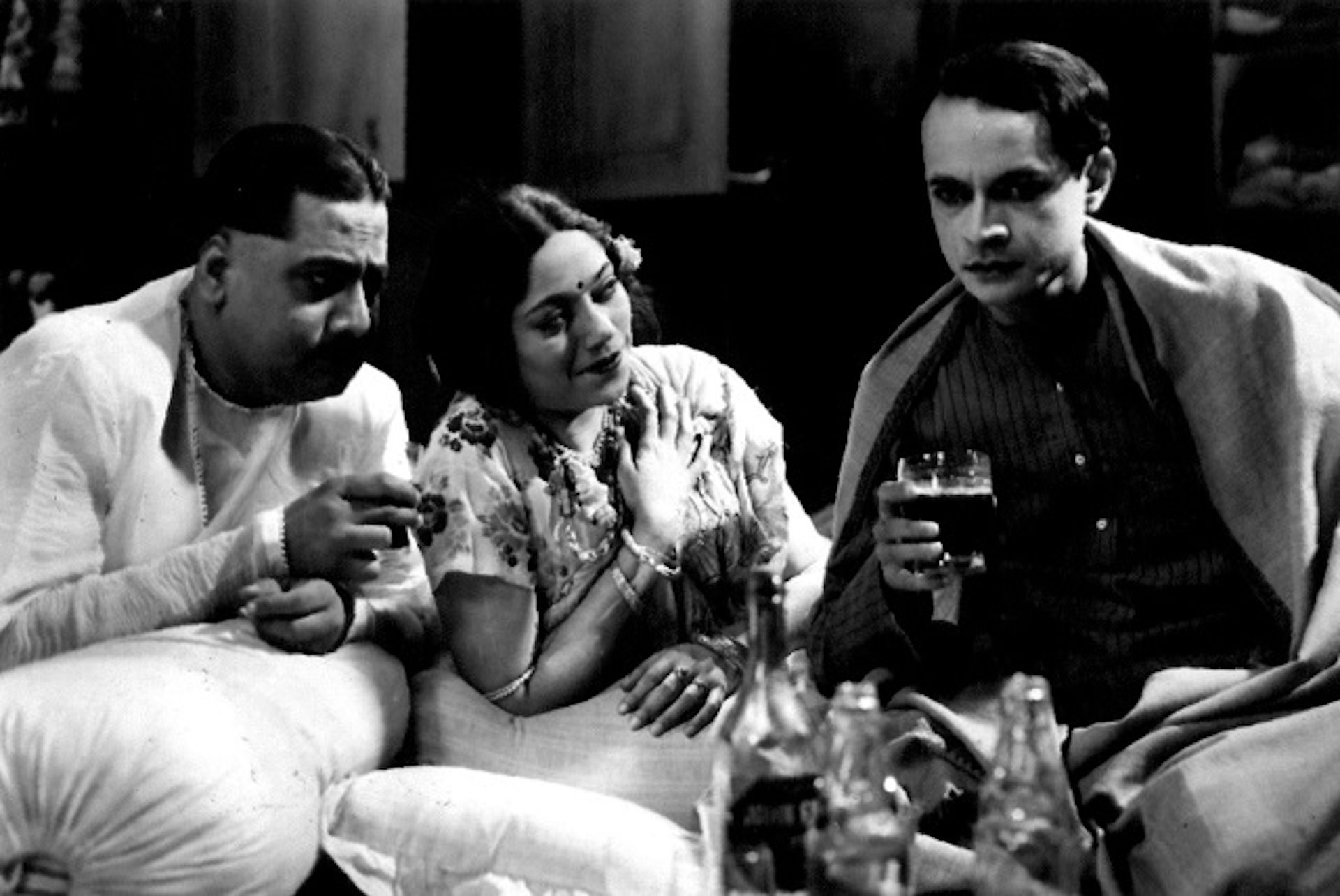
But in the 21st century, the Man of Feeling’s sentimentality has been repackaged as glossy spectacle.
但在21世纪,这位“情感之人”的感伤主义已经被重新包装成光鲜亮丽的奇观。
Sanjay Leela Bhansali’s 2002 remake of Devdas was the most expensive production in Indian film history at the time. Its extravagance pushes the old sentiments of the Man of Feeling aside, presenting the historical past as bold, eye-catching performance.
桑杰·莉拉·班萨利的2002年版《德夫达斯》是当时印度电影史上最昂贵的制作。其奢华程度将“情感之人”的旧式情感抛到一边,将历史过去呈现为大胆、引人注目的表演。
The operatic form of Bhansali’s Devdas, with its elaborate sets and costumes, and its overwhelming “item numbers” (where the song is carefully choreographed) , emphasises a new Indian modernity and self-assuredness. The renouncement theme of earlier versions is less important.
班萨利版《德夫达斯》的歌剧形式,拥有其精致的布景和服装,以及其压倒性的“歌舞片段”(即精心编排的歌曲),强调了一种新的印度现代性和自信心。早期版本的“出家”主题变得不那么重要了。
It is as if, in the new tech-savvy India, one lives with the sentimental past only as spectacle. A decade later, under Modi, this would become a national mantra.
仿佛在新的科技化的印度,人们只能将感伤的过去视为一种奇观来生活。十年后,在莫迪的领导下,这成了一种国家信条。
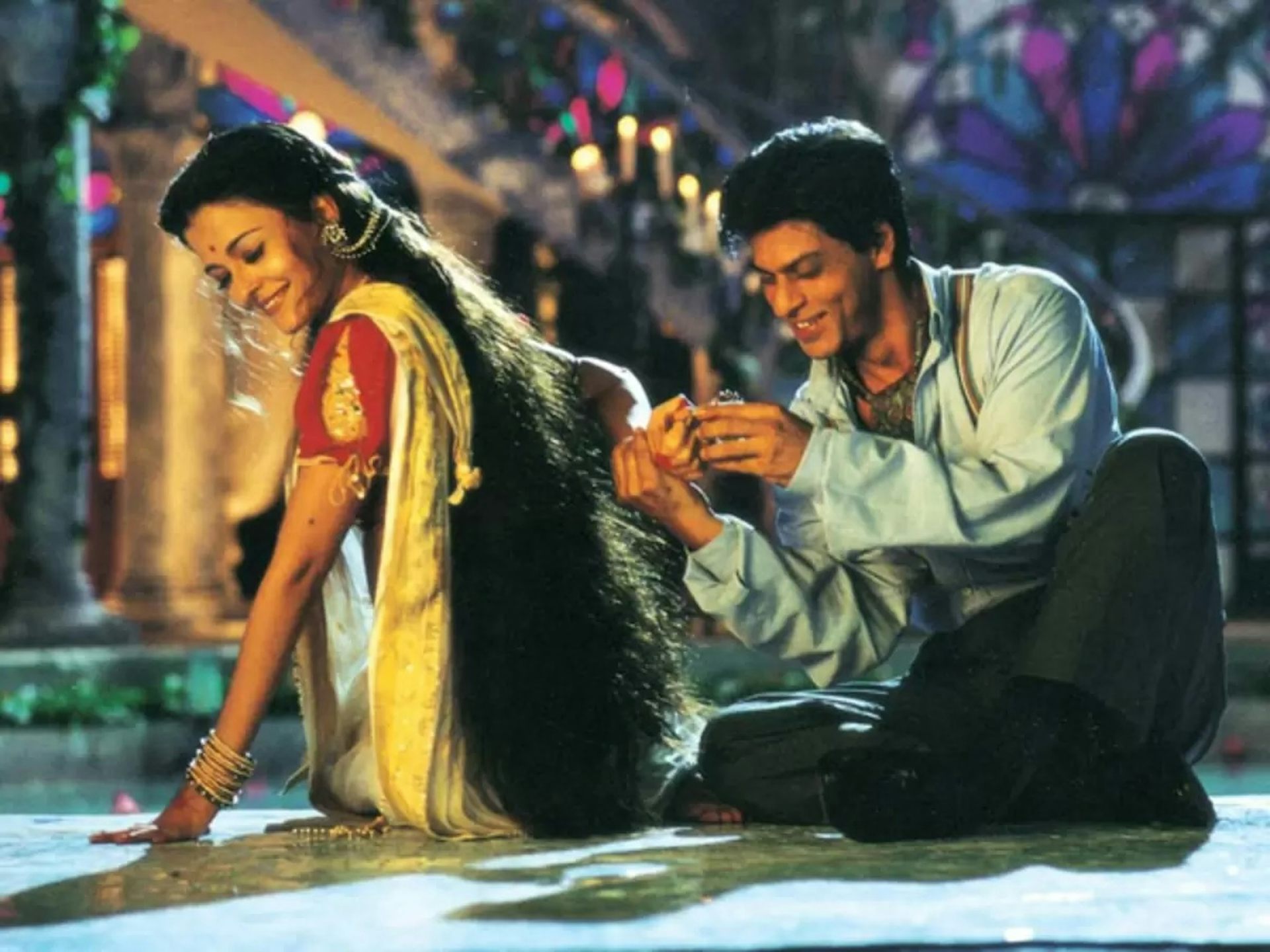
Shammi Kapoor and desire
闪米·卡普尔与欲望
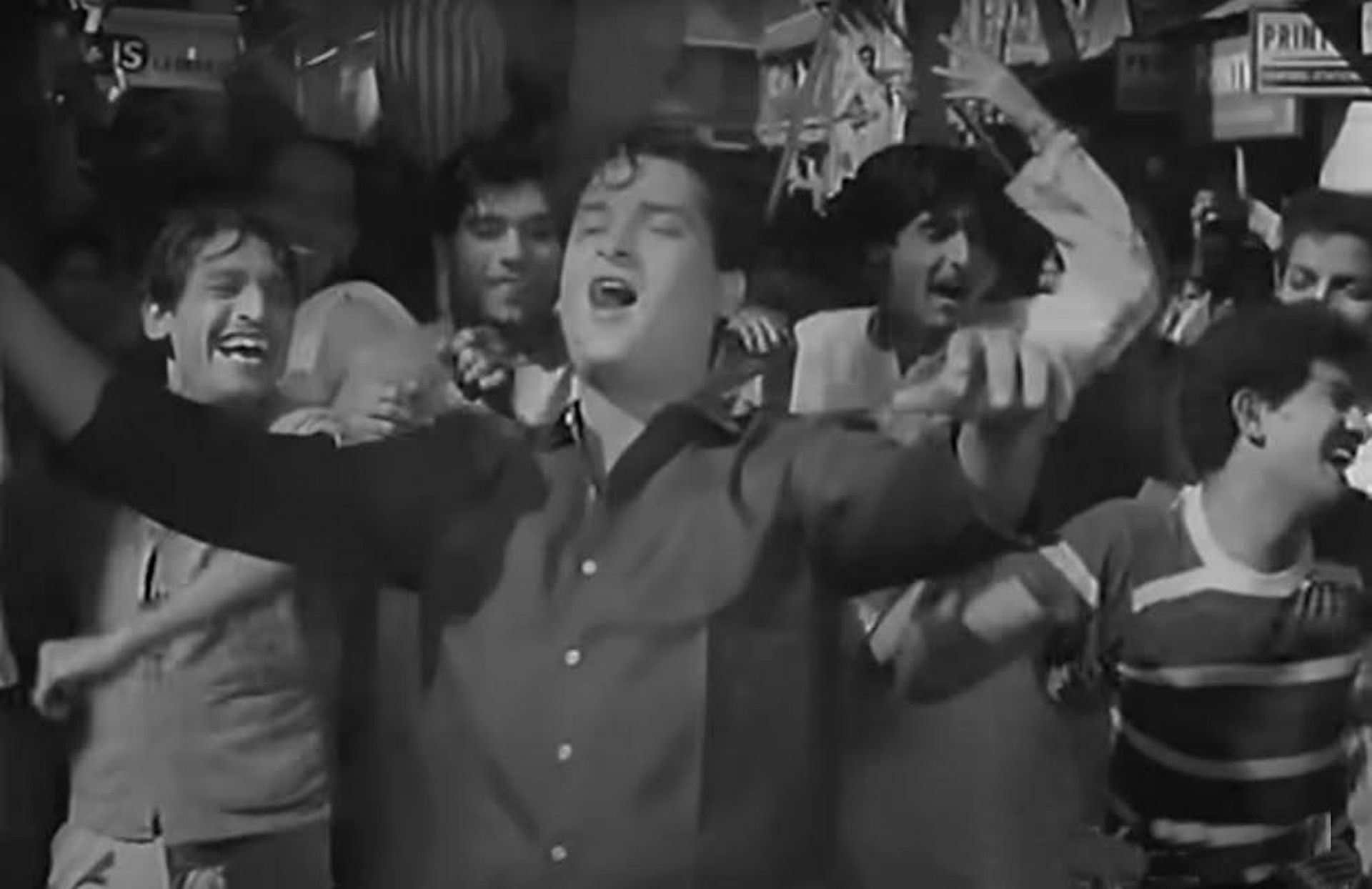
The cinema of desire and spectacle had existed last century, too (a point, regrettably, not made in the book I wrote) – but with a difference. In the 1960s, Bollywood superstar Shammi Kapoor began to redefine the Bollywood hero by embracing, through bodily gestures, the nation itself as the object of desire.
欲望与奇观的电影在上个世纪也存在过(遗憾的是,这一点没有在我的书中提到)——但方式不同。在20世纪60年代,宝莱坞超级巨星闪米·卡普尔开始通过身体姿态重新定义宝莱坞英雄,将整个国家本身作为欲望的对象。
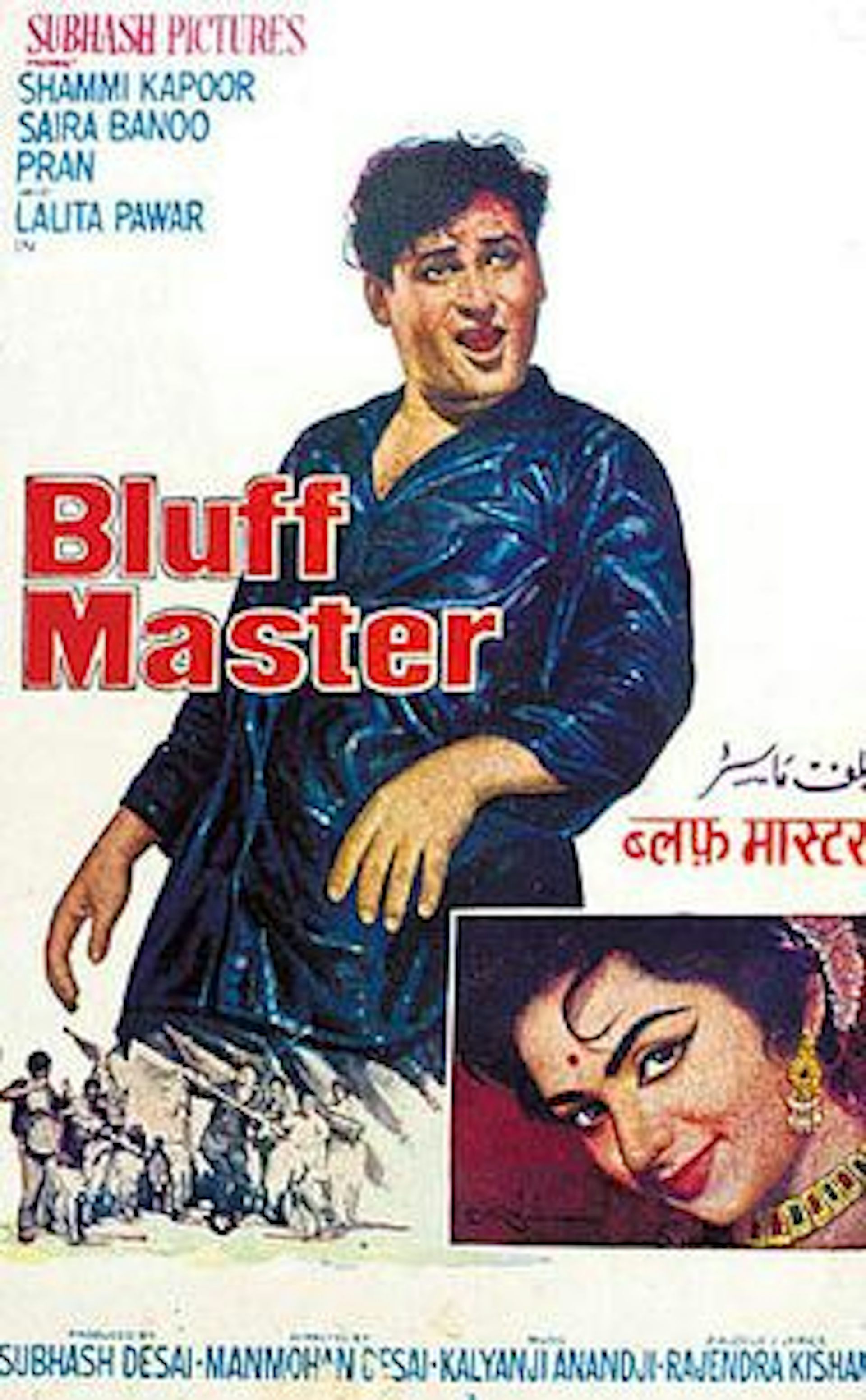
His homoerotic moves, with Elvis Presley-inspired pelvic gyrations and gestures, marked his signature style – notably in Junglee (1961) , Bluff Master (or Wild, 1963) and Laat Saheb (Leisured Dandy, 1967) .
他带有对艾尔维斯·普雷斯利启发的骨盆摇摆和姿态的同性恋式动作,标志着他的独特风格——尤其是在《Junglee》(1961)、《Bluff Master》(或《Wild》,1963)和《Laat Saheb》(《Leisured Dandy》,1967)中。
In films such as these, the Indian nation suddenly came alive. Here was an actor who would show us how to enjoy a nation, to embrace it. He spoke through his body – and unlike the dominant sentimental heroes of melodrama, there were no songs of loss and love-longing. Desire had to be grasped and experienced.
在这样的电影中,印度国家突然变得栩栩如生。这里有一位演员向我们展示了如何享受一个国家,如何拥抱它。他通过身体进行表达——与情节剧中主导的感伤英雄不同,那里没有关于失落和思念的歌曲。欲望必须被抓住和体验。
Kapoor also made me and my Empire Theatre friends enjoy the Fijian nation state – which we felt was ours, as much as the First Nation people’s – after some 80 years of longing for a faraway nation, as descendants of indentured labourers.
卡普尔还让我和我的帝国剧院的朋友们享受斐济这个国家——我们感觉它和原住民的土地一样属于我们——这是作为契约劳工后代,在渴望遥远国家了大约80年后产生的感受。
Our forefathers and mothers had come to Fiji as the answer to its dwindling supply of labour. From May 1879 until 1917, 87 shiploads of Indians travelled to Fiji to work out their five years of indentured slavery – the girmit (from the word agreement) . The first ship brought 463 immigrants. Conditions on the cane plantations were miserable and the Indians called that part of their lives narak (hell) . Once the five years of servitude were over, the Indians were given a certificate of residence.
我们的祖辈和母亲们来到斐济,是为了满足其不断减少的劳动力供应。从1879年5月到1917年,87批印度人前往斐济,度过他们为期五年的契约奴役——“girmit”(源自“协议”一词)。第一艘船带来了463名移民。甘蔗种植园的条件极其恶劣,印度人称那段生活为“narak”(地狱)。五年奴役期结束后,印度人会获得一张居留证。
Only after another five years would they become eligible for a paid ticket back to India. But few returned.
只有再过五年,他们才有资格买票返回印度。但很少有人能返回。
After all those years, Shammi Kapoor, in a strange sort of a way – and belatedly – reminded us the Fijian nation state was ours too, and that we too could enjoy it, which we did as we guzzled large quantities of Fiji’s national drink, yaqona (kava) .
这么多年后,闪米·卡普尔以一种奇特的方式——而且是迟来的——提醒我们斐济这个国家也属于我们,而且我们也可以享受它,而我们确实如此,我们大口饮用着斐济的国饮——芋头汁(yaqona,即kava)。
In spite of this, we Fiji Indians – who had no other homeland – lost our nation in 1987, because we forgot the First Nation people (who also guzzled huge amounts of yaqona) enjoyed the same nation differently. That difference led to a military coup that pitted two incommensurable readings of the nation against one another: one ancestral or “nativist” and culturally rooted, the other a reading of the nation as an abstract democratic polity with equal rights.
尽管如此,我们斐济印度人——因为没有其他家园——却在1987年失去了我们的国家,因为我们忘记了原住民(他们也大量饮用芋头汁)以不同的方式享受着同一个国家。这种差异导致了一场军事政变,将两种无法相提并论的国家解读对立起来:一种是祖传的或“本土主义”的、具有文化根基的,另一种则是将国家视为拥有平等权利的抽象民主政体的解读。
Hindu superheroes and spectacle
印度超级英雄与奇观
Indian cinema now is unabashedly – even uncritically – celebratory. The nation state itself functions as its revisionist historical backdrop. In many ways, Bollywood films now are a propagandist instrument of Modi’s Hindu India, as it repackages and reformulates its narratives into an Indian version of Marvel Comics.
现在的印度电影毫不掩饰地——甚至是不加批判地——充满庆祝色彩。国家本身充当了其修正主义的历史背景。在许多方面,现在的宝莱坞电影是莫迪“印度教印度”的宣传工具,它将叙事重新包装和重塑,使其成为印度版的漫威漫画。
The superheroes re-enact the roles of Hindu gods – notably the great epic god Rama, whose life combines heroism with the possibilities of a new, paradise-like nation state. This is promised by Hindutva politics.
这些超级英雄重演了印度教神祇的角色——特别是伟大的史诗神罗摩,他的生平将英雄主义与一个新、天堂般国家建构的可能性结合在一起。这是印度教民族主义政治所承诺的。
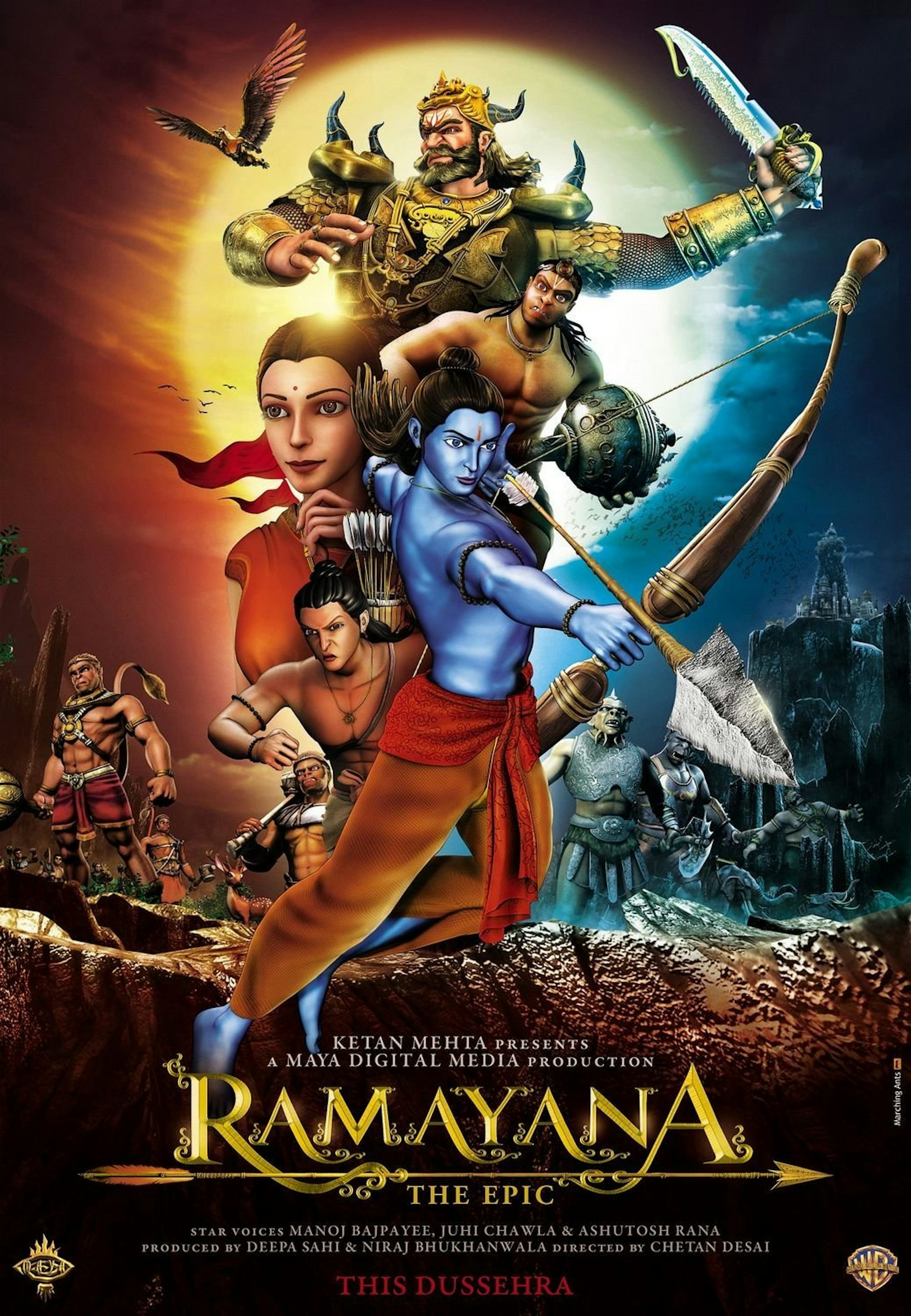
Indeed, a new Bollywood film, Ramyana (2026) , following Rama’s life story and clash with a demon king that will “determine the fate of gods and mortals”, will be released this year, directed by Nitesh Tiwari.
事实上,一部新的宝莱坞电影《拉米亚纳》(2026年)将于今年上映,由尼特什·蒂瓦里执导,讲述了罗摩的生平以及他与一位“将决定神祇和凡人命运”的恶魔国王的冲突。
Hinduism does not have a unified system of personal and common law – and for almost two millennia, Hindus have not had an empire comparable to the Ottomans or the Mughals. In the absence of a sophisticated technology of writing and reproduction, historical documentation and its preservation of Hindu empires did not carry the same weight. Dates and detailed references to governance are simply not readily available.
印度教没有统一的个人法和普通法体系——而且在近两千年里,印度教徒从未拥有过与奥斯曼帝国或莫卧儿帝国相媲美的帝国。在缺乏复杂的书写和复制技术的情况下,印度教帝国的历史文献及其保存没有相同的分量。日期和详细的治理参考资料根本无法轻易获得。
Indian history, based on documentary evidence and accounts of witnesses, was thus principally written by the Muslim Mughals or British colonials. Bollywood steps in to fill the void, turning once again to fantasy linked to a revisionist version of Indian history.
因此,基于文献证据和目击者证词的印度历史,主要由穆斯林莫卧儿或英国殖民者书写。宝莱坞进场填补了空白,再次转向与修正主义印度历史相关的幻想。
Bhansali’s body of work traces Bollywood’s shift from last century’s mournful detachment from the nation – and, in the case of Shammi Kapoor, a subdued libidinal desire for it – to today’s nationalism. In Saawariya (The Beloved, 2007) , Bhansali’s first major work after Devdas, the familiar theme of love-in-estrangement (key to Bollywood’s old sentimental melodramas) is depicted with a new colour and excitement.
班萨利的作品追溯了宝莱坞从上个世纪对国家的哀伤疏离——以及在夏米·卡普尔身上体现的对国家的压抑的性欲渴望——到当今民族主义的转变。在《萨瓦里亚》(挚爱,2007年)中,这是班萨利在《德夫达斯》之后的第一部重要作品,熟悉的“失落之爱”(宝莱坞老式感伤歌剧的关键)以新的色彩和兴奋感被描绘出来。
Bhansali self-assuredly confronts Luchino Visconti’s 1957 Italian romantic melodrama Le Notti Bianche (White Nights) – based on Dostoevsky’s 1848 short story. Visconti’s manifestly fake scenery functioned like “stilled” photographs. Bhansali takes this up to create a dream scenario, its scenes dominated by blue and red colour palettes. The new India does not just imitate, but transforms the borrowed text.
班萨利自信地挑战了卢基诺·维斯康蒂1957年的意大利浪漫歌剧《白夜》(White Nights)——该剧改编自陀思妥耶夫斯基1848年的短篇小说。维斯康蒂明显虚假的场景就像“静止的”照片。班萨利继承了这一点,创造了一个梦境场景,其画面以蓝和红的调色板为主导。新印度不仅模仿,而且转化了这些借来的文本。
Bhansali’s films also transform the sentimental Bollywood song – traditionally the cornerstone of Indian popular cinema – into a choreographed item number.
班萨利的电影还将感伤的宝莱坞歌曲——传统上印度流行电影的基石——转化成了编舞的表演环节。
Song-in-performance once made concessions to Indian Muslim culture, through chaste Urdu poetry and the qawwali, or the dance of the courtesan – marks of cultural incorporation for a multicultural society. But as early as 1999, in films such as Hum Dil De Chuke Sanam (I Gave My Heart Away, My Love) , that concession is gone, and the display of the body elicits a collective erotic or libidinal desire in viewers.
舞台上的歌曲曾经通过纯洁的乌尔都诗歌和卡瓦利,或歌女的舞蹈——这些都是多文化社会文化融合的标志——做出让步。但早在1999年,在《我将心交付于你》(Hum Dil De Chuke Sanam)等电影中,这种让步已经消失了,身体的展示引发了观众集体性的性欲或性快感。
Now, Bollywood cinema characteristically doubles as both digital spectacle and sociopolitical statement.
现在,宝莱坞电影具有双重角色:既是数字奇观,也是社会政治宣言。
Celebration and protests
庆祝与抗议
This self-assuredness made its way into Bhansali’s other work, too. Goliyon Ki Raaslila: Ram-Leela (A Dance of Gunshots: Ram-Leela, 2013) , set among two warring families in Bhansali’s home state of Gujarat, takes Shakespeare’s Romeo and Juliet as its source.
这种自信也体现在了班萨利(Bhansali)的其他作品中。《Goliyon Ki Raaslila: Ram-Leela》(《枪声之舞:罗摩神恋》,2013年)的故事背景设定在班萨利家乡古吉拉特邦的两个敌对家族之间,取材于莎士比亚的《罗密欧与朱丽叶》。
The tragic ending is maintained, but the spectacle is what truly impresses the viewer, with its lavish, computer-generated arrangements of props, scenery and backgrounds.
悲剧的结局得以保留,但真正令观众印象深刻的是其奢华的、计算机生成的道具、布景和背景布置。
The film was originally titled Ram Leela. But in this new India, Hindu sensitivities dictate culture. Critics petitioned a Delhi court, saying “the movie hurt the religious sentiments of Hindus as it contains sex, violence and vulgarity”, according to the Times of India. There was also unease about the film’s depiction of Hindu history.
这部电影最初的片名为《Ram Leela》。但在新印度,印度教的敏感情绪决定了文化。据《印度时报》报道,评论家们向德里法院请愿说:“这部电影含有性、暴力和淫秽内容,伤害了印度教徒的宗教感情。”此外,人们还对电影描绘的印度教历史感到不安。
The staged performance of the final episode of the Rāmāyaṇa (the Ram-Leela) – which marks the triumph of Lord Rama over the demon kind Ravana – is presented as a grand spectacle without its redemptive religious meaning.
《罗摩衍那》最终剧集的舞台表演(即《罗摩神恋》)——标志着罗摩神战胜恶魔罗波那——被呈现为一个宏大的奇观,却缺乏其救赎性的宗教意义。
This cinematic style is maintained in Bajirao Mastani (2015) , another tale of doomed love, this time set during the Maratha Empire’s ascendancy.
这种电影风格延续到了《巴吉拉奥·马斯塔尼》(Bajirao Mastani,2015年),这是另一个关于悲剧爱情的故事,但背景设定在马拉塔帝国崛起时期。
This empire (1674–1818) , which originated with a Hindu warrior, is revered by Hindu nationalists today. The film follows the life and career of Bajirao Ballal, the peshwa, or chief minister, of the Maratha Empire from 1720 to 1740. His conquests contributed to the decay of the Muslim Mughal Empire.
这个起源于一位印度教战士的帝国(1674–1818年),如今受到印度教民族主义者的崇拜。电影讲述了巴吉拉奥·巴拉尔(Bajirao Ballal)——马拉塔帝国 Peshwa(首席部长)——从1720年到1740年的一生和事业。他的征服为穆斯林莫卧儿帝国的衰落做出了贡献。
Ram-Leela had a unified narrative, while Bajirao Mastani functions as a series of set pieces with item numbers. Yet in both films, a Hindutva cultural unity of the nation is endorsed.
《罗摩神恋》拥有一个统一的叙事,而《巴吉拉奥·马斯塔尼》则像一系列带有歌舞片段的场景集合。然而,在这两部电影中,都弘扬了民族的印度教文化统一性。
This is true, too, when the source text is pure fantasy. Bhansali’s Padmavaat (2018) tells the story of a 14th-century Muslim emperor’s attack on a kingdom after forcefully abducting Hindu queen, Padmavati. Bhansali transformed 16th-century poet Malik Muhammad Jayasi’s epic poem Padmaavat (written in the Hindi dialect of Avadhi, as a grand Hindu epic of love) into a heroic romance in which the queen and other aristocratic Hindu woman would rather commit sati (self-immolation) than succumb to rape.
当原始文本是纯粹的幻想时,这一点也是如此。班萨利的《帕德马瓦特》(Padmavaat,2018年)讲述了14世纪一位穆斯林皇帝强行绑架了印度教王后帕德马瓦蒂后,对一个王国发动的攻击。班萨利将16世纪诗人马利克·穆罕默德·贾亚西的史诗《帕德马瓦特》(以阿瓦迪方言写成的,作为一部宏大的印度教爱情史诗)改编成了一部英雄浪漫小说,其中王后和其他贵族印度教女性宁愿选择殉身(自焚),也不愿屈服于强奸。
In 2018, this film too – essentially a romance – sparked controversy. There were months of protest across India, as well as a physical attack on the director and threats of violence against the lead actress. Again, fantasy is read as real, lived history.
2018年,这部电影——本质上是一部浪漫故事——也引发了争议。印度各地爆发了数月的抗议活动,导演还遭受了人身攻击,主演则面临暴力威胁。再次证明,幻想被解读为真实的生活历史。
For Bhansali, however, fealty to history (authentic or otherwise) is not the aim. His fealty is to the power of the moving image, which is then consumed uncritically as either Hindu triumphalism or Muslim depravity.
然而,对于班萨利来说,忠于历史(无论是真实的还是虚构的)并非目的。他的忠诚对象是移动影像的力量,而这种力量随后被不加批判地消费,无论是作为印度教的凯旋主义,还是穆斯林的反派行为。
Hindu propaganda on film
电影中的印度教宣传
In some films, Bollywood nationalism has taken the form of uncompromised Hindu propaganda, including the outright demonisation of Muslims. Chhaava (The Lion Cub, 2025) is based on the despised Mughal emperor Aurangzeb, who ruled from 1658 to 1707 – and under him, the Mughal empire reached its greatest extent. In the film, he is depicted as nothing but a tyrannical ruler.
在一些电影中,宝莱坞的民族主义呈现出不妥协的印度教宣传形式,包括赤裸裸地妖魔化穆斯林。《Chhaava》(狮子幼崽,2025)取材于备受鄙视的莫卧儿皇帝奥朗则布,他统治了1658年至1707年——在他统治下,莫卧儿帝国达到了最大的疆域。在电影中,他被描绘成一个纯粹的暴君。
Director Vivek Agnihotri’s The Kashmir Files (2022) and The Bengal Files (2025) ostensibly deal with the ethnic cleansing of Hindus on the part of Muslims, but that history – and its portrayal – is contested. In Singapore, The Kashmir Files was banned for its “provocative and one-sided portrayal” of Muslims. In India, Modi praised it as reflecting the “truth”.
导演维韦克·阿尼霍特里(Vivek Agnihotri)的《克什米尔档案》(The Kashmir Files,2022)和《孟加拉档案》(The Bengal Files,2025)表面上涉及穆斯林对印度教徒的种族清洗,但这段历史——及其描绘——是存在争议的。在新加坡,《克什米尔档案》因其对穆斯林“煽动性和片面描绘”而被禁。而在印度,莫迪称赞它反映了“真相”。
The exceptionally popular Dhurandhar franchise (The Stalwart, 2025, and The Revenge, 2026) “paints Pakistan as a lawless, almost barbaric land that’s pathologically hostile towards India”, according to critic Uday Battia. These films have been criticised for their “hyper-nationalist tone”, as well as historical inaccuracies.
据评论家乌代·巴蒂亚(Uday Battia)称,极受欢迎的杜兰德哈尔系列电影(The Stalwart,2025,和 The Revenge,2026)“将巴基斯坦描绘成一个无政府、近乎野蛮、病态地敌对印度的土地”。这些电影因其“过度民族主义的基调”以及历史不准确性而受到批评。

It’s not uncommon for Bollywood films to be criticised for historical inaccuracy.
宝莱坞电影因历史不准确而受到批评并不罕见。
Bollywood often chooses fantasy over history. It embraces the nation anew – but within its own conventions of an imagined world.
宝莱坞经常选择奇幻而非历史。它以一种新的方式拥抱民族——但这种方式是在其自身想象世界的惯例之内。
International Bollywood
国际宝莱坞
Originally, Bollywood mostly meant Hindi–Urdu cinema produced in Bombay/Mumbai. Now, Indian commercial cinema in all its languages (especially Hindi, Tamil, Telugu and Punjabi) are effectively Bollywood.
最初,宝莱坞主要指的是在孟买/มุมไบ制作的印地语-乌尔都语电影。现在,印度所有语言的商业电影(尤其是印地语、泰米尔语、泰卢固语和旁遮普语)都有效地构成了宝莱坞。
Two remarkable examples explain the emergence of Bollywood as an international home of Indian popular cinema.
两个显著的例子解释了宝莱坞如何成为印度流行电影的国际中心。
The Bahubali films, directed by S.S. Rajamouli, were made in Telugu and Tamil, and dubbed in Hindi and Malayalam. Together, Baahubali: The Beginning and (2015) and Baahubali 2: The Conclusion were the highest grossing film franchise in India until this year, collecting some US$376 million in total.
S.S.拉贾莫乌利执导的《巴胡巴利》系列电影是用泰卢固语和泰米尔语制作,并配音成印地语和马拉雅拉姆语。迄今为止,《巴胡巴利:开端》(2015)和《巴胡巴利2:终局》是印度票房最高的电影系列,总共获得了约3.76亿美元的票房收入。
In the past, films made in Dravidian languages (non-Sanskrit or Prakrit based languages) were markedly different from the Hindi (Bollywood) films. Different cultural nuances were often highlighted, especially in their song and dance sequences. The generally Shaivite religious ideology (where the worship of Lord Shiva takes pride of place) gave them a different cultural complexion.
过去,用达罗毗荼语(非梵语或古梵语基础语言)制作的电影与印地语(宝莱坞)电影有显著不同。不同的文化细微差别经常被强调,尤其是在歌曲和舞蹈序列中。普遍的湿婆派宗教意识形态(崇拜湿婆神占据核心地位)赋予了它们不同的文化面貌。
In the Bahubali films, however, a pan-Indian world view took over as they internalised Bollywood. The dubbed Hindi version was read as a Bollywood film in both India and the Indian diaspora.
然而,在《巴胡巴利》电影中,随着它们吸收了宝莱坞的元素,一种泛印度式的世界观占据了主导地位。配音的印地语版本在印度和印度侨民社区都被视为宝莱坞电影。
The narrative of the films may have been pure fiction, but they were styled in the great pan-Indian epic tradition of the Mahābhārata, one of two Sanskrit epic poems of ancient India.
这些电影的叙事可能纯属虚构,但它们的风格借鉴了宏大的泛印度史诗传统——《摩诃婆罗多》,这是古代印度两种梵语史诗作品之一。
Rajamouli’s next film, RRR (2022) , won the Oscar for Best Original Song in 2023. The song, Naatu Naatu, was performed (albeit with some non-Indian dancers) on the Oscars stage, to great aplomb.
拉贾莫乌利的下一部电影《RRR》(2022)在2023年获得了奥斯卡最佳原创歌曲奖。歌曲《Naatu Naatu》在奥斯卡舞台上(尽管有一些非印度舞者参与)以极大的气魄表演。
For RRR, the song was filmed at Mariinskyi Palace, the official residence of the president of Ukraine, before war broke out. The song’s item number has received around 69 million views on YouTube to date. Many commentators have referred to the song, the Oscar performance and the item number in the film itself, as “Bollywood”. In fact, the film originated in “Tollywood” – the name given to films in the Telugu language.
对于《RRR》这部电影,这首歌是在战争爆发前,于乌克兰总统的官方住所马林斯基宫拍摄的。这支歌曲的“点播舞段”(item number)至今在YouTube上获得了约6900万次观看。许多评论家将这首歌、奥斯卡表演以及电影中的“点播舞段”都称为“宝莱坞”。事实上,这部电影起源于“托莱坞”(Tollywood)——这是指泰卢固语电影的名称。
RRR, like Bahubali before it, is structured on the cinematic principles that define the “new” Bollywood. Thematically, it works on the desire of the nation as a Hindu entity to be embraced uncritically.
《RRR》像之前的《巴胡巴利》一样,其结构建立在定义“新”宝莱坞的电影原则之上。从主题上看,它体现了国家作为一个印度教实体的渴望,渴望被无批判地接纳。
Rajamouli’s films, like many of Bhansali’s, have a militaristic temper, whether through a version of Bahubali’s reworking of the old myths, where gods enter the spirit of humans, or through RRR’s political rebellion, where revolutionaries against the British Empire are recast as modern-day Lord Ramas.
拉贾莫乌利的电影,和许多班莎利(Bhansali)的电影一样,具有军事色彩,无论是通过《巴胡巴利》重塑的旧神话版本,其中神祇进入人类的精神,还是通过《RRR》的政治反抗,其中反抗英国帝国的革命者被重新塑造成现代的罗摩神。
In extending and embracing a new Hindutva triumphalism, and internalising it, the new hegemony of Bollywood is complete. The joys of Empire Theatre are now no more than a receding memory.
通过延伸和拥抱新的印度教胜利主义,并将其内化,宝莱坞新的霸权已经完成。帝国剧院的乐趣现在不过是逐渐消退的记忆。
Vijay Mishra has received funding from Australian Research Council in the past.
维杰·米什拉(Vijay Mishra)过去曾获得澳大利亚研究理事会的资助。