مقال الجمعة: بوليوود ساعدت في تشكيلي – والآن، هي تعرض القومية الهندية لمودي
Friday essay: Bollywood helped make me – now, it projects Modi’s Indian nationalism
Vijay Mishra changed forever when a cinema opened in his Fijian town, in 1951. He traces Bollywood’s shift from multicultural fantasy to Hindu nationalism.
تغير فيجاي ميشرا إلى الأبد عندما افتُتح سينما في مدينته الفيجية عام 1951. ويتتبع تحول بوليوود من الخيال متعدد الثقافات إلى القومية الهندوسية.
My earliest memories are of Methodist Mission quarters in the diocese of Dilkusha, Fiji. Dilkusha, the name of a minor Indian principality, was mentioned in E.M. Forster’s classic novel A Passage to India: its name literally means “Heart’s Delight” in Hindi–Urdu.
ذكرياتي المبكرة هي عن ثكنات البعثة الميثودية في أبرشية ديلكوشا، في فيجي. ذيلكوشا، اسم إمارة هندية صغيرة، ذُكر في رواية إي. إم. فورستر الكلاسيكية “ممر إلى الهند”: ويعني اسمها حرفياً “بهجة القلب” باللغة الهندية-الأردية.
Dilkusha was the Indian wing of the much larger Fijian diocese of Davuilevu (in Fiji’s Rewa province) , site of the famous Baker Hall – named after Reverend Thomas Baker, an Australian Methodist evangelist who ended up in the pot of a disgruntled Fijian chief on July 20 1867.
كانت ديلكوشا الجناح الهندي للأبرشية الفيجية الأكبر بكثير، وهي دافويليفو (في مقاطعة ريوا في فيجي) ، وموقع قاعة بيكر الشهيرة – التي سُميت على اسم القس توماس بيكر، وهو مبشر ميثودي أسترالي انتهى به المطاف في حوزة زعيم فيجي غاضب في 20 يوليو 1867.
We were told the reverend had humiliated the high chief in front of his people by touching his hair: a clear affront to Fijian aristocratic protocol. His spare boots, however, survived. They may be seen in the Fiji Museum.
قيل لنا إن القس كان قد أذل الزعيم الأعلى أمام شعبه بلمس شعره: وهو إهانة واضحة للبروتوكول الأرستقراطي الفيجوي. ومع ذلك، نجا حذوه الاحتياطي. ويمكن رؤيته في متحف فيجي.
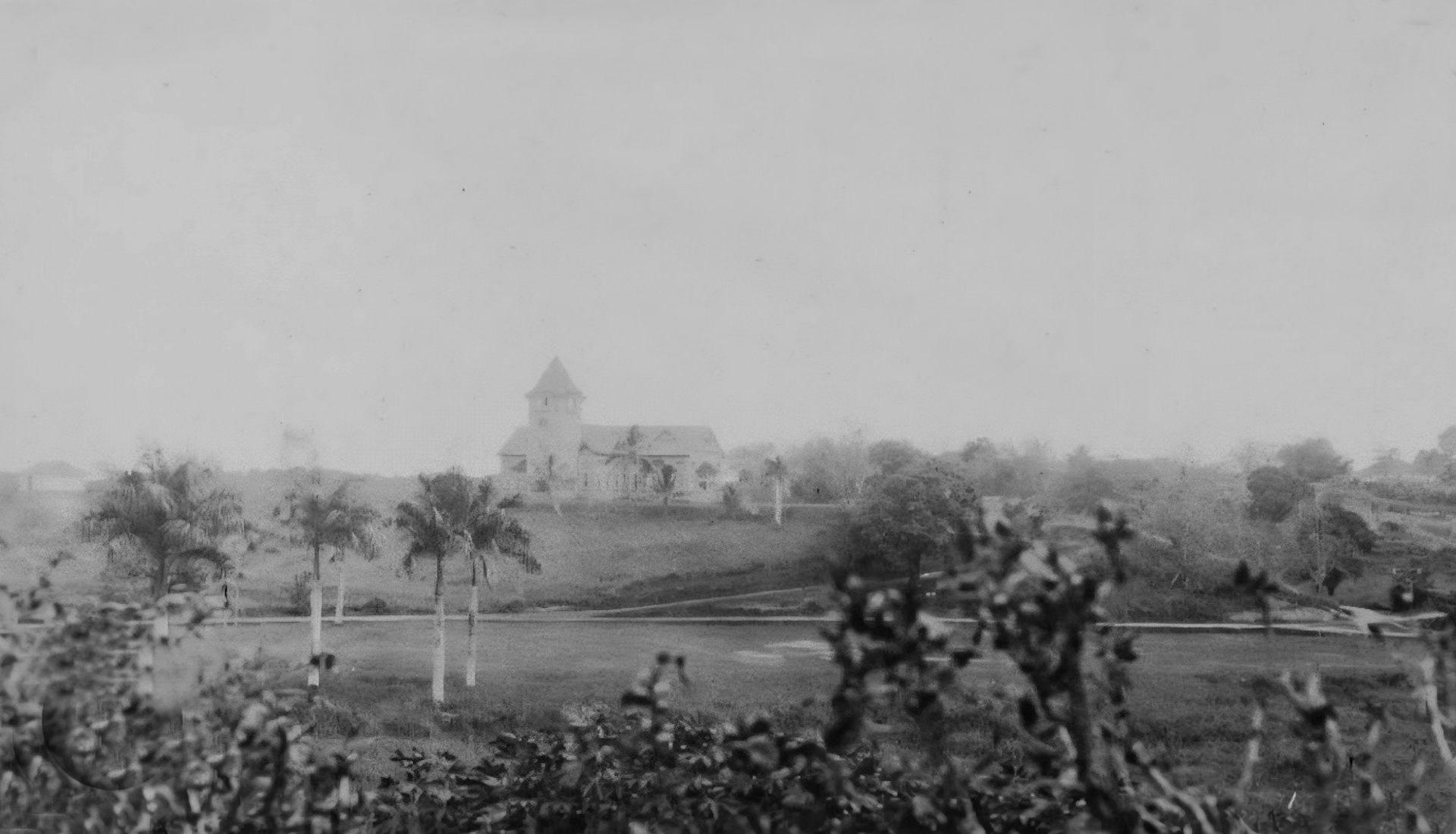
Dilkusha, the lesser sister diocese, had no such epic tale. But it quickly became a vibrant centre for Australian Christian evangelists, eager to convert Indian heathens. My father, grandson of an indentured labourer on his mother’s side, came here in the mid-1940s as a primary school teacher.
لم يكن لدى ديلكوشا، الأبرشية الشقيقة الأصغر، مثل هذه الحكاية الملحمية. لكنها سرعان ما أصبحت مركزاً نابضاً بالحياة للمبشرين المسيحيين الأستراليين، المتحمسين لتحويل الهنود الوثنيين. جاء والدي، حفيد عامل مُستعمَل من جهة أمه، إلى هنا في منتصف الأربعينيات من القرن الماضي كمعلم مدرسة ابتدائية.
In the end my father, like Mr Biswas in V.S. Naipaul’s great novel on the plantation Indian diaspora, built a house of his own in the adjoining village of Waila (Realm of Floods) . But when I remember my homeland, it is through the decade I spent in Dilkusha Methodist quarters, in the 1950s and early 1960s.
في النهاية، بنى والدي، مثل السيد بيسواس في رواية في. إس. نايبول العظيمة عن الشتات الهندي في المزارع، منزله الخاص في قرية وائل المجاورة (عالم الفيضانات) . ولكن عندما أتذكر وطني، فإنه من خلال العقد الذي قضيته في ثكنات ديلكوشا الميثودية، في الخمسينيات وأوائل الستينيات.
We were part of an enclosed community run by successive Methodist priests. Our joys were few: fishing or canoeing in the great Rewa River below, attending Sunday church services or walking across the paddock to the Boys’ Hostel.
كنا جزءاً من مجتمع مغلق تديره كهنوت ميثوديين متعاقبون. كانت أفراحنا قليلة: الصيد أو التجديف في نهر ريوا العظيم بالأسفل، أو حضور خدمات الكنيسة يوم الأحد أو المشي عبر المرعى إلى سكن الأولاد.
Dilkusha’s history was rich – but for me, it was a drab world. And then magic occurred: we discovered Aladdin’s cave.
كان تاريخ ديلكوشا غنياً – لكن بالنسبة لي، كان عالماً باهتاً. ثم حدث السحر: اكتشفنا كهف علاء الدين.
Across the river from us, in Nausori Town, a Gujarati Muslim entrepreneur built a cinema hall – Empire Theatre – and my life changed.
عبر النهر عنا، في بلدة نوسوري، بنى رجل أعمال جوجاري مسلم قاعة سينما – مسرح الإمبراطورية – وتغيرت حياتي.

Cinema was my world
كان السينما عالمي
I was five years old in 1950, a year short of six, when you could enter school and would be considered mature. Then, in 1951, Raj Kapoor’s film Awaara (The Vagabond) , about geneticism and social determinism, came to Empire Theatre. Aged six, my life began to change.
كنت في الخامسة من عمري عام 1950، أي قبل عام من بلوغي السادسة، وهو العمر الذي يمكنك فيه الالتحاق بالمدرسة وتُعتبر ناضجاً. ثم، في عام 1951، وصل فيلم راج كابور “أواارا” (الترحال) ، الذي يتناول موضوع الجينات والمحدد الاجتماعي، إلى مسرح الإمبراطورية. في السادسة من عمري، بدأت حياتي تتغير.
I was never good at reading, unlike my Dilkusha mate Sarwesh (“Tomato”) Thakur, who was an exceptional reader. At school, we learned to read in English, but we spoke in Fiji Hindi at home. My father’s side of the family, however, were more comfortable with Fijian, or iTaukei – the language of the country’s First Nation peoples.
لم أكن جيداً أبداً في القراءة، على عكس صديقتي ديلكوشا سارويش (“الطماطم”) ثاكور، التي كانت قارئة استثنائية. في المدرسة، تعلمنا القراءة باللغة الإنجليزية، لكننا كنا نتحدث في المنزل بلغة فيجي الهندية. ومع ذلك، كانت عائلة والدي أكثر ارتياحاً للغة الفيجية، أو iTaukei – لغة الشعوب الأصلية في البلاد.
It mattered little that I wasn’t a good reader (or a reader at all) . On Saturdays, I entered a world of my own. Over a period of time, I had a repertoire of films in me, thanks to the weekly allowance of a shilling from my parents and another shilling from my Dādī (grandmother) , Nausori market’s foremost coconut-oil seller. (I have yet to work out why she did it for me alone when she had some 20 other grandchildren!)
لم يكن يهم كثيراً أنني لم أكن قارئة جيدة (أو قارئة على الإطلاق) . في أيام السبت، كنت أدخل عالماً خاصاً بي. بمرور الوقت، امتلكت مجموعة من الأفلام بفضل مصروف أسبوعي قدره شلن من والديّ وشلن آخر من جدتي (الجدة) ، بائعة زيت جوز الهند الأولى في سوق نوسوري. (لم أستطع حتى تفسير لماذا فعلت ذلك لي وحدي بينما كان لديها حوالي 20 حفيدة أخرى!)
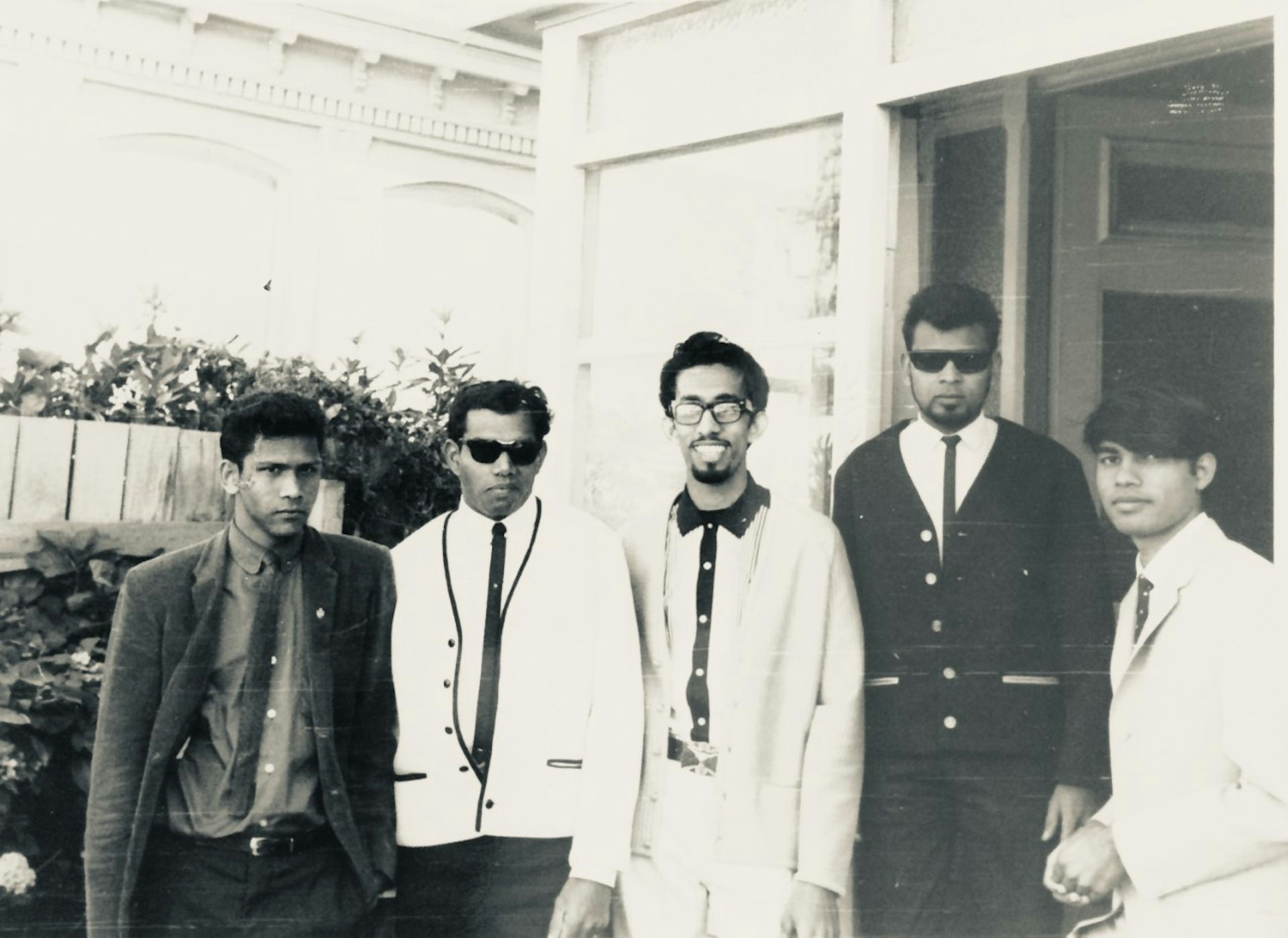
So cinema – and Empire Theatre – became my world. It was my literature, my culture, my dream world. It was my escape from failure to compete with my peers, and my school of drama – indeed, my language too. I look back and ask myself how I could have lived without the Saturday matinees – the 10am Hindi film and the 2.30pm Hollywood film.
وهكذا، أصبحت السينما – ومسرح الإمبراطورية – عالمي. كانت أدبي، وثقافتي، وعالم أحلامي. كانت هروبي من الفشل في منافسة أقراني، ومدرستي للدراما – بل لغتي أيضاً. أنظر إلى الوراء وأتساءل كيف كان يمكنني أن أعيش بدون عروض يوم السبت – فيلم الهندية في العاشرة صباحاً وفيلم هوليوود في الثانية والنصف بعد الظهر.
I lived for Saturdays until I left Fiji aged 18, in 1964. In the Empire Theatre’s downstairs, one shilling (ten cents) seats, infested with khaṭmal (bed bugs) , my fantasies were created.
عشت من أجل أيام السبت حتى غادرت فيجي وأنا في الثامنة عشرة من عمري، عام 1964. في الطابق السفلي لمسرح الإمبراطورية، في المقاعد التي تكلفت شلنين (عشرة سنتات) ، والموبوءة بحشرات الفراش، كانت خيالاتي تُصنع.
While the films I watched there would connect me with the India I had never physically inhabited, the worlds they opened to me were like temples of desire: elusive and mysterious, as well as enchanting. This would change – but long after I had left Fiji, after I had become a film scholar, writing from distant, sometimes cold lands.
بينما كانت الأفلام التي شاهدتها هناك تربطني بالهند التي لم أطأها جسدياً قط، كانت العوالم التي فتحتها لي كمعابد للرغبة: مراوغة وغامضة، وساحرة في آن واحد. سيتغير هذا – ولكن بعد وقت طويل من مغادرتي فيجي، وبعد أن أصبحت باحثة في الأفلام، أكتب من أراضٍ بعيدة، وباردة أحياناً.

Years later, writing from Perth, Australia, I watched Bollywood fantasies shift from their roots in melodrama to an endorsement of a nation ideologically defined as Hindu. This often involved demonising India’s non-Hindus, especially its age-old Muslim inhabitants. Under Prime Minister Narendra Modi, elected in 2014, this is also the nation’s political agenda.
بعد سنوات، وأنا أكتب من بيرث، أستراليا، شاهدت خيالات بوليوود تتحول من جذورها في الميلودراما إلى تأييد لأمة مُعرّفة أيديولوجياً بأنها هندوسية. غالباً ما تضمنت هذه الأعمال شيطنة غير الهندوس في الهند، وخاصة سكانها المسلمين القدامى. وتحت رئيس الوزراء ناريندرا مودي، الذي انتُخب في عام 2014، هذا هو أيضاً الأجندة السياسية للأمة.
It is strikingly displayed in the jingoistic espionage thrillers Dhurandhar I (The Stalwart, 2025) and Durandhar II (The Revenge, 2026) – the latter currently screening in Perth. These films, based on the adventures of an Indian spy in Karachi, Pakistan, define an Indian nation obsessed by the spectres of an enemy that is both another nation (Pakistan) and a “nation”, the Muslim minority within India.
يتجلى هذا بشكل صارخ في أفلام الإثارة التجسسية المتبجحة “دوراندهار الأول” (المثابر، 2025) و”دوراندهار الثاني” (الانتقام، 2026) – الأخير يُعرض حالياً في بيرث. هذه الأفلام، المستندة إلى مغامرات جاسوس هندي في كراتشي، باكستان، تُعرّف أمة هندية مهووسة بأطياف عدو هو أمة أخرى (باكستان) و”أمة” في الوقت نفسه، وهي الأقلية المسلمة داخل الهند.
Fantasies on film
خيال على الشاشة
Back in 1950s Dilkusha, my Empire Theatre fantasies were of a different order. They began with the Arabian Nights. The defining film in that genre, Homi Wadia’s Alibaba and the Forty Thieves (1954) , was properly introduced to me when my father’s friend, the cook at Dilkusha Boys’ Hostel, took me to watch it one Wednesday night in 1955.
في الخمسينيات من القرن الماضي، كانت خيالاتي في مسرح الإمبراطورية (Empire Theatre) من مستوى مختلف. بدأت بحكايات ألف ليلة وليلة. الفيلم المحدد في هذا النوع، “علي بابا واللصوص الأربعين” لهومي واديا (1954) ، قُدِّم لي بشكل صحيح عندما أخذني صديق والدي، الطباخ في سكن الأولاد في ديلكوشا، لمشاهدته في إحدى ليالي الأربعاء عام 1955.
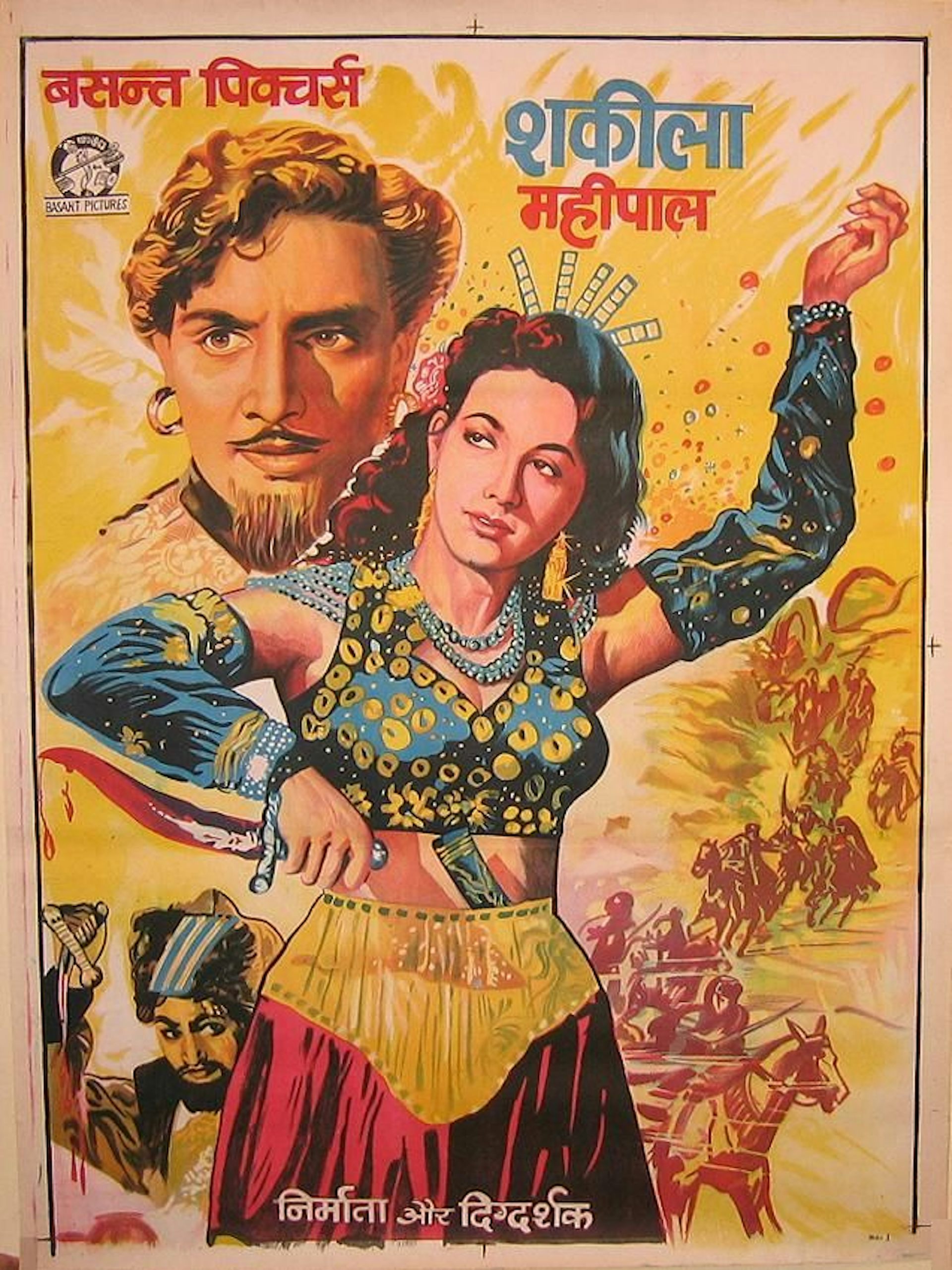
I knew the Alibaba tale, but Wadia’s rendition is a great piece of cinema. It captured Oriental fantasies way better than his Hollywood counterparts. I have seen it more than any other film – and consider it the finest version of an Arabian Nights tale ever.
كنت أعرف حكاية علي بابا، لكن أداء واديا هو قطعة سينمائية عظيمة. لقد جسد الخيالات الشرقية بشكل أفضل بكثير من نظيراتها في هوليوود. لقد رأيته أكثر من أي فيلم آخر – واعتبره أفضل نسخة من حكاية من ألف ليلة وليلة على الإطلاق.
I also loved sentimental songs from the films of Bollywood’s Golden Age, roughly spanning the films made between Deedar (Sight, 1951) and Gumrah (Infidelity, 1963) – and often marked by a final shot of the lonely hero walking away towards the horizon.
كما أحببت الأغاني العاطفية من أفلام العصر الذهبي للبوليوود، التي امتدت تقريباً بين أفلام “ديدار” (الرؤية، 1951) و”غومراه” (الخيانة، 1963) – وغالباً ما كانت تتخللها لقطة أخيرة للبطل الوحيد وهو يبتعد نحو الأفق.
It was in Empire Theatre that I saw the original version of Aah (Sighs, 1953) , actor and director Raj Kapoor’s homage to P.C. Barua’s foundational 1935 Bollywood film Devdas (based on a Bengali novel by Saratchandra Chatterjee) . Sadly, soon after its initial release, the tragic ending of Aah was changed and the original is no longer available.
في مسرح الإمبراطورية رأيت النسخة الأصلية من فيلم “آه” (تنهدات، 1953) ، وهو تحية من الممثل والمخرج راج كابور لفيلم “ديفداس” التأسيسي لعام 1935 للمخرج بي. سي. باروا (المبني على رواية بنغالية للكاتب ساراتشاندرا تشاتيرجي) . للأسف، بعد إصداره الأولي بوقت قصير، تم تغيير النهاية المأساوية لفيلم “آه”، ولم يعد الأصل متاحاً.
Barua’s film had celebrated the entry of the English melodramatic “Man of Feeling” – for whom sentiment and sensibility were allied with true virtue – into the Indian film aesthetic for the first time. (The concept goes back to 18th-century English writer Henry Mackenzie, whose novel The Man of Feeling named it.) The sentimental hero, unable to declare his love, takes to drinking and dies a lonely man.
احتفى فيلم باروا بدخول “الرجل العاطفي” الميلودرامي الإنجليزي – الذي ارتبط فيه الشعور والحساسية بالفضيلة الحقيقية – إلى الجمالية السينمائية الهندية لأول مرة. (تعود الفكرة إلى الكاتب الإنجليزي هنري ماكنزي في القرن الثامن عشر، الذي أطلق اسم “الرجل العاطفي” على روايته) . البطل العاطفي، غير القادر على إعلان حبه، يلجأ إلى الشرب ويموت رجلاً وحيداً.
Raj Kapoor’s Shree 420 (1955) transformed the Man of Feeling into a picaro figure around whom the tensions of tradition and modernity in capitalist India unfold. It also holds a special place, with its appealing cosmopolitanism noted as well in Salman Rushdie’s The Satanic Verses.
حوّل فيلم “شري 420” لراج كابور (1955) “الرجل العاطفي” إلى شخصية البيكارو (الساحر/المحتال) التي تتكشف حولها توترات التقاليد والحداثة في الهند الرأسمالية. ويحتل الفيلم أيضاً مكانة خاصة، حيث لوحظ فيه الطابع العالمي الجذاب، كما في رواية “الأقوال الساتانية” لسلمان رشدي.
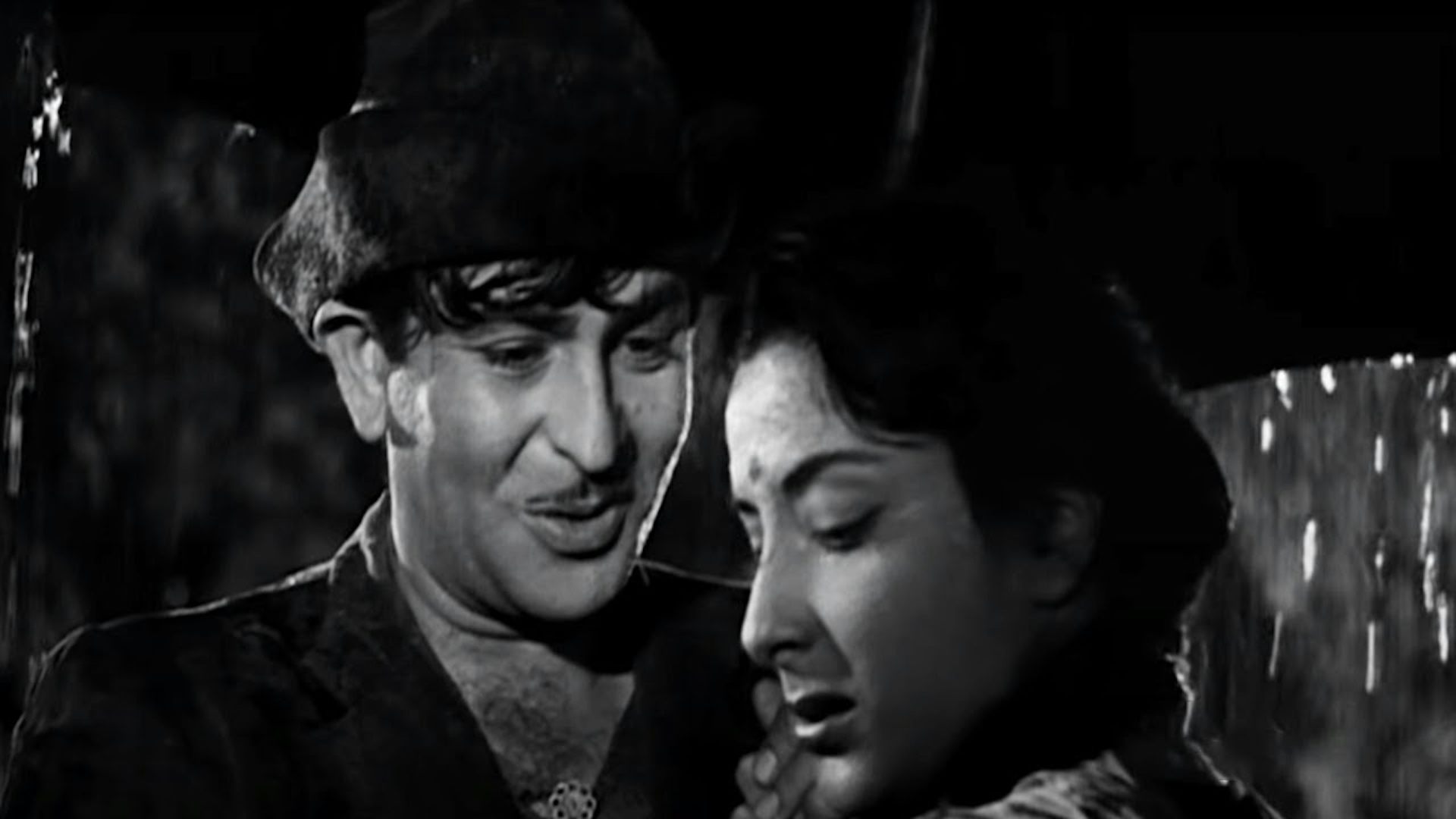
In spite of Shree 420’s political message, melodrama remained the overarching genre of Bollywood films. Melodramatic sentimentality found its consummate expression in the films of Dilip Kumar, Bollywood’s finest actor. We sang our own songs of love and longing through films such as Deedar (Sight, 1951) , Daag (Blemish, 1952) and Madhumati (1958) .
على الرغم من الرسالة السياسية لفيلم “شري 420″، ظل الميلودراما هو النوع السائد لأفلام البوليوود. ووجد الشعور الميلودرامي تعبيره الكامل في أفلام ديليب كومار، أفضل ممثل في البوليوود. غنينا أغاني الحب والشوق الخاصة بنا من خلال أفلام مثل “ديدار” (الرؤية، 1951) ، و”داغ” (العيب، 1952) ، و”مادوماتي” (1958) .
But we also felt at home in his phenomenal banditry drama of peasant rebellion, Gunga Jamna (1961) , because of Dilip Kumar’s extraordinary mastery of Avadhi, a Hindi dialect very close to Fiji Hindi. Although the film’s theme of agrarian rebelliousness against the landed gentry was not uncommon, we were attracted to its use of a language that returned the one repressed in us.
لكننا شعرنا أيضاً بالراحة في دراما قطاع الطرق الخرافية التي قام بها بطل الريف، “جونغا جامنا” (1961) ، بسبب إتقان ديليب كومار الاستثنائي للغة الأڤادي، وهي لهجة هندية قريبة جداً من لهجة فيجي الهندية. وعلى الرغم من أن موضوع التمرد الزراعي ضد الطبقة المالكة لم يكن أمراً غير مألوف، إلا أننا انجذبنا إلى استخدامه للغة أعادت لنا ما كبته في داخلنا.
Bollywood and Indian nationalism
بوليود والقومية الهندية
When I left for New Zealand in February 1964, my relationship with Empire Theatre came to an end. I never returned to that theatre, but it had already made me.
عندما غادرت إلى نيوزيلندا في فبراير عام 1964، انتهت علاقتي بمسرح الإمبراطورية. لم أعد إلى ذلك المسرح أبدًا، لكنه قد شكّلني بالفعل.
Some 35 years later, quite suddenly, in the subzero temperatures of Edmonton, Canada, where I was a professor of English at the University of Alberta, Wordsworth’s sense of place and spots of time resurfaced as the repressed “aching joys” of times past. The second millennium, too, was coming to an end.
بعد حوالي 35 عامًا، وبشكل مفاجئ تمامًا، في درجات الحرارة تحت الصفر في إدمونتون، كندا، حيث كنت أستاذًا للغة الإنجليزية في جامعة ألبرتا، عادت لدى ووردزوورث حس المكان ومواضع الزمن المكبوت كـ “فرح مؤلم” من الأزمان الغابرة. وكان الألفية الثانية أيضًا على وشك الانتهاء.
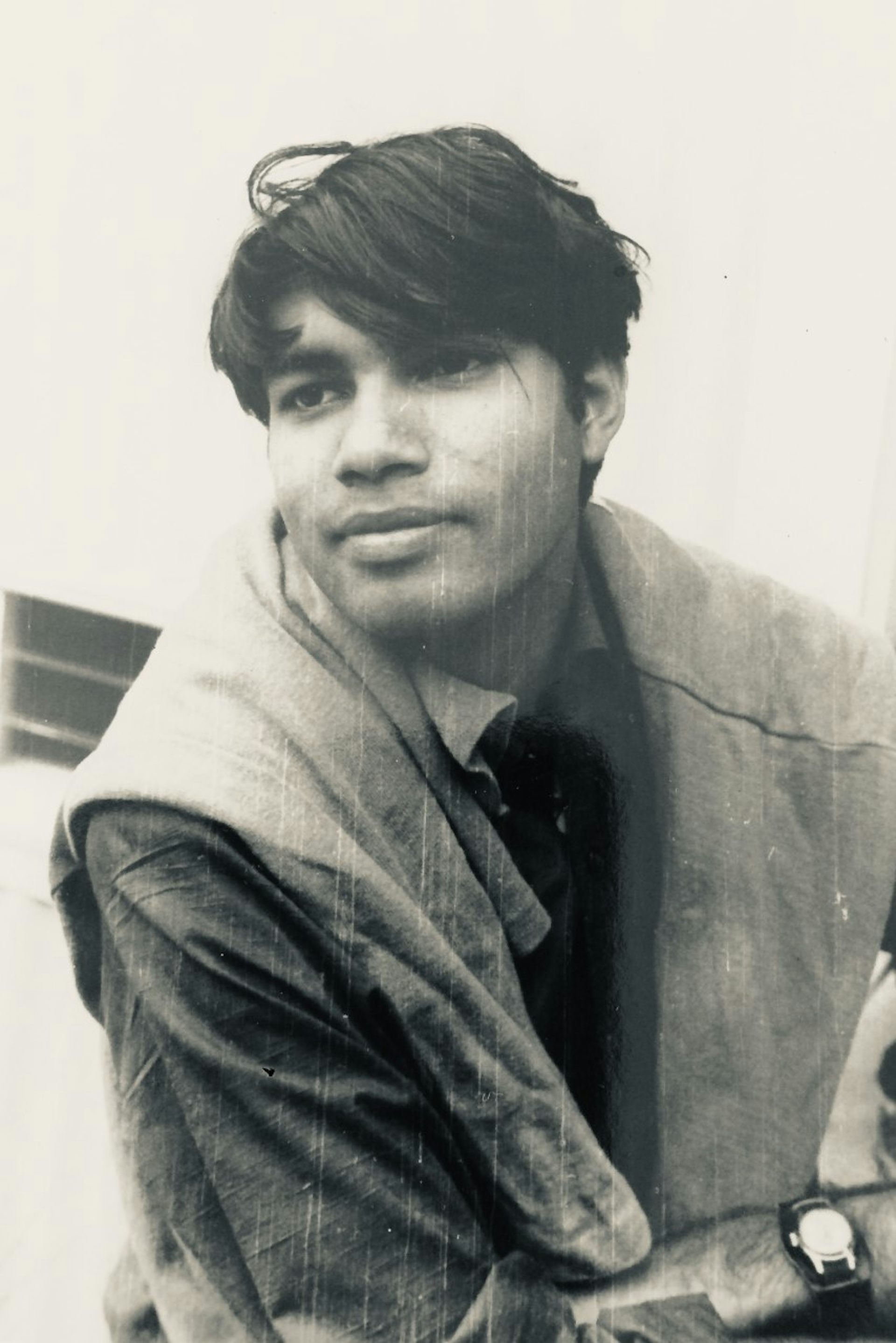
Sitting at my desk in an office overlooking the Saskatchewan River, I took out my Waterman fountain pen to write the first sentence of what would grow into a book, Bollywood Cinema: Temples of Desire (2002) .
جلست على مكتبي في مكتب يطل على نهر ساسكاتشوان، وأخرجت قلمي الحبري من نوع ووترمان لكتابة الجملة الأولى لما سيصبح كتابًا، “سينما بوليود: معابد الرغبة” (2002) .
In that first sentence, written in longhand, I described cinemas, recalling films seen in Empire Theatre as “the temples of modern India”. While in the book I wrote the films remained temples of desire, Bollywood cinema this century embodies a different kind of desire: a desire where the nation itself is at the centre.
في تلك الجملة الأولى، المكتوبة بخط اليد، وصفت دور السينما، مستذكرًا الأفلام التي رأيتها في مسرح الإمبراطورية باعتبارها “معابد الهند الحديثة.” وبينما كتبت في الكتاب أن الأفلام ظلت معابد للرغبة، فإن سينما بوليود في هذا القرن تجسد نوعًا مختلفًا من الرغبة: رغبة يكون فيها الوطن نفسه هو المركز.
The founding fathers of independent India (notably Mahatma Gandhi and Jawaharlal Nehru, India’s first prime minister) established a multicultural India within a secular state. But under Modi and his Bhartiya Janata Party (the BJP) , India has been discarding these credentials in favour of a religiously sanctioned nation state.
أرسى الآباء المؤسسون للهند المستقلة (لا سيما المهاتما غاندي وجواهر لال نهرو، أول رئيس وزراء للهند) هندًا متعددة الثقافات ضمن دولة علمانية. ولكن في عهد مودي وحزبه البارتيجا جاناتا (البي جي بي) ، كانت الهند تتخلى عن هذه المؤهلات لصالح دولة قومية مُصادق عليها دينيًا.
Bollywood’s new nationalism is a radical refashioning of Gandhi’s idea of the nation, which was based on the principle of denial. He promoted fasting, vegetarianism and non-violence as ways of “renouncing” the self – and hence, the nation.
القومية الجديدة في بوليود هي إعادة تشكيل جذرية لفكرة غاندي عن الأمة، والتي كانت مبنية على مبدأ الإنكار. لقد روّج للصيام والنباتية واللاعنف كوسائل لـ “التخلي” عن الذات – وبالتالي، عن الأمة.
Naturally, that idea produced cinema such as Guru Dutt’s classic Pyaasa (The Thirsty One, 1957) and Kaagaz Ke Phool (Paper Flowers, 1959) , which positioned the hero as renouncer: the melodramatic sentimentalist whose life was one of sacrifice. The songs the hero sang embodied mourning and melancholy.
بطبيعة الحال، أنتجت تلك الفكرة سينما مثل فيلم “بياسا” الكلاسيكي لغورو دوت (العطشان، 1957) و”كاغاج كي فول” (زهور الورق، 1959) ، الذي وضع البطل فيه كمن يتخلى: الرومانسي الميلودرامي الذي كانت حياته تضحية. وكانت الأغاني التي يغنيها البطل تجسد الحداد والكآبة.
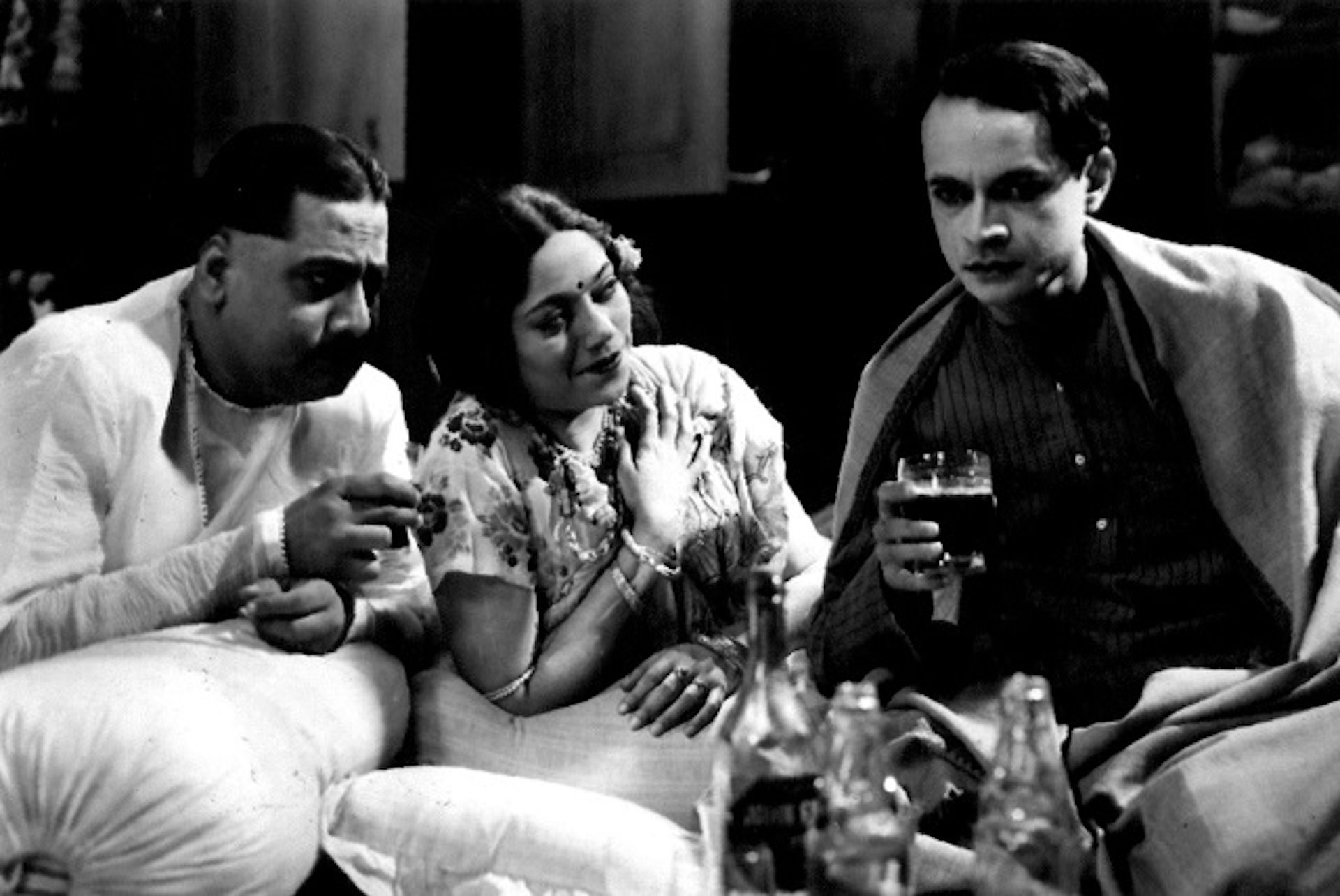
No foundational film captured that renouncer ideal better than the 1935 version of Devdas, in both Bengali and Hindi, about two lovers – Debdas and Parbati – divided by class. Essentially, it is a film about a Man of Feeling, for whom abjection and denial define love, with death the redemptive act.
لم يجسد أي فيلم تأسيسي مثالية المتخلي بشكل أفضل من نسخة فيلم “ديفداس” عام 1935، باللغتين البنغالية والهندية، عن حبيبين – ديبداس وبارباتي – يفصل بينهما الطبق. في الأساس، هو فيلم عن رجل عاطفي، بالنسبة له يحدد الحب الاغتراب والإنكار، مع الموت كفعل مُنقذ.
Bollywood cinema endlessly reprised the narrative – finding in it, precisely if absurdly, the ideal of renouncement. The better known 1955 Bimal Roy version endorses this reading.
كررت سينما بوليود السرد بلا نهاية – ووجدت فيه، وإن كان بشكل عبثي، مثالية التخلي. وتؤيد نسخة بيمال روي الأكثر شهرة عام 1955 هذا التفسير.
But in the 21st century, the Man of Feeling’s sentimentality has been repackaged as glossy spectacle.
ولكن في القرن الحادي والعشرين، تم إعادة تغليف عاطفية الرجل العاطفي كعرض براق.
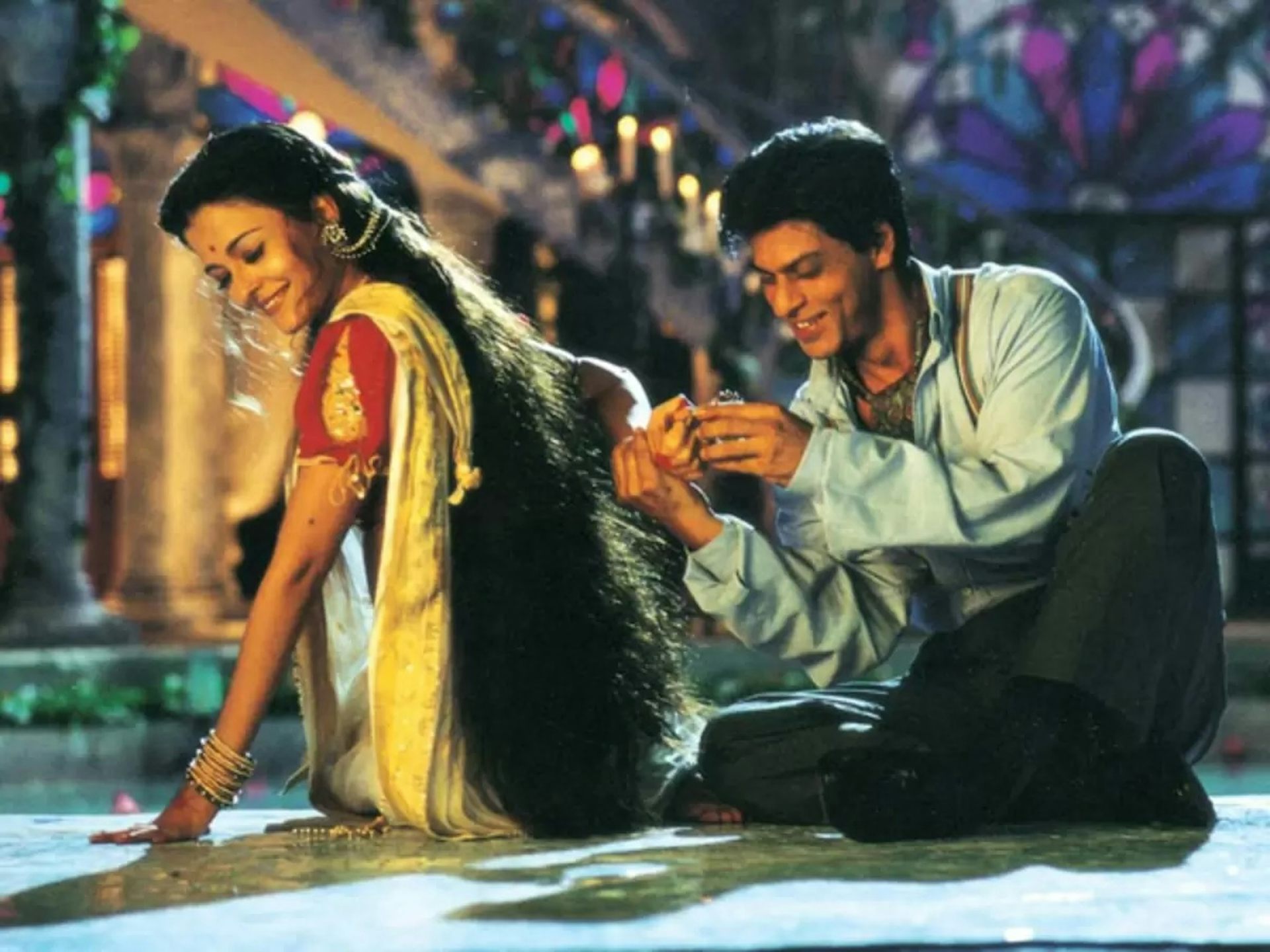
Sanjay Leela Bhansali’s 2002 remake of Devdas was the most expensive production in Indian film history at the time. Its extravagance pushes the old sentiments of the Man of Feeling aside, presenting the historical past as bold, eye-catching performance.
كان إعادة إنتاج فيلم “ديفداس” لعام 2002 للمخرج سانجاي ليلا بهانسالي هو الإنتاج الأغلى في تاريخ السينما الهندية في ذلك الوقت. تدفع بذخامة الإنتاج المشاعر القديمة للرجل العاطفي جانبًا، مقدمة الماضي التاريخي كأداء جريء وملفت للنظر.
The operatic form of Bhansali’s Devdas, with its elaborate sets and costumes, and its overwhelming “item numbers” (where the song is carefully choreographed) , emphasises a new Indian modernity and self-assuredness. The renouncement theme of earlier versions is less important.
يؤكد الشكل الأوبرالي لفيلم “ديفداس” لبهانسالي، بمجموعاته وأزياءه المفصلة، و”الأغاني الجانبية” الغامرة (حيث يتم تصميم الرقصة بعناية) ، على حداثة وهيبة هندية جديدة. أما موضوع التخلي في الإصدارات السابقة فهو أقل أهمية.
It is as if, in the new tech-savvy India, one lives with the sentimental past only as spectacle. A decade later, under Modi, this would become a national mantra.
الأمر وكأن المرء، في الهند الجديدة الملمة بالتكنولوجيا، يعيش الماضي العاطفي كعرض مسرحي فقط. وبعد عقد من الزمان، وفي عهد مودي، سيصبح هذا شعارًا وطنيًا.
Shammi Kapoor and desire
شاممي كابور والرغبة
The cinema of desire and spectacle had existed last century, too (a point, regrettably, not made in the book I wrote) – but with a difference. In the 1960s, Bollywood superstar Shammi Kapoor began to redefine the Bollywood hero by embracing, through bodily gestures, the nation itself as the object of desire.
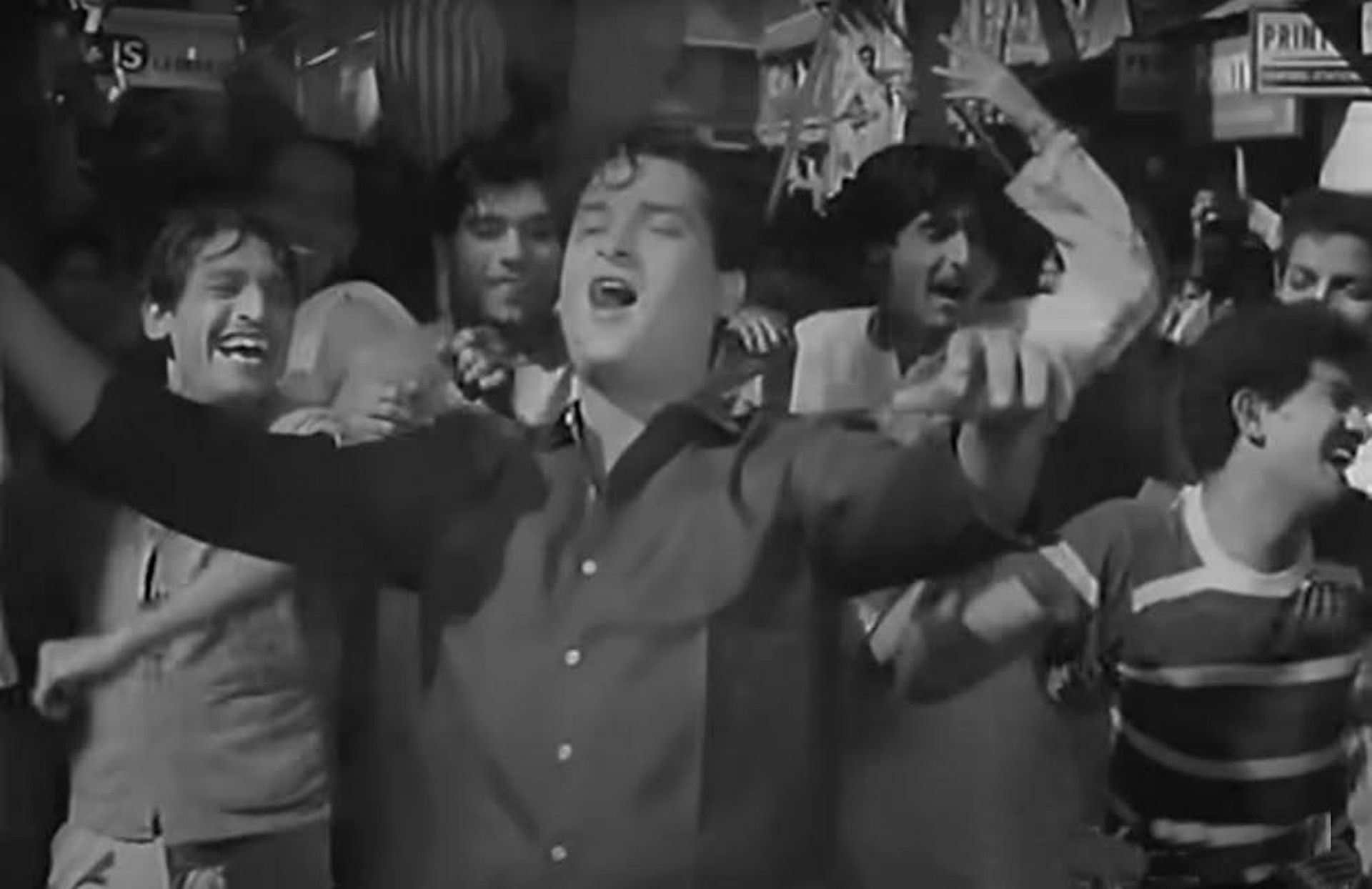
لقد كان سينما الرغبة والمشاهدة موجودة في القرن الماضي أيضاً (وهي نقطة، للأسف، لم أذكرها في الكتاب الذي كتبته) – ولكن باختلاف. ففي الستينيات، بدأ نجم بوليوود، شاممي كابور، بإعادة تعريف بطل بوليوود من خلال احتضان الأمة نفسها، كهدف للرغبة، عبر الإيماءات الجسدية.
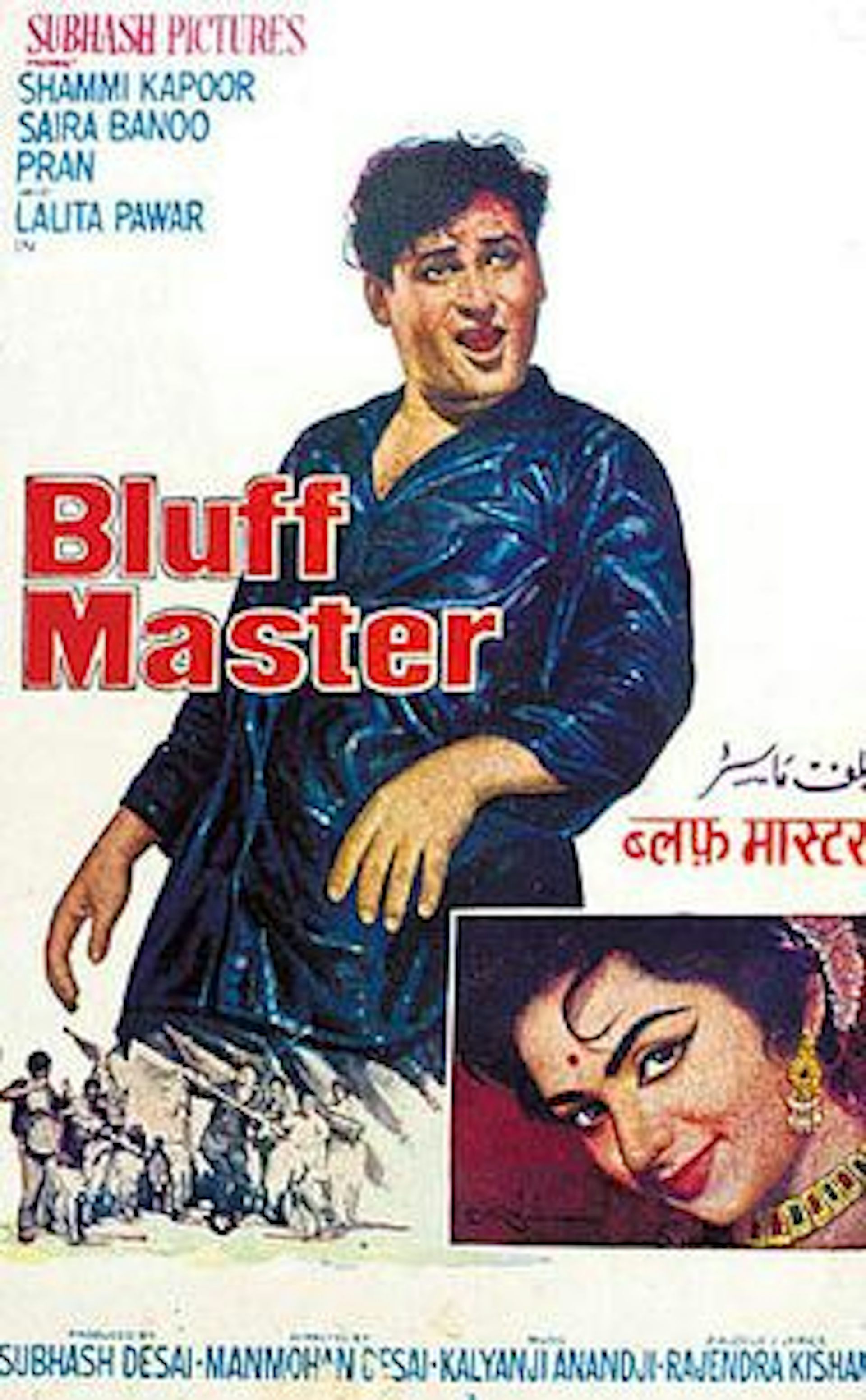
His homoerotic moves, with Elvis Presley-inspired pelvic gyrations and gestures, marked his signature style – notably in Junglee (1961) , Bluff Master (or Wild, 1963) and Laat Saheb (Leisured Dandy, 1967) .
حركاته المثلية، مع اهتزازات الحوض والإيماءات المستوحاة من إلفيس بريسلي، ميزت أسلوبه المميز – لا سيما في أفلام مثل “جونغلي” (1961) ، و”بلوف ماستر” (أو وايلد، 1963) ، و”لات صاحب” (لايزرد داندي، 1967) .
In films such as these, the Indian nation suddenly came alive. Here was an actor who would show us how to enjoy a nation, to embrace it. He spoke through his body – and unlike the dominant sentimental heroes of melodrama, there were no songs of loss and love-longing. Desire had to be grasped and experienced.
في أفلام كهذه، عادت الأمة الهندية للحياة فجأة. كان هنا ممثل سيعلمنا كيف نستمتع بأمة، وكيف نحتضنها. لقد تحدث بجسده – وعلى عكس الأبطال العاطفيين المهيمنين في الميلودراما، لم تكن هناك أغاني عن الفقد والحنين للحب. كان لا بد من استيعاب الرغبة وتجربتها.
Kapoor also made me and my Empire Theatre friends enjoy the Fijian nation state – which we felt was ours, as much as the First Nation people’s – after some 80 years of longing for a faraway nation, as descendants of indentured labourers.
كما جعلني كابور وأصدقاء مسرح إمباير (Empire Theatre) أستمتع بالأمة الفيجية – التي شعرنا أنها ملك لنا، بقدر ما هي ملك لشعب السكان الأصليين – بعد حوالي 80 عاماً من الشوق لأمة بعيدة، كأحفاد للعمال المهاجرين.
Our forefathers and mothers had come to Fiji as the answer to its dwindling supply of labour. From May 1879 until 1917, 87 shiploads of Indians travelled to Fiji to work out their five years of indentured slavery – the girmit (from the word agreement) . The first ship brought 463 immigrants. Conditions on the cane plantations were miserable and the Indians called that part of their lives narak (hell) . Once the five years of servitude were over, the Indians were given a certificate of residence.
جاء أجدادنا وأمهاتنا إلى فيجي كإجابة على نقص العمالة المتناقص. فمن مايو 1879 حتى عام 1917، سافر 87 سفينة محملة بالهنود إلى فيجي للعمل في فترة العبودية الإجبارية التي استمرت خمس سنوات – وهي “الجيرميت” (من كلمة اتفاق) . أحضر أول سفينة 463 مهاجراً. كانت الظروف في مزارع قصب السكر بائسة، وسمى الهنود هذا الجزء من حياتهم “ناراك” (الجحيم) . وبمجرد انتهاء السنوات الخمس من الخدمة، مُنح الهنود شهادة إقامة.
Only after another five years would they become eligible for a paid ticket back to India. But few returned.
ولن يصبحوا مؤهلين لتذكرة مدفوعة العودة إلى الهند إلا بعد خمس سنوات أخرى. لكن القليل منهم عاد.
After all those years, Shammi Kapoor, in a strange sort of a way – and belatedly – reminded us the Fijian nation state was ours too, and that we too could enjoy it, which we did as we guzzled large quantities of Fiji’s national drink, yaqona (kava) .
بعد كل تلك السنوات، ذكرنا شاممي كابور، بطريقة غريبة نوعاً ما – وفي وقت متأخر – بأن الأمة الفيجية هي ملكنا أيضاً، وأنه يمكننا نحن أيضاً الاستمتاع بها، وهو ما فعلناه بينما كنا نشرب كميات كبيرة من المشروب الوطني في فيجي، ياكونا (كافا) .
In spite of this, we Fiji Indians – who had no other homeland – lost our nation in 1987, because we forgot the First Nation people (who also guzzled huge amounts of yaqona) enjoyed the same nation differently. That difference led to a military coup that pitted two incommensurable readings of the nation against one another: one ancestral or “nativist” and culturally rooted, the other a reading of the nation as an abstract democratic polity with equal rights.
على الرغم من ذلك، فإننا الهنود الفيجيين – الذين لم يكن لدينا وطن آخر – فقدنا أمتنا في عام 1987، لأننا نسينا أن السكان الأصليين (الذين استهلكوا أيضاً كميات كبيرة من ياكونا) استمتعوا بنفس الأمة بطريقة مختلفة. وأدى هذا الاختلاف إلى انقلاب عسكري وضع قراءتين غير قابلتين للمقارنة للأمة في مواجهة بعضهما البعض: إحداهما أصلية أو “تتعلق بالأصل” ومتجذرة ثقافياً، والأخرى قراءة للأمة ككيان ديمقراطي مجرد بحقوق متساوية.
Hindu superheroes and spectacle
الأبطال الخارقون الهندوس والمشهد البصري
Indian cinema now is unabashedly – even uncritically – celebratory. The nation state itself functions as its revisionist historical backdrop. In many ways, Bollywood films now are a propagandist instrument of Modi’s Hindu India, as it repackages and reformulates its narratives into an Indian version of Marvel Comics.
يحتفل السينما الهندية الآن بلا خجل – بل وبشكل غير نقدي – بالاحتفال. تعمل الدولة القومية نفسها كخلفية تاريخية تعديلية. ففي كثير من الطرق، تعد أفلام بوليوود الآن أداة دعائية لهند الهندوسية التابعة لمودي، حيث تعيد تغليف وصياغة رواياتها إلى نسخة هندية من قصص مارفل كوميكس.
The superheroes re-enact the roles of Hindu gods – notably the great epic god Rama, whose life combines heroism with the possibilities of a new, paradise-like nation state. This is promised by Hindutva politics.
يُعيد الأبطال الخارقون تمثيل أدوار الآلهة الهندوسية – ولا سيما الإله الملحمي العظيم راما، الذي يجمع حياته بين البطولة وإمكانيات دولة قومية جديدة أشبه بالجنة. وهذا ما تعد به سياسات الهندوترفا.
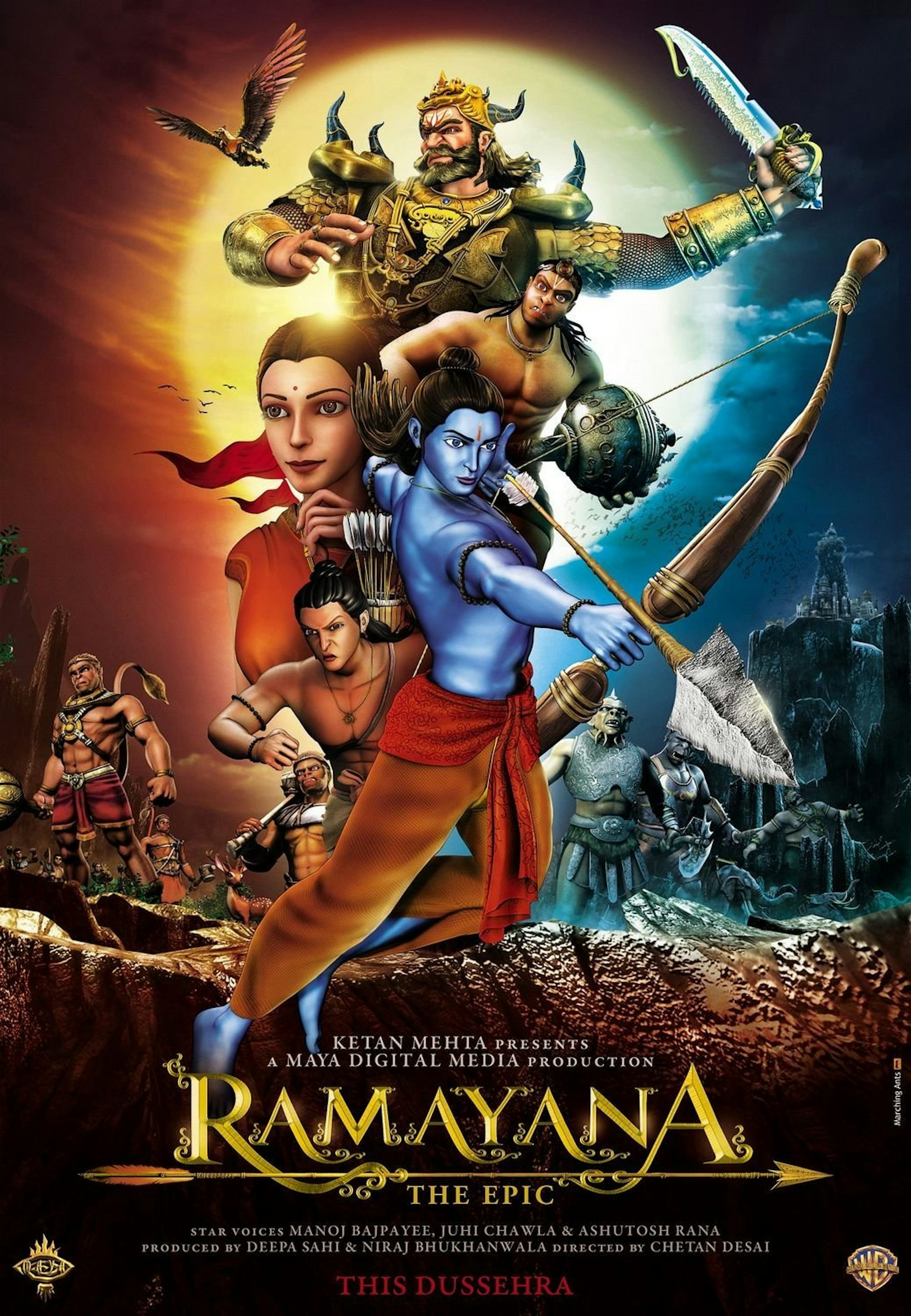
Indeed, a new Bollywood film, Ramyana (2026) , following Rama’s life story and clash with a demon king that will “determine the fate of gods and mortals”, will be released this year, directed by Nitesh Tiwari.
في الواقع، سيصدر هذا العام فيلم بوليوود جديد، “راميانا” (2026) ، الذي يتبع قصة حياة راما وصراعه مع ملك شيطاني من شأنه “تحديد مصير الآلهة والبشر”، ويخرجه نيتيش تياري.
Hinduism does not have a unified system of personal and common law – and for almost two millennia, Hindus have not had an empire comparable to the Ottomans or the Mughals. In the absence of a sophisticated technology of writing and reproduction, historical documentation and its preservation of Hindu empires did not carry the same weight. Dates and detailed references to governance are simply not readily available.
لا يمتلك الهندوسية نظاماً موحداً للقانون الشخصي والعام – ولم يمتلك الهندوسون، لما يقرب من ألفي عام، إمبراطورية تضاهي العثمانيين أو المغول. وفي غياب تكنولوجيا متطورة للكتابة والاستنساخ، لم يحمل التوثيق التاريخي والحفاظ على الإمبراطوريات الهندوسية نفس الثقل. فالتواريخ والمراجع التفصيلية للحكم ببساطة غير متاحة بسهولة.
Indian history, based on documentary evidence and accounts of witnesses, was thus principally written by the Muslim Mughals or British colonials. Bollywood steps in to fill the void, turning once again to fantasy linked to a revisionist version of Indian history.
وبالتالي، كُتب التاريخ الهندي، المعتمد على الأدلة الوثائقية وروايات الشهود، بشكل أساسي من قبل المغول المسلمين أو المستعمرين البريطانيين. وتتدخل بوليوود لملء الفراغ، بالعودة مرة أخرى إلى الخيال المرتبط بنسخة تعديلية من التاريخ الهندي.
Bhansali’s body of work traces Bollywood’s shift from last century’s mournful detachment from the nation – and, in the case of Shammi Kapoor, a subdued libidinal desire for it – to today’s nationalism. In Saawariya (The Beloved, 2007) , Bhansali’s first major work after Devdas, the familiar theme of love-in-estrangement (key to Bollywood’s old sentimental melodramas) is depicted with a new colour and excitement.
يتتبع عمل بهانسالي تحول بوليوود من الانفصال الحزين عن الأمة في القرن الماضي – وفي حالة شاممي كابور، رغبة شهوانية مكبوتة تجاهها – إلى القومية اليوم. ففي فيلم “ساواريا” (المحبوب، 2007) ، أول عمل رئيسي لبهانسالي بعد “ديفداس”، يتم تصوير الموضوع المألوف للحب في الاغتراب (وهو مفتاح الميلودراما العاطفية القديمة في بوليوود) بلون وإثارة جديدين.
Bhansali self-assuredly confronts Luchino Visconti’s 1957 Italian romantic melodrama Le Notti Bianche (White Nights) – based on Dostoevsky’s 1848 short story. Visconti’s manifestly fake scenery functioned like “stilled” photographs. Bhansali takes this up to create a dream scenario, its scenes dominated by blue and red colour palettes. The new India does not just imitate, but transforms the borrowed text.
يواجه بهانسالي بثقة فيلم “الليالي البيضاء” الإيطالي الرومانسي الميلودرامي لوتشينو فيسكونتي عام 1957 – المستند إلى قصة قصيرة لدوستويفسكي عام 1848. وكانت المناظر الطبيعية المزيفة بشكل واضح فيسكونتي تعمل مثل صور “متوقفة.” فيأخذ بهانسالي هذا ليخلق سيناريو حلم، تهيمن عليه مشاهد لوحات الألوان الزرقاء والحمراء. إن الهند الجديدة لا تقلد فحسب، بل تحوّل النص المستعار.
Bhansali’s films also transform the sentimental Bollywood song – traditionally the cornerstone of Indian popular cinema – into a choreographed item number.
كما تحوّل أفلام بهانسالي الأغنية العاطفية في بوليوود – التي كانت تقليدياً حجر الزاوية في السينما الشعبية الهندية – إلى فقرة رقص مصممة.
Song-in-performance once made concessions to Indian Muslim culture, through chaste Urdu poetry and the qawwali, or the dance of the courtesan – marks of cultural incorporation for a multicultural society. But as early as 1999, in films such as Hum Dil De Chuke Sanam (I Gave My Heart Away, My Love) , that concession is gone, and the display of the body elicits a collective erotic or libidinal desire in viewers.
في الماضي، أقدم الغناء المؤدي تنازلات للثقافة المسلمة الهندية، من خلال الشعر الأردي العفيف، أو فن القواوالي، أو رقصة العاهرة – وهي علامات على الاندماج الثقافي لمجتمع متعدد الثقافات. ولكن في وقت مبكر من عام 1999، في أفلام مثل “هوم ديل دي تشوكي سنام” (لقد منحت قلبي، يا حبي) ، اختفى هذا التنازل، وأصبح عرض الجسد يثير رغبة جنسية أو شهوانية جماعية لدى المشاهدين.
Now, Bollywood cinema characteristically doubles as both digital spectacle and sociopolitical statement.
الآن، تعمل سينما بوليوود بشكل مميز كعرض بصري رقمي وبيان اجتماعي وسياسي في آن واحد.
Celebration and protests
الاحتفال والاحتجاجات
This self-assuredness made its way into Bhansali’s other work, too. Goliyon Ki Raaslila: Ram-Leela (A Dance of Gunshots: Ram-Leela, 2013) , set among two warring families in Bhansali’s home state of Gujarat, takes Shakespeare’s Romeo and Juliet as its source.
وصل هذا الاقتناع الذاتي إلى أعمال بهانسالي الأخرى أيضًا. فيلم “غوليون كي راسليلا: رام-ليلا” (رقصة طلقات البنادق: رام-ليلا، 2013) ، الذي تدور أحداثه بين عائلتين متحاربتين في ولاية غوجارات، وهي موطن بهانسالي، يستمد مصدره من مسرحية “روميو وجولييت” لشكسبير.
The tragic ending is maintained, but the spectacle is what truly impresses the viewer, with its lavish, computer-generated arrangements of props, scenery and backgrounds.
تم الحفاظ على النهاية المأساوية، لكن ما يثير إعجاب المشاهد حقًا هو المشهد الباذخ، بتصميمه المتقن باستخدام الحاسوب للديكورات والمناظر الطبيعية والخلفيات.
The film was originally titled Ram Leela. But in this new India, Hindu sensitivities dictate culture. Critics petitioned a Delhi court, saying “the movie hurt the religious sentiments of Hindus as it contains sex, violence and vulgarity”, according to the Times of India. There was also unease about the film’s depiction of Hindu history.
كان عنوان الفيلم الأصلي هو “رام ليلا.” ولكن في الهند الجديدة هذه، تملي الحساسيات الهندوسية الثقافة. وطالب النقاد محكمة في دلهي، قائلين إن “الفيلم يسيء للمشاعر الدينية للهندوس لأنه يحتوي على الجنس والعنف والفحش”، وفقًا لتايمز أوف إنديا. كان هناك أيضًا قلق بشأن تصوير الفيلم للتاريخ الهندوسي.
The staged performance of the final episode of the Rāmāyaṇa (the Ram-Leela) – which marks the triumph of Lord Rama over the demon kind Ravana – is presented as a grand spectacle without its redemptive religious meaning.
يُقدم الأداء المسرحي للحلقة الأخيرة من “رامايانا” (الرام-ليلا) – التي تمثل انتصار اللورد راما على الشيطان رافانا – كعرض ضخم دون معناه الديني الخلاصي.
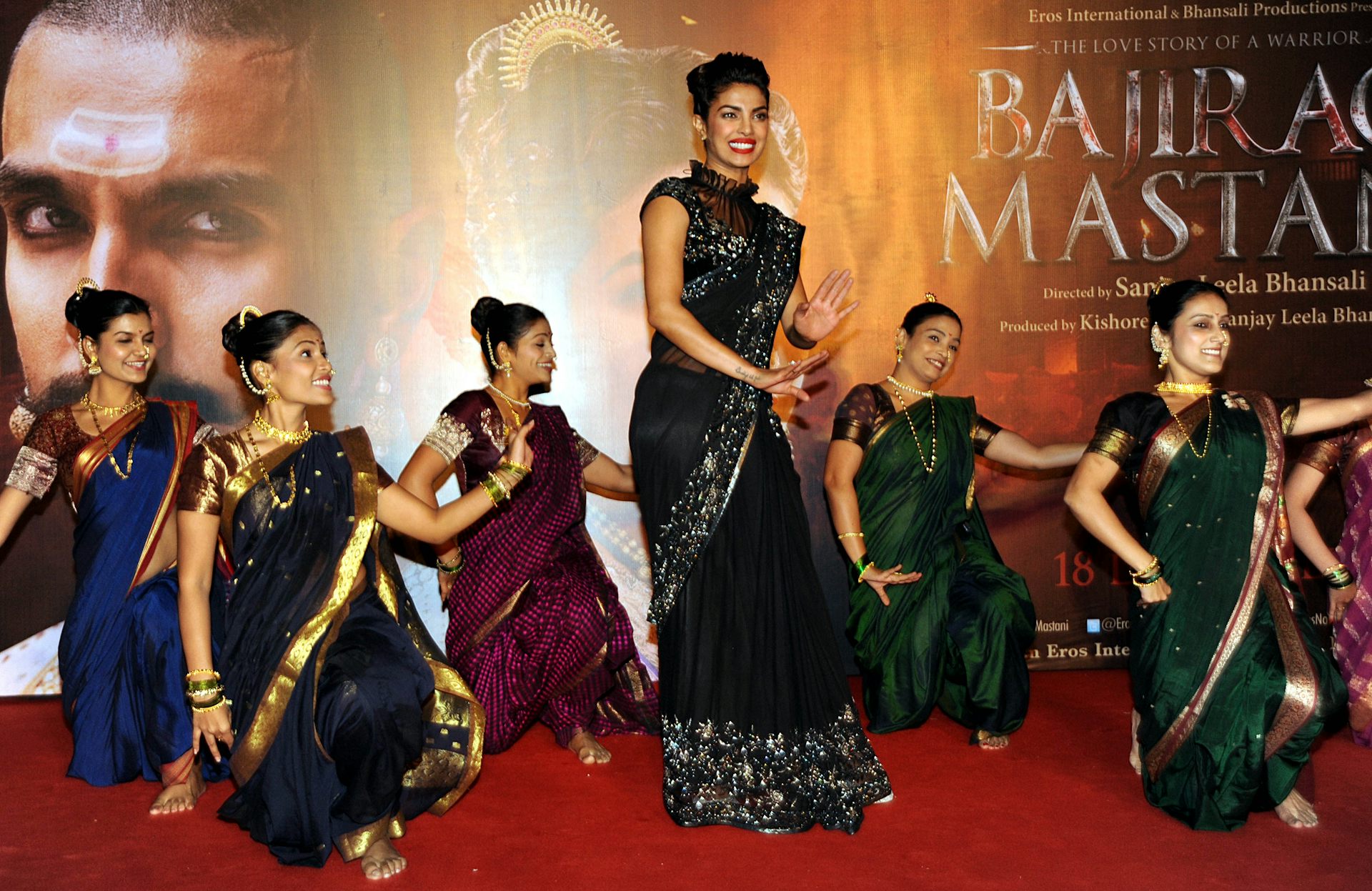
This cinematic style is maintained in Bajirao Mastani (2015) , another tale of doomed love, this time set during the Maratha Empire’s ascendancy.
يتم الحفاظ على هذا الأسلوب السينمائي في فيلم “باجيراو ماستاني” (2015) ، وهي حكاية أخرى عن الحب المحكوم عليه بالفشل، لكن هذه المرة تدور أحداثها خلال صعود إمبراطورية ماراثا.
This empire (1674–1818) , which originated with a Hindu warrior, is revered by Hindu nationalists today. The film follows the life and career of Bajirao Ballal, the peshwa, or chief minister, of the Maratha Empire from 1720 to 1740. His conquests contributed to the decay of the Muslim Mughal Empire.
تُبجّل هذه الإمبراطورية (1674-1818) ، التي نشأت من محارب هندوسي، من قبل القوميين الهندوس اليوم. يتبع الفيلم حياة ومهنة باجيراو بالال، بيشوا، أو رئيس وزراء إمبراطورية ماراثا، في الفترة من 1720 إلى 1740. ساهمت فتوحاته في تدهور الإمبراطورية المغولية المسلمة.
Ram-Leela had a unified narrative, while Bajirao Mastani functions as a series of set pieces with item numbers. Yet in both films, a Hindutva cultural unity of the nation is endorsed.
كان لفيلم “رام-ليلا” سرد موحد، بينما يعمل فيلم “باجيراو ماستاني” كسلسلة من المشاهد المجهزة مع أغاني استعراضية. ومع ذلك، في كلا الفيلمين، يتم تأييد وحدة ثقافية هندوتفية للأمة.
This is true, too, when the source text is pure fantasy. Bhansali’s Padmavaat (2018) tells the story of a 14th-century Muslim emperor’s attack on a kingdom after forcefully abducting Hindu queen, Padmavati. Bhansali transformed 16th-century poet Malik Muhammad Jayasi’s epic poem Padmaavat (written in the Hindi dialect of Avadhi, as a grand Hindu epic of love) into a heroic romance in which the queen and other aristocratic Hindu woman would rather commit sati (self-immolation) than succumb to rape.
هذا صحيح أيضًا عندما يكون النص المصدر خيالًا خالصًا. يروي فيلم “بادمافات” (2018) لبهانسالي قصة هجوم إمبراطور مسلم من القرن الرابع عشر على مملكة بعد اختطاف الملكة الهندوسية، بادمافاتي، قسرًا. حوّل بهانسالي قصيدة الملحمة “بادمافات” للشاعر مالك محمد جاياسي في القرن السادس عشر (المكتوبة باللهجة الهندية الأبهادية، كملحمة هندوسية عظيمة للحب) إلى رومانسية بطولية حيث تفضل الملكة والنساء الهندوس الأرستقراطيات الأخريات ارتكاب الساتي (الحرق الذاتي) بدلاً من الخضوع للاغتصاب.
In 2018, this film too – essentially a romance – sparked controversy. There were months of protest across India, as well as a physical attack on the director and threats of violence against the lead actress. Again, fantasy is read as real, lived history.
في عام 2018، أثار هذا الفيلم أيضًا – وهو في الأساس رومانسي – الجدل. كانت هناك أشهر من الاحتجاجات في جميع أنحاء الهند، بالإضافة إلى هجوم جسدي على المخرج وتهديدات بالعنف ضد الممثلة الرئيسية. مرة أخرى، يُقرأ الخيال كتاريخ حي وواقعي.
For Bhansali, however, fealty to history (authentic or otherwise) is not the aim. His fealty is to the power of the moving image, which is then consumed uncritically as either Hindu triumphalism or Muslim depravity.
بالنسبة لبهانسالي، ومع ذلك، فإن الولاء للتاريخ (سواء كان أصيلاً أم لا) ليس الهدف. ولاؤه هو لقوة الصورة المتحركة، والتي يتم استهلاكها بعد ذلك بشكل غير نقدي إما باعتبارها انتصارًا هندوسيًا أو انحطاطًا مسلمًا.
Hindu propaganda on film
الدعاية الهندوسية في الأفلام
In some films, Bollywood nationalism has taken the form of uncompromised Hindu propaganda, including the outright demonisation of Muslims. Chhaava (The Lion Cub, 2025) is based on the despised Mughal emperor Aurangzeb, who ruled from 1658 to 1707 – and under him, the Mughal empire reached its greatest extent. In the film, he is depicted as nothing but a tyrannical ruler.
في بعض الأفلام، اتخذ القومية البوليوودية شكل دعاية هندوسية غير متنازل عنها، بما في ذلك التشييء الصريح للمسلمين. يستند فيلم “تشافا” (Chhaava- شبل الأسد، 2025) إلى الإمبراطور المغولي المكروه أورنجزيب، الذي حكم من عام 1658 إلى عام 1707 – وتحت حكمه، وصل الإمبراطور المغولي إلى أقصى اتساع له. في الفيلم، يُصوَّر بأنه مجرد حاكم مستبد.
Director Vivek Agnihotri’s The Kashmir Files (2022) and The Bengal Files (2025) ostensibly deal with the ethnic cleansing of Hindus on the part of Muslims, but that history – and its portrayal – is contested. In Singapore, The Kashmir Files was banned for its “provocative and one-sided portrayal” of Muslims. In India, Modi praised it as reflecting the “truth”.
يتناول فيلم “ملفات كشمير” (The Kashmir Files) (2022) و”ملفات البنغال” (The Bengal Files) (2025) للمخرج فيفيك أغنيوهتري ظاهرياً التطهير العرقي للهندوس على يد المسلمين، لكن هذا التاريخ – وتصويره – محل خلاف. في سنغافورة، حُظر فيلم “ملفات كشمير” بسبب “تصويره الاستفزازي والأحادي” للمسلمين. وفي الهند، أشاد به مودي ليعكس “الحقيقة.”
The exceptionally popular Dhurandhar franchise (The Stalwart, 2025, and The Revenge, 2026) “paints Pakistan as a lawless, almost barbaric land that’s pathologically hostile towards India”, according to critic Uday Battia. These films have been criticised for their “hyper-nationalist tone”, as well as historical inaccuracies.
تُصوِّر سلسلة “دوراندهار” (Dhurandhar) الشهيرة للغاية (The Stalwart، 2025، وThe Revenge، 2026) “باكستان كأرض لا قانون فيها، وشبه همجية، ومعادية بشكل مرضي للهند”، وفقاً للناقد أوداي باتيا. وقد تعرضت هذه الأفلام لانتقادات بسبب “نبرتها القومية المفرطة”، بالإضافة إلى عدم الدقة التاريخية.

It’s not uncommon for Bollywood films to be criticised for historical inaccuracy.
ليس من النادر أن تُنتقد أفلام بوليوود لعدم دقتها التاريخية.
Bollywood often chooses fantasy over history. It embraces the nation anew – but within its own conventions of an imagined world.
غالباً ما تختار بوليوود الخيال على التاريخ. إنها تحتضن الأمة من جديد – ولكن ضمن تقاليدها الخاصة لعالم متخيل.
International Bollywood
بوليوود العالمية
Originally, Bollywood mostly meant Hindi–Urdu cinema produced in Bombay/Mumbai. Now, Indian commercial cinema in all its languages (especially Hindi, Tamil, Telugu and Punjabi) are effectively Bollywood.
في الأصل، كانت كلمة “بوليوود” تشير في الغالب إلى السينما الهندية-الأردية التي تُنتج في بومباي/مومباي. أما الآن، فإن السينما التجارية الهندية بجميع لغاتها (خاصة الهندية والتاميلية والتيلجو والبانجابية) هي فعلياً “بوليوود.”
Two remarkable examples explain the emergence of Bollywood as an international home of Indian popular cinema.
يوضح مثالان بارزان نشأة “بوليوود” كمنزل دولي للسينما الشعبية الهندية.
The Bahubali films, directed by S.S. Rajamouli, were made in Telugu and Tamil, and dubbed in Hindi and Malayalam. Together, Baahubali: The Beginning and (2015) and Baahubali 2: The Conclusion were the highest grossing film franchise in India until this year, collecting some US$376 million in total.
تم إنتاج أفلام “بابوبالي” (Bahubali) ، التي أخرجها س. س. راجامouli، باللغتين التيلجو والتاميلية، وتم دبلجتها باللغتين الهندية والمالايالامية. وبمجرد تجميعها، كانت أفلام “بابوبالي: البداية” (2015) و “بابوبالي 2: الخاتمة” هي السلسلة السينمائية الأعلى إيرادات في الهند حتى هذا العام، حيث جمعت ما مجموعه 376 مليون دولار أمريكي.
In the past, films made in Dravidian languages (non-Sanskrit or Prakrit based languages) were markedly different from the Hindi (Bollywood) films. Different cultural nuances were often highlighted, especially in their song and dance sequences. The generally Shaivite religious ideology (where the worship of Lord Shiva takes pride of place) gave them a different cultural complexion.
في الماضي، كانت الأفلام المصورة باللغات الدرافيدية (اللغات غير المستندة إلى السنسكريتية أو البراكريتية) تختلف بشكل ملحوظ عن أفلام الهندية (بوليوود) . وغالباً ما تم تسليط الضوء على فروق ثقافية مختلفة، خاصة في مشاهد الغناء والرقص. وقد منحها الإيديولوجيا الدينية الشايفية عموماً (حيث يحتل عبادة الإله شيفا مكانة بارزة) طابعاً ثقافياً مختلفاً.
In the Bahubali films, however, a pan-Indian world view took over as they internalised Bollywood. The dubbed Hindi version was read as a Bollywood film in both India and the Indian diaspora.
ومع ذلك، في أفلام “بابوبالي”، سيطر منظور عالمي هندي بأكمله مع استيعابها لـ “بوليوود.” واعتُبرت النسخة الهندية المدبلجة في كل من الهند والشتات الهندي كفيلم “بوليوود.”
The narrative of the films may have been pure fiction, but they were styled in the great pan-Indian epic tradition of the Mahābhārata, one of two Sanskrit epic poems of ancient India.
قد تكون حبكة الأفلام خيالاً محضاً، لكنها صيغت في التقاليد الملحمية الهندية الكبرى المستوحاة من “المهابهاراتا”، وهي إحدى الملحمتين السنسكريتيتين القديمتين في الهند.
Rajamouli’s next film, RRR (2022) , won the Oscar for Best Original Song in 2023. The song, Naatu Naatu, was performed (albeit with some non-Indian dancers) on the Oscars stage, to great aplomb.
فاز فيلم راجامouli التالي، “RRR” (2022) ، بجائزة الأوسكار لأفضل أغنية أصلية في عام 2023. وتم أداء الأغنية، “ناتو ناتو”، (Naatu Naatu) ، (على الرغم من مشاركة بعض الراقصين غير الهنود) على مسرح الأوسكار، بحضور كبير.
For RRR, the song was filmed at Mariinskyi Palace, the official residence of the president of Ukraine, before war broke out. The song’s item number has received around 69 million views on YouTube to date. Many commentators have referred to the song, the Oscar performance and the item number in the film itself, as “Bollywood”. In fact, the film originated in “Tollywood” – the name given to films in the Telugu language.
بالنسبة لفيلم “RRR”، تم تصوير الأغنية في قصر مارينسكي، المقر الرسمي لرئيس أوكرانيا، قبل اندلاع الحرب. وحصل أغنية “الرقص” (item number) على حوالي 69 مليون مشاهدة على يوتيوب حتى الآن. وقد أشار العديد من المعلقين إلى الأغنية، وعرض الأوسكار، وأغنية الرقص في الفيلم نفسه، على أنها “بوليوود.” في الواقع، نشأ الفيلم في “توليوود” (Tollywood) – وهو الاسم الذي أُطلق على الأفلام باللغة التيلجو.
RRR, like Bahubali before it, is structured on the cinematic principles that define the “new” Bollywood. Thematically, it works on the desire of the nation as a Hindu entity to be embraced uncritically.
يُبنى فيلم “RRR”، مثل “بابوبالي” قبله، على المبادئ السينمائية التي تحدد “بوليوود” الجديدة. وموضوعياً، يعمل الفيلم على رغبة الأمة ككيان هندوسي في أن يتم احتضانها دون نقد.
Rajamouli’s films, like many of Bhansali’s, have a militaristic temper, whether through a version of Bahubali’s reworking of the old myths, where gods enter the spirit of humans, or through RRR’s political rebellion, where revolutionaries against the British Empire are recast as modern-day Lord Ramas.
تتميز أفلام راجامouli، مثل العديد من أفلام بهانسالي، بمزاج عسكري، سواء من خلال نسخة “بابوبالي” التي أعادت صياغة الأساطير القديمة، حيث يدخل الآلهة في روح البشر، أو من خلال التمرد السياسي في “RRR”، حيث يُعاد تصوير الثوريين ضد الإمبراطورية البريطانية كـ “راما” في العصر الحديث.
In extending and embracing a new Hindutva triumphalism, and internalising it, the new hegemony of Bollywood is complete. The joys of Empire Theatre are now no more than a receding memory.
من خلال توسيع واحتضان التمجيد الهندوسي الجديد واستيعابه، اكتمل الهيمنة الجديدة لـ “بوليوود.” لم تعد أفراح مسرح الإمبراطورية مجرد ذكرى تتلاشى.
Vijay Mishra has received funding from Australian Research Council in the past.
تلقى فيجاي ميشرا تمويلاً من مجلس البحوث الأسترالي في الماضي.
Read more
-

لماذا تواصل إسرائيل مهاجمة لبنان، رغم وقف إطلاق النار؟ أسئلة وأجوبة من خبير
Why is Israel continuing to attack Lebanon, despite the ceasefire? Expert Q&A
-
ترامب ولولا في البيت الأبيض: علاقة مبنية على البراغماتية وحساب إقليمي أوسع
Trump and Lula at the White House: a relationship built on pragmatism and a broader regional calculus