莫桑比克经济陷入困境:亟需做出的艰难政策选择
Mozambique’s economy is failing: the tough policy choic…
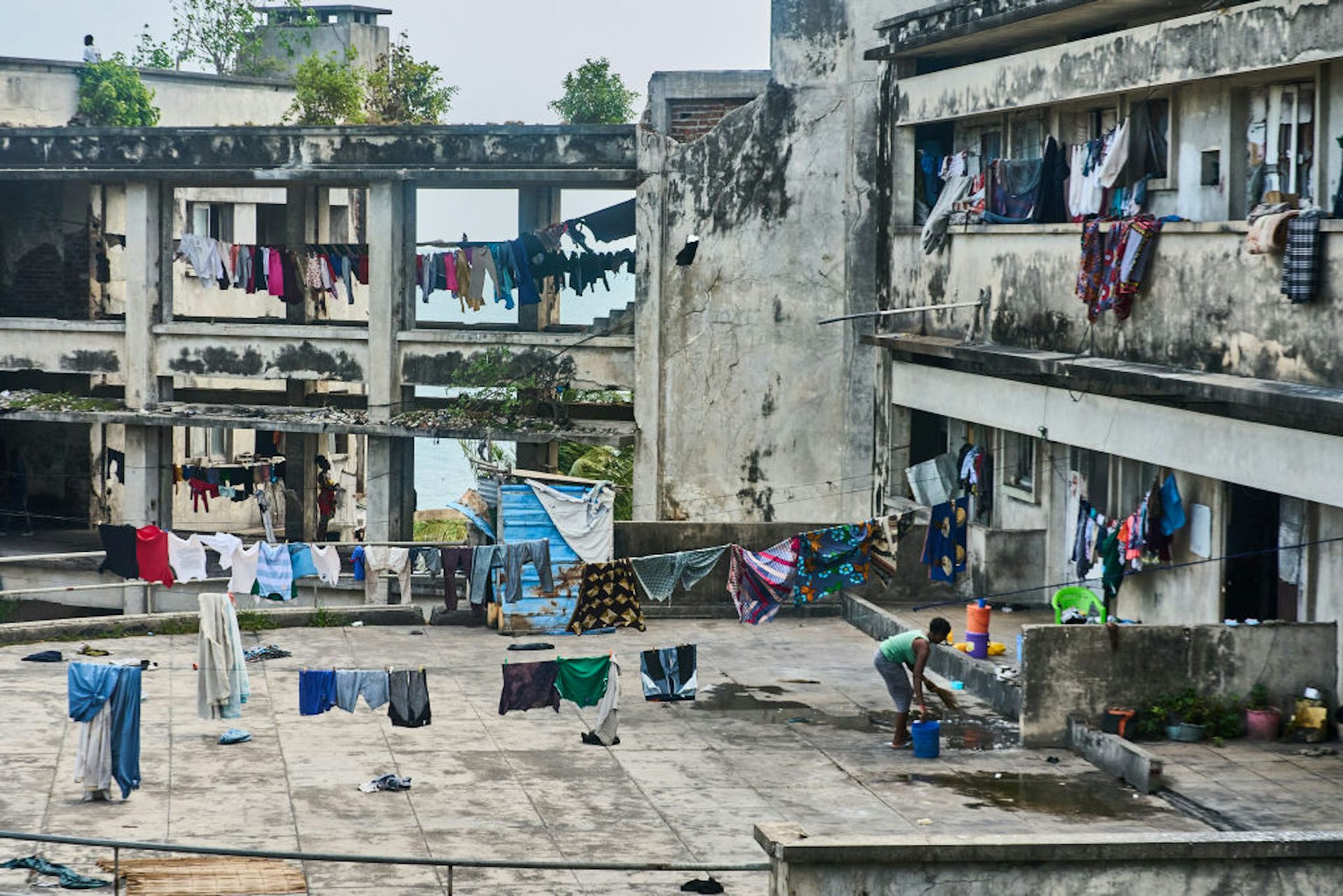
Economic conditions for ordinary Mozambicans are deteriorating. Poverty has risen, public services are unreliable and there are few decent job opportunities.
普通莫桑比克人的经济状况正在恶化。贫困率上升,公共服务不可靠,体面的工作机会很少。
Mozambique is not in total crisis – but it is faltering. There has been no currency crash, no hyperinflation, no bank run. But over the past decade the main indicators of the country’s economic health have severely eroded.
莫桑比克没有处于全面危机——但它正在衰退。没有发生货币崩溃、恶性通货膨胀或银行挤兑。但过去十年里,该国经济健康的各项主要指标已经严重恶化。
An IMF assessment in early 2026 was remarkably blunt: public debt is unsustainably high, the external balance of payments is weak, and policy makers have limited options. Since then, tensions in the Middle East have further disrupted supply chains and dramatically raised global fuel prices. This is a major shock for small import-dependent economies, like Mozambique.
国际货币基金组织在2026年初的评估非常直白:公共债务过高、外部国际收支失衡,政策制定者选择有限。从那时起,中东的紧张局势进一步扰乱了供应链,并大幅推高了全球燃料价格。这对像莫桑比克这样的小型进口依赖型经济体来说,是一个重大冲击。
My analysis draws on over two decades of experience supporting economic research and policy analysis in the country. Currently, my work under the Inclusive Growth in Mozambique programme involves tracking the country’s economic performance through surveys of firms, students, and households.
我的分析基于我在该国支持经济研究和政策分析二十多年的经验。目前,我在“莫桑比克包容性增长”项目下的工作,涉及通过对企业、学生和家庭的调查来追踪该国的经济表现。
The picture that emerges from this evidence is troubling. For ordinary Mozambicans, the deterioration in conditions over the past decade shows up in higher poverty, unreliable public services and a labour market that offers few decent opportunities – especially for the young.
从这些证据中浮现出的图景令人担忧。对于普通莫桑比克人来说,过去十年条件恶化体现在贫困加剧、公共服务不可靠,以及劳动力市场提供的体面机会很少——尤其是对于年轻人而言。
My central argument is that muddling through is not a safe option. Without careful adjustments now and a deliberate shift toward growth and job creation outside extractives – the part of the economy that actually employs most Mozambicans – today’s pressures will keep building until a large economic correction becomes unavoidable and under far worse conditions.
我的核心论点是,“维持现状”不是一个安全的选项。如果现在不进行审慎调整,不主动转向在非采矿业部门——即实际雇佣大多数莫桑比克人的经济部门——实现增长和创造就业,今天的压力将持续积累,直到一次大规模的经济修正变得不可避免,而且条件会比现在差得多。
A slow squeeze
缓慢的挤压
The country’s present condition is one of vulnerable stagnation. Since the hidden debt crisis of 2016, real GDP growth outside the extractive sector has hovered around 2%, barely matching population growth. In per capita terms, the non-extractive economy has flatlined for a decade. Average real incomes outside mining and gas (or the public sector) have gone essentially nowhere.
该国目前的状况是一种脆弱的停滞。自2016年隐性债务危机以来,采掘业以外的实际GDP增长徘徊在2%左右,勉强与人口增长持平。按人均计算,非采掘经济已经停滞了十年。矿业和天然气(或公共部门)以外的平均实际收入几乎没有增长。
Fiscal deficits of 4%-6% of GDP have been financed increasingly by domestic banks. But as both the IMF and World Bank have warned, that model is now reaching a breaking point. Banks can only absorb so much government debt before they run out of willingness – or capacity – to lend. When that happens, the government faces a choice between defaulting, printing money, or slashing spending abruptly. None is painless.
财政赤字达到GDP的4%-6%,其资金来源越来越依赖国内银行。但正如国际货币基金组织和世界银行所警告的,这种模式现在正达到临界点。银行在耗尽其愿意或有能力为政府提供贷款的资金之前,只能吸收有限的政府债务。一旦发生这种情况,政府就面临着违约、印钞或突然大幅削减开支这三种选择。没有哪一种是轻松的。
Evidence of these pressures is plain to see. Over a year ago, the global rating agency S&P classified local-currency debt as “selective default”. This is a formal determination that the government had failed to meet its obligations to domestic creditors on the original terms, even if it continued paying.
这些压力留下了明显的证据。一年前,全球评级机构标普(S&P)就将本币债务定性为“选择性违约”。这是一个正式的认定,表明政府未能按照原始条款履行对国内债权人的义务,即使它继续支付也无法避免。
By late 2025, arrears had extended to short-term treasury bills – government IOUs that mature within months and are supposed to be the safest instruments in the domestic financial system. When a government struggles to repay even these, it signals serious fiscal distress.
到了2025年底,拖欠甚至蔓延到了短期国库券——这些是政府欠条,期限在数月内到期,本应是国内金融体系中最安全的工具。当政府连这些都难以偿还时,就预示着严重的财政困境。
On top of this, a decade of crisis management has displaced any serious thinking about growth. The government’s wage bill and debt service dominate spending, leaving chronic underinvestment in infrastructure, education, and agriculture. Schools and health facilities lack supplies, roads deteriorate, and social protection has weakened sharply.
除此之外,十年的危机管理使得任何关于增长的严肃思考都被搁置了。政府的工资支出和债务偿付占据了大部分开支,导致基础设施、教育和农业领域长期投资不足。学校和医疗设施缺乏物资,道路正在恶化,社会保障也急剧减弱。
Payments under the basic social subsidy programme have become highly irregular. Many elderly beneficiaries receive only a fraction of what they are owed. Poverty has increased, with around two thirds of the population now below the poverty line.
基本社会补贴计划的支付已经变得高度不规律。许多老年受益人收到的款项仅为其应得的一小部分。贫困率有所上升,目前约有三分之二的人口生活在贫困线以下。
Demographic pressures are intensifying. Mozambique needs to absorb roughly 500,000 new labour market entrants annually by 2030, yet the formal sector generates a small fraction of new jobs. Informal work dominates and without a step-change in growth, it will only expand. Each year of stagnation adds another youth cohort to an already strained labour market. Delay does not preserve stability – it makes eventual adjustment larger and more costly.
人口压力正在加剧。到2030年,莫桑比克需要每年吸收约50万新的劳动力市场进入者,但正规部门创造的新工作岗位比例极小。非正规工作占据主导地位,如果没有增长的显著转变,它只会继续扩大。每年的停滞都会给本已紧张的劳动力市场增加一个年轻群体。拖延无法维持稳定——它只会使最终的调整变得更大、更昂贵。
The exchange rate question
汇率问题
The metical has been held stable against the US dollar since 2021, but in real terms it has appreciated by over 20%, eroding export competitiveness. Foreign exchange shortages are now pervasive. The parallel market premium reached around 14% by late 2025. Firms report severe and lengthening delays in accessing foreign exchange through formal channels.
自2021年以来,美替卡兑美元一直保持稳定,但按实际购买力计算,它升值了超过20%,侵蚀了出口竞争力。外汇短缺现在无处不在。到了2025年末,平行市场溢价达到了约14%。企业报告称,通过正规渠道获取外汇的延迟严重且越来越长。
The policy response has been administrative: raising exporter surrender requirements, tightening banks’ foreign exchange position limits, restricting overseas card usage. These measures treat symptoms, but the underlying misalignment only deepens.
政策应对是行政性的:提高出口商的交存要求,收紧银行的外汇头寸限制,限制海外卡的使用。这些措施只是治标,但根本性的错位只会加剧。
The overvalued exchange rate functions as a tax on the non-resource economy. Recent fuel shortages and panic buying – driven in part by importers’ inability to secure foreign exchange and price uncertainty – provide a visible demonstration of the mounting costs.
高估的汇率相当于对非资源经济征税。近期的燃料短缺和恐慌性抢购——部分原因是进口商无法获得外汇和价格不确定性——清晰地展示了成本的不断增加。
The politics of adjustment
调整的政治学
In practice, public sector employment has come to serve as a form of social protection for the urban middle class. Our research shows roughly half of all university graduates find employment in the public sector, and having a public sector job is one of the best predictors of not being poor.
实践中,公共部门的就业已成为城市中产阶级的社会保障形式。我们的研究显示,大约一半的大学毕业生在公共部门找到工作,而拥有公共部门的工作是衡量不贫困的最佳指标之一。
The public sector wage bill underpins political legitimacy, which is why attempts to cut discretionary 13th-month salary payments were quickly reversed once key workers threatened to strike.
公共部门的工资支出支撑着政治合法性,这就是为什么一旦关键工人威胁罢工,削减可自由支配的“第十三个月工资”的尝试便迅速被逆转了。
Exchange rate adjustment poses a parallel dilemma. A depreciation would raise the cost of imported food and fuel, hitting urban households directly, and any price increase would spark calls to hike minimum wages. With the memory of popular violence from the 2024 elections still fresh, there is a strong bias toward the status quo.
汇率调整提出了一个平行的困境。贬值会提高进口食品和燃料的成本,直接冲击城市家庭,而任何价格上涨都会引发提高最低工资的呼声。鉴于2024年选举期间民众暴力的记忆犹新,人们对维持现状的倾向非常强烈。
But as pressures mount, there is a growing risk of compounding distortions. So far the temptation has been to respond with new administrative controls, including import restrictions, tighter capital controls, and preferential credit allocation.
但随着压力的增加,累积扭曲的风险也日益增大。到目前为止,人们的诱惑是采取新的行政管制来应对,包括进口限制、更严格的资本管制和优惠信贷分配。
The ongoing handling of the fuel price shock illustrates the pattern. Rather than adjust pump prices promptly, the government has held prices fixed, leaving distributors to manage a mounting shortfall through supply rationing.
持续处理燃料价格冲击的做法说明了这一模式。政府没有及时调整油泵价格,而是维持了价格固定,让经销商通过配给供应来应对日益增加的短缺。
Each temporary fix may ease immediate pressures, but tends to deepen the underlying misalignment, push activity into informal channels, and narrow future options.
每一次临时补救措施或许能缓解眼前的压力,但往往会加深潜在的不匹配,将活动推向非正规渠道,并缩小未来的选择空间。
Feasible pathways
可行的路径
Path 1: Muddle through and wait for the gas. This is the current trajectory. Fiscal adjustment occurs passively, driven by financing constraints rather than strategy. The hope is that LNG revenues could materialise from the early 2030s. Mozambique’s Rovuma Basin holds an estimated 100 trillion cubic feet of recoverable natural gas – among the largest discoveries globally in the past two decades. But only one offshore platform (Coral South) is currently producing. Even if the 2030 timeline holds, continued stagnation would further erode public services, weaken institutions, and deepen social frustration – and another general election must be managed. By the time resource revenues arrive, the state may lack the capacity and public trust to deploy them effectively.
路径一:拖延并等待天然气收入。这是目前的轨迹。财政调整是被动的,受制于融资限制而非战略驱动。希望是液化天然气(LNG)收入能在2030年代初实现。莫桑比克的罗夫马盆地估计拥有100万亿立方英尺的可采天然气——这是过去二十年全球最大的发现之一。但目前只有一个海上平台(珊瑚南)正在生产。即使2030年的时间表得以维持,持续的停滞也会进一步侵蚀公共服务,削弱制度,加深社会挫败感——同时还必须管理一次大选。等到资源收入到来时,国家可能缺乏有效部署这些收入的能力和公众信任。
Path 2: Gradual, growth-first adjustment. The most economically coherent path, though politically demanding. The central premise: restoring non-extractive growth must take priority, even at the cost of short-term macroeconomic discomfort. Key elements would include:
路径二:渐进式、增长优先的调整。这是最具经济连贯性的路径,但政治要求很高。核心前提是:恢复非资源型增长必须优先,即使代价是短期宏观经济上的不适。关键要素包括:
a phased depreciation of the metical to restore competitiveness, supported by clear communication and strengthened social protection
逐步贬值梅蒂卡尔以恢复竞争力,并辅以清晰的沟通和完善的社会保障体系。
acceptance of temporarily higher inflation, with policy focused on preventing second-round effects rather than suppressing the initial price shift
接受暂时较高的通胀,政策重点在于防止第二轮通胀效应,而非抑制最初的价格波动。
a fiscal framework centred on spending quality and revenue efficiency
一个以支出质量和收入效率为中心的财政框架。
wage bill containment through hiring restraint, attrition, and systematic payroll audits to eliminate ghost workers and improper payments
通过限制招聘、人员自然流失和系统化的工资单审计来控制工资支出,以消除“幽灵员工”和不当支付。
re-engagement with external partners under a credible IMF programme framework; and
在可信的国际货币基金组织(IMF)项目框架下重新与外部伙伴建立合作;以及
an evidence-based and financially viable medium-term growth strategy targeting agricultural productivity, labour-intensive exports and a predictable regulatory and macroeconomic environment.
一项基于证据且财务可行的中期增长战略,重点关注农业生产力、劳动密集型出口以及可预测的监管和宏观经济环境。
Path 3: Forced correction. If external shocks bite deeper, a large adjustment may be imposed suddenly – involving disorderly exchange rate movement, abrupt fiscal contraction, and potential banking sector stress. The longer gradual adjustment is postponed, the higher this probability.
路径三:强制性修正。如果外部冲击更深,可能会突然实施大规模调整——涉及汇率的无序波动、突然的财政收缩以及潜在的银行业压力。渐进式调整被推迟得越久,发生这种情况的概率就越高。
The narrow path
狭窄的道路
There is no easy option. Every adjustment has visible losers, while the benefits remain uncertain, delayed, and diffuse.
没有轻松的选择。每一次调整都有明显的输家,而收益则仍然不确定、延迟和分散。
But one priority stands out: boosting growth beyond extractive sectors. Without it, fiscal consolidation is self-defeating, job creation will remain grossly inadequate, and social pressures will only intensify. Stabilisation pursued in isolation, or at the expense of growth, could be bad medicine.
但有一个优先事项尤为突出:推动超越采掘业的增长。没有这一点,财政整顿是自我挫败的,就业创造将仍然严重不足,社会压力只会加剧。孤立地追求稳定,或以牺牲增长为代价,可能是有害的。
This growth strategy must be grounded in data, evidence and honest debate. Mozambique has not lacked for projects or initiatives, but it has lacked consistent use of rigorous data to identify what drives productivity and job creation.
这一增长战略必须以数据、证据和诚实的辩论为基础。莫桑比克并非缺乏项目或倡议,但它缺乏持续利用严格数据来确定驱动生产力和创造就业的因素。
The window for a controlled, policy-driven adjustment is narrowing fast. The alternative is not stability. It is adjustment under far worse conditions, at higher cost.
实施受控的、政策驱动的调整的窗口正在迅速缩小。替代方案不是稳定。而是在更糟糕的条件下、付出更高成本的调整。
Sam Jones does not work for, consult, own shares in or receive funding from any company or organisation that would benefit from this article, and has disclosed no relevant affiliations beyond their academic appointment.
Sam Jones不为任何从本文中受益的公司或组织工作、提供咨询、拥有股份或接受资金,并且除了其学术职位外,未披露任何相关隶属关系。