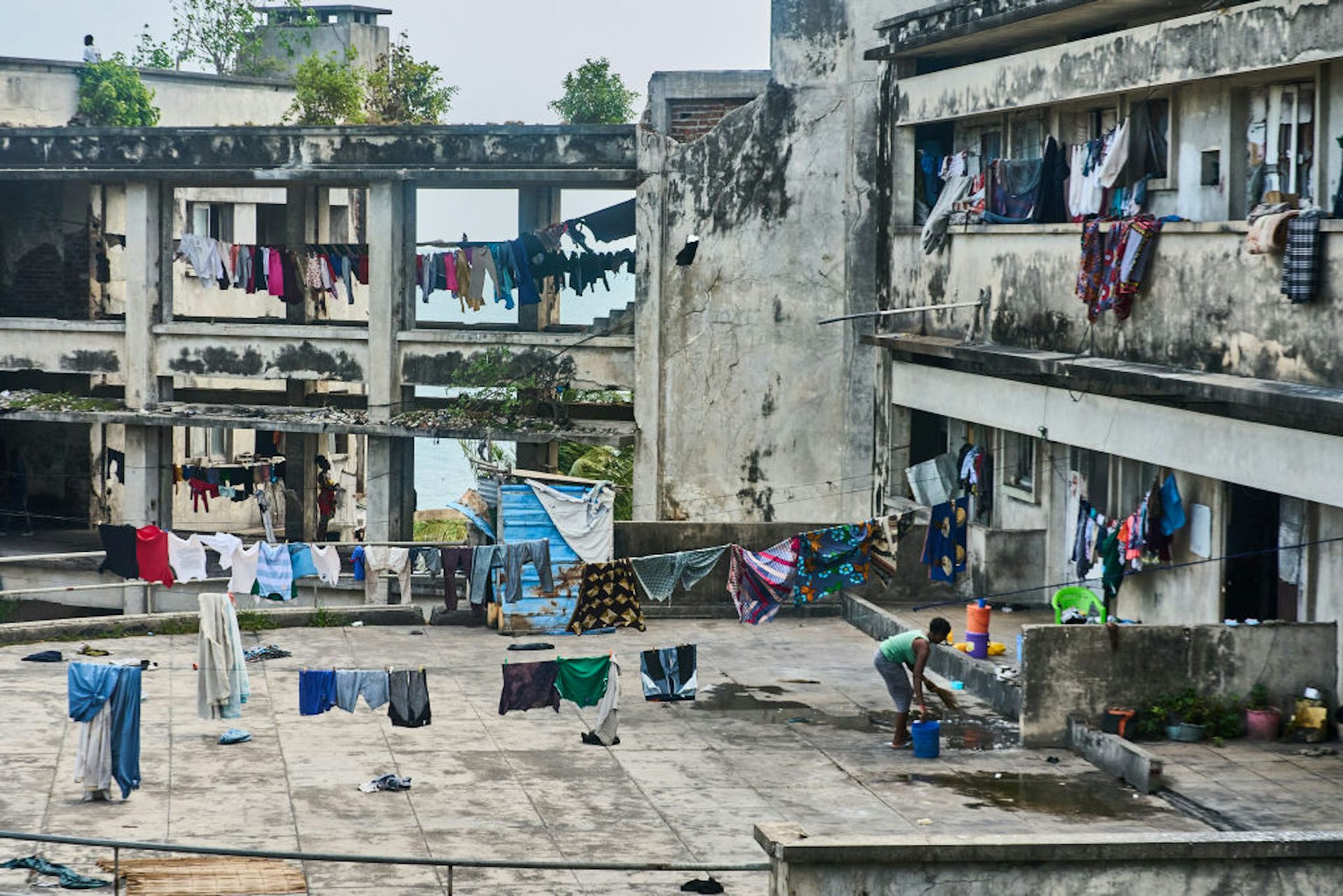
मोज़ाम्बिक की अर्थव्यवस्था विफल हो रही है: वे कठिन नीतिगत विकल्प जो तत्काल बनाने की आवश्यकता हैं
Mozambique’s economy is failing: the tough policy choices that need to be made urgently
Economic conditions for ordinary Mozambicans are deteriorating. Poverty has risen, public services are unreliable and there are few decent job opportunities.
आम मोज़ाम्बिक वासियों के लिए आर्थिक स्थिति बिगड़ रही है। गरीबी बढ़ी है, सार्वजनिक सेवाएं अविश्वसनीय हैं और अच्छी नौकरी के अवसर कम हैं।
Mozambique is not in total crisis – but it is faltering. There has been no currency crash, no hyperinflation, no bank run. But over the past decade the main indicators of the country’s economic health have severely eroded.
मोज़ाम्बिक कुल संकट में नहीं है – लेकिन यह डगमगा रहा है। न कोई मुद्रा संकट आया है, न अतिमुद्रास्फीति, न बैंक रन। लेकिन पिछले दशक में देश के आर्थिक स्वास्थ्य के मुख्य संकेतक गंभीर रूप से क्षीण हो गए हैं।
An IMF assessment in early 2026 was remarkably blunt: public debt is unsustainably high, the external balance of payments is weak, and policy makers have limited options. Since then, tensions in the Middle East have further disrupted supply chains and dramatically raised global fuel prices. This is a major shock for small import-dependent economies, like Mozambique.
2026 की शुरुआत में आईएमएफ के एक मूल्यांकन में यह बात स्पष्ट रूप से कही गई थी: सार्वजनिक ऋण अस्थिर रूप से उच्च है, बाहरी भुगतान संतुलन कमजोर है, और नीति निर्माताओं के पास सीमित विकल्प हैं। तब से, मध्य पूर्व में तनावों ने आपूर्ति श्रृंखलाओं को और बाधित किया है और वैश्विक ईंधन की कीमतों को नाटकीय रूप से बढ़ाया है। यह मोज़ाम्बिक जैसी छोटी, आयात पर निर्भर अर्थव्यवस्थाओं के लिए एक बड़ा झटका है।
My analysis draws on over two decades of experience supporting economic research and policy analysis in the country. Currently, my work under the Inclusive Growth in Mozambique programme involves tracking the country’s economic performance through surveys of firms, students, and households.
मेरा विश्लेषण देश में आर्थिक अनुसंधान और नीति विश्लेषण में दो दशकों से अधिक के अनुभव पर आधारित है। वर्तमान में, मोज़ाम्बिक में समावेशी विकास कार्यक्रम के तहत मेरा काम फर्मों, छात्रों और परिवारों के सर्वेक्षणों के माध्यम से देश के आर्थिक प्रदर्शन को ट्रैक करने से संबंधित है।
The picture that emerges from this evidence is troubling. For ordinary Mozambicans, the deterioration in conditions over the past decade shows up in higher poverty, unreliable public services and a labour market that offers few decent opportunities – especially for the young.
इस साक्ष्य से जो तस्वीर उभरती है, वह चिंताजनक है। आम मोज़ाम्बिकवासियों के लिए, पिछले दशक में परिस्थितियों में गिरावट उच्च गरीबी, अविश्वसनीय सार्वजनिक सेवाओं और एक ऐसे श्रम बाजार में दिखाई देती है जो कुछ उचित अवसर प्रदान करता है – खासकर युवाओं के लिए।
My central argument is that muddling through is not a safe option. Without careful adjustments now and a deliberate shift toward growth and job creation outside extractives – the part of the economy that actually employs most Mozambicans – today’s pressures will keep building until a large economic correction becomes unavoidable and under far worse conditions.
मेरा मुख्य तर्क यह है कि बस गुज़ारा करना कोई सुरक्षित विकल्प नहीं है। बिना अभी सावधानीपूर्वक समायोजन और निष्कर्षण-आधारित क्षेत्रों (वह हिस्सा जो वास्तव में अधिकांश मोज़ाम्बिकवासियों को रोजगार देता है) के बाहर विकास और रोज़गार सृजन की दिशा में जानबूझकर बदलाव किए, आज का दबाव तब तक बढ़ता रहेगा जब तक कि एक बड़ा आर्थिक सुधार अपरिहार्य नहीं हो जाता और वह भी बहुत खराब परिस्थितियों में।
A slow squeeze
एक धीमा कसाव
The country’s present condition is one of vulnerable stagnation. Since the hidden debt crisis of 2016, real GDP growth outside the extractive sector has hovered around 2%, barely matching population growth. In per capita terms, the non-extractive economy has flatlined for a decade. Average real incomes outside mining and gas (or the public sector) have gone essentially nowhere.
देश की वर्तमान स्थिति एक कमजोर ठहराव की है। 2016 के छिपे हुए ऋण संकट के बाद से, उत्खनन क्षेत्र के बाहर वास्तविक सकल घरेलू उत्पाद (GDP) वृद्धि लगभग 2% पर मंडरा रही है, जो जनसंख्या वृद्धि से मुश्किल से मेल खा पा रही है। प्रति व्यक्ति आय के संदर्भ में, गैर-उत्खनन अर्थव्यवस्था एक दशक से सपाट है। खनन और गैस (या सार्वजनिक क्षेत्र) के बाहर औसत वास्तविक आय अनिवार्य रूप से कहीं नहीं गई है।
Fiscal deficits of 4%-6% of GDP have been financed increasingly by domestic banks. But as both the IMF and World Bank have warned, that model is now reaching a breaking point. Banks can only absorb so much government debt before they run out of willingness – or capacity – to lend. When that happens, the government faces a choice between defaulting, printing money, or slashing spending abruptly. None is painless.
जीडीपी का 4%-6% राजकोषीय घाटा लगातार घरेलू बैंकों द्वारा वित्तपोषित किया गया है। लेकिन जैसा कि आईएमएफ और विश्व बैंक दोनों ने चेतावनी दी है, वह मॉडल अब टूटने के बिंदु पर पहुँच रहा है। बैंक केवल एक निश्चित मात्रा तक सरकारी ऋण को अवशोषित कर सकते हैं, जिसके बाद वे ऋण देने की इच्छा – या क्षमता – खो देते हैं। जब ऐसा होता है, तो सरकार को डिफ़ॉल्ट करने, पैसा छापने, या खर्च में अचानक कटौती करने के बीच एक विकल्प का सामना करना पड़ता है। कोई भी विकल्प आसान नहीं है।
Evidence of these pressures is plain to see. Over a year ago, the global rating agency S&P classified local-currency debt as “selective default”. This is a formal determination that the government had failed to meet its obligations to domestic creditors on the original terms, even if it continued paying.
इन दबावों का प्रमाण स्पष्ट रूप से दिखाई देता है। एक साल से अधिक समय पहले, वैश्विक रेटिंग एजेंसी एसएंडपी ने स्थानीय मुद्रा ऋण को “चयनात्मक डिफ़ॉल्ट” (selective default) के रूप में वर्गीकृत किया था। यह एक औपचारिक निर्धारण है कि सरकार ने मूल शर्तों पर घरेलू लेनदारों के प्रति अपने दायित्वों को पूरा करने में विफल रही है, भले ही वह भुगतान करना जारी रखती हो।
By late 2025, arrears had extended to short-term treasury bills – government IOUs that mature within months and are supposed to be the safest instruments in the domestic financial system. When a government struggles to repay even these, it signals serious fiscal distress.
2025 के अंत तक, बकाया राशि अल्पकालिक खजाना बिलों तक फैल गई थी – सरकारी IOUs जो महीनों के भीतर परिपक्व होते हैं और जिन्हें घरेलू वित्तीय प्रणाली में सबसे सुरक्षित साधन माना जाता है। जब कोई सरकार इन तक का भुगतान करने के लिए संघर्ष करती है, तो यह गंभीर राजकोषीय संकट का संकेत देता है।
On top of this, a decade of crisis management has displaced any serious thinking about growth. The government’s wage bill and debt service dominate spending, leaving chronic underinvestment in infrastructure, education, and agriculture. Schools and health facilities lack supplies, roads deteriorate, and social protection has weakened sharply.
इसके अलावा, संकट प्रबंधन के एक दशक ने विकास के बारे में किसी भी गंभीर विचार को विस्थापित कर दिया है। सरकारी वेतन बिल और ऋण सेवा खर्च पर हावी हैं, जिससे बुनियादी ढांचे, शिक्षा और कृषि में पुरानी कमी बनी हुई है। स्कूलों और स्वास्थ्य सुविधाओं में आपूर्ति की कमी है, सड़कें खराब हो रही हैं, और सामाजिक सुरक्षा में तेजी से गिरावट आई है।
Payments under the basic social subsidy programme have become highly irregular. Many elderly beneficiaries receive only a fraction of what they are owed. Poverty has increased, with around two thirds of the population now below the poverty line.
बुनियादी सामाजिक सब्सिडी कार्यक्रम के तहत भुगतान अत्यधिक अनियमित हो गए हैं। कई बुजुर्ग लाभार्थियों को केवल उतना ही प्राप्त होता है जितना उनका बकाया है। गरीबी बढ़ी है, और अब लगभग दो-तिहाई आबादी गरीबी रेखा से नीचे है।
Demographic pressures are intensifying. Mozambique needs to absorb roughly 500,000 new labour market entrants annually by 2030, yet the formal sector generates a small fraction of new jobs. Informal work dominates and without a step-change in growth, it will only expand. Each year of stagnation adds another youth cohort to an already strained labour market. Delay does not preserve stability – it makes eventual adjustment larger and more costly.
जनसांख्यिकीय दबाव बढ़ रहे हैं। 2030 तक मोज़ाम्बिक को सालाना लगभग 500,000 नए श्रम बाजार प्रवेशकों को अवशोषित करने की आवश्यकता है, फिर भी औपचारिक क्षेत्र नई नौकरियों का एक छोटा अंश ही उत्पन्न करता है। अनौपचारिक कार्य का प्रभुत्व है और विकास में बड़े बदलाव के बिना, यह केवल बढ़ेगा। ठहराव का हर साल पहले से ही तनावग्रस्त श्रम बाजार में एक और युवा समूह जोड़ता है। देरी स्थिरता नहीं बचाती – यह अंततः समायोजन को बड़ा और अधिक महंगा बना देती है।
The exchange rate question
विनिमय दर का प्रश्न
The metical has been held stable against the US dollar since 2021, but in real terms it has appreciated by over 20%, eroding export competitiveness. Foreign exchange shortages are now pervasive. The parallel market premium reached around 14% by late 2025. Firms report severe and lengthening delays in accessing foreign exchange through formal channels.
मेटीकल का 2021 से अमेरिकी डॉलर के मुकाबले स्थिर रहना है, लेकिन वास्तविक रूप में यह 20% से अधिक बढ़ चुका है, जिससे निर्यात प्रतिस्पर्धात्मकता कम हो रही है। विदेशी मुद्रा की कमी अब सर्वव्यापी है। समानांतर बाजार प्रीमियम देर 2025 तक लगभग 14% तक पहुंच गया। फर्मों ने औपचारिक चैनलों के माध्यम से विदेशी मुद्रा प्राप्त करने में गंभीर और लंबी देरी की सूचना दी है।
The policy response has been administrative: raising exporter surrender requirements, tightening banks’ foreign exchange position limits, restricting overseas card usage. These measures treat symptoms, but the underlying misalignment only deepens.
नीतिगत प्रतिक्रिया प्रशासनिक रही है: निर्यातकों के समर्पण आवश्यकताओं को बढ़ाना, बैंकों की विदेशी मुद्रा स्थिति सीमा को कड़ा करना, और विदेशी कार्ड के उपयोग को प्रतिबंधित करना। ये उपाय लक्षणों का इलाज करते हैं, लेकिन अंतर्निहित बेमेल स्थिति केवल गहरी होती जा रही है।
The overvalued exchange rate functions as a tax on the non-resource economy. Recent fuel shortages and panic buying – driven in part by importers’ inability to secure foreign exchange and price uncertainty – provide a visible demonstration of the mounting costs.
अतिमूल्यित विनिमय दर गैर-संसाधन अर्थव्यवस्था पर एक कर के रूप में कार्य करती है। हाल की ईंधन की कमी और घबराहट में खरीदारी – जिसका एक हिस्सा आयातकों की विदेशी मुद्रा सुरक्षित करने की असमर्थता और मूल्य अनिश्चितता से प्रेरित है – बढ़ती लागतों का एक स्पष्ट प्रदर्शन प्रदान करती है।
The politics of adjustment
समायोजन की राजनीति
In practice, public sector employment has come to serve as a form of social protection for the urban middle class. Our research shows roughly half of all university graduates find employment in the public sector, and having a public sector job is one of the best predictors of not being poor.
व्यवहार में, सरकारी क्षेत्र का रोज़गार शहरी मध्यम वर्ग के लिए एक प्रकार की सामाजिक सुरक्षा के रूप में कार्य करता आया है। हमारे शोध से पता चलता है कि सभी विश्वविद्यालय स्नातकों में से लगभग आधे लोग सरकारी क्षेत्र में रोज़गार पाते हैं, और सरकारी क्षेत्र में नौकरी होना गरीबी न होने का एक सर्वोत्तम संकेतक है।
The public sector wage bill underpins political legitimacy, which is why attempts to cut discretionary 13th-month salary payments were quickly reversed once key workers threatened to strike.
सरकारी क्षेत्र का वेतन बिल राजनीतिक वैधता का आधार है, यही कारण है कि विवेकाधीन तेरहवें महीने के वेतन भुगतानों में कटौती के प्रयास तुरंत उलट दिए गए जब प्रमुख कर्मचारियों ने हड़ताल की धमकी दी।
Exchange rate adjustment poses a parallel dilemma. A depreciation would raise the cost of imported food and fuel, hitting urban households directly, and any price increase would spark calls to hike minimum wages. With the memory of popular violence from the 2024 elections still fresh, there is a strong bias toward the status quo.
विनिमय दर समायोजन एक समानांतर दुविधा प्रस्तुत करता है। अवमूल्यन से आयातित भोजन और ईंधन की लागत बढ़ जाएगी, जिससे शहरी परिवारों पर सीधा असर पड़ेगा, और किसी भी मूल्य वृद्धि से न्यूनतम मजदूरी बढ़ाने की मांग उठेगी। 2024 के चुनावों से उपजे जन हिंसक घटना की स्मृति अभी भी ताज़ा है, इसलिए वर्तमान स्थिति के प्रति एक मजबूत झुकाव है।
But as pressures mount, there is a growing risk of compounding distortions. So far the temptation has been to respond with new administrative controls, including import restrictions, tighter capital controls, and preferential credit allocation.
लेकिन जैसे-जैसे दबाव बढ़ता है, विकृतियों के जटिल होने का खतरा भी बढ़ जाता है। अब तक, प्रतिक्रिया देने का प्रलोभन नए प्रशासनिक नियंत्रणों के साथ रहा है, जिसमें आयात प्रतिबंध, कड़े पूंजी नियंत्रण और वरीयतापूर्ण ऋण आवंटन शामिल हैं।
The ongoing handling of the fuel price shock illustrates the pattern. Rather than adjust pump prices promptly, the government has held prices fixed, leaving distributors to manage a mounting shortfall through supply rationing.
ईंधन मूल्य झटके के चल रहे प्रबंधन से यह पैटर्न स्पष्ट होता है। पंप की कीमतों को तुरंत समायोजित करने के बजाय, सरकार ने कीमतें स्थिर रखी हैं, जिससे वितरकों को आपूर्ति राशनिंग के माध्यम से बढ़ती कमी का प्रबंधन करना पड़ रहा है।
Each temporary fix may ease immediate pressures, but tends to deepen the underlying misalignment, push activity into informal channels, and narrow future options.
प्रत्येक अस्थायी समाधान तत्काल दबाव को कम कर सकता है, लेकिन यह अंतर्निहित बेमेल को गहरा करने, गतिविधि को अनौपचारिक चैनलों में धकेलने और भविष्य के विकल्पों को सीमित करने की प्रवृत्ति रखता है।
Feasible pathways
व्यवहार्य मार्ग
Path 1: Muddle through and wait for the gas. This is the current trajectory. Fiscal adjustment occurs passively, driven by financing constraints rather than strategy. The hope is that LNG revenues could materialise from the early 2030s. Mozambique’s Rovuma Basin holds an estimated 100 trillion cubic feet of recoverable natural gas – among the largest discoveries globally in the past two decades. But only one offshore platform (Coral South) is currently producing. Even if the 2030 timeline holds, continued stagnation would further erode public services, weaken institutions, and deepen social frustration – and another general election must be managed. By the time resource revenues arrive, the state may lack the capacity and public trust to deploy them effectively.
मार्ग 1: संघर्ष करते रहना और गैस का इंतज़ार करना। यह वर्तमान प्रक्षेपवक्र है। राजकोषीय समायोजन रणनीति के बजाय वित्तपोषण की बाधाओं से निष्क्रिय रूप से होता है। उम्मीद है कि एलएनजी राजस्व 2030 के दशक की शुरुआत से साकार हो सकते हैं। मोज़ाम्बिक का रोवुमा बेसिन अनुमानित 100 ट्रिलियन क्यूबिक फीट प्राकृतिक गैस रखता है – जो पिछले दो दशकों में वैश्विक स्तर पर सबसे बड़ी खोजों में से एक है। लेकिन वर्तमान में केवल एक अपतटीय प्लेटफॉर्म (कोरल साउथ) उत्पादन कर रहा है। भले ही 2030 की समयरेखा बनी रहे, निरंतर ठहराव से सार्वजनिक सेवाओं का और क्षरण होगा, संस्थाएं कमजोर होंगी, और सामाजिक निराशा बढ़ेगी – और एक और आम चुनाव का प्रबंधन करना होगा। जब संसाधन राजस्व आएंगे, तब राज्य के पास उन्हें प्रभावी ढंग से तैनात करने की क्षमता और सार्वजनिक विश्वास की कमी हो सकती है।
Path 2: Gradual, growth-first adjustment. The most economically coherent path, though politically demanding. The central premise: restoring non-extractive growth must take priority, even at the cost of short-term macroeconomic discomfort. Key elements would include:
मार्ग 2: क्रमिक, विकास-प्रथम समायोजन। यह सबसे आर्थिक रूप से सुसंगत मार्ग है, हालांकि राजनीतिक रूप से चुनौतीपूर्ण है। केंद्रीय आधार यह है: गैर-निष्कर्षण विकास को बहाल करना सर्वोच्च प्राथमिकता होनी चाहिए, भले ही इसके लिए अल्पकालिक मैक्रोइकॉनोमिक असुविधा का त्याग करना पड़े। प्रमुख तत्वों में शामिल होंगे:
a phased depreciation of the metical to restore competitiveness, supported by clear communication and strengthened social protection
प्रतिस्पर्धात्मकता बहाल करने के लिए मेटिकल का चरणबद्ध अवमूल्यन, जो स्पष्ट संचार और मजबूत सामाजिक सुरक्षा द्वारा समर्थित हो।
acceptance of temporarily higher inflation, with policy focused on preventing second-round effects rather than suppressing the initial price shift
अस्थायी रूप से उच्च मुद्रास्फीति की स्वीकृति, जिसमें नीति का ध्यान प्रारंभिक मूल्य बदलाव को दबाने के बजाय दूसरे दौर के प्रभावों को रोकने पर हो।
a fiscal framework centred on spending quality and revenue efficiency
खर्च की गुणवत्ता और राजस्व दक्षता पर केंद्रित एक राजकोषीय ढांचा।
wage bill containment through hiring restraint, attrition, and systematic payroll audits to eliminate ghost workers and improper payments
कर्मचारियों की भर्ती पर नियंत्रण, छंटनी और भूत कर्मचारियों तथा अनुचित भुगतानों को समाप्त करने के लिए व्यवस्थित वेतन ऑडिट के माध्यम से वेतन बिल को नियंत्रित करना।
re-engagement with external partners under a credible IMF programme framework; and
एक विश्वसनीय आईएमएफ कार्यक्रम ढांचे के तहत बाहरी भागीदारों के साथ पुन: जुड़ाव; और
an evidence-based and financially viable medium-term growth strategy targeting agricultural productivity, labour-intensive exports and a predictable regulatory and macroeconomic environment.
कृषि उत्पादकता, श्रम-गहन निर्यात और एक अनुमानित नियामक और मैक्रोइकॉनोमिक वातावरण को लक्षित करने वाली साक्ष्य-आधारित और वित्तीय रूप से व्यवहार्य मध्यम अवधि की विकास रणनीति।
Path 3: Forced correction. If external shocks bite deeper, a large adjustment may be imposed suddenly – involving disorderly exchange rate movement, abrupt fiscal contraction, and potential banking sector stress. The longer gradual adjustment is postponed, the higher this probability.
मार्ग 3: जबरन सुधार। यदि बाहरी झटके गहरे होते हैं, तो अचानक एक बड़ा समायोजन थोपा जा सकता है – जिसमें अव्यवस्थित विनिमय दर आंदोलन, अचानक राजकोषीय संकुचन और संभावित बैंकिंग क्षेत्र तनाव शामिल है। क्रमिक समायोजन जितना अधिक स्थगित होगा, इसकी संभावना उतनी ही अधिक होगी।
The narrow path
संकरा मार्ग
There is no easy option. Every adjustment has visible losers, while the benefits remain uncertain, delayed, and diffuse.
कोई आसान विकल्प नहीं है। हर समायोजन में स्पष्ट रूप से नुकसान उठाने वाले होते हैं, जबकि लाभ अनिश्चित, विलंबित और बिखरे हुए बने रहते हैं।
But one priority stands out: boosting growth beyond extractive sectors. Without it, fiscal consolidation is self-defeating, job creation will remain grossly inadequate, and social pressures will only intensify. Stabilisation pursued in isolation, or at the expense of growth, could be bad medicine.
लेकिन एक प्राथमिकता उभरती है: निष्कर्षण क्षेत्रों से परे विकास को बढ़ावा देना। इसके बिना, राजकोषीय समेकन स्वयं को विफल करने वाला होगा, रोजगार सृजन बहुत अपर्याप्त रहेगा, और सामाजिक दबाव केवल बढ़ेगा। अलगाव में किया गया, या विकास की कीमत पर किया गया स्थिरीकरण, बुरी दवा साबित हो सकता है।
This growth strategy must be grounded in data, evidence and honest debate. Mozambique has not lacked for projects or initiatives, but it has lacked consistent use of rigorous data to identify what drives productivity and job creation.
इस विकास रणनीति को डेटा, साक्ष्य और ईमानदार बहस पर आधारित होना चाहिए। मोज़ाम्बिक में परियोजनाओं या पहलों की कमी नहीं रही है, लेकिन उत्पादकता और रोजगार सृजन को क्या चलाता है, यह पहचानने के लिए कठोर डेटा के लगातार उपयोग की कमी रही है।
The window for a controlled, policy-driven adjustment is narrowing fast. The alternative is not stability. It is adjustment under far worse conditions, at higher cost.
एक नियंत्रित, नीति-संचालित समायोजन का अवसर तेजी से संकरा हो रहा है। विकल्प स्थिरता नहीं है। यह बहुत खराब परिस्थितियों में, अधिक लागत पर समायोजन है।
Sam Jones does not work for, consult, own shares in or receive funding from any company or organisation that would benefit from this article, and has disclosed no relevant affiliations beyond their academic appointment.
सैम जोन्स किसी भी कंपनी या संगठन के लिए काम नहीं करते, उनसे परामर्श नहीं लेते, उनके शेयर नहीं रखते या उनसे फंडिंग प्राप्त नहीं करते जो इस लेख से लाभान्वित होंगे, और उन्होंने अपनी शैक्षणिक नियुक्ति से परे कोई प्रासंगिक जुड़ाव नहीं बताया है।
Read more
-
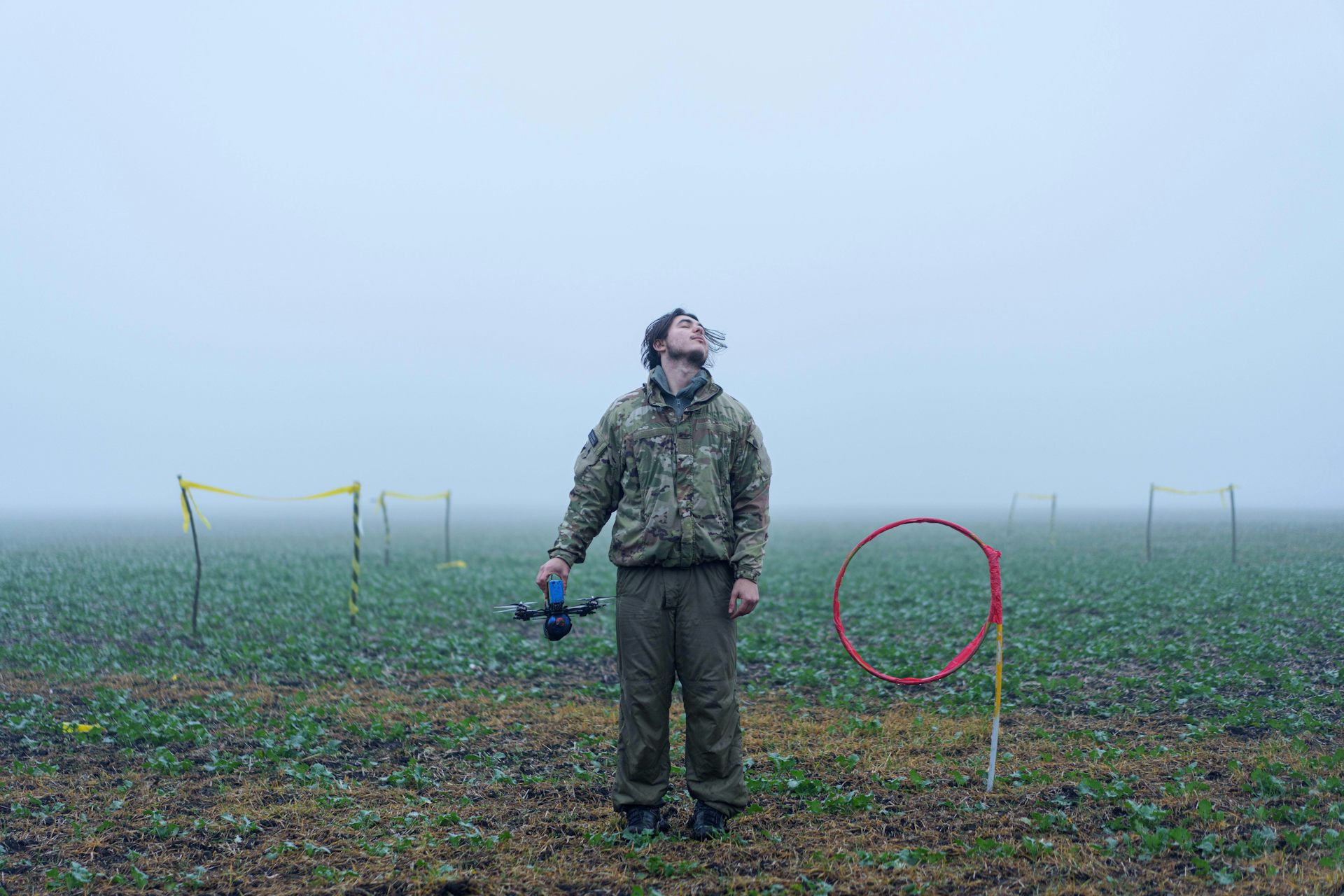
यूक्रेन रूसी ऊर्जा सुविधाओं पर हमला करके ईरान में युद्ध के प्रभाव का मुकाबला कर रहा है
Ukraine is countering the impact of the war in Iran by attacking Russian energy facilities
-
नाटो अमेरिकी वापसी के बावजूद जीवित रहेगा। लेकिन यह किस तरह का गठबंधन बनेगा?
NATO would survive a US withdrawal. But what kind of alliance would it become?