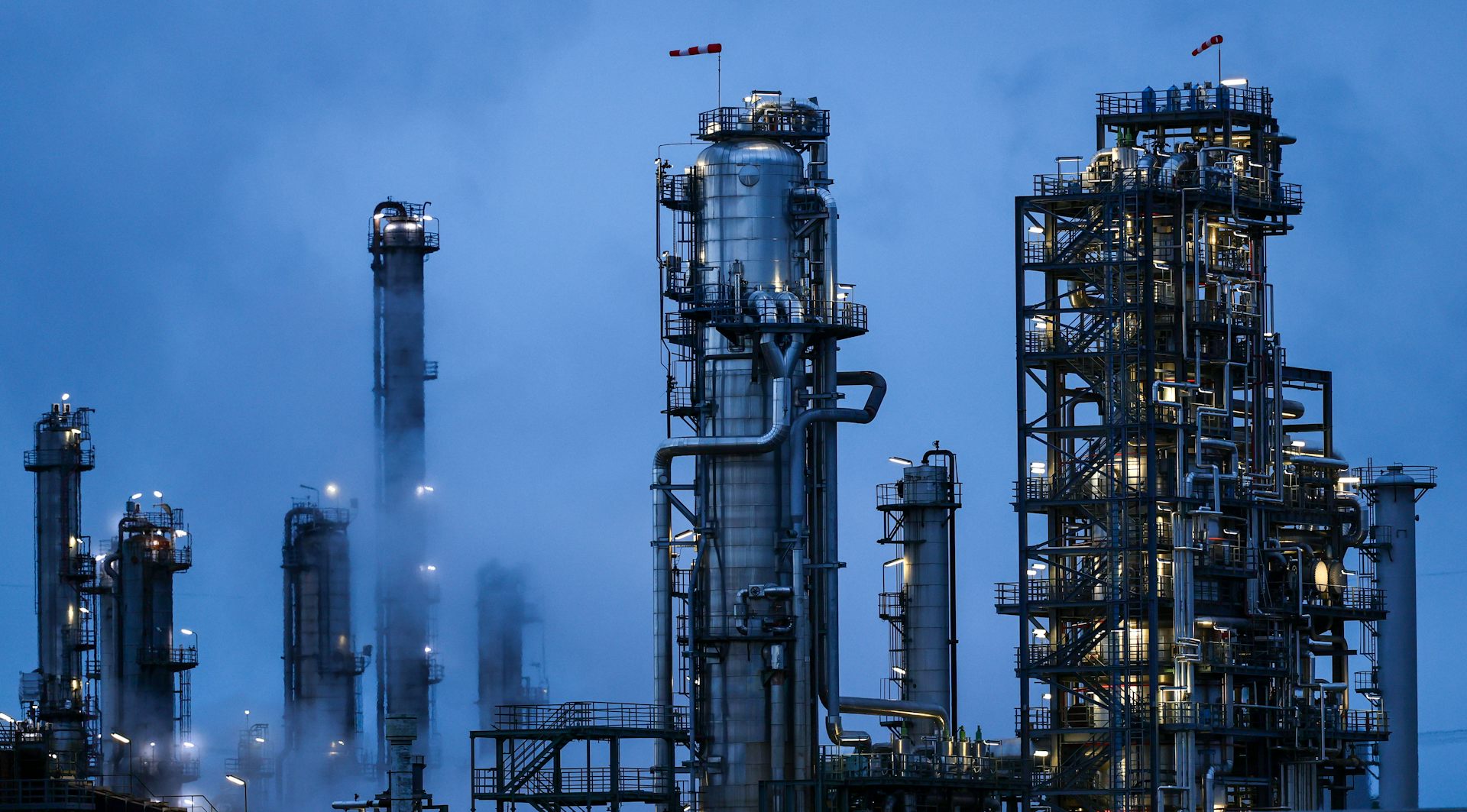
Even if the Iran war ends, the fallout from this oil shock is likely to persist for a long time. Here’s what the end of ‘cheap’ oil could mean for the world.
即使伊朗战争结束,这次石油冲击带来的影响也可能会长期持续。以下是“廉价”石油的终结可能意味着什么。
The fallout from war between the United States, Israel and Iran has dominated global oil markets. And not just because the Strait of Hormuz, which normally carries about 20% of global oil and gas, remains effectively closed to shipping traffic.
美国、以色列和伊朗之间的战争余波主导了全球石油市场。这不仅仅是因为霍尔木兹海峡,该海峡通常运载全球约20%的石油和天然气,目前实际上对航运交通处于封闭状态。
Deep uncertainty about how long the disruption will continue has added a persistent “risk premium” – an extra cost built into oil prices to account for the risk of disrupted supply.
关于中断持续多久的深层不确定性,增加了一个持续的“风险溢价”——这是计入石油价格中的额外成本,用以应对供应中断的风险。
Rising insurance costs, reduced ship traffic and longer transit routes avoiding the Middle East have all added further friction to global oil supply chains.
上涨的保险成本、减少的船只流量以及绕开中东的更长运输路线,都给全球石油供应链增加了额外的摩擦。
An optimist might say this will all be sorted out quickly and soon enough we will be back to “normal”. And oil prices have retreated back below US$100 per barrel this week, on renewed hopes of a peace deal.
一位乐观主义者可能会说,所有这些问题都会很快解决,很快我们就会回到“正常”状态。本周,由于对和平协议的希望重燃,油价已回落至每桶100美元以下。
But they’re still elevated. Before war broke out in the Middle East, benchmark oil prices had hovered in the range of US$70–80 a barrel since 2023. That’s near where they’ve sat, on average, in “normal” times for much of the past two decades.
但它们仍然处于高位。在中东战争爆发之前,基准油价自2023年以来一直徘徊在每桶70至80美元的区间。这接近过去二十年大部分时间里“正常”时期的平均水平。
But what if there is no way back to “normal”? What if the fundamental challenge now isn’t the short-term disruption in supply, but the realisation that the days of cheap oil may have come to an end?
但如果无法回到“正常”状态怎么办?如果现在的根本挑战不是短期供应中断,而是意识到廉价石油的日子可能已经结束了呢?
Oil’s invisible reach
石油的无形触角
Higher oil prices have a ripple effect that typically starts at the fuel pump. Petrol, diesel and jet fuel are top of mind. Driving to work, moving goods and travelling all become more expensive.
油价上涨会产生连锁反应,通常从加油站开始。汽油、柴油和航空燃油是人们首先想到的。上班通勤、货物运输和旅行都变得更加昂贵。
Many fertilisers, too, are petrochemical products. That means farming around the world is exposed to a shock.
许多化肥也是石化产品。这意味着全球农业面临着冲击。
But the list of goods that rely on oil and gas goes far beyond fuel and fertiliser. According to the US Department of Energy, petrochemicals (derived from oil and gas) are involved in the manufacturing of more than 6,000 everyday products.
但依赖石油和天然气的商品清单远不止燃料和化肥。根据美国能源部的数据,石化产品(源自石油和天然气)参与了超过6000种日常产品的制造。
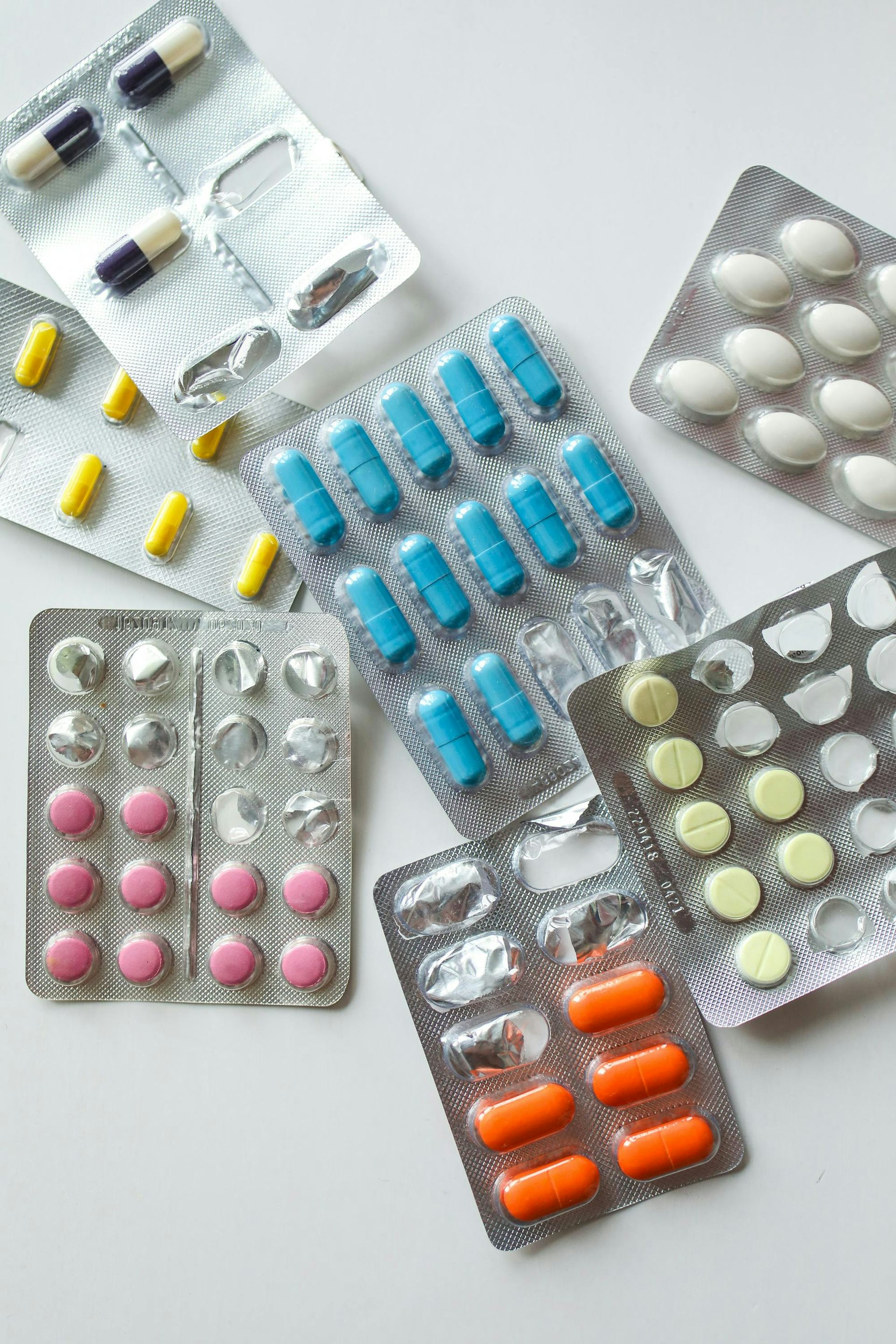
In many cases, this is because petrochemicals are a key input in the production of plastic. But other products on the list may be surprising, such as aspirin, dishwashing liquid, toothpaste and dyes.
在许多情况下,这是因为石化产品是塑料生产的关键投入。但清单上的其他产品可能令人惊讶,例如阿司匹林、洗洁精、牙膏和染料。
Building materials used in construction warrant a special mention. Asphalt, insulation, paint, pipes, membranes, fittings and other composite materials are mostly oil byproducts. Manufacturing bricks and many ceramic products is also gas-intensive.
建筑使用的建材值得特别提及。沥青、绝缘材料、油漆、管道、膜、配件和其他复合材料大多是石油副产品。制造砖块和许多陶瓷产品也需要大量天然气。
Add transporting it all to the construction site, and the oil crisis becomes another headwind to housing affordability.
再加上将所有这些材料运送到建筑工地,石油危机就成了影响住房可负担性的又一个逆风因素。
Is this the end of cheap oil?
这是廉价石油的终结了吗?
In 1999, an article in The Economist quoted Don Huberts, who was then head of Shell Hydrogen at oil company Royal Dutch/Shell:
1999年,《经济学人》上的一篇文章引用了唐·胡伯茨的话,当时他在石油公司皇家荷兰/壳牌的壳牌氢能部门担任负责人:
The stone age did not end because the world ran out of stones, and the oil age will not end because we run out of oil.
石器时代并非因为世界没有石头而结束,石油时代也不会因为我们耗尽石油而结束。
True enough, but what about cheap oil? Can that come to an end?
确实如此,但廉价石油呢?这能结束吗?
The world has faced many oil shocks before, some for geopolitical reasons, others due to concerns demand would outstrip supply.
世界以前经历过许多石油危机,有些是出于地缘政治原因,有些则是因为担心需求会超过供应。
But almost every time analysts predicted the world was about to run out of oil, price hikes were met with new discoveries, technological improvements and oil substitution.
但几乎每次分析师预测世界即将耗尽石油时,油价上涨都会遇到新的发现、技术改进和石油替代品。
Companies such as Chevron have pioneered new techniques, such as deepwater drilling.
像雪佛龙这样的公司开创了深水钻井等新技术。
Extracting oil from shale through fracking unlocked new supplies, especially in the US. This helped the US become the world’s largest producer of crude oil in the late 2010s.
像雪佛龙这样的公司开创了新技术,例如深水钻井。
This time, however, production facilities across the Middle East have suffered major damage, which may take years to repair. The central question is no longer whether oil exists in the ground, but whether it can be supplied cheaply, reliably and at scale again.
从页岩中通过水力压裂开采石油,解锁了新的供应源,尤其是在美国。这帮助美国在2010年代末成为全球最大的原油生产国。
Just in time vs just in case
然而,这一次,中东各地的生产设施遭受了重大破坏,修复可能需要数年时间。核心问题不再是地下是否有石油,而是能否再次实现廉价、可靠和大规模的供应。
Until 2020, global economies largely operated in “just-in-time” mode. You only take what you need, when you need it, assuming it will always be there for you. This system works efficiently – and is cheap – until something goes wrong.
及时 vs 以防万一
Lessons from the pandemic brought back the idea of “just in case”, particularly as the war in Ukraine caused further disruption.
在2020年之前,全球经济大多运行在“准时制”(just-in-time)模式下。你只在需要的时候取所需,并假设它永远会存在。这种系统在出现问题之前,运行高效且成本低廉。
“Just in case” means that you keep more than you need, so if someone closes the tap, you can keep all else running. However, this creates new costs.
疫情带来的教训重新带回了“以防万一”的想法,尤其是在乌克兰战争造成进一步混乱之后。
To keep more oil and gas than you need, you don’t just have to pay for the extra stock. Countries also have to build new storage and infrastructure, and pay more in insurance.
“以防万一”意味着你保留了比所需更多的物资,这样即使有人关掉了水龙头,你也能维持其他一切的运转。然而,这会产生新的成本。
You refine your management to make sure it all works properly, so that the extra cost added is part of a larger contingency plan. But someone must foot this bill.
要储存比所需更多的石油和天然气,你不仅要为额外的库存付费。各国还必须建设新的储存设施和基础设施,并支付更多的保险费用。
How the world will have to adapt
你完善管理体系,确保一切正常运作,从而使增加的额外成本成为更大应急计划的一部分。但总有人必须为此买单。
The end of cheap oil does not mean the end of oil use. It means higher costs embedded throughout daily life.
世界将如何适应
Pressure on governments to subsidise fuel, expand stockpiles and intervene in markets can mean larger budget deficits. Households will have less money left for non-essentials as the cost of living bites even harder.
廉价石油的终结并不意味着石油使用的终结。它意味着日常生活中普遍存在的成本提高。
We will adapt, as we are already beginning to see in the current crisis. There are signs people around the world are travelling less, using more public transport and electrifying cars and homes.
政府为补贴燃料、扩大储备和干预市场所面临的压力,可能导致更大的预算赤字。随着生活成本的进一步攀升,家庭可用于非必需品的资金将减少。
Industries may invest more in efficiency and green energy not out of environmental idealism, but cost necessity.
我们将进行适应,正如我们在当前的危机中已经开始看到的。全球各地出现迹象表明,人们出行减少,公共交通使用增加,汽车和家庭正在电气化。
But there may still be a rocky road ahead, and we may never get back to “normal”. Adaptation does not end oil dependence; it reshapes it. The challenge is managing a world in which oil remains essential, but is no longer cheap, stable or politically neutral.
工业可能增加对效率和绿色能源的投资,但这并非出于环保理想,而是出于成本的必要性。
Flavio Macau does not work for, consult, own shares in or receive funding from any company or organisation that would benefit from this article, and has disclosed no relevant affiliations beyond their academic appointment.
但前路可能依然崎岖,我们可能永远无法回到“正常”状态。适应不会消除对石油的依赖;它只会重塑这种依赖。挑战在于管理一个石油仍然至关重要,但不再廉价、稳定或政治中立的世界。
Flavio Macau does not work for, consult, own shares in or receive funding from any company or organisation that would benefit from this article, and has disclosed no relevant affiliations beyond their academic appointment.
Flavio Macau 不受任何从本文中受益的公司或组织的雇佣、咨询、拥有股份或获得资金,并且除了其学术职位外,未披露任何相关隶属关系。