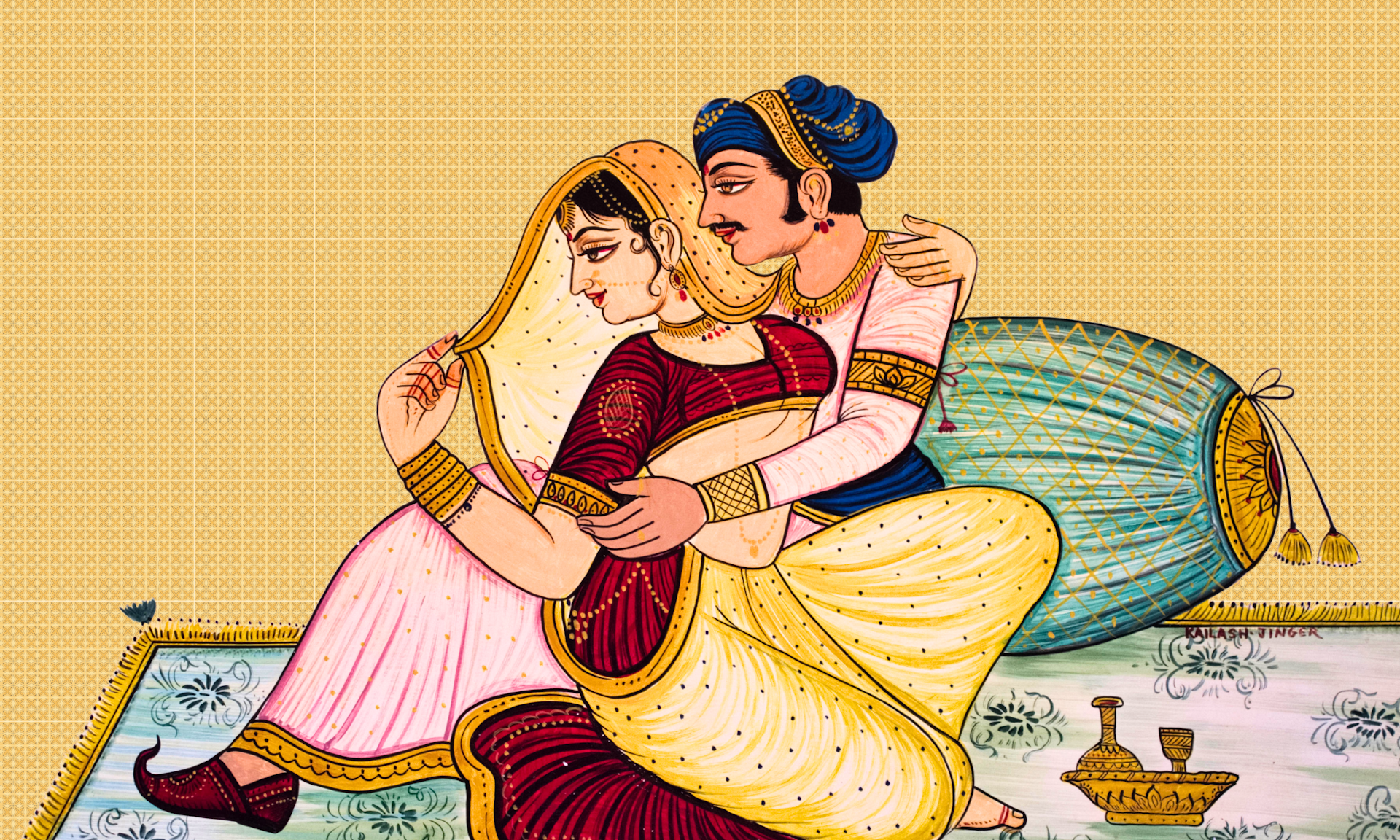
同意是《妙药经》中的核心原则——我们今天能从中学习到什么
Consent is a core principle in the Kamasutra – what we …
Good sex is only achieved through effective communication and mutual understanding, according to the Kamasutra. Consent is key to all of this
《妙药经》指出,性愉悦只能通过有效的沟通和相互理解来实现。同意是这一切的关键。
We often assume, when it comes to sex, that women’s voices have only been taken seriously in relatively recent history. However, female sexual power and liberation can be found in the Kamasutra, which dates back to the 3rd century.
我们经常假设,在性方面,女性的声音直到相对近期的历史才被认真对待。然而,女性的性力量和解放感可以在可色论(Kamasutra)中找到,这部著作可以追溯到公元三世纪。
You can be forgiven for thinking that the Kamasutra isn’t an empowering or forward-thinking text, based on what you likely know and assume about it. But this idea is based on a colonial era misunderstanding that has been carried on and projected through popular culture representations of the “sex guide”. The man responsible for this misunderstanding is Richard Francis Burton who translated the text into English in 1883. This “translation”, however, was not a faithful one but more of an interpretation crafted through a decidedly narrow, male-centred lens.
根据您可能了解和假设的内容,您可能会认为可色论不是一部赋权或具有前瞻性的文本。但这一想法是基于殖民时期的误解,这种误解通过流行文化对“性指南”的描绘得以延续和投射。造成这种误解的人是理查德·弗朗西斯·伯顿,他于1883年将该文本翻译成英文。然而,这次“翻译”并非忠实的转述,而更像是一种通过明显狭隘、以男性为中心的视角构建的诠释。
In my research, however, I have discovered a very different text — one which could be seen even been seen as feminist by modern standards. The original text from the third century attributed to the philosopher Vatsyayana, and more recent translations and interpretations, present women as active, articulate participants in desire.
然而,在我研究中,我发现了一部截然不同的文本——根据现代标准,这部文本甚至可以被视为具有女权主义色彩。这部可追溯到三世纪、归属于哲学家瓦茨亚亚纳(Vatsyayana)的原始文本,以及更近期的翻译和诠释,将女性描绘为欲望领域中积极、能言善辩的参与者。
Far from a simple sex manual, it treats consent as central to sexual freedom, emphasising mutuality, enthusiasm and the right to refuse. Indian scholar Kumkum Roy describes how Vatsyayana believed that desire promotes harmony, supports ethical care and encourages mutual love.
它远非一本简单的性手册,它将同意(consent)视为性自由的核心,强调了相互性、热情和拒绝的权利。印度学者昆库姆·罗伊(Kumkum Roy)描述了瓦茨亚亚纳认为,欲望能促进和谐,支持伦理关怀,并鼓励相互的爱。
Relationships in Vatsyayana’s text, and its more faithful translations, are presented as negotiated exchanges grounded in desire, communication and emotional attentiveness. Women are not passive. They voice preferences, set boundaries, initiate intimacy and pursue pleasure.
在瓦茨亚亚纳的文本及其更忠实的译本中,人际关系被描绘为以欲望、沟通和情感关注为基础的协商性交流。女性并非被动的。她们会表达偏好,设定界限,发起亲密关系,并追求愉悦。
The verses depict a playful, warm exchange among close individuals, sharing comfort through humour, teasing, and using hints rather than direct words, creating an inviting atmosphere that draws them into intimacy and enjoyment. Take this excerpt:
这些诗句描绘了亲密个体之间充满玩味、温暖的交流,他们通过幽默、调情,而非直接的言语,分享着舒适感,创造出一种引人入胜的氛围,将他们带入亲密和享受之中。请看这段摘录:
They talk together about things That they have done together before, Joking and titillating, touching upon All sorts of things hidden and obscene. – Book two, chapter ten
他们谈论着一起做过的事情, 开着玩笑,挑逗着, 触及了所有隐秘和淫秽的事物。——第二卷,第十章
As shown here, consent is conveyed not only through words but through gestures, expressions and responsive signals that require attentiveness rather than assumption. Vatsyayana states that a man should interpret a woman’s gestures and signals of sexual desire to gain her trust before making contact:
如这里所示,同意不仅通过言语传达,还通过需要关注而非假设的姿势、表情和回应信号传达。瓦茨亚亚纳指出,一个人在进行接触之前,应该解读女性的姿势和性欲望信号,以赢得她的信任:
When these various erotic moods are evoked According to the particular nature of the woman And of her region, they inspire Women’s affection, passion, and respect. – Book two, chapter six
当这些各种情欲情绪被唤起时, 根据女性的特殊本性, 以及她的地域,它们会激发女性的爱慕、激情和尊重。——第二卷,第十六章
Indologist Wendy Doniger argues that the Kamasutra teaches a “sexual language” that extends beyond the bedroom. It is about reading cues, respecting autonomy and recognising desire as something co-created, not imposed, skills that should extend into all social interactions.
印度学家温迪·多尼格(Wendy Doniger)认为,可色论教授的是一种“性语言”,这种语言超越了卧室。它关乎解读信号、尊重自主性,并将欲望视为一种共同创造而非强加的技能,这些技能应该延伸到所有社会互动中。
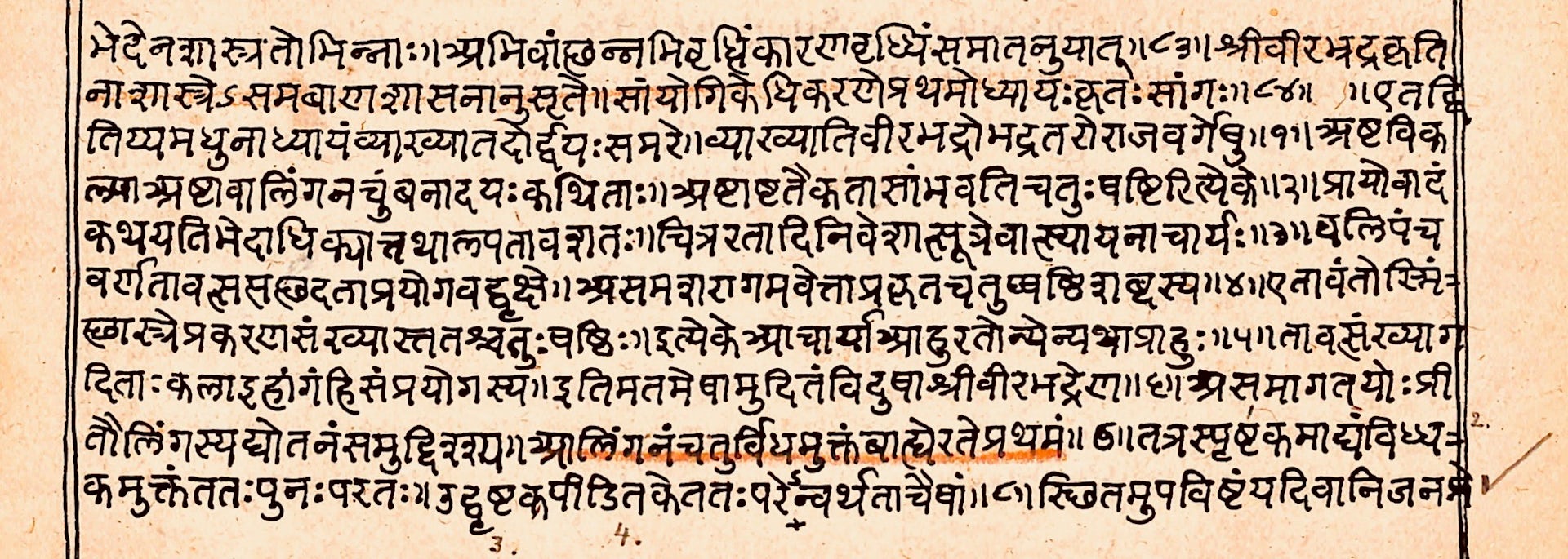
According to the verses, showing sensitivity and understanding in romance can really help strengthen a woman’s feelings and respect. Crucially, the text is clear: without a woman’s permission, a man should not touch her.
根据诗句,在浪漫关系中展现敏感和理解,确实有助于增强女性的情感和尊重。至关重要的是,文本非常明确:没有女性的许可,男性不应触碰她。
This stands in stark contrast to many contemporary experiences. Research – including my own, drawing on over 1,000 women’s accounts of coercion – shows how consent is often blurred, unspoken or performed. As the feminist academic and activist, Fiona Vera-Gray has documented, women frequently feel pressure to comply, sometimes faking desire or orgasms to meet expectations.
这与许多当代经历形成了鲜明对比。研究——包括我基于对超过1000名女性关于胁迫的描述所做的研究——表明,同意往往是模糊的、未言明的或表演性的。正如女权学者和活动家菲奥娜·维拉-格雷(Fiona Vera-Gray)记录的,女性经常感到有顺从的压力,有时甚至会伪造欲望或高潮来满足期望。
Revisiting the Kamasutra through a feminist lens reveals something striking: an ancient framework that centres women’s agency, pleasure and choice. It imagines women as confident subjects of desire – capable of saying “yes”, “no” or leaving altogether. In this sense, consent is not merely a legal threshold but a practice shaped by timing, reciprocity and mutual recognition.
从女权主义视角重读可色论揭示了令人震惊的东西:一个以女性能动性、愉悦和选择为中心的古代框架。它将女性想象为欲望的自信主体——有能力说“是”、“否”,甚至完全离开。从这个意义上说,同意不仅仅是一个法律门槛,而是一种由时机、互惠和相互认可塑造的实践。
What emerges is less a “sex manual” and more a philosophy: one that insists good sex depends on attention, patience and genuine agreement.
所呈现的与其说是一本“性手册”,不如说是一种哲学:它坚持认为性愉悦取决于关注、耐心和真正的共识。
Even at the end, love Enhanced by thoughtful acts And words and deeds exchanged in confidence Give rise to the highest ecstasy. Responding to their feeling about themselves, Inspiring mutual love. – Book two, chapter ten
即使在最后,爱—— 在体贴的行为、 以及在信任中交换的言语和行动的增强下, 会带来最高的狂喜。 回应她们对自我的感受, 激发相互的爱。——《第二册》,第十章
The verses remind us that it’s really the thoughtfulness, trust and emotional honesty that make love truly meaningful and fulfilling. Vatsyayana advises men to listen to women’s voices and become gentle lovers.
这些诗句提醒我们,真正让爱充满意义和充实感的,是体贴、信任和情感上的坦诚。《开山论》建议男性倾听女性的声音,成为温柔的爱人。
The Kamasutra in its true form challenges the idea that women should accommodate male desire, instead positioning their voices as essential to any meaningful encounter. Recovering this perspective matters.
《开山论》的真正形式挑战了女性应该迎合男性欲望的观念,而是将她们的声音定位为任何有意义的相遇所必需的要素。恢复这种视角至关重要。
When women are supported to recognise and express their sexual agency, the balance of power shifts. Consent becomes clearer and more mutual, and intimacy, in turn, becomes something that is enjoyed rather than endured.
当女性得到支持,能够认识并表达她们的性自主权时,权力平衡就会发生转移。同意变得更清晰、更相互,而亲密关系反过来也成为一种享受而非忍受的东西。
This article features references to books that have been included for editorial reasons, and may contain links to bookshop.org. If you click on one of the links and go on to buy something from bookshop.org The Conversation UK may earn a commission.
本文包含的参考书目是出于编辑原因纳入的,可能包含指向 bookshop.org 的链接。如果您点击了其中任何链接并在 bookshop.org 购买了商品,The Conversation UK 可能会获得佣金。
Sharha does not work for, consult, own shares in or receive funding from any company or organisation that would benefit from this article, and has disclosed no relevant affiliations beyond their academic appointment.
Sharha 不受任何从本文中受益的公司或组织的雇佣、咨询、拥有股份或获得资金支持,并且除了其学术任命之外,未披露任何相关的隶属关系。