特朗普在拉丁美洲的胁迫手段让人联想到炮舰外交的时代,以及它助长了反帝国主义的兴起。
Trump’s coercive tactics in Latin America evoke era of …
The interwar years in Latin America saw a remarkable flourishing of left-wing political thought aiming to challenge US dominance. That could offer lessons for today.
拉丁美洲的战间期见证了左翼政治思想的蓬勃发展,旨在挑战美国的主导地位。这可以为今天提供借鉴。
In Latin America, as in other parts of the world, the second Trump administration has adopted an increasingly aggressive policy.
在拉丁美洲,与其他世界地区一样,第二个特朗普政府采取了日益激进的政策。
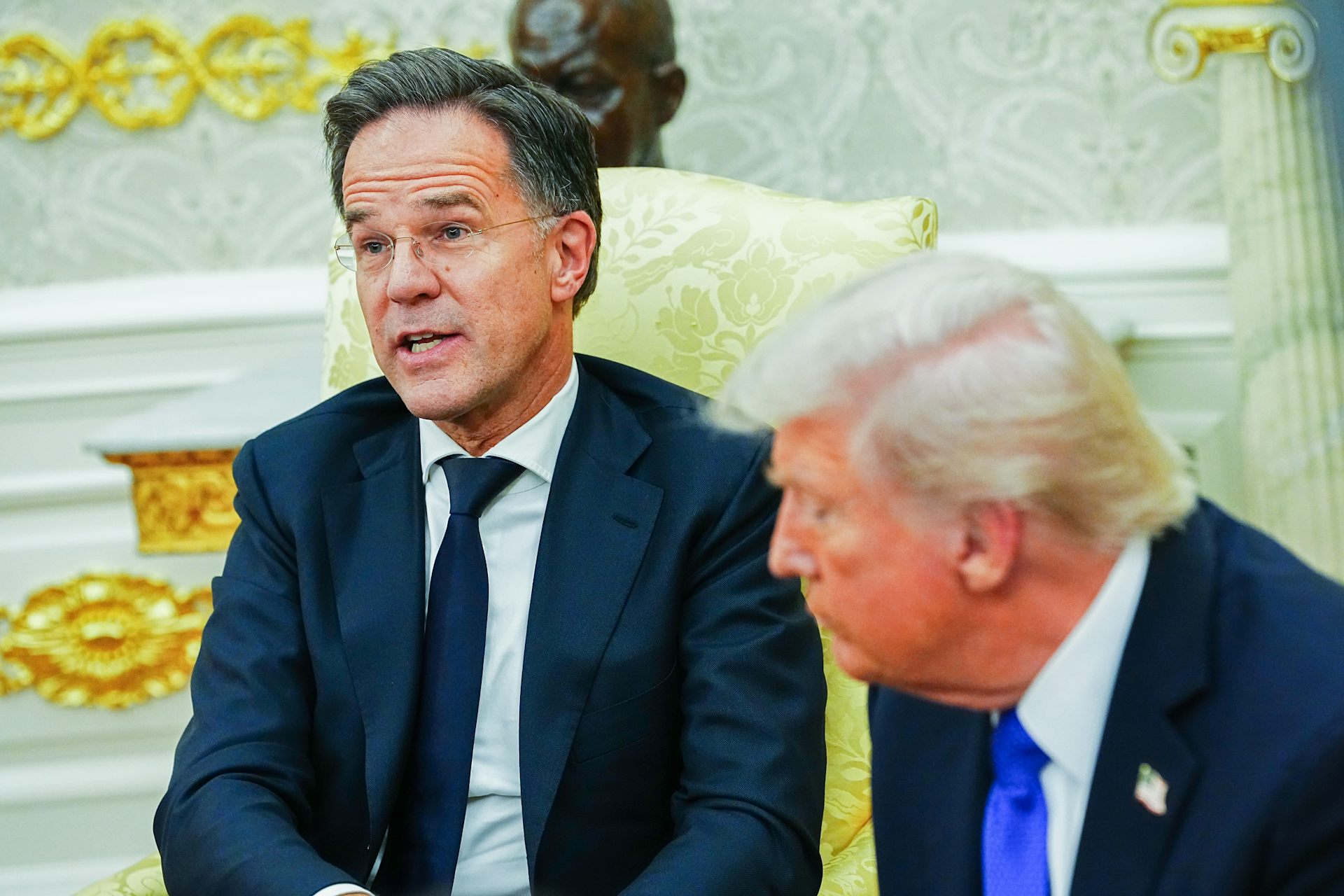
From drone strikes on purported drug traffickers to increased tariffs on imports, and from the blockade on fuel shipments and threats of invasion in Cuba to the Jan. 3 military incursion into Venezuela, the U.S.’s more coercive approach to its hemispheric neighbors evokes an earlier period of U.S. foreign policy.
从对所谓贩毒者的无人机打击,到提高进口关税;从对古巴燃料运输的封锁和入侵威胁,到对委内瑞拉的“一月三日”军事干预,美国对其半球邻国的这种更具强制性的做法,让人联想起美国外交政策的早期阶段。
Many commentators have found echoes of the 1989 capture of Panamanian leader Manuel Noriega in the kidnapping of Venezuelan president Nicolás Maduro. Others highlighted the longer history of U.S. interventions in Latin America stretching back through the Cold War. That includes the Nixon administration’s support for the 1973 coup against Salvador Allende in Chile or the CIA-sponsored removal of Guatemala’s elected president, Jacobo Arbenz, in 1954.
许多评论家将1989年对巴拿马领导人马努埃尔·诺里加的捕获,与委内瑞拉总统尼古拉斯·马杜罗的绑架事件相呼应。其他人则强调了美国干预拉丁美洲的历史更长,一直可以追溯到冷战时期。这包括尼克松政府支持1973年智利推翻萨尔瓦多·阿连德政权,或中央情报局(CIA)于1954年促成危地马拉民选总统雅可波·阿尔本斯被移除。
Yet as a historian of early 20th-century Latin America, I believe the Trump administration’s approach to Latin America more closely resembles an older pattern of U.S. policy. Between 1900 and the mid-1930s, U.S. forces intervened in one Latin American country after another. This practice was often justified by the Roosevelt Corollary, President Theodore Roosevelt’s addition to the Monroe Doctrine. In cases of “chronic wrongdoing,” Roosevelt said in 1904, the U.S would find itself compelled to exercise an “international police power” in defense of U.S. interests.
然而,作为一位研究20世纪早期拉丁美洲历史的学者,我认为特朗普政府对待拉丁美洲的做法,更接近美国政策的旧有模式。在1900年至1930年代中期,美军先后干预了多个拉丁美洲国家。这种做法常以“罗斯福修正案”为由,这是总统西奥多·罗斯福对《门罗主义》的补充。罗斯福在1904年说,在“长期不当行为”的情况下,美国将被迫行使“国际警察权力”来维护美国利益。
But crucially, how Latin Americans responded to the U.S. exerting its dominance in the early 20th century may hold some lessons for the present day. One of the major side effects of the U.S.’s so-called gunboat diplomacy was an upsurge of resistance and anti-imperialist thinking in the region’s political life.
但至关重要的是,拉丁美洲人在20世纪早期对美国行使霸权的回应,可能为今天提供了一些教训。美国所谓的“炮舰外交”的一个主要副作用,是该地区政治生活中抵抗和反帝国主义思想的激增。
The roots of anti-imperialism
反帝国主义的根源
In the 30 years after Roosevelt asserted the U.S.’s right to intervene across the hemisphere, U.S. forces occupied Cuba three times – in 1906-09, 1912 and 1917-21. They also occupied Haiti from 1915 to 1934 and the Dominican Republic from 1916 to 1924. In Nicaragua, the U.S. deployed the Marines from 1912 to 1925 and then again from 1926 to 1933, waging a counterinsurgency in which it used aerial bombardment for the first time.
在罗斯福宣称美国有权干预整个西半球的这三十年里,美军曾三次占领古巴——分别是在1906年至1909年、1912年和1917年至1921年。他们还分别在1915年至1934年占领了海地,并在1916年至1924年占领了多米尼加共和国。在尼加拉瓜,美国从1912年部署海军陆战队至1925年,随后又从1926年部署至1933年,并在其中首次使用空袭进行反叛乱作战。
Across much of the region, then, this was a time when the U.S. was quick to resort to force, unburdened by any concerns for Latin American countries’ sovereignty.
因此,在整个地区,这是一个美国可以轻易诉诸武力,而不必顾虑拉丁美洲国家主权的时间。
Yet this era of external intervention also coincided with a period of remarkable political ferment, which I describe in my recently published book, “Radical Sovereignty.”
然而,这一外部干预的时代,也恰逢一个显著的政治酝酿期,我在我最近出版的书《激进主权》中描述了这一点。
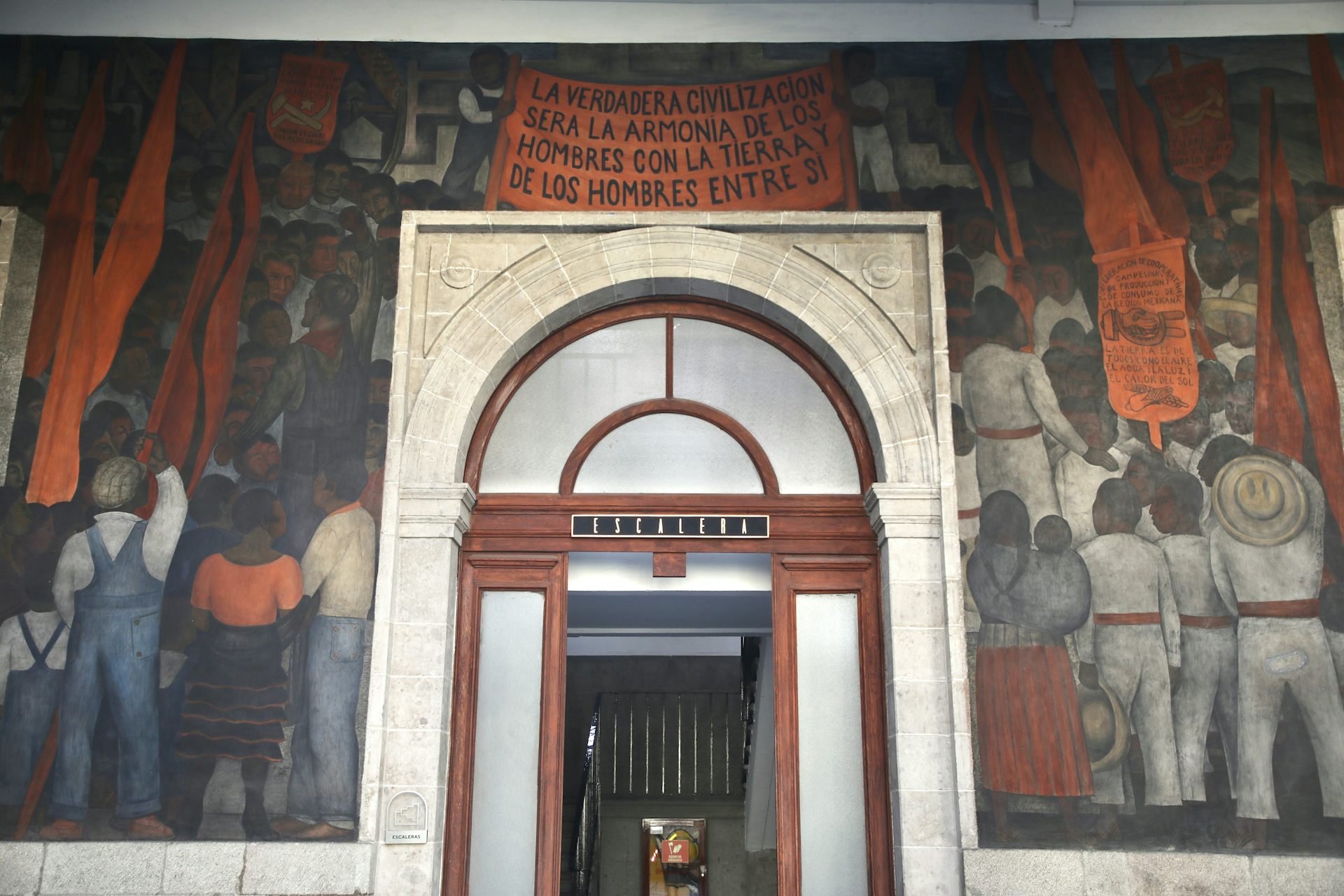
In one place after another, from Buenos Aires to Mexico City and from Havana to Lima, movements sprang up that put forward sharp critiques of U.S power. Many of them grew out of student organizations in the late 1910s, while others drew on the rising strength of labor unions and newly formed leftist political parties.
从布宜诺斯艾利斯到墨西哥城,从哈瓦那到利马,各地都爆发了运动,提出了对美国权力的尖锐批判。其中许多源于20世纪10年代末的学生组织,而另一些则得益于工会力量的崛起和新成立的左翼政党。
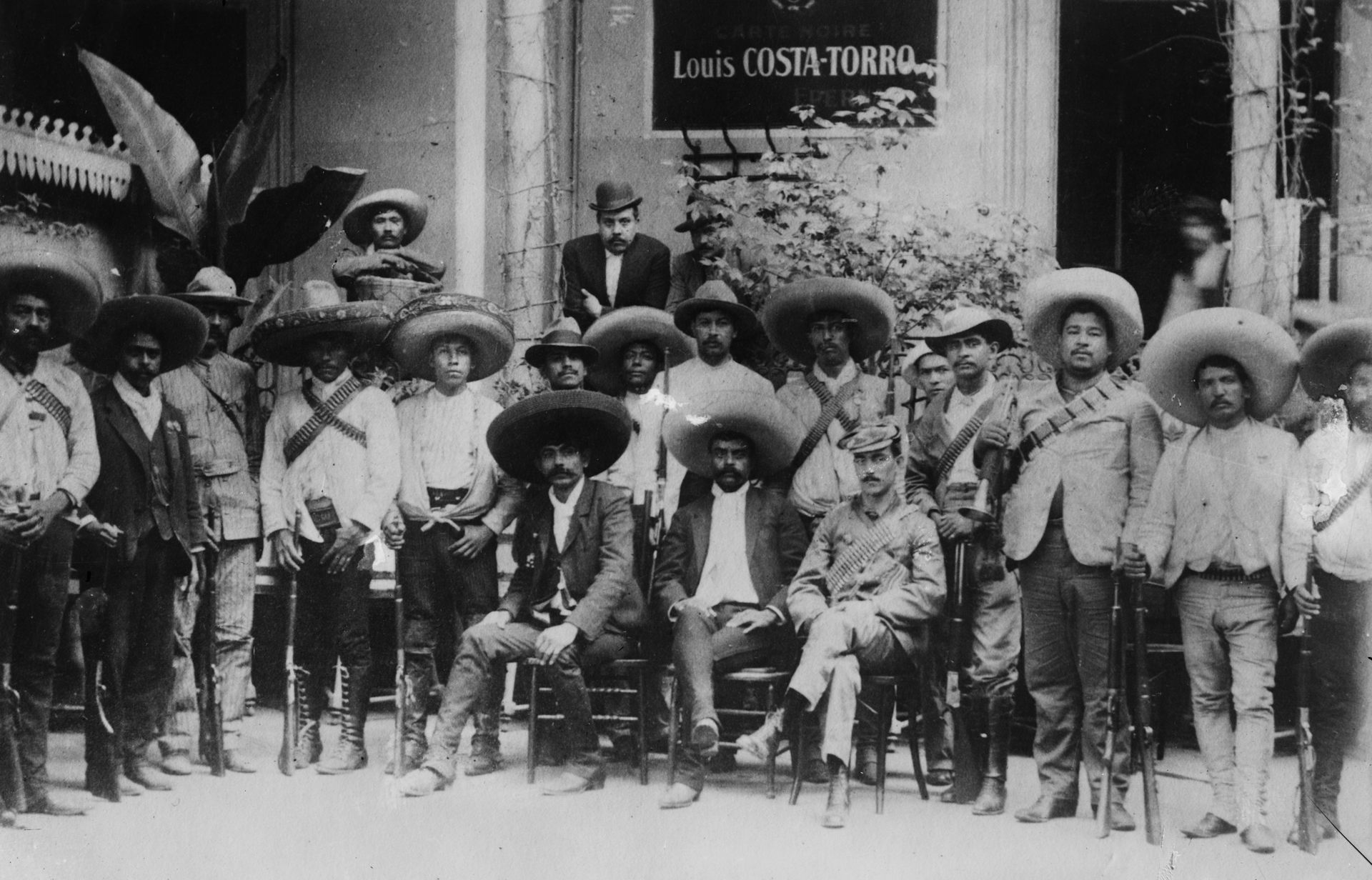
In 1923, rural workers in the Mexican state of Veracruz formed a Peasant League. From the outset, they saw local issues as closely interwoven with international ones, and they argued that there was a compelling reason for this. As the league put it, “Our internationalism is not the child of a crazed enthusiasm for empty phrases … but of the need to take preventive measures, to bolster ourselves against the enemy,” which they identified as “the imperialism of North America.”
1923年,墨西哥韦拉克鲁斯州的乡村工人组建了一个农民联盟。从一开始,他们就认为地方问题与国际问题密不可分,并认为这有充分的理由。正如该联盟所说:“我们的国际主义并非源于对空洞口号的疯狂热情……而是源于采取预防措施、抵御敌人的需要,”而他们将敌人认定为“北美帝国主义”。
Many of Latin America’s radical movements at this time were inspired by the recent example of the Mexican Revolution. The new Mexican Constitution of 1917 had nationalized the country’s land and natural resources, putting it on a collision course with U.S. companies and landowners.
当时,拉丁美洲许多激进运动的灵感来源于墨西哥革命的最新案例。1917年颁布的新墨西哥宪法将国家的土地和自然资源国有化,使国家与美国公司和地主产生了冲突。
Others still were energized by the global repercussions of the Russian Revolution. This, of course, included several brand-new communist parties across the region. But at the time, many others in Latin America saw the Bolsheviks as part of a global anti-colonial wave.
其他运动则仍然受到俄国革命全球影响的鼓舞。这当然包括了该地区好几个全新的共产党政党。但当时,拉丁美洲的许多人将布尔什维克视为全球反殖民浪潮的一部分。
Mexico City as activist hub
墨西哥城作为活动中心
My book explores the key role Mexico City played as a gathering point for these different political tendencies.
我的书探讨了墨西哥城作为汇集这些不同政治倾向的中心所发挥的关键作用。
They included groups ranging from Mexican peasant leagues to the American Popular Revolutionary Alliance, an anti-imperialist movement formed by Peruvian exiles. Many of these organizations converged under the umbrella of the Anti-Imperialist League of the Americas. Founded in Mexico City in 1925, it soon had chapters in a dozen more countries across the region.
这些团体包括从墨西哥农民联盟到由秘鲁流亡者组成的反帝国主义运动——美洲人民革命联盟。许多组织都聚集在美洲反帝国主义联盟的旗帜下。该联盟于1925年在墨西哥城成立,很快在整个地区的十几个国家设立了分会。
Between them, these movements brought into focus the novel features of U.S. power. As the Cuban student leader and communist Julio Antonio Mella saw it in 1925 – at a time when his native country was highly dependent on the U.S. but formally sovereign – the U.S. was distinct. Unlike European empires, it largely refrained from direct control of territories, though it had pressed the Cubans to include in their 1901 constitution a provision allowing it to intervene in the island at will.
在这些运动中,人们关注到了美国权力的新特征。正如古巴学生领袖和共产主义者胡里奥·安东尼奥·梅利亚斯在1925年所指出的——当时他的祖国虽然高度依赖美国,但名义上仍是主权国家——美国是独特的。与欧洲帝国不同,它在很大程度上避免了对领土的直接控制,尽管它曾迫使古巴人在1901年宪法中纳入一项允许其随意干预该岛的条款。
In Mella’s view, the U.S. was clearly an empire, one that mainly exercised its dominance through commercial or financial pressures. For him, the dollar and Wall Street were as central to U.S. power as the halls of government in Washington, D.C.
在梅利亚看来,美国显然是一个帝国,它主要通过商业或金融压力来行使其霸权。对他而言,美元和华尔街对美国权力的中心地位,与华盛顿特区政府的殿堂一样重要。
For Ricardo Paredes, an Ecuadorean doctor who founded the country’s Socialist Party in 1926, a new term was required to capture Latin American countries’ contradictory position. Formally sovereign, they were not colonies as such. Yet they were economically and politically subordinated to Washington and Wall Street – “dependent countries,” as he phrased it in 1928.
对于埃克尤多拉医生里卡多·帕雷德斯来说,他于1926年创立了该国的社会主义党,需要一个新术语来概括拉丁美洲国家矛盾的地位。这些国家名义上是主权国家,但并非殖民地。然而,它们在经济和政治上却依附于华盛顿和华尔街——他于1928年将其称为“依附国家”。
For the Peruvian poet Magda Portal, a leading member of the anti-imperialist American Popular Revolutionary Alliance, U.S. dominance played out differently in different parts of Latin America.
对于秘鲁诗人玛格达·波塔尔来说,她是反帝国主义美洲人民革命联盟的骨干成员,美国的主导地位在拉丁美洲的不同地区表现出不同的特征。
In a series of lectures she gave in Puerto Rico and the Dominican Republic in 1929, Portal divided the region into zones. While countries such as Argentina or Brazil were mainly sites for U.S. investment, Mexico and the Caribbean were regularly subjected to U.S. military force. Or, as Portal put it, “Here imperialism wears no disguise.”
1929年,波塔尔在波多黎各和多米尼加共和国发表了一系列讲座,将该地区划分为不同的区域。虽然阿根廷或巴西等国家主要是美国投资的场所,但墨西哥和加勒比地区却经常遭受美国的军事武力。或者,正如波塔尔所说:“这里的帝国主义没有任何伪装。”
Portal concluded her lectures with a phrase that combined her analysis of U.S. dominance with a resonant appeal for unity: “We have a single and great enemy; let us form a single and great union.”
波塔尔以一句结合了她对美国主导地位的分析和对团结的强烈呼吁结束了她的讲座:“我们有一个单一而巨大的敌人;让我们建立一个单一而伟大的联盟。”
United states of resistance?
抵抗的联合体?
Yet while there was much Latin American anti-imperialist thinkers could agree on, there were also profound divergences between them. This included questions of strategy as well as issues of principle. What role should different classes play in their movement? How radical a transformation of society were they pushing for? And what kind of state should emerge from it?
尽管拉丁美洲的反帝国主义思想家们在许多问题上能够达成一致,但他们之间也存在深刻的分歧。这不仅包括战略问题,还包括原则问题。不同阶级在运动中应扮演什么角色?他们推动的是多激进的社会变革?最终将形成什么样的国家?
Over time, these differences turned into deep rifts that pitted revolutionaries against democratic reformists, internationalists against nationalists, and pro-Soviets against anti-communists. These disagreements played an important role in Latin American politics over the rest of the century.
随着时间的推移,这些差异演变成了深刻的裂痕,将革命者与民主改革派、国际主义者与民族主义者、亲苏派与反共派对立起来。这些分歧在整个世纪的拉丁美洲政治中发挥了重要作用。
While many of these rifts became especially prominent during the Cold War, they developed out of earlier divisions over how best to counter U.S. dominance.
尽管许多这些裂痕在冷战期间尤为突出,但它们源于更早时期关于如何最好地抵制美国主导地位的争论。
The anti-imperialist upsurge of the 1920s and’30s was formative for a generation of Latin American radicals. Several of those who entered political life during these years went on to play key roles in major events of the 20th century. Raúl Roa, for example, who served as foreign secretary for Cuba’s revolutionary government from 1959 to 1976, was first politicized in the island’s anti-imperialist movement of the 1920s.
20世纪20年代和30年代的反帝国主义浪潮,对一代拉丁美洲激进分子具有奠基性意义。在这些年间进入政坛的许多人,后来在20世纪重大事件中发挥了关键作用。例如,劳尔·罗阿(Raúl Roa)曾在1959年至1976年担任古巴革命政府的外交部长,他最初是在20年代古巴的反帝国主义运动中接受政治洗礼的。
The men and women whose political visions were formed in the interwar period carried those ideals forward into the Cold War era. In important ways, the 1920s and 1930s laid vital groundwork for later and better-known radical movements.
在两次世界大战之间形成的政治愿景的男女们,将这些理想带入了冷战时代。从重要的意义上说,20世纪20年代和30年代为后来和更广为人知的激进运动奠定了至关重要的基础。
Past is, of course, not always prologue. It is impossible to predict what the long-term consequences of current U.S. policy in Latin America will be, especially given the rightward tilt that is currently unfolding across the region.
当然,过去并非总是预兆。鉴于目前该地区正在发生的右倾趋势,预测美国当前政策在拉丁美洲的长期后果是不可能的。
But looking at the region’s anti-imperialist traditions does point to one possible outcome: The U.S.’s newly aggressive stance will, sooner rather than later, fuel a resurgence of anti-imperialist sentiment as the organizing principle for a new generation of activists.
但回顾该地区的反帝国主义传统,确实指向了一个可能的结局:美国新近采取的激进姿态,迟早会点燃反帝国主义情绪的复苏,使其成为新一代活动家的组织原则。
Tony Wood does not work for, consult, own shares in or receive funding from any company or organization that would benefit from this article, and has disclosed no relevant affiliations beyond their academic appointment.
托尼·伍德(Tony Wood)不为任何受益于本文的公司或组织工作、咨询、拥有股份或接受资金,并且除了其学术任命外,没有披露任何相关任职关系。