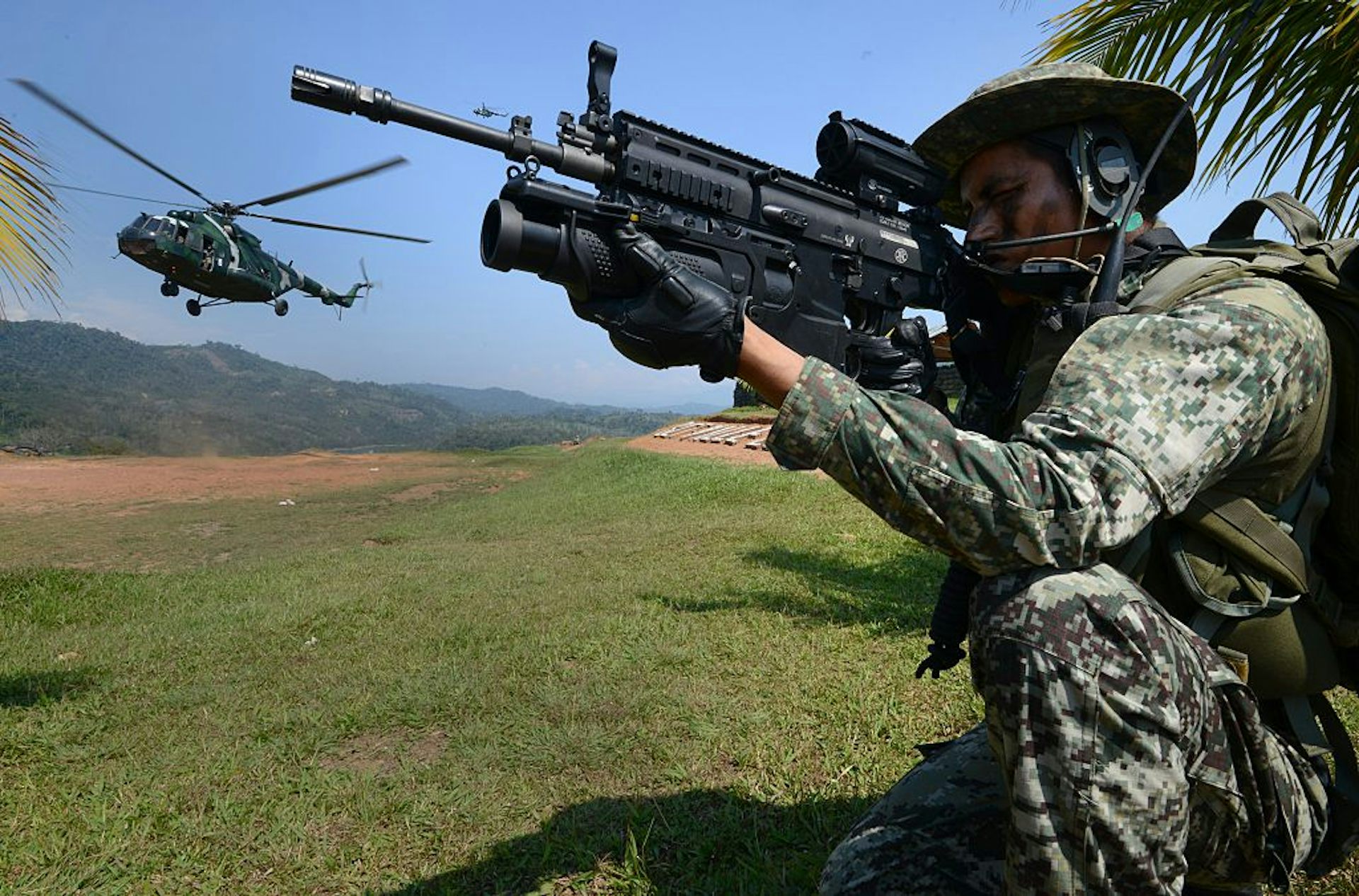
特朗普在拉丁美洲发起的“贩毒恐怖主义”战争让人联想到里根时期——无论是过去还是现在,这更像是与左翼势力作斗争,而非打击贩毒分子。
Trump’s ‘narco-terrorism’ war in Latin America evokes R…
The nebulous nature of narco-terrorism has allowed presidents from Reagan to Trump to deploy the term when it serves broader political goals in Latin America.
贩毒恐怖主义这种模糊的性质,使得从里根到特朗普的几任总统都能在拉丁美洲利用这个术语来达成更宏大的政治目标。
More than any other U.S. president in decades, Donald Trump has aggressively pursued military interventions in Latin America.
几十年来,在所有美国总统中,唐纳德·特朗普积极推进了对拉丁美洲的军事干预。
On Jan. 3, 2026, U.S. special forces captured Venezuelan President Nicolás Maduro on charges of narco-terrorism. In the months before the operation, U.S. Southern Command began targeting small, fast-moving boats in the Caribbean and eastern Pacific. The death toll from the continuing war on these alleged narco-terrorists has risen to over 200 people.
2026年1月3日,美国特种部队以贩毒恐怖主义的罪名抓捕了委内瑞拉总统尼古拉斯·马杜罗。在此次行动前的几个月里,美国南部司令部开始在加勒比海和东太平洋地区打击小型、快速移动的船只。持续针对这些所谓的贩毒恐怖分子进行的战争,已导致死亡人数超过200人。
At the heart of these events is the Trump administration’s stated goal of combating drug trafficking organizations. The White House and State Department have designated a plethora of guerrilla groups, drug cartels, gangs and criminal enterprises as “foreign terrorist organizations.”
这些事件的核心是特朗普政府打击贩毒组织的既定目标。白宫和国务院已将大量游击组织、贩毒集团、帮派和犯罪企业指定为“外国恐怖组织”。
Washington has also expanded security ties with Ecuador and El Salvador, which are led by right-wing Trump allies. At the same time, the administration has pressured left-wing governments in Colombia, Guatemala, Brazil and Mexico to join the U.S. war on drugs or else risk Trump’s wrath.
华盛顿还扩大了与厄瓜多尔和萨尔瓦多的安全联系,这两个国家由右翼的特朗普盟友领导。与此同时,政府向哥伦比亚、危地马拉、巴西和墨西哥等左翼政府施压,要求它们加入美国的禁毒战争,否则将面临特朗普的怒火。
When it comes to opening legal avenues for the application of armed force, the narco-terrorism label is useful. Indeed, it is how the Trump administration justified Operation Absolute Resolve to capture and indict Maduro. Yet Trump’s decision to pardon a right-wing ally – former Honduran President Juan Orlando Hernández – who was convicted and sentenced to 45 years in prison for drug trafficking and related weapons offenses, appeared to some observers to be “at odds with Trump’s war on drugs.”
在开辟使用武力的法律途径方面,“贩毒恐怖主义”这一标签非常有用。事实上,正是利用这个标签,特朗普政府为抓捕和起诉马杜罗发起了“绝对决心行动”(Operation Absolute Resolve)。然而,特朗普决定赦免一位右翼盟友——前洪都拉斯总统胡安·奥兰多·埃尔南德斯——而该盟友曾因贩毒及相关武器罪被判刑并判处45年监禁,这一举动在一些观察家看来,与“特朗普的禁毒战争”是相悖的。
The history of that war on drugs, however, especially during the presidency of Ronald Reagan, shows that the narco-terrorism label has always been politicized. My research on Reagan and the drug war suggests that the nebulousness of the concept aided U.S. policymakers in achieving fundamentally anti-communist and anti-leftist political objectives.
然而,这段禁毒战争的历史,特别是在罗纳德·里根总统任期内,表明“贩毒恐怖主义”这一标签一直都是政治化的。我对里根和禁毒战争的研究表明,该概念的模糊性帮助美国政策制定者实现了根本上反共产主义和反左翼的政治目标。
Shining Path and the roots of narco-terrorism
闪耀之路与贩毒恐怖主义的根源
Peruvian President Fernando Belaúnde Terry first coined the term narco-terrorism in 1982 to describe the infiltration of Sendero Luminoso – or Shining Path – guerrillas into the drug trade.
秘鲁总统费尔南多·贝劳恩德·特里于1982年首次创造了“贩毒恐怖主义”一词,用来描述圣路明诺——或称“闪光小径”游击队渗透到毒品贸易中的现象。
An ultraradical offshoot of the Peruvian Communist Party, Shining Path was one of the most vicious insurgencies in Latin America. A truth and reconciliation commission later attributed at least half of the 70,000 conflict-related deaths and disappearances to the Maoist guerrillas in their campaign to overthrow the “bourgeois” democratic government. After the Peruvian army chased the guerrillas out of their home base in Ayacucho in the southern Andes, they moved north to the upper Huallaga Valley, the source of over half the world’s cocaine supply at the time.
“闪亮之路”是秘鲁共产党的一个超激进的分支,曾是拉丁美洲最残暴的叛乱组织之一。后来成立的一个查明真相和和解委员会将至少一半的7万名与冲突相关的死亡和失踪人数归咎于这些毛主义游击队,指控他们为了推翻“资产阶级”民主政府而发动了运动。在秘鲁军队追逐这些游击队离开其位于南安第斯山脉阿亚库乔(Ayacucho)的基地后,他们向北转移至上华拉加谷地,该地区当时是全球超过一半可卡因供应的来源地。
The Peruvian police, together with the U.S. Drug Enforcement Administration, created special counternarcotics units focused on crop eradication in the upper Huallaga. This strategy sought to reduce the supply of cocaine by eliminating its source, the coca plant. Peasant growers’ resistance to these operations fueled the Shining Path insurgency by providing recruits and creating an opening for the guerrillas to interpose themselves between the farmers and the police.
秘鲁警察与美国缉毒局合作,在上华拉加河地区设立了专门的反毒单位,重点进行农作物清除。该战略旨在通过消除其来源——古柯植物,来减少可卡因的供应。农民对这些行动的反抗,通过提供新兵和为游击队创造了介入农户与警察之间的机会,从而助长了“闪亮之径”的叛乱。
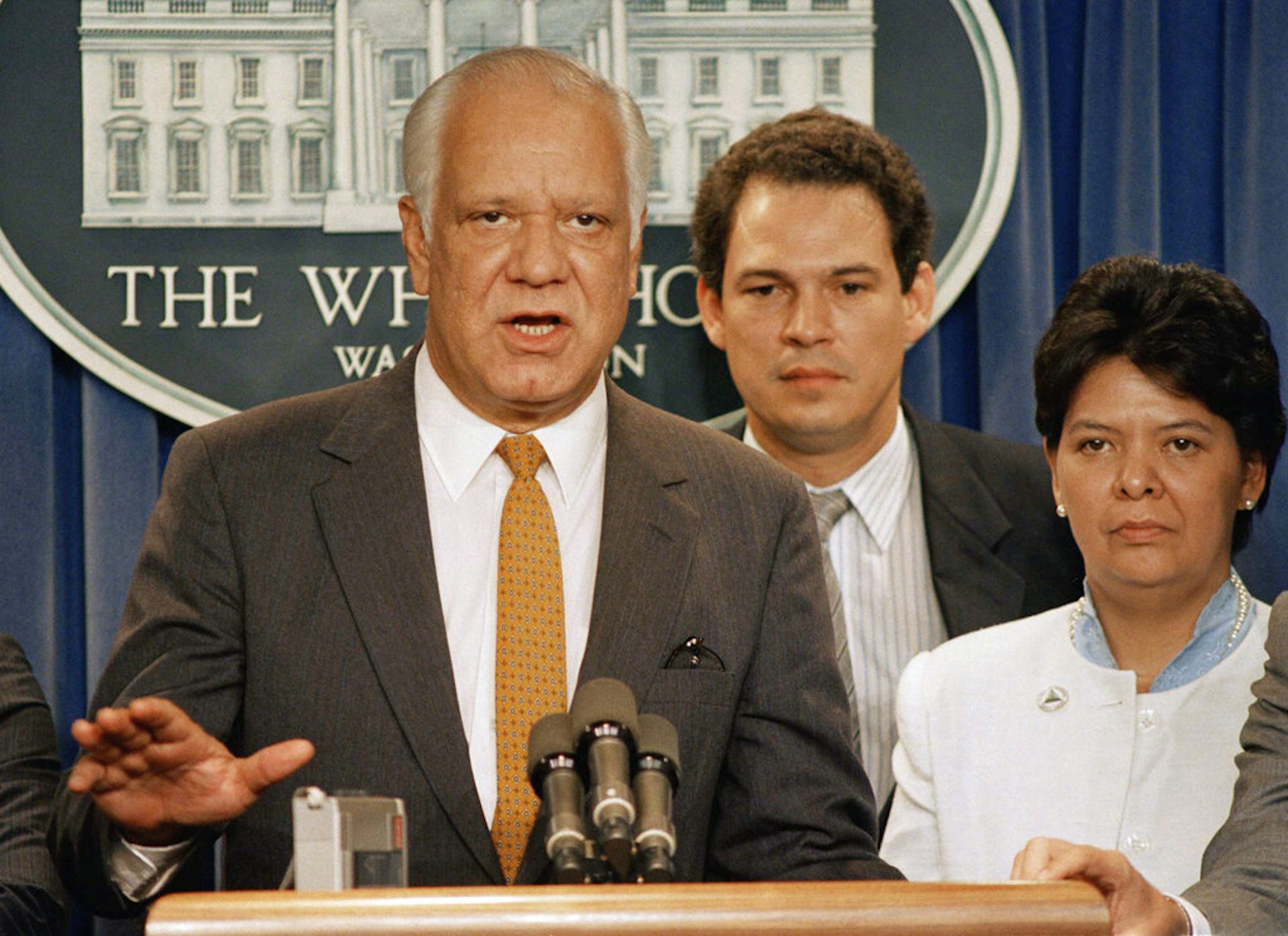
With the Cold War drawing to a close, a militarized drug war expanded under the administration of George H.W. Bush. As the federal counternarcotics budget nearly doubled, U.S. officials pressured the Peruvians to militarize their counternarcotics efforts, too. But it wasn’t until the Peruvian armed forces pursued a tacit truce with the traffickers that they were able to locate and capture Shining Path leader Abimael Guzmán in September 1992 and dismantle the insurgency.
随着冷战的结束,一场军事化的毒品战争在乔治·H·W·布什政府时期扩大。随着联邦禁毒预算接近翻倍,美国官员也向秘鲁人施压,要求他们将禁毒工作军事化。但直到秘鲁武装部队与贩毒集团达成默契休战后,他们才能够在1992年9月找到并逮捕“光辉步兵”领导人阿比马埃尔·古斯曼,并瓦解了叛乱势力。
The Peruvian counterinsurgency succeeded due to a strategy that deliberately cut ties between the guerrillas and the drug traffickers. Essentially, the armed forces of Peru took control of the drug trade from the leftist guerrillas. U.S. anti-narcotics officials, together with their Peruvian police colleagues, were less than thrilled with this strategy – as were the tens of thousands of people who were caught in the crossfire. But for myriad U.S. defense officials more interested in defeating Shining Path than stemming the tide of drugs, the narco-terrorism label had facilitated a clear success – and drafted a valuable blueprint.
秘鲁的反叛乱行动之所以成功,得益于一项有意识地切断游击队与贩毒集团联系的战略。本质上,秘鲁武装部队从左翼游击队员手中夺取了毒品贸易的控制权。美国反毒官员及其秘鲁警察同事对这一战略并不满意——那些卷入交火中的数万民众也是如此。但对于许多更关心击败“闪耀之路”而非遏制毒品泛滥的美国国防官员来说,“贩毒恐怖主义”的标签反而促成了一次明显的成功,并起草了一份宝贵的蓝图。
Colombia and the ‘narco-guerrilla connection’
哥伦比亚与“贩毒-游击武装联系”
The incident that indelibly linked the drug cartels and the communist guerrillas in the U.S. concept of narco-terrorism was the November 1985 M-19 siege of the Colombian Palace of Justice, the country’s supreme court. The M-19, or 19th of April movement, so named for a disputed election, had as a main objective to establish socialism in Colombia. The guerrillas took the high court hostage and intended to subject the then-president to a trial. The resulting clash with the military left nearly 100 people dead, including soldiers, guerrillas and 11 of the justices.
将贩毒集团和共产主义游击队联系起来,并形成了美国“毒品恐怖主义”概念的事件,是1985年11月对哥伦比亚司法宫殿(该国最高法院)发动的M-19围攻。M-19,或称“四月十九运动”,因一场有争议的选举而得名,其主要目标是在哥伦比亚建立社会主义。这些游击队员劫持了最高法院,并意图对当时的总统进行审判。与军队发生的冲突导致近百人死亡,其中包括士兵、游击队员和11名法官。
Allegations surfaced that Pablo Escobar, head of the notorious Medellín cartel, had paid M-19 for the raid. The guerrillas had apparently stolen hundreds of documents, including U.S. extradition requests for Escobar. Though this motive is still disputed – and even the U.S. ambassador in Bogotá emphasized that the “narco-guerrilla connection” had not been proven – the shocking event hardened U.S. public opinion against the new threat of narco-terrorism.
有指控称,臭名昭著的麦德林贩毒集团首领巴勃罗·埃斯科巴尔曾向M-19支付费用以发动这次突袭。这些游击队员显然盗走了数百份文件,其中包括美国要求交出埃斯科巴尔的引渡请求。尽管这一动机仍有争议——甚至波哥大的美国大使强调,“贩毒与游击队的关系”尚未得到证实——但这起震惊的事件使美国公众舆论对新的“贩毒恐怖主义”威胁更加警惕。
In April 1986 the Reagan administration issued National Security Decision Directive 221, officially linking counternarcotics and counterinsurgency in U.S. foreign policy. The declaration of drugs as a national security threat widened the scope of U.S. involvement in the Colombian counterinsurgency against entrenched communist guerrilla groups such as the Revolutionary Armed Forces of Colombia and the National Liberation Army.
1986年4月,雷根政府发布了国家安全决策指令221号,正式地将反毒和反叛乱结合到美国外交政策中。将毒品宣布为国家安全威胁的行为,扩大了美国参与古哥伦比亚对抗革命武装部队和国家解放军等根深蒂固的共产主义游击组织的范围。
That cooperation continues to the present day, though it is currently jeopardized by hostility between Trump and Colombian President Gustavo Petro, himself a former member of M-19.
这种合作一直持续到今天,但目前受到特朗普和哥伦比亚总统古斯塔沃·佩特罗之间敌意的威胁;而佩特罗本人曾是M-19的成员。
The selective application of trafficking claims
贩毒指控的选择性运用
The narco-terrorism label was selectively applied not only to left-wing guerrillas but to the two communist governments in Latin America. The Reagan administration seized upon allegations of Nicaraguan and Cuban drug trafficking to influence U.S. public opinion at a time when the American people worried about becoming bogged down in another Vietnam-style quagmire.
“贩毒恐怖主义”的标签不仅被选择性地应用于左翼游击队,也应用于拉丁美洲的两个共产主义政府。里根政府抓住尼加拉瓜和古巴贩毒的指控,试图影响美国公众舆论,而当时美国民众正担心卷入另一个越南式的泥潭。
Vietnam had shattered the foreign policy consensus around the containment of Soviet communism, but the 1980s crack cocaine epidemic created a powerful new rationale for U.S. intervention. After Congress, citing human rights concerns, restricted aid to the anti-communist Contra forces fighting Nicaragua’s left-wing Sandinista government, Reagan publicly accused the Sandinistas of drug trafficking.
越南打破了围绕遏制苏联共产主义的外交政策共识,但20世纪80年代的冰毒流行为美国干预创造了一个强大的新理由。在国会援引人权担忧限制援助给对抗共产党的“反共”武装力量(Contra),这些武装正在与尼加拉瓜左翼桑地尼刺政府作战时,里根公开指控桑地尼刺参与贩毒。
The only evidence produced to support the charge was likely obtained as the result of a joint DEA-CIA sting operation involving Barry Seal, an American drug smuggler turned DEA informant later played by Tom Cruise in the Hollywood cinematic version of the sordid tale, “American Made.” Questions arose as to whether the Nicaraguan trafficker identified by the sting was even linked to anyone in the Sandinista government.
支持这一指控所提供的唯一证据,很可能是由一次联合DEA-中央情报局的卧底行动获得的,该行动涉及巴里·西尔(Barry Seal)——一位从美国毒品走私犯转变为DEA线人的人物,他在好莱坞电影《美国制造》中扮演过这个角色。人们质疑,这次卧底行动所识别出的尼加拉瓜贩毒者是否与桑地尼刺政府的任何人有关联。
At the same time, the Reagan administration ignored allegations that the Contras themselves were smuggling cocaine into the U.S. Indeed, a Senate investigation spearheaded by U.S. Sen. John Kerry revealed that administration officials had repeatedly ignored or obstructed evidence of Contra drug trafficking. The CIA’s inspector general found that the agency had received but neglected to verify similar allegations.
与此同时,里根政府忽略了“反共”武装本身走私可卡因进入美国的指控。事实上,由美国参议员约翰·凯里牵头的参议院调查揭露,政府官员曾多次忽视或阻碍了关于“反共”武装贩毒的证据。中央情报局监察长发现,该机构收到了类似指控但未能进行核实。
These activities were tolerated because they raised money for a cause that Reagan and his supporters viewed as righteous. The Contras were seen as “freedom fighters” struggling to liberate Nicaragua from communism.
这些活动之所以被容忍,是因为它们为一项由里根及其支持者视为正义事业筹集资金。人们将“反共”武装视为努力从共产主义解放尼加拉瓜的“自由战士”。
Coming full circle
回到原点
Then, as now, Washington policymakers pursued a regional approach designed to strengthen security cooperation and bolster the military capabilities of allied nations.
然后,就像现在一样,华盛顿的政策制定者推行了一种区域性方法,旨在加强安全合作并提升盟国军事能力。
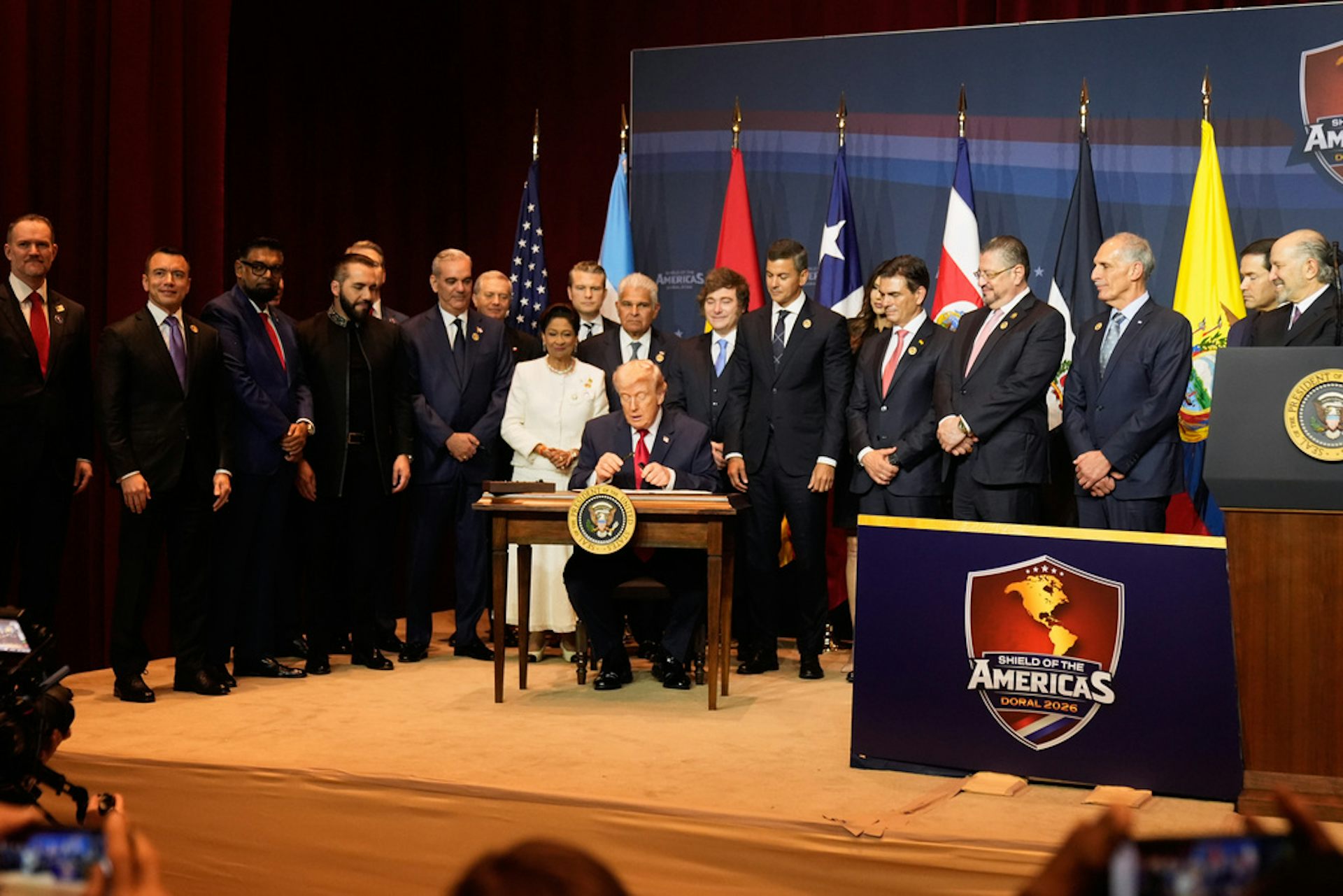
In March 2026 the Trump administration created the Americas Counter Cartel Coalition, or Shield of the Americas, a security alliance to stop illegal immigration, Russian and Chinese interference, and “narco-terrorist gangs and cartels.” In his remarks at the March 7 opening summit, Trump insisted that “the only way to defeat these enemies is by unleashing the power (of) our militaries.”
2026年3月,特朗普政府创建了美洲反贩毒联盟(Americas Counter Cartel Coalition),或称“美洲盾牌”,这是一个旨在阻止非法移民、俄罗斯和中国干预以及“贩毒恐怖团伙和贩毒集团”的安全联盟。在3月7日开幕峰会上,特朗普强调:“击败这些敌人唯一的办法就是释放我们军队的力量。”
Then, as now, this collaboration appears to be aimed at the leftist and communist governments in the Western Hemisphere.
然后,就像现在一样,这种合作似乎是以西半球的左翼和共产主义政府为目标。
In many cases, the drug framing is an explicit rationale for action. That was most recently on display with the U.S. designation of the two largest criminal gangs in Brazil as foreign terrorist organizations, leading Brazilian officials of the leftist Lula government to warn that any pretext for intervention would be “unacceptable.”
在许多情况下,“贩毒”这一定性是采取行动的明确理由。最近最明显的例子是美国将巴西最大的两个犯罪团伙指定为外国恐怖组织,这导致了巴西左翼卢拉政府官员警告说,任何干预的借口都是“不可接受的”。
In other cases the administration’s argument is broader. The ratcheting up of military maneuvers, rhetoric and sanctions against Cuba – including declaring the island nation an “unusual and extraordinary threat” to U.S. security – has led many to speculate that Cuba is the next target of regime change.
在其他情况下,政府的论点更为广泛。对古巴军事演习、言辞和制裁的升级——包括宣布该岛国是美国安全面临的“不寻常和非同寻常的威胁”——导致许多人猜测古巴是下一个政权更迭的目标。
While the narco-terrorism label may be applied selectively depending on the case, the result remains the fulfillment of anti-communist political objectives dating back to the Cold War.
虽然“贩毒恐怖主义”这一标签可能会根据具体情况选择性地应用,但结果仍然是实现了可以追溯到冷战时期的反共政治目标。
The opinions expressed are the author’s alone and do not reflect the views of the U.S. Naval War College, the Department of the Navy, or any other part of the federal government.
所表达的观点仅为作者个人观点,不代表美国海军战争学院、海军部或联邦政府任何其他部门的看法。
Michelle D. Paranzino does not work for, consult, own shares in or receive funding from any company or organization that would benefit from this article, and has disclosed no relevant affiliations beyond their academic appointment.
米歇尔·D·帕兰齐诺(Michelle D. Paranzino)并未受雇于、咨询、持有股份或从任何可能受益于本文的公司或组织获得资金,并且已披露了除其学术任命以外的任何相关任职关系。