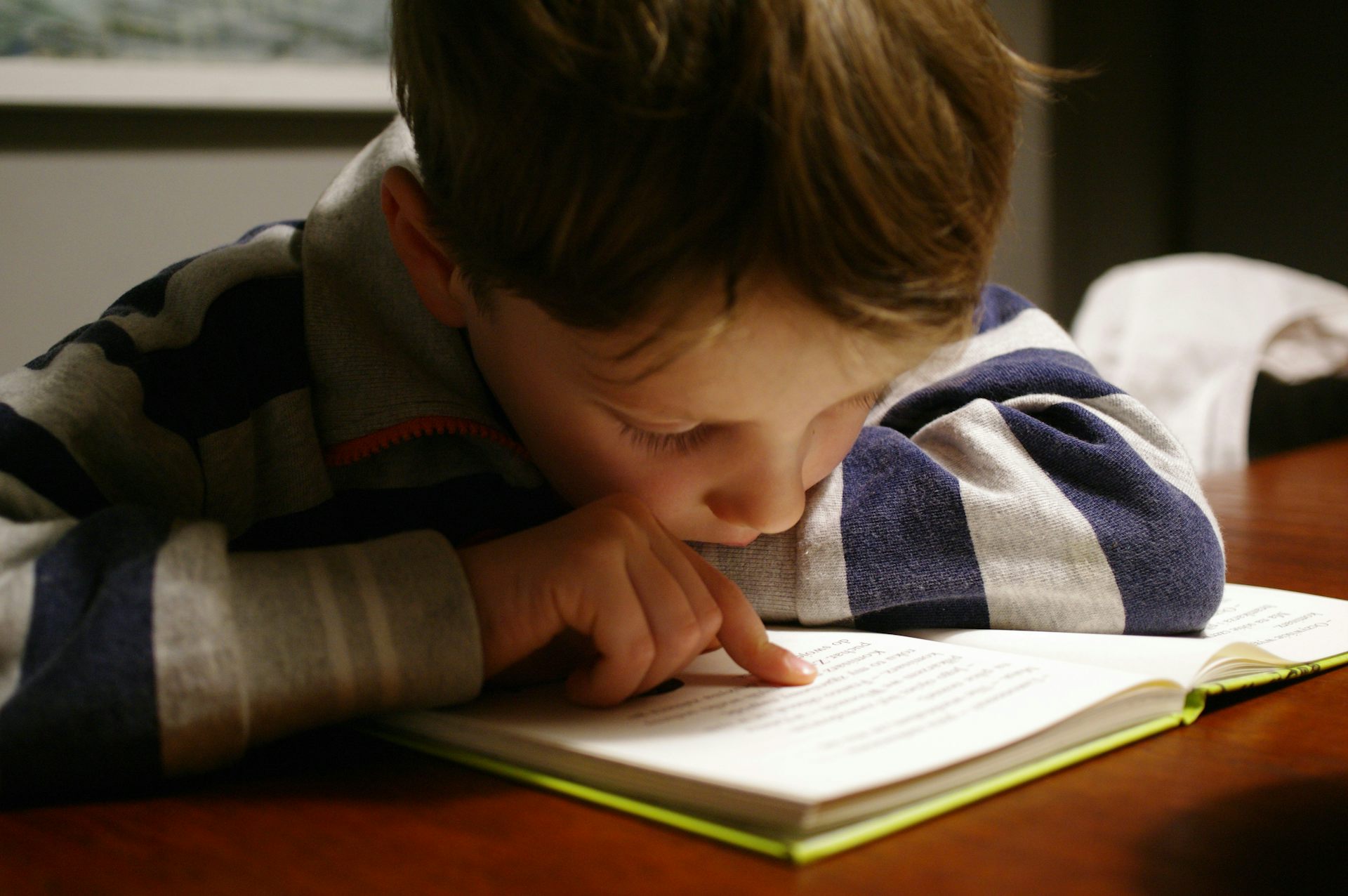
我们吸收信息时,是在纸上更好,还是在屏幕上更好?这取决于屏幕
Do we absorb information better on paper, rather than s…
Reading is arguably the most difficult task one must learn. To understand why it is difficult, one must understand the physiology of reading.
阅读可以说是人类必须学会的最困难的任务。要了解它为何困难,就必须了解阅读的生理学。
The Swedish government recently announced it was moving from the classroom use of digital devices back to physical books. It cited concerns over declining test scores and increasing screen time.
瑞典政府最近宣布,它将从课堂使用数字设备转回使用实体书籍。它援引了对考试成绩下降和屏幕时间增加的担忧。
Are these concerns well founded? And what does the science of reading say about the possible consequences of reading on digital devices versus books?
这些担忧是否站得住脚?阅读科学对在数字设备和书籍上阅读可能带来的后果说了些什么?
To address these questions, it’s worth remembering that, although reading might appear to be an easy task, this impression is false. Reading is arguably the most difficult task one must learn – one that requires years of formal education and practice to master. In contrast to spoken language, it is a skill we are not biologically predisposed to learn.
为了回答这些问题,值得记住的是,尽管阅读可能看起来是一件轻松的任务,但这种印象是错误的。阅读可以说是人类必须学习的最困难的任务之一——它需要多年的正规教育和实践才能掌握。与口语相比,这是一种我们并非天生具备的技能。
Millions of Australians, both children and adults, struggle with literacy.
数百万澳大利亚人,包括儿童和成年人,都在与识字能力作斗争。
In this series, we explore the challenges of reading in an age of smartphones and social media – and ask experts how we can become better readers.
在本系列中,我们将探讨在智能手机和社交媒体时代阅读所面临的挑战——并请教专家们如何才能成为更好的读者。
Why is reading so difficult?
为什么阅读如此困难?
To understand why reading is difficult, one must first understand the physiology of reading.
要了解阅读为何困难,首先必须了解阅读的生理学。
As you are reading this sentence, your eyes are making a series of rapid movements, called saccades, from one word to the next. During these saccades, the processing of visual information is suppressed and is only available during brief intervals, called fixations, when the eyes are stationary.
当你阅读这句话时,你的眼睛正在进行一系列快速的移动,这些移动被称为扫视(saccades),从一个词移动到下一个词。在扫视过程中,视觉信息的处理是受抑制的,只有当眼睛静止时,在被称为注视(fixations)的短暂间隔内才能进行。
Experiments that measure readers’ eye movements have shown we fixate most words because our capacity to extract visual information during each fixation is extremely limited.
测量读者眼球运动的实验表明,我们注视大多数词语,是因为我们在每次注视期间提取视觉信息的能力极其有限。
In languages like English that are read from left to right, our capacity to perceive the features that distinguish letters is limited to a small region of the visual field called the perceptual span. This span extends from 2-3 letter spaces to the left of fixation to 8-12 letter spaces to the right of fixation.
在像英语这样从左到右阅读的语言中,我们感知区分字母特征的能力局限于一个称为“感知跨度”(perceptual span)的视觉区域。该跨度从注视点左侧延伸到 2-3 个字母间距,到注视点右侧延伸到 8-12 个字母间距。
The span’s asymmetry reflects the movement of attention through the text. It extends to the left in languages like Arabic, which are read from right to left. The size of the span is smaller for dense writing systems, such as Chinese.
跨度的不对称性反映了注意力在文本中的移动。在像阿拉伯语这样从右到左阅读的语言中,它会向左延伸。对于像中文这样密集的书写系统,跨度的尺寸则更小。
We also know from eye-tracking and brain-imaging experiments that words require time to identify. Our best estimates suggest visual information requires 60 milliseconds to propagate from the eyes to the brain and words then require an additional 100-300 milliseconds to identify. (A millsecond is one-thousandth of a second) .
我们还从眼动追踪和脑成像实验中得知,识别单词需要时间。我们最好的估计是,视觉信息需要 60 毫秒从眼睛传播到大脑,然后单词还需要额外的 100-300 毫秒才能识别。(毫秒是千分之一秒)。
These constraints limit the maximum rate of reading to 300-400 words per minute, depending on the difficulty of the text and one’s level of comprehension.
这些限制将阅读的最大速率限制在每分钟 300-400 个词,具体取决于文本的难度和个人的理解水平。
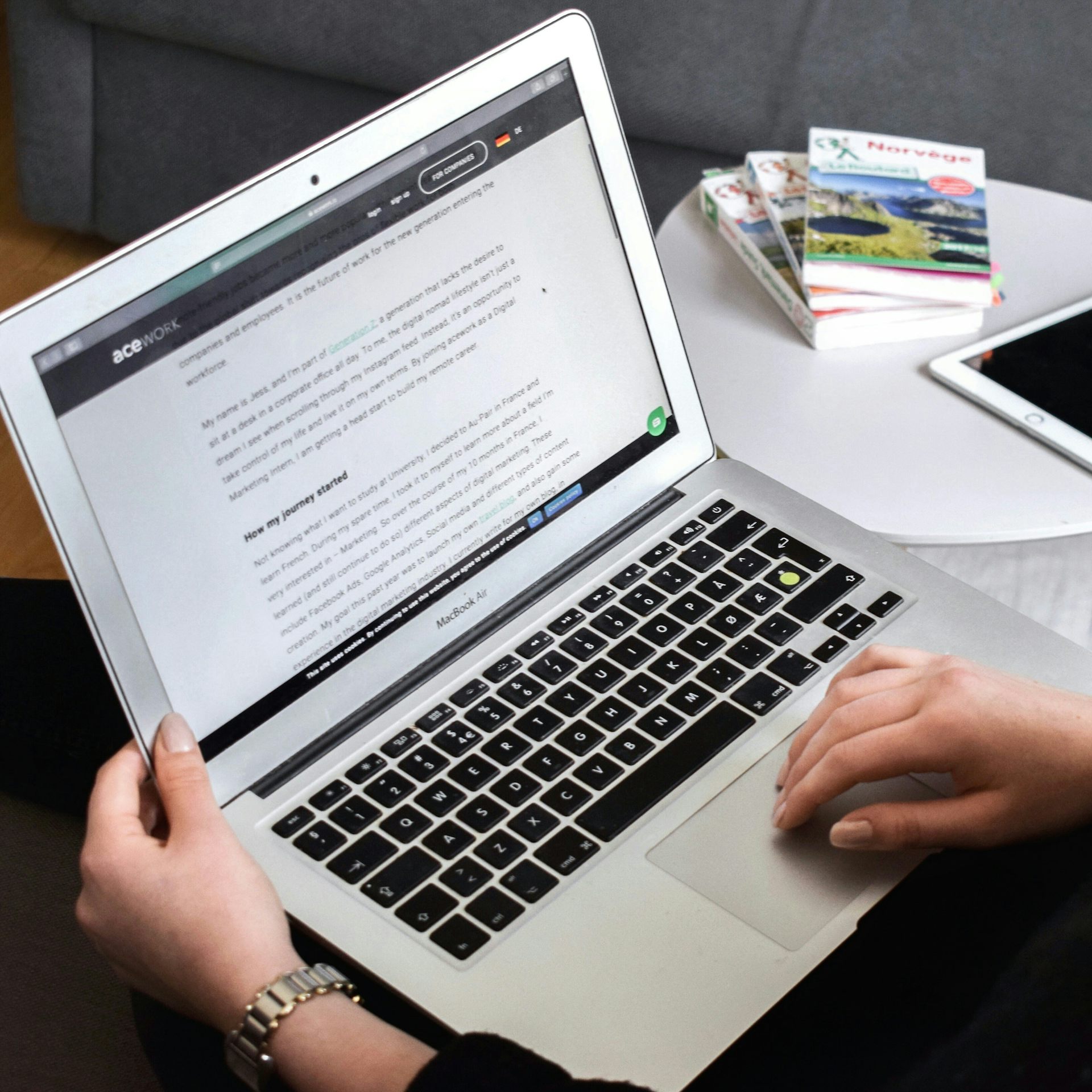
Speed-reading advocates, who falsely promise faster reading speeds, teach you how to skim a text. Comprehension declines at a rate inversely proportional to the gain in speed.
那些虚假承诺更快阅读速度的速读倡导者,教你如何快速浏览文本。理解力下降的速度与速度的提升成反比。
Importantly, the upper limit for reading speed requires years of practice to attain, because it requires the brain systems that support vision, attention, word identification, language processing and eye movements to operate in a highly coordinated manner. Anything that prevents this coordination will therefore reduce comprehension.
重要的是,阅读速度的上限需要多年的练习才能达到,因为它要求支持视觉、注意力、单词识别、语言处理和眼球运动的大脑系统以高度协调的方式运作。任何阻碍这种协调的行为都会因此降低理解力。
Consequences of digital reading
数字阅读的后果
So what are the likely consequences of digital reading?
那么,数字阅读可能带来哪些后果呢?
With some devices, such as e-readers, there is little reason to suspect digital reading differs from the reading of books, because both formats support the mental processes required for skilled reading.
像电子阅读器这样的某些设备,很难怀疑数字阅读与阅读纸质书有何不同,因为这两种格式都支持熟练阅读所需的心理过程。
The more questionable devices are those introducing distractions (such as news websites interspersed with ads) or which have suboptimal formatting, such as centre-justified text with large or unequal-sized gaps between words. The latter is rarely a feature of paper-based texts.
更可疑的设备是那些引入干扰(例如穿插广告的新闻网站)或格式不理想的设备,例如居中对齐的文本,以及单词之间有大或不均匀的间隙。后者很少是纸质文本的特点。
Although the consequences of these two factors are under-researched, enough has been learned about human cognition to make informed predictions.
尽管这两种因素的后果研究不足,但关于人类认知学已经学到了足够多的知识,足以做出明智的预测。
For example, images and audio unrelated to a text such as pop-up ads can capture attention. Although most adults have developed a level of executive control sufficient to ignore such distractions, young children have not.
例如,与文本无关的图像和音频,如弹出广告,可能会分散注意力。虽然大多数成年人已经发展出足够的执行控制能力来忽略此类干扰,但年幼的孩子则没有。
The implications for a child who is struggling to understand the meaning of a text are obvious. Their comprehension will suffer to the extent that additional effort is required to ignore distractions, or if they do not yet have the mental coordination to understand the text has been disrupted.
对于难以理解文本意义的孩子来说,其影响是显而易见的。他们的理解能力会受到影响,影响的程度取决于忽略干扰所需的额外努力,或者如果他们尚未具备理解文本所需的心理协调能力。
There is also evidence from eye-tracking experiments that many digital environments, such as webpages, can induce specific reading strategies, such as skimming for gist or searching for information.
此外,眼动追踪实验的证据表明,许多数字环境,例如网页,可能会诱导特定的阅读策略,例如快速浏览以获取要点或搜索信息。
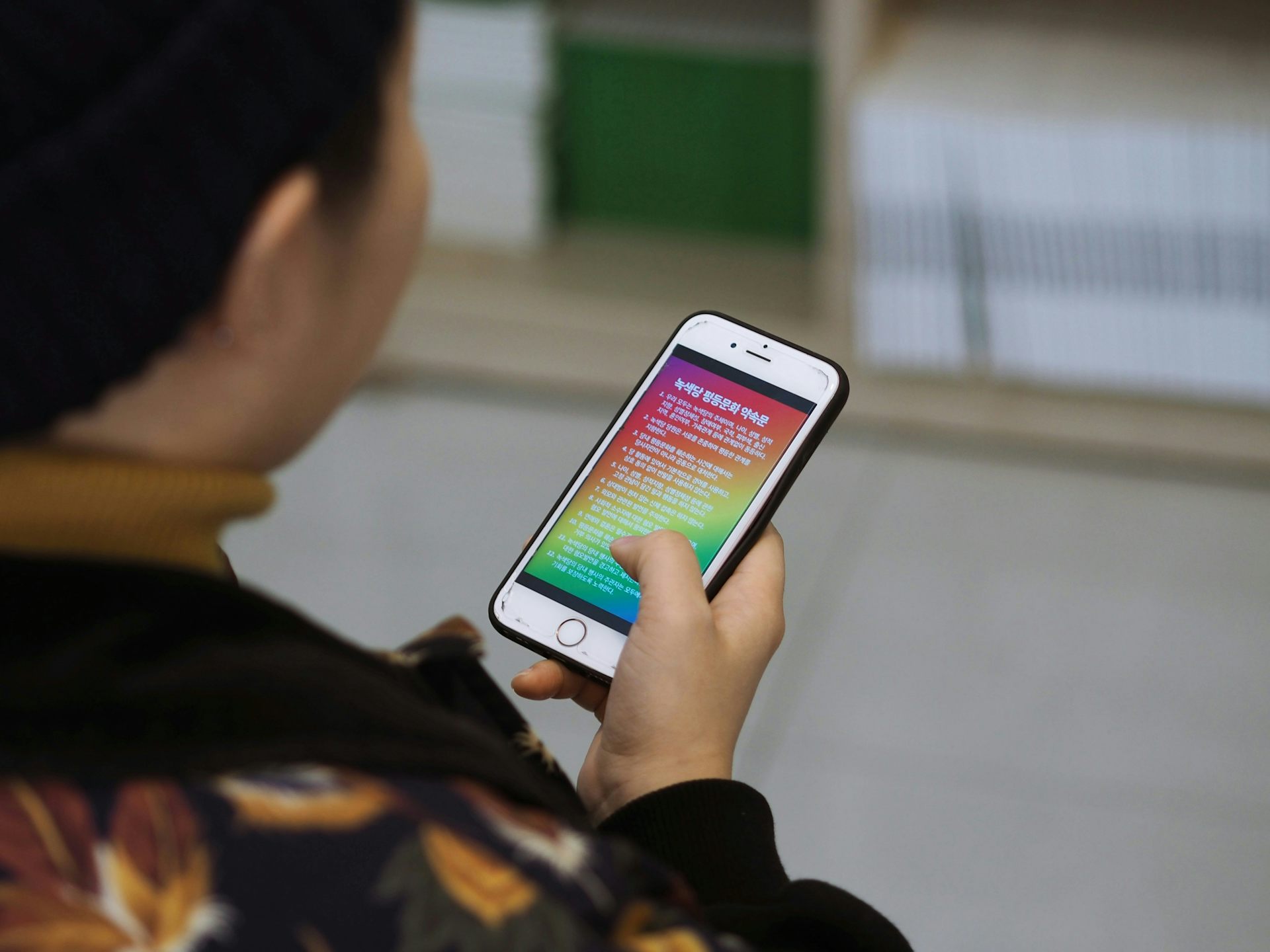
Although such strategies might be adaptive in some contexts, they reduce overall comprehension. This possibility should be especially concerning for children, because years of practice are needed to coordinate the mental systems that support adult levels of reading skill.
尽管这些策略在某些情况下可能是适应性的,但它们会降低整体理解力。对于儿童来说,这种可能性尤其令人担忧,因为需要多年的练习来协调支持成人阅读技能的心理系统。
Such concerns have recently drawn more attention, because the onset of the COVID-19 pandemic caused a shift to online education and a marked increase in digital reading. Although these changes were motivated by practical necessity, their long-term consequences remain unclear.
最近,这些担忧受到了更多的关注,因为COVID-19疫情的爆发导致了教育模式转向线上,并显著增加了数字阅读。尽管这些变化是出于实际必要性,但其长期后果仍然不清楚。
So far, eye-tracking research has been carried out on computer screens. New technology is becoming available which will allow us to directly compare eye movements and comprehension between digital devices and paper. This should give us more clarity about the benefits versus costs of digital devices.
到目前为止,眼动追踪研究是在电脑屏幕上进行的。现在有新技术可用,可以让我们直接比较数字设备和纸张之间的眼动和理解力。这应该能让我们更清楚地了解数字设备的利弊。
Given reading ability is predictive of one’s education, socioeconomic status and wellbeing, the importance of assessing the long-term consequences of digital reading cannot be overstated.
鉴于阅读能力是预测一个人教育、社会经济地位和幸福感的指标,评估数字阅读长期后果的重要性怎么强调都不为过。
Erik D Reichle has received funding from the US National Institute of Health, US Institute of Education Sciences, UK Economic and Social Research Council, and Australian Research Council.
Erik D Reichle获得了美国国立卫生研究院、美国教育科学研究所、英国经济与社会研究委员会和澳大利亚研究委员会的资助。
Lili Yu does not work for, consult, own shares in or receive funding from any company or organisation that would benefit from this article, and has disclosed no relevant affiliations beyond their academic appointment.
Lili Yu不为任何受益于本文的公司或组织工作、提供咨询、拥有股份或接受资金,并且除了其学术任命外,未披露任何相关隶属关系。