最高法院关于《投票权法案》的裁决,使得保护少数群体投票权更加困难,并改变了未来选举的格局。
Supreme Court’s Voting Rights Act ruling makes it harde…
The conservative majority at the US Supreme Court has issued a ruling in a gerrymandering case that one liberal justice called the ‘now-completed demolition of the Voting Rights Act.’
美国最高法院的保守派多数派在一宗选区划分操纵案中发布了一项裁决,一位自由派法官称其为“投票权法案的彻底废除”。
In a major ruling that would permit weakening the voting power of minorities in the United States, the Supreme Court on April 29, 2026, struck down a Black-majority district in Louisiana’s congressional map as “an unconstitutional gerrymander” and altered the court’s interpretation of the Voting Rights Act.
在一项可能削弱美国少数族裔投票权的重大裁决中,最高法院于2026年4月29日宣布路易斯安那州的一张国会地图中黑人占多数的选区为“违宪的杰利蝥图”,并改变了法院对《投票权法案》的解释。
In a 6-3 decision, the court’s conservative majority argued that Louisiana had violated the law by drawing a second Black-majority district. Justice Samuel Alito wrote that the court was upholding a key part of the Voting Rights Act known as Section 2, which prohibits “voting practices or procedures that discriminate on the basis of race, color, or membership in one of the language minority groups identified” in the act.
在一项6比3的裁决中,法院的保守多数派辩称,路易斯安那州通过绘制第二个黑人占多数选区违反了法律。大法官萨缪尔·阿里托写道,法院正在维护《投票权法案》的一个关键部分,即第二条,该条款禁止“基于种族、肤色或属于所确定的语言少数群体成员资格的投票行为或程序”。
But the conservative justices also devised a new interpretation for its application based on historical developments. By doing that, the court majority made it more difficult for plaintiffs to challenge redistricting plans under the act.
但保守派大法官们也根据历史发展为该法案的适用制定了新的解释。通过这样做,法院多数派使得原告更难依据该法案挑战重新划分选区的计划。
In a dissent, Justice Elena Kagan called the decision the “latest chapter in the majority’s now-completed demolition of the Voting Rights Act.”
在一份异议意见书中,大法官埃琳娜·卡根称该裁决是“多数派对《投票权法案》已完成的瓦解的最新一章”。
Kagan, joined by the other two liberal justices, argued that the decision will make it effectively impossible to use race in redistricting – as has been done historically under the Voting Rights Act – and more difficult to prove discrimination under the act. She wrote, “The court’s decision will set back the foundational right Congress granted of racial equality in electoral opportunity.”
卡根与其他两位自由派大法官一起辩称,该裁决将使得在重新划分选区时利用种族变得实际上不可能——正如《投票权法案》历史上所做的那样——并使得证明该法案下的歧视变得更加困难。她写道:“法院的裁决将挫伤国会赋予的选举机会中的种族平等这一基础权利。”
I’m a scholar of national political institutions, election law and democratic representation. The timing of the case carries major implications for the 2026 midterm elections. The decision, by weakening the Voting Rights Act, could make it easier for states to draw partisan gerrymanders of their congressional districts that reduce the power of minorities.
我是一位国家政治制度、选举法和民主代表制度的学者。该案件的时机对2026年中期选举具有重大影响。该裁决通过削弱《投票权法案》,可能会让各州更容易绘制党派杰利蝥图,从而削弱少数族裔的力量。
Long legal battle
长期法律战
The central question in the case was to what extent race can, or must, be used when congressional districts are redrawn.
该案的核心问题是:在重新划分国会选区时,种族可以在多大程度上,或者是否必须被使用。
Plaintiffs challenged whether the longstanding interpretation of Section 2 of the Voting Rights Act, which requires protection of minority voting power in redistricting, violates the equal protection clause of the U.S. Constitution, which guarantees that individuals should be treated the same by the law.
原告质疑《投票权法》第二条长期解释是否违反了《美国宪法》的平等保护条款,该条款保证个人应受到法律的平等对待。
In short, the plaintiffs argued that the state of Louisiana’s use of race to make a second Black-majority district was forbidden by the U.S. Constitution. From my perspective as a scholar of U.S. federal courts and electoral systems, this case represent the collision of decades of Supreme Court decisions on race, redistricting and the Voting Rights Act.
简而言之,原告辩称,路易斯安那州利用种族来设立第二个黑人多数选区,违反了《美国宪法》。从我作为美国联邦法院和选举制度学学者的角度来看,此案代表了最高法院关于种族、选区划分和《投票权法》数十年来判决的冲突。
To understand the stakes of the current case, it’s important to know what the Voting Rights Act does. Initially passed in 1965, the act helped end decades of racially discriminatory voting laws by providing federal enforcement of voting rights.
要了解当前案件的争议焦点,了解《投票权法》的作用非常重要。该法案最初于1965年通过,通过提供联邦层面的投票权执法,帮助结束了数十年的种族歧视投票法律。
Section 2 of the Voting Rights Act forbids discrimination by states in relation to voting rights and has been used for decades to challenge redistricting plans.
《投票权法》第二条禁止各州在投票权方面进行歧视,并已被用于挑战选区划分计划数十年。
Callais had its roots in the redistricting of Louisiana’s congressional districts following the 2020 Census. States are required to redraw districts each decade based on new population data. Louisiana lawmakers redrew the state’s six congressional districts without major changes in 2022.
卡莱斯案(Callais)的根源在于2020年人口普查后路易斯安那州国会选区的重新划分。各州需要每十年根据新的人口数据重新划分选区。2022年,路易斯安那州立法者在没有重大改变的情况下重新划分了该州的六个国会选区。
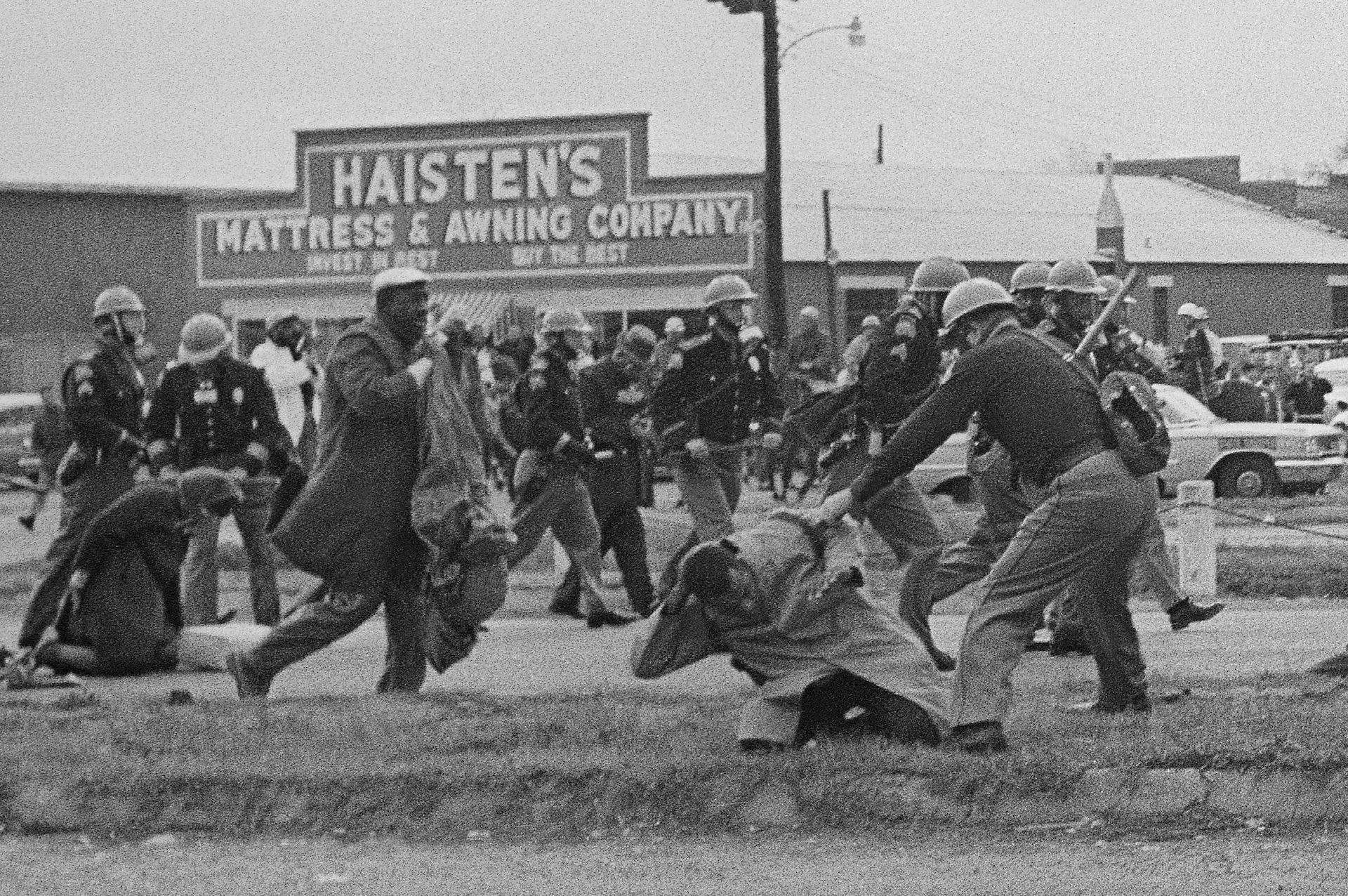
Soon after the state redistricted, a group of Black voters challenged the map in federal court as a violation of the Voting Rights Act. The plaintiffs argued that the new map was discriminatory because the voting power of Black citizens in the state was being illegally diluted. The state’s population was 31% Black, but only one of the six districts featured a majority-Black population.
州政府重新划分选区后不久,一群黑人选民在联邦法院挑战了该地图,称其违反了《投票权法》。原告辩称,新地图具有歧视性,因为该州黑人选民的投票权正在被非法稀释。该州人口中有31%是黑人,但六个选区中只有一个具有黑人多数人口。
Federal courts in 2022 sided with the plaintiffs’ claim that the plan did violate the Voting Rights Act and ordered the state legislature to redraw the congressional plan with a second Black-majority district.
2022年,联邦法院支持了原告的说法,即该计划确实违反了《投票权法》,并命令州立法机构重新划分国会选区,设立第二个黑人多数选区。
The judges relied on an interpretation of Section 2 of the Voting Rights Act from a 1986 Supreme Court decision in the case known as Thornburg v. Gingles. Under this interpretation, Section 2’s nondiscrimination requirement means that congressional districts must be drawn in a way that allows large, politically cohesive and compact racial minorities to be able to elect representatives of their choice.
法官们援引了1986年最高法院在“索恩伯格诉金格尔案”(Thornburg v. Gingles)中的判决,该判决对《投票权法》第二条做出了解释。根据这一解释,第二条的反歧视要求意味着国会选区必须以一种方式划分,从而允许大型、政治上凝聚且紧密的少数种族群体能够选举出他们选择的代表。
In 2023, the Supreme Court upheld a lower court’s interpretation of Section 2 of the Voting Rights Act in a similar racial gerrymandering case in Alabama.
2023年,最高法院在一个类似的阿拉巴马州种族划分选区案中,维持了下级法院对《投票权法》第二条的解释。
Louisiana lawmakers redraw districts
路易斯安那州立法者重划选区
Following the court order, the Louisiana state legislature passed Senate Bill 8 in January 2024, redrawing the congressional map and creating two districts where Black voters composed a substantial portion of the electorate in compliance with the Gingles ruling. This map was used in the 2024 congressional election and both Black-majority districts elected Democrats, while the other four districts elected Republicans.
在法院命令之后,路易斯安那州立法机构于2024年1月通过了参议院第8号法案,重划了国会地图,并创建了两个黑人选民构成大量选民的选区,以符合金格尔斯裁决(Gingles ruling)。该地图用于2024年国会选举,其中两个黑人多数选区选举出了民主党人,而其他四个选区则选举出了共和党人。
These new congressional districts from Senate Bill 8 were challenged by a group of white voters in 2024 in a set of cases that became Louisiana v. Callais.
这些来自参议院第8号法案的新国会选区于2024年被一群白人选民提起诉讼,形成了“路易斯安那州诉卡莱斯案”(Louisiana v. Callais)。
The plaintiffs argued that the Louisiana legislature’s drawing of districts based on race in Senate Bill 8 was in violation of the 14th Amendment’s equal protection clause, which requires equal treatment of individuals by the government, and the 15th Amendment, which forbids denying the right to vote based on race.
原告辩称,路易斯安那州立法机构在参议院第8号法案中基于种族划分选区,违反了《宪法》第14修正案的平等保护条款(equal protection clause),该条款要求政府平等对待个人,同时也违反了禁止基于种族剥夺投票权的《宪法》第15修正案。
Essentially, the plaintiffs claimed that the courts’ interpretation of Section 2 of the Voting Rights Act was unconstitutional and that the use of race to create a majority-minority district is itself discriminatory. Similar arguments about the 14th Amendment’s equal protection clause were also the basis of the Supreme Court’s recent decisions striking down race-based affirmative action in college admissions.
本质上,原告声称法院对《投票权法》第2节的解释违宪,并且使用种族来创建少数族裔多数选区本身就是歧视性的。关于《宪法》第14修正案平等保护条款的类似论点,也是最高法院近期废除大学招生中基于种族的平权行动(affirmative action)决定的基础。
In 2024, a three-judge district court sided with the white plaintiffs in Louisiana v. Callais, with a 2-1 decision. The Black plaintiffs from the original case and the state of Louisiana appealed the case to the Supreme Court. The court originally heard the case at the end of the 2024-2025 term before ordering the case reargued for 2025-2026.
2024年,在一个三法官的地区法院审理的“路易斯安那州诉卡莱斯案”中,法院以2比1的裁决支持了白人原告。原案中的黑人原告和路易斯安那州随后将此案上诉至最高法院。法院最初在2024-2025任期结束时审理了此案,随后命令将案件推迟至2025-2026任期再审。
Major implications
重大影响
The court’s opinion reinterprets key precedent on the Voting Rights Act and the application of Section 2 to redistricting. It carries major consequences for the federal courts, gerrymandering and the voting rights of individuals.
法院的意见重新解释了《选举权法》的关键先例,以及将第二条应用于重新划分选区的适用性。这对联邦法院、选区划分操纵(gerrymandering)和个人投票权具有重大影响。
For 39 years, Section 2 of the Voting Rights Act has required redistricting institutions to consider racial and ethnic minority representation when devising congressional districts. Majority-minority districting is required when a state has large, compact and cohesive minority communities. Historically, some states have redistricted minority communities in ways that dilute their voting power, such as “cracking” a community into multiple districts where they compose a small percentage of the electorate.
39年来,《选举权法》第二条要求重新划分选区的机构在制定国会选区时考虑种族和少数民族的代表性。当一个州拥有大型、紧凑且凝聚力的少数族裔社区时,就需要进行多数少数族裔选区划分。历史上,一些州曾以稀释其投票权的方式重新划分少数族裔社区,例如将一个社区“分割”(cracking)到多个选区,使其在选民中所占比例很小。
Section 2 also provided voters and residents with a legal tool that has been used to challenge districts as discriminatory. Many voters and groups have used Section 2 successfully to challenge redistricting plans.
第二条还为选民和居民提供了一个法律工具,该工具已被用于挑战具有歧视性的选区。许多选民和团体已成功利用第二条挑战重新划分选区的计划。
Section 2 has been the main legal tool for challenging racial discrimination in redistricting for the past decade. In 2013, the Supreme Court effectively ended the other major component of the Voting Rights Act, the preclearance provision, which required certain states to have changes to their elections laws approved by the federal government, including redistricting.
在过去十年中,第二条一直是挑战选区划分中种族歧视的主要法律工具。2013年,最高法院实际上终结了《选举权法》的另一个主要组成部分——预先批准条款,该条款要求某些州必须获得联邦政府批准才能修改其选举法律,包括重新划分选区。
In this case the court did not fully overrule the previous interpretation of Section 2, but it has altered its application. The effect is that it limits the legality of using race in redistricting and the most common way to challenge discriminatory redistricting.
在本案中,法院并未完全推翻第二条的先前解释,但改变了其适用性。其效果是限制了在重新划分选区中使用种族的合法性,也是挑战歧视性选区划分的最常见方式。
Additionally, because of the strong relationship between many minority communities and the Democratic party, the court’s decision has major implications for partisan control of the House of Representatives.
此外,由于许多少数族裔社区与民主党之间存在牢固的联系,法院的裁决对众议院的党派控制具有重大影响。
By changing the interpretation of Section 2, Republicans could use the ruling to redraw congressional districts across the country to benefit their party. Politico reported that Democrats could lose as many as 19 House seats if the Supreme Court sided with the lower court.
通过改变对第二条的解释,共和党人可以利用该裁决在全国范围内重新绘制国会选区以使本党受益。Politico报道称,如果最高法院支持下级法院的观点,民主党可能会失去多达19个众议院席位。
This case builds directly on a recent case also authored by Alito. In 2024, the court overruled a lower court’s finding of racial vote dilution in South Carolina.
本案直接建立在阿里托(Alito)撰写的另一项近期案件之上。2024年,法院推翻了下级法院关于南卡罗来纳州种族投票稀释的认定。
This is an updated version of a story that originally published on Oct. 13, 2025.
这是最初于2025年10月13日发表的一篇文章的更新版本。
Sam D. Hayes does not work for, consult, own shares in or receive funding from any company or organization that would benefit from this article, and has disclosed no relevant affiliations beyond their academic appointment.
Sam D. Hayes不为任何可能从本文中受益的公司或组织工作、提供咨询、拥有股份或接受资金,并且除了其学术任命之外,未披露任何相关隶属关系。