
从约克沃尔夫斯坦到皮特·赫格塞斯,虚假的《圣经》经文经常被政治化
From Wulfstan of York to Pete Hegseth, fake Bible verse…
How can the ostensibly evangelical Pete Hegseth place Quentin Tarantino on the same footing as the word of God? An example from the early 11th century provides clues.
表面上是福音派的皮特·赫格塞斯如何能将昆汀·塔伦蒂诺置于与神的话语同等地位?一个来自11世纪初的例子提供了线索。
How can Pete Hegseth, the United States defense secretary who claims to be a devout evangelical Christian, have placed Quentin Tarantino on the same footing as the word of God?
声称自己是虔诚的福音派基督徒的美国国防部长皮特·赫格塞斯,怎么能把昆汀·塔伦蒂诺的话与上帝的话置于同一等地位?
An example from the early 11th century explains how fake Bible passages can function smoothly in mergers of state and secular power.
一个来自11世纪初的例子解释了虚构的《圣经》段落如何在国家和世俗权力结合的过程中顺利运作。
Hegseth led a recent Pentagon prayer service with a fictitious Bible verse from Pulp Fiction. From outside the #MAGA ecosystem, this bold fabrication of a Biblical verse is confusing.
赫格塞斯最近在五角大楼主持了一场祈祷服务,引用了《犯罪小说》中的虚构《圣经》经文。对于#MAGA生态系统外部的人来说,这种大胆的《圣经》经文捏造令人困惑。
That’s because scripture is valued very highly by evangelical Protestants, and it may seem counter-intuitive or blasphemous for Hegseth, who has done so much to merge MAGA rule and militant Christianity, to proclaim Tarantino’s words as the word of God.
这是因为福音派新教徒非常重视《圣经》,对于赫格塞斯——他为融合MAGA统治和激进基督教做出了很多努力——宣称塔伦蒂诺的话是上帝的话,这可能显得违反直觉或亵渎神灵。
But he’s not the first Christian bureaucrat to write his own Biblical verse. In fact, the practice has a long tradition.
但他不是第一个写自己《圣经》经文的基督教官僚。事实上,这种做法有着悠久的历史传统。
Wulfstan of York
约克沃尔夫斯坦
An early example is Archbishop Wulfstan of York, who did something similar in a sermon called Be Godcundre Warnunge (God’s Threat to Sinning Israel) .
一个早期的例子是约克大主教沃尔夫斯坦,他在一篇名为《上帝对犯罪以色列的警告》(Be Godcundre Warnunge)的布道中做了类似的事情。
Wulfstan, who died in 1023, was both a public intellectual and one of the most powerful churchmen in England when the kingdom was under attack, initially, by non-Christian Danish forces.
沃尔夫斯坦于1023年去世,在他所处的时代,王国曾遭到攻击,最初的攻击来自非基督教的丹麦军队,当时他既是一位公共知识分子,也是英格兰最有权势的教会人士之一。
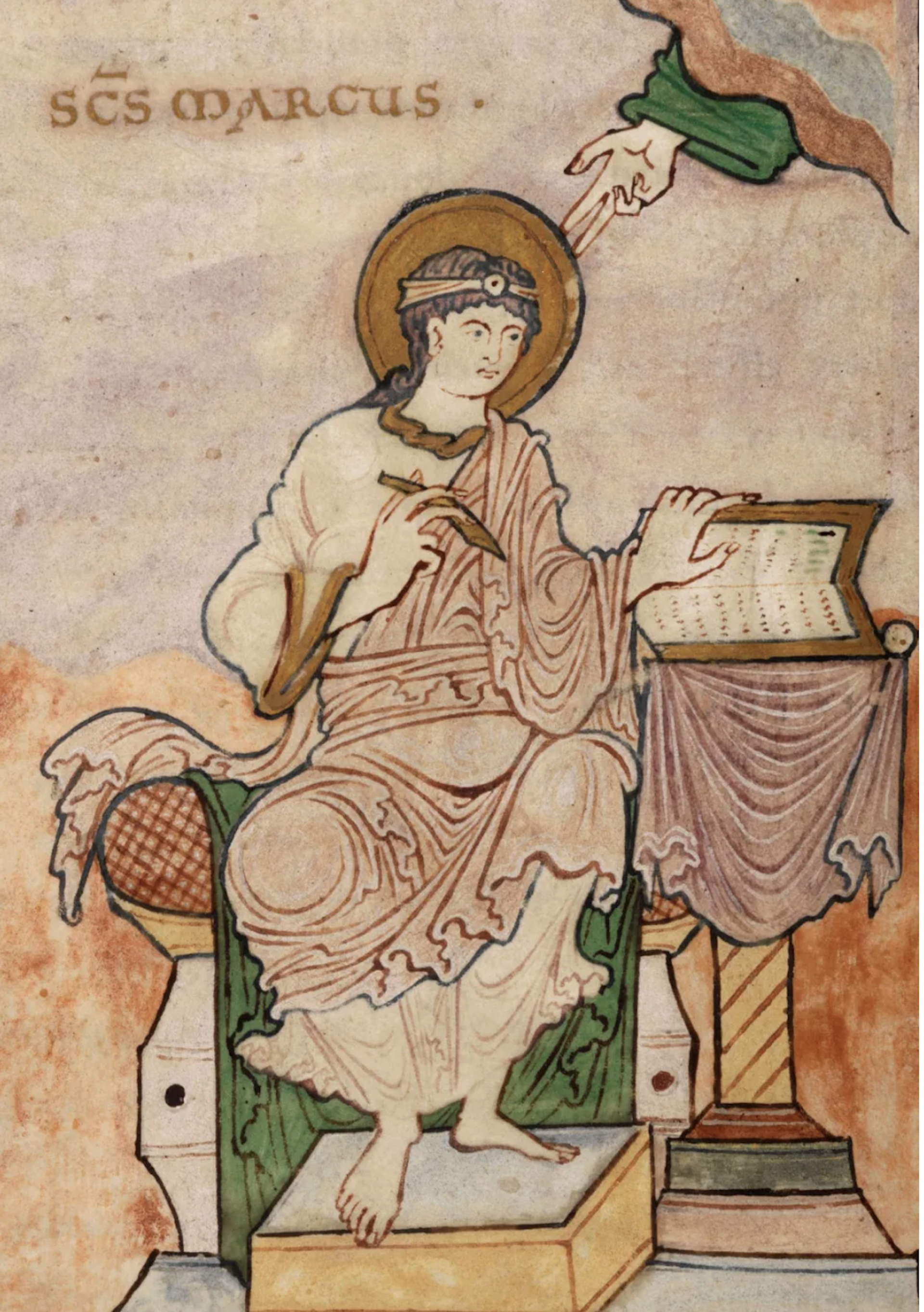
His generation of literate, high-ranking clerics had found an unusual symbiosis with their secular rulers, often serving them as bureaucrats. Wulfstan, for instance, not only supervised the church bureaucracy and lands; he also wrote laws in the names of successive secular kings.
他这一代受过教育、高阶的教士,与世俗统治者发现了一种不寻常的共生关系,经常为他们担任官僚。例如,沃尔夫斯坦不仅监督了教会的官僚机构和土地;他还以连续世俗国王的名义撰写法律。
These laws were vast and ambitious. Among many other things, they categorized clerical ranks and rights, regulated widow remarriage, expelled witches and gave a three-day respite to enslaved people (for fasting and praying) .
这些法律内容庞大且雄心勃勃。在许多其他方面,它们对教士的等级和权利进行了分类,规范了寡妇的再婚,驱逐了女巫,并为奴隶提供了为期三天的喘息期(用于禁食和祈祷)。
The laws placed many previously local or unlegislated matters under kingly sovereignty and declared the co-equality of king and God (represented on Earth by archbishops) . As such, they both empowered the increasingly centralized state and merged it with, even subsumed it under, church authority.
这些法律将许多以前属于地方性或未立法处理的事项置于国王的主权之下,并宣布了国王与上帝(在世上由大主教代表)的平等地位。因此,它们既增强了日益集中的国家权力,又将其与教会权威融合,甚至将其纳入教会权威之下。
Chastised citizens
受到训诫的公民
In some of Wulfstan’s sermons he used a prophetic voice, chastising and threatening in God’s name like the Biblical prophets Isaiah and Ezekiel.
在一些伍尔夫斯坦的布道中,他使用了先知般的嗓音,奉上帝的名训诫和威胁,就像《圣经》中的先知以赛亚和以结一样。
This was not usual in his milieu, although there are some medieval examples: the 14-century Swedish/Roman abbess St. Birgitta, for instance, openly rebuked the Pope in the voice of Jesus Christ.
这在他所处的环境中并不常见,尽管也有一些中世纪的例子:例如,14世纪的瑞典/罗马修女院长圣比尔吉塔,曾以耶稣基督的声音公开斥责教皇。
Wulfstan’s most famous speech, Sermo Lupi (The Wolf’s Sermon) in 1014, excoriates the English for their sins, saying they’d invited the Danish invasion, and stresses the importance of tithing, praying and respecting the Church.
伍尔夫斯坦最著名的演讲《狼的布道》(Sermo Lupi),发表于1014年,严厉批评了英国人犯下的罪过,说他们招致了丹麦人的入侵,并强调了什一税、祈祷和尊重教会的重要性。
The 1,000-year-old speech uses surprisingly modern tropes: victimized nationalism, claims of mass sexual vulnerability and an authoritative voice that speaks clearly for both religious and secular power. (The Danes Wulfstan reviles in this sermon did successfully conquer England for a time, and Wulfstan then served the newly Christian King Cnut as a lawmaker) .
这篇拥有千年历史的演讲使用了出人意料的现代手法:受害者民族主义、大规模性脆弱性的宣称,以及一个清晰地代表宗教和世俗权力的权威声音。(伍尔夫斯坦在这篇布道中抨击的丹麦人曾一度成功征服了英格兰,随后伍尔夫斯坦为新基督教国王克努特担任立法者。)
Translation and forgery
翻译与伪造
There was at this time no ban on Bible translation; learned churchmen like Wulfstan often translated scripture into the vernacular for pedagogical or pastoral reasons. In Western Europe, the Latin Vulgate, largely translated by St. Jerome in the fourth century from Hebrew and Greek, was the standard scriptural text.
当时没有禁止翻译《圣经》;像沃尔夫斯坦(Wulfstan)这样的学者教会人士经常出于教学或牧养目的,将经文翻译成当地通俗语言。在西欧,拉丁文《武加大译本》(Latin Vulgate),主要由圣杰罗姆(St. Jerome)在四世纪从希伯来语和希腊语翻译而来,是标准的经文文本。
Wulfstan’s later sermon, Be Godcundre Warnunge, quotes the book of Leviticus, Chapter 26, first in Latin and then old English, the language most listeners could actually understand. The passage describes God’s devastating potential vengeance if ancient Hebrews break the covenant; in Wulfstan’s loose and stylish translation, it is transparently about the present-day English at the time.
沃尔夫斯坦后来的布道文《Be Godcundre Warnunge》引用了《利未记》第26章,先用拉丁语,然后用古英语,这是听众最能理解的语言。这段经文描述了如果古代希伯来人打破盟约,上帝可能带来的毁灭性报复;但在沃尔夫斯坦自由而富有风格的翻译中,它明显地指向了当时的现代英语。
There is nothing odd about translating the Bible, especially the part called the Hebrew Bible or Old Testament, into the vernacular in a way people can understand better.
将《圣经》,特别是被称为《希伯来圣经》或《旧约》的部分,翻译成人们更容易理解的通俗语言,这本身没有什么奇怪的。
What’s unusual is that while Wulfstan explicitly says that both passages are God’s words from the Bible, about half of the Latin is Wulfstan’s own composition: Leviticus 26:14-45 is summarized in his distinct barn-burning, hypnotically rhythmic style.
奇怪的是,尽管沃尔夫斯坦明确指出这两段经文都是《圣经》中的上帝的话语,但其中大约一半的拉丁文却是沃尔夫斯坦自己创作的:他用其独特的、如同烧谷仓般、催眠般有节奏的风格总结了《利未记》26:14-45节。
An example: In place of a more mundane verse about being overpowered by and fleeing enemies, Wulstan writes: “… et persequentur uos inimici uestri, et fugietis nullo persequente” (and you will be pursued by your enemies, and you will flee pursued by no one) .
一个例子:在原本关于被敌人压倒并逃跑的平淡经文取代之后,沃尔夫斯坦写道:“…… et persequentur uos inimici uestri, et fugietis nullo persequente”(你们将被敌人追赶,而你们将逃离无人追赶之地)。
Enduring popularity
持久的人气
It’s likely other churchmen at the time noticed Wulfstan wrote these supposed Vulgate verses himself. But there’s no evidence anyone was bothered by it.
当时的其他教士很可能注意到沃尔夫斯坦自己撰写了这些所谓的《武加大译本》经文。但没有证据表明有人为此感到困扰。
This vibrant Latin/English sermon was copied into other manuscripts and continued to be popular into the 12th century, even after the Norman Conquest had marginalized the English language in the church.
这篇生动的拉丁语/英语布道文被抄录到其他手稿中,并在诺曼征服使英语在教会边缘化之后,一直保持着在12世纪的流行。
This was also not Wulfstan’s first “forgery.” As scholar Nicholas P. Schwartz, an expert in Anglo-Saxon history, notes, Wulfstan had earlier in his career authored The Laws of Edgar and Guthrum, which was presented as a 150-year-old political document.
这也不是沃尔夫斯坦第一次“伪造”。正如盎格鲁-撒克逊历史专家学者尼古拉斯·P·施瓦茨所指出的,沃尔夫斯坦在他职业生涯早期曾撰写过《埃德加和古特鲁姆法典》,该法典被呈现为一份有150年历史的政治文件。
On these occasions, as with Wulfstan’s ghost-written laws, he does not seem to have been trying particularly hard to cover his tracks. Wulfstan had in essence become the voice of God in England, authorized to interpret and convey God’s will. He had also been gifted with great creativity and inventiveness with which to do so. Attribution was clearly a minor detail.
在这些场合,就像沃尔夫斯坦的代笔法律一样,他似乎并没有特别努力地掩盖自己的痕迹。沃尔夫斯坦本质上已经成为了英格兰上帝的声音,被授权解释和传达上帝的旨意。他还拥有巨大的创造力和发明力来做到这一点。署名显然只是一个次要细节。
The demands of Christian leadership
基督教领导力的要求
This merging of many forms of authority, both secular and religious (already so obvious in Donald Trump, who has imagined himself as Jesus) may well explain Hegseth’s creative borrowing, as well as for its general acceptance by his political allies.
这种世俗和宗教多种权威形式的融合(在将自己想象成耶稣的唐纳德·特朗普身上已经非常明显)或许可以解释赫格塞特(Hegseth)的创造性借鉴,以及其获得政治盟友普遍接受的原因。
As with Wulfstan, Hegseth sees himself as responsible for conveying and implementing what he sees as God’s revealed will — in this case, apocalyptic racial violence — through a militant, theocratic state apparatus.
与伍尔夫斯坦(Wulfstan)一样,赫格塞特认为自己有责任通过一个激进的、神权制的国家机器来传达和实施他所认为的是上帝启示的旨意——在这种情况下,指的是末世的种族暴力。
Borrowing and supplementing the divine voice is a traditional aspect of what Hegseth apparently regards as his job.
借鉴和补充神的声音,是赫格塞特显然认为自己工作的一部分传统方面。
Mo Pareles is affiliated with the Jewish Faculty Network.
Mo Pareles隶属于犹太教教职员工网络。