
من وولفستان من يورك إلى بيت هيجسيث، غالباً ما تم تسييس آيات الكتاب المقدس المزيفة.
From Wulfstan of York to Pete Hegseth, fake Bible verses have often been politicized
How can the ostensibly evangelical Pete Hegseth place Quentin Tarantino on the same footing as the word of God? An example from the early 11th century provides clues.
كيف يمكن لبيت هيجسيث، الذي يبدو أنه إنجيلي، أن يضع كوينتن تارانتينو في نفس منزلة كلمة الله؟ يقدم مثال من أوائل القرن الحادي عشر أدلة.
How can Pete Hegseth, the United States defense secretary who claims to be a devout evangelical Christian, have placed Quentin Tarantino on the same footing as the word of God?
كيف يمكن لبيت هيجست، وزير الدفاع الأمريكي الذي يدعي أنه مسيحي إنجيلي متدين، أن يضع كوينتن تارانتينو في نفس مستوى كلمة الله؟
An example from the early 11th century explains how fake Bible passages can function smoothly in mergers of state and secular power.
يوضح مثال من أوائل القرن الحادي عشر كيف يمكن للمقاطع الكتابية المزيفة أن تعمل بسلاسة في عمليات دمج السلطة الدولة والسلطة العلمانية.
Hegseth led a recent Pentagon prayer service with a fictitious Bible verse from Pulp Fiction. From outside the #MAGA ecosystem, this bold fabrication of a Biblical verse is confusing.
قاد هيجست مؤخرًا خدمة صلاة في البنتاغون باستخدام آية كتابية وهمية من فيلم “Pulp Fiction.” ومن خارج منظومة #MAGA، فإن هذا التلفيق الجريء لآية كتابية أمر محير.
That’s because scripture is valued very highly by evangelical Protestants, and it may seem counter-intuitive or blasphemous for Hegseth, who has done so much to merge MAGA rule and militant Christianity, to proclaim Tarantino’s words as the word of God.
هذا لأن الكتاب المقدس له قيمة عالية جدًا لدى البروتستانت الإنجيليين، وقد يبدو الأمر غير بديهي أو كفرًا أن يعلن هيجست، الذي فعل الكثير لدمج حكم #MAGA والمسيحية المتشددة، أن كلمات تارانتينو هي كلمة الله.
But he’s not the first Christian bureaucrat to write his own Biblical verse. In fact, the practice has a long tradition.
لكنه ليس أول بيروقراطي مسيحي يكتب آيته الكتابية الخاصة. في الواقع، لهذه الممارسة تقليد طويل.
Wulfstan of York
وولفستان من يورك
An early example is Archbishop Wulfstan of York, who did something similar in a sermon called Be Godcundre Warnunge (God’s Threat to Sinning Israel) .
مثال مبكر هو الأرشمندريا وولفستان من يورك، الذي قام بشيء مماثل في عظة تسمى “تهديد الإله لإسرائيل الخاطئة” (Be Godcundre Warnunge) .
Wulfstan, who died in 1023, was both a public intellectual and one of the most powerful churchmen in England when the kingdom was under attack, initially, by non-Christian Danish forces.
كان وولفستان، الذي توفي عام 1023، مفكراً عاماً وأحد أقوى رجال الدين في إنجلترا عندما كانت المملكة تتعرض لهجوم، في البداية، من قبل قوات دنماركية غير مسيحية.
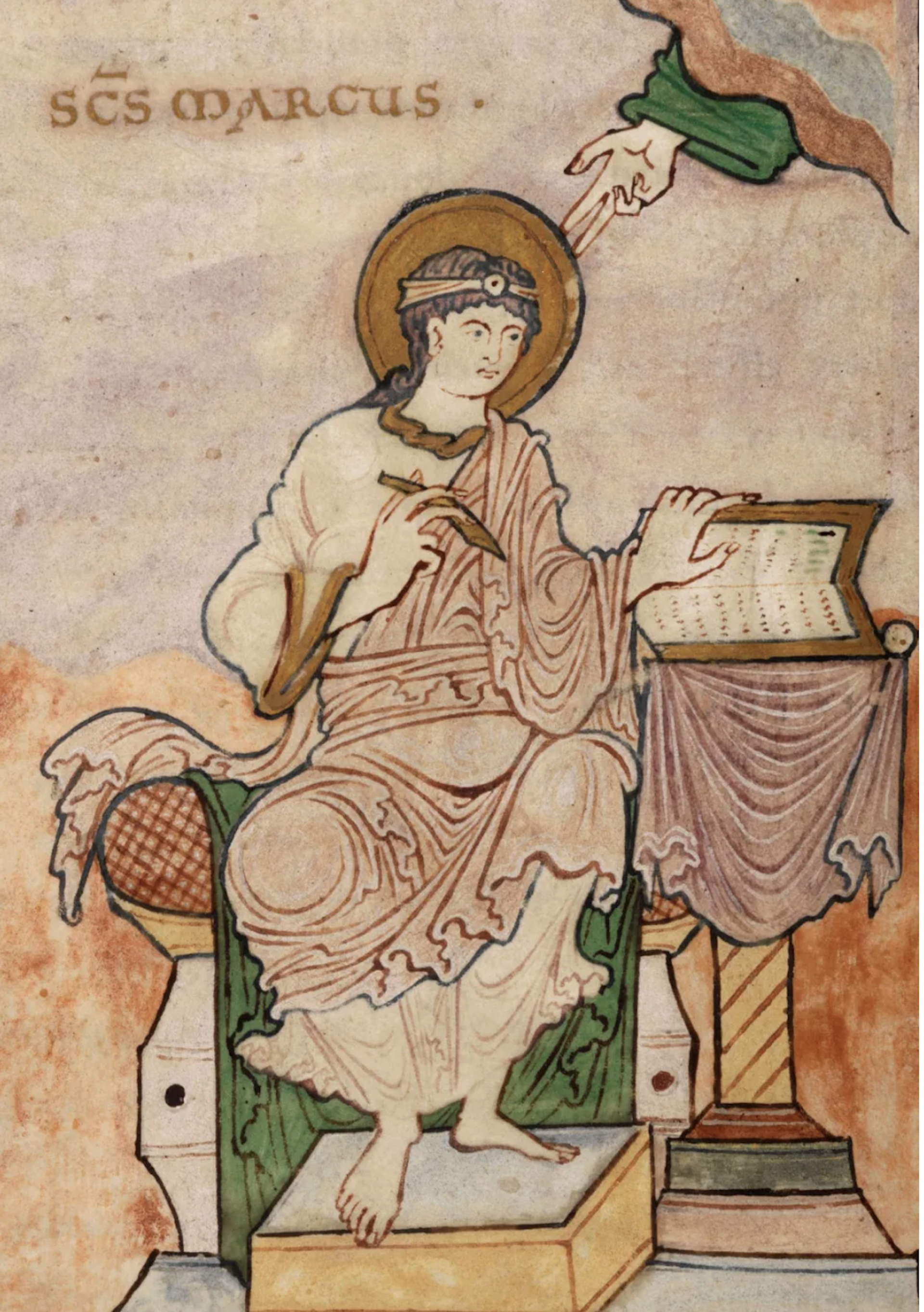
His generation of literate, high-ranking clerics had found an unusual symbiosis with their secular rulers, often serving them as bureaucrats. Wulfstan, for instance, not only supervised the church bureaucracy and lands; he also wrote laws in the names of successive secular kings.
لقد وجد جيله من رجال الدين المثقفين ورفيعي المستوى تعايشاً غير عادي مع حكامهم العلمانيين، حيث خدموهم غالباً كبُروكرات. فمثلاً، لم يقتصر وولفستان على الإشراف على البيروقراطية والأراضي الكنسية فحسب؛ بل كتب أيضاً القوانين باسم الملوك العلمانيين المتعاقبين.
These laws were vast and ambitious. Among many other things, they categorized clerical ranks and rights, regulated widow remarriage, expelled witches and gave a three-day respite to enslaved people (for fasting and praying) .
كانت هذه القوانين واسعة وطموحة. فمن بين أمور كثيرة أخرى، صنفت الرتب والحقوق الكهنوتية، ونظمت إعادة زواج الأرامل، وطرد الساحرات، ومنحت مهلة ثلاثة أيام للعبيد (للصيام والدعاء) .
The laws placed many previously local or unlegislated matters under kingly sovereignty and declared the co-equality of king and God (represented on Earth by archbishops) . As such, they both empowered the increasingly centralized state and merged it with, even subsumed it under, church authority.
وضعت القوانين العديد من الأمور التي كانت محلية أو غير تشريعية سابقاً تحت السيادة الملكية وأعلنت التساوي في القيمة بين الملك والإله (الممثل على الأرض من قبل الأرشمندريا) . وبذلك، عززت الدولة المركزية المتزايدة وقامت بدمجها، بل وأخضعتها، لسلطة الكنيسة.
Chastised citizens
المواطنون الموبَّخون
In some of Wulfstan’s sermons he used a prophetic voice, chastising and threatening in God’s name like the Biblical prophets Isaiah and Ezekiel.
في بعض عظات وولفستان، استخدم صوتاً نبوياً، مذمماً ومُهدِّداً باسم الله، على غرار الأنبياء الكتابيين إشعياء وحزقيال.
This was not usual in his milieu, although there are some medieval examples: the 14-century Swedish/Roman abbess St. Birgitta, for instance, openly rebuked the Pope in the voice of Jesus Christ.
لم يكن هذا أمراً معتاداً في محيطه، على الرغم من وجود بعض الأمثلة في العصور الوسطى: على سبيل المثال، وبيرجيتا، وهي رئيسة الأديرة السويدية/الرومانية في القرن الرابع عشر، وبّخت البابا علناً بصوت المسيح عيسى.
Wulfstan’s most famous speech, Sermo Lupi (The Wolf’s Sermon) in 1014, excoriates the English for their sins, saying they’d invited the Danish invasion, and stresses the importance of tithing, praying and respecting the Church.
خطاب وولفستان الأشهر، “عظة الذئب” (Sermo Lupi) عام 1014، يوبّخ الإنجليز على خطاياهم، قائلاً إنهم دعوا الغزو الدنماركي، ويشدد على أهمية العشور والدعاء واحترام الكنيسة.
The 1,000-year-old speech uses surprisingly modern tropes: victimized nationalism, claims of mass sexual vulnerability and an authoritative voice that speaks clearly for both religious and secular power. (The Danes Wulfstan reviles in this sermon did successfully conquer England for a time, and Wulfstan then served the newly Christian King Cnut as a lawmaker) .
يستخدم الخطاب الذي يعود تاريخه إلى ألف عام صوراً حديثة بشكل مدهش: القومية الضحية، والمزاعم المتعلقة بالضعف الجنسي الجماعي، وصوت سلطوي يتحدث بوضوح لكل من السلطة الدينية والعلمانية. (الدنماركيون الذين شتمهم وولفستان في هذه العظة نجحوا بالفعل في غزو إنجلترا لفترة من الزمن، وخدم وولفستان بعد ذلك الملك كنوت المسيحي حديثاً كواضع قوانين) .
Translation and forgery
الترجمة والتزوير
There was at this time no ban on Bible translation; learned churchmen like Wulfstan often translated scripture into the vernacular for pedagogical or pastoral reasons. In Western Europe, the Latin Vulgate, largely translated by St. Jerome in the fourth century from Hebrew and Greek, was the standard scriptural text.
لم يكن هناك في ذلك الوقت أي حظر على ترجمة الكتاب المقدس؛ فغالباً ما كان رجال الدين المتعلمون، مثل وولفستان، يترجمون النصوص المقدسة إلى اللغة العامية لأغراض تربوية أو رعوية. وفي أوروبا الغربية، كانت الترجمة اللاتينية الفولغيتية، التي ترجمها إلى حد كبير القديس ييرونيموس في القرن الرابع من العبرية واليونانية، هي النص الكتابي المعياري.
Wulfstan’s later sermon, Be Godcundre Warnunge, quotes the book of Leviticus, Chapter 26, first in Latin and then old English, the language most listeners could actually understand. The passage describes God’s devastating potential vengeance if ancient Hebrews break the covenant; in Wulfstan’s loose and stylish translation, it is transparently about the present-day English at the time.
تقتبس خطبة وولفستان اللاحقة، “Be Godcundre Warnunge”، من سفر اللاويين، الإصحاح 26، أولاً باللاتينية ثم بالإنجليزية القديمة، وهي اللغة التي كان معظم المستمعين يفهمونها بالفعل. يصف المقطع انتقام الله المدمر المحتمل إذا كسر الهيبراويون القدماء العهد؛ وفي ترجمة وولفستان السائبة والأنيقة، يتضح أنها تتعلق بالإنجليزية المعاصرة في ذلك الوقت.
There is nothing odd about translating the Bible, especially the part called the Hebrew Bible or Old Testament, into the vernacular in a way people can understand better.
لا يوجد شيء غريب في ترجمة الكتاب المقدس، وخاصة الجزء المسمى الكتاب المقدس العبري أو العهد القديم، إلى لغة يفهمها الناس بشكل أفضل.
What’s unusual is that while Wulfstan explicitly says that both passages are God’s words from the Bible, about half of the Latin is Wulfstan’s own composition: Leviticus 26:14-45 is summarized in his distinct barn-burning, hypnotically rhythmic style.
المثير للغرابة هو أنه بينما يذكر وولفستان صراحة أن كلا المقطعين هما كلمات من الله من الكتاب المقدس، فإن ما يقرب من نصف النص اللاتيني هو تأليف وولفستان الخاص: حيث يتم تلخيص اللاويين 26: 14-45 في أسلوبه المميز الذي يحرق الأخشاب ويتميز بالإيقاع المنوم.
An example: In place of a more mundane verse about being overpowered by and fleeing enemies, Wulstan writes: “… et persequentur uos inimici uestri, et fugietis nullo persequente” (and you will be pursued by your enemies, and you will flee pursued by no one) .
مثال: فبدلاً من آية أكثر اعتيادية حول التعرض للغزو والفرار من الأعداء، يكتب وولفستان: “… et persequentur uos inimici uestri, et fugietis nullo persequente” (وسيطاردونكم أعداؤكم، وتهربون من مطاردة أحد) .
Enduring popularity
الشعبية المستمرة
It’s likely other churchmen at the time noticed Wulfstan wrote these supposed Vulgate verses himself. But there’s no evidence anyone was bothered by it.
من المحتمل أن يكون رجال الدين الآخرون في ذلك الوقت قد لاحظوا أن وولفستان كتب آيات الكتاب المقدس (الڤولغيت) المزعومة هذه بنفسه. ولكن لا يوجد دليل على أن أحداً ما اهتم بذلك.
This vibrant Latin/English sermon was copied into other manuscripts and continued to be popular into the 12th century, even after the Norman Conquest had marginalized the English language in the church.
تم نسخ هذا العظة اللاتينية/الإنجليزية النابضة بالحياة في مخطوطات أخرى واستمرت في كونها شائعة حتى القرن الثاني عشر، حتى بعد أن أدت الغزو النورماندي إلى تهميش اللغة الإنجليزية في الكنيسة.
This was also not Wulfstan’s first “forgery.” As scholar Nicholas P. Schwartz, an expert in Anglo-Saxon history, notes, Wulfstan had earlier in his career authored The Laws of Edgar and Guthrum, which was presented as a 150-year-old political document.
لم تكن هذه أول “تزوير” لوولفستان. وكما يشير الباحث نيكولاس ب. شوارتز، الخبير في التاريخ الأنجلو-ساكسوني، فقد ألف وولفستان سابقاً في مسيرته “قوانين إدغار وغوتروم”، والتي قُدمت على أنها وثيقة سياسية عمرها 150 عاماً.
On these occasions, as with Wulfstan’s ghost-written laws, he does not seem to have been trying particularly hard to cover his tracks. Wulfstan had in essence become the voice of God in England, authorized to interpret and convey God’s will. He had also been gifted with great creativity and inventiveness with which to do so. Attribution was clearly a minor detail.
في هذه المناسبات، وكما حدث مع القوانين المنسوبة إلى شبح وولفستان، لا يبدو أنه كان يحاول بشدة إخفاء أثره. لقد أصبح وولفستان في جوهره صوت الله في إنجلترا، ومُفوَّضاً بتفسير وإيصال إرادة الله. كما مُنح إبداعاً وابتكاراً عظيماً للقيام بذلك. كان نسب العمل تفصيلاً ثانوياً بوضوح.
The demands of Christian leadership
مطالب القيادة المسيحية
This merging of many forms of authority, both secular and religious (already so obvious in Donald Trump, who has imagined himself as Jesus) may well explain Hegseth’s creative borrowing, as well as for its general acceptance by his political allies.
قد يفسر هذا الدمج للعديد من أشكال السلطة، سواء كانت علمانية أو دينية (وهو أمر واضح بالفعل في دونالد ترامب، الذي تصوّر نفسه على أنه يسوع) ، الاقتباس الإبداعي لهيغسيته، وكذلك قبوله العام من قبل حلفائه السياسيين.
As with Wulfstan, Hegseth sees himself as responsible for conveying and implementing what he sees as God’s revealed will — in this case, apocalyptic racial violence — through a militant, theocratic state apparatus.
مثل وولفستان، يرى هيغسيته نفسه مسؤولاً عن نقل وتطبيق ما يعتبره الإرادة الإلهية المُوحى بها — وفي هذه الحالة، العنف العنصري الأبستمولوجي — من خلال جهاز دولة ثيوقراطي ومقاتل.
Borrowing and supplementing the divine voice is a traditional aspect of what Hegseth apparently regards as his job.
يُعد الاقتباس وتكملة الصوت الإلهي جانباً تقليدياً مما يعتبره هيغسيته بوضوح وظيفته.
Mo Pareles is affiliated with the Jewish Faculty Network.
مُو باريلس منتسب إلى شبكة أعضاء التدريس اليهودية.
Read more
-

هل تناول الفاكهة مرتبط بسرطان الرئة؟ إليك ما تحتاج معرفته عن تلك الدراسة الجديدة
Eating fruit is linked to lung cancer? Here’s what you need to know about that new study
-

ضائقة الشتات: عندما يتبع الصراع الجيوسياسي العمال المهاجرين إلى المكتب
Diaspora distress: When geopolitical conflict follows immigrant workers into the office