深海海绵在完全黑暗的环境中以我们以前不知道的方式生存
Deep-sea sponges survive in complete darkness in ways w…
Beyond the sunlit ocean lies a vast abyss where organisms have to recycle every scrap available.
在阳光照射的海洋之外,隐藏着一片广阔的深渊,这里的生物必须回收利用每一丝可用的资源。
When we think of marine life, we usually picture colourful coral reefs or dense seaweed forests filled with fish and other critters. The ocean that comes to mind is the one touched by sunlight.
当我们想到海洋生物时,通常会想象到色彩斑斓的珊瑚礁,或者充满鱼类和其他小生物的茂密海藻森林。我们脑海中浮现的海洋,是阳光能够触及到的那片海域。
However, most of the ocean is not like that. By volume, roughly 95% of the ocean consists of the permanently dark, cold deep sea. Despite such hostile conditions though, there is life in the ocean’s abyss.
然而,大部分的海洋并非如此。从体积上看,大约95%的海洋由永久黑暗、寒冷的深海构成。尽管环境如此恶劣,但在海洋深渊依然存在生命。
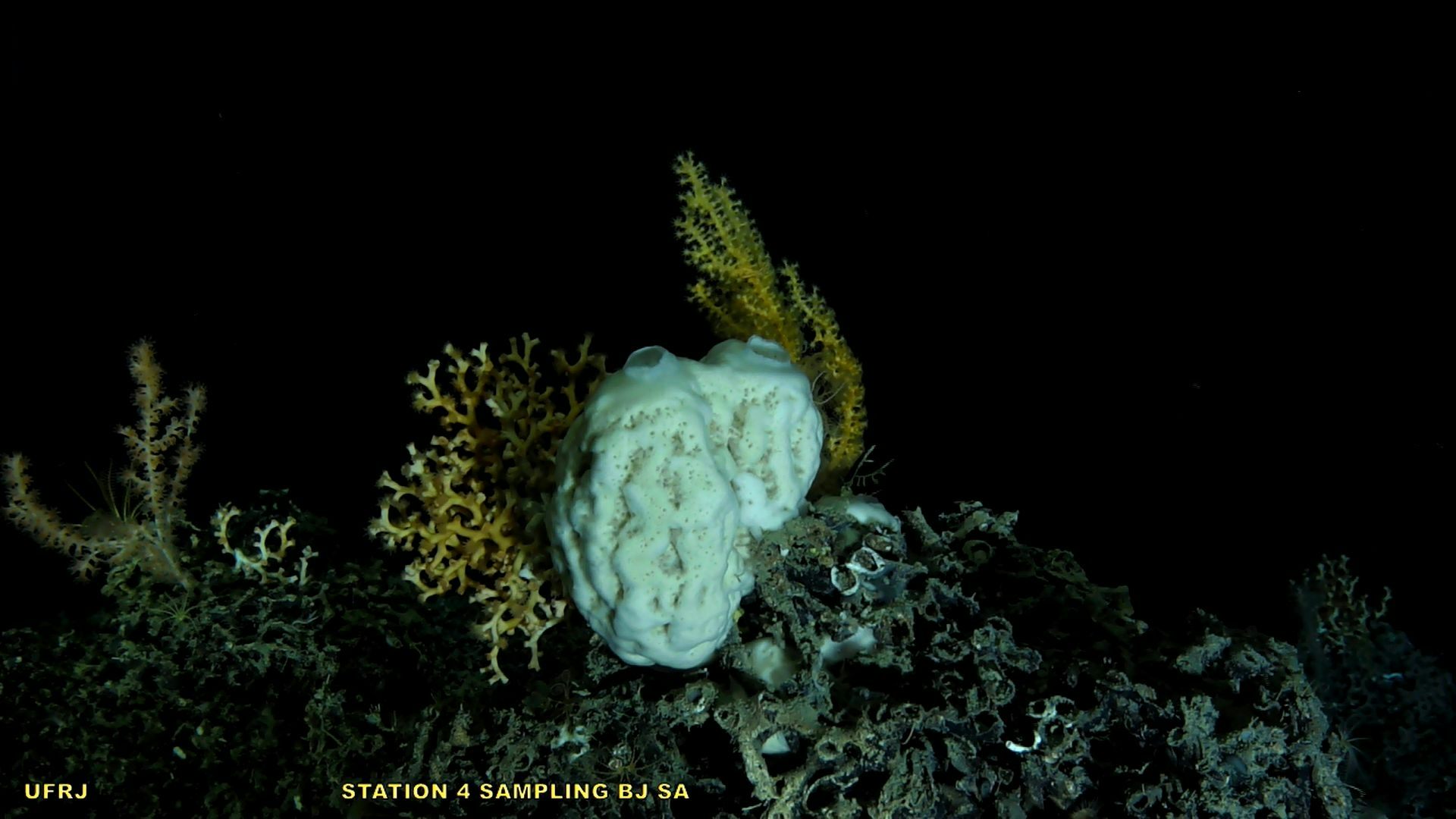
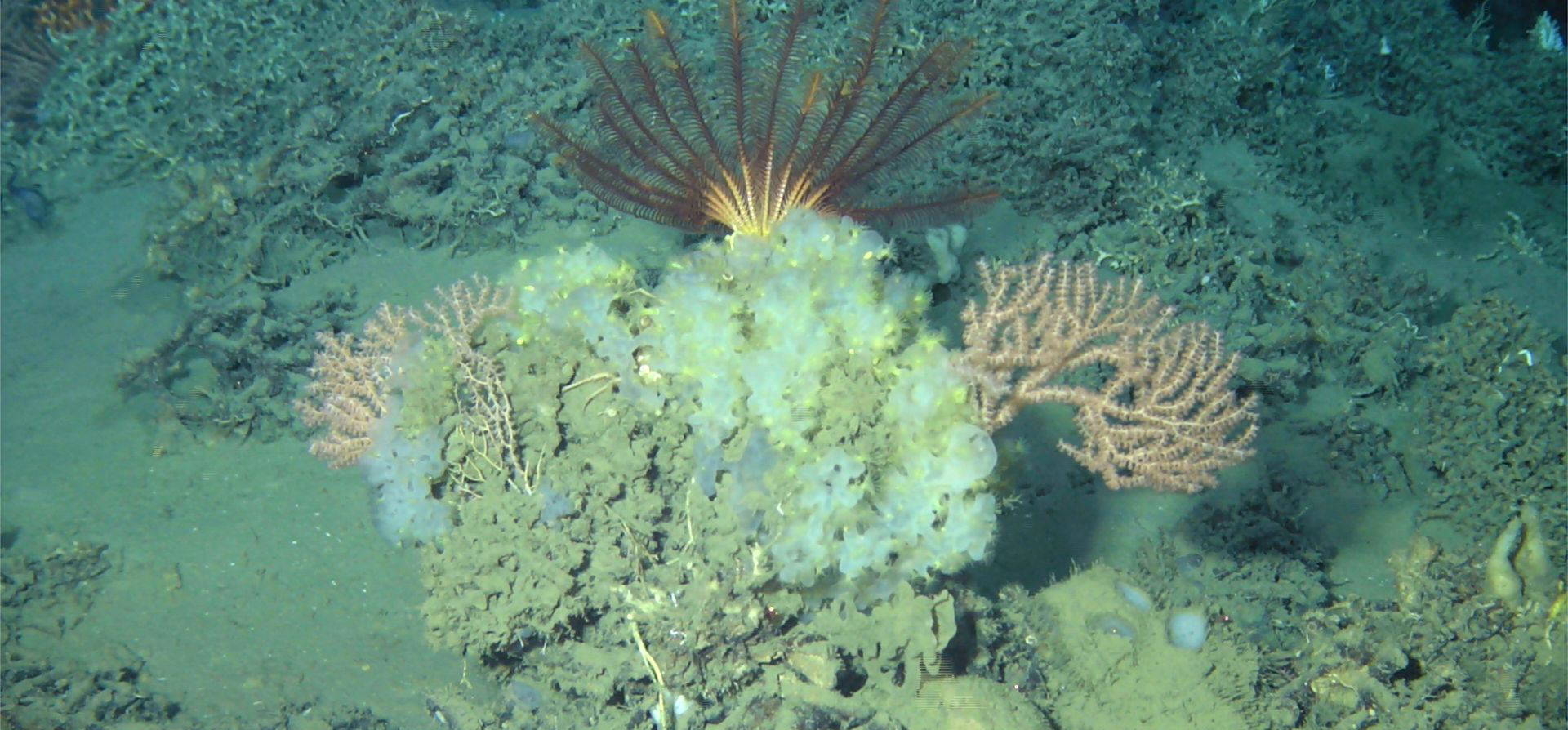
Deep-sea marine sponges are among the organisms that live in these mysterious dark waters. They form “gardens” that are among the largest ecosystems on the planet, some spanning thousands of square kilometres on the ocean floor. They act as ecosystem engineers, providing habitats to many other organisms living on the seafloor.
深海海绵是生活在这些神秘黑暗水域的生物之一。它们形成了“花园”,是地球上最大的生态系统之一,有些覆盖了海底数千平方公里。它们充当生态系统工程师,为生活在海底的许多其他生物提供栖息地。
Individual sponges can also pump and filter thousands of litres of water every day through their bodies. The nutrients they release support other organisms. Yet we know remarkably little about how sponges survive, let alone thrive, in the inhospitable environment of the deep-sea.
单个海绵每天也可以通过其身体泵送和过滤数千升的水。它们释放的营养物质支持着其他生物。然而,我们对海绵如何在深海这个不适宜居住的环境中生存,更不用说茁壮成长,知之甚少。
Symbiosis with microbes is an important part of how marine sponges live. We’ve been studying deep-sea sponges to better understand life in the ocean’s depths. So far, we’ve found some sponges are packed with microorganisms that use energy from chemical reactions.
与微生物的共生关系是海洋海绵生存的重要组成部分。我们一直在研究深海海绵,以更好地了解海洋深处的生命。到目前为止,我们发现一些海绵富含利用化学反应能量的微生物。
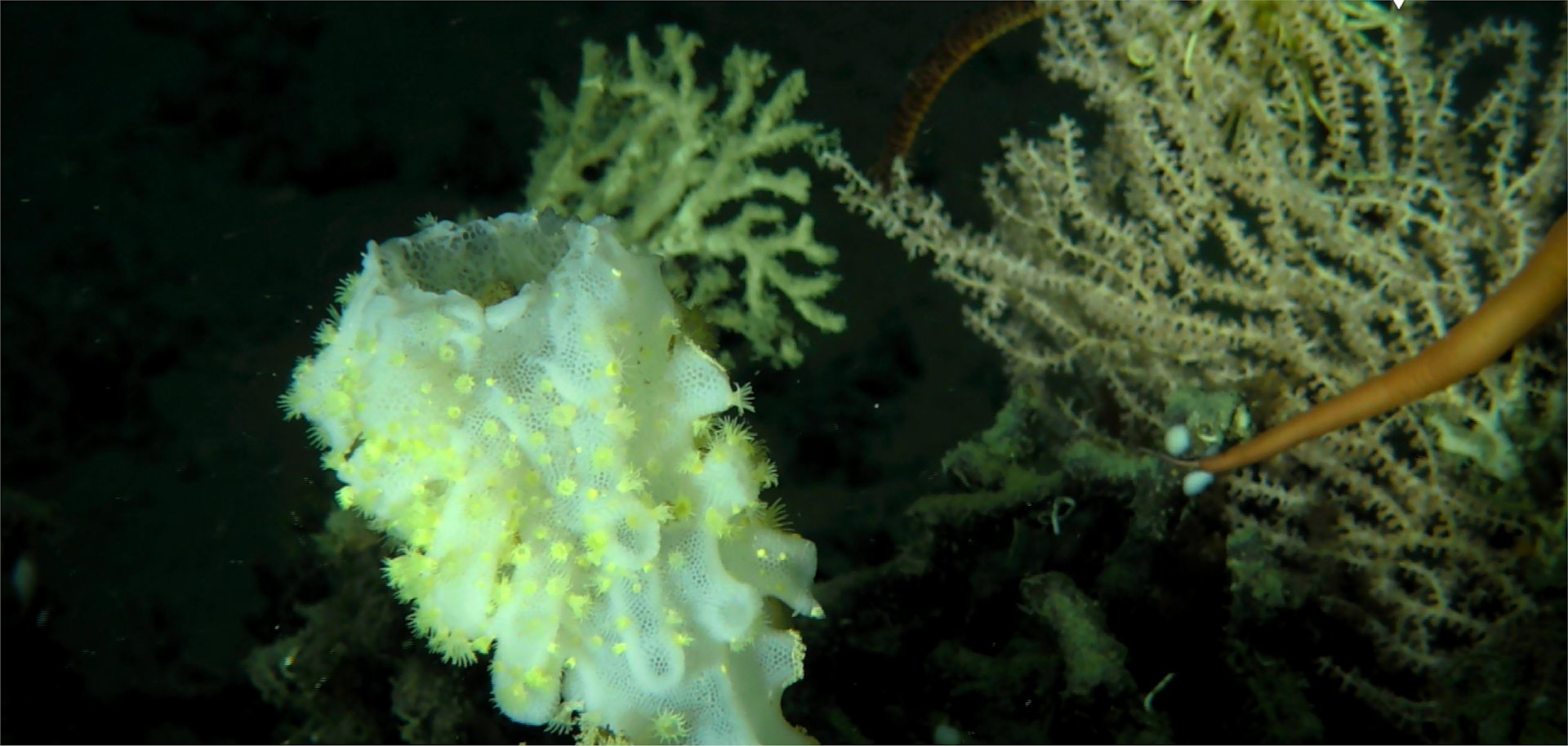
This is called chemosynthesis and is commonly found in other deep-sea organisms, such as mussels and tubeworms living in hydrothermal vents – deep-sea “hot springs”.
这被称为化学合成,在其他深海生物中也常见,例如生活在热液喷口(深海“温泉”)中的贻贝和管虫。
Our new study, published today in the journal Microbiome, shows sponges and their microbial partners also use a second strategy to make a living in the deep sea.
我们在《微生物组》期刊上发表的新研究表明,海绵及其微生物伙伴还利用了第二种策略在深海中维生。
Two strategies, one sponge
两种策略,一种海绵
All living organisms produce waste. Just like humans produce urine, many sponges produce ammonia as one of their waste products.
所有生物都会产生废物。就像人类会产生尿液一样,许多海绵也会产生氨作为其废物之一。
In this study, we analysed the Calyx species of deep-sea sponges from a depth of 830 metres.
在这项研究中,我们分析了来自深海 830 米深度的 Calyx 种海绵。
About 16% of their microbial partners use the familiar chemosynthesis process. With ammonia as the energy source, they use carbon dioxide dissolved in the water to build biomass – it’s a bit like plants growing through photosynthesis from sunlight, but in the dark.
大约 16% 的微生物伙伴利用熟悉的化学合成过程。它们以氨为能源,利用水中溶解的二氧化碳来构建生物质——这有点像植物通过光合作用利用阳光生长,但是在黑暗中。
In well-lit shallow waters, many sponges and corals have photosynthetic microbes that help them build biomass from carbon dioxide. Our findings show that in the dark depths of the ocean, sponges have microbial partners that use ammonia instead of light for the same process.
在光照充足的浅水中,许多海绵和珊瑚拥有光合微生物,帮助它们利用二氧化碳构建生物质。我们的研究结果表明,在深海的黑暗深处,海绵拥有微生物伙伴,它们用氨取代光能来完成相同的过程。
The remaining 84% of microbial partners are where it gets really interesting. Instead of chemosynthesis these microbes use heterotrophy, which means consuming organic matter to generate energy and biomass (like the vast majority of animals, humans are also heterotrophs) .
剩下的 84% 微生物伙伴就变得非常有趣了。这些微生物不进行化学合成,而是利用异养营养,这意味着它们通过消耗有机物质来产生能量和生物质(就像大多数动物一样,人类也是异养生物)。
The problem here is that there’s little organic matter in the deep sea. Whatever falls down from the surface waters, such as dead plankton and algae, gets stripped by bacteria and small crustaceans of anything easily digestible as it sinks through the water column.
这里的难题是深海的有机物质很少。无论从表层水域掉下来的物质,例如死浮游生物和藻类,在沉降通过水柱的过程中,都会被细菌和小型甲壳类动物剥离掉任何易于消化的物质。
So, the little amount of organic matter that reaches the seafloor is generally poor food for the sponge itself. But, as we discovered, not necessarily for its microbial partners.
因此,到达海底的少量有机物质通常对海绵本身来说是营养不良的。但正如我们发现的,这对它的微生物伙伴来说不一定如此。
It turns out the heterotrophic microbes in Calyx sponges have lots of enzymes specialised in breaking down complex compounds, such as xylan and pectin, which make up the hard-to-digest cell walls of algae.
事实证明,Calyx 海绵中的异养微生物拥有许多专门分解复杂化合物的酶,例如木聚糖和果胶,这些物质构成了难以消化的藻类细胞壁。
Feeding on these algal skeletons would allow the microbes to thrive and to transform organic molecules into nutrients their sponge host can use.
以这些藻类骨骼为食,可以使微生物茁壮成长,并将有机分子转化为其海绵宿主可以利用的营养物质。
Protecting what we don’t yet understand
保护我们尚未了解的事物
Our study shows that sponges and their microbial partners are complex, biogeochemical reactors. They use and recycle ammonia “urine”, carbon dioxide and hard-to-digest organics to generate biomass.
我们的研究表明,海绵及其微生物伙伴是复杂的生物地球化学反应器。它们利用和循环氨“尿素”、二氧化碳和难以消化的有机物来产生生物质。
The biomass can then support the growth of other organisms, such as brittle stars and fish, in turn supporting the broader community of animals living on the dark seafloor.
这些生物质随后可以支持其他生物的生长,例如海星和鱼类,进而支持生活在深海海底的更广泛的动物群落。
Unfortunately, these ecosystems are under pressure from human activities. Deep-sea trawling physically destroys sponge gardens. Deep-sea mining, now being actively pursued for rare metals used in batteries and electronics, threatens to disrupt the deep-sea habitat in ways that might take centuries to recover.
不幸的是,这些生态系统正受到人类活动的压力。深海拖网作业物理性地破坏了海绵花园。深海采矿业目前正积极追逐用于电池和电子产品的稀有金属,威胁到深海栖息地,其破坏可能需要数个世纪才能恢复。
The United Nations has recognised deep-sea sponge gardens as vulnerable marine ecosystems, a formal acknowledgement of both their ecological importance and their fragility. But recognition alone is not enough.
联合国已将深海海绵花园认定为脆弱海洋生态系统,这是对其生态重要性和脆弱性的正式认可。但仅有认可是不够的。
If we destroy these habitats before we fully understand their role in carbon transformation, then we may lose a critical piece of Earth’s carbon cycle before fully realising it was there.
如果我们我们在完全了解它们在碳转化中作用之前就破坏了这些栖息地,那么在我们完全意识到其存在之前,就可能失去地球碳循环的一个关键组成部分。
Torsten Thomas receives funding from the Betty and Gordon Moore Foundation USA and the Australian Government.
Torsten Thomas 获得美国贝蒂和戈登·摩尔基金会和澳大利亚政府的资助。
Alessandro N. Garritano does not work for, consult, own shares in or receive funding from any company or organisation that would benefit from this article, and has disclosed no relevant affiliations beyond their academic appointment.
Alessandro N. Garritano 不受任何从本文中受益的公司或组织的雇佣、咨询、拥有股份或获得资金,并且除了其学术任职之外,未披露任何相关隶属关系。