تنجو إسفنجيات أعماق البحار في الظلام الدامس بطرق لم نكن نعرفها من قبل
Deep-sea sponges survive in complete darkness in ways we didn’t know before
Beyond the sunlit ocean lies a vast abyss where organisms have to recycle every scrap available.
وراء المحيط المضاء بالشمس تكمن هاوية شاسعة يتعين على الكائنات الحية فيها إعادة تدوير كل فتات متاح.
When we think of marine life, we usually picture colourful coral reefs or dense seaweed forests filled with fish and other critters. The ocean that comes to mind is the one touched by sunlight.
عندما نفكر في الحياة البحرية، فإننا عادة ما نتخيل الشعاب المرجانية الملونة أو غابات الطحالب الكثيفة المليئة بالأسماك والكائنات الأخرى. والمحيط الذي يتبادر إلى الذهن هو المحيط الذي تلمسه أشعة الشمس.
However, most of the ocean is not like that. By volume, roughly 95% of the ocean consists of the permanently dark, cold deep sea. Despite such hostile conditions though, there is life in the ocean’s abyss.
ومع ذلك، فإن معظم المحيط ليس كذلك. من حيث الحجم، يتكون حوالي 95% من المحيط من أعماق البحار الباردة والمظلمة بشكل دائم. وعلى الرغم من هذه الظروف القاسية، لا تزال هناك حياة في هاوية المحيط.
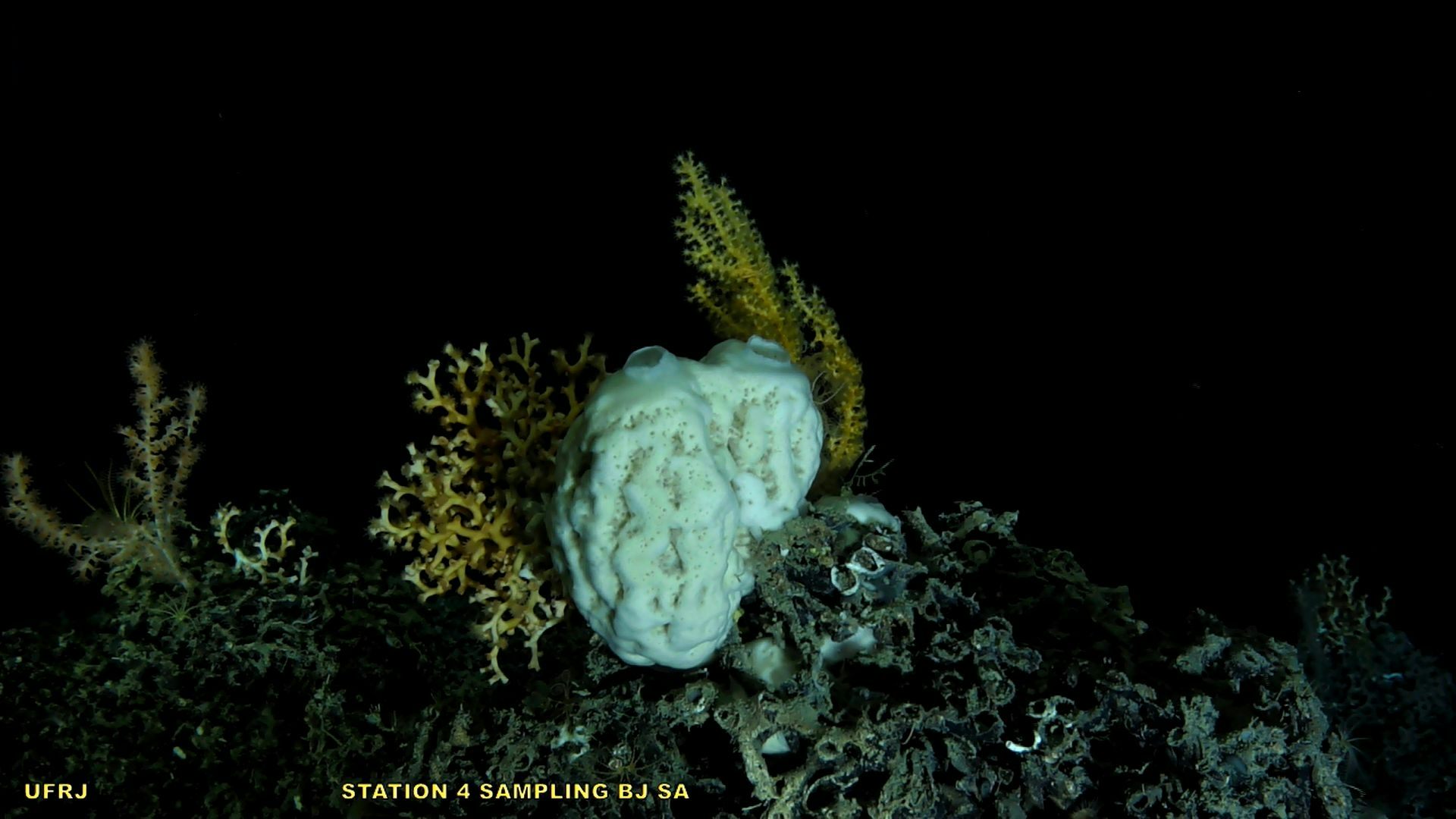
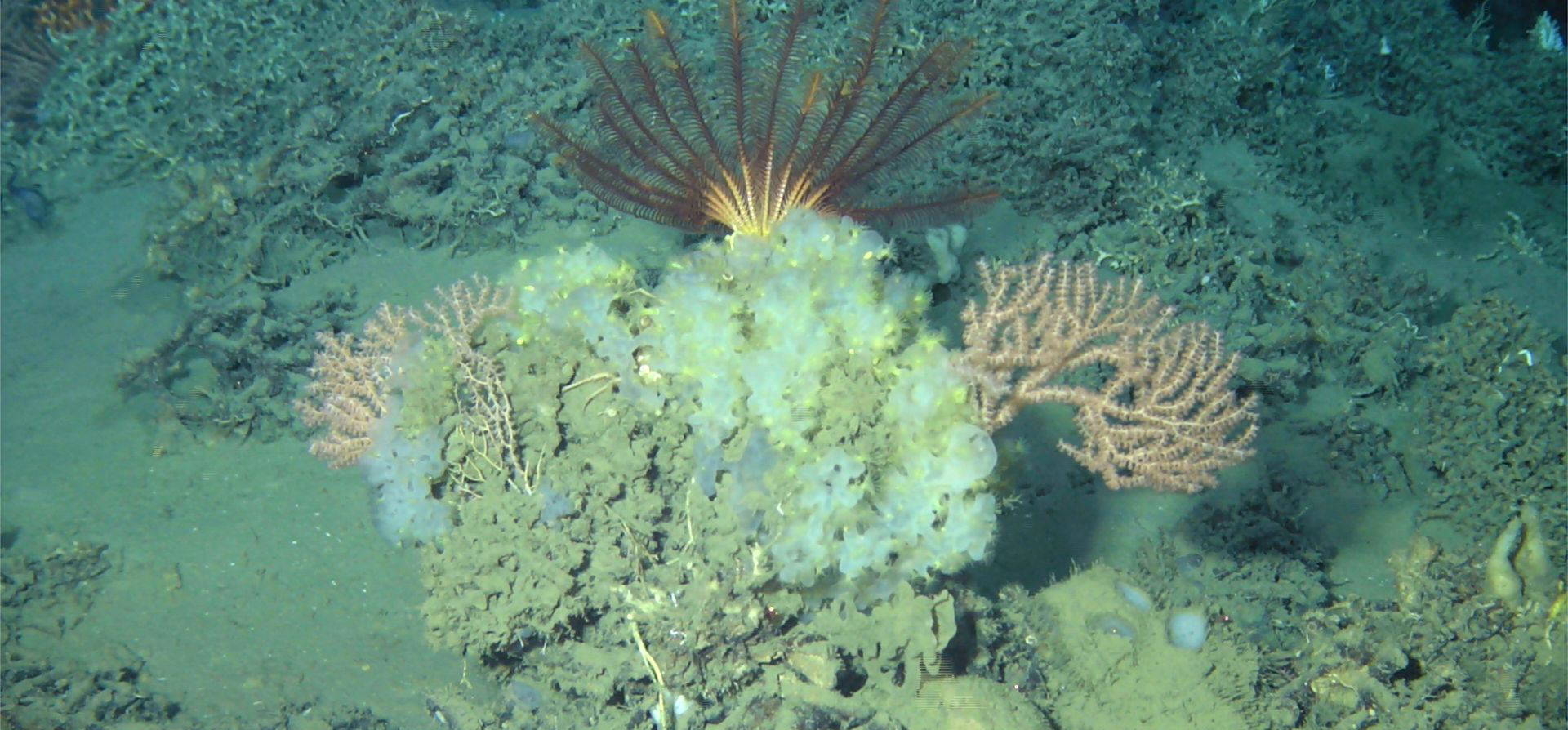
Deep-sea marine sponges are among the organisms that live in these mysterious dark waters. They form “gardens” that are among the largest ecosystems on the planet, some spanning thousands of square kilometres on the ocean floor. They act as ecosystem engineers, providing habitats to many other organisms living on the seafloor.
تُعد الإسفنجيات البحرية في أعماق البحار من الكائنات التي تعيش في هذه المياه المظلمة الغامضة. وهي تشكل “حدائق” تُعد من أكبر النظم البيئية على الكوكب، يمتد بعضها لآلاف الكيلومترات المربعة على قاع المحيط. وتعمل كمهندسي نظام بيئي، حيث توفر موائل للعديد من الكائنات الأخرى التي تعيش على قاع البحر.
Individual sponges can also pump and filter thousands of litres of water every day through their bodies. The nutrients they release support other organisms. Yet we know remarkably little about how sponges survive, let alone thrive, in the inhospitable environment of the deep-sea.
يمكن للإسفنجيات الفردية أيضًا ضخ وتصفية آلاف اللترات من الماء يوميًا عبر أجسامها. والمغذيات التي تطلقها تدعم الكائنات الأخرى. ومع ذلك، فإننا نعرف القليل بشكل ملحوظ حول كيفية بقاء الإسفنجيات، ناهيك عن ازدهارها، في البيئة غير الصالحة للسكن في أعماق البحار.
Symbiosis with microbes is an important part of how marine sponges live. We’ve been studying deep-sea sponges to better understand life in the ocean’s depths. So far, we’ve found some sponges are packed with microorganisms that use energy from chemical reactions.
يُعد التكافل مع الميكروبات جزءًا مهمًا من طريقة عيش الإسفنجيات البحرية. وقد كنا ندرس الإسفنجيات في أعماق البحار لفهم الحياة في أعماق المحيط بشكل أفضل. وحتى الآن، وجدنا أن بعض الإسفنجيات مليئة بالكائنات الدقيقة التي تستخدم الطاقة من التفاعلات الكيميائية.
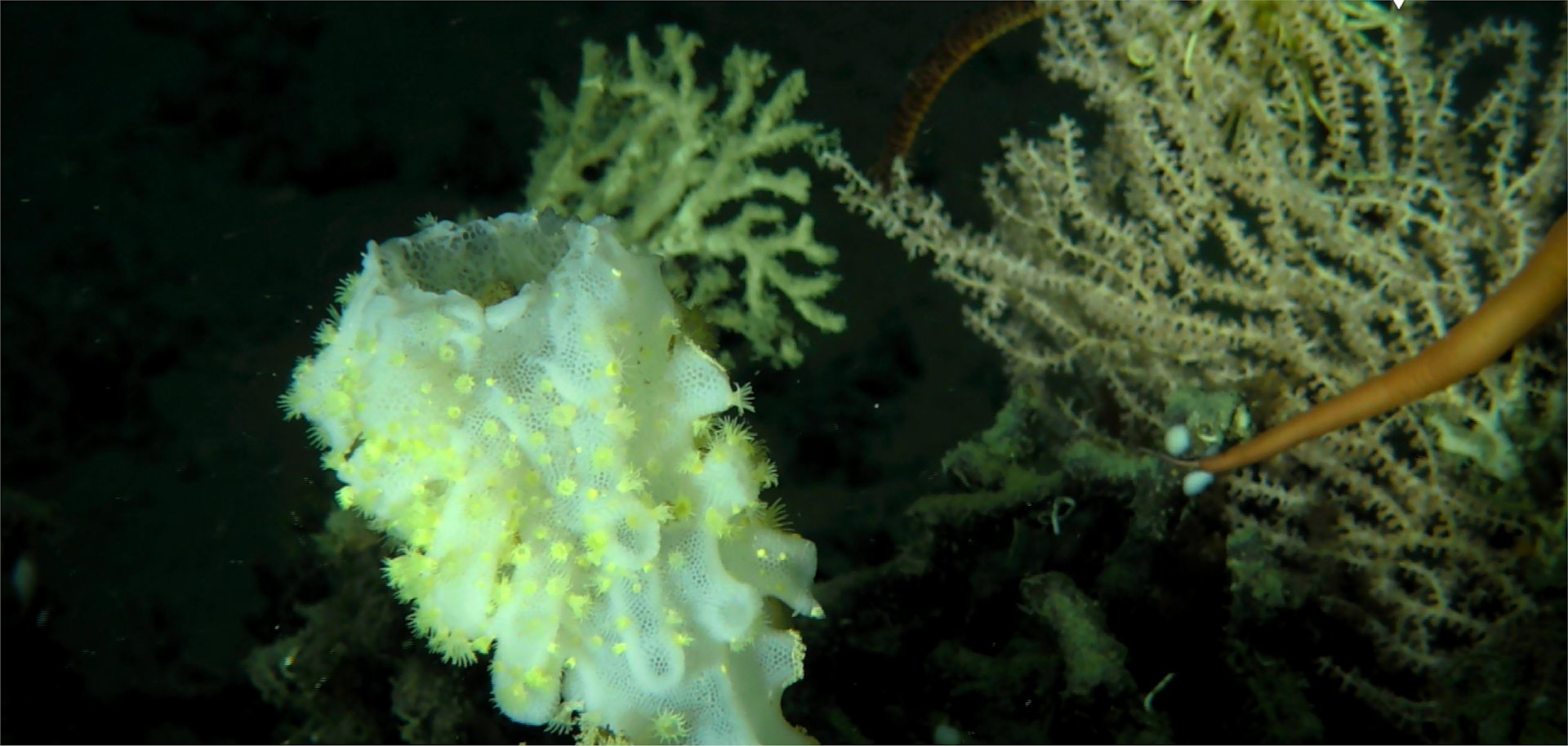
This is called chemosynthesis and is commonly found in other deep-sea organisms, such as mussels and tubeworms living in hydrothermal vents – deep-sea “hot springs”.
يُطلق على هذا التفاعل اسم التخليق الكيميائي (chemosynthesis) ويُوجد بشكل شائع في كائنات أعماق البحار الأخرى، مثل بلح البحر وأنابيب الديدان التي تعيش في الفوهات الحرارية المائية – أي “الينابيع الساخنة” في أعماق البحار.
Our new study, published today in the journal Microbiome, shows sponges and their microbial partners also use a second strategy to make a living in the deep sea.
تُظهر دراستنا الجديدة، التي نُشرت اليوم في مجلة “الميكروبيوم” (Microbiome) ، أن الإسفنجيات وشركائها الميكروبيين يستخدمون أيضًا استراتيجية ثانية لكسب العيش في أعماق البحار.
Two strategies, one sponge
استراتيجيتان، وإسفنجة واحدة
All living organisms produce waste. Just like humans produce urine, many sponges produce ammonia as one of their waste products.
تنتج جميع الكائنات الحية فضلات. تماماً كما ينتج البشر البول، تنتج العديد من الإسفنجيات الأمونيا كواحدة من نواتجها الفضلات.
In this study, we analysed the Calyx species of deep-sea sponges from a depth of 830 metres.
في هذه الدراسة، قمنا بتحليل أنواع الكاليكس (Calyx) من الإسفنجيات في أعماق البحار على عمق 830 متراً.
About 16% of their microbial partners use the familiar chemosynthesis process. With ammonia as the energy source, they use carbon dioxide dissolved in the water to build biomass – it’s a bit like plants growing through photosynthesis from sunlight, but in the dark.
يستخدم حوالي 16% من شركائها الميكروبيين عملية التخليق الكيميائي المألوفة. باستخدام الأمونيا كمصدر للطاقة، فإنها تستخدم ثاني أكسيد الكربون المذاب في الماء لبناء الكتلة الحيوية – وهو أمر يشبه إلى حد ما نمو النباتات عبر التمثيل الضوئي من ضوء الشمس، ولكن في الظلام.
In well-lit shallow waters, many sponges and corals have photosynthetic microbes that help them build biomass from carbon dioxide. Our findings show that in the dark depths of the ocean, sponges have microbial partners that use ammonia instead of light for the same process.
في المياه الضحلة والمضاءة جيداً، تمتلك العديد من الإسفنجيات والشعاب المرجانية ميكروبات ضوئية تساعدها على بناء الكتلة الحيوية من ثاني أكسيد الكربون. وتظهر نتائجنا أنه في الأعماق المظلمة للمحيط، تمتلك الإسفنجيات شركاء ميكروبيين يستخدمون الأمونيا بدلاً من الضوء لنفس العملية.
The remaining 84% of microbial partners are where it gets really interesting. Instead of chemosynthesis these microbes use heterotrophy, which means consuming organic matter to generate energy and biomass (like the vast majority of animals, humans are also heterotrophs) .
أما الـ 84% المتبقية من الشركاء الميكروبيين، فهنا يصبح الأمر مثيراً للاهتمام حقاً. فبدلاً من التخليق الكيميائي، تستخدم هذه الميكروبات التغاير الغذائي (heterotrophy) ، والذي يعني استهلاك المادة العضوية لتوليد الطاقة والكتلة الحيوية (مثل الغالبية العظمى من الحيوانات، فالبشر أيضاً كائنات غير ذاتية التغذية) .
The problem here is that there’s little organic matter in the deep sea. Whatever falls down from the surface waters, such as dead plankton and algae, gets stripped by bacteria and small crustaceans of anything easily digestible as it sinks through the water column.
المشكلة هنا هي أن هناك القليل من المادة العضوية في أعماق البحار. وكل ما يسقط من المياه السطحية، مثل العوالق الميتة والطحالب، يتم تجريده بواسطة البكتيريا والقشريات الصغيرة من أي شيء سهل الهضم أثناء غرقه عبر عمود الماء.
So, the little amount of organic matter that reaches the seafloor is generally poor food for the sponge itself. But, as we discovered, not necessarily for its microbial partners.
لذلك، فإن الكمية القليلة من المادة العضوية التي تصل إلى قاع البحر هي عموماً غذاء ضعيف للإسفنجة نفسها. ولكن، كما اكتشفنا، ليس بالضرورة لشركائها الميكروبيين.
It turns out the heterotrophic microbes in Calyx sponges have lots of enzymes specialised in breaking down complex compounds, such as xylan and pectin, which make up the hard-to-digest cell walls of algae.
اتضح أن الميكروبات غير ذاتية التغذية في إسفنجيات الكاليكس لديها العديد من الإنزيمات المتخصصة في تكسير المركبات المعقدة، مثل الزيلان والبكتين، التي تشكل جدران الخلايا الصعبة الهضم للطحالب.
Feeding on these algal skeletons would allow the microbes to thrive and to transform organic molecules into nutrients their sponge host can use.
إن التغذية على هذه الهياكل الهيكلية للطحالب ستسمح للميكروبات بالازدهار وتحويل الجزيئات العضوية إلى مغذيات يمكن لمضيفها الإسفنجي استخدامها.
Protecting what we don’t yet understand
حماية ما لا نفهمه بعد
Our study shows that sponges and their microbial partners are complex, biogeochemical reactors. They use and recycle ammonia “urine”, carbon dioxide and hard-to-digest organics to generate biomass.
تُظهر دراستنا أن الإسفنجيات وشركاؤها الميكروبيون هي مفاعلات بيوجيوكيميائية معقدة. فهي تستخدم وتعيد تدوير الأمونيا “البول”، وثاني أكسيد الكربون، والمواد العضوية يصعب هضمها لتوليد الكتلة الحيوية.
The biomass can then support the growth of other organisms, such as brittle stars and fish, in turn supporting the broader community of animals living on the dark seafloor.
يمكن لهذه الكتلة الحيوية بعد ذلك أن تدعم نمو الكائنات الحية الأخرى، مثل النجوم الهشة والأسماك، مما يدعم بدوره المجتمع الأوسع من الحيوانات التي تعيش في قاع البحر المظلم.
Unfortunately, these ecosystems are under pressure from human activities. Deep-sea trawling physically destroys sponge gardens. Deep-sea mining, now being actively pursued for rare metals used in batteries and electronics, threatens to disrupt the deep-sea habitat in ways that might take centuries to recover.
لسوء الحظ، تتعرض هذه النظم البيئية لضغوط من الأنشطة البشرية. فالجر في أعماق البحار يدمر حدائق الإسفنجيات جسديًا. كما يهدد التعدين في أعماق البحار، الذي يجري الآن بنشاط للحصول على المعادن النادرة المستخدمة في البطاريات والإلكترونيات، بإخلال بيئة أعماق البحار بطرق قد يستغرق تعافيها قرونًا.
The United Nations has recognised deep-sea sponge gardens as vulnerable marine ecosystems, a formal acknowledgement of both their ecological importance and their fragility. But recognition alone is not enough.
أقرت الأمم المتحدة بحدائق الإسفنجيات في أعماق البحار باعتبارها نظمًا بيئية بحرية معرضة للخطر، وهو اعتراف رسمي بأهميتها البيئية وهشاشتها على حد سواء. لكن الاعتراف وحده لا يكفي.
If we destroy these habitats before we fully understand their role in carbon transformation, then we may lose a critical piece of Earth’s carbon cycle before fully realising it was there.
إذا دمرنا هذه الموائل قبل أن نفهم دورها في تحول الكربون بالكامل، فقد نفقد جزءًا حيويًا من دورة الكربون الأرضية قبل أن ندرك تمامًا وجوده.
Torsten Thomas receives funding from the Betty and Gordon Moore Foundation USA and the Australian Government.
يتلقى تورستين توماس التمويل من مؤسسة بيتي وغوردون مور الأمريكية والحكومة الأسترالية.
Alessandro N. Garritano does not work for, consult, own shares in or receive funding from any company or organisation that would benefit from this article, and has disclosed no relevant affiliations beyond their academic appointment.
أليساندرو ن. غاريتانو لا يعمل لدى، أو يشارك في استشارات، أو يمتلك أسهمًا في، أو يتلقى تمويلاً من أي شركة أو منظمة قد تستفيد من هذه المقالة، ولم يفصح عن أي انتماءات ذات صلة تتجاوز منصبه الأكاديمي.
Read more
-
اكتشاف تلسكوب جنوب أفريقي لإشارة قياسية من الكون المبكر
South African telescope detects record-breaking signal from the early universe
-

تقود الولايات المتحدة السباق الفضائي الجديد – لكن دولاً أخرى تتبعها عن كثب.
The US is leading the new space race – but other countries are close behind