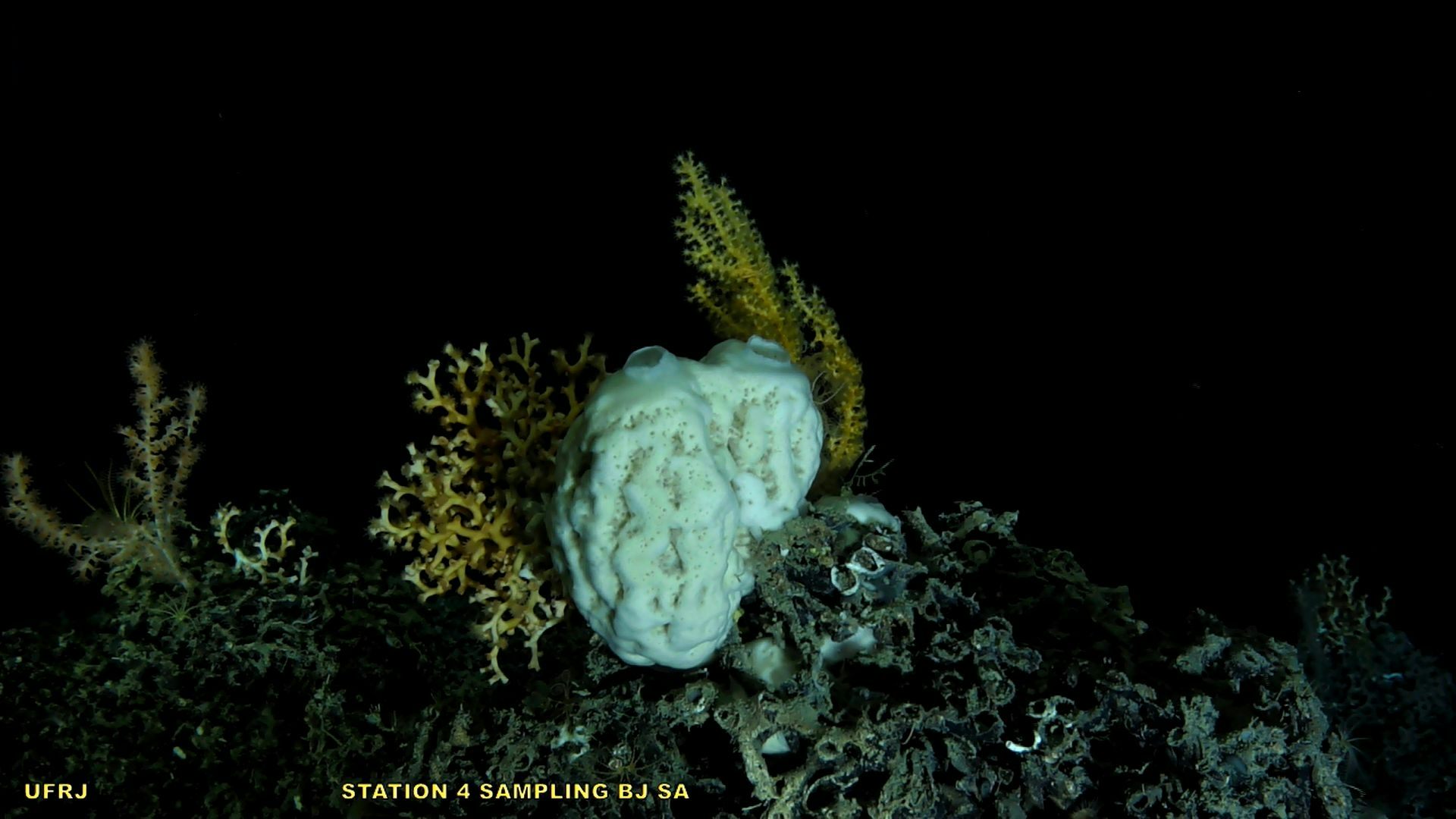
गहरे समुद्र के स्पंज पूर्ण अंधकार में ऐसे तरीकों से जीवित रहते हैं जो हमें पहले नहीं पता थे
Deep-sea sponges survive in complete darkness in ways we didn’t know before
Beyond the sunlit ocean lies a vast abyss where organisms have to recycle every scrap available.
धूप से भरे महासागर के परे एक विशाल अथाह क्षेत्र है जहाँ जीवों को उपलब्ध हर छोटे टुकड़े का पुनर्चक्रण करना पड़ता है।
When we think of marine life, we usually picture colourful coral reefs or dense seaweed forests filled with fish and other critters. The ocean that comes to mind is the one touched by sunlight.
जब हम समुद्री जीवन के बारे में सोचते हैं, तो हम आमतौर पर रंगीन मूंगा चट्टानों या मछली और अन्य छोटे जीवों से भरे घने समुद्री शैवाल के जंगलों की कल्पना करते हैं। जो महासागर हमारे मन में आता है, वह सूर्य के प्रकाश से रंगा हुआ होता है।
However, most of the ocean is not like that. By volume, roughly 95% of the ocean consists of the permanently dark, cold deep sea. Despite such hostile conditions though, there is life in the ocean’s abyss.
हालांकि, अधिकांश महासागर ऐसा नहीं होता। आयतन के हिसाब से, लगभग 95% महासागर स्थायी रूप से गहरे, ठंडे समुद्र से बना है। इन प्रतिकूल परिस्थितियों के बावजूद, महासागर की अथाह गहराई में जीवन है।
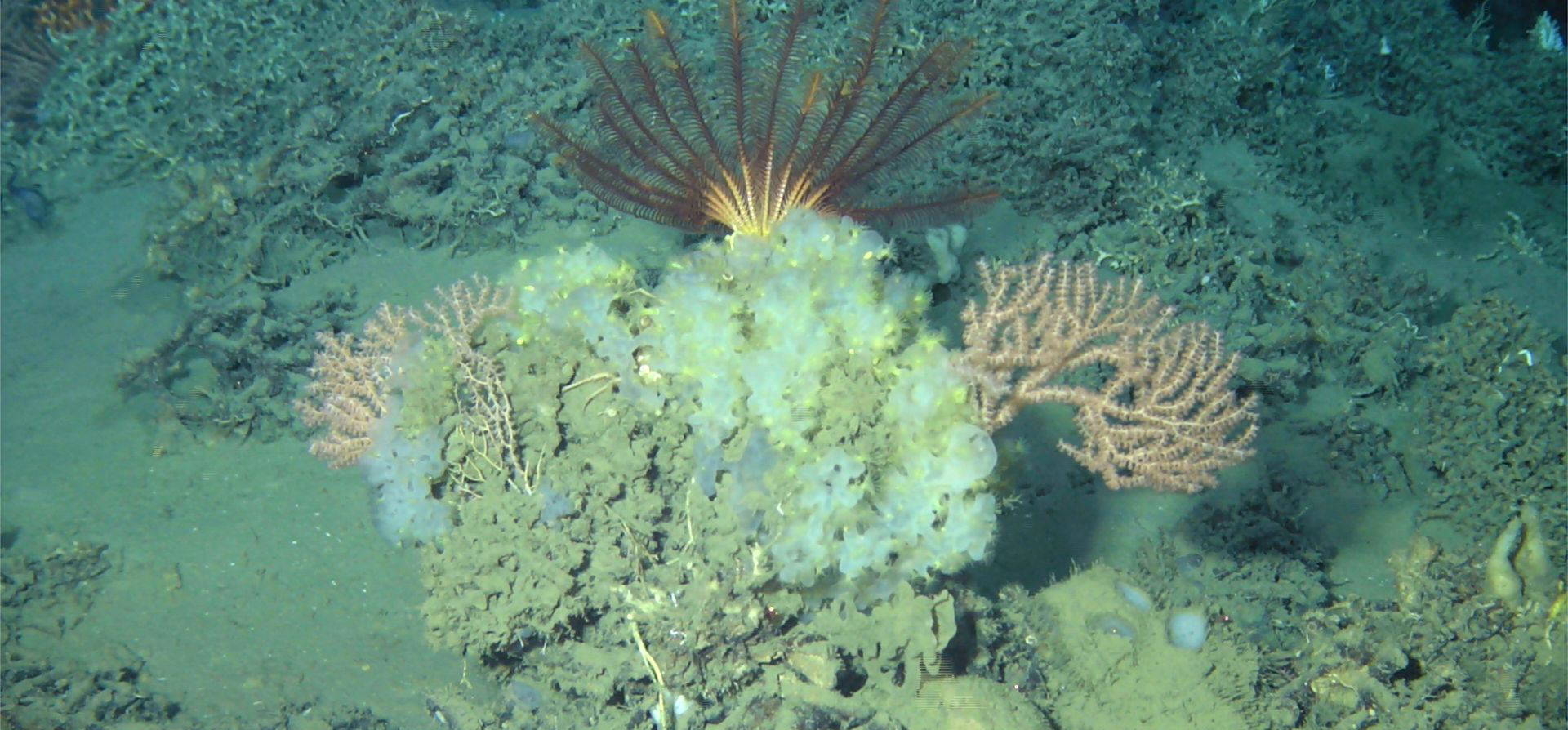
Deep-sea marine sponges are among the organisms that live in these mysterious dark waters. They form “gardens” that are among the largest ecosystems on the planet, some spanning thousands of square kilometres on the ocean floor. They act as ecosystem engineers, providing habitats to many other organisms living on the seafloor.
गहरे समुद्र के समुद्री स्पंज उन जीवों में से हैं जो इन रहस्यमय गहरे पानी में रहते हैं। वे “बगीचे” बनाते हैं जो ग्रह पर सबसे बड़े पारिस्थितिकी तंत्रों में से हैं, जिनमें से कुछ समुद्र तल पर हजारों वर्ग किलोमीटर तक फैले हुए हैं। वे पारिस्थितिकी तंत्र इंजीनियर के रूप में कार्य करते हैं, जो समुद्र तल पर रहने वाले कई अन्य जीवों को आवास प्रदान करते हैं।
Individual sponges can also pump and filter thousands of litres of water every day through their bodies. The nutrients they release support other organisms. Yet we know remarkably little about how sponges survive, let alone thrive, in the inhospitable environment of the deep-sea.
व्यक्तिगत स्पंज अपने शरीर के माध्यम से हर दिन हजारों लीटर पानी को पंप और फ़िल्टर भी कर सकते हैं। वे जो पोषक तत्व छोड़ते हैं, वे अन्य जीवों का समर्थन करते हैं। फिर भी, हम इस बारे में बहुत कम जानते हैं कि स्पंज गहरे समुद्र के अरहकारी वातावरण में कैसे जीवित रहते हैं, तो यह तो और भी कम है कि वे कैसे फलते-फूलते हैं।
Symbiosis with microbes is an important part of how marine sponges live. We’ve been studying deep-sea sponges to better understand life in the ocean’s depths. So far, we’ve found some sponges are packed with microorganisms that use energy from chemical reactions.
रोगाणुओं के साथ सहजीविता (Symbiosis) समुद्री स्पंज के जीवन का एक महत्वपूर्ण हिस्सा है। हम महासागर की गहराइयों में जीवन को बेहतर ढंग से समझने के लिए गहरे समुद्र के स्पंज का अध्ययन कर रहे हैं। अब तक, हमने पाया है कि कुछ स्पंज सूक्ष्मजीवों से भरे हुए हैं जो रासायनिक प्रतिक्रियाओं से ऊर्जा का उपयोग करते हैं।
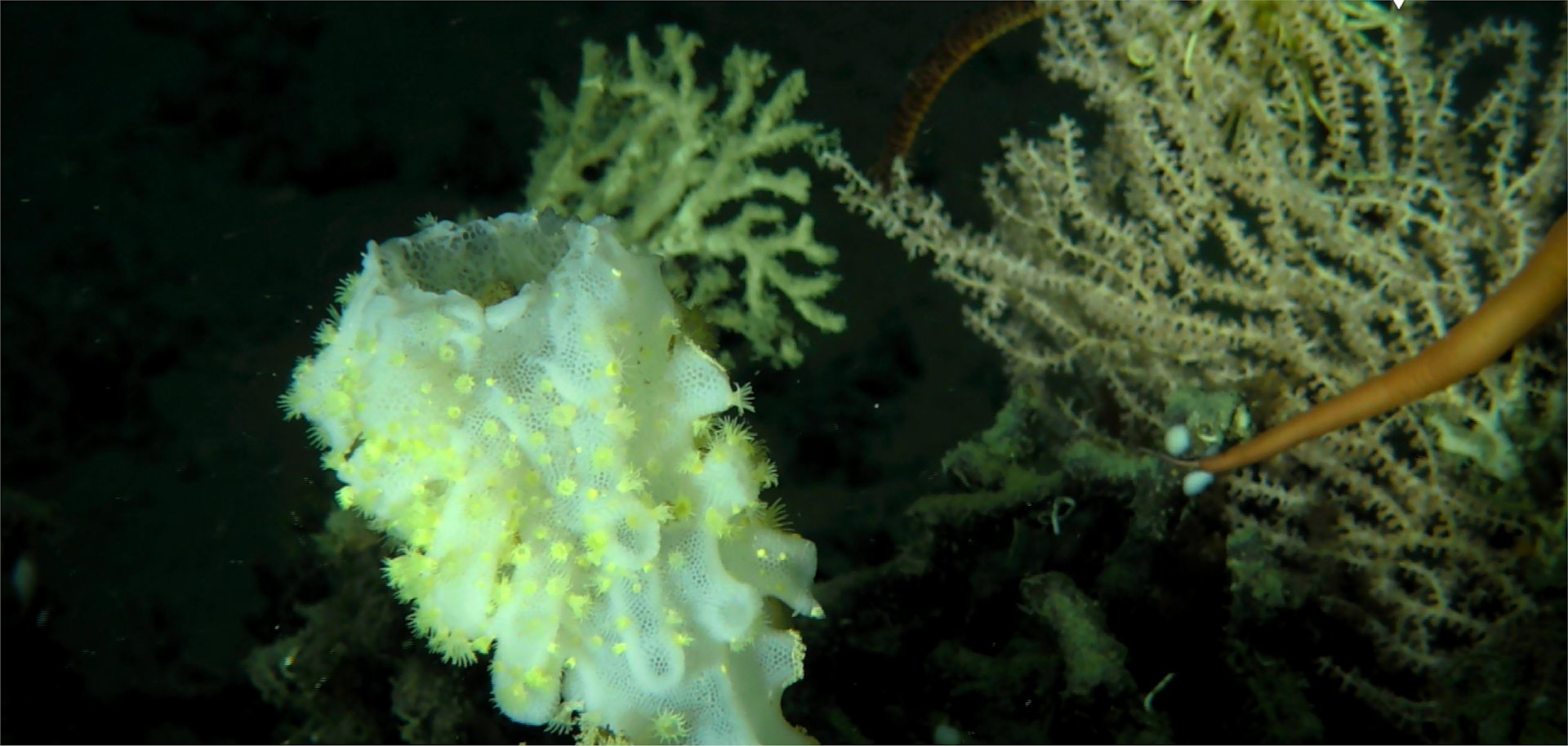
This is called chemosynthesis and is commonly found in other deep-sea organisms, such as mussels and tubeworms living in hydrothermal vents – deep-sea “hot springs”.
इसे रसायनसंश्लेषण (chemosynthesis) कहा जाता है और यह अन्य गहरे समुद्र के जीवों, जैसे सीप और नली कीड़ों में पाया जाता है जो हाइड्रोथर्मल वेंट्स – गहरे समुद्र के “गर्म झरनों” में रहते हैं।
Our new study, published today in the journal Microbiome, shows sponges and their microbial partners also use a second strategy to make a living in the deep sea.
हमारा नया अध्ययन, जो आज जर्नल माइक्रोबायोम (Microbiome) में प्रकाशित हुआ है, दिखाता है कि स्पंज और उनके माइक्रोबियल साथी गहरे समुद्र में जीवनयापन करने के लिए एक दूसरी रणनीति का भी उपयोग करते हैं।
Two strategies, one sponge
दो रणनीतियाँ, एक स्पंज
All living organisms produce waste. Just like humans produce urine, many sponges produce ammonia as one of their waste products.
सभी जीवित जीव अपशिष्ट उत्पन्न करते हैं। जिस तरह मनुष्य मूत्र उत्पन्न करते हैं, उसी तरह कई स्पंज अपने अपशिष्ट उत्पादों में से एक के रूप में अमोनिया उत्पन्न करते हैं।
In this study, we analysed the Calyx species of deep-sea sponges from a depth of 830 metres.
इस अध्ययन में, हमने 830 मीटर की गहराई से गहरे समुद्र के स्पंज की कैलिक्स प्रजाति का विश्लेषण किया।
About 16% of their microbial partners use the familiar chemosynthesis process. With ammonia as the energy source, they use carbon dioxide dissolved in the water to build biomass – it’s a bit like plants growing through photosynthesis from sunlight, but in the dark.
उनके लगभग 16% माइक्रोबियल साथी परिचित कीमियोसिंथेसिस प्रक्रिया का उपयोग करते हैं। अमोनिया को ऊर्जा स्रोत के रूप में, वे बायोमास बनाने के लिए पानी में घुले कार्बन डाइऑक्साइड का उपयोग करते हैं – यह थोड़ा पौधों के लिए प्रकाश संश्लेषण द्वारा सूर्य के प्रकाश से बढ़ने जैसा है, लेकिन अंधेरे में।
In well-lit shallow waters, many sponges and corals have photosynthetic microbes that help them build biomass from carbon dioxide. Our findings show that in the dark depths of the ocean, sponges have microbial partners that use ammonia instead of light for the same process.
अच्छी रोशनी वाले उथले पानी में, कई स्पंज और मूंगे ऐसे फोटोसिंथेटिक माइक्रोबियल होते हैं जो उन्हें कार्बन डाइऑक्साइड से बायोमास बनाने में मदद करते हैं। हमारे निष्कर्ष बताते हैं कि समुद्र की अंधेरी गहराइयों में, स्पंज के माइक्रोबियल साथी उसी प्रक्रिया के लिए प्रकाश के बजाय अमोनिया का उपयोग करते हैं।
The remaining 84% of microbial partners are where it gets really interesting. Instead of chemosynthesis these microbes use heterotrophy, which means consuming organic matter to generate energy and biomass (like the vast majority of animals, humans are also heterotrophs) .
शेष 84% माइक्रोबियल साथी वह जगह है जहाँ यह वास्तव में दिलचस्प हो जाता है। कीमियोसिंथेसिस के बजाय ये माइक्रोब जीव विषमपोषी पोषण (heterotrophy) का उपयोग करते हैं, जिसका अर्थ है ऊर्जा और बायोमास उत्पन्न करने के लिए कार्बनिक पदार्थ का उपभोग करना (जैसे अधिकांश जानवर, मनुष्य भी विषमपोषी होते हैं) ।
The problem here is that there’s little organic matter in the deep sea. Whatever falls down from the surface waters, such as dead plankton and algae, gets stripped by bacteria and small crustaceans of anything easily digestible as it sinks through the water column.
यहाँ समस्या यह है कि गहरे समुद्र में बहुत कम कार्बनिक पदार्थ होता है। सतह के पानी से जो कुछ भी गिरता है, जैसे मृत प्लैंकटन और शैवाल, पानी के स्तंभ से नीचे जाते समय बैक्टीरिया और छोटे क्रस्टेशियन द्वारा किसी भी आसानी से पचने योग्य चीज़ से वंचित कर दिया जाता है।
So, the little amount of organic matter that reaches the seafloor is generally poor food for the sponge itself. But, as we discovered, not necessarily for its microbial partners.
इसलिए, जो थोड़ा सा कार्बनिक पदार्थ समुद्र तल तक पहुँचता है, वह आम तौर पर स्पंज के लिए खराब भोजन होता है। लेकिन, जैसा कि हमने खोजा, यह जरूरी नहीं कि उसके माइक्रोबियल साथियों के लिए भी हो।
It turns out the heterotrophic microbes in Calyx sponges have lots of enzymes specialised in breaking down complex compounds, such as xylan and pectin, which make up the hard-to-digest cell walls of algae.
यह पता चलता है कि कैलिक्स स्पंज में विषमपोषी माइक्रोब में कई एंजाइम होते हैं जो जटिल यौगिकों, जैसे कि ज़ाइलन और पेक्टिन को तोड़ने में विशेषज्ञ होते हैं, जो शैवाल की पचने में कठिन कोशिका भित्तियों का निर्माण करते हैं।
Feeding on these algal skeletons would allow the microbes to thrive and to transform organic molecules into nutrients their sponge host can use.
इन शैवाल कंकालों पर भोजन करने से माइक्रोब को पनपने और कार्बनिक अणुओं को पोषक तत्वों में बदलने की अनुमति मिलेगी जिनका उपयोग उनके स्पंज मेज़बान कर सकता है।
Protecting what we don’t yet understand
जिसे हम अभी तक नहीं समझ पाते, उसकी सुरक्षा करना
Our study shows that sponges and their microbial partners are complex, biogeochemical reactors. They use and recycle ammonia “urine”, carbon dioxide and hard-to-digest organics to generate biomass.
हमारे अध्ययन से पता चलता है कि स्पंज और उनके माइक्रोबियल साथी जटिल, जैव-भू-रासायनिक रिएक्टर हैं। वे बायोमास उत्पन्न करने के लिए अमोनिया “मूत्र”, कार्बन डाइऑक्साइड और पचाने में कठिन कार्बनिक पदार्थों का उपयोग और पुनर्चक्रण करते हैं।
The biomass can then support the growth of other organisms, such as brittle stars and fish, in turn supporting the broader community of animals living on the dark seafloor.
यह बायोमास फिर अन्य जीवों, जैसे भंगुर तारों और मछलियों के विकास का समर्थन कर सकता है, जो बदले में गहरे समुद्र के तल पर रहने वाले जानवरों के व्यापक समुदाय का समर्थन करता है।
Unfortunately, these ecosystems are under pressure from human activities. Deep-sea trawling physically destroys sponge gardens. Deep-sea mining, now being actively pursued for rare metals used in batteries and electronics, threatens to disrupt the deep-sea habitat in ways that might take centuries to recover.
दुर्भाग्य से, ये पारिस्थितिकी तंत्र मानवीय गतिविधियों के दबाव में हैं। गहरे समुद्र में ट्रॉलिंग से स्पंज के बगीचे भौतिक रूप से नष्ट हो जाते हैं। गहरे समुद्र में खनन, जिसे अब बैटरियों और इलेक्ट्रॉनिक्स में उपयोग होने वाली दुर्लभ धातुओं के लिए सक्रिय रूप से किया जा रहा है, गहरे समुद्र के आवास को इस तरह बाधित करने की धमकी देता है कि इसे ठीक होने में सदियाँ लग सकती हैं।
The United Nations has recognised deep-sea sponge gardens as vulnerable marine ecosystems, a formal acknowledgement of both their ecological importance and their fragility. But recognition alone is not enough.
संयुक्त राष्ट्र ने गहरे समुद्र के स्पंज के बगीचों को संवेदनशील समुद्री पारिस्थितिकी तंत्र के रूप में मान्यता दी है, जो उनके पारिस्थितिक महत्व और उनकी नाजुकता दोनों की एक औपचारिक स्वीकृति है। लेकिन केवल मान्यता पर्याप्त नहीं है।
If we destroy these habitats before we fully understand their role in carbon transformation, then we may lose a critical piece of Earth’s carbon cycle before fully realising it was there.
यदि हम इन आवासों को तब नष्ट कर देते हैं जब तक हम कार्बन रूपांतरण में उनकी भूमिका को पूरी तरह से नहीं समझते, तो हम पृथ्वी के कार्बन चक्र के एक महत्वपूर्ण हिस्से को खो सकते हैं, इससे पहले कि हमें पूरी तरह से एहसास हो कि यह मौजूद था।
Torsten Thomas receives funding from the Betty and Gordon Moore Foundation USA and the Australian Government.
टॉरस्टेन थॉमस को बेट्टी और गॉर्डन मूर फाउंडेशन यूएसए और ऑस्ट्रेलियाई सरकार से फंडिंग मिलती है।
Alessandro N. Garritano does not work for, consult, own shares in or receive funding from any company or organisation that would benefit from this article, and has disclosed no relevant affiliations beyond their academic appointment.
अलेसांड्रो एन. गाररिटानो किसी भी कंपनी या संगठन के लिए काम नहीं करते हैं, सलाह नहीं देते हैं, उसमें शेयर नहीं रखते हैं या उससे फंडिंग प्राप्त नहीं करते हैं जिससे इस लेख को लाभ होगा, और उन्होंने अपनी अकादमिक नियुक्ति से परे कोई प्रासंगिक जुड़ाव नहीं बताया है।
Read more
-

लयबद्ध पैटर्न द्वारा ‘आकर्षक’ संगीत कैसे संचालित होता है
How ‘catchy’ music is driven by rhythmic patterns
-
अंतर्राष्ट्रीय अंतरिक्ष स्टेशन में दरारें हवा के रिसाव का कारण बन रही हैं – यह कितने समय तक रहने योग्य रह सकता है?
Cracks in the International Space Station are causing air leaks – how much longer can it remain habitable?