
تقود الولايات المتحدة السباق الفضائي الجديد – لكن دولاً أخرى تتبعها عن كثب.
The US is leading the new space race – but other countries are close behind
It can be easy to lose sight of the fact that the US isn’t the only major actor in space.
قد يكون من السهل أن نغفل عن حقيقة أن الولايات المتحدة ليست الفاعل الرئيسي الوحيد في المجال الفضائي.
When NASA administrator Jared Isaacman unveiled the crew of the Artemis III mission at Johnson Space Center in Houston earlier this month, he was ebullient.
عندما كشف مسؤول ناسا، جاريد آيزاكمان، عن طاقم بعثة أرتميس الثالثة في مركز جونسون للفضاء في هيوستن في وقت سابق من هذا الشهر، كان مفعماً بالحماس.
We wish you godspeed on the journey ahead, you carry the fire of exploration from generations past, the confidence of this agency, and the support of this nation, and the dreams of millions who will be cheering you on.
نتمنى لكم كل التوفيق في الرحلة المقبلة، فأنتم تحملون شعلة الاستكشاف من الأجيال الماضية، وثقة هذه الوكالة، ودعم هذه الأمة، وأحلام الملايين الذين سيشجعونكم.
The all-male crew – Italian astronaut Luca Parmitano and US astronauts Andre Douglas, Frank Rubio and Randy Bresnik – will launch into lower Earth orbit next year for a two-week mission to test lunar landers. This will build on the work of the Artemis II astronauts and the Artemis IV mission planned for 2028, which will see humans return to the Moon’s surface for the first time in 56 years.
سيطلق الطاقم الذكوري بالكامل – وهو رائد الفضاء الإيطالي لوكا بارميتاو ورواد الفضاء الأمريكيون أندريه دوغلاس، وفرانك روبيو، وراندي بريسنيك – في العام المقبل إلى المدار الأرضي المنخفض لبعثة تستمر أسبوعين لاختبار مهبطات القمر. وسيبني هذا على عمل رواد فضاء أرتميس الثاني وبعثة أرتميس الرابع المخطط لها عام 2028، والتي ستشهد عودة البشر إلى سطح القمر لأول مرة منذ 56 عاماً.
Amid all of these headlines out of the US, it can be easy to lose sight of the fact it isn’t the only major actor in space. While the US might be leading the current space race, other countries are close behind.
وسط كل هذه العناوين الصادرة من الولايات المتحدة، قد يكون من السهل أن نغفل حقيقة أنها ليست الجهة الفاعلة الرئيسية الوحيدة في مجال الفضاء. وفي حين قد تكون الولايات المتحدة تقود سباق الفضاء الحالي، فإن دولاً أخرى تتبعها عن كثب.
The race to the Moon and beyond is accelerating. Some say it’s for the benefit of all humanity. But is it really? In this seven-part series, we explore what our future in space will look like, how we might travel and survive out there, and what’s needed to stop a catastrophe from happening.
يتسارع السباق نحو القمر وما بعده. يقول البعض إنه لمصلحة البشرية جمعاء. ولكن هل هذا صحيح حقاً؟ في هذه السلسلة المكونة من سبعة أجزاء، نستكشف كيف سيبدو مستقبلنا في الفضاء، وكيف يمكننا السفر والبقاء على قيد الحياة هناك، وما هو المطلوب لمنع وقوع كارثة.
China
الصين
In May, China successfully launched three taikonauts to its Tiangong space station. One of the taikonauts will remain on the station for a year to “explore human adaptability and performance limits”, according to Chinese state media.
في مايو، أطلقَت الصين بنجاح ثلاثة رواد فضاء إلى محطتها الفضائية تيانغونغ (Tiangong) . وسيظل أحد هؤلاء الرواد في المحطة لمدة عام “لاستكشاف قدرة الإنسان على التكيف وحدود الأداء”، وفقاً لوسائل الإعلام الحكومية الصينية.
This will serve as a precursor to China’s plan to send a crewed mission to the Moon before the end of this decade, and establish a permanent lunar base by 2035.
سيشكل هذا بمثابة مقدمة لخطة الصين لإرسال مهمة مأهولة إلى القمر قبل نهاية هذا العقد، وإنشاء قاعدة قمرية دائمة بحلول عام 2035.
China announced its plans for the International Lunar Research Station (originally in partnership with Russia) in 2021. The base will likely be located somewhere near the Moon’s south pole and will be supported by the use of in-situ resources.
أعلنت الصين عن خططها لإنشاء المحطة الدولية لأبحاث القمر (التي كانت في الأصل بالشراكة مع روسيا) في عام 2021. ومن المرجح أن يقع هذا المقر في مكان ما بالقرب من القطب الجنوبي للقمر، وسيتم دعمه باستخدام الموارد الموجودة في الموقع.
These plans are very similar to those of NASA as part of the Artemis program. As such, they put China in direct opposition to the US.
تتشابه هذه الخطط كثيراً مع خطط وكالة ناسا كجزء من برنامج أرتميس (Artemis) . وبناءً على ذلك، فإنها تضع الصين في مواجهة مباشرة مع الولايات المتحدة.
China has actively invited other countries to become involved in the International Lunar Research Station. This is a deliberate attempt to position this opportunity as being more collaborative than the US-led Artemis project. States are actively invited to help set the rules of that collaboration.
لقد دعت الصين بنشاط دولاً أخرى للمشاركة في المحطة الدولية لأبحاث القمر. وهذا محاولة متعمدة لوضع هذه الفرصة كشيء أكثر تعاونية من مشروع أرتميس الذي تقوده الولايات المتحدة. وتُدعى الدول بشكل نشط للمساعدة في وضع قواعد هذا التعاون.
Along with China, current participants include Russia, Azerbaijan, Belarus, Egypt, Nicaragua, Serbia, Pakistan, South Africa, Thailand, Venezuela, Kazakhstan and Senegal.
بالإضافة إلى الصين، يشمل المشاركون الحاليون روسيا وأذربيجان وبيلاروسيا ومصر ونيكاراغوا وصربيا وباكستان وجنوب أفريقيا وتايلاند وفنزويلا وكازاخستان والسنغال.
Although no taikonaut has yet set foot on the Moon, China has had several very successful lunar missions.
على الرغم من أن أي رائد فضاء لم يطأ القمر بعد، إلا أن الصين نفذت عدة مهمات قمرية ناجحة للغاية.
These include Chang’e 1 in 2007, a lunar orbiter mission that collected more than 1.3 terabytes of data used to produce a detailed map of the lunar surface. This was followed by Chang’e 2, which was launched in 2010 and captured high-resolution images of the Moon.
تشمل هذه المهمات “تشانغ إي 1” (Chang’e 1) في عام 2007، وهي مهمة مدارية قمرية جمعت أكثر من 1.3 تيرابايت من البيانات التي استخدمت لإنتاج خريطة مفصلة للسطح القمري. تبع ذلك “تشانغ إي 2” (Chang’e 2) ، الذي أُطلق في عام 2010 والتقط صوراً عالية الدقة للقمر.
Chang’e 3 delivered the Jade Rabbit rover to the lunar surface in 2013. Chang’e 4 completed the first successful landing on the far side of the Moon in 2019. One year later, Chang’e 5 returned a lunar sample to Earth.
أوصلت مهمة “تشانغ إي 3” (Chang’e 3) مركبة “الأرنب اليشمي” إلى سطح القمر في عام 2013. وأكملت مهمة “تشانغ إي 4” (Chang’e 4) أول هبوط ناجح على الجانب البعيد من القمر في عام 2019. وبعد عام واحد، أعادت مهمة “تشانغ إي 5” (Chang’e 5) عينة قمرية إلى الأرض.
In 2024, Chang’e 6 returned another lunar sample – this time from the far side of the Moon – which has been studied for its resource potential.
في عام 2024، أعادت مهمة “تشانغ إي 6” (Chang’e 6) عينة قمرية أخرى – هذه المرة من الجانب البعيد للقمر – والتي تمت دراستها لإمكاناتها كمورد.
These missions are notable for their diversity, as well as their steady cadence across a relatively short timeframe.
تتميز هذه المهمات بتنوعها، وكذلك بإيقاعها الثابت عبر فترة زمنية قصيرة نسبياً.
India
الهند
India has also achieved lunar landing success with Chandrayaan-3 in 2023, becoming the first country to land at the lunar South Pole – the desired destination for most planned crewed missions.
حققت الهند أيضاً نجاح الهبوط القمري ببعثة تشاندريان-3 في عام 2023، لتصبح بذلك أول دولة تهبط في القطب الجنوبي للقمر – وهي الوجهة المرغوبة لمعظم البعثات المأهولة المخطط لها.
Chandrayaan-1, launched in 2008, was India’s first deep space mission. It consisted of a lunar orbiter and lunar probe that provided new insights into water molecules on the Moon. Chandrayaan-2, launched in 2019, consisted of a lunar orbiter, lander and rover. The lander crashed at the lunar South Pole.
كانت “تشاندريان-1″، التي أُطلقت في عام 2008، أول بعثة للهند إلى الفضاء السحيق. وتألفت من مُدار قمري ومسبار قمر صناعي قدم رؤى جديدة حول جزيئات الماء على القمر. أما “تشاندريان-2″، التي أُطلقت في عام 2019، فقد تألفت من مدار قمري ومهبط ومركبة جوالة (روفر) . وقد تعطل المهبط في القطب الجنوبي للقمر.
India plans to launch Chandrayaan-4 no earlier than 2028 to collect samples from the Moon’s surface. This is set to be followed by Chandrayaan-5 – a planned collaboration between India and Japan – to further explore the lunar South Pole.
تخطط الهند لإطلاق “تشاندريان-4” لا قبل عام 2028 لجمع عينات من سطح القمر. ومن المقرر أن يتبع ذلك إطلاق “تشاندريان-5” – وهو تعاون مخطط بين الهند واليابان – لاستكشاف القطب الجنوبي للقمر بشكل أعمق.
Russia
روسيا
Russia’s lunar activities remain focused on uncrewed missions.
لا تزال أنشطة روسيا القمرية تتركز على البعثات غير المأهولة.
Russia has a long and successful history of lunar orbiters and landers, with its last successful lunar landing in 1976 during the Soviet era. Its lunar program received a setback in 2023, with the crash of Luna25 at the lunar South Pole.
تتمتع روسيا بتاريخ طويل وناجح من المدارات والمُهبطات القمرية، حيث كان آخر هبوط قمر ناجح لها في عام 1976 خلال الحقبة السوفيتية. وقد تعرض برنامجها القمري لانتكاسة في عام 2023، إثر تحطم مركبة “لونا-25” عند القطب الجنوبي للقمر.
However, as a partner in the International Lunar Research Station, Russia has announced the intention to build a nuclear power plant on the Moon by 2036.
ومع ذلك، وبصفتها شريكاً في المحطة الدولية لأبحاث القمر، أعلنت روسيا عن نيتها بناء محطة للطاقة النووية على القمر بحلول عام 2036.
The rest of the pack
بقية المجموعة
Other countries are also actively involved in lunar missions.
تشارك دول أخرى أيضاً بنشاط في البعثات القمرية.
Japan’s iSpace, for example, has experienced two unsuccessful lunar landing attempts: Hakuto-R in 2023 and Resilience in 2025. This shows lunar landings remain a difficult and challenging exercise.
على سبيل المثال، خاض برنامج iSpace الياباني محاولتي هبوط غير ناجحتين على القمر: “هاكوتو-آر” في عام 2023 و”ريزيليينس” في عام 2025. ويُظهر هذا أن الهبوط على القمر يظل تمرينًا صعبًا ومليئًا بالتحديات.
The Outer Space Treaty provides that space is “free for exploration and use by all States without discrimination of any kind” and that the Moon (and other celestial bodies) are “not subject to national appropriation” by claim of sovereignty or any other means.
تنص معاهدة الفضاء الخارجي على أن الفضاء “حر للاستكشاف والاستخدام لجميع الدول دون أي تمييز”، وأن القمر (والأجرام السماوية الأخرى) “غير خاضع للوطنية” بموجب المطالبة بالسيادة أو بأي وسيلة أخرى.
This of course means any state is open to establish a base on the Moon. Far more complex will be establishing how these various bases may operate safely on the challenging lunar surface.
وهذا بالطبع يعني أن أي دولة منفتحة على إنشاء قاعدة على القمر. أما الأمر الأكثر تعقيدًا فسيكون تحديد كيفية تشغيل هذه القواعد المختلفة بأمان على سطح القمر الصعب.
Melissa de Zwart receives funding from the ARC. ARC Centre of Excellence in Plants for Space, CE230100015.
تتلقى ميليسا دي زوارْت التمويل من ARC. مركز التميز في النباتات للفضاء التابع لـ ARC، CE230100015.
Read more
-

في نظام عالمي متصدع، أين يقع الجنوب العالمي؟
In a fractured world order, where does the global south fit in?
-
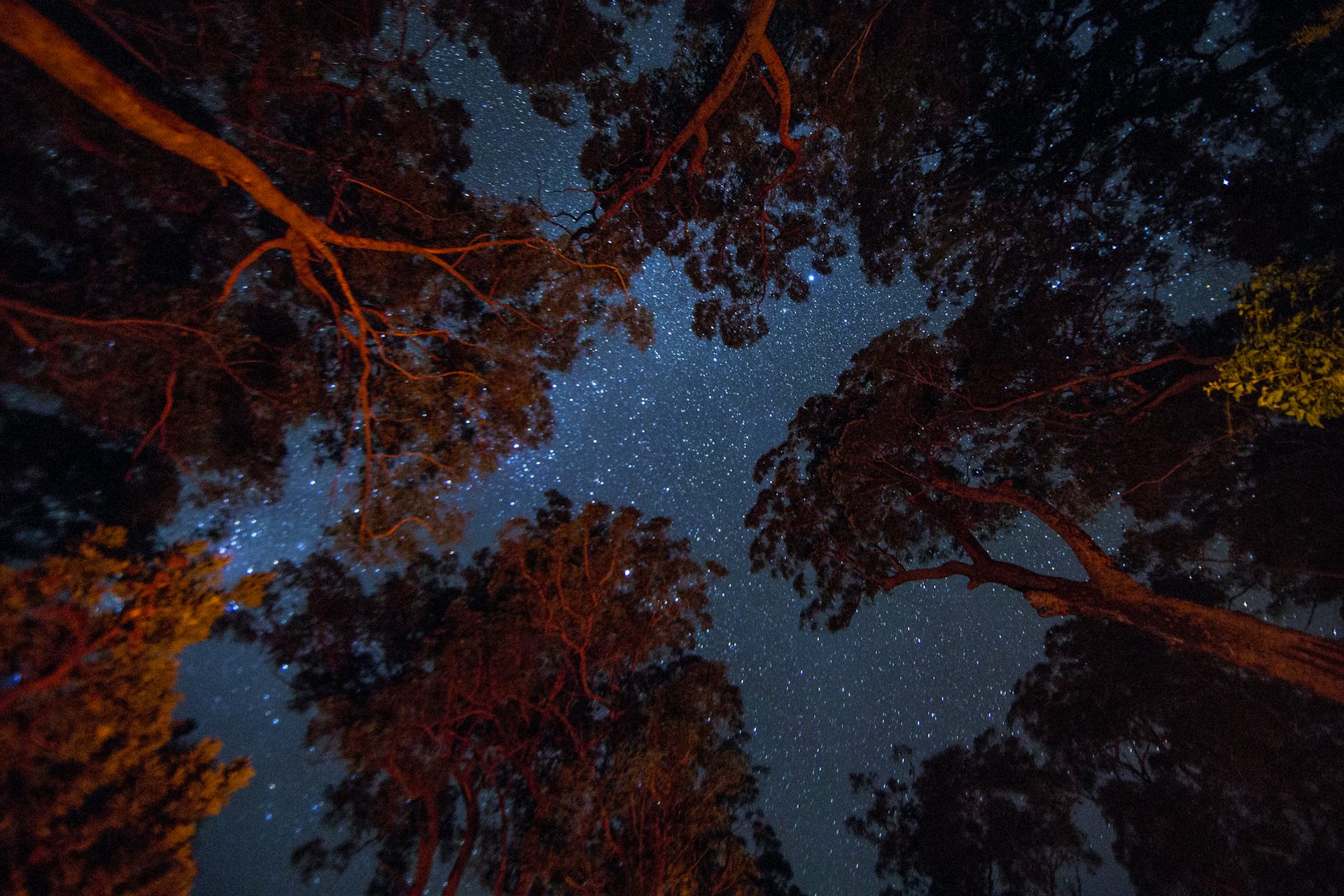
كان الأستراليون الأصليون علماء الفلك الأوائل في العالم. لكن معرفتهم الآن في خطر.
Indigenous Australians were the world’s first astronomers. But their knowledge is now at risk