在澳大利亚确认了首例H5N1禽流感。这意味着什么?
The first case of H5N1 bird flu in Australia has been c…
This is not the moment to call defeat. There is a chance we can stop this infectious virus, this time at least.
现在不是认输的时候。我们有机会阻止这种传染性病毒,至少这一次可以做到。
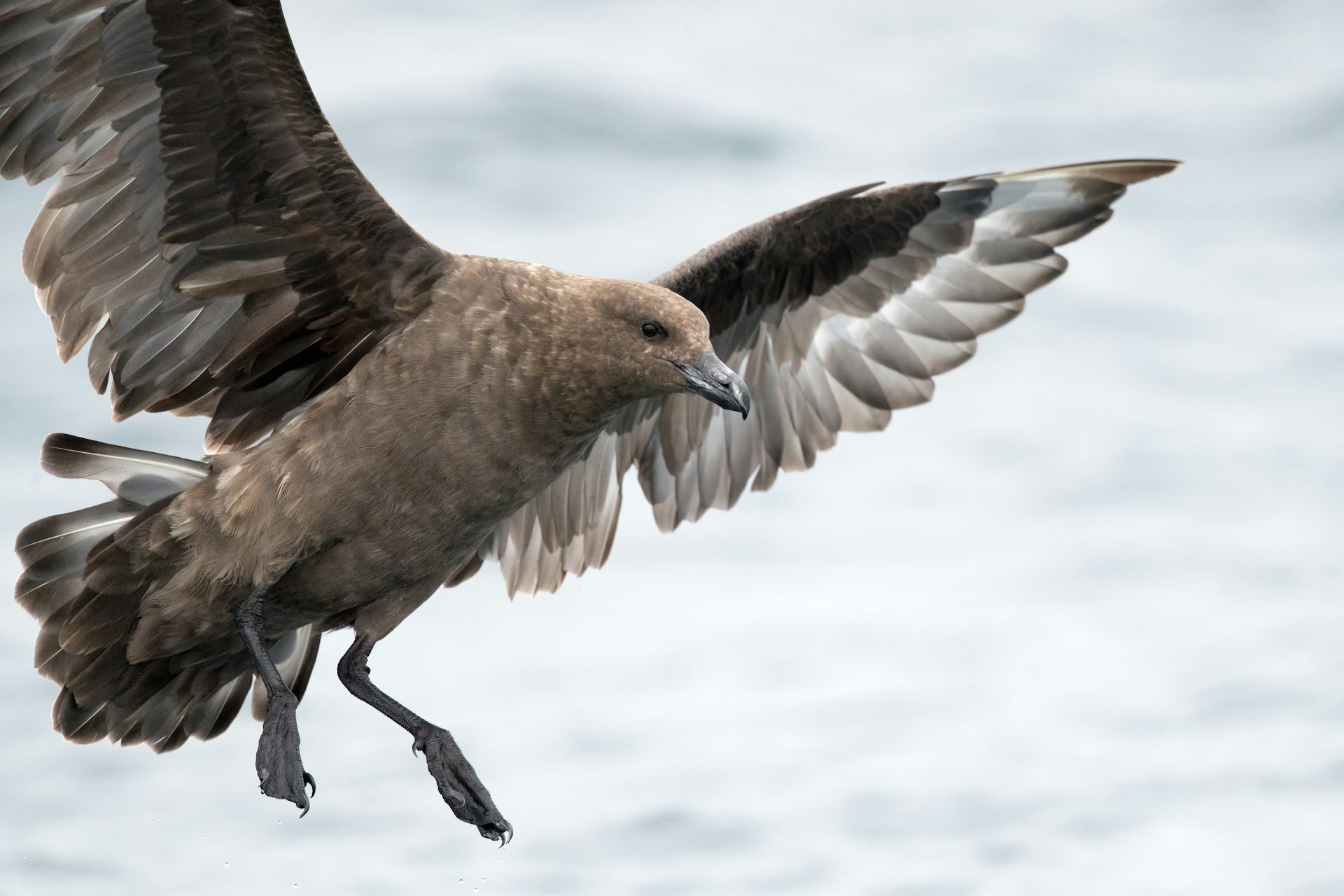
On Saturday, a suspected case of deadly H5 bird flu, also known as high pathogenicity avian influenza (HPAI) H5N1, was confirmed in a brown skua.
周六,在一只棕色成身上确认了疑似致命的H5禽流感(也称为高致病性禽流感,即HPAI)H5N1病例。
This large seabird was found in Cape Le Grand National Park near Esperance, about 700 kilometres south-east of Perth in Western Australia.
这只大型海鸟是在西澳大利亚州,距离珀斯以东南约700公里的埃斯珀兰斯附近的莱格兰德国家公园被发现的。
The virus is also suspected to have affected another seabird, a southern giant petrel, found at the same area.
此外,研究人员还怀疑该病毒感染了在同一区域发现的另一种海鸟——南方巨石鸟。
Following the initial testing, samples collected from these birds were sent to the CSIRO to confirm the first Australian cases of H5N1, specifically the clade 2.3.4.4b H5N1 lineage. Avian influenza viruses are categorised by subtype (creating the H and N number combination, here H5N1) and specific clades within the H5 subtype.
在初步检测后,从这些鸟类身上采集的样本被送往CSIRO进行分析,以确认澳大利亚首例H5N1病例,特别是2.3.4.4b H5N1谱系。禽流感病毒是根据亚型(形成H和N数字组合,此处为H5N1)以及H5亚型内的特定支系进行的分类。
This virus has devastated wildlife populations in other continents, and this could be the start of a long push to protect Australian birds and wildlife in Australia.
这种病毒已在其他大洲的野生动物种群中造成了毁灭性的破坏,这可能标志着保护澳大利亚本土鸟类和野生动物的一项长期斗争的开始。
Where did this virus come from?
这个病毒是从哪里来的?
Avian influenza viruses, of which HPAI H5N1 is just one kind, have been around for millenia. In the vast majority of cases they cause no disease in birds. These strains are referred to as low pathogenicity avian influenza viruses.
禽流感病毒,其中高致病性禽流感H5N1只是其中一种,已经存在了数千年。在绝大多数情况下,它们不会引起鸟类的疾病。这些毒株被称为低致病性禽流感病毒。
However, in 1996 one of these viruses evolved to become disease causing, and since then, this HPAI H5N1 has caused severe disease in poultry, and has become endemic in poultry. With chickens now forming about 70% of all birds worldwide, this is a critical reservoir where the virus continues to evolve.
然而,1996年,其中一种病毒进化成了具有致病性的,从那时起,这种高致病性禽流感H5N1已导致家禽出现严重疾病,并在家禽中成为地方性流行病。随着鸡在全球所有鸟类中所占比例达到约70%,这里成为了病毒持续进化的关键宿主。
The devastating effect of HPAI H5N1 is unfortunately not limited to poultry. Since 2021, HPAI H5N1 has caused a global animal pandemic, with enormous consequences for wildlife in all continents. It has killed millions of wild birds and caused significant drops in the global population of some species. It has also spread into wild and domestic mammals, with various species of seals particularly affected.
不幸的是,高致病性禽流感的破坏性影响并不仅限于家禽。自2021年以来,高致病性禽流感H5N1已引发了全球动物大流行,对所有大陆的野生动物造成了巨大的后果。它杀死了数百万只野生鸟类,并导致某些物种的全球种群数量大幅下降。它还传播到了野生和家养哺乳动物中,其中各种海豹物种尤其受到影响。
How it spreads
如何传播
Part of the challenge in controlling HPAI H5N1 is that it can spread through a wide range of transmission pathways. For example, the virus typically spreads through faeces, especially when in water. Imagine infected ducks in a pond, where the pond water acts as a conduit to infecting other ducks which are feeding or cleaning themselves.
控制高致病性禽流感H5N1的挑战之一是,它可以通过各种传播途径扩散。例如,该病毒通常通过粪便传播,尤其是在水中。想象一下池塘里感染了禽类的鸭子,池水充当了传染给正在觅食或清洁自身的其他鸭子的传导介质。
It can also be spread through direct contact and aerosol transmission, particularly in poultry farms. And it is spread through predation and scavenging, where animals like foxes maybe eat the carcasses of infected birds they find.
它也可以通过直接接触和气溶胶传播,特别是在养鸡场。此外,它还通过捕食和觅食残骸的方式传播,例如狐狸等动物可能会吃掉它们找到的感染鸟类的尸体。
While it has so far been found in more than 400 different bird species, the spread of HPAI H5N1 in the northern hemisphere is facilitated by freshwater dabbling ducks. Dabbling duck species feed predominantly at the surface of the water, sometimes even grazing on land.
尽管该病毒迄今已在400多种不同的鸟类物种中发现,但在北半球,HPAI H5N1的传播主要得益于淡水潜水鸭。潜水鸭主要以水面为食,有时甚至会在陆地上啃食草料。
Importantly, ducks have very limited signs of disease when infected with HPAI H5N1, and appear to be able to continue to migrate while infected, allowing them to potentially spread the virus long distances.
重要的是,当鸭子感染HPAI H5N1时,疾病症状非常轻微,并且它们似乎能够在感染期间继续迁徙,从而有可能将病毒传播到遥远的距离。
Overall, this virus has been devastating for wild birds. For example, 33–47% of all adult northern gannets died in 2022 due to HPAI H5N1. On subantarctic Heard Island, 13,000 baby southern elephant seals died due to HPAI during the 2025–26 summer.
总的来说,这种病毒对野生鸟类造成了毁灭性的打击。例如,2022年,所有成年北极信天翁中有33%至47%死于HPAI H5N1。在亚南极赫德岛,2025年至2026年夏季期间,有13,000只幼年南象海豹死于禽流感。
Why has it taken so long to reach Australia?
为什么花这么长时间才到达澳大利亚?
Despite being in Asia since the 1990s, and in Antarctica since 2024, HPAI H5N1 has not been detected in Australia until now. This is likely because there are no duck species which routinely migrate between Australia and Asia, nor are there ducks that migrate through Antarctica.
尽管自20世纪90年代以来已在亚洲,并自2024年起进入南极洲,但迄今为止尚未在澳大利亚检测到HPAI H5N1。这可能是因为没有常规在澳大利亚和亚洲之间迁徙的鸭子物种,也没有通过南极洲迁徙的鸭子。
Despite the lack of ducks in Antarctica, the virus did arrive there in the summer of 2023–24, and subsequently spread thousands of kilometres through the subantarctic in the summer of 2024–25. Available evidence suggests birds like gulls, skuas and giant petrels may have taken on the role of long distance virus carriers in the Antarctic and subantarctic.
尽管南极洲缺乏鸭子,但该病毒曾在2023-24年夏季到达那里,并在随后的2024-25年夏季通过亚南极地区传播了数千公里。现有证据表明,像海鸥、斯夸和巨型信天翁这样的鸟类可能在南极和亚南极扮演了长距离病毒载体的角色。
The various species of skuas and giant petrels that breed in Antarctic waters go on to roam the Southern Ocean, also venturing into the Atlantic, Indian and Pacific Oceans during the southern hemisphere winter. While rarely seen on our shores, these species are not too far offshore, looking for food and occasionally gathering in large groups.
在南极水域繁殖的各种斯夸和巨型信天翁物种会游荡到南大洋,并在南半球冬季进入大西洋、印度洋和太平洋。虽然很少在我们的海岸看到它们,但这些物种离岸边不太远,它们在那里寻找食物,偶尔还会成群聚集。
Now that HPAI H5N1 has been found on mainland Australia, it will not necessarily establish itself and spread across the continent into other birds and mammals, including livestock.
鉴于HPAI H5N1已在澳大利亚大陆发现,它不一定会在这里扎根并传播到大陆的其他鸟类和哺乳动物(包括牲畜)。
Given that skuas and giant petrels are marine rather than freshwater species, and do not occur on land in large numbers outside the breeding season, there is still a chance that it may not spread further.
考虑到斯夸和巨型信天翁是海洋物种而非淡水物种,并且在繁殖季节之外不会大量出现在陆地上,因此它仍有可能不会进一步传播。
The biggest risk is that infected, sick birds are eaten or scavenged by native birds and mammals, which could transmit the virus to ducks.
最大的风险是感染的、生病的鸟类被本地鸟类和哺乳动物吃掉或清理,从而可能将病毒传播给鸭子。
Try to stop the spread
努力阻止传播
Once in ducks, the likely spread of the virus increases dramatically, and the outlook would be grim.
一旦进入鸭群,病毒的传播可能性将急剧增加,前景将十分严峻。
But for now, we are a few critical steps away from that happening. Continued surveillance and testing, being led by Western Australia, is critical to reveal the extent of the virus and whether it has spread to local animals.
但目前,我们距离发生这种情况还有几个关键步骤。由西澳大利亚州牵头的持续监测和检测对于揭示病毒的范围以及它是否已传播给当地动物至关重要。
Vigilance is key – do not touch or take sick animals into your care. Rather, report suspected cases immediately to the Emergency Animal Disease Hotline on 1800 675 888.
保持警惕是关键——不要触摸或照料生病动物。相反,请立即向紧急动物疾病热线 1800 675 888 报告疑似病例。
For farmers or people who own chooks, its critical to follow guidelines provided by government departments and report any suspicious mortality.
对于养殖户或拥有鸡的人来说,遵守政府部门提供的指南并报告任何可疑死亡情况至关重要。
Marcel Klaassen receives funding from Wildlife Health Australia, Game Management Authority Victoria, Department of Health WA, Glenelg- Hopkins Catchment Management Authority, National Environmental Science Program (DCCEEW) , Department of Agriculture, Fisheries & Forestry
马塞尔·克拉斯森(Marcel Klaassen)获得了来自澳大利亚野生动物健康机构、维多利亚州游戏管理局、西澳卫生部、格伦埃尔格-霍普金斯流域管理局、国家环境科学计划(DCCEEW)、农业渔业和林业部的资助。
Meagan Dewar has received funding from Department of the Environment and Energy and the International Association of Antarctica Tour Operators.
米根·德瓦(Meagan Dewar)获得了来自环境与能源部以及国际南极旅游运营商协会的资助。
Michelle Wille receives funding from the Australian Research Council, Department of Agriculture, Fisheries and Forestry, Wildlife Health Australia, and the CSIRO. In addition to the University of Melbourne, Michelle Wille is also employed at the WHO Collaborating Centre for Reference and Research on Influenza.
米歇尔·威勒(Michelle Wille)获得了澳大利亚研究理事会、农业渔业和林业部、澳大利亚野生动物健康机构和CSIRO的资助。除了墨尔本大学,米歇尔·威勒还受雇于世界卫生组织流感参考与研究合作中心。