O primeiro caso de gripe aviária H5N1 na Austrália foi confirmado. O que isso significa?
The first case of H5N1 bird flu in Australia has been confirmed. What does this mean?
This is not the moment to call defeat. There is a chance we can stop this infectious virus, this time at least.
Este não é o momento de declarar derrota. Há uma chance de podermos parar este vírus infeccioso, pelo menos desta vez.
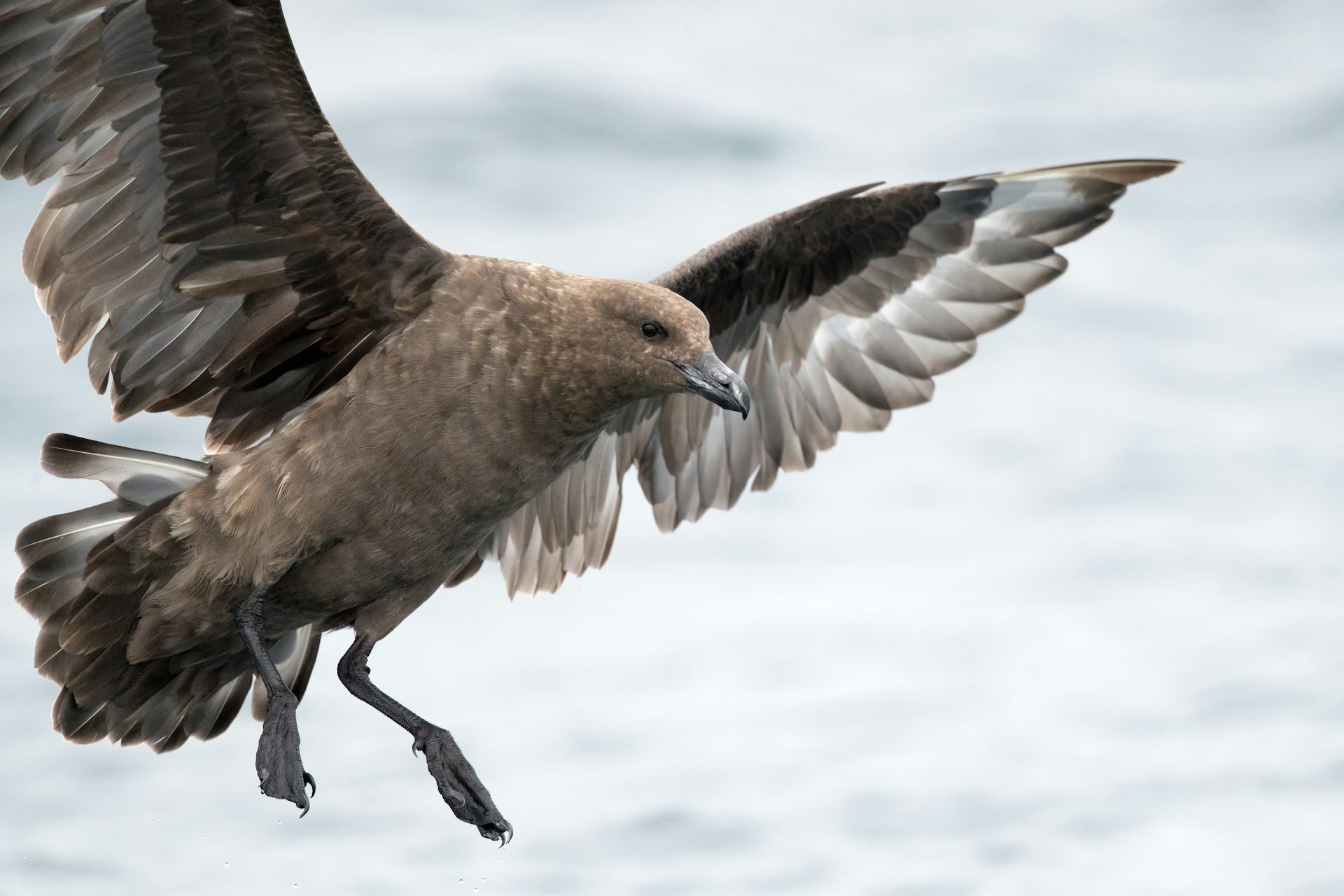
On Saturday, a suspected case of deadly H5 bird flu, also known as high pathogenicity avian influenza (HPAI) H5N1, was confirmed in a brown skua.
No sábado, foi confirmado em um skua marrom um caso suspeito de gripe aviária H5 mortal, também conhecida como influenza aviária de alta patogenicidade (HPAI) H5N1.
This large seabird was found in Cape Le Grand National Park near Esperance, about 700 kilometres south-east of Perth in Western Australia.
Esta grande ave marinha foi encontrada no Parque Nacional Cape Le Grand, perto de Esperance, a cerca de 700 quilômetros sudeste de Perth, na Austrália Ocidental.
The virus is also suspected to have affected another seabird, a southern giant petrel, found at the same area.
Suspeita-se também que o vírus tenha afetado outra ave marinha, um petrel gigante do sul, encontrada na mesma área.
Following the initial testing, samples collected from these birds were sent to the CSIRO to confirm the first Australian cases of H5N1, specifically the clade 2.3.4.4b H5N1 lineage. Avian influenza viruses are categorised by subtype (creating the H and N number combination, here H5N1) and specific clades within the H5 subtype.
Após os testes iniciais, amostras coletadas dessas aves foram enviadas ao CSIRO para confirmar os primeiros casos australianos de H5N1, especificamente a linhagem clado 2.3.4.4b H5N1. Os vírus da gripe aviária são categorizados por subtipo (criando a combinação de números H e N, aqui H5N1) e clados específicos dentro do subtipo H5.
This virus has devastated wildlife populations in other continents, and this could be the start of a long push to protect Australian birds and wildlife in Australia.
Este vírus devastou populações selvagens em outros continentes, e isto pode ser o início de um longo esforço para proteger as aves e a vida selvagem australianas na Austrália.
Where did this virus come from?
De onde veio este vírus?
Avian influenza viruses, of which HPAI H5N1 is just one kind, have been around for millenia. In the vast majority of cases they cause no disease in birds. These strains are referred to as low pathogenicity avian influenza viruses.
Os vírus da gripe aviária, dos quais o HPAI H5N1 é apenas um tipo, existem há milênios. Na grande maioria dos casos, eles não causam doenças em aves. Essas cepas são referidas como vírus da gripe aviária de baixa patogenicidade.
However, in 1996 one of these viruses evolved to become disease causing, and since then, this HPAI H5N1 has caused severe disease in poultry, and has become endemic in poultry. With chickens now forming about 70% of all birds worldwide, this is a critical reservoir where the virus continues to evolve.
No entanto, em 1996, um desses vírus evoluiu para causar doenças, e desde então, este HPAI H5N1 causou doenças graves em aves de corte e se tornou endêmico nelas. Com as galinhas representando agora cerca de 70% de todas as aves no mundo, este é um reservatório crítico onde o vírus continua a evoluir.
The devastating effect of HPAI H5N1 is unfortunately not limited to poultry. Since 2021, HPAI H5N1 has caused a global animal pandemic, with enormous consequences for wildlife in all continents. It has killed millions of wild birds and caused significant drops in the global population of some species. It has also spread into wild and domestic mammals, with various species of seals particularly affected.
O efeito devastador do HPAI H5N1, infelizmente, não se limita às aves de corte. Desde 2021, o HPAI H5N1 causou uma pandemia animal global, com enormes consequências para a vida selvagem em todos os continentes. Ele matou milhões de pássaros selvagens e causou quedas significativas na população global de algumas espécies. Também se espalhou para mamíferos selvagens e domésticos, com várias espécies de focas particularmente afetadas.
How it spreads
Como se espalha
Part of the challenge in controlling HPAI H5N1 is that it can spread through a wide range of transmission pathways. For example, the virus typically spreads through faeces, especially when in water. Imagine infected ducks in a pond, where the pond water acts as a conduit to infecting other ducks which are feeding or cleaning themselves.
Parte do desafio no controle da Gripe Aviária de Alta Patogenicidade HPAI H5N1 é que ela pode se espalhar por uma ampla gama de vias de transmissão. Por exemplo, o vírus geralmente se espalha através das fezes, especialmente quando está na água. Imagine patos infectados em um lago, onde a água do lago atua como um conduto para infectar outros patos que estão se alimentando ou limpando.
It can also be spread through direct contact and aerosol transmission, particularly in poultry farms. And it is spread through predation and scavenging, where animals like foxes maybe eat the carcasses of infected birds they find.
Também pode ser transmitido por contato direto e transmissão por aerossóis, particularmente em fazendas de aves. E é espalhado pela predação e carroçagem, onde animais como raposas podem comer as carcaças de pássaros infectados que encontram.
While it has so far been found in more than 400 different bird species, the spread of HPAI H5N1 in the northern hemisphere is facilitated by freshwater dabbling ducks. Dabbling duck species feed predominantly at the surface of the water, sometimes even grazing on land.
Embora até agora tenha sido encontrado em mais de 400 espécies diferentes de aves, a disseminação do HPAI H5N1 no hemisfério norte é facilitada por patos mergulhadores de água doce. As espécies de patos mergulhadores se alimentam predominantemente na superfície da água, às vezes até pastando em terra.
Importantly, ducks have very limited signs of disease when infected with HPAI H5N1, and appear to be able to continue to migrate while infected, allowing them to potentially spread the virus long distances.
Importante notar que os patos apresentam sinais muito limitados de doença quando infectados com HPAI H5N1 e parecem ser capazes de continuar a migrar enquanto estão infectados, permitindo-lhes potencialmente espalhar o vírus por longas distâncias.
Overall, this virus has been devastating for wild birds. For example, 33–47% of all adult northern gannets died in 2022 due to HPAI H5N1. On subantarctic Heard Island, 13,000 baby southern elephant seals died due to HPAI during the 2025–26 summer.
No geral, este vírus tem sido devastador para as aves selvagens. Por exemplo, 33–47% de todos os gannets do norte adultos morreram em 2022 devido ao HPAI H5N1. Na Ilha Heard subantártica, 13.000 filhotes de elefantes marinhos do sul morreram devido ao HPAI durante o verão de 2025–26.
Why has it taken so long to reach Australia?
Por que demorou tanto para chegar à Austrália?
Despite being in Asia since the 1990s, and in Antarctica since 2024, HPAI H5N1 has not been detected in Australia until now. This is likely because there are no duck species which routinely migrate between Australia and Asia, nor are there ducks that migrate through Antarctica.
Apesar de estar na Ásia desde os anos 1990 e na Antártica desde 2024, o HPAI H5N1 não foi detectado na Austrália até agora. Isso é provável porque não há espécies de patos que migrem rotineiramente entre a Austrália e a Ásia, nem há patos que migrem pela Antártica.
Despite the lack of ducks in Antarctica, the virus did arrive there in the summer of 2023–24, and subsequently spread thousands of kilometres through the subantarctic in the summer of 2024–25. Available evidence suggests birds like gulls, skuas and giant petrels may have taken on the role of long distance virus carriers in the Antarctic and subantarctic.
Apesar da falta de patos na Antártica, o vírus chegou lá no verão de 2023–24 e subsequentemente se espalhou por milhares de quilômetros pelo subantártico no verão de 2024–25. Evidências disponíveis sugerem que aves como gaivotas, skuas e petreles gigantes podem ter assumido o papel de vetores de vírus de longa distância na Antártica e no subantártico.
The various species of skuas and giant petrels that breed in Antarctic waters go on to roam the Southern Ocean, also venturing into the Atlantic, Indian and Pacific Oceans during the southern hemisphere winter. While rarely seen on our shores, these species are not too far offshore, looking for food and occasionally gathering in large groups.
As várias espécies de skuas e petreles gigantes que nidificam em águas antárticas continuam vagando pelo Oceano Austral, aventurando-se também nos oceanos Atlântico, Índico e Pacífico durante o inverno do hemisfério sul. Enquanto raramente vistas em nossas praias, essas espécies não estão muito longe da costa, procurando alimento e ocasionalmente se reunindo em grandes grupos.
Now that HPAI H5N1 has been found on mainland Australia, it will not necessarily establish itself and spread across the continent into other birds and mammals, including livestock.
Agora que o HPAI H5N1 foi encontrado na Austrália continental, ele não necessariamente se estabelecerá e se espalhará pelo continente para outras aves e mamíferos, incluindo gado.
Given that skuas and giant petrels are marine rather than freshwater species, and do not occur on land in large numbers outside the breeding season, there is still a chance that it may not spread further.
Dado que skuas e petreles gigantes são espécies marinhas em vez de de água doce, e não ocorrem em grandes números em terra fora da época de reprodução, ainda há uma chance de que isso possa não se espalhar mais.
The biggest risk is that infected, sick birds are eaten or scavenged by native birds and mammals, which could transmit the virus to ducks.
O maior risco é que aves infectadas e doentes sejam consumidas ou reviradas por aves e mamíferos nativos, o que poderia transmitir o vírus para patos.
Try to stop the spread
Tente parar a propagação
Once in ducks, the likely spread of the virus increases dramatically, and the outlook would be grim.
Uma vez em patos, a provável disseminação do vírus aumenta dramaticamente, e o cenário seria sombrio.
But for now, we are a few critical steps away from that happening. Continued surveillance and testing, being led by Western Australia, is critical to reveal the extent of the virus and whether it has spread to local animals.
Mas por enquanto, estamos a alguns passos críticos de que isso aconteça. A vigilância e os testes contínuos, liderados pelo Western Australia, são cruciais para revelar a extensão do vírus e se ele se espalhou para animais locais.
Vigilance is key – do not touch or take sick animals into your care. Rather, report suspected cases immediately to the Emergency Animal Disease Hotline on 1800 675 888.
A vigilância é fundamental – não toque nem cuide de animais doentes. Em vez disso, relate casos suspeitos imediatamente para a Linha Direta de Doenças Animais de Emergência no 1800 675 888.
For farmers or people who own chooks, its critical to follow guidelines provided by government departments and report any suspicious mortality.
Para fazendeiros ou pessoas que possuem galinhas, é fundamental seguir as diretrizes fornecidas pelos departamentos governamentais e relatar qualquer mortalidade suspeita.
Marcel Klaassen receives funding from Wildlife Health Australia, Game Management Authority Victoria, Department of Health WA, Glenelg- Hopkins Catchment Management Authority, National Environmental Science Program (DCCEEW) , Department of Agriculture, Fisheries & Forestry
Marcel Klaassen recebe financiamento de Wildlife Health Australia, Game Management Authority Victoria, Department of Health WA, Glenelg- Hopkins Catchment Management Authority, National Environmental Science Program (DCCEEW) , Department of Agriculture, Fisheries & Forestry
Meagan Dewar has received funding from Department of the Environment and Energy and the International Association of Antarctica Tour Operators.
Meagan Dewar recebeu financiamento do Departamento de Meio Ambiente e Energia e da Associação Internacional de Operadores Turísticos da Antártica.
Michelle Wille receives funding from the Australian Research Council, Department of Agriculture, Fisheries and Forestry, Wildlife Health Australia, and the CSIRO. In addition to the University of Melbourne, Michelle Wille is also employed at the WHO Collaborating Centre for Reference and Research on Influenza.
Michelle Wille recebe financiamento do Australian Research Council, Department of Agriculture, Fisheries and Forestry, Wildlife Health Australia e CSIRO. Além da University of Melbourne, Michelle Wille também é empregada no Centro Colaborador da OMS para Referência e Pesquisa sobre Influenza.
Read more
-

A cratera mais antiga da Terra realmente tem mais de 3 bilhões de anos, novo estudo confirma
Earth’s oldest crater really is over 3 billion years old, new study confirms
-
Ataques no Mali: As queixas dos Tuareg detêm a chave para a paz
Mali attacks: Tuareg grievances hold the key to peace