冷冻水果和罐装蔬菜便宜,但它们的营养是否和新鲜食物一样?
Frozen fruit and canned veg are cheap, but are they as …
In a cost-of-living crisis, eating enough fresh produce can be tough. But your pantry and freezer can help.
在生活成本危机中,吃够新鲜农产品可能会很困难。但你的食品储藏室和冰柜可以提供帮助。
You probably know fruit and vegetables are good for you, and most of us don’t eat enough of them.
你可能知道水果和蔬菜对身体有益,但我们大多数人吃得不够。
But amid a cost-of-living crisis, buying more fresh food may not seem like a budget-friendly option.
但在生活成本危机时期,购买更多新鲜食物可能看起来不是一个经济实惠的选择。
Enter: canned or frozen fruit and veg.
登场的是:罐装或冷冻的水果和蔬菜。
These are usually cheaper and longer-lasting than fresh produce. But are they as healthy? Let’s unpack the research.
这些通常比新鲜农产品更便宜、保质期更长。但它们是否同样健康呢?让我们来深入了解一下研究报告。
First, how much should we be aiming for?
首先,我们应该以多高的目标为宜?
Fruit and vegetables contain important vitamins, minerals and fibre. These support overall wellbeing and reduce the risk of illnesses, such as heart disease and some cancers.
水果和蔬菜含有重要的维生素、矿物质和纤维。这些有助于整体健康,并降低患心血管疾病和某些癌症等疾病的风险。
The Australian Guide to Healthy Eating recommends adults eat at least two serves of fruit and five serves of vegetables every day. This includes frozen and canned options.
《澳大利亚健康饮食指南》建议成年人每天至少食用两份水果和五份蔬菜。这包括冷冻和罐装的选择。
For example, ½ a cup of frozen broccoli or ½ a cup of canned beans equals one serve of vegetables. One cup of canned peaches or one cup of diced, frozen mango equals one serve of fruit.
例如,半杯冷冻西兰花或半杯罐装豆类相当于一份蔬菜。一杯罐装桃子或一杯切块的冷冻芒果相当于一份水果。
Cheap, quick… and low waste?
便宜、快捷……而且低浪费?
Most canned and frozen fruits and vegetables are cheaper than fresh produce.
大多数罐装和冷冻的水果蔬菜比新鲜农产品更便宜。
As they generally come pre-chopped and ready to cook, they also cut down on preparation time.
由于它们通常是预切好且可以直接烹饪,这也减少了准备时间。
Produce that is canned or frozen also has a much longer shelf life than fresh options. This means they are available year-round, and are less likely to spoil and have to be thrown out.
罐装或冷冻的农产品比新鲜选择具有更长的保质期。这意味着它们全年可用,并且不太容易变质而需要扔掉。
What about nutrition?
营养方面呢?
Frozen and canned fruit or veg generally retains its original nutritional value – sometimes better than fresh produce.
冷冻和罐装的水果或蔬菜通常能保留其原始的营养价值——有时甚至比新鲜农产品更好。
For example, the nutritional value of most frozen and canned products is equivalent to fresh fruit and vegetables that have been in the fridge for a week.
例如,大多数冷冻和罐装产品的营养价值相当于在冰箱里放了一周的新鲜水果和蔬菜。
But the process of preserving certain foods may actually increase their nutrient content. Apricots are one example, with frozen apricots having a much higher vitamin C content than fresh apricots. This is because vitamin C is used to help preserve the fruit.
但某些食品的保存过程实际上可能会提高其营养含量。杏子就是一个例子,冷冻杏子的维生素C含量比新鲜杏子高得多。这是因为维生素C被用于帮助保存水果。
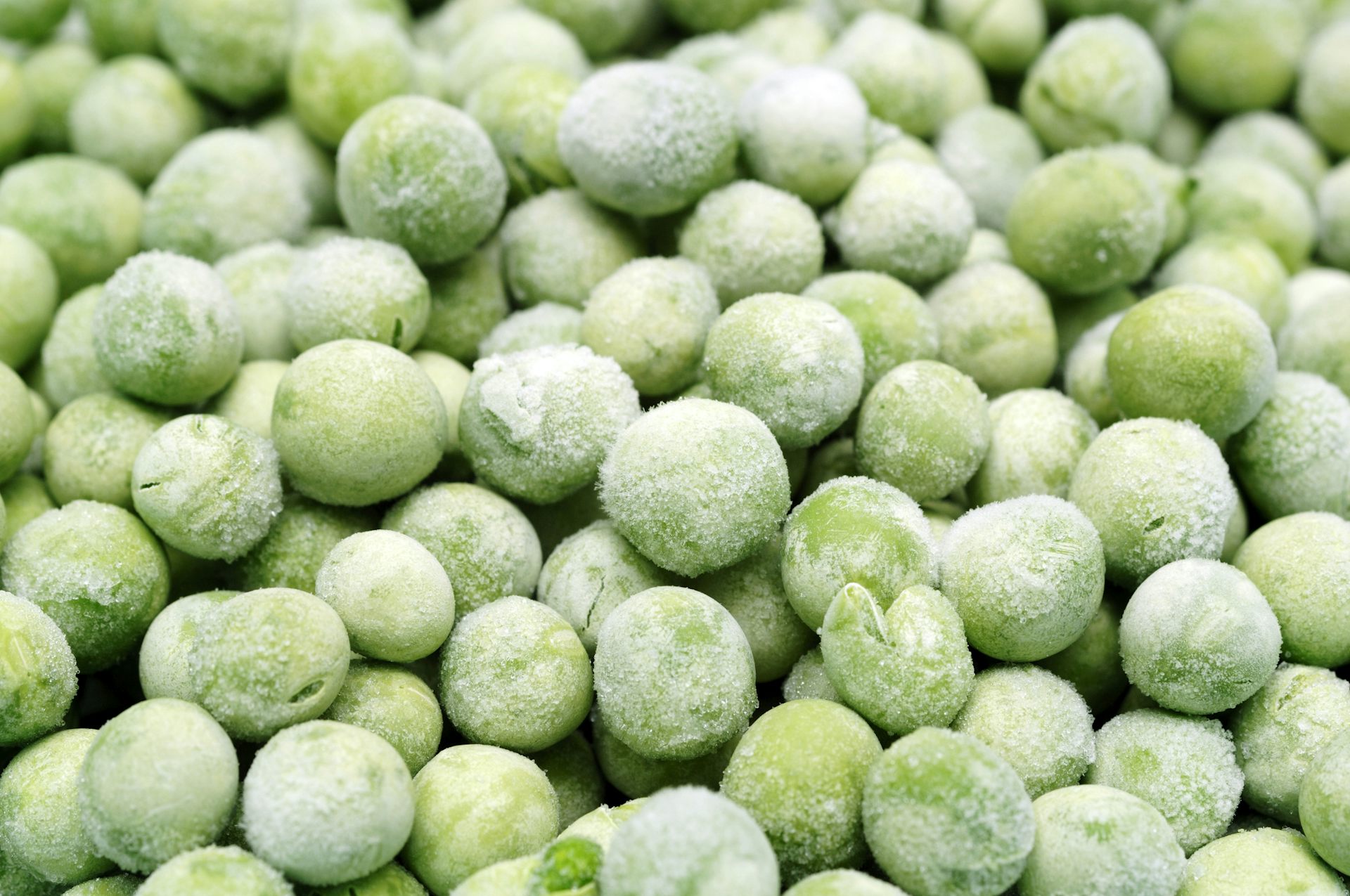
Freezing uses low temperatures to delay food spoilage. Industrial freezing methods are effective at retaining the colour and textural qualities of fruit and vegetables, while also maintaining their nutritional content.
冷冻利用低温来延缓食物腐败。工业冷冻方法在保留水果和蔬菜的颜色和质地方面非常有效,同时也能维持它们的营养含量。
However, freezing may damage the structure of food if it causes ice crystals to develop. This can reduce the nutrient content of fruits and vegetables and make them mushy, especially if you thaw and re-freeze them.
然而,如果冷冻导致冰晶形成,可能会损害食物的结构。这会降低水果和蔬菜的营养含量,并使它们变得软烂,特别是如果你解冻后再重新冷冻的话。
Frozen fruits and vegetables are at risk of being contaminated with the bacteria Listeria monocytogenes, which can cause food poisoning. But cooking fruits or vegetables before eating them reduces this risk.
冷冻水果和蔬菜有被李斯特菌(Listeria monocytogenes)细菌污染的风险,这种细菌可能导致食物中毒。但在食用前烹饪水果或蔬菜可以降低这一风险。
The canning process involves sterilising foods at high temperatures so they can be safely stored at room temperature for long periods. However, being exposed to high temperatures causes some nutrients in the food to break down, especially water-soluble vitamins such as vitamin C. But advances in canning technology are allowing the process to be done faster and at lower temperatures, meaning less nutrients are lost.
罐装过程涉及在高温下对食品进行消毒,以便它们可以在室温下安全地长期储存。然而,暴露于高温会导致食物中的某些营养物质分解,特别是维生素C等水溶性维生素。但罐装技术的进步使得该过程可以更快、在更低的温度下进行,这意味着损失的营养物质更少。
What to keep an eye on
需要注意的事项
There are some things to look out for when purchasing canned fruit or vegetables.
在购买罐装水果或蔬菜时,有一些需要留意的地方。
Canned vegetables can have a high salt content, so it’s best to choose products that say “no added salt”. You can also check the nutrition information panel and look for options with the lowest sodium content. Draining and rinsing canned veggies before eating them can also help reduce the amount of salt you eat.
罐装蔬菜的盐分含量可能很高,因此最好选择标有“无额外添加盐”的产品。您也可以查看营养信息标签,寻找钠含量最低的选项。食用前沥干并冲洗罐装蔬菜也有助于减少摄入的盐分。
For baked beans in sauce, the sauce may contain added sugar and salt. If you eat baked beans regularly, it’s worth finding a salt reduced option to help lower your sodium intake.
对于酱汁中的烤豆子,酱汁中可能含有添加糖和盐。如果您经常食用烤豆子,最好寻找低钠选项,以帮助降低您的钠摄入量。
To help reduce your sugar consumption, choose canned fruit options that are canned in juice rather than syrup. Some may also say “no added sugar” on the package.
为了帮助减少糖分摄入,请选择用果汁而非糖浆罐装的水果。有些产品包装上可能还会标明“无额外添加糖”。
How to use them
如何使用它们
Canned fruits can be eaten as a snack on their own, or with cereal or yoghurt. In many recipes you can often replace fresh fruit with frozen and canned options.
罐装水果可以单独作为零食食用,也可以搭配麦片或酸奶。在许多食谱中,您经常可以用冷冻和罐装的选项代替新鲜水果。
Frozen veggies are great for whipping up a quick meal. For example, frozen peas and edamame only need a few minutes to cook, so can be added last-minute to a stir-fry or stew.
冷冻蔬菜非常适合快速制作餐点。例如,冷冻豌豆和毛豆只需几分钟即可烹饪,因此可以作为最后一步添加到炒菜或炖菜中。
Adding a tin of lentils, chickpeas or beans can bulk out a stew or pasta sauce, while boosting your fibre and protein intake. Given they are already cooked, you can also toss them into a salad that will keep you fuller for longer. Just remember to rinse them first.
加入一罐扁豆、鹰嘴豆或豆子可以增加炖菜或意面酱的份量,同时提高您的纤维和蛋白质摄入量。由于它们已经煮熟,您也可以将它们撒到沙拉中,让您感觉更饱腹。只需记住先冲洗一下即可。
For more inspiration, here are some recipe collections that revolve around:
如需更多灵感,这里有一些围绕以下主题的食谱合集:
frozen vegetables
冷冻蔬菜
canned beans
罐装豆类
canned fruits and vegetables
罐装水果和蔬菜
frozen fruits.
冷冻水果
What about dried fruit and veg?
关于干果和蔬菜呢?
Compared to tinned versions, dried beans, chickpeas and lentils – which are all excellent sources of fibre and protein – are even better value and also have a long shelf life. But they can take longer to prepare.
与罐装版本相比,干豆、鹰嘴豆和扁豆——它们都是纤维和蛋白质的极好来源——不仅性价比更高,而且保质期也更长。但准备时间会更久一些。
Depending on the product, dried beans, chickpeas and lentils may need soaking prior to cooking or may be ready to add straight to the pot. If in doubt, check the instructions on the back of the packet.
根据产品不同,干豆、鹰嘴豆和扁豆在烹饪前可能需要浸泡,或者可以直接加入锅中。如有疑问,请查看包装背面的说明。
Dried fruits are not recommended as an everyday alternative to fresh, frozen or canned fruit. This is because drying makes them more highly concentrated in sugar. But you can enjoy them as an occasional snack.
不建议将干果作为日常替代新鲜、冷冻或罐装水果的选择。这是因为干燥过程会使它们富含糖分。但您可以将其作为偶尔的零食享用。
Margaret Murray does not work for, consult, own shares in or receive funding from any company or organisation that would benefit from this article, and has disclosed no relevant affiliations beyond their academic appointment.
玛格丽特·默里(Margaret Murray)不为任何可能从本文中受益的公司或组织工作、提供咨询、拥有股份或接受资金,并且除了其学术任命外,未披露任何相关隶属关系。