以色列和黎巴嫩签署了停火协议。但这并非战争的圆满结束,人们的注意力很快就会转移。
Israel and Lebanon have signed a ceasefire. But this is…
Israel and Lebanon have agreed to a ten-day ceasefire. This may end one phase of the conflict, but it’s unlikely the violence will end.
以色列和黎巴嫩同意了为期十天的停火。这可能结束冲突的一个阶段,但暴力不太可能因此停止。
After weeks of bombardments in southern Lebanon that have killed more than 2,000 people and displaced more than one million residents, Israel has announced a ten-day ceasefire with Lebanon.
南黎巴嫩数周的轰炸已造成超过2,000人死亡,超过一百万人流离失所,以色列宣布与黎巴嫩停火十天。
Israeli Prime Minister Benjamin Netanyahu, however, vowed to keep Israeli troops in southern Lebanon to create a ten-kilometre “security zone”, raising immediate questions about whether the ceasefire would actually stop Israeli attacks against Hezbollah.
然而,以色列总理本雅明·内塔尼亚胡誓言将以色列军队留在南黎巴嫩,以建立一个十公里的“安全区”,这立即引发了关于停火是否能真正阻止以色列对真主党攻击的疑问。
After a previous ceasefire in late 2024 ended 13 months of fighting between Israel and Hezbollah, Israeli troops continued to launch airstrikes and carry out targeted killings of Hezbollah fighters.
此前,2024年末的停火结束了以色列和真主党长达13个月的战斗,但以色列军队继续发动空袭和对真主党战斗人员进行定点清除。
People like to bound events such as wars with tidy dates and years. It makes them easier to understand and entertains the fantasy that historic events are neat, with understandable beginnings, middles and eventual ends.
人们喜欢用整洁的日期和年份来限定事件,例如战争。这使人们更容易理解,并满足了历史事件是井然有序的、具有可理解的开始、中间和最终结局的幻想。
But in reality, the messiness and complexities of war rarely hold to these manmade boundaries.
但实际上,战争的混乱和复杂性很少能遵守这些人为设定的界限。
Instead, even after a ceasefire or a peace agreement is in place, many dynamics of war continue. This is the paradox of such agreements: they might end one phase of a conflict, but they inevitably usher in another.
相反,即使停火或和平协议已经达成,战争的许多动态依然持续。这就是此类协议的悖论:它们可能结束冲突的一个阶段,但不可避免地会开启另一个阶段。
The good and bad of ceasefires
停火的利与弊
Take Israel’s war in Gaza as an example.
以以色列在加沙的战争为例。
The war came to an end after Israel and Hamas signed the Gaza Peace Plan, a 20-point deal brokered by the Trump administration, in October 2025.
以色列和哈马斯于2025年10月签署了《加沙和平计划》,这是一项由特朗普政府斡旋的20点协议,标志着战争的结束。
The terms are relatively broad, vague and aspirational. But the deal has had many benefits. The ceasefire decreased Israel’s bombardments of Gaza. The remaining Israeli hostages captured on October 7 2023 were swapped with Palestinian prisoners held in Israeli jails. Somewhat more aid now enters the strip than during the war.
这些条款相对宽泛、模糊且具有理想性。但这项协议带来了许多益处。停火减少了以色列对加沙的轰炸。在2023年10月7日被俘的剩余以色列人质与被关押在以色列监狱中的巴勒斯坦囚犯进行了交换。目前进入加沙地带的援助物资比战时有所增加。
However, the agreement also created other negative dynamics and enabled many problems caused by the war to continue.
然而,该协议也产生了其他负面动态,并使得战争造成的许多问题得以持续。
For example, after the deal was signed, the public and media attention shifted away from the violence continuing to be committed by Israel to other events. This has meant that in the wake of the peace deal, near-daily Israeli attacks have continued, but with much less scrutiny. Israeli-supported violence against Palestinians in the West Bank has also escalated.
例如,协议签署后,公众和媒体的注意力从以色列持续犯下的暴力行为转移到了其他事件上。这意味着在和平协议的余波中,以色列近乎每日的袭击仍在继续,但受到了极少的关注。以色列支持的对西岸巴勒斯坦人的暴力行为也升级了。
Humanitarian aid entry into the Gaza Strip also remains vastly below the levels delineated by the peace agreement. And serious discussions about the future governance or development of Gaza – mandated under the peace plan in multiple points – remain uncertain amid the noise of other wars and global events.
人道主义援助进入加沙地带的水平,仍然远低于和平协议所规定的水平。而关于加沙未来治理或发展的严肃讨论——该计划在多个点上都有规定——在其他战争和全球事件的喧嚣中仍然充满不确定性。
We can see similar dynamics in Iran, barely a week after another vaguely worded ceasefire agreement was signed between the US and the Iranian regime.
我们在伊朗也看到了类似的动态,就在美国和伊朗政权之间签署了另一份措辞模糊的停火协议仅仅一周之后。
It appears the regime has taken the opportunity provided by a two-week “peace” to crack down on internal dissent. And in what appears to be an attempt to enhance its negotiating position for future peace talks, the Trump administration has launched a naval blockade of Iranian ports.
这似乎表明,该政权利用了为期两周的“和平”机会来镇压内部异议。而在看似试图增强其未来和平谈判地位的举动中,特朗普政府对伊朗港口发动了海上封锁。
The short-term truce between Lebanon and Israel might offer Lebanese civilians some level of reprieve. However, it may also provide Israel with a quiet week away from the media spotlight to reinforce its military occupation of southern Lebanon.
黎巴嫩和以色列之间的短期休战可能会为黎巴嫩平民提供一定程度的喘息。然而,它也可能为以色列提供了一个远离媒体关注的平静周,以巩固其对黎巴嫩南部的军事占领。
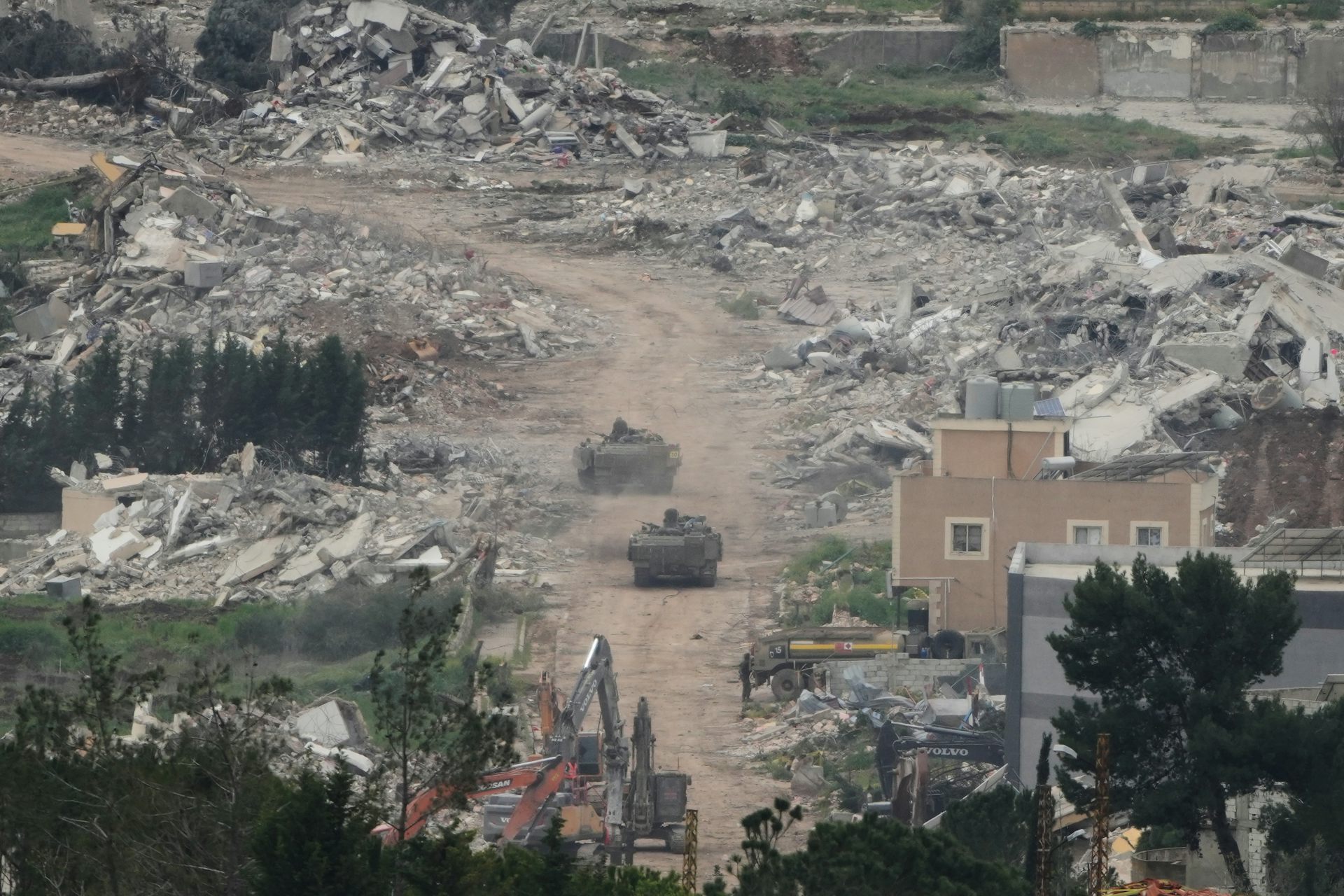
To create Israel’s security zone, Defence Minister Israel Katz said the military would demolish buildings in Lebanese towns near the border and prevent displaced Lebanese from returning to their homes. Netanyahu made clear Israeli troops would remain.
国防部长以色列·卡茨说,为了建立以色列的安全区,军队将拆除靠近边境的黎巴嫩城镇的建筑物,并阻止流离失所的黎巴嫩人返回家园。内塔尼亚胡明确表示,以色列军队将继续驻留。
This can all be more easily accomplished with a ceasefire deal in place.
所有这一切,在停火协议到位的情况下,都可以更容易地实现。
Short attention spans
注意力持续时间短
Globally, dozens of countries are currently experiencing armed conflict. Many people scan the news regularly as a way of keeping informed and bearing witness to the dynamics of these wars, casualty figures and how they might potentially end.
全球范围内,数十个国家目前正经历武装冲突。许多人定期浏览新闻,以此了解局势,并见证这些战争的动态、伤亡人数以及它们可能如何结束。
This glorified horror plays into our current “headline culture”, which tends to encourage clickbait, sensationalised content and virality. It also means public attention on a particular conflict is not necessarily driven by the scale of suffering, but by media coverage. Because of digital media, we have now a proximate and persistent view of human suffering and death that does not always translate into ongoing attention and action.
这种被美化的恐怖,迎合了我们当前的“头条文化”,这种文化倾向于鼓励点击诱饵、耸人听闻的内容和病毒式传播。这也意味着公众对某一特定冲突的关注,不一定是由苦难的规模驱动的,而是由媒体的报道驱动的。由于数字媒体,我们现在对人类的苦难和死亡拥有了一种近距离且持续的视角,但这并不总能转化为持续的关注和行动。
Whether parties to a conflict will reach a ceasefire or peace agreement is certainly worthwhile and important news. However, once a deal is signed, media and public attention often shifts to other more “active” (and also worthy) conflicts. There is currently no shortage of wars to choose from.
冲突各方是否能达成停火或和平协议,无疑是值得关注和重要的消息。然而,一旦协议签署,媒体和公众的注意力往往会转移到其他更“活跃”(也同样值得关注)的冲突上。目前选择的战争数量根本没有短缺。
Because we believe a conflict has “ended” with a deal, what comes after the ceasefire or peace agreement tends to remain obfuscated or under-reported.
因为我们相信冲突随着协议的达成已经“结束”,所以停火或和平协议之后发生的事情往往处于模糊不清或报道不足的状态。
The peace agreement paradox
和平协议悖论
Ceasefires and peace agreements are certainly not always a harbinger of peace or a neat full-stop to a war story.
停火和和平协议当然不总是和平的预兆,也不是战争故事的完美句号。
Arguably, the parties to these deals are increasingly aware of the “peace” agreement paradox and are making their political and military calculations accordingly.
可以说,这些协议的各方越来越了解“和平”协议悖论,并据此进行政治和军事考量。
If we truly want to grapple with what war and peace directly entails for millions of people in an increasingly complex and volatile world, we need to broaden our understanding about what we mean by ceasefires and peace agreements – and keep up a level of scrutiny long after the deals are signed.
如果我们真的想了解在日益复杂和动荡的世界中,战争与和平对数百万人的直接影响,我们需要拓宽对停火和和平协议的理解——并在协议签署后很长一段时间内保持审视。
Marika Sosnowski does not work for, consult, own shares in or receive funding from any company or organisation that would benefit from this article, and has disclosed no relevant affiliations beyond their academic appointment.
Marika Sosnowski 不受任何从本文中受益的公司或组织的雇佣、咨询、拥有股份或获得资金,并且除了其学术任命之外,未披露任何相关隶属关系。