Bagaimana El Niño menjadi super El Niño
How an El Niño becomes a super El Niño
Climate expert Ioana Colfescu talks to The Conversation Weekly podcast about predicting the impact of El Niño.
Pakar iklim Ioana Colfescu berbicara dalam podcast The Conversation Weekly tentang memprediksi dampak El Niño.
El Niño has begun and forecasters predict a more than 60% chance that the naturally occurring phenomenon could become a very strong, or super El Niño later in 2026.
El Niño telah dimulai dan para peramal memperkirakan peluang lebih dari 60% bahwa fenomena alami ini dapat menjadi El Niño yang sangat kuat, atau super El Niño di akhir tahun 2026.
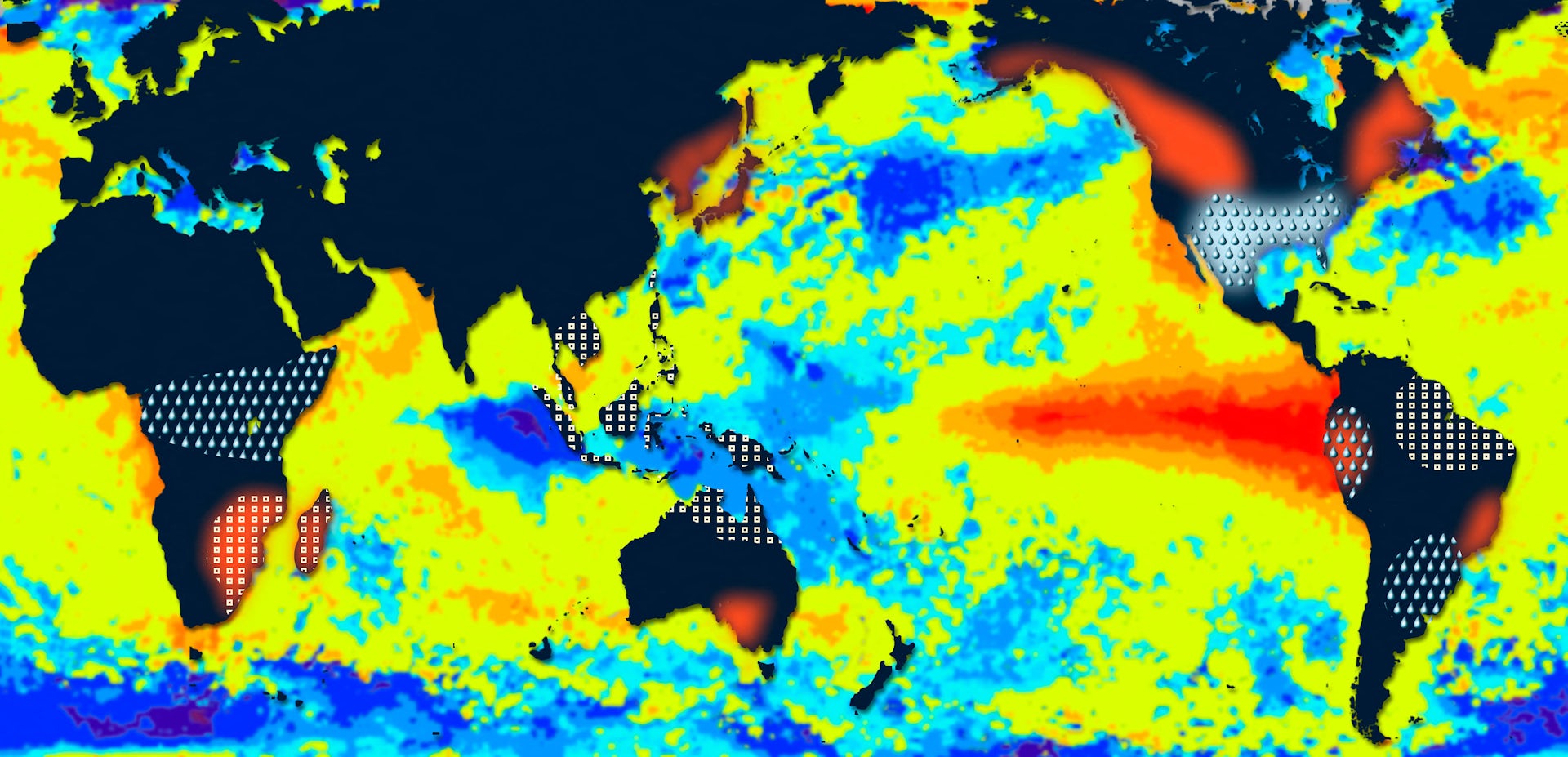
El Niño begins with warmer water in the Pacific Ocean near the equator and can have a cascade of dramatic effects on the world’s weather.
El Niño dimulai dengan air yang lebih hangat di Samudra Pasifik dekat khatulistiwa dan dapat menimbulkan serangkaian efek dramatis pada cuaca dunia.
But what chain of events has to happen for high temperatures in the Pacific to translate into severe floods, droughts and storms around the world? And what role does climate change play in El Niño?
Namun, rangkaian peristiwa apa yang harus terjadi agar suhu tinggi di Pasifik dapat diterjemahkan menjadi banjir parah, kekeringan, dan badai di seluruh dunia? Dan peran apa yang dimainkan perubahan iklim dalam El Niño?
In this episode of The Conversation Weekly podcast, Ioana Colfescu, an expert in climate and machine learning at the University of St Andrews and the University of Edinburgh, explains how El Niño works and what it could mean for the world.
Dalam episode podcast The Conversation Weekly ini, Ioana Colfescu, seorang ahli iklim dan pembelajaran mesin di University of St Andrews dan University of Edinburgh, menjelaskan cara kerja El Niño dan apa artinya bagi dunia.
In the early 1600s, fishermen in Peru and Ecuador noticed something unusual. Their nets were usually flush with anchovies which thrive in the cold waters of the Pacific Ocean. But every few years, the waters began to turn warmer, driving the anchovies away. They called this phenomenon El Niño, meaning little boy, or Christ child, because it tends to peak around Christmas time.
Pada awal tahun 1600-an, para nelayan di Peru dan Ekuador memperhatikan sesuatu yang tidak biasa. Jaring mereka biasanya penuh dengan anchovisi yang berkembang biak di perairan dingin Samudra Pasifik. Tetapi setiap beberapa tahun, air mulai menjadi lebih hangat, mendorong anchovisi menjauh. Mereka menamai fenomena ini El Niño, yang berarti anak laki-laki kecil, atau Anak Kristus, karena cenderung memuncak sekitar waktu Natal.
Centuries later, scientists would understand that this warmer water in the equatorial Pacific is part of a naturally occurring cycle and they would start trying to predict when the next one was coming and how bad it would be.
Berabad-abad kemudian, para ilmuwan akan memahami bahwa air hangat di Pasifik ekuatorial ini adalah bagian dari siklus alami dan mereka mulai mencoba meramalkan kapan gelombang berikutnya akan datang dan seberapa parahnya.
“We have indicators that place this El Niño in a similar pattern or signs that other very large El Niños had,” says Colfescu. “But while we know it’s gonna be a big event in terms of temperature, this temperature index is not yet defined as a big event in terms of impact.”
“Kami memiliki indikator yang menempatkan El Niño ini dalam pola serupa atau tanda-tanda yang dimiliki oleh El Niño besar lainnya,” kata Colfescu. “Tetapi meskipun kami tahu bahwa ini akan menjadi peristiwa besar dalam hal suhu, indeks suhu ini belum didefinisikan sebagai peristiwa besar dalam hal dampak.”
The 2023-24 El Niño was one of the top five strongest ever recorded. While it dramatically affected some parts of the world, including severe flooding in Brazil, and also contributed to 2024 being the hottest year ever recorded, some of the expected effects did not materialise. Colfescu says that’s because El Niño’s “impacts are nuanced … and the response across the tropics, can be different to the one [outside the] tropics”.
El Niño 2023-24 adalah salah satu dari lima terkuat yang pernah tercatat. Meskipun secara dramatis memengaruhi beberapa bagian dunia, termasuk banjir parah di Brasil, dan juga berkontribusi pada tahun 2024 menjadi tahun terpanas yang pernah tercatat, beberapa efek yang diharapkan tidak terjadi. Colfescu mengatakan itu karena “dampak El Niño bersifat bernuansa… dan respons di seluruh tropis dapat berbeda dengan [di luar] tropis.”
Whatever severe weather conditions do happen, Colfescu says they’re likely to be “made much worse because the El Niño right now is overlapped on an already warm ocean because of climate change.”
Apa pun kondisi cuaca buruk yang terjadi, Colfescu mengatakan kemungkinan besar akan “menjadi jauh lebih buruk karena El Niño saat ini tumpang tindih pada lautan yang sudah hangat karena perubahan iklim.”
Listen to Colfescu explain the mechanisms behind El Niño on The Conversation Weekly podcast.
Dengarkan Colfescu menjelaskan mekanisme di balik El Niño di podcast The Conversation Weekly.
This episode of The Conversation Weekly was written and produced by Gemma Ware and Mend Mariwany. Mixing by Eleanor Brezzi and theme music by Neeta Sarl.
Episode The Conversation Weekly ini ditulis dan diproduksi oleh Gemma Ware dan Mend Mariwany. Mixing oleh Eleanor Brezzi dan musik tema oleh Neeta Sarl.
Newsclips in this episode from Al Jazeera English, KCRA 3, Bloomberg-News, CBC News and DW News.
Klip berita dalam episode ini dari Al Jazeera English, KCRA 3, Bloomberg-News, CBC News, dan DW News.
Listen to The Conversation Weekly via any of the apps listed above, download it directly via our RSS feed or find out how else to listen here. A transcript of this episode is available via the Apple Podcasts or Spotify apps.
Dengarkan The Conversation Weekly melalui aplikasi apa pun yang terdaftar di atas, unduh langsung melalui RSS feed kami atau cari tahu cara mendengarkannya di tempat lain di sini. Transkrip episode ini tersedia melalui aplikasi Apple Podcasts atau Spotify.
Ioana Colfescu is the Digital Atmosphere Programme Leader at the National Centre for Atmospheric Science, which has also provided her with research funding.
Ioana Colfescu adalah Pemimpin Program Atmosfer Digital di National Centre for Atmospheric Science, yang juga telah memberinya dana penelitian.
Read more
-

‘Park the bus’, ‘the false nine’ dan ‘total football’: apa arti frasa aneh dalam sepak bola itu?
‘Park the bus’, ‘the false nine’ and ‘total football’: what do soccer’s strange phrases mean?
-

Bagaimana musik yang ‘mudah diingat’ didorong oleh pola ritmis
How ‘catchy’ music is driven by rhythmic patterns