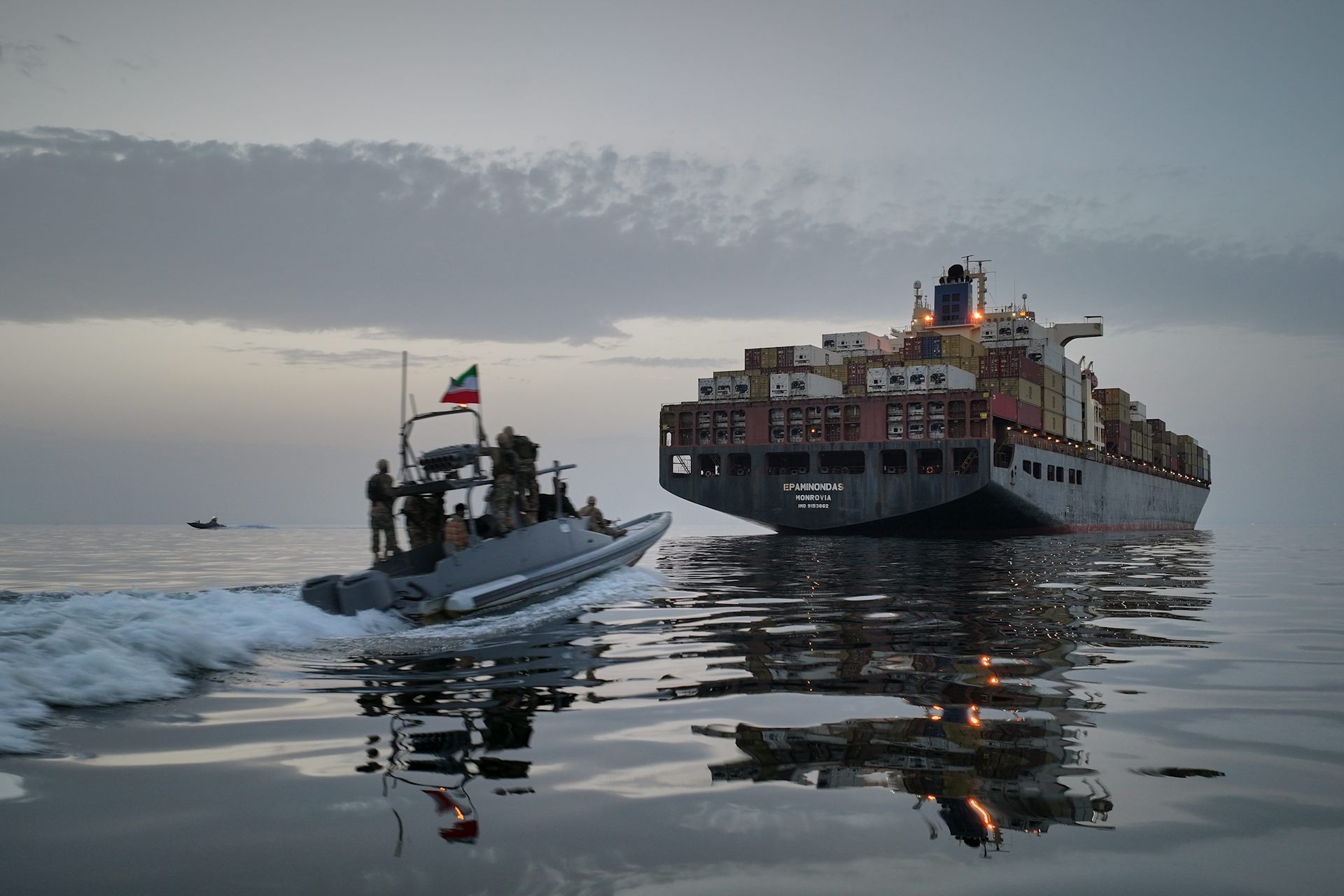
हॉर्मुज की खाड़ी में फंसे 20,000 नाविक मिसाइल के डर, थकान और अलगाव का सामना कर रहे हैं।
20,000 stranded seafarers in the Strait of Hormuz face missile fears, exhaustion and isolation
Even at the best of times, most seafarers face extremely difficult working conditions, while contending with geopolitical crises and unpredictable trade cycles.
सबसे अच्छे समय में भी, अधिकांश नाविक अत्यंत कठिन कामकाजी परिस्थितियों का सामना करते हैं, साथ ही भू-राजनीतिक संकटों और अप्रत्याशित व्यापार चक्रों से भी जूझते हैं।
As the closure of the Strait of Hormuz drags on, the United Nations’ International Maritime Organization has sounded the alarm over a related humanitarian crisis: the plight of the crew stuck on ships at or near the strait.
जैसे-जैसे हॉर्मुज जलडमरूमध्य का बंद होना खिंचता जा रहा है, संयुक्त राष्ट्र के अंतर्राष्ट्रीय समुद्री संगठन ने एक संबंधित मानवीय संकट पर चेतावनी जारी की है: जलडमरूमध्य पर या उसके पास जहाजों पर फंसे चालक दल की दुर्दशा।
Up to 20,000 seafarers on 2,000 vessels remain stranded in and around the strait, enduring a combination of physical danger and psychological stress typical of combat zones.
2,000 जहाजों पर 20,000 तक नाविक जलडमरूमध्य के अंदर और आसपास फंसे हुए हैं, जो युद्ध क्षेत्रों के विशिष्ट शारीरिक खतरे और मनोवैज्ञानिक तनाव के संयोजन को झेल रहे हैं।
They face daily horrors at work. Exhausted by the risk of being hit by missiles or falling debris, they cannot rest in safe harbours, as nearby ports are not secure.
वे काम पर रोज़मर्रा के भयानक अनुभवों का सामना करते हैं। मिसाइलों या गिरते मलबे से टकराने के जोखिम से थक चुके, वे सुरक्षित बंदरगाहों में आराम नहीं कर सकते, क्योंकि आस-पास के बंदरगाह सुरक्षित नहीं हैं।
As their supplies dwindle to dangerously low levels, they must ration food and water and rely on charities such as Mission to Seafarers for supplies (at great risk to the charity workers) .
जैसे-जैसे उनके भंडार खतरनाक रूप से कम होते जाते हैं, उन्हें भोजन और पानी का राशन करना पड़ता है और आपूर्ति के लिए मिशन टू सीफार्अर्स जैसे धर्मार्थ संगठनों पर निर्भर रहना पड़ता है (जो स्वयं स्वयंसेवकों के लिए बहुत जोखिम भरा है) ।
The longer the crisis persists, the more likely seafarers will be working after their contracts expire. They risk not being paid and being unable to get home. Desperate seafarers have also reportedly been targeted by scammers offering safe passage through the strait in exchange for cryptocurrency.
संकट जितना अधिक समय तक बना रहता है, नाविकों के अनुबंध समाप्त होने के बाद काम करने की संभावना उतनी ही अधिक होती जाती है। वे भुगतान न मिलने और घर न जा पाने का जोखिम उठाते हैं। कथित तौर पर, हॉर्मुज से सुरक्षित मार्ग देने के बदले क्रिप्टोकरेंसी देने का वादा करने वाले धोखेबाजों द्वारा भी हताश नाविकों को निशाना बनाया गया है।
The current crisis is deeply troubling. But the grim reality is that even at the best of times, seafarers generally experience appalling working conditions, while contending with geopolitical crises and unpredictable trade cycles.
वर्तमान संकट गहन चिंता का विषय है। लेकिन कठोर वास्तविकता यह है कि सबसे अच्छे समय में भी, नाविकों को आम तौर पर भयानक कामकाजी परिस्थितियों का सामना करना पड़ता है, जबकि वे भू-राजनीतिक संकटों और अप्रत्याशित व्यापार चक्रों से जूझ रहे होते हैं।
These workers face financial insecurity, job uncertainty, physical and mental hazards, isolation, overwork and limited career prospects. Fatigue and sleep deprivation expose them to serious injuries or illnesses on vessels that often operate without adequate medical facilities or qualified doctors.
इन श्रमिकों को वित्तीय असुरक्षा, नौकरी की अनिश्चितता, शारीरिक और मानसिक खतरे, अलगाव, अत्यधिक काम और सीमित करियर संभावनाओं का सामना करना पड़ता है। थकान और नींद की कमी उन्हें ऐसे जहाजों पर गंभीर चोटों या बीमारियों के संपर्क में लाती है जो अक्सर पर्याप्त चिकित्सा सुविधाओं या योग्य डॉक्टरों के बिना संचालित होते हैं।
Lessons of COVID
कोविड के सबक
The current crisis echoes problems revealed during the COVID pandemic. Then, some 400,000 seafarers were stranded at sea. Many were unpaid, and couldn’t be repatriated.
वर्तमान संकट कोविड महामारी के दौरान सामने आई समस्याओं को दर्शाता है। तब, लगभग 400,000 नाविक समुद्र में फंसे हुए थे। कई को भुगतान नहीं मिला और उन्हें वापस नहीं भेजा जा सका।
Some ship operators introduced “no crew change” clauses (which ban crew changes while the operator’s cargo is onboard) . Such clauses in contracts undermine seafarers’ rights under the Maritime Labour Convention 2006. This exists to promote safety, security and good working conditions on ships, and protect seafarers’ rights.
कुछ जहाज संचालकों ने “कोई क्रू परिवर्तन नहीं” (no crew change) खंड पेश किए (जो संचालक के माल के जहाज पर होने के दौरान क्रू परिवर्तन पर रोक लगाते हैं) । अनुबंधों में ऐसे खंड, समुद्री श्रम सम्मेलन 2006 के तहत नाविकों के अधिकारों को कमजोर करते हैं। इसका उद्देश्य जहाजों पर सुरक्षा, संरक्षा और अच्छी कार्य परिस्थितियों को बढ़ावा देना और नाविकों के अधिकारों की रक्षा करना है।
As a result of an amendment to this convention, seafarers have since been designated as “key workers”. This facilitates access to shore leave, repatriation, crew changes and medical care ashore.
इस सम्मेलन में संशोधन के परिणामस्वरूप, नाविकों को “मुख्य कार्यकर्ता” (key workers) के रूप में नामित किया गया है। यह तटीय अवकाश, प्रत्यावर्तन, क्रू परिवर्तन और तट पर चिकित्सा देखभाल तक पहुंच को आसान बनाता है।
However, the amendments do not take effect until December 2027.
हालांकि, ये संशोधन दिसंबर 2027 तक प्रभावी नहीं होंगे।
More broadly, the Maritime Labour Convention requires shipowners to provide accommodation, food, transportation, cover for medical expenses and repatriation (the cost of the seafarers’ journeys home, including accommodation) .
व्यापक रूप से, समुद्री श्रम सम्मेलन जहाज मालिकों को आवास, भोजन, परिवहन, चिकित्सा खर्चों के लिए कवरेज और प्रत्यावर्तन (जिसमें आवास सहित नाविकों के घर की यात्रा की लागत शामिल है) प्रदान करने की आवश्यकता है।
But it relies on the countries where ships are registered (known as flag states) to regulate shipping – and ships are constantly moving and beyond the reach of regulators. Many are registered under flags of convenience (that is, not where they are owned) in countries with low labour standards that are seldom enforced.
लेकिन यह उन देशों पर निर्भर करता है जहाँ जहाज पंजीकृत होते हैं (जिन्हें ध्वज राज्य कहा जाता है) ताकि शिपिंग को विनियमित किया जा सके – और जहाज लगातार चलते रहते हैं और नियामकों की पहुँच से बाहर होते हैं। कई ऐसे देश हैं जहाँ कम श्रम मानक हैं और उनका शायद ही कभी पालन किया जाता है, और ये जहाज सुविधा के झंडों (flags of convenience) के तहत पंजीकृत हैं (यानी, जहाँ वे स्वामित्व में नहीं हैं) ।
Risk of attack or abandonment
हमले या परित्याग का खतरा
Many commercial ships currently stuck in the Strait of Hormuz have been targeted in military operations, by both Iranian and US forces.
होर्मुज जलडमरूमध्य में फंसे कई वाणिज्यिक जहाजों को ईरानी और अमेरिकी दोनों सेनाओं द्वारा सैन्य अभियानों का निशाना बनाया गया है।
Seafarers also face the unique threat of abandonment. This is where shipowners – in breach of maritime law – leave them without wages, support or maintenance. This occurs when shipowners fail to secure new business.
नाविकों को परित्याग का एक अनूठा खतरा भी झेलना पड़ता है। यह वह स्थिति है जहाँ जहाज मालिक – समुद्री कानून का उल्लंघन करते हुए – उन्हें वेतन, समर्थन या रखरखाव के बिना छोड़ देते हैं। यह तब होता है जब जहाज मालिक नया व्यवसाय सुरक्षित करने में विफल रहते हैं।
And it is very difficult for seafarers to leave the ship on which they work. Maritime law also compels crews to keep ships safe and operational and prevents them abandoning ships except under the most extreme circumstances, such as if the vessel is sinking.
और नाविकों के लिए उस जहाज को छोड़ना जिस पर वे काम करते हैं, बहुत मुश्किल होता है। समुद्री कानून क्रू को जहाजों को सुरक्षित और चालू रखने के लिए भी बाध्य करता है और उन्हें जहाज छोड़ने से रोकता है, सिवाय सबसे चरम परिस्थितियों के, जैसे कि यदि जहाज डूब रहा हो।
In 2025, 6,223 seafarers were abandoned on 410 ships – the sixth yearly increase in a row.
2025 में, 410 जहाजों पर 6,223 नाविकों को छोड़ दिया गया था – लगातार छठा वार्षिक इजाफा।
According to the International Seafarers’ Welfare and Assistance Network, there are probably many more unreported cases as seafarers fear dismissal and being blacklisted from other work.
इंटरनेशनल सीफारेर्स वेलफेयर एंड असिस्टेंस नेटवर्क के अनुसार, शायद और भी कई अनरिपोर्टेड मामले हैं क्योंकि नाविकों को नौकरी से निकाले जाने और अन्य काम से ब्लैकलिस्ट होने का डर है।
Early indications for 2026 are that the number of seafarers abandoned by shipowners already exceeds 6,000 cases.
2026 के शुरुआती संकेत बताते हैं कि जहाज मालिकों द्वारा छोड़े गए नाविकों की संख्या पहले से ही 6,000 मामलों से अधिक है।
Abandoned seafarers were also owed US$25.8 million in unpaid wages in 2025, of which just $16.5 million was recovered.
2025 में छोड़े गए नाविकों को भी unpaid wages में US$25.8 मिलियन का बकाया था, जिसमें से केवल $16.5 मिलियन ही वसूल किए गए।
Shadow fleets
छाया बेड़े
Most abandonments are linked to the shadow fleet, meaning ships that carry oil, gas and other goods in breach of sanctions. The shadow fleet has expanded to 20% of the world’s tankers and 7.5% of LPG carriers.
अधिकांश परित्याग छाया बेड़े से जुड़े हैं, जिसका अर्थ है ऐसे जहाज जो प्रतिबंधों का उल्लंघन करते हुए तेल, गैस और अन्य सामान ले जाते हैं। छाया बेड़ा दुनिया के टैंकरों का 20% और एलपीजी वाहकों का 7.5% तक बढ़ गया है।
Shadow fleet vessels have opaque ownership, inadequate insurance and poorly trained crew obtained through illegal recruitment methods bordering on human trafficking.
छाया बेड़े के जहाजों का स्वामित्व अपारदर्शी होता है, उनका बीमा अपर्याप्त होता है और चालक दल खराब प्रशिक्षण वाला होता है, जिसे मानव तस्करी के कगार पर अवैध भर्ती तरीकों से प्राप्त किया जाता है।
They are registered in countries with lenient labour laws and poor labour protections, few safety regulations and little oversight. More than half of these ships are more than 15 years old (the traditional cut off age for tankers used by major oil companies) and are in substandard condition. They also use ports where they are unlikely to be inspected.
वे ऐसे देशों में पंजीकृत हैं जहाँ श्रम कानून शिथिल हैं और श्रम सुरक्षा खराब है, जहाँ सुरक्षा नियम कम हैं और निगरानी भी कम है। इन जहाजों में से आधे से अधिक 15 साल से अधिक पुराने हैं (जो प्रमुख तेल कंपनियों द्वारा उपयोग किए जाने वाले टैंकरों की पारंपरिक कट-ऑफ आयु है) और ये घटिया स्थिति में हैं। वे उन बंदरगाहों का भी उपयोग करते हैं जहाँ उनका निरीक्षण होना असंभव है।
In addition, they are often run by small ship management companies with little technical knowledge or industry experience, about which very little information is available.
इसके अलावा, इन्हें अक्सर छोटी जहाज प्रबंधन कंपनियों द्वारा चलाया जाता है, जिनमें तकनीकी ज्ञान या उद्योग का अनुभव बहुत कम होता है, और इनके बारे में बहुत कम जानकारी उपलब्ध है।
Stranded in the strait
जलडमरूमध्य में फंसे
Under the circumstances in the strait, seafarers have been denied the right of repatriation. First, the US blockade prevents ships accessing ports from which they could transit. Second, the fuel crisis has driven the price of flights to a level that many shipowners cannot afford.
जलडमरूमध्य में मौजूदा परिस्थितियों के कारण, समुद्री नाविकों को देश वापसी का अधिकार से वंचित किया गया है। पहला, अमेरिकी नाकेबंदी जहाजों को उन बंदरगाहों तक पहुंचने से रोकती है जहाँ से वे पारगमन कर सकते थे। दूसरा, ईंधन संकट ने उड़ानों की कीमत को ऐसे स्तर तक बढ़ा दिया है जो कई जहाज मालिकों के लिए वहन करना संभव नहीं है।
India, which maintains diplomatic relations with Iran and imports 90% of its gas from the Persian Gulf, has negotiated the safe passage of its seafarers.
भारत, जो ईरान के साथ राजनयिक संबंध बनाए रखता है और अपना 90% गैस फारस की खाड़ी से आयात करता है, ने अपने समुद्री नाविकों के सुरक्षित मार्ग के लिए बातचीत की है।
But thousands of others remain stranded, with no states coming to their aid.
लेकिन हजारों अन्य लोग फंसे हुए हैं, और कोई भी देश उनकी मदद के लिए आगे नहीं आ रहा है।
Claudio Bozzi does not work for, consult, own shares in or receive funding from any company or organisation that would benefit from this article, and has disclosed no relevant affiliations beyond their academic appointment.
क्ल audio बोज़ी किसी भी कंपनी या संगठन के लिए काम नहीं करते, उनसे परामर्श नहीं लेते, उनके शेयर नहीं रखते या उनसे वित्तपोषण प्राप्त नहीं करते जिससे इस लेख को लाभ होगा, और उन्होंने अपनी शैक्षणिक नियुक्ति के अलावा कोई प्रासंगिक संबंध का खुलासा नहीं किया है।
Read more
-

हमने यह पता लगाने के लिए 14 मिलियन रेडिट पोस्ट का विश्लेषण किया कि हम मानसिक स्वास्थ्य के बारे में किस तरह बात करते हैं, जिसमें एक बड़ा बदलाव सामने आया।
We analysed 14 million Reddit posts to reveal a striking shift in how we talk about mental health
-
पुतिन और ट्रम्प की मेजबानी करते हुए, चीन एक संदेश भेजता है – अब यह गाड़ी के स्टीयरिंग व्हील पर है
Playing host to Putin and Trump, China sends a message – it’s now in the driver’s seat