लेबनान के राजनीतिक अभिजात वर्ग विस्थापन और मानवीय संकट का उपयोग फिर से चुनाव में देरी करने के लिए कर रहे हैं
Lebanon’s political elites are using displacement and humanitarian crisis to delay elections again
With the return of Israeli forces, the Lebanese parliament scrapped elections scheduled for May. The move is a recurring theme in the country’s fractured politics.
इजरायली सेनाओं की वापसी के साथ, लेबनानी संसद ने मई के लिए निर्धारित चुनाव रद्द कर दिए। यह कदम देश की खंडित राजनीति में एक बार-बार दोहराया जाने वाला विषय है।
Lebanon was meant to be preparing for key parliamentary elections in May 2026. Then came the return of war.
लेबनान मई 2026 में होने वाले प्रमुख संसदीय चुनावों की तैयारी कर रहा था। फिर युद्ध लौट आया।
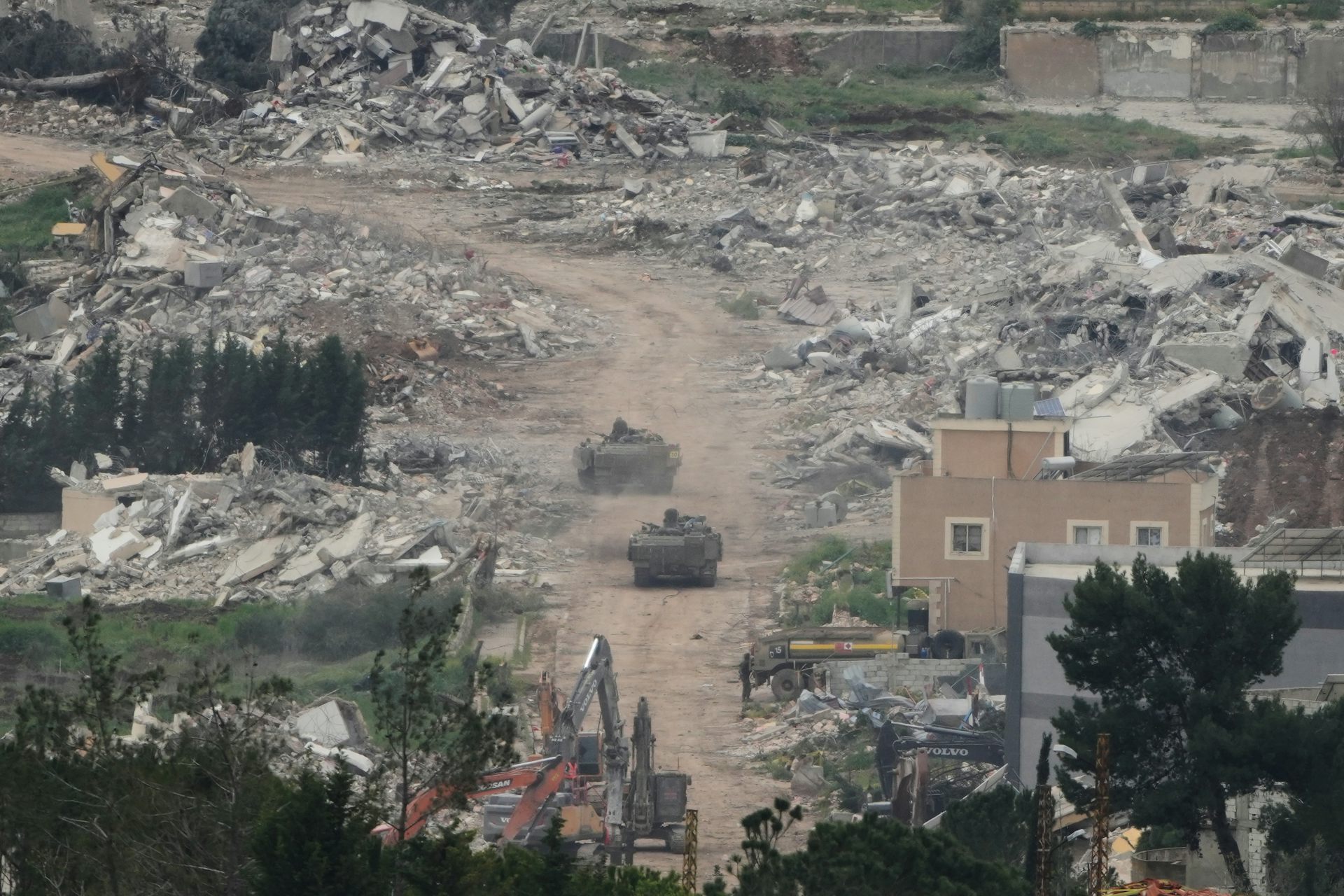
Two days after the U.S. and Israel launched their military operation in Iran on Feb. 28, Hezbollah and Israel resumed their own full-scale hostilities. That marked the final collapse of a much-violated ceasefire that for a little over a year had barely kept a lid on fighting. With Israel’s full-scale bombardment of the country and invasion of southern Lebanon again underway, the Lebanese parliament on March 9 postponed scheduled elections by extending its own mandate by two years.
28 फरवरी को अमेरिका और इज़राइल द्वारा ईरान में सैन्य अभियान शुरू करने के दो दिन बाद, हिज़्बुल्लाह और इज़राइल ने अपनी पूर्ण पैमाने की शत्रुता फिर से शुरू कर दी। इसने एक ऐसे युद्धविराम के अंतिम पतन को चिह्नित किया जो एक साल से थोड़ा अधिक समय तक संघर्ष पर मुश्किल से लगाम लगाए हुए था। इज़राइल के देश पर पूर्ण पैमाने पर बमबारी और दक्षिणी लेबनान पर आक्रमण फिर से शुरू होने के साथ, लेबनानी संसद ने 9 मार्च को अपने जनादेश को दो साल तक बढ़ा देकर निर्धारित चुनावों को स्थगित कर दिया।
Its justification was a now familiar one: war, instability and a security situation deemed incompatible with democratic process. As conflict escalates across the region and further destabilizes Lebanon with the possibility of long-term Israeli occupation, officials insist that elections are simply not feasible.
इसका औचित्य एक अब परिचित कारण था: युद्ध, अस्थिरता और एक सुरक्षा स्थिति जिसे लोकतांत्रिक प्रक्रिया के साथ असंगत माना जाता है। जैसे-जैसे क्षेत्र में संघर्ष बढ़ता है और दीर्घकालिक इज़राइली कब्जे की संभावना के साथ लेबनान को और अस्थिर करता है, अधिकारी जोर देते हैं कि चुनाव बस संभव नहीं हैं।
But this is not the first time Lebanese elections have been postponed.
लेकिन यह पहली बार नहीं है जब लेबनानी चुनाव स्थगित हुए हैं।
Since 2013, the Lebanese government has delayed parliamentary elections multiple times, citing among other factors the war in neighboring Syria, political deadlock and disputes over electoral law. Each delay has been framed as temporary, necessary and exceptional. Yet taken together, they reveal a pattern: Elections in Lebanon seem to be always approaching – and continually postponed.
2013 से, लेबनानी सरकार ने कई बार संसदीय चुनावों में देरी की है, जिसमें पड़ोसी सीरिया में युद्ध, राजनीतिक गतिरोध और चुनावी कानून पर विवाद जैसे कारकों का हवाला दिया गया है। प्रत्येक देरी को अस्थायी, आवश्यक और असाधारण बताया गया है। फिर भी, एक साथ मिलकर, वे एक पैटर्न का खुलासा करते हैं: लेबनान में चुनाव हमेशा आते हुए लगते हैं – और लगातार स्थगित होते रहते हैं।
This is not simply a story of crisis interrupting democracy. It is a story of how crisis is used to govern it.
यह केवल संकट द्वारा लोकतंत्र में रुकावट की कहानी नहीं है। यह एक कहानी है कि संकट का उपयोग शासन करने के लिए कैसे किया जाता है।
Crisis as justification and opportunity
संकट एक औचित्य और अवसर के रूप में
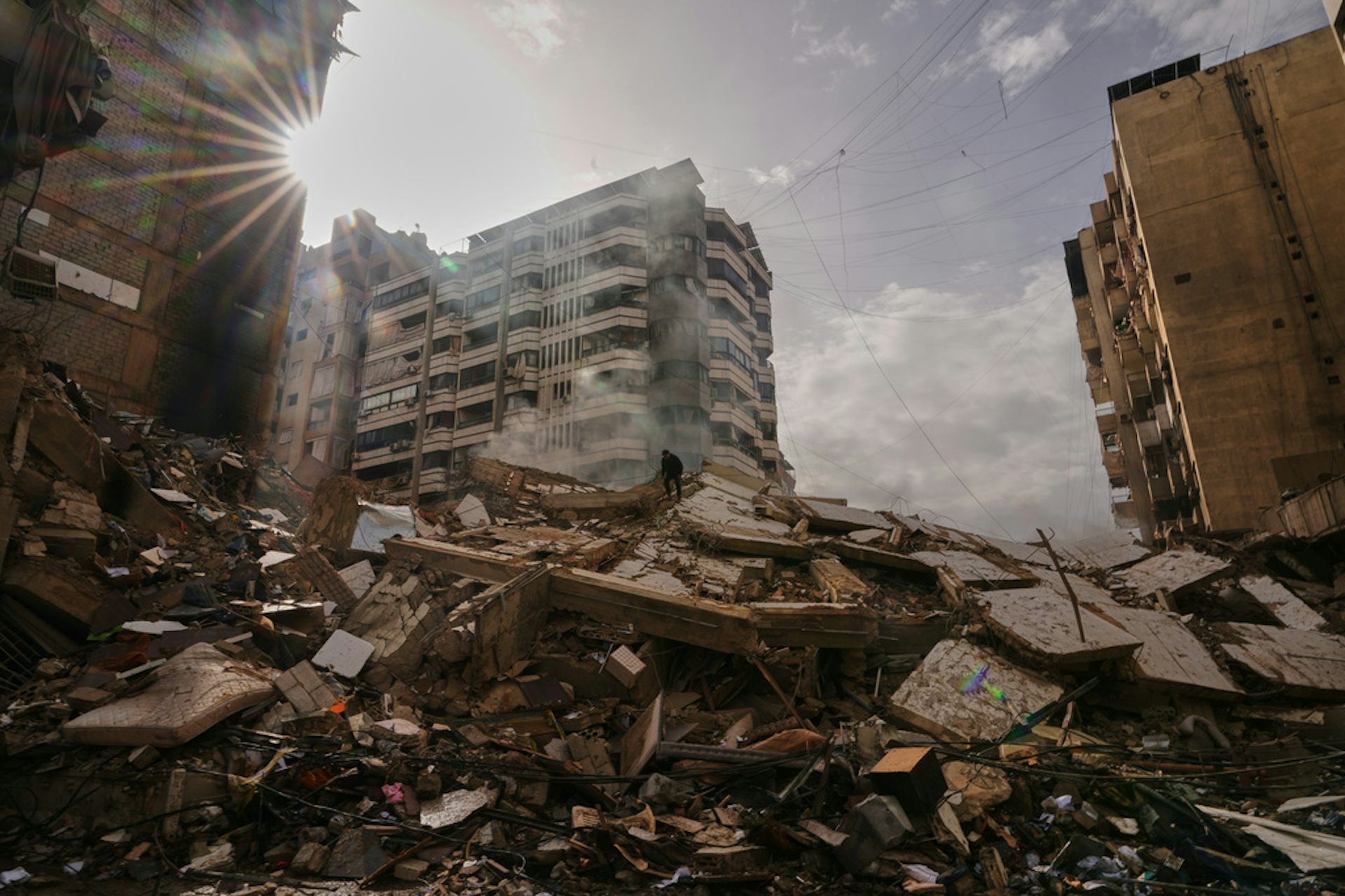
There is little question that the latest postponement of elections comes amid trying conditions – airstrikes, displacement and mounting insecurity – that make the logistics of an election extremely difficult.
यह कहना मुश्किल नहीं है कि चुनावों का नवीनतम स्थगन कठिन परिस्थितियों – हवाई हमलों, विस्थापन और बढ़ती असुरक्षा – के बीच आया है, जो चुनाव के लॉजिस्टिक्स को अत्यंत कठिन बना देते हैं।
Indeed, on its face the parliament’s decision appears pragmatic. Elections require mobility, stability and functioning institutions, all of which are currently under strain.
वास्तव में, पहली नज़र में संसद का निर्णय व्यावहारिक लगता है। चुनावों के लिए गतिशीलता, स्थिरता और कार्यशील संस्थानों की आवश्यकता होती है, जो सभी वर्तमान में तनाव में हैं।
But arguments for postponement obscure an important reality: Political crises in Lebanon have contributed to a self-fulfilling logic that protects the political status quo.
लेकिन स्थगन के तर्क एक महत्वपूर्ण वास्तविकता को अस्पष्ट करते हैं: लेबनान में राजनीतिक संकटों ने एक ऐसे स्व-पुष्टि करने वाले तर्क में योगदान दिया है जो राजनीतिक यथास्थिति की रक्षा करता है।
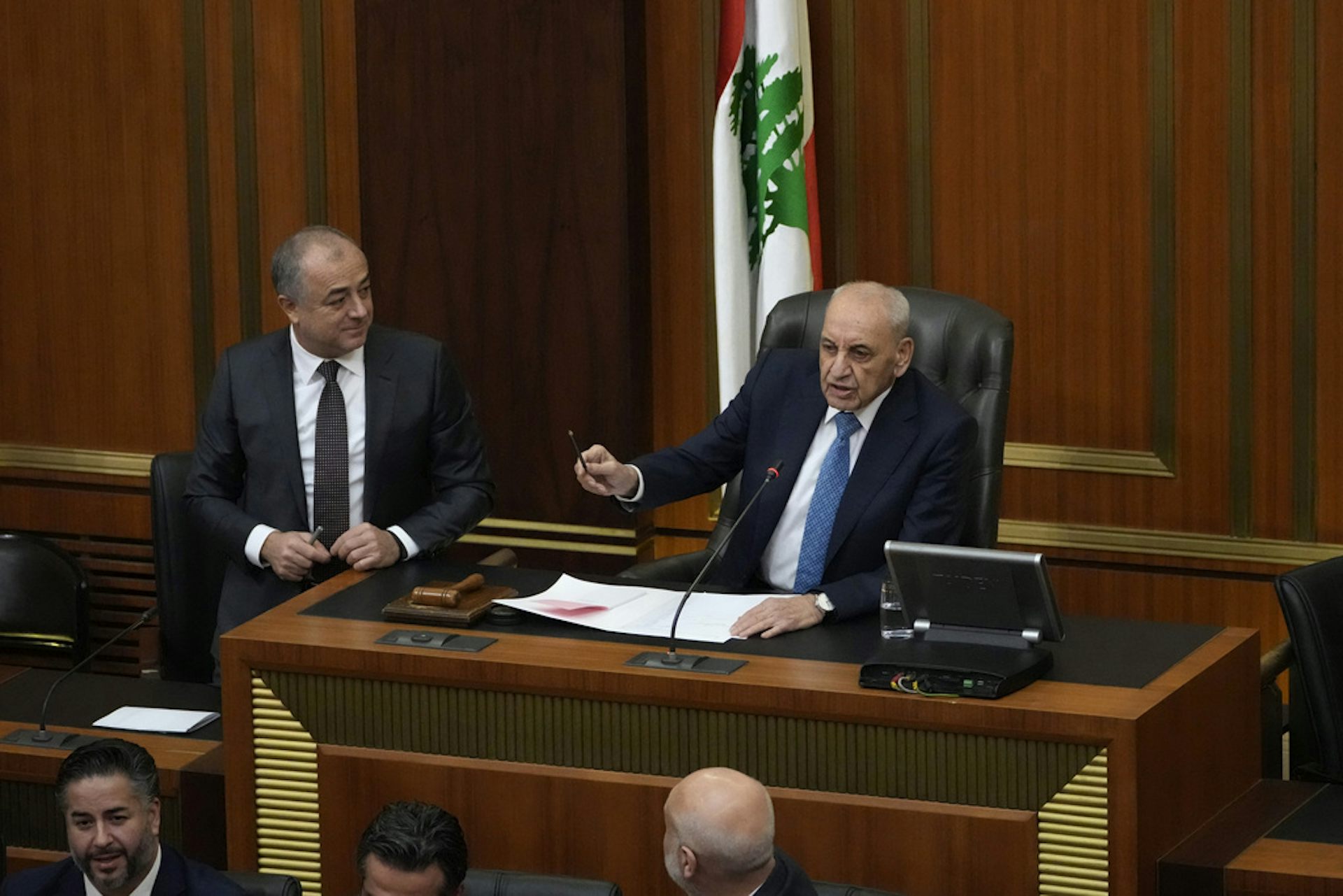
The extension of parliament’s term was announced by Speaker Nabih Berri, a central figure in the country’s political order since Lebanon’s civil war ended in 1990. That order has long been defined by power-sharing among entrenched elites, as well as a system widely criticized for enabling corruption, patronage and institutional paralysis.
संसद की अवधि का विस्तार स्पीकर नबीह बेरी ने घोषित किया, जो 1990 में लेबनान के गृहयुद्ध की समाप्ति के बाद से देश की राजनीतिक व्यवस्था में एक केंद्रीय व्यक्ति रहे हैं। वह व्यवस्था लंबे समय से स्थापित अभिजात वर्ग के बीच शक्ति-साझाकरण द्वारा परिभाषित रही है, साथ ही एक ऐसी प्रणाली भी है जिस पर भ्रष्टाचार, संरक्षण और संस्थागत पक्षाघात को बढ़ावा देने के लिए व्यापक रूप से आलोचना की जाती है।
The current system was formalized in the Taif Agreement, which formally ended Lebanon’s devastating 15-year civil war. The accord distributed power along sectarian lines, with key state positions allocated to religious communities. While intended to ensure representation, it instead entrenched elite bargaining and veto power, making consensus both necessary and perpetually elusive.
वर्तमान प्रणाली ताइफ समझौते में औपचारिक रूप से स्थापित हुई, जिसने औपचारिक रूप से लेबनान के विनाशकारी 15 साल के गृह युद्ध को समाप्त किया। इस समझौते ने शक्ति को सांप्रदायिक रेखाओं के साथ वितरित किया, जिसमें प्रमुख राज्य पदों को धार्मिक समुदायों को आवंटित किया गया। हालांकि इसका उद्देश्य प्रतिनिधित्व सुनिश्चित करना था, इसने इसके बजाय अभिजात वर्ग की मोलभाव करने की क्षमता और वीटो शक्ति को मजबूत किया, जिससे सहमति बनाना आवश्यक होने के बावजूद हमेशा दूर की बनी रही।
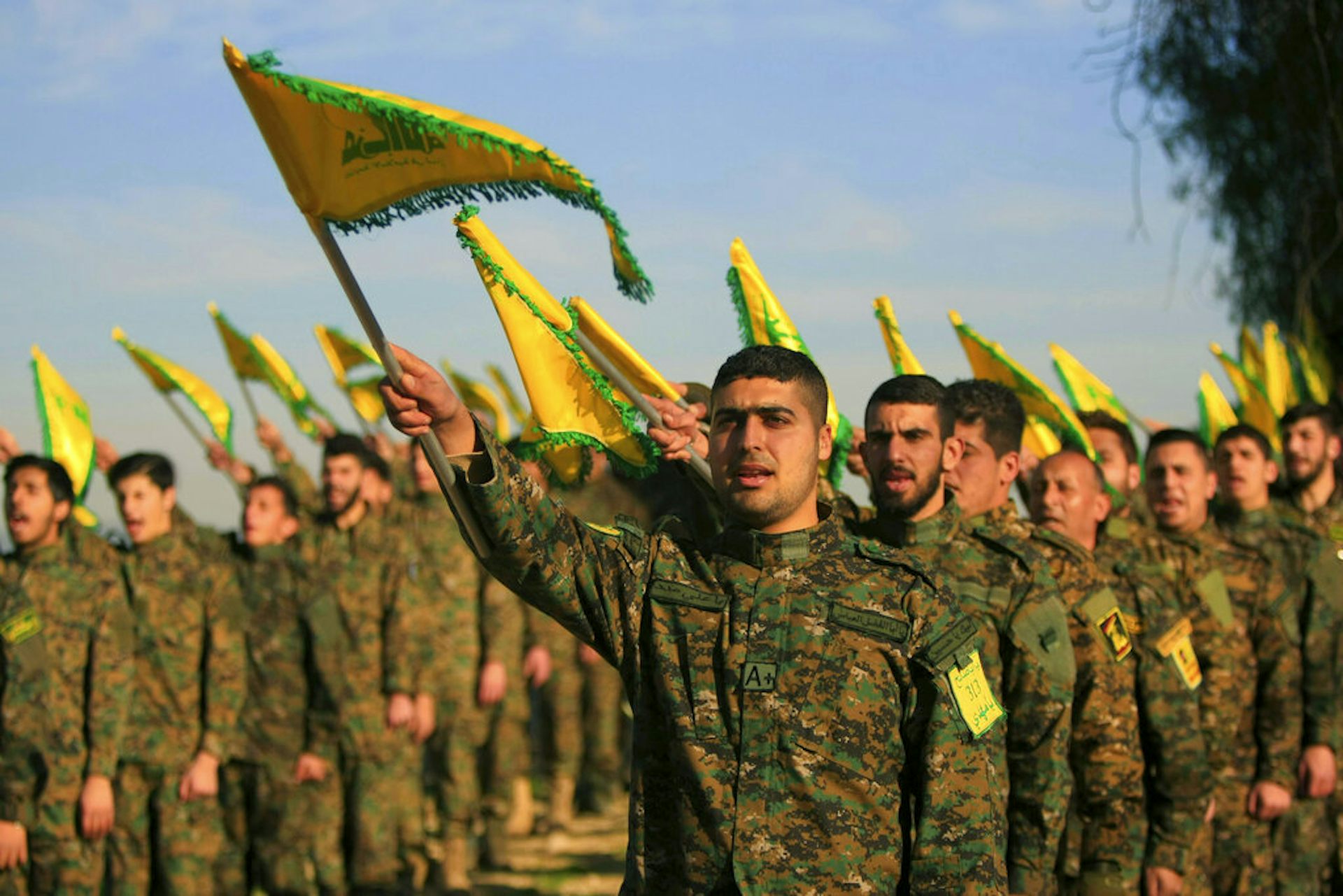
Over time, this has produced a political system defined less by governance than by managed deadlock – where institutional paralysis is not incidental but built into the system itself. This fragility is compounded by the interplay of domestic and external forces, including the significant political and military role of Hezbollah. Emerging out of the Lebanese civil war and the broader context of Israeli occupation in the 1980s, Hezbollah developed as an armed resistance movement and later consolidated its position as both a political actor and a military force operating alongside the state, complicating the already tenuous balance of power.
समय के साथ, इसने एक राजनीतिक प्रणाली को जन्म दिया जो शासन से अधिक प्रबंधित गतिरोध से परिभाषित है – जहाँ संस्थागत पक्षाघात आकस्मिक नहीं है बल्कि स्वयं प्रणाली में निर्मित है। इस नाजुकता को घरेलू और बाहरी ताकतों की परस्पर क्रिया से और बढ़ाया गया है, जिसमें हिज़्बुल्लाह की महत्वपूर्ण राजनीतिक और सैन्य भूमिका शामिल है। लेबनान के गृहयुद्ध और 1980 के दशक में इजरायली कब्जे के व्यापक संदर्भ से उभरते हुए, हिज़्बुल्लाह एक सशस्त्र प्रतिरोध आंदोलन के रूप में विकसित हुआ और बाद में राज्य के साथ काम करने वाले एक राजनीतिक अभिनेता और सैन्य बल दोनों के रूप में अपनी स्थिति को मजबूत किया, जिससे पहले से ही नाज़ुक शक्ति संतुलन और जटिल हो गया।
This fragility is further reflected in repeated institutional deadlock, including prolonged presidential vacuums like between 2014 and 2016. Then, Hezbollah and its allies blocked consensus over a candidate, leaving the country without a head of state for over two years.
यह नाजुकता बार-बार होने वाले संस्थागत गतिरोध में और भी परिलक्षित होती है, जिसमें 2014 और 2016 के बीच जैसी लंबी अवधि की राष्ट्रपति शून्यता शामिल है। फिर, हिज़्बुल्लाह और उसके सहयोगियों ने एक उम्मीदवार पर आम सहमति को रोक दिया, जिससे देश दो साल से अधिक समय तक राज्य प्रमुख के बिना रह गया।
The politics of delay
विलंब की राजनीति
Within Lebanon’s fractured political context, postponing elections has serious consequences. Fundamentally, it changes when and how political accountability happens in ways that benefit those already in power. In Lebanon, elections increasingly function as deferred events: always anticipated but continually postponed.
लेबनान के खंडित राजनीतिक संदर्भ में, चुनाव टालने के गंभीर परिणाम होते हैं। मौलिक रूप से, यह निर्धारित करता है कि राजनीतिक जवाबदेही कब और कैसे होती है, और यह तरीके उन लोगों के पक्ष में होते हैं जो पहले से सत्ता में हैं। लेबनान में, चुनाव तेजी से स्थगित घटनाएँ बन गए हैं: हमेशा अपेक्षित लेकिन लगातार टाल दिए जाते हैं।
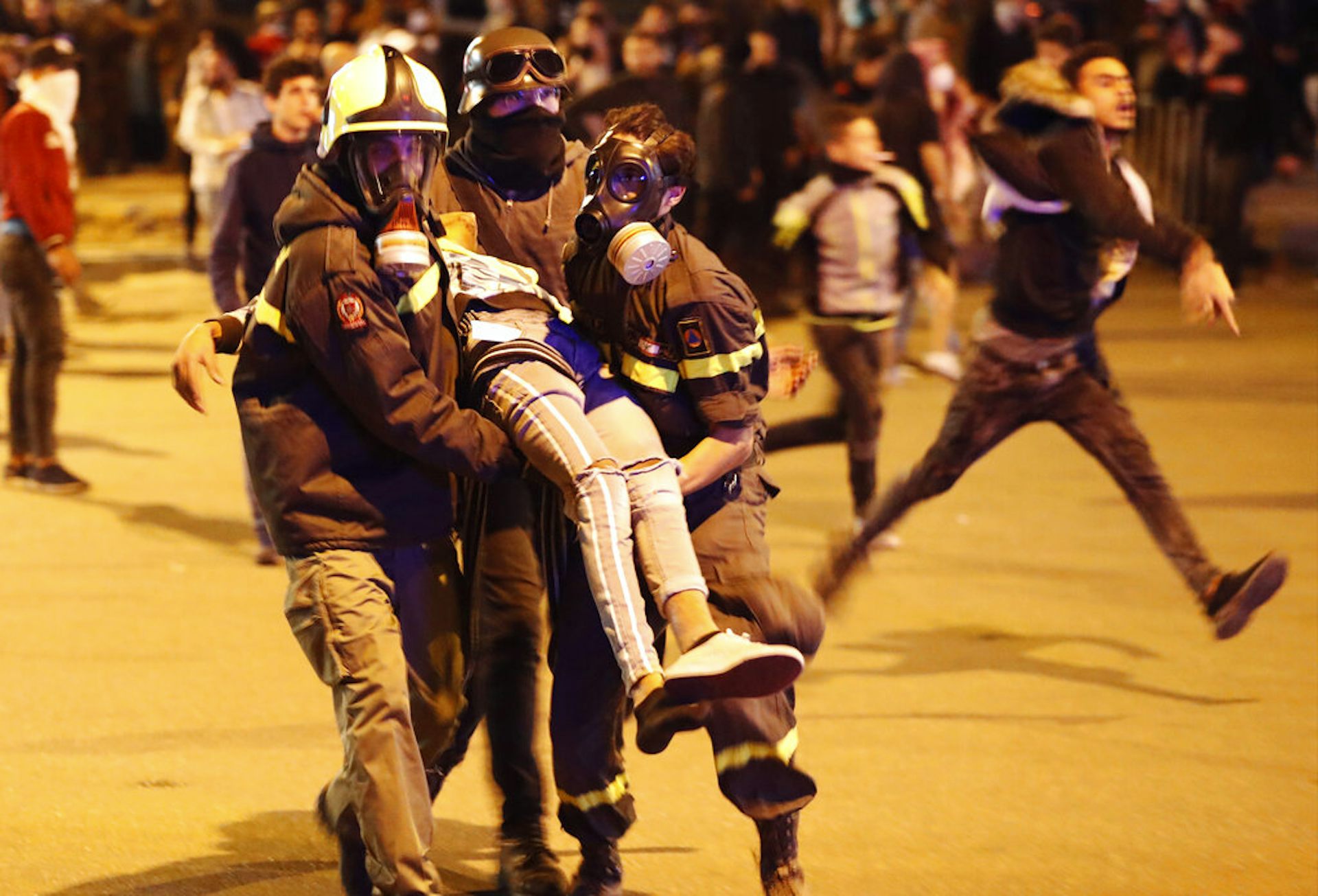
This prolongs the tenure of a political class that has faced sustained public anger since the 2019 uprising, when mass protests erupted across the country over economic mismanagement, corruption and deepening inequality. The movement forced the resignation of the government and exposed the fragility of the state’s political and economic order.
यह एक राजनीतिक वर्ग की अवधि को लंबा करता है जिसने 2019 के विद्रोह के बाद से लगातार सार्वजनिक आक्रोश का सामना किया है, जब आर्थिक कुप्रबंधन, भ्रष्टाचार और बढ़ती असमानता को लेकर पूरे देश में बड़े पैमाने पर विरोध प्रदर्शन हुए थे। इस आंदोलन ने सरकार को इस्तीफा देने के लिए मजबूर किया और राज्य के राजनीतिक और आर्थिक व्यवस्था की नाजुकता को उजागर किया।
While this challenges individual leaders and the broader system of governance, it did not translate into sustained structural reform or a meaningful reconfiguration of power. Instead, the post-2019 period has been marked by deepening economic collapse, institutional paralysis and repeated political deadlock that has included prolonged delays in government formation.
हालांकि यह व्यक्तिगत नेताओं और शासन की व्यापक प्रणाली को चुनौती देता है, लेकिन यह निरंतर संरचनात्मक सुधार या शक्ति के सार्थक पुनर्गठन में परिवर्तित नहीं हुआ। इसके बजाय, 2019 के बाद की अवधि आर्थिक पतन, संस्थागत पक्षाघात और बार-बार राजनीतिक गतिरोध से चिह्नित रही है, जिसमें सरकार के गठन में लंबा विलंब शामिल है।
Election delays also narrow the space for political alternatives. New parties, independent candidates and reformist movements rely on electoral cycles to gain visibility and legitimacy. Postponing elections thus also defers possibilities for political transformation.
चुनावों में देरी राजनीतिक विकल्पों के लिए जगह भी कम करती है। नए दल, स्वतंत्र उम्मीदवार और सुधारवादी आंदोलन दृश्यता और वैधता हासिल करने के लिए चुनावी चक्रों पर निर्भर करते हैं। इस प्रकार, चुनाव टालने से राजनीतिक परिवर्तन की संभावनाएँ भी टल जाती हैं।
Finally, postponement reinforces a system in which accountability is continually suspended. Without elections, there is no formal mechanism through which citizens can register discontent or enact change.
अंत में, स्थगन एक ऐसी प्रणाली को मजबूत करता है जिसमें जवाबदेही लगातार निलंबित रहती है। चुनावों के बिना, कोई औपचारिक तंत्र नहीं है जिसके माध्यम से नागरिक असंतोष दर्ज करा सकें या बदलाव ला सकें।
In this sense, delay is not simply a byproduct of instability. It is a political outcome with clear beneficiaries in power, both within the Lebanese state and among actors such as Hezbollah, whose influence is often reinforced in periods of internal and external crisis.
इस अर्थ में, देरी केवल अस्थिरता का उप-उत्पाद नहीं है। यह एक राजनीतिक परिणाम है जिसके स्पष्ट लाभार्थी सत्ता में हैं, चाहे वह लेबनानी राज्य के भीतर हो या हेज़बोल्लाह जैसे अभिकर्ताओं के बीच, जिसका प्रभाव अक्सर आंतरिक और बाहरी संकट की अवधि में मजबूत होता है।
Crucially, elections are never canceled outright. They are deferred, extended, rescheduled. While the promise of democratic participation remains, its realization is continually pushed into the future.
महत्वपूर्ण रूप से, चुनाव कभी भी पूरी तरह से रद्द नहीं होते हैं। उन्हें स्थगित किया जाता है, बढ़ाया जाता है, पुनर्निर्धारित किया जाता है। लोकतांत्रिक भागीदारी का वादा बना रहता है, लेकिन इसकी प्राप्ति लगातार भविष्य में धकेल दी जाती है।
Displacement and exclusion
विस्थापन और बहिष्कार
The current crisis also raises deeper questions about who is able to participate in Lebanon’s political life. Escalating violence in the south has displaced thousands, disrupting livelihoods, mobility and access to basic services. Participation in elections becomes not only difficult but, for many, secondary to survival.
वर्तमान संकट यह भी सवाल उठाता है कि लेबनान के राजनीतिक जीवन में कौन भाग लेने में सक्षम है। दक्षिण में बढ़ते हिंसक संघर्ष ने हजारों लोगों को विस्थापित किया है, जिससे आजीविका, गतिशीलता और बुनियादी सेवाओं तक पहुंच बाधित हुई है। चुनाव में भागीदारी न केवल कठिन हो जाती है, बल्कि कई लोगों के लिए यह अस्तित्व के लिए द्वितीयक हो जाती है।
This dynamic is not new. Periods of conflict in south Lebanon, from the prolonged Israeli occupation prior to 2000 to the 2006 Israel-Hezbollah war, have repeatedly disrupted electoral participation, displacing communities and reshaping who is able to vote, where, and under what conditions. Electoral processes have, at times, proceeded despite such disruptions, but often in ways that marginalize those most affected by violence.
यह गतिशीलता नई नहीं है। दक्षिण लेबनान में संघर्ष की अवधि, 2000 से पहले की लंबी इजरायली कब्ज़ा से लेकर 2006 के इज़राइल-हिज़बोल्लाह युद्ध तक, ने बार-बार चुनावी भागीदारी को बाधित किया है, समुदायों को विस्थापित किया है और यह तय किया है कि कौन, कहाँ और किन परिस्थितियों में वोट देने में सक्षम है। चुनावी प्रक्रियाओं ने, कभी-कभी, ऐसे व्यवधानों के बावजूद आगे बढ़ना जारी रखा है, लेकिन अक्सर ऐसे तरीकों से जो हिंसा से सबसे अधिक प्रभावित लोगों को हाशिए पर धकेलते हैं।
This follows a broader pattern in which those most affected by crises in Lebanon are also those least able to shape the country’s political outcomes.
यह एक व्यापक पैटर्न का अनुसरण करता है जिसमें लेबनान में संकटों से सबसे अधिक प्रभावित लोग वे भी हैं जो देश के राजनीतिक परिणामों को आकार देने में सबसे कम सक्षम हैं।
Lebanon’s electoral system has long been marked by exclusion: from diaspora voters who face logistical and administrative barriers to those displaced – entirely excluded from the political process.
लेबनान की चुनावी प्रणाली लंबे समय से बहिष्कार की निशानी रही है: प्रवासी मतदाताओं से लेकर वे विस्थापित लोग जिन्हें राजनीतिक प्रक्रिया से पूरी तरह बाहर रखा गया है, तक।
Today, renewed conflict, including Israeli military operations in the south, intensifies these constraints.
आज, इज़रायली सैन्य अभियानों सहित नवीनीकृत संघर्ष इन बाधाओं को और तीव्र करता है।
The postponement of elections, then, is marked by both genuine logistical constraints and facilitating the interests of entrenched political elites.
इसलिए, चुनाव स्थगित करना वास्तविक तार्किक बाधाओं और स्थापित राजनीतिक अभिजात वर्ग के हितों को सुविधाजनक बनाने दोनों से चिह्नित है।
It also risks deepening existing inequalities. Large segments of the population, particularly those in the majority-Shiite south, will face disproportionate barriers to participation as displacement, insecurity and the destruction of infrastructure make voter registration, campaigning and access to polling stations significantly more difficult.
यह मौजूदा असमानताओं को गहरा करने का भी जोखिम उठाता है। आबादी के बड़े हिस्से, विशेष रूप से बहुसंख्यक शिया दक्षिण के लोग, भागीदारी के लिए अनुपातहीन बाधाओं का सामना करेंगे क्योंकि विस्थापन, असुरक्षा और बुनियादी ढांचे के विनाश से मतदाता पंजीकरण, अभियान और मतदान केंद्रों तक पहुंच काफी अधिक कठिन हो जाती है।
These are the same communities whose political representation is most directly shaped by cycles of violence, displacement and uncertainty.
ये वही समुदाय हैं जिनका राजनीतिक प्रतिनिधित्व हिंसा, विस्थापन और अनिश्चितता के चक्रों से सबसे अधिक सीधे तौर पर आकार लेता है।
Why elections still matter
चुनाव अभी भी क्यों मायने रखते हैं
All this does not mean that elections no longer matter in Lebanon. On the contrary, their repeated deferral points to their continued importance. But it also highlights the fragile nature of democratic processes within a system shaped by entrenched power and persistent instability.
इसका मतलब यह नहीं है कि लेबनान में चुनाव अब मायने नहीं रखते। इसके विपरीत, उन्हें बार-बार टालना उनके निरंतर महत्व की ओर इशारा करता है। लेकिन यह एक ऐसे सिस्टम के भीतर लोकतांत्रिक प्रक्रियाओं की नाजुक प्रकृति को भी उजागर करता है जो जड़ जमा चुकी शक्ति और लगातार अस्थिरता से आकार लेता है।
At the same time, there are ongoing, if uneven, efforts to reckon with this paralysis. Reform-oriented political actors and segments of civil society have continued to push for electoral transparency, diaspora participation in elections and institutional reform.
साथ ही, इस गतिहीनता से निपटने के लिए चल रहे, भले ही असमान, प्रयास किए जा रहे हैं। सुधार-उन्मुख राजनीतिक अभिनेताओं और नागरिक समाज के वर्गों ने चुनावी पारदर्शिता, चुनावों में प्रवासी भागीदारी और संस्थागत सुधार के लिए लगातार जोर दिया है।
International actors, including the International Monetary Fund and the European Union, have also tied financial assistance and recovery frameworks to governance reforms, including calls for credible and timely elections. Yet these pressures have so far yielded limited structural change, often absorbed into the same status quo they seek to transform.
अंतर्राष्ट्रीय अभिनेताओं, जिनमें अंतर्राष्ट्रीय मुद्रा कोष और यूरोपीय संघ शामिल हैं, ने भी वित्तीय सहायता और पुनर्प्राप्ति ढाँचों को शासन सुधारों से जोड़ा है, जिसमें विश्वसनीय और समय पर चुनावों का आह्वान शामिल है। फिर भी, इन दबावों ने अब तक सीमित संरचनात्मक परिवर्तन दिया है, जिसे अक्सर उसी वर्तमान स्थिति में समाहित कर लिया जाता है जिसे वे बदलना चाहते हैं।
Meanwhile, the escalation of violence in the south and the persistent possibility of expanded military confrontation continues to reshape the conditions under which any future election might take place.
इस बीच, दक्षिण में हिंसा का बढ़ना और विस्तारित सैन्य टकराव की लगातार संभावना, उन परिस्थितियों को नया आकार देना जारी रखे हुए है जिनमें कोई भी भविष्य का चुनाव हो सकता है।
In Lebanon, democracy is not suspended in times of crisis but stretched. And in that stretching, the distance between citizens and political change continues to grow. That will only continue unless emerging pressures, both domestic and international, are able to create forms of genuine accountability.
लेबनान में, संकट के समय लोकतंत्र निलंबित नहीं होता, बल्कि खिंचा हुआ होता है। और इस खिंचाव में, नागरिकों और राजनीतिक परिवर्तन के बीच की दूरी बढ़ती जा रही है। यह तभी जारी रहेगा जब उभरते दबाव, घरेलू और अंतर्राष्ट्रीय दोनों, वास्तविक जवाबदेही के रूप बनाने में सक्षम होंगे।
Jasmin Lilian Diab does not work for, consult, own shares in or receive funding from any company or organization that would benefit from this article, and has disclosed no relevant affiliations beyond their academic appointment.
जैस्मीन लिलीयन डीयाब किसी भी कंपनी या संगठन के लिए काम नहीं करती हैं, उनसे परामर्श नहीं करती हैं, उनमें हिस्सेदारी नहीं रखती हैं या उनसे धन प्राप्त नहीं करती हैं जिससे इस लेख को लाभ होगा, और उन्होंने अपने अकादमिक पद से परे कोई प्रासंगिक जुड़ाव नहीं बताया है।
Read more
-

नई डॉक्यूमेंट्री काइली मिनोग के करियर को ट्रैक करती है, कठोर शुरुआती आलोचकों से लेकर पॉप स्टारडम तक
New documentary traces Kylie Minogue’s career, from harsh early critics to pop stardom
-
इज़राइल और लेबनान ने युद्धविराम पर हस्ताक्षर किए हैं। लेकिन यह युद्ध का एक साफ अंत नहीं है और ध्यान जल्दी ही कहीं और चला जाता है।
Israel and Lebanon have signed a ceasefire. But this isn’t a tidy end to a war and attention moves on quickly