स्वदेशी ऑस्ट्रेलियाई दुनिया के पहले खगोलशास्त्री थे। लेकिन उनका ज्ञान अब खतरे में है।
Indigenous Australians were the world’s first astronomers. But their knowledge is now at risk
Aboriginal communities have observed the night sky for millennia. But they face a growing threat – light pollution.
आदिवासी समुदाय सहस्राब्दियों से रात के आकाश का अवलोकन करते आ रहे हैं। लेकिन वे एक बढ़ते खतरे का सामना कर रहे हैं – प्रकाश प्रदूषण।
I’m a proud Yorta Yorta and Barapa Barapa man, an Indigenous astronomer and a trainee ecologist.
मैं एक गर्वित योर्ता योर्ता और बरापा बरापा पुरुष हूँ, एक स्वदेशी खगोलशास्त्री और एक प्रशिक्षु पारिस्थितिकीविद्।
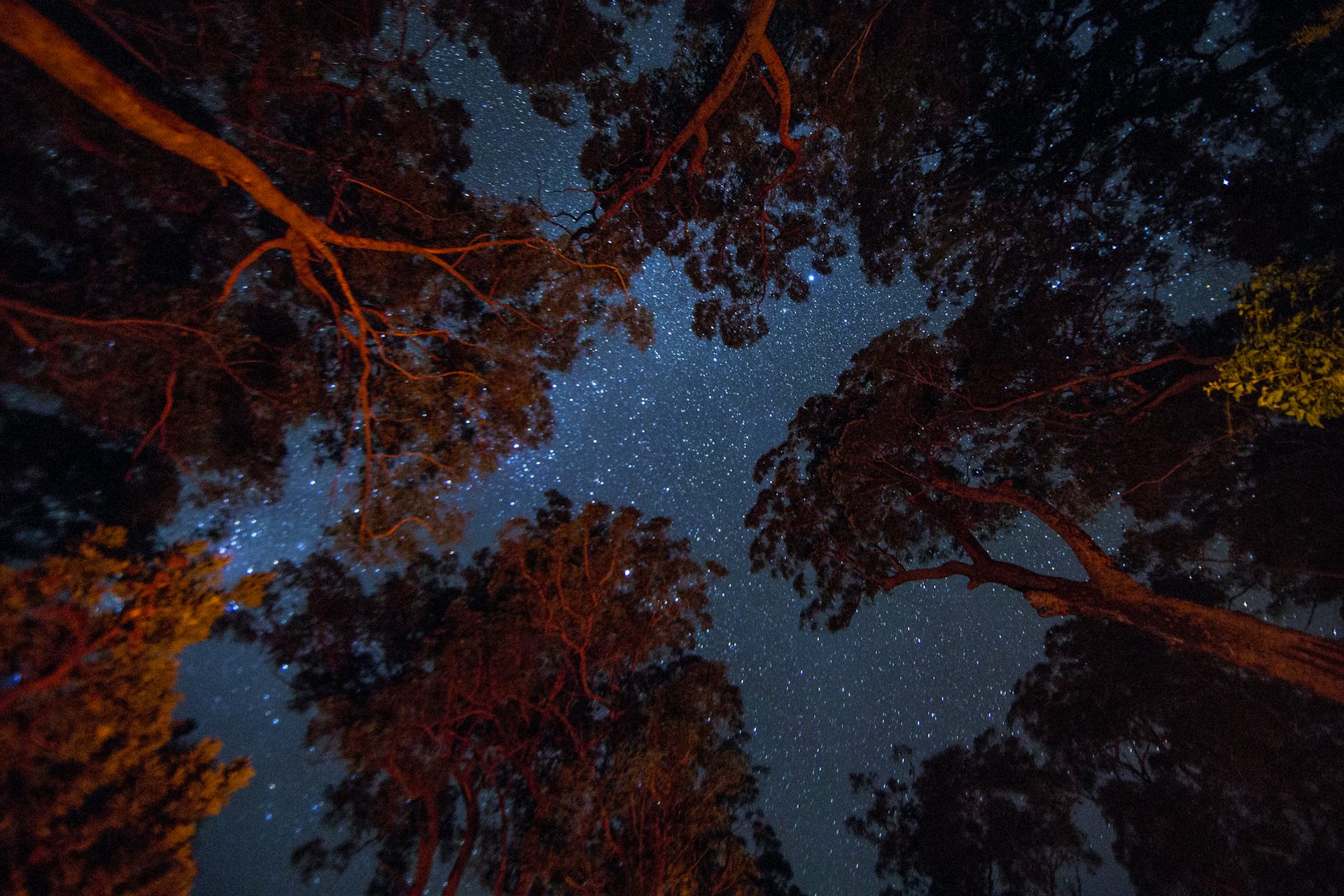
When I look at the night sky, I don’t just see stars. Instead, I see an ancient knowledge system that has guided people, culture and Country for tens of thousands of years.
जब मैं रात के आकाश को देखता हूँ, तो मुझे सिर्फ तारे दिखाई नहीं देते। बल्कि, मुझे एक प्राचीन ज्ञान प्रणाली दिखाई देती है जिसने हजारों वर्षों से लोगों, संस्कृति और देश का मार्गदर्शन किया है।
But that knowledge is now at risk. In many of our towns and cities, the stars are increasingly hidden behind a haze of artificial light. And that light pollution is threatening a unique way of understanding the world.
लेकिन वह ज्ञान अब खतरे में है। हमारे कई कस्बों और शहरों में, तारे कृत्रिम रोशनी के धुंध के पीछे तेजी से छिप रहे हैं। और वह प्रकाश प्रदूषण दुनिया को समझने के एक अनूठे तरीके को खतरा पहुंचा रहा है।
A ‘living classroom’
एक ‘जीवित कक्षा’
The night sky is a living classroom, at once a calendar, map, lore book and weather forecast.
रात का आकाश एक जीवित कक्षा है, जो एक ही समय में कैलेंडर, नक्शा, ज्ञानकोश और मौसम पूर्वानुमान है।
Indigenous Elders share this knowledge with younger people – often outdoors, on Country, beneath the stars.
स्वदेशी बुजुर्ग यह ज्ञान युवा लोगों के साथ साझा करते हैं – अक्सर बाहर, देश में, सितारों के नीचे।
They may start by talking about constellations, which have helped guide Indigenous Australians for millenia.
वे नक्षत्रों के बारे में बात करके शुरुआत कर सकते हैं, जिन्होंने सहस्राब्दियों से स्वदेशी ऑस्ट्रेलियाई लोगों को मार्गदर्शन करने में मदद की है।
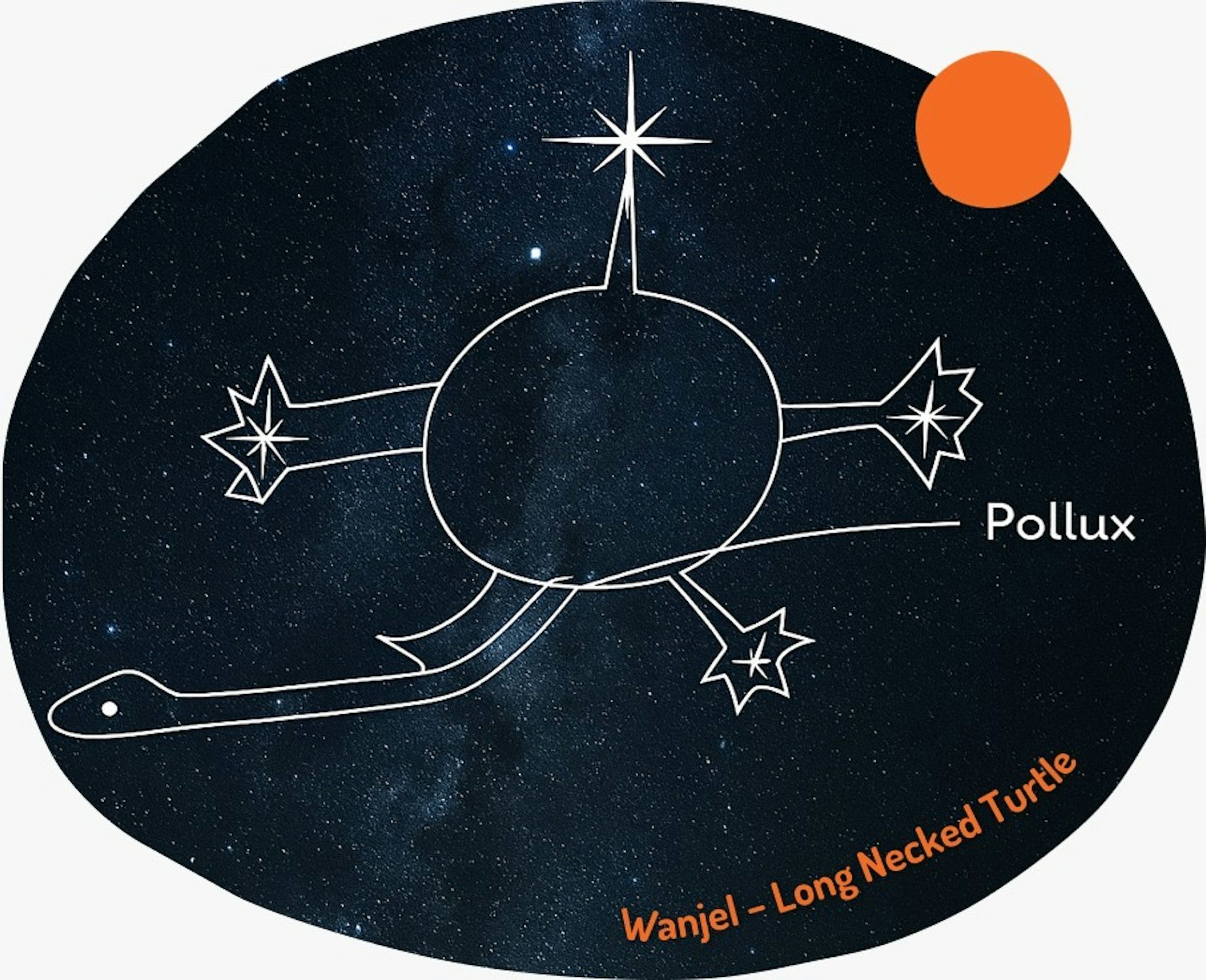
One example is the Wangel or “long-necked turtle” constellation. Various Indigenous communities looked to this constellation, based on the bright orange star Pollux, to know when it was time to travel and gather for different ceremonies. This may be because the bright orange star reflects the turtle’s orange colouring.
एक उदाहरण वैंगल या “लंबी गर्दन वाले कछुए” का नक्षत्र है। विभिन्न स्वदेशी समुदायों ने इस नक्षत्र को देखा, जो चमकीले नारंगी तारे पोलक्स पर आधारित है, यह जानने के लिए कि विभिन्न समारोहों के लिए यात्रा और इकट्ठा होने का समय कब है। ऐसा इसलिए हो सकता है क्योंकि चमकीला नारंगी तारा कछुए के नारंगी रंग को दर्शाता है।
Another is the Djurt or “red-rumped parrot” constellation. This constellation is based on the Antares star which appears bright red with a blue halo, resembling the parrot’s red and blue feathers. This constellation guided communities to spots where food was abundant, such as grasslands that were full of seeds.
एक अन्य है Djurt या “लाल पेट वाले तोते” का नक्षत्र। यह नक्षत्र अंतारेस तारे पर आधारित है जो नीले प्रभामंडल के साथ चमकीला लाल दिखाई देता है, जो तोते के लाल और नीले पंखों जैसा दिखता है। इस नक्षत्र ने समुदायों को उन स्थानों तक मार्गदर्शन दिया जहाँ भोजन प्रचुर मात्रा में था, जैसे बीज से भरे घास के मैदान।
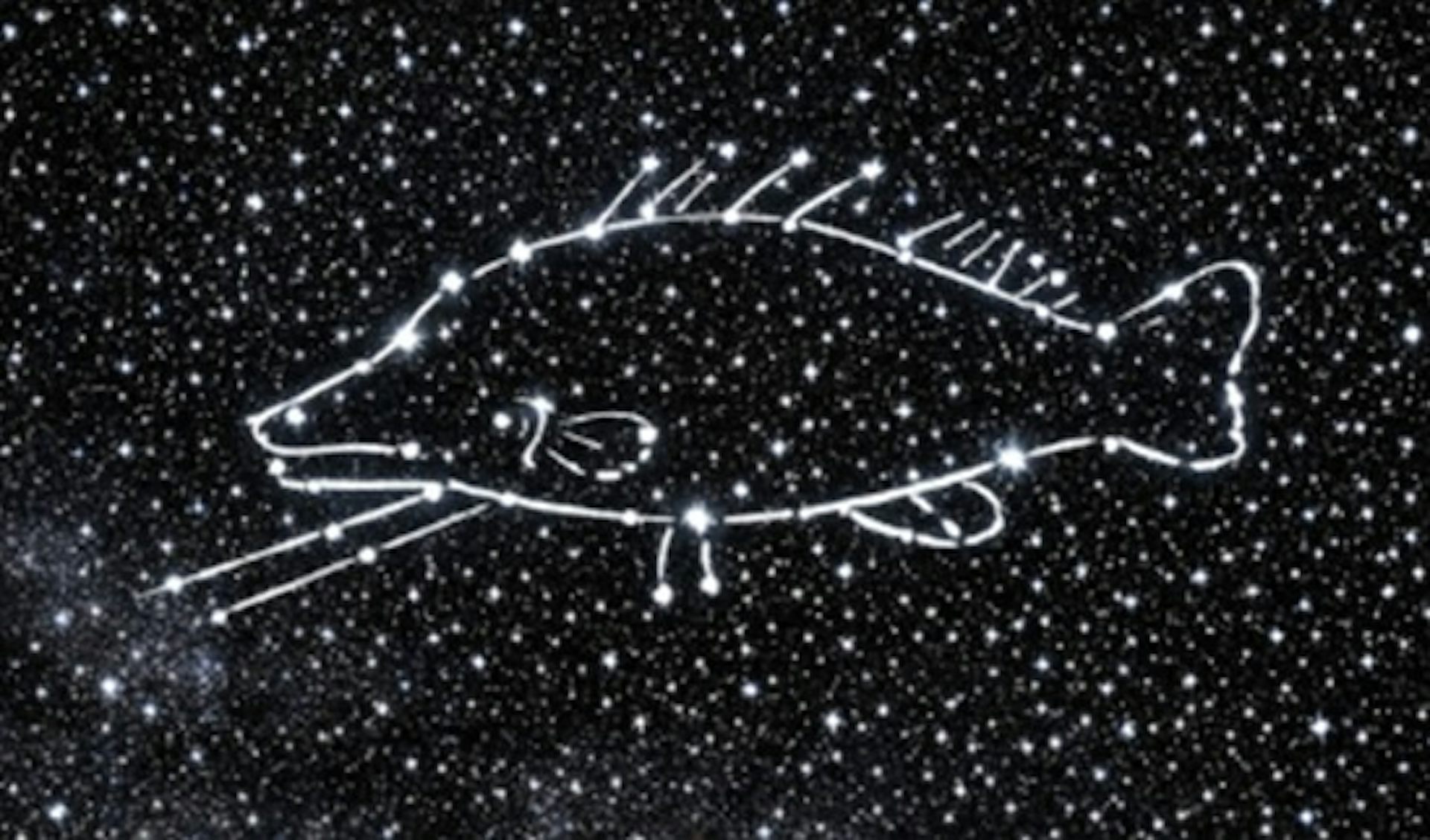
Constellations also hold lore, or rules, that guide sustainable practices. For example, when the Otchocut or “Murray cod” constellation appears in the night sky, we do not hunt Murray Cod. This is because it becomes visible when the rivers are warm and the fish are breeding, typically between October to November. Similarly, when the red-rumped parrot constellation appears, that means the parrot is breeding and therefore cannot be hunted.
नक्षत्रों में ज्ञान भी होता है, या नियम, जो टिकाऊ प्रथाओं का मार्गदर्शन करते हैं। उदाहरण के लिए, जब रात के आकाश में ओटचोकट या “मरे कॉड” का नक्षत्र दिखाई देता है, तो हम मरे कॉड का शिकार नहीं करते हैं। ऐसा इसलिए है क्योंकि यह तब दिखाई देता है जब नदियाँ गर्म होती हैं और मछली प्रजनन कर रही होती है, आमतौर पर अक्टूबर से नवंबर के बीच। इसी तरह, जब लाल पेट वाले तोते का नक्षत्र दिखाई देता है, तो इसका मतलब है कि तोता प्रजनन कर रहा है और इसलिए इसका शिकार नहीं किया जा सकता है।
The stars may also provide weather forecasts, but only if you have the knowledge and observation skills to understand them. For example, a star that twinkles and appears bright blue suggests a storm is coming. And if a cluster of stars twinkle quickly, it may mean the wind will become stronger.
तारे मौसम का पूर्वानुमान भी दे सकते हैं, लेकिन केवल तभी जब आपके पास उन्हें समझने का ज्ञान और अवलोकन कौशल हो। उदाहरण के लिए, एक तारा जो टिमटिमाता है और चमकीला नीला दिखाई देता है, यह बताता है कि तूफान आ रहा है। और यदि तारों का एक समूह तेज़ी से टिमटिमाता है, तो इसका मतलब हो सकता है कि हवा तेज़ हो जाएगी।
Stars and songlines
तारे और गीत-रेखाएँ
The routes laid out by the stars are often connected to songlines. Songlines, sometimes known as dreaming tracks, are cultural pathways that connect traditional sites. Songlines also act as “drop pins” that indicate where important resources, such as waterholes and food, may be.
तारों द्वारा बिछाए गए मार्ग अक्सर गीत-रेखाओं से जुड़े होते हैं। गीत-रेखाएँ, जिन्हें कभी-कभी ‘स्वप्न पथ’ (dreaming tracks) भी कहा जाता है, सांस्कृतिक मार्ग हैं जो पारंपरिक स्थलों को जोड़ते हैं। गीत-रेखाएँ “ड्रॉप पिन” के रूप में भी कार्य करती हैं जो इंगित करती हैं कि महत्वपूर्ण संसाधन, जैसे पानी के स्रोत और भोजन, कहाँ हो सकते हैं।
A well-known example is the Seven Sisters dreamtime story, which recounts the journey of seven sisters that ultimately become part of the Taurus constellation. For some Indigenous communities in central Australia, the Seven Sisters serve as a kind of celestial map. This is because the seven stars roughly mirror the location of seven waterholes.
एक प्रसिद्ध उदाहरण सात बहनों की स्वप्नकाल की कहानी है, जो सात बहनों की यात्रा का वर्णन करती है जो अंततः वृषभ नक्षत्र का हिस्सा बन जाती हैं। मध्य ऑस्ट्रेलिया के कुछ स्वदेशी समुदायों के लिए, सात बहनें एक प्रकार के खगोलीय मानचित्र का काम करती हैं। ऐसा इसलिए है क्योंकि ये सात तारे लगभग सात पानी के स्रोतों के स्थान को दर्शाते हैं।
The threat of light
प्रकाश का खतरा
As our cities grow, light pollution from streetlights, floodlights and buildings is spreading. As a result, it’s increasingly rare to see dark nights and starry skies near urban areas.
जैसे-जैसे हमारे शहर बढ़ते हैं, स्ट्रीटलाइट्स, फ्लडलाइट्स और इमारतों से होने वाला प्रकाश प्रदूषण फैल रहा है। नतीजतन, शहरी क्षेत्रों के पास अंधेरी रातें और तारों भरे आसमान देखना उत्तरोत्तर दुर्लभ होता जा रहा है।
For Indigenous communities, this has a direct cultural impact.
स्वदेशी समुदायों के लिए, इसका सीधा सांस्कृतिक प्रभाव पड़ता है।
Light pollution makes it near impossible to connect with the stars, and therefore share Indigenous sky knowledge with younger generations.
प्रकाश प्रदूषण के कारण तारों से जुड़ना लगभग असंभव हो जाता है, और इसलिए युवा पीढ़ियों के साथ स्वदेशी खगोलीय ज्ञान साझा करना भी मुश्किल हो जाता है।
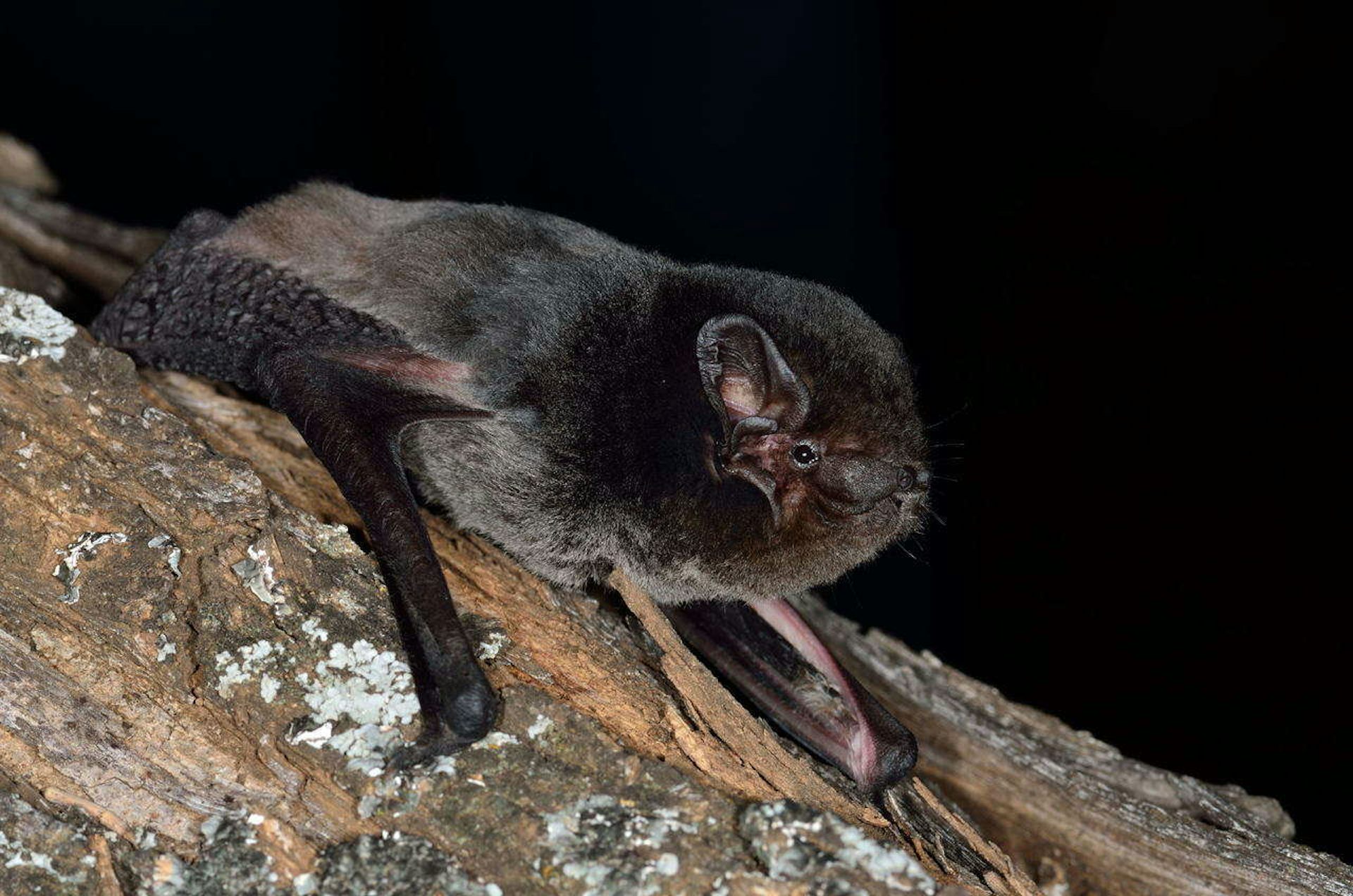
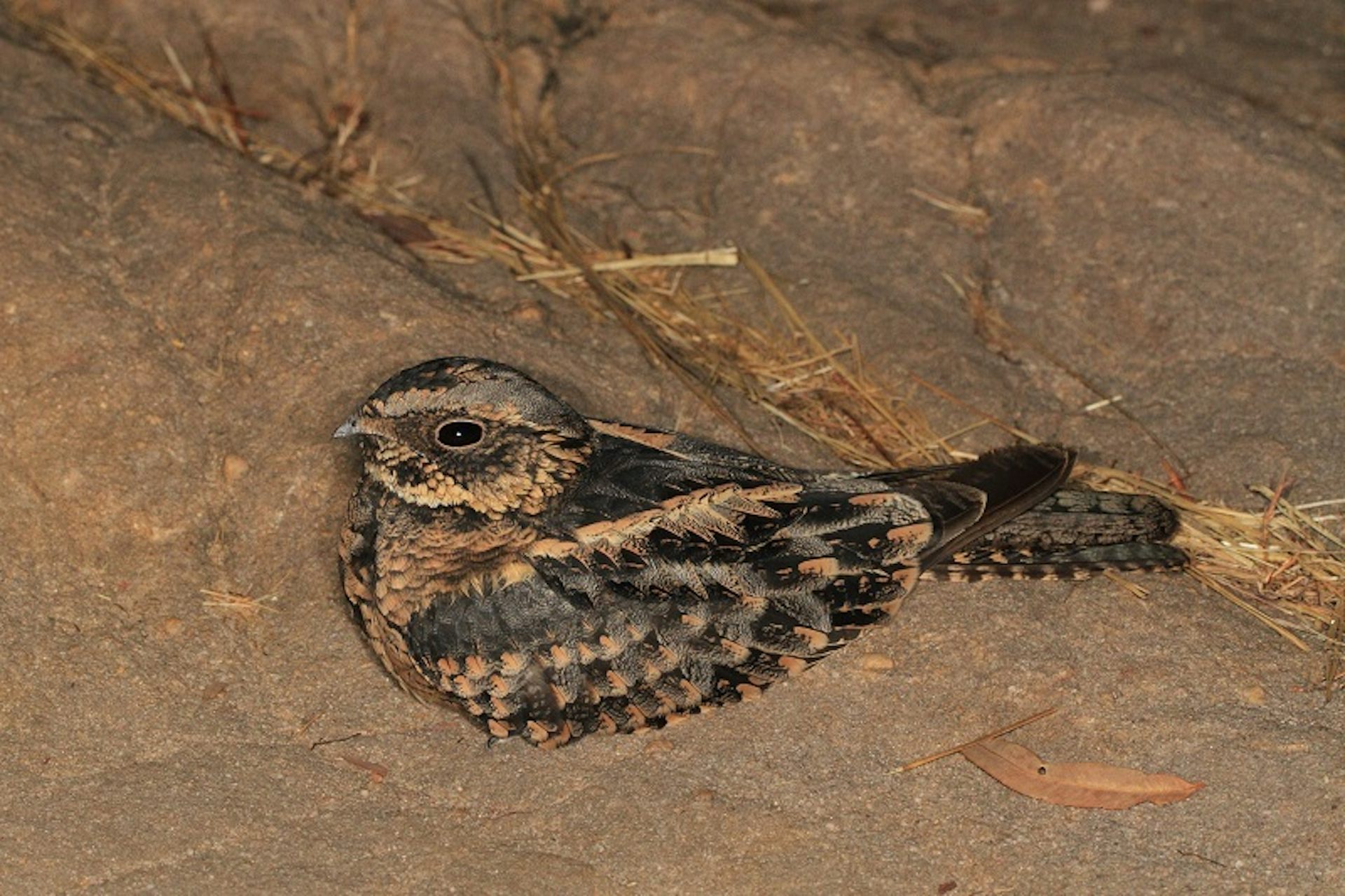
Light pollution also affects culturally important species. In Barapa Barapa culture, the microbat is a men’s totem and the nightjar is a women’s totem. Both are nocturnal animals that rely on darkness, so artificial light makes it harder for them to survive.
प्रकाश प्रदूषण सांस्कृतिक रूप से महत्वपूर्ण प्रजातियों को भी प्रभावित करता है। बारपा बारपा संस्कृति में, माइक्रोबैट पुरुषों का टोटेम है और नाइटजार् महिलाओं का टोटेम है। दोनों निशाचर जानवर हैं जो अंधेरे पर निर्भर करते हैं, इसलिए कृत्रिम प्रकाश उनके जीवित रहने को कठिन बना देता है।
Beyond culture, light pollution has widespread ecological impacts, affecting how animals grow, behave and breed. Research suggests light pollution can stop clownfish eggs from hatching, shrink the brains of spiders and disorient threatened seabirds such as petrels and shearwaters.
संस्कृति से परे, प्रकाश प्रदूषण के व्यापक पारिस्थितिक प्रभाव होते हैं, जो इस बात को प्रभावित करते हैं कि जानवर कैसे बढ़ते हैं, व्यवहार करते हैं और प्रजनन करते हैं। शोध बताते हैं कि प्रकाश प्रदूषण क्लाउनफिश के अंडों के सेने को रोक सकता है, मकड़ियों के मस्तिष्क को सिकोड़ सकता है और पेट्रेल्स और शीयरवाटर जैसे खतरे में पड़ी समुद्री पक्षियों को भ्रमित कर सकता है।
It can also negatively affect human health. Research shows artificial light – particularly from LED lights and electronic devices – may trigger sleep and mood disorders and certain cardiovascular problems.
यह मानव स्वास्थ्य को भी नकारात्मक रूप से प्रभावित कर सकता है। शोध से पता चलता है कि कृत्रिम प्रकाश – विशेष रूप से एलईडी लाइटों और इलेक्ट्रॉनिक उपकरणों से – नींद और मनोदशा विकारों और कुछ हृदय संबंधी समस्याओं को ट्रिगर कर सकता है।
So, what can we do?
तो, हम क्या कर सकते हैं?
The good news is, we can each help reduce light pollution by making simple lifestyle changes. Here are some ideas:
अच्छी खबर यह है कि हम सभी साधारण जीवनशैली में बदलाव करके प्रकाश प्रदूषण को कम करने में मदद कर सकते हैं। यहाँ कुछ विचार दिए गए हैं:
turn off outdoor lights whenever you’re not using them
जब आप बाहरी रोशनी का उपयोग नहीं कर रहे हों तो उसे बंद कर दें
use lightbulbs with a lower brightness and warmer colouring
कम चमक और गर्म रंग वाले बल्ब का उपयोग करें
choose light designs that direct light only where its needed
प्रकाश डिज़ाइन चुनें जो रोशनी को केवल वहीं निर्देशित करें जहाँ इसकी आवश्यकता हो
close curtains and blinds at night to stop indoor light from spilling out
रात में पर्दे और ब्लाइंड्स बंद करें ताकि घर की रोशनी बाहर न फैले
during festive times such as Christmas, opt for daytime decorations instead of outdoor lights.
क्रिसमस जैसे त्योहारों के दौरान, बाहरी रोशनी के बजाय दिन के समय की सजावट का विकल्प चुनें।
We can also better regulate the use of artificial light outdoors. Currently, Australia does not have any regulations around light pollution. But countries such as France have substantially reduced their light pollution levels by regulating what kind of lighting people can use and install.
हम बाहरी क्षेत्रों में कृत्रिम प्रकाश के उपयोग को भी बेहतर ढंग से विनियमित कर सकते हैं। वर्तमान में, ऑस्ट्रेलिया में प्रकाश प्रदूषण को लेकर कोई नियम नहीं है। लेकिन फ्रांस जैसे देशों ने लोगों द्वारा उपयोग और स्थापित की जा सकने वाली रोशनी के प्रकार को विनियमित करके अपने प्रकाश प्रदूषण के स्तर को काफी कम किया है।
Together, stronger regulation and simple lifestyle tweaks could help us tackle light pollution. And that’s key to keeping Indigenous sky knowledge alive.
मिलकर, मजबूत नियमन और साधारण जीवनशैली में बदलाव हमें प्रकाश प्रदूषण से निपटने में मदद कर सकते हैं। और यह स्वदेशी आकाश ज्ञान को जीवित रखने की कुंजी है।
Kai Lane works for Ecology Restoration Australia and also co-leads the Habitat Warriors program.
काई लेन इकोलॉजी रेस्टोरेशन ऑस्ट्रेलिया के लिए काम करती हैं और हैबिटैट वॉरियर्स कार्यक्रम का भी सह-नेतृत्व करती हैं।
Jaana Dielenberg is an Ambassador for the Australasian Dark Sky Alliance, Science Communication Director of the Biodiversity Council, Honorary Fellow at The University of Melbourne and University Fellow (Biodiversity) at Charles Darwin University. She was previously employed under a grant funded by the Australian government’s National Environmental Science Program Threatened Species Recovery Hub.
जाना डीलेनबर्ग ऑस्ट्रेलेशियन डार्क स्काई एलायंस की राजदूत हैं, बायोडायवर्सिटी काउंसिल की विज्ञान संचार निदेशक हैं, मेलबर्न विश्वविद्यालय में मानद फेलो और चार्ल्स डार्विन विश्वविद्यालय में विश्वविद्यालय फेलो (जैव विविधता) हैं। उन्हें पहले ऑस्ट्रेलियाई सरकार के नेशनल एनवायर्नमेंटल साइंस प्रोग्राम थ्रेटन्ड स्पीशीज रिकवरी हब द्वारा वित्त पोषित अनुदान के तहत नियुक्त किया गया था।
Kaori Yokochi is a lecturer at Deakin University. She receives funding from various organisations for her ecological research. She is also a member of the Network for Ecological Research on Artificial Light and the Australasian Dark Sky Alliance.
काओरी योकोची डीकिन विश्वविद्यालय में एक लेक्चरर हैं। उन्हें अपने पारिस्थितिक शोध के लिए विभिन्न संगठनों से फंडिंग मिलती है। वह आर्टिफिशियल लाइट पर पारिस्थितिक अनुसंधान नेटवर्क और ऑस्ट्रेलेशियन डार्क स्काई एलायंस की भी सदस्य हैं।
Read more
-

यूएस वर्ल्ड कप के नारों का मज़ाक क्यों उड़ाया जा रहा है – और एक शानदार नारा क्या होता है
Why the US World Cup chants are being mocked – and what makes a great one
-
वैज्ञानिकों द्वारा आखिरकार देखा गया ‘पहला संपर्क’ जिसने पृथ्वी पर जटिल जीवन को जन्म दिया होगा
‘First contact’ that may have led to complex life on Earth finally witnessed by scientists