澳大利亚原住民是世界上最早的天文学家。但他们的知识现在面临风险
Indigenous Australians were the world’s first astronome…
Aboriginal communities have observed the night sky for millennia. But they face a growing threat – light pollution.
原住民社区观察夜空已有数千年。但他们面临着日益增长的威胁——光污染。
I’m a proud Yorta Yorta and Barapa Barapa man, an Indigenous astronomer and a trainee ecologist.
我是一位骄傲的Yorta Yorta和Barapa Barapa男性,一位原住民天文学家和生态学学徒。
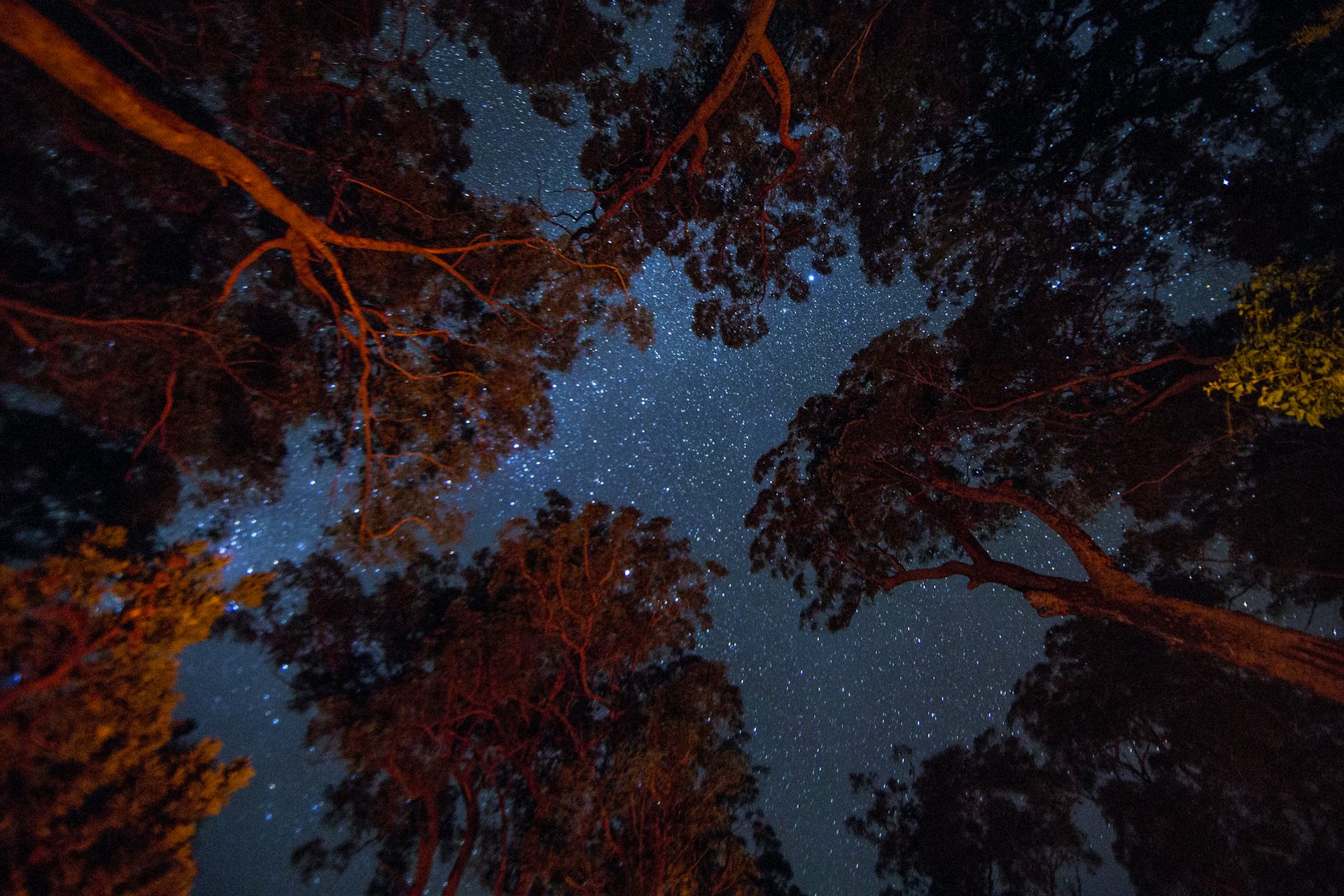
When I look at the night sky, I don’t just see stars. Instead, I see an ancient knowledge system that has guided people, culture and Country for tens of thousands of years.
当我仰望夜空时,我看到的不仅仅是星星。相反,我看到的是一个古老的知识体系,它指导着人类、文化和这片土地已经有数万年了。
But that knowledge is now at risk. In many of our towns and cities, the stars are increasingly hidden behind a haze of artificial light. And that light pollution is threatening a unique way of understanding the world.
但这些知识现在正面临风险。在我们许多城镇和城市里,星星正越来越多地被人工光芒的迷雾所遮蔽。而这种光污染正在威胁着一种独特的理解世界的方式。
A ‘living classroom’
一个“活的教室”
The night sky is a living classroom, at once a calendar, map, lore book and weather forecast.
夜空是一个活的教室,它同时是日历、地图、知识宝典和天气预报。
Indigenous Elders share this knowledge with younger people – often outdoors, on Country, beneath the stars.
原住民长者将这些知识传授给年轻一代——通常是在户外,在祖传的土地上,在星空之下。
They may start by talking about constellations, which have helped guide Indigenous Australians for millenia.
他们可能会从星座开始讲述,这些星座帮助原住民澳大利亚人度过了数千年。
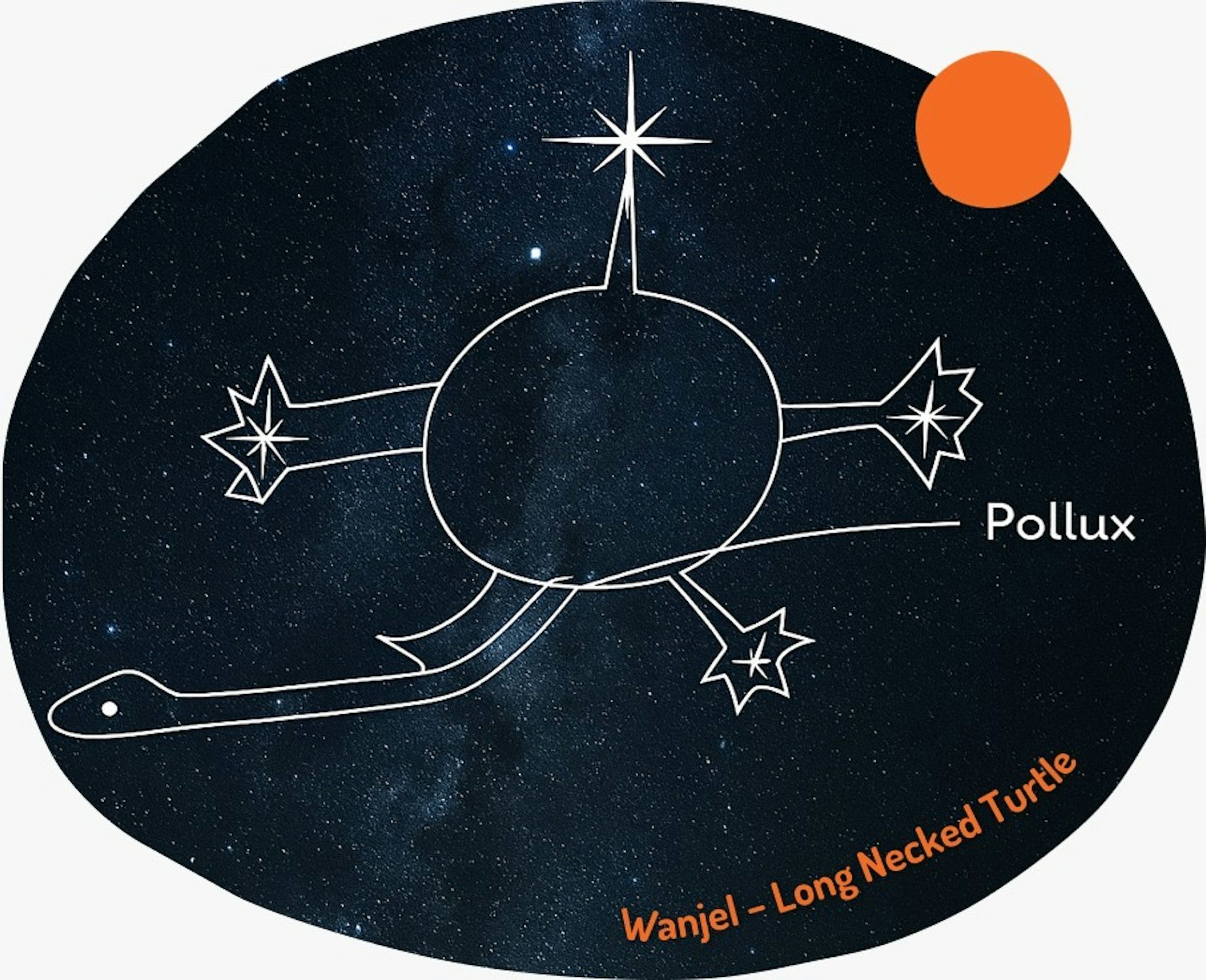
One example is the Wangel or “long-necked turtle” constellation. Various Indigenous communities looked to this constellation, based on the bright orange star Pollux, to know when it was time to travel and gather for different ceremonies. This may be because the bright orange star reflects the turtle’s orange colouring.
一个例子是Wangel,或称“长颈乌龟”星座。各个原住民社区都关注这个星座,它基于明亮的橙色恒星牛郎星(Pollux),以了解何时是进行不同仪式的旅行和聚集时间。这可能是因为明亮的橙色恒星反映了乌龟的橙色。
Another is the Djurt or “red-rumped parrot” constellation. This constellation is based on the Antares star which appears bright red with a blue halo, resembling the parrot’s red and blue feathers. This constellation guided communities to spots where food was abundant, such as grasslands that were full of seeds.
另一个是Djurt,或称“红腹鹦鹉”星座。这个星座基于天狼星(Antares),它呈现出亮红色并带有蓝色光晕,形似鹦鹉的红蓝羽毛。这个星座曾引导社区前往食物丰富的地点,例如遍地都是种子的草地。
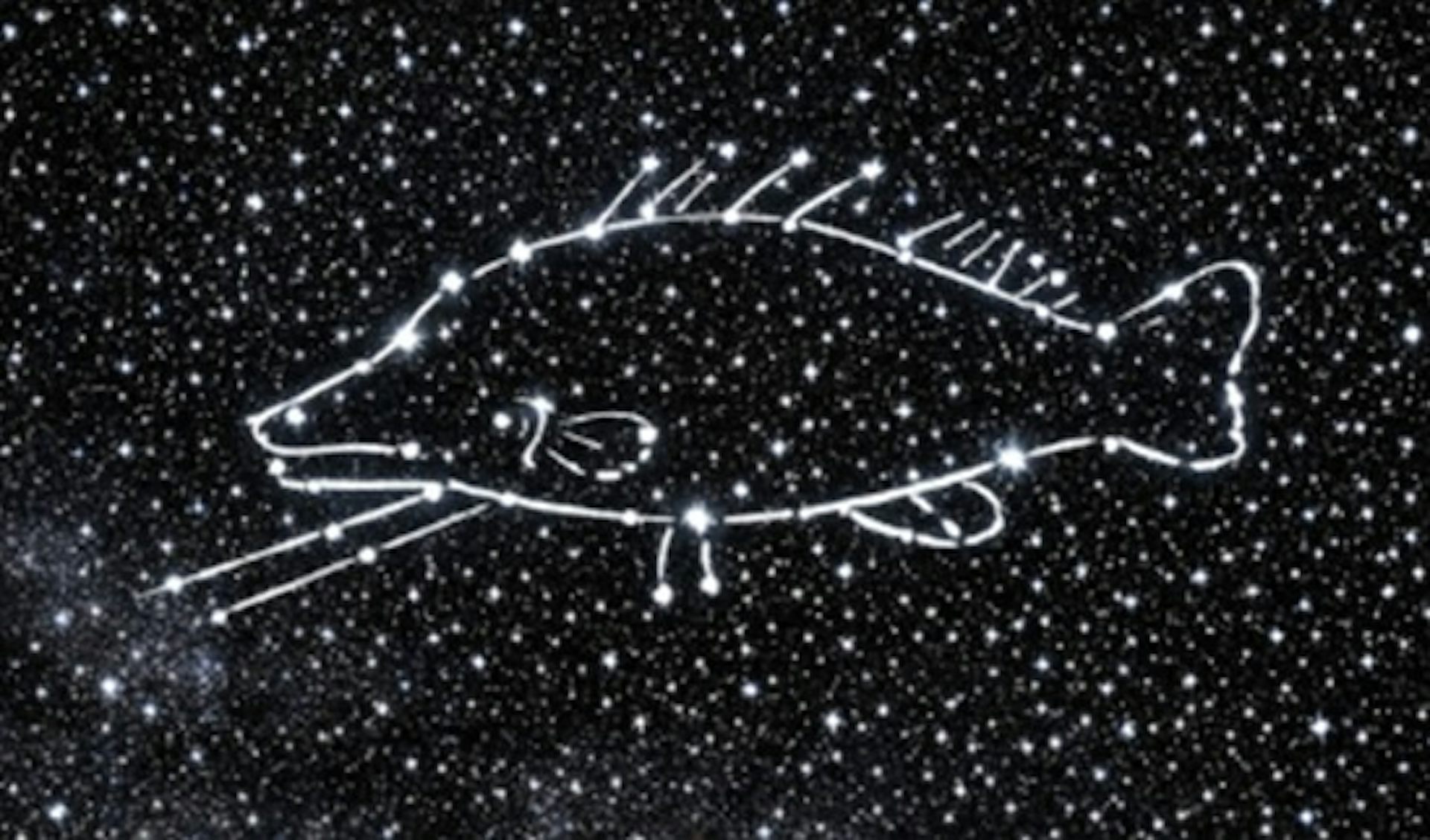
Constellations also hold lore, or rules, that guide sustainable practices. For example, when the Otchocut or “Murray cod” constellation appears in the night sky, we do not hunt Murray Cod. This is because it becomes visible when the rivers are warm and the fish are breeding, typically between October to November. Similarly, when the red-rumped parrot constellation appears, that means the parrot is breeding and therefore cannot be hunted.
星座还蕴含着知识,或规则,指导着可持续的实践。例如,当Otchocut,或称“墨累鳕鱼”星座出现在夜空中时,我们就不会捕捞墨累鳕鱼。这是因为它在河流温暖、鱼类繁殖的季节(通常在十月到十一月之间)才会显现。同样,当红腹鹦鹉星座出现时,意味着鹦鹉正在繁殖,因此不能捕猎。
The stars may also provide weather forecasts, but only if you have the knowledge and observation skills to understand them. For example, a star that twinkles and appears bright blue suggests a storm is coming. And if a cluster of stars twinkle quickly, it may mean the wind will become stronger.
恒星也可能提供天气预报,但这需要你具备理解它们的知识和观察技能。例如,一颗闪烁并呈现亮蓝色的恒星预示着暴风雨即将来临。如果一群恒星快速闪烁,则可能意味着风会变得更强。
Stars and songlines
星辰与歌行
The routes laid out by the stars are often connected to songlines. Songlines, sometimes known as dreaming tracks, are cultural pathways that connect traditional sites. Songlines also act as “drop pins” that indicate where important resources, such as waterholes and food, may be.
星辰铺设的路线通常与歌行相连。歌行,有时被称为梦境轨迹,是连接传统遗址的文化路径。歌行还充当着“定位点”,指示了重要资源(如水塘和食物)可能的位置。
A well-known example is the Seven Sisters dreamtime story, which recounts the journey of seven sisters that ultimately become part of the Taurus constellation. For some Indigenous communities in central Australia, the Seven Sisters serve as a kind of celestial map. This is because the seven stars roughly mirror the location of seven waterholes.
一个著名的例子是七姐妹的梦时故事,它讲述了七个姐妹的旅程,最终成为了金牛座的一部分。对于澳大利亚中部的一些原住民社区来说,七姐妹充当了一种天体地图。这是因为这七颗星大致反映了七个水塘的位置。
The threat of light
光的威胁
As our cities grow, light pollution from streetlights, floodlights and buildings is spreading. As a result, it’s increasingly rare to see dark nights and starry skies near urban areas.
随着城市的发展,来自路灯、泛光灯和建筑物的光污染正在蔓延。结果是,在城市附近看到漆黑的夜晚和星空越来越罕见。
For Indigenous communities, this has a direct cultural impact.
对于原住民社区来说,这具有直接的文化影响。
Light pollution makes it near impossible to connect with the stars, and therefore share Indigenous sky knowledge with younger generations.
光污染使得人们几乎不可能与星空建立联系,从而无法将原住民的天文知识传给年轻一代。
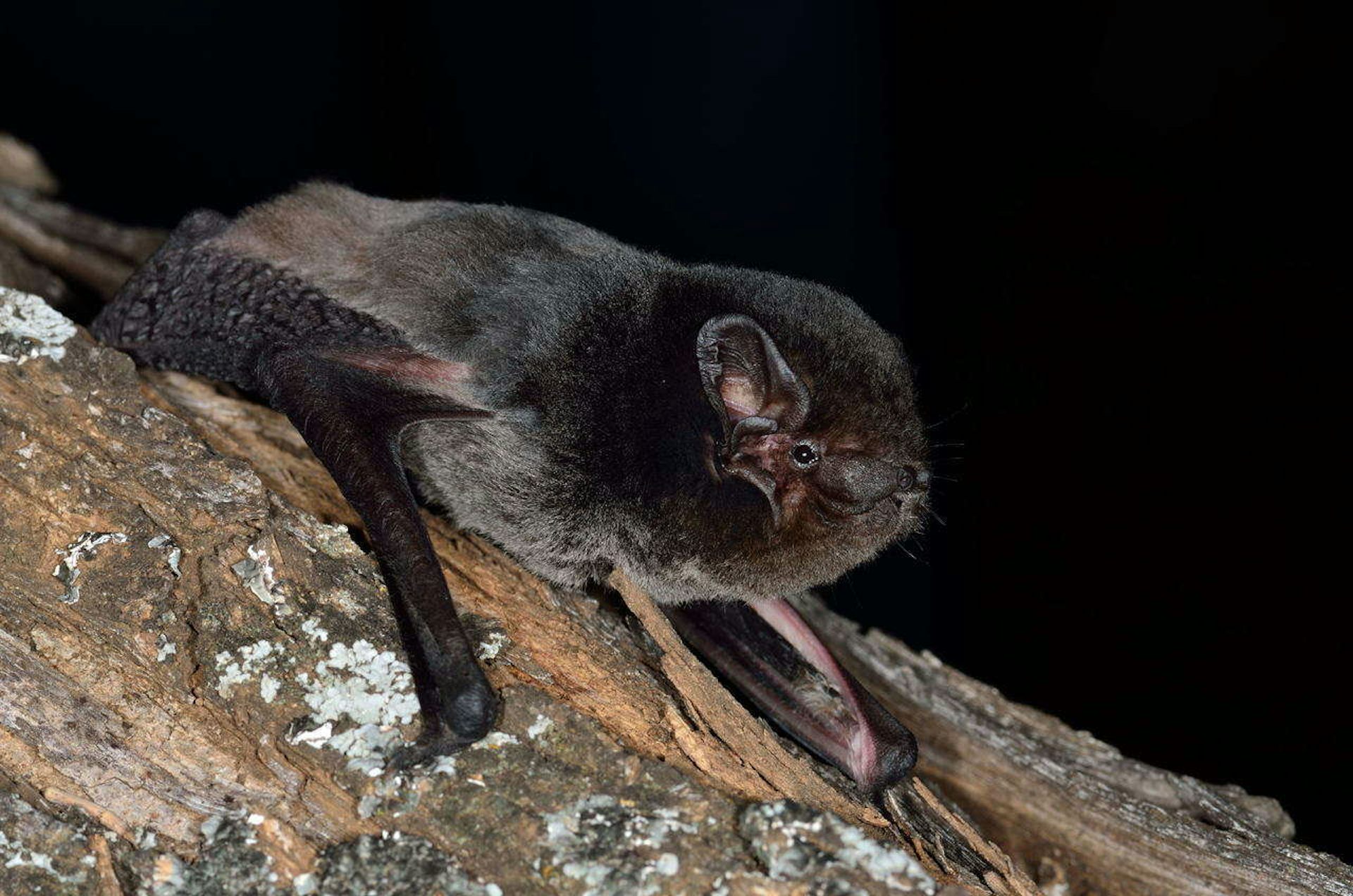
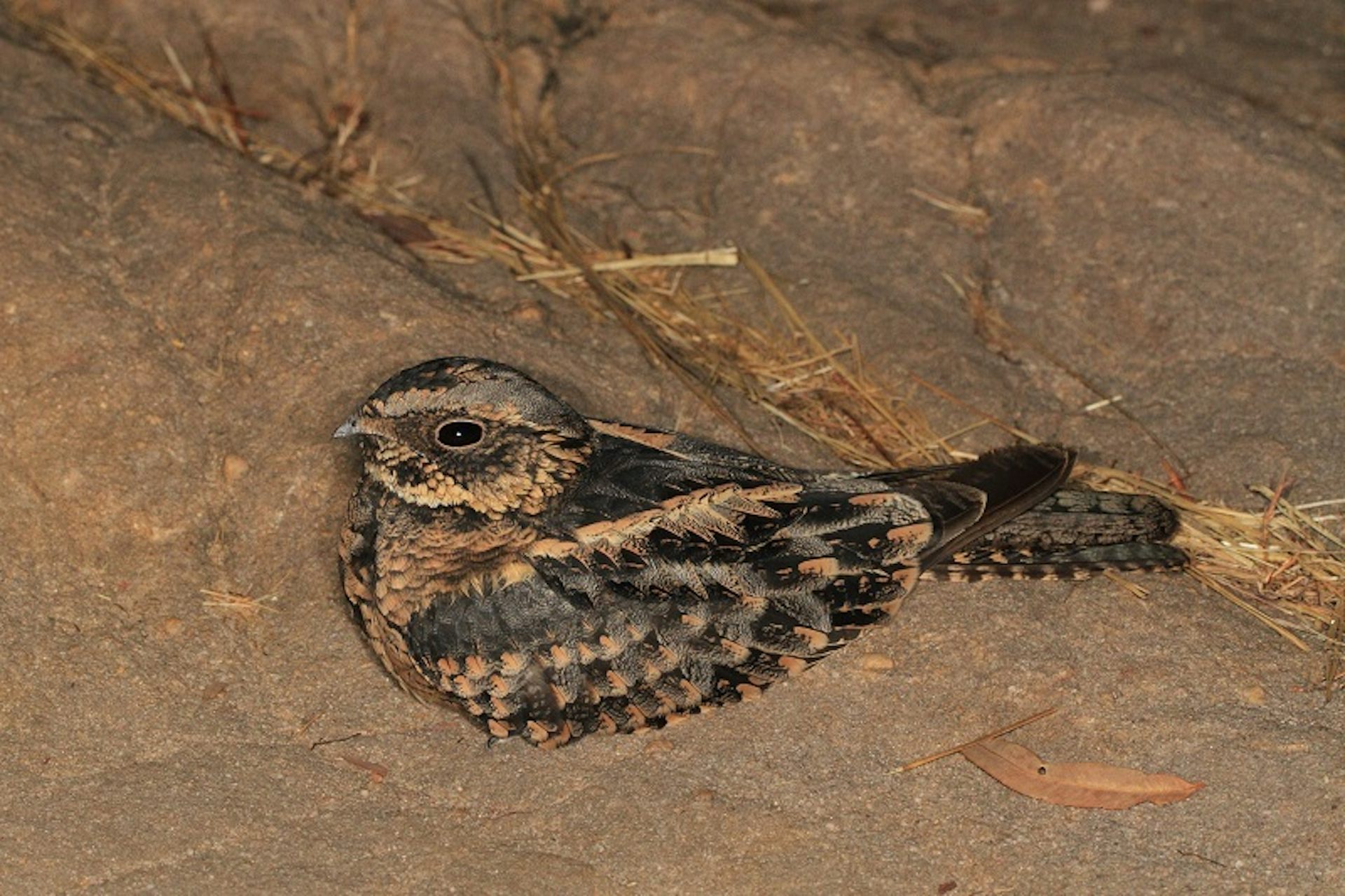
Light pollution also affects culturally important species. In Barapa Barapa culture, the microbat is a men’s totem and the nightjar is a women’s totem. Both are nocturnal animals that rely on darkness, so artificial light makes it harder for them to survive.
光污染也会影响文化上重要的物种。在巴拉巴拉文化中,小蝙蝠是男性图腾,夜莺是女性图腾。这两种都是依赖黑暗的夜行动物,因此人工光源使得它们更难生存。
Beyond culture, light pollution has widespread ecological impacts, affecting how animals grow, behave and breed. Research suggests light pollution can stop clownfish eggs from hatching, shrink the brains of spiders and disorient threatened seabirds such as petrels and shearwaters.
除了文化影响,光污染还具有广泛的生态影响,影响动物的生长、行为和繁殖。研究表明,光污染会阻止小丑鱼卵孵化,缩小蜘蛛的脑部,并使海鸟(如海石燕和海鸟)迷失方向。
It can also negatively affect human health. Research shows artificial light – particularly from LED lights and electronic devices – may trigger sleep and mood disorders and certain cardiovascular problems.
它还可能对人类健康产生负面影响。研究表明,人工光源——特别是来自LED灯和电子设备的光源——可能会引发睡眠和情绪障碍以及某些心血管问题。
So, what can we do?
那么,我们能做些什么呢?
The good news is, we can each help reduce light pollution by making simple lifestyle changes. Here are some ideas:
好消息是,我们每个人都可以通过进行简单的生活方式改变来帮助减少光污染。这里有一些想法:
turn off outdoor lights whenever you’re not using them
在不使用户外灯光时将其关闭
use lightbulbs with a lower brightness and warmer colouring
使用亮度较低、色温更暖的灯泡
choose light designs that direct light only where its needed
选择只将光线导向所需区域的灯具设计
close curtains and blinds at night to stop indoor light from spilling out
夜间关上窗帘和百叶窗,防止室内光线泄漏出去
during festive times such as Christmas, opt for daytime decorations instead of outdoor lights.
在圣诞节等节日期间,选择白天的装饰品而不是户外灯光。
We can also better regulate the use of artificial light outdoors. Currently, Australia does not have any regulations around light pollution. But countries such as France have substantially reduced their light pollution levels by regulating what kind of lighting people can use and install.
我们还可以更好地规范户外人工照明的使用。目前,澳大利亚在光污染方面没有任何规定。但像法国这样的国家,通过规范人们可以使用和安装的照明类型,已经大幅减少了光污染水平。
Together, stronger regulation and simple lifestyle tweaks could help us tackle light pollution. And that’s key to keeping Indigenous sky knowledge alive.
通过共同努力,更严格的监管和简单的生活方式调整可以帮助我们应对光污染。这也是保持原住民天文学知识的关键。
Kai Lane works for Ecology Restoration Australia and also co-leads the Habitat Warriors program.
Kai Lane 曾在生态恢复澳大利亚工作,并共同领导栖息地战士项目。
Jaana Dielenberg is an Ambassador for the Australasian Dark Sky Alliance, Science Communication Director of the Biodiversity Council, Honorary Fellow at The University of Melbourne and University Fellow (Biodiversity) at Charles Darwin University. She was previously employed under a grant funded by the Australian government’s National Environmental Science Program Threatened Species Recovery Hub.
Jaana Dielenberg 是澳大拉暗夜联盟的代表,生物多样性委员会的科学传播总监,墨尔本大学荣誉研究员,以及查尔斯·达尔文大学的大学研究员(生物多样性)。她此前曾在澳大利亚政府国家环境科学计划濒危物种恢复中心资助的课题下工作。
Kaori Yokochi is a lecturer at Deakin University. She receives funding from various organisations for her ecological research. She is also a member of the Network for Ecological Research on Artificial Light and the Australasian Dark Sky Alliance.
Kaori Yokochi 是迪肯大学的讲师。她从各个组织获得资金支持进行生态学研究。她也是人工照明生态学研究网络和澳大拉暗夜联盟的成员。