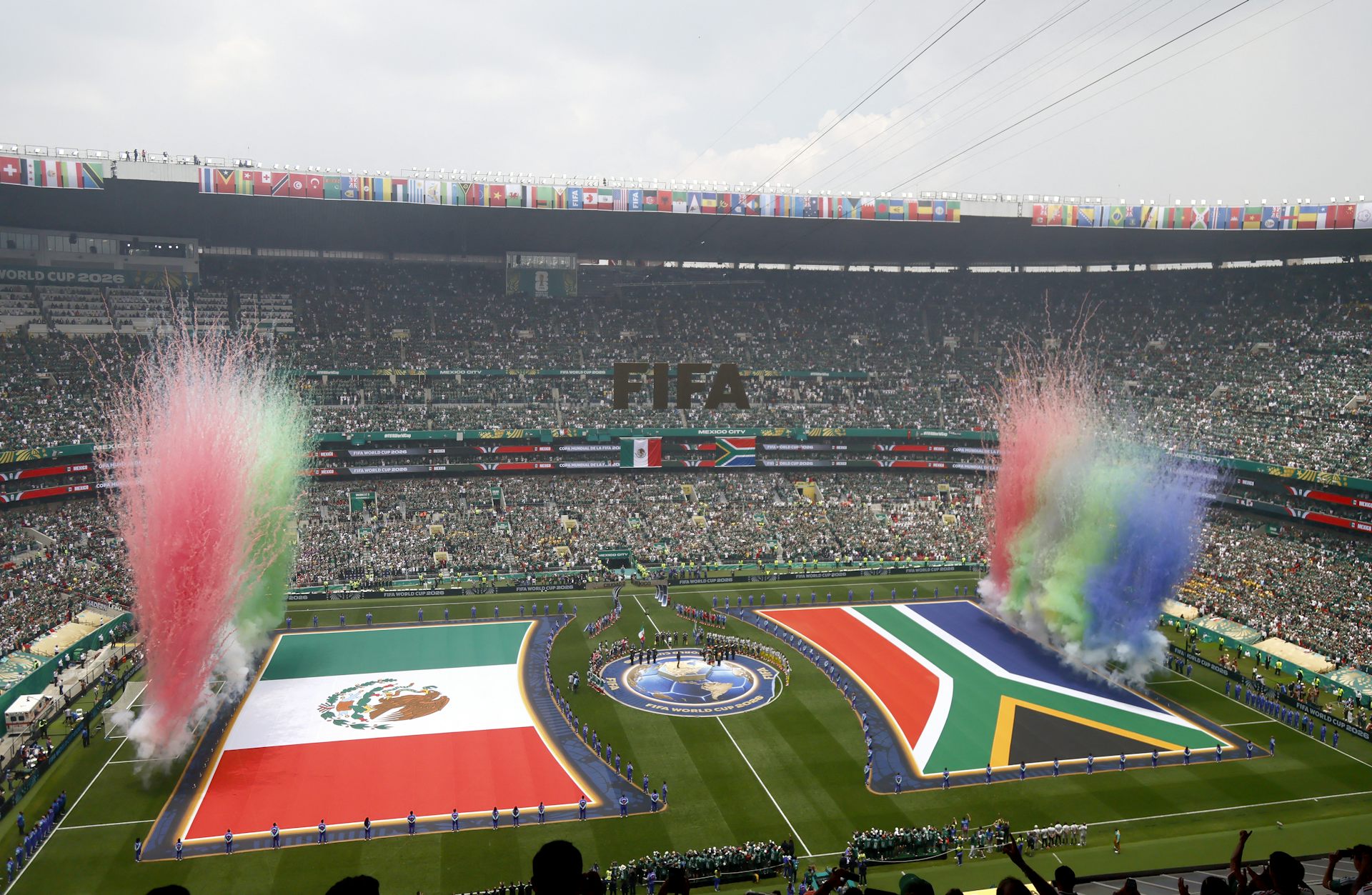
फीफा विश्व कप में भाग लेने वाले देशों के लिए, आकार हमेशा लक्ष्य और गौरव का मतलब नहीं होता।
For countries contesting the FIFA World Cup, size doesn’t always mean goals and glory
Among the 48 nations contesting the FIFA World Cup, how much do demographic factors like population and median age matter? See how your national squad compares.
फीफा विश्व कप में भाग लेने वाले 48 देशों में, क्या जनसंख्या और माध्य आयु जैसे जनसांख्यिकीय कारक कितना मायने रखते हैं? देखें कि आपकी राष्ट्रीय टीम कैसे तुलना करती है।
The planet’s biggest sporting event – the FIFA Men’s World Cup – is now underway, drawing a television audience of billions and a stadium audience of millions.
ग्रह का सबसे बड़ा खेल आयोजन – फीफा पुरुष विश्व कप – अब जारी है, जो अरबों की टेलीविजन दर्शक संख्या और लाखों के स्टेडियम दर्शकों को आकर्षित कर रहा है।
There’s no shortage of other impressive statistics to illustrate the scale of the tournament’s 23rd edition. A record 48 teams have begun playing 108 matches across 16 venues in three North American countries, competing for a record prize pool of nearly US$900 million.
टूर्नामेंट के 23वें संस्करण के पैमाने को दर्शाने के लिए अन्य प्रभावशाली आँकड़ों की कोई कमी नहीं है। रिकॉर्ड 48 टीमें तीन उत्तरी अमेरिकी देशों में 16 स्थानों पर 108 मैच खेलना शुरू कर चुकी हैं, जो लगभग 900 मिलियन अमेरिकी डॉलर के रिकॉर्ड पुरस्कार पूल के लिए प्रतिस्पर्धा कर रही हैं।
For demographers, a look at the competing countries also offers a snapshot of a world undergoing profound change.
जनसांख्यिकीविदों के लिए, प्रतिस्पर्धा करने वाले देशों को देखना एक ऐसी दुनिया का स्नैपशॉट भी प्रस्तुत करता है जो गहन बदलाव से गुज़र रही है।
And it raises an intriguing question: how much do factors such as a country’s population size and age alone weigh on chances of success?
और यह एक दिलचस्प सवाल भी उठाता है: क्या किसी देश की जनसंख्या का आकार और आयु जैसे कारक अकेले सफलता की संभावनाओं पर कितना प्रभाव डालते हैं?
Why size isn’t everything
क्यों आकार सब कुछ नहीं होता
The spread of countries represented this year is remarkable, as is the age range of talent taking to the field.
इस साल विभिन्न देशों की भागीदारी और मैदान पर उतरने वाले खिलाड़ियों की आयु सीमा उल्लेखनीय है।
Portugal’s Cristiano Ronaldo is still competing at 41, while Spain’s 18-year-old Lamine Yamal arrives as one of the game’s brightest young stars after helping his country win the European Championship in 2024.
पुर्तगाल के क्रिस्टियानो रोनाल्डो अभी भी 41 वर्ष की उम्र में प्रतिस्पर्धा कर रहे हैं, जबकि स्पेन के 18 वर्षीय लामिने यमाल 2024 में अपने देश को यूरोपीय चैम्पियनशिप जिताने में मदद करने के बाद खेल के सबसे चमकीले युवा सितारों में से एक बनकर आ रहे हैं।
Côte d’Ivoire has brought the youngest squad, with a median age of 25.4, while Iran fields the oldest at 31.3. Those figures might mirror trends at home: Côte d’Ivoire’s median population age is just 18.1 years, compared with 34.3 in Iran.
कोत डी आइवर ने 25.4 की माध्य आयु (median age) के साथ सबसे कम उम्र का दल लाया है, जबकि ईरान 31.3 के साथ सबसे अधिक उम्र का दल पेश कर रहा है। ये आंकड़े घरेलू रुझानों को दर्शा सकते हैं: कोट डी आइवर की माध्य जनसंख्या आयु केवल 18.1 वर्ष है, जबकि ईरान में यह 34.3 है।
Still, the relationship between a country’s football team and the age of its population isn’t always straightforward.
फिर भी, किसी देश की फुटबॉल टीम और उसकी आबादी की आयु के बीच संबंध हमेशा सीधा नहीं होता।
Japan has the oldest population of any nation at the tournament, with a median age of 49, while its squad – widely regarded as one of the strongest in Asia – has a median age of just 27.4.
जापान टूर्नामेंट में किसी भी राष्ट्र की सबसे अधिक उम्र वाली आबादी रखता है, जिसकी माध्य आयु 49 वर्ष है, जबकि इसका दल – जिसे एशिया का सबसे मजबूत माना जाता है – की माध्य आयु केवल 27.4 वर्ष है।
That puts it within a statistical sweet spot in the tournament’s history: the optimum average age for a world cup finalist has been cited at between 26 and 28.5 years old.
यह इसे टूर्नामेंट के इतिहास में एक सांख्यिकीय ‘स्वर्ण बिंदु’ (sweet spot) पर रखता है: विश्व कप फाइनलिस्ट के लिए इष्टतम औसत आयु 26 और 28.5 वर्ष के बीच बताई गई है।
Population size might also seem like an obvious advantage at a world cup.
जनसंख्या का आकार भी विश्व कप में एक स्पष्ट लाभ जैसा लग सकता है।
More people should mean a larger talent pool to draw from and, indeed, one recent analysis suggested this to be a top predictor for world cup qualification.
अधिक लोगों का मतलब होना चाहिए कि उपलब्ध प्रतिभा पूल बड़ा होगा, और वास्तव में, एक हालिया विश्लेषण ने इसे विश्व कप योग्यता का शीर्ष भविष्यवक्ता बताया है।
Brazil would certainly fit this theory. Home to more than 211 million people, it is the second most populous nation at the tournament and its most successful, with five world cup titles.
ब्राजील निश्चित रूप से इस सिद्धांत पर खरा उतरता है। 211 मिलियन से अधिक आबादी वाला यह देश टूर्नामेंट में सबसे अधिक आबादी वाला दूसरा राष्ट्र है और अपने पांच विश्व कप खिताबों के साथ सबसे सफल भी रहा है।
At the same time, size can’t ensure victory. The world’s two most populous nations, China and India, have never qualified for a men’s world cup finals, while the United States has reached only one semi-final despite its population exceeding 340 million.
साथ ही, आकार जीत सुनिश्चित नहीं कर सकता। दुनिया के दो सबसे अधिक आबादी वाले राष्ट्र, चीन और भारत, कभी पुरुष विश्व कप फाइनल में क्वालीफाई नहीं कर पाए हैं, जबकि संयुक्त राज्य अमेरिका ने अपनी 340 मिलियन से अधिक की आबादी के बावजूद केवल एक सेमीफाइनल तक पहुँच प्राप्त किया है।
The same statistical models that highlight the power of population also reveal glaring anomalies. Italy, boasting a massive reserve of talent, failed to make the cut.
वही सांख्यिकीय मॉडल जो जनसंख्या की शक्ति को उजागर करते हैं, वे स्पष्ट विसंगतियां भी दिखाते हैं। इटली, जिसमें प्रतिभा का विशाल भंडार है, चयन प्रक्रिया में असफल रहा।
Then there are those small nations that seemingly punch above their demographic weight.
फिर वे छोटे राष्ट्र हैं जो अपनी जनसांख्यिकीय क्षमता से अधिक प्रदर्शन करते प्रतीत होते हैं।
Curaçao, with a population of just 185,000, is the smallest nation ever to qualify for a world cup. Every member of its squad plays professionally overseas – many in the Netherlands – illustrating how football talent can be developed far beyond a country’s borders.
क्यूराकाओ, जिसकी आबादी केवल 185,000 है, विश्व कप के लिए क्वालीफाई करने वाला सबसे छोटा देश है। इसके दल का हर सदस्य पेशेवर रूप से विदेश में खेलता है – जिनमें से कई नीदरलैंड्स में हैं – यह दर्शाता है कि फुटबॉल प्रतिभा को किसी देश की सीमाओं से कहीं आगे विकसित किया जा सकता है।
Another stand-out is Uruguay. With a population of just 3.4 million, the South American nation has won the world cup twice and remains one of the sport’s great overachievers.
एक और प्रमुख उदाहरण उरुग्वे है। केवल 3.4 मिलियन की आबादी के साथ, इस दक्षिण अमेरिकी राष्ट्र ने दो बार विश्व कप जीता है और खेल के महान ‘अति-उपलब्धियों’ (overachievers) में से एक बना हुआ है।
Population may help produce football talent, but the world cup suggests other factors have an important part to play.
जनसंख्या फुटबॉल प्रतिभा उत्पन्न करने में मदद कर सकती है, लेकिन विश्व कप सुझाव देता है कि अन्य कारकों का भी महत्वपूर्ण योगदान होता है।
Demographics and dividends
जनसांख्यिकी और लाभांश
As recent analyses have suggested, wealth, coaching systems and long-established football cultures can be just as important as the size of a country’s player talent pool.
हाल के विश्लेषणों ने सुझाव दिया है कि धन, कोचिंग प्रणालियाँ और सुस्थापित फुटबॉल संस्कृतियाँ किसी देश के खिलाड़ी प्रतिभा भंडार के आकार जितनी ही महत्वपूर्ण हो सकती हैं।
The same principle applies away from sport. Demographers have long argued that a country’s prospects can be influenced not just by how many people it has, but by the age structure of its population and how effectively it develops its human capital.
वही सिद्धांत खेल से परे भी लागू होता है। जनसांख्यिकीविद् लंबे समय से तर्क देते आए हैं कि किसी देश की संभावनाएँ केवल इस बात से प्रभावित नहीं होतीं कि वहाँ कितने लोग हैं, बल्कि इसकी जनसंख्या की आयु संरचना और यह कितनी प्रभावी ढंग से अपनी मानव पूंजी का विकास करता है, उससे भी प्रभावित होती हैं।
Many of the tournament’s countries with younger populations – particularly across Africa, Asia and the Pacific – have growing workforces and a large share of young people entering adulthood.
टूर्नामेंट के कई ऐसे देश जिनकी आबादी युवा है – विशेष रूप से अफ्रीका, एशिया और प्रशांत क्षेत्र में – उनके पास बढ़ते कार्यबल हैं और वयस्कता में प्रवेश करने वाले युवाओं का एक बड़ा हिस्सा है।
Economists refer to the opportunities created by a relatively large working-age population as the “demographic dividend”.
अर्थशास्त्रियों द्वारा अपेक्षाकृत बड़ी कामकाजी आयु की आबादी से उत्पन्न अवसरों को “जनसांख्यिकीय लाभांश” कहा जाता है।
Migration is also becoming increasingly important. Across much of Europe, immigration now accounts for a significant share of population growth, helping offset labour shortages and population ageing.
प्रवास भी अधिक महत्वपूर्ण होता जा रहा है। यूरोप के अधिकांश हिस्सों में, अब अप्रवासन जनसंख्या वृद्धि का एक महत्वपूर्ण हिस्सा है, जो श्रम की कमी और जनसंख्या वृद्धीकरण को कम करने में मदद कर रहा है।
The world cup reflects this reality, with many national teams drawing on players whose family histories span multiple countries.
विश्व कप इस वास्तविकता को दर्शाता है, जिसमें कई राष्ट्रीय टीमें ऐसे खिलाड़ियों पर निर्भर करती हैं जिनका पारिवारिक इतिहास कई देशों तक फैला हुआ है।
But neither a youthful population, strong migration nor sheer population size guarantees success – whether on or off the pitch.
लेकिन युवा आबादी, मजबूत प्रवासन या केवल जनसंख्या का आकार भी सफलता की गारंटी नहीं देते – चाहे वह मैदान पर हो या मैदान के बाहर।
The key, if this world cup offers countries any lesson in demography, is investment in people.
यदि यह विश्व कप देशों को जनसांख्यिकी का कोई सबक देता है, तो मुख्य बात लोगों में निवेश करना है।
The authors do not work for, consult, own shares in or receive funding from any company or organisation that would benefit from this article, and have disclosed no relevant affiliations beyond their academic appointment.
लेखक किसी भी कंपनी या संगठन के लिए काम नहीं करते हैं, न ही वे उनसे परामर्श लेते हैं, उनमें हिस्सेदारी रखते हैं, या फंडिंग प्राप्त करते हैं जो इस लेख से लाभान्वित होगा। उन्होंने अपने शैक्षणिक पद के अतिरिक्त कोई प्रासंगिक संबद्धता का खुलासा नहीं किया है।
Read more
-
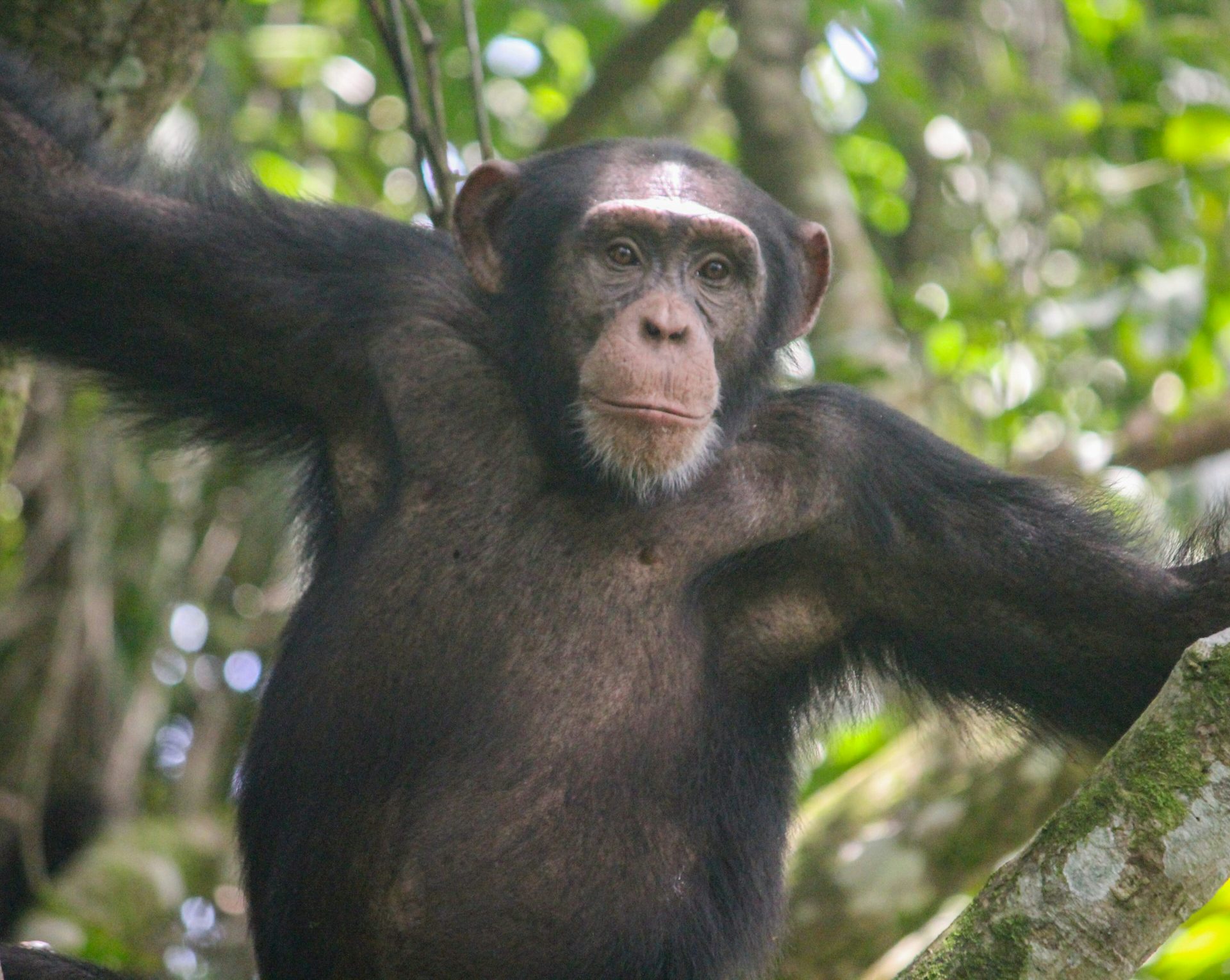
नर चिंपैंजी एक ही पेड़ पर दस साल से अधिक समय तक पत्थर क्यों फेंकते हैं? यह पता लगाने के लिए हम दूरस्थ गिनी-बिसाऊ गए।
Why do male chimpanzees throw rocks at the same trees for more than a decade? We travelled to remote Guinea-Bissau to find out
-
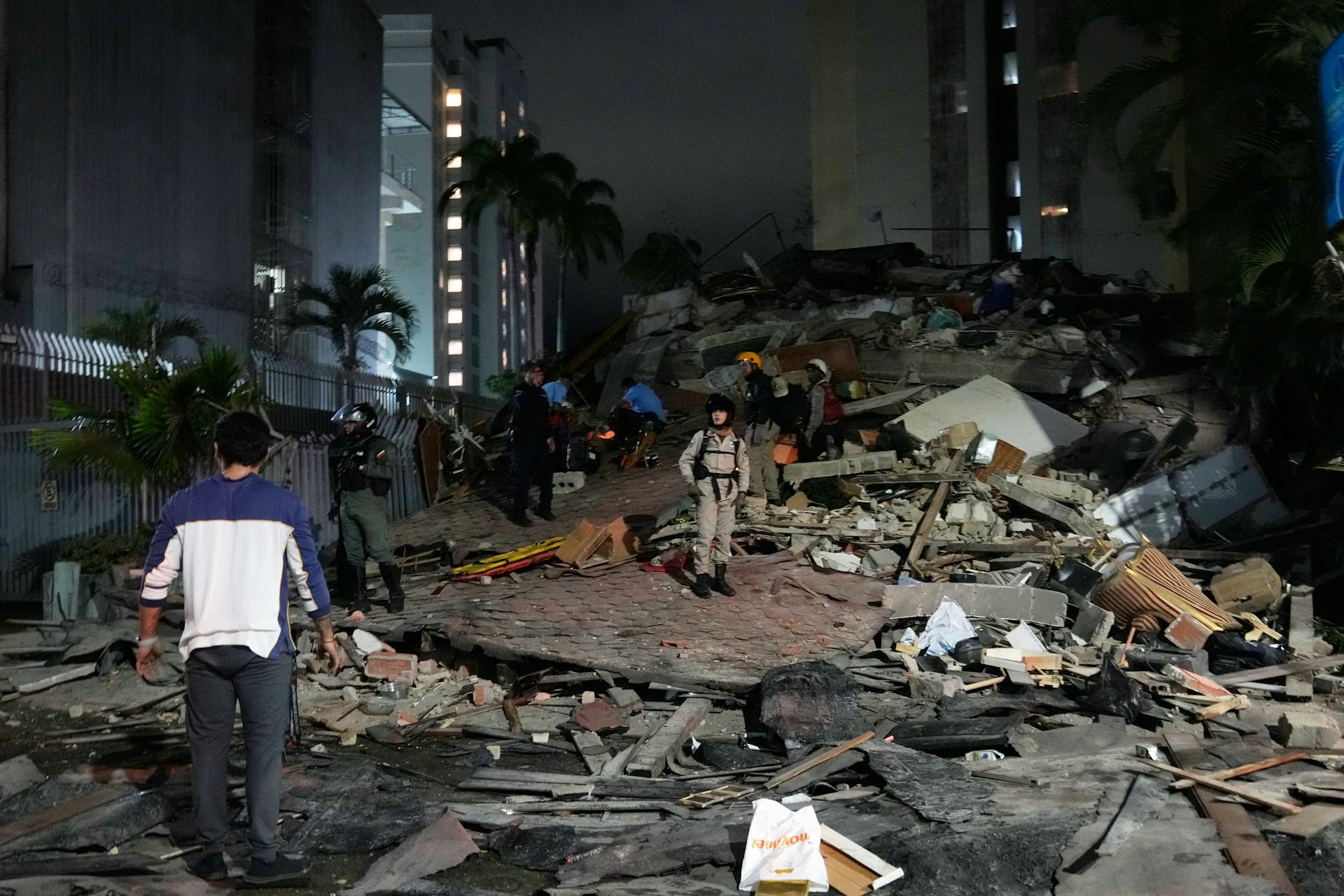
क्या वेनेज़ुएला को भूकंप का ‘डबलट’ लगा? यहाँ वह सब कुछ है जो हम अब तक जानते हैं।
Was Venezuela struck by an earthquake ‘doublet’? Here’s what we know so far