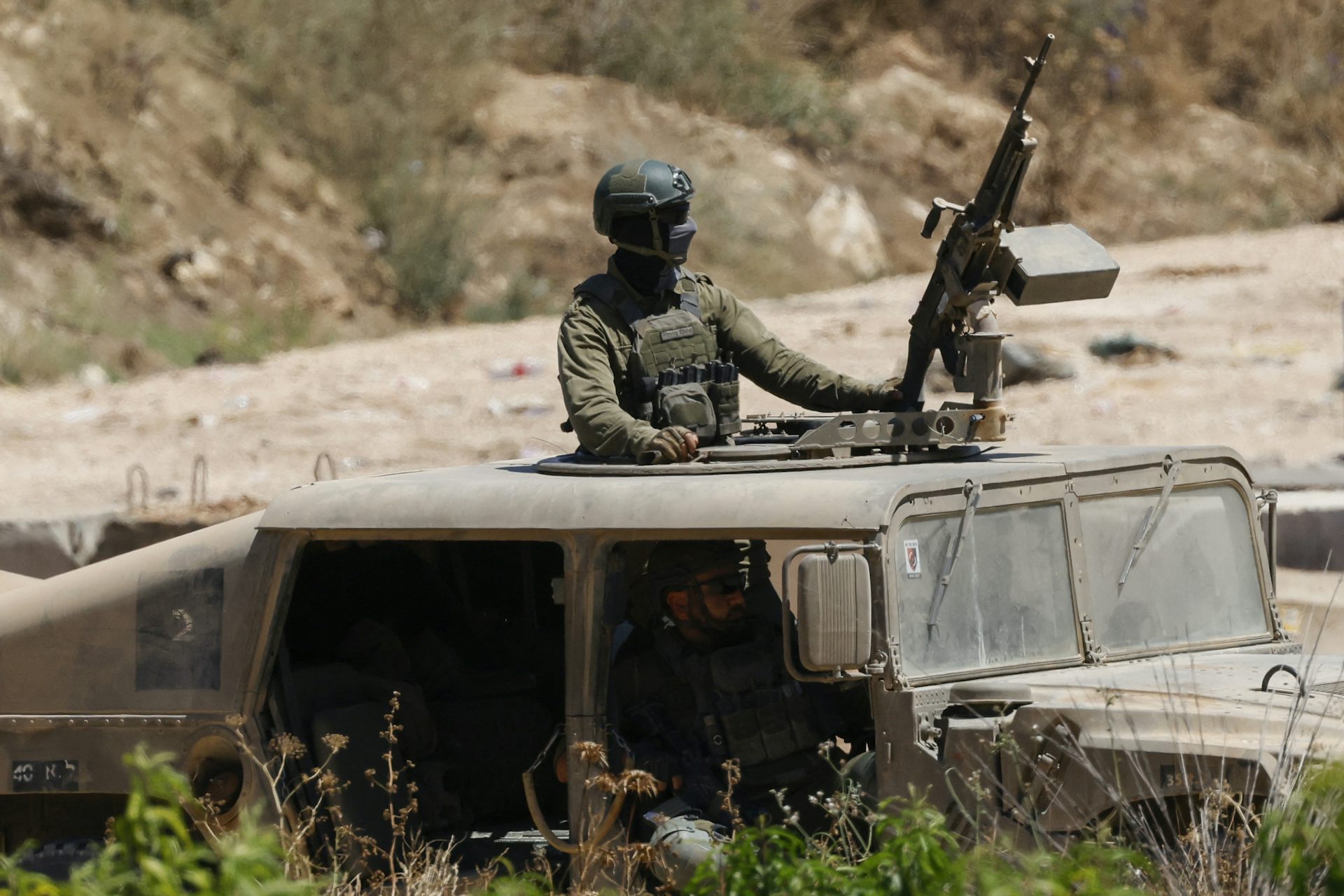
La ‘campaña de Israel entre guerras’: Cómo la estrategia para contener a Irán y sus aliados corre el riesgo de tensar aún más los lazos con EE. UU.
Israel’s ‘campaign between the wars’: How strategy to contain Iran and its allies risks further straining ties with US
Israel has long sought to gain a military advantage by degrading its adversaries’ military capabilities outside of times of direct conflict.
Israel ha buscado durante mucho tiempo obtener una ventaja militar degradando las capacidades militares de sus adversarios fuera de tiempos de conflicto directo.
A lot hangs on whether the United States can compel Israel to cease operations against Hezbollah in Lebanon. After all, an end to the Israeli military offensive was a key provision of the broad U.S.-Iran agreement setting out a road map to end the Iran war.
Depende en gran medida de si Estados Unidos puede obligar a Israel a cesar las operaciones contra Hezbolá en Líbano. Después de todo, el fin de la ofensiva militar israelí fue una disposición clave del amplio acuerdo entre EE. UU. e Irán que trazaba un plan para poner fin a la guerra con Irán.
And even though Israel did not sign the deal, policymakers in Washington will continue to press Israeli Prime Minister Benjamin Netanyahu to abide by the truce.
Y aunque Israel no firmó el acuerdo, los responsables políticos de Washington seguirán presionando al primer ministro israelí Benjamin Netanyahu para que cumpla con la tregua.
Yet there’s a larger and more vexing issue for the Trump administration and its Arab allies in the Middle East that has received little attention: Israel’s long-standing “campaign between the wars” strategy and whether it threatens the prospect for long-term peace in the region.
Sin embargo, existe un problema más grande y más molesto para la administración Trump y sus aliados árabes en Oriente Medio que ha recibido poca atención: la estrategia de larga data de Israel de “campaña entre guerras” y si esta amenaza las perspectivas de paz a largo plazo en la región.
The policy, known as “Mivtsa Bein Milchamot” in Hebrew and shortened to “Mabam,” has become a widely accepted facet of Israel’s national security. Its purpose is to degrade the capabilities of Iran and its key regional allies in any interwar period.
La política, conocida como “Mivtsa Bein Milchamot” en hebreo y acortada a “Mabam”, se ha convertido en una faceta ampliamente aceptada de la seguridad nacional israelí. Su propósito es degradar las capacidades de Irán y sus principales aliados regionales en cualquier período interbélico.
As the former assistant director of CIA for Weapons and Counterproliferation, I have watched Israel wage Mabam in an increasingly bold manner and widening geographic scope over the past seven years. Israel has broadened both the targets of the strategy and the instruments it uses to strike them, heightening the risk of escalation.
Como exdirector asistente de la CIA para Armas y Contrarrevelación, he visto a Israel librar Mabam de manera cada vez más audaz y con un alcance geográfico creciente durante los últimos siete años. Israel ha ampliado tanto los objetivos de la estrategia como los instrumentos que utiliza para atacarlos, aumentando el riesgo de escalada.
Save any unexpected abandonment of the policy, Israel will almost certainly continue launching limited military strikes, covert action and cyberattacks across the Middle East, regardless of any U.S. deal with Iran. This will likely take the form of degrading the capabilities of Iran’s partner Hezbollah, Iranian-backed Shiite militants in Iraq and even Tehran’s unreliable ally the Houthis in Yemen. And Israel will remain willing to take military actions short of full-scale war in Iran itself.
A menos que haya un abandono inesperado de la política, es casi seguro que Israel continuará lanzando ataques militares limitados, acciones encubiertas y ciberataques en todo Oriente Medio, independientemente de cualquier acuerdo estadounidense con Irán. Esto probablemente tomará la forma de degradar las capacidades del socio de Irán, Hezbolá; los militantes chiitas respaldados por Irán en Irak e incluso el aliado poco confiable de Teherán, los hutíes en Yemen. Y Israel seguirá dispuesto a llevar a cabo acciones militares cortas de una guerra a gran escala dentro de Irán mismo.
But such outcomes will pose serious challenges for the U.S., which seems intent on avoiding a renewed war with Tehran. In fact, Israel’s “campaign between the wars” risks widening the split with Washington and restarting war with Iran and its allies over the long term.
Pero tales resultados plantearán serios desafíos para EE. UU., que parece decidido a evitar una nueva guerra con Teherán. De hecho, la “campaña entre guerras” de Israel corre el riesgo de ampliar la división con Washington y reiniciar la guerra con Irán y sus aliados a largo plazo.
Origins of Mabam
Orígenes de Mabam
Israel codified the Mabam strategy in a 2015 Israeli Defense Forces document. Its history, however, predates the official adoption of the policy, with the IDF executing “campaign between the wars” operations in the early 2010s.
Israel codificó la estrategia Mabam en un documento de las Fuerzas de Defensa de Israel de 2015. Sin embargo, su historia precede a la adopción oficial de la política, con el IDF ejecutando operaciones de “campaña entre guerras” a principios de la década de 2010.
Most scholars and Israeli military officials acknowledge that the strategy evolved from cross-border “reprisal operations” against Jordan, Egypt, Syria and the Palestinian Liberation Organization in Lebanon in the 1950s and’60s.
La mayoría de los académicos y funcionarios militares israelíes reconocen que la estrategia evolucionó a partir de “operaciones de represalia” transfronterizas contra Jordania, Egipto, Siria y la Organización para la Liberación Palestina en Líbano en las décadas de 1950 y 1960.
The logic behind Mabam is that by using targeted operations to consistently downgrade the capabilities of Iran and its allies, Israel will be better prepared for future wars by maintaining a qualitative military advantage. Israel’s goal is to avoid escalation by taking actions that it judges Iran and its proxies will view as below the threshold for significant retaliation.
La lógica detrás de Mabam es que, al utilizar operaciones selectivas para disminuir constantemente las capacidades de Irán y sus aliados, Israel estará mejor preparado para futuras guerras manteniendo una ventaja militar cualitativa. El objetivo de Israel es evitar la escalada tomando acciones que considera que Irán y sus proxies verán por debajo del umbral de represalia significativa.
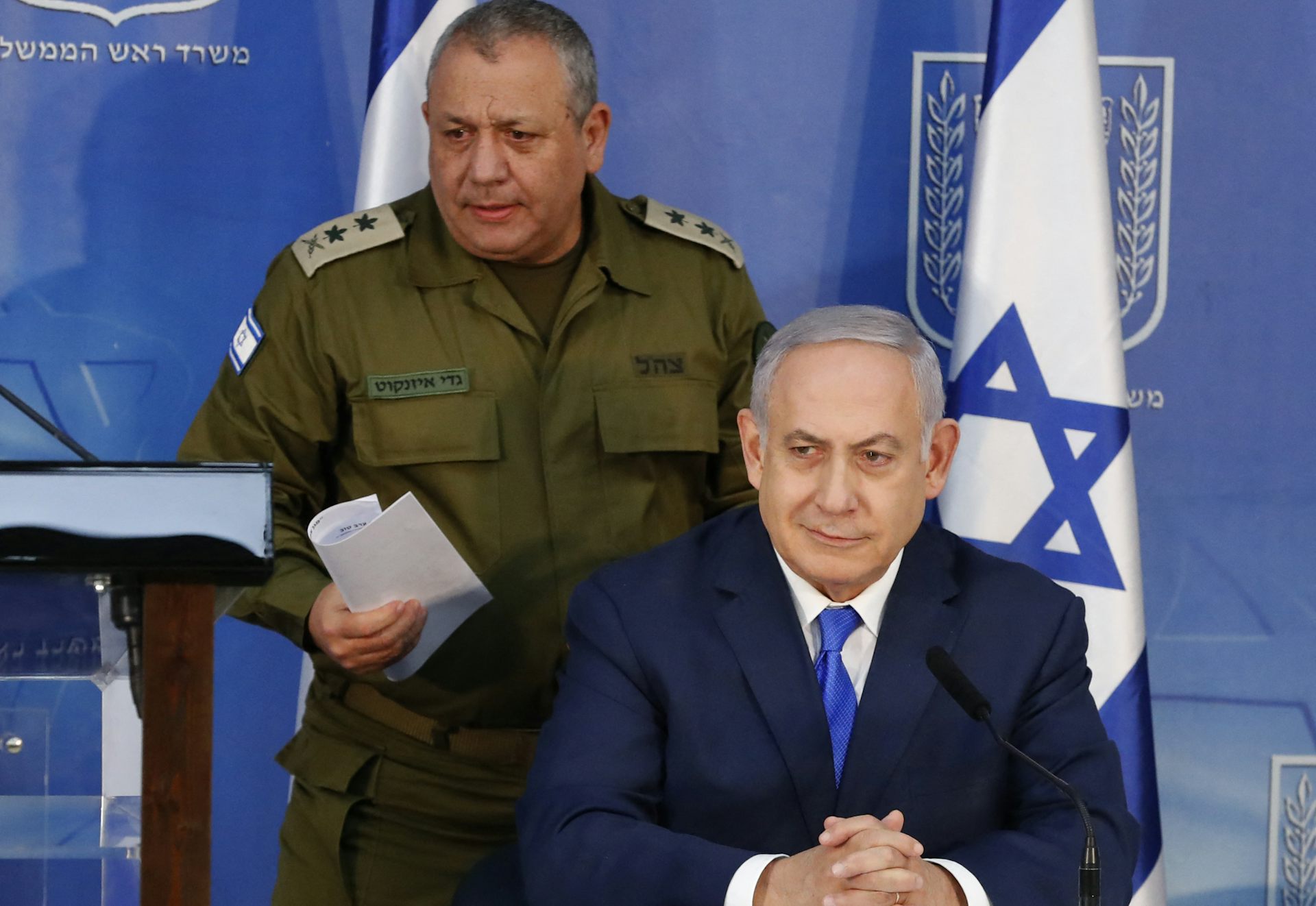
As the former chief of the Israeli general staff and architect of Mabam, Lt. Gen Gadi Eisenkot, explained in 2019: “Deviating from the binary approach of either preparing for war or openly waging it, the [campaign between the wars policy] strives for proactive, offensive actions based on extremely high-quality intelligence and clandestine efforts.”
Como explicó en 2019 el ex jefe del estado mayor israelí y arquitecto de Mabam, Teniente General Gadi Eisenkot: “Desviándose del enfoque binario de prepararse para la guerra o librarla abiertamente, [la política de campaña entre guerras] se esfuerza por acciones proactivas y ofensivas basadas en inteligencia de altísima calidad y esfuerzos clandestinos.”
Expanding beyond Syria
Expandiendo más allá de Siria
In the early 2010s, the Israeli military focused Mabam on Hezbollah in Syria, where the group lacked the advanced military capabilities it possessed in Lebanon and therefore posed a less significant risk of escalation.
A principios de la década de 2010, el ejército israelí centró sus esfuerzos en Hezbolá en Siria, donde el grupo carecía de las capacidades militares avanzadas que poseía en Líbano y por lo tanto representaba un riesgo de escalada menos significativo.
Jerusalem placed a premium on degrading Hezbollah’s advanced weapons, supplied by its ally and sponsor Iran, and “preventing the entrenchment of terror infrastructures on the Golan Heights border,” in the words of Israeli military strategist Eran Ortal.
Jerusalén consideró fundamental degradar las armas avanzadas de Hezbolá, suministradas por su aliado y patrocinador Irán, y «prevenir el arraigo de infraestructuras terroristas en la frontera de los Altos del Golán», según palabras del estratega militar israelí Eran Ortal.
To achieve this, Israel employed airstrikes, cyberattacks, interdictions of weapons and covert action to impede Iran’s ability to resupply Hezbollah’s existing arsenal and supply it with more advanced weapons. Israel’s targets included Iranian facilities and missile warehouses in Syria, convoys and shipments of weapons, and Hezbollah and Islamic Revolutionary Guard personnel in Syria.
Para lograr esto, Israel empleó ataques aéreos, ciberataques, interdicciones de armas y acciones encubiertas para impedir la capacidad de Irán de reabastecer el arsenal existente de Hezbolá y suministrarle armas más avanzadas. Los objetivos de Israel incluyeron instalaciones iraníes y almacenes de misiles en Siria, convoyes y envíos de armas, y personal de Hezbolá y la Guardia Revolucionaria Islámica en Siria.
Later in the decade, Israel broadened its objectives to include pressuring the Assad regime in Syria and undercutting the long-standing Iranian-Syrian relationship.
Más tarde en la década, Israel amplió sus objetivos para incluir presionar al régimen de Asad en Siria y socavar las antiguas relaciones iraní-sirias.
Encouraged by the success of its strategy in Syria, Israel began to take action against Iranian-backed groups in Iraq and Lebanon as well.
Animado por el éxito de su estrategia en Siria, Israel comenzó a tomar medidas contra grupos respaldados por Irán también en Irak y Líbano.
In summer 2019, Israel reportedly struck the weapons depots of Iranian-back Shiite militant groups in Iraq. Explosive-laden drones that experts trace to Israel targeted equipment linked to Hezbollah’s precision-guided missile program.
En el verano de 2019, se informó que Israel atacó los depósitos de armas de grupos militantes chiitas respaldados por Irán en Irak. Drones cargados de explosivos, rastreados por expertos hasta Israel, apuntaron a equipos vinculados al programa de misiles guiados de precisión de Hezbolá.
With these actions, Israel almost certainly delayed and degraded some adversary capabilities, especially those of Hezbollah. In particular, it stopped or delayed Iranian transfers of precision-guided missiles and the guidance kits that Hezbollah could use to enable such capability, limiting the size of the Lebanese group’s arsenal.
Con estas acciones, Israel casi con certeza retrasó y degradó algunas capacidades del adversario, especialmente las de Hezbolá. En particular, detuvo o retrasó las transferencias iraníes de misiles guiados de precisión y los kits de guía que Hezbolá podría usar para habilitar dicha capacidad, limitando el tamaño del arsenal del grupo libanés.
An imperfect strategy
Una estrategia imperfecta
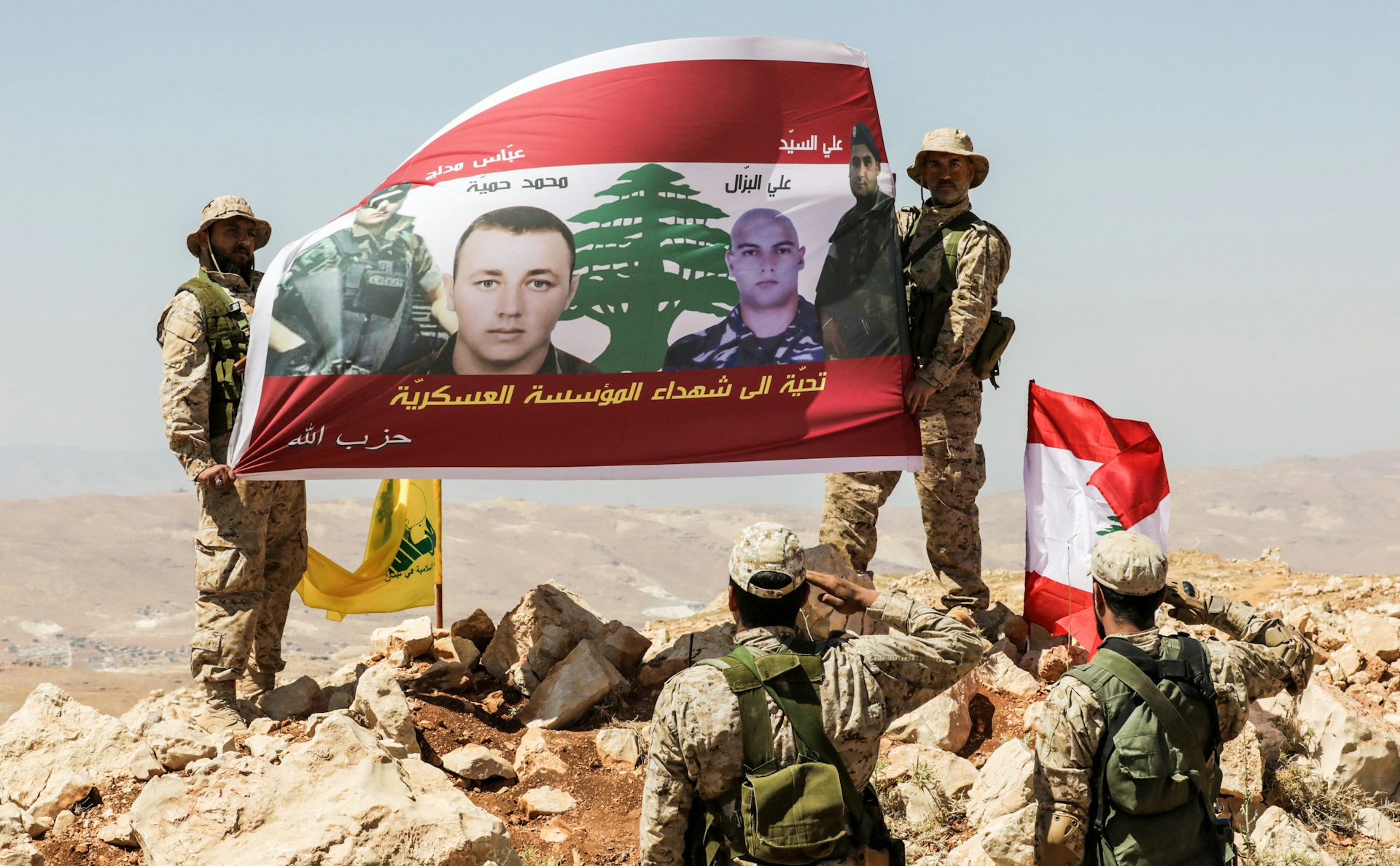
However, the size and capabilities of Hezbollah’s missile and rocket force show the limits of Israeli effectiveness. The group possessed an estimated 100,000 to 200,000 missiles and rockets prior to the resumption of hostilities between Israel and Hezbollah in 2026. Israeli officials and pro-Israeli think tanks would make the counterfactual argument that Hezbollah’s arsenal, especially of advanced weapons, would have been much larger without Mabam operations.
Sin embargo, el tamaño y las capacidades de la fuerza de misiles y cohetes de Hezbolá muestran los límites de la efectividad israelí. El grupo poseía un estimado de 100.000 a 200.000 misiles y cohetes antes de la reanudación de las hostilidades entre Israel y Hezbolá en 2026. Funcionarios israelíes y centros de pensamiento proisraelíes argumentarían contrafactualmente que el arsenal de Hezbolá, especialmente de armas avanzadas, habría sido mucho mayor sin las operaciones Mabam.
Israeli officials refrain from directly connecting the country’s covert action in Iran since the late 2010s to Mabam. But explosions at nuclear, missile and drone facilities and assassinations of scientists outside the direct conflicts of June 2025 and from February 2026 clearly map to the goal of degrading Iranian military capabilities in between wars.
Los funcionarios israelíes se abstienen de vincular directamente la acción encubierta del país en Irán desde finales de la década de 2010 con Mabam. Pero las explosiones en instalaciones nucleares, de misiles y drones, y los asesinatos de científicos fuera de los conflictos directos de junio de 2025 y de febrero de 2026 apuntan claramente al objetivo de degradar las capacidades militares iraníes entre guerras.
To use one prominent example, an explosion in July 2020 widely linked to Israel disabled a key Iranian advanced centrifuge assembly facility, destroying more than half of the facility.
Para usar un ejemplo destacado, una explosión en julio de 2020, ampliamente vinculada a Israel, deshabilitó una instalación clave de ensamblaje de centrifugadoras avanzadas de Irán, destruyendo más de la mitad de la instalación.
But the attack had unexpected consequences. Iran was able to rebuild the capability in a matter of months, concentrating on locating future centrifuge assembly capabilities at sites buried deep underground.
Pero el ataque tuvo consecuencias inesperadas. Irán fue capaz de reconstruir la capacidad en cuestión de meses, centrándose en localizar futuras capacidades de ensamblaje de centrifugadoras en sitios enterrados profundamente bajo tierra.
A risk to US objectives
Un riesgo para los objetivos de EE. UU.
In an early 2026 graduation speech for military cadets, Netanyahu declared that Israel would move beyond Mabam to even more actively confront threats. “There is no more containment of threats. There is no more Mabam,” he said after decades of supporting the strategy.
En un discurso de graduación a cadetes militares a principios de 2026, Netanyahu declaró que Israel pasaría más allá de Mabam para confrontar las amenazas de manera aún más activa. «Ya no hay contención de amenazas. Ya no hay Mabam», dijo después de décadas de apoyo a la estrategia.
But even a force that conducts a high number of military operations like the IDF needs a strategy short of full-scale war.
Pero incluso una fuerza que lleva a cabo un alto número de operaciones militares como las FDI necesita una estrategia por debajo de la guerra total.
And since most in the Israeli security establishment view the Mabam strategy as generally successful in diminishing Iran’s capabilities and those of its partners and proxies, it will likely remain a prominent feature of Israeli strategy even if updated to reflect current perceived threats. This will be the case whether Israel is led by Netanyahu or another leader.
Y dado que la mayoría en el establishment de seguridad israelí considera que la estrategia Mabam es generalmente exitosa para disminuir las capacidades de Irán y las de sus socios y proxies, es probable que siga siendo una característica prominente de la estrategia israelí, incluso si se actualiza para reflejar las amenazas percibidas actuales. Esto ocurrirá ya sea que Israel esté liderado por Netanyahu o por otro líder.
While a central aspect of Mabam is avoiding escalation, this balancing act will be increasingly difficult in today’s Middle East.
Si bien un aspecto central de Mabam es evitar la escalada, este acto de equilibrio será cada vez más difícil en el Medio Oriente de hoy.
To retain U.S. support for Israel’s overall Iran strategy, expanded coordination with Washington will be crucial. Israel has sometimes, but not always, coordinated relevant actions with the U.S. For instance, it allowed the U.S. Central Command to review strikes it planned to launch from near the Al Tanf Base in Syria that hosted U.S. troops until February 2026.
Para retener el apoyo estadounidense a la estrategia general de Irán de Israel, una coordinación ampliada con Washington será crucial. Israel ha coordinado acciones relevantes con EE. UU. en ocasiones, pero no siempre. Por ejemplo, permitió que el Comando Central de EE. UU. revisara los ataques que planeaba lanzar desde cerca de la Base Al Tanf en Siria, donde se alojaron tropas estadounidenses hasta febrero de 2026.
Israel believes it has valid reasons for sometimes conducting military action on its own: Israeli officials view Iran developing a nuclear weapon as an “existential” threat and Hezbollah having a large arsenal of precision-guided missiles as a “strategic threat” to the state of Israel.
Israel cree que tiene razones válidas para llevar a cabo acciones militares por su cuenta: funcionarios israelíes consideran el desarrollo de un arma nuclear por parte de Irán como una amenaza «existencial» y el tener Hezbolá un gran arsenal de misiles guiados de precisión como una «amenaza estratégica» para el estado de Israel.
However, Washington is likely to ask for wider coordination with Israel in the aftermath of the Iran war. That war ever more tightly connected U.S. security interests to those of Israel, but the ongoing negotiations to end the conflict have shown a rare degree of distance between the two countries. Coordinating its operations short of war will be a bitter pill for Israeli leaders intent on acting as they desire. It also has the potential to further strain Israel-U.S. relations in the years ahead.
Sin embargo, es probable que Washington solicite una coordinación más amplia con Israel después de la guerra de Irán. Esa guerra conectó aún más los intereses de seguridad de EE. UU. con los de Israel, pero las negociaciones en curso para poner fin al conflicto han mostrado un raro grado de distancia entre ambos países. Coordinar sus operaciones por debajo de la guerra será una píldora amarga para los líderes israelíes que tienen la intención de actuar como desean. También tiene el potencial de tensar aún más las relaciones entre Israel y EE. UU. en los años venideros.
This article reflects the views of the author and not the US Government.
Este artículo refleja las opiniones del autor y no del Gobierno estadounidense.
Read more
-

Esta diminuta araña australiana utiliza una catapulta de telaraña de alta potencia para atrapar y comer hormigas agresivas
This tiny Australian spider uses a high-powered web catapult to trap and eat aggressive ants