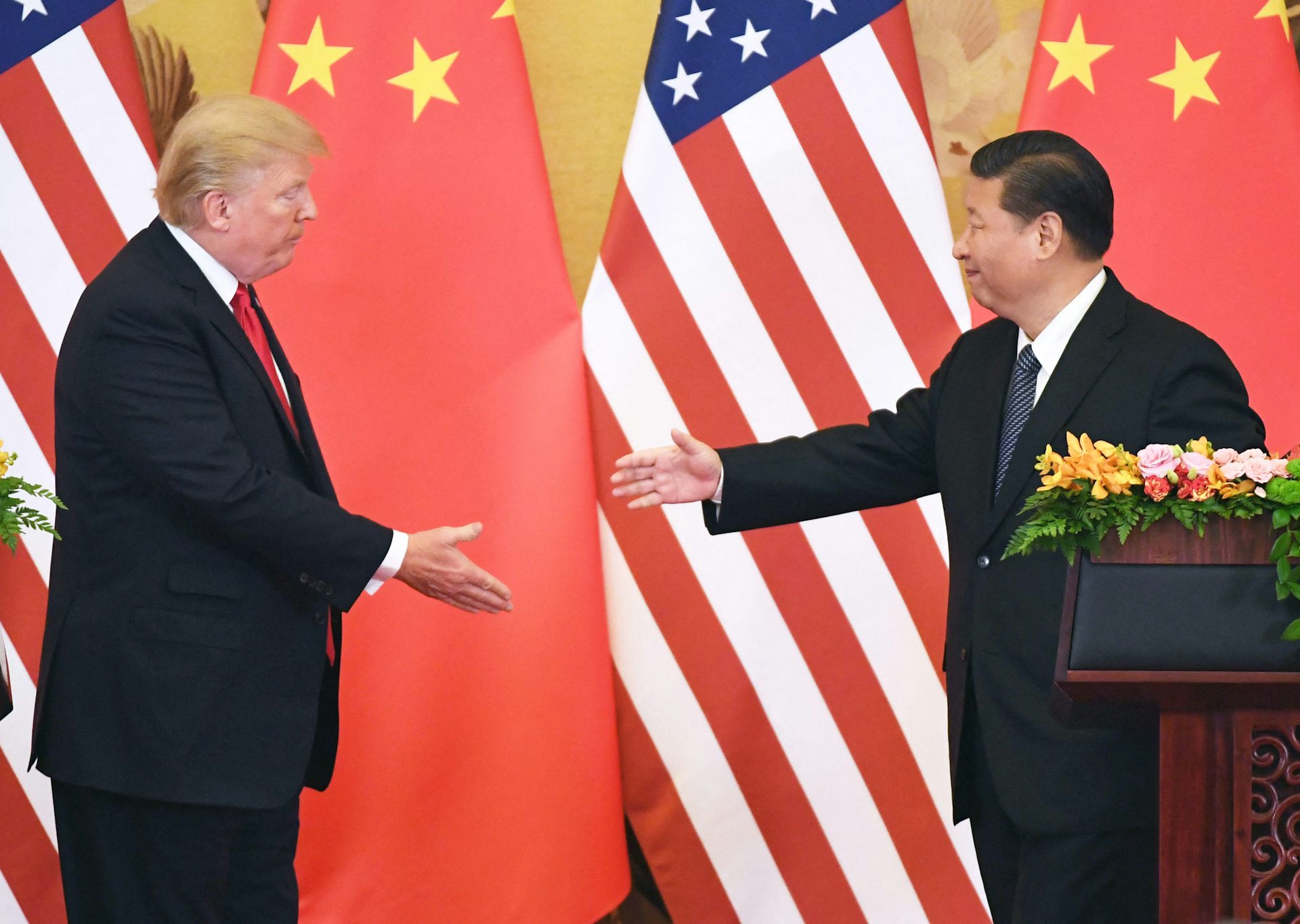
Cumbre Trump-Xi: El presidente de EE. UU. dice que discutirá la venta de armas a Taiwán – rompiendo décadas de política estadounidense
Trump-Xi summit: US president says he will discuss arms sales to Taiwan – breaking decades of US policy
US policy towards Taiwan has always been complex and nuanced. All that may now change.
La política de EE. UU. hacia Taiwán siempre ha sido compleja y matizada. Todo eso podría cambiar ahora.
Donald Trump and Xi Jinping are likely to discuss many issues as they meet this week in Beijing. But alongside trade, technology and the war in Iran, one topic of conversation will stand out – the future of Taiwan.
Donald Trump y Xi Jinping probablemente discutirán muchos temas al reunirse esta semana en Beijing. Pero junto con el comercio, la tecnología y la guerra en Irán, un tema de conversación destacará: el futuro de Taiwán.
Taiwan has long been a sensitive issue in Sino-American relations. Beijing regards the island as a breakaway province which must be reunited with the mainland. The United States has long opposed such a step. Yet in recent months, Trump has fuelled speculation that he may be ready to change key aspects of US policy on the issue, potentially granting Beijing long-sought concessions.
Taiwán ha sido durante mucho tiempo un tema sensible en las relaciones sino-estadounidenses. Beijing considera la isla como una provincia separada que debe reunirse con la tierra firme. Estados Unidos se ha opuesto durante mucho tiempo a tal paso. Sin embargo, en los últimos meses, Trump ha alimentado la especulación de que podría estar listo para cambiar aspectos clave de la política estadounidense sobre el tema, otorgando potencialmente concesiones que Beijing ha estado buscando desde hace mucho tiempo.
Trump’s apparent readiness to make these moves means that Taiwan is one of the issues on which we might see the most significant policy developments at the summit. And that could happen simply through the famously voluble president uttering just a few simple words.
La aparente disposición de Trump para hacer estos movimientos significa que Taiwán es uno de los temas sobre los que podríamos ver los desarrollos políticos más significativos en la cumbre. Y eso podría suceder simplemente por el presidente, famoso por su volubilidad, pronunciando solo unas pocas palabras sencillas.
The president’s policy towards Taiwan has been inconsistent and seemingly more malleable than that of previous administrations. Advocates for Taiwan point out that his administration recently approved the largest ever US arms sale to the island. But at the same time, he has sowed doubts about the strength of his support for Taiwan’s independence.
La política del presidente hacia Taiwán ha sido inconsistente y aparentemente más maleable que la de administraciones anteriores. Los defensores de Taiwán señalan que su administración aprobó recientemente la venta de armas más grande de la historia de EE. UU. a la isla. Pero al mismo tiempo, ha sembrado dudas sobre la solidez de su apoyo a la independencia de Taiwán.
US policy towards Taiwan has traditionally been based on two principles. The first is “strategic ambiguity”, which means that the US declines to explicitly state whether it would actively use its military to defend Taiwan from attack by China. This policy is supposed to deter China while also discouraging Taiwan from formally declaring its independence from Beijing.
La política estadounidense hacia Taiwán se ha basado tradicionalmente en dos principios. El primero es la «ambigüedad estratégica», lo que significa que EE. UU. se niega a declarar explícitamente si utilizaría militarmente su fuerza para defender Taiwán de un ataque de China. Se supone que esta política debe disuadir a China al tiempo que desalienta a Taiwán de declarar formalmente su independencia de Beijing.
The second principle is the “one China policy”. According to this policy, the US recognises Beijing as the legitimate government of China, while opposing any violent solution to its dispute with Taiwan. It also retains robust informal links to the Taiwanese government in Taipei.
El segundo principio es la «política de una sola China». Según esta política, EE. UU. reconoce a Beijing como el gobierno legítimo de China, mientras se opone a cualquier solución violenta a su disputa con Taiwán. También mantiene sólidos lazos informales con el gobierno taiwanés en Taipéi.
Observers are concerned that Trump may water down these principles during his summit with Xi. For instance, he might state that the US not only “does not support” Taiwanese independence but actively “opposes” it. Or he might double down on previous comments he has made indicating that whether or not Xi invades Taiwan is “up to him”.
Los observadores están preocupados de que Trump pueda debilitar estos principios durante su cumbre con Xi. Por ejemplo, podría afirmar que EE. UU. no solo «no apoya» la independencia de Taiwán, sino que activamente la «se opone». O podría insistir en comentarios anteriores en los que indicaba que si Xi invade Taiwán o no «depende de él».
Trump has also explicitly stated that he will discuss future US arms sales to Taiwan with Xi during this week’s summit. This violates one of the so-called Six Assurances that the US has upheld towards Taiwan since the 1980s, and which were endorsed by the US Congress in 2016.
Trump también ha declarado explícitamente que discutirá las futuras ventas de armas de EE. UU. a Taiwán con Xi durante la cumbre de esta semana. Esto viola una de las llamadas Seis Garantías que EE. UU. ha mantenido hacia Taiwán desde la década de 1980, y que fueron respaldadas por el Congreso de EE. UU. en 2016.
Even securing a discussion of arms sales would be a victory for Xi, who would welcome an opportunity to chip away at the Six Assurances. Presumably he would then try to weaken the US commitment to the other five, which include a US commitment not to change its position on Taiwan’s sovereignty.
Incluso asegurar una discusión sobre la venta de armas sería una victoria para Xi, quien daría la bienvenida a una oportunidad para mermar las Seis Garantías. Presumiblemente, luego intentaría debilitar el compromiso de EE. UU. con las otras cinco, que incluyen un compromiso estadounidense de no cambiar su postura sobre la soberanía de Taiwán.
More concretely, if Xi succeeds in making US arms sales to Taiwan a legitimate topic of negotiation in Sino-American relations, then he could head them off in the future by offering the US concessions in other areas. For instance, if Trump or a future president asks Beijing for its help settling a conflict like that in Iran, Beijing might demand an end to US arms sales to Taiwan as the price.
De manera más concreta, si Xi tiene éxito en hacer que las ventas de armas de EE. UU. a Taiwán sean un tema legítimo de negociación en las relaciones sino-estadounidenses, podría detenerlas en el futuro ofreciendo concesiones a EE. UU. en otras áreas. Por ejemplo, si Trump o un futuro presidente le pidieran a Beijing ayuda para resolver un conflicto como el de Irán, Beijing podría exigir el fin de las ventas de armas de EE. UU. a Taiwán como precio.
High stakes
Alto riesgo
Given Trump’s reputation as a formidable China hawk, his attitude towards Taiwan may seem surprising. But it’s actually part of a longstanding pattern.
Dada la reputación de Trump como un formidable halcón anti-China, su actitud hacia Taiwán puede parecer sorprendente. Pero en realidad es parte de un patrón de larga data.
In relations with China, Trump has arguably always prioritised economic issues, while appearing less concerned about the security of America’s regional allies. He has also raised doubts about whether Taiwan is even defensible. In his first term, he reportedly told aides that: “Taiwan is like two feet from China. We are 8,000 miles away. If they invade, there isn’t a fucking thing we can do about it”.
En las relaciones con China, Trump ha priorizado, en teoría, siempre las cuestiones económicas, mientras que parece menos preocupado por la seguridad de los aliados regionales de Estados Unidos. También ha sembrado dudas sobre si Taiwán es siquiera defendible. En su primer mandato, supuestamente dijo a sus asesores que: «Taiwán está como a dos pies de China. Nosotros estamos a 8.000 millas. Si invaden, no hay absolutamente nada que podamos hacer.»
Trump is also both highly transactional and less focused on abstract principles of foreign policy than most previous presidents. He views America’s support of allies such as Taiwan as a gift that it gives them, one that is often not worth the cost. If he can achieve a concrete victory for himself today by trading away support for Taiwan tomorrow, he may well be willing to do so.
Trump es también muy transaccional y se enfoca menos en los principios abstractos de la política exterior que la mayoría de los presidentes anteriores. Ve el apoyo de Estados Unidos a aliados como Taiwán como un regalo que les da, uno que a menudo no vale el costo. Si puede lograr una victoria concreta para sí mismo hoy sacrificando el apoyo a Taiwán mañana, es muy probable que esté dispuesto a hacerlo.
All of these developments matter because they make a violent conflict between China and Taiwan, potentially ultimately involving the US, more likely. If Trump makes concessions to Xi, it will be the latest signal that US support for Taiwan is wavering. That made be read in Beijing as permission to violently change the status quo. Even though such an act might belatedly then be met with force from Washington in response, it is made more likely by Trump’s stance today.
Todos estos desarrollos son importantes porque hacen más probable un conflicto violento entre China y Taiwán, que potencialmente podría involucrar a EE. UU. Si Trump hace concesiones a Xi, será la última señal de que el apoyo de EE. UU. a Taiwán está flaqueando. Esto podría ser interpretado en Beijing como permiso para cambiar violentamente el status quo. Aunque tal acto podría ser respondido tardíamente con fuerza por Washington, es más probable debido a la postura de Trump hoy.
Even worse for Trump, the summit comes at a time when American power and the wisdom of its long-term strategy are being visibly called into question in the Middle East. The US is bogged down in an intractable conflict and has severely damaged its deterrent capacity in the Indo-Pacific by burning through advanced munitions at a high rate. Trump’s personal unpopularity is also rising at home amid the war and its economic fallout.
Aún peor para Trump, la cumbre llega en un momento en que el poder estadounidense y la sabiduría de su estrategia a largo plazo están siendo visiblemente cuestionados en Oriente Medio. EE. UU. está enredado en un conflicto intratable y ha dañado gravemente su capacidad disuasoria en el Indo-Pacífico al consumir municiones avanzadas a un ritmo elevado. La impopularidad personal de Trump también está aumentando en casa en medio de la guerra y sus repercusiones económicas.
This weakened position makes it even more likely that Trump will want to strike a deal with Xi to help end the war in Iran or ease trade tensions to help the economy at home. Taiwan may be the price of that – and, ultimately, peace.
Esta posición debilitada hace aún más probable que Trump quiera cerrar un acuerdo con Xi para ayudar a poner fin a la guerra en Irán o para reducir las tensiones comerciales y ayudar a la economía en casa. Taiwán puede ser el precio de eso, y, en última instancia, de la paz.
Andrew Gawthorpe is affiliated with the Foreign Policy Centre in London.
Andrew Gawthorpe está afiliado al Foreign Policy Centre en Londres.
Read more
-
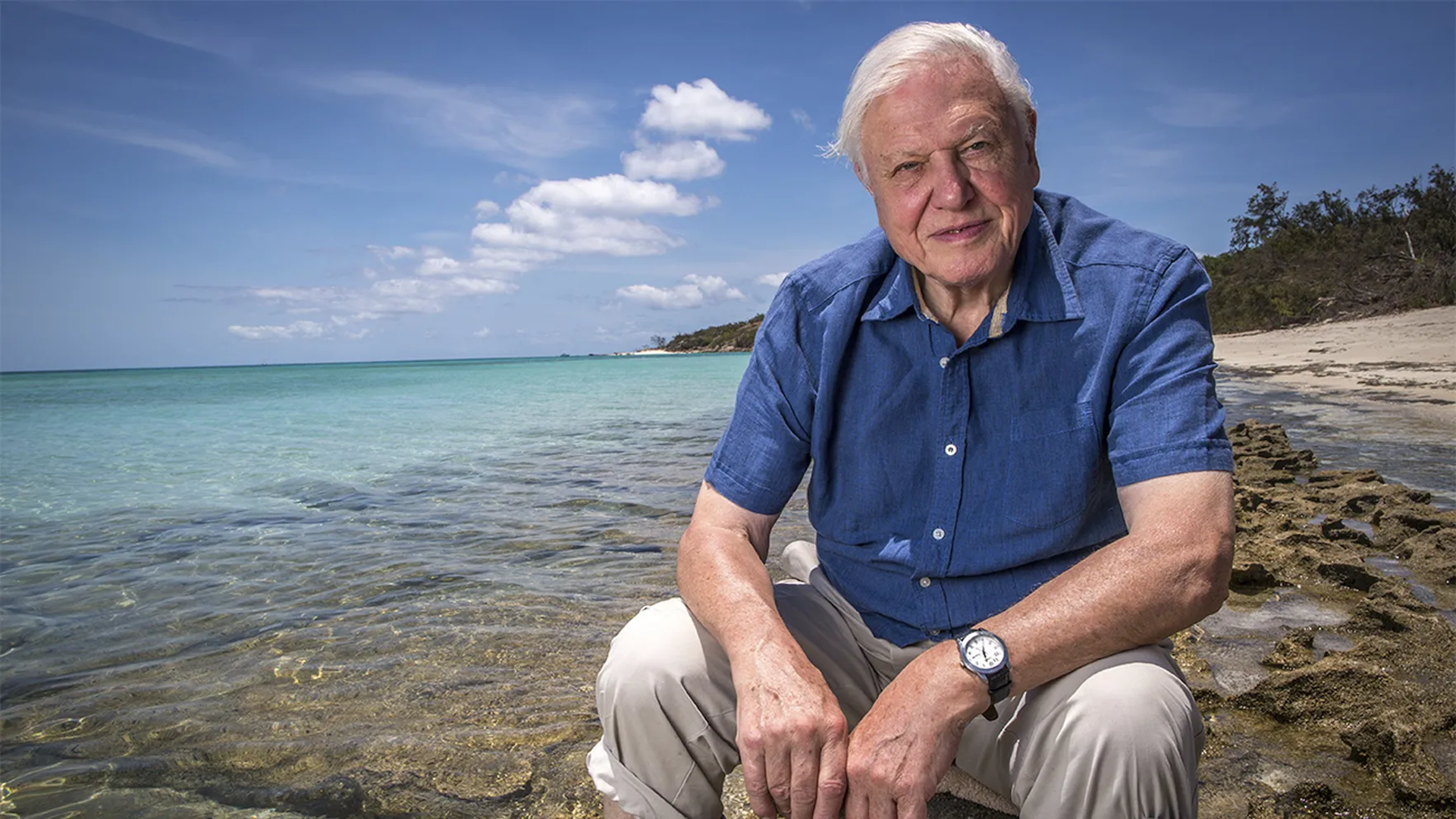
Desde la búsqueda de fósiles hasta un campeón de la vida en la Tierra: Sir David Attenborough a los 100
From fossicking for fossils to a champion for life on Earth: Sir David Attenborough at 100
-
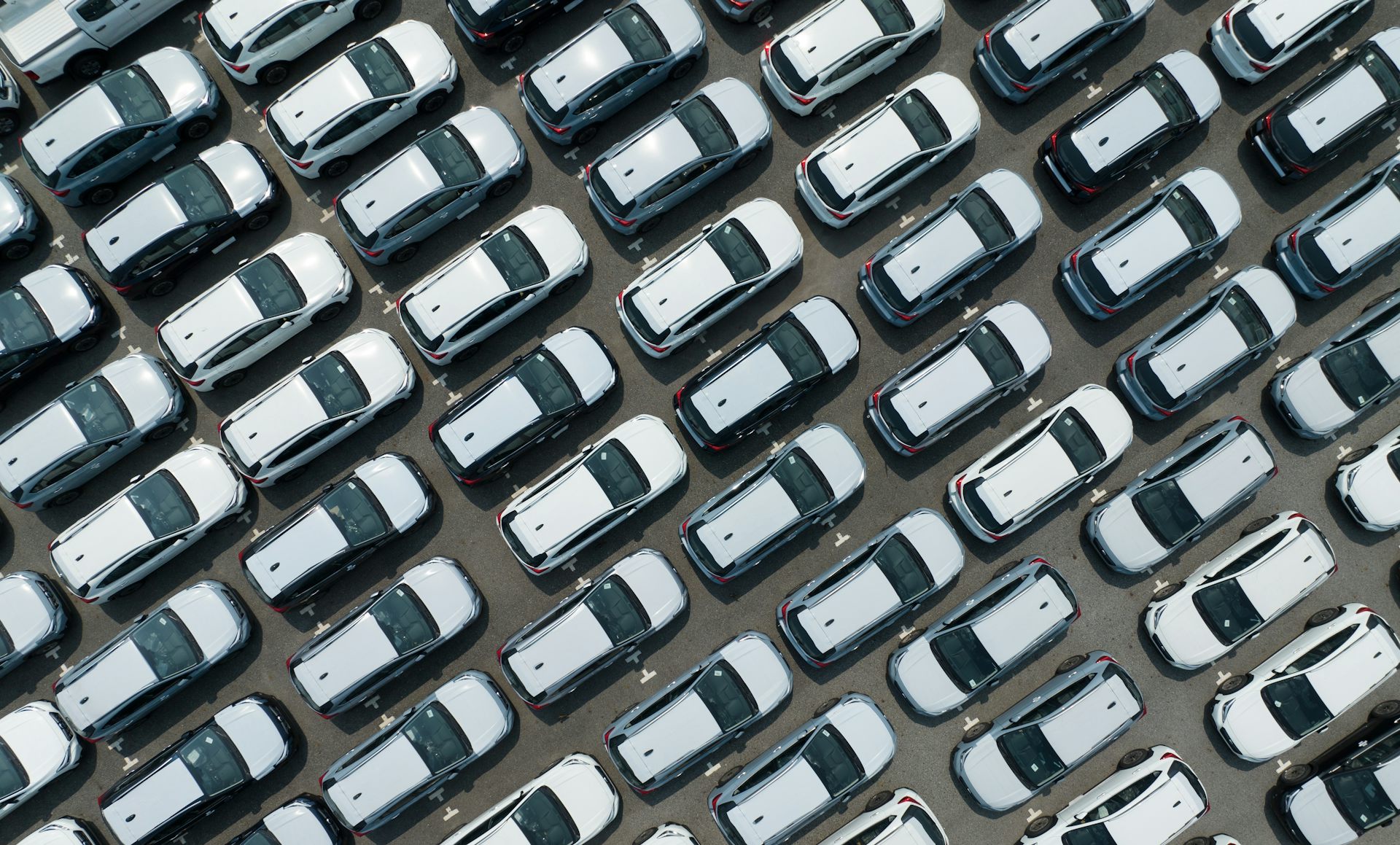
Por qué el auge de los SUV eléctricos es un problema para el clima, la salud y la equidad
Why the electric SUV boom is a problem for climate, health and equity