وجدنا مئات من المقابر الجماعية الضخمة القديمة المخفية في صحراء الصحراء
We found hundreds of huge ancient mass graves hidden in the Sahara desert
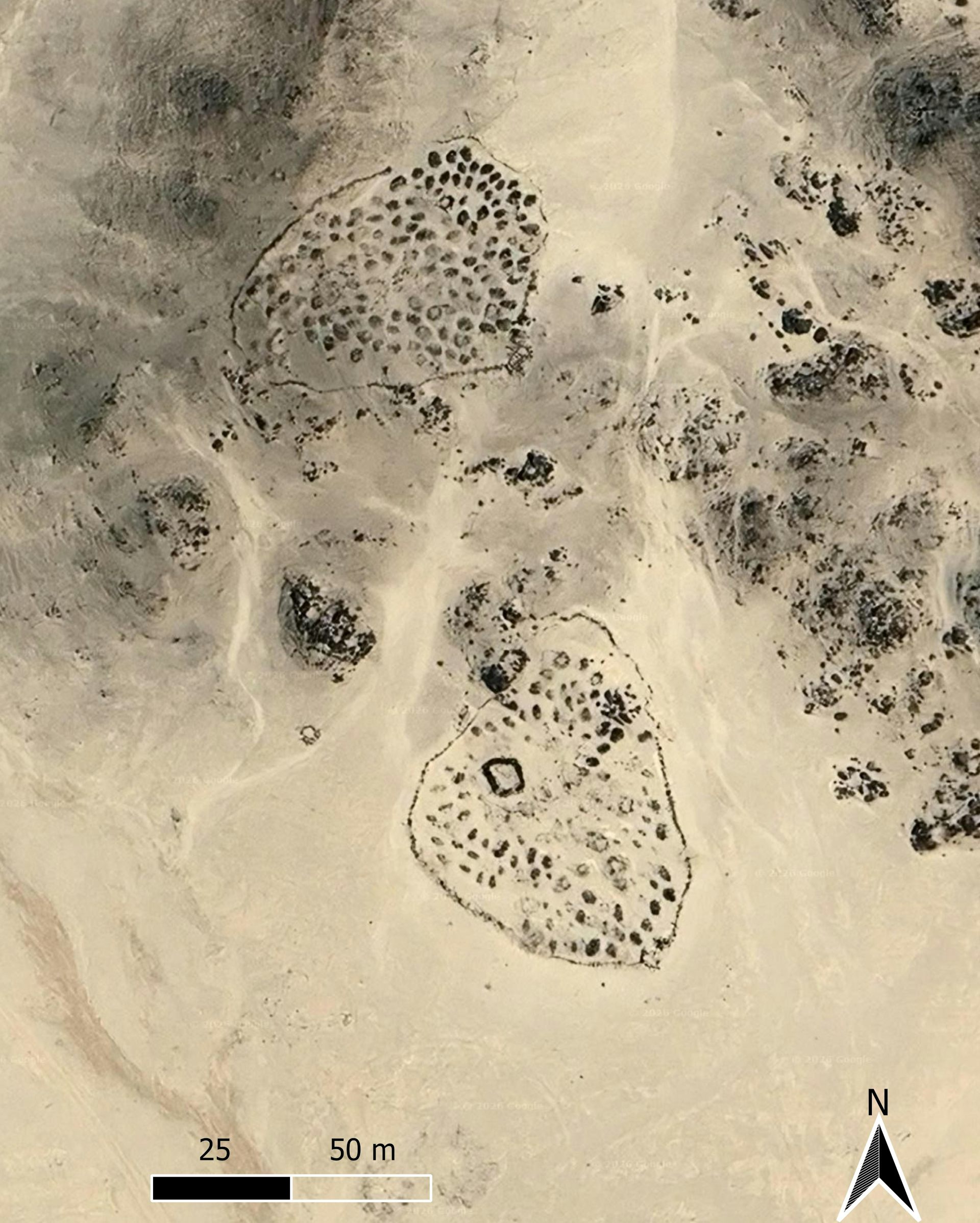
The circular mass graves were filled with the bones of people and animals, often carefully arranged around a key person at the centre.
كانت المقابر الجماعية الدائرية مملوءة بعظام الناس والحيوانات، وغالباً ما كانت مرتبة بعناية حول شخص رئيسي في المنتصف.
We have been on a years-long campaign of satellite remote sensing of the vast desert landscapes in Eastern Sudan.
لقد كنا في حملة استشعار عن بعد عبر الأقمار الصناعية استمرت لسنوات في المناظر الطبيعية الصحراوية الشاسعة في شرق السودان.
This involved using satellite aerial imagery to systematically and painstakingly search for archaeological features in Atbai Desert of Eastern Sudan, a small part of the much larger Sahara.
تضمن ذلك استخدام صور جوية من الأقمار الصناعية للبحث المنهجي والمضن للتنقيب عن السمات الأثرية في صحراء الطيبة شرق السودان، وهي جزء صغير من الصحراء الكبرى الأكبر.
Our team – which includes archaeologists from Macquarie University, France’s HiSoMA research unit, and the Polish Academy of Sciences – wanted to tell the story of this desert region between the Nile and the Red Sea, without having to excavate.
فريقنا – الذي يضم علماء آثار من جامعة ماكوايري، ووحدة أبحاث هيسوما الفرنسية، والأكاديمية البولندية للعلوم – أراد أن يروي قصة هذه المنطقة الصحراوية بين النيل والبحر الأحمر، دون الحاجة إلى التنقيب.
One mysterious archaeological feature stood out. We kept finding large, circular mass graves filled with the bones of people and animals, often carefully arranged around a key person at the centre.
برزت سمة أثرية غامضة. واصلنا العثور على مقابر جماعية كبيرة ودائرية مليئة بعظام البشر والحيوانات، غالباً ما كانت مرتبة بعناية حول شخص رئيسي في المركز.
Likely built around the fourth and third millennia BCE, all these “enclosure burial” monuments have a large round enclosure wall, some up to 80 metres in diameter, with humans and their cattle, sheep and goats buried inside.
من المحتمل أن تكون جميع هذه المعالم “دفن الإحاطة” مبنية حول الألفية الرابعة والثالثة قبل الميلاد، ولديها جدار محيط دائري كبير، يبلغ بعضها 80 متراً في القطر، حيث دُفن البشر ومواشيهم وأغنامهم وماعزهم في الداخل.
Our new research, published in the journal African Archaeological Review, reveals how we found 260 previously unknown enclosure burials east of the Nile River, across almost 1,000km of desert.
يكشف بحثنا الجديد، المنشور في مجلة المراجعة الأثرية الأفريقية، كيف وجدنا 260 دفن حيازة غير معروف سابقاً شرق نهر النيل، عبر ما يقرب من 1000 كيلومتر من الصحراء.
Who built them?
من بنوها؟
Already known from a few excavated examples in the Egyptian and Sudanese deserts, these large circular burial monuments have long puzzled scholars.
لقد حيرت علماء الآثار لفترة طويلة هذه المعالم الجنائزية الدائرية الكبيرة، التي عُرفت بالفعل من بضعة أمثلة تم التنقيب عنها في الصحراء المصرية والسودانية.
What seemed once isolated examples emerge now as a consistent pattern. It is suggestive of a common nomadic culture stretching across a vast stretch of desert.
ما بدا سابقاً أمثلة معزولة، يظهر الآن كنمط متسق. وهذا يوحي بثقافة رعوية مشتركة تمتد عبر مساحة شاسعة من الصحراء.
Most are within the borders of modern Sudan on the slopes of the Red Sea Hills. Unfortunately, satellite imagery alone cannot communicate the whole story of these enclosure burial builders.
معظمها يقع ضمن حدود السودان الحديثة على سفوح تلال البحر الأحمر. للأسف، لا يمكن لصور الأقمار الصناعية وحدها أن توصل القصة الكاملة لبناة هذه المقابر المحاطة.
The carbon dates and pottery from the few excavated monuments tell us these people lived roughly 4000–3000 BCE, just before Egyptians formed a territorial kingdom we know of as Pharaonic Egypt.
تخبرنا التواريخ الكربونية والفخار من المعالم القليلة التي تم التنقيب عنها بأن هؤلاء الناس عاشوا حوالي 4000–3000 قبل الميلاد، قبل أن يشكل المصريون مملكة إقليمية نعرفها باسم مصر الفرعونية.
But these “enclosure burial” nomads had little to do with urbane and farming Egyptians.
لكن هؤلاء البدو “الذين دُفنوا في حواجز” لم يكن لديهم الكثير من الصلة بالمصريين الحضريين والمزارعين.
Living in the desert and raising herds, these were Saharan desert nomads through and through.
عاشوا في الصحراء ورعوا قطعانهم، كانوا بدو صحراء الصحراء عبر وجميع أنحاءها.
A new elite?
نخبة جديدة؟
Some enclosures show “secondary” burials arranged around a “primary” burial of a person at the centre – perhaps a chief or other important member of the community.
تُظهر بعض المحيطات دفنات “ثانوية” مرتبة حول دفن “أساسي” لشخص في المركز – ربما زعيم أو عضو مهم آخر في المجتمع.
For archaeologists, this is important data for discerning class and hierarchy in prehistoric societies.
بالنسبة للآثاريين، هذه بيانات مهمة لتمييز الطبقة والتسلسل الهرمي في المجتمعات ما قبل التاريخ.
The question of when Saharan nomads became less egalitarian has plagued archaeologists for decades, but most agree it was around this time of the fourth millennium BCE that a distinctive “elite” class emerged.
لقد أرهقت مسألة متى أصبح البدو الصحراويون أقل مساواة للجميع الآثاريين لعقود، لكن معظمهم يتفقون على أنه في حوالي هذا الوقت من الألفية الرابعة قبل الميلاد ظهرت طبقة “نخبة” مميزة.
This is still a far cry from the sort of huge divisions between ruler and ruled as seen in societies such as Egypt, with its pharaohs and farmers. However, it ushers in the first traces of inequality.
لا يزال هذا بعيداً جداً عن نوع الانقسامات الهائلة بين الحاكم والمحكوم كما نرى في مجتمعات مثل مصر، بفرعونها ومزارعيها. ومع ذلك، فإنه يمهد للآثار الأولى لعدم المساواة.
Animals held in high esteem
الحيوانات التي حظيت بتقدير كبير
Cattle seem very important to these prehistoric nomads (a theory also supported by ancient local rock art in the area) .
تبدو الماشية مهمة جداً لهؤلاء البدو ما قبل التاريخ (وهي نظرية تدعمها أيضاً رسومات صخرية محلية قديمة في المنطقة) .
Burying themselves alongside their herd, these nomads show they held their animals in esteem.
من خلال دفن أنفسهم بجانب قطيعهم، يظهر هؤلاء البدو أنهم كانوا يعطون حيواناتهم التقدير.
Thousands of years later, local nomads chose to reuse these now “ancient” enclosures for their burial plots – sometimes almost 4,000 years after they were first built.
بعد آلاف السنين، اختار البدو المحليون إعادة استخدام هذه الملاجئ التي أصبحت الآن “قديمة” لمواقع دفنهم – وأحياناً بعد حوالي 4000 سنة من بنائها لأول مرة.
In other words, the prehistoric nomads created cemetery spaces that lasted for millennia.
بعبارة أخرى، خلق البدو ما قبل التاريخ مساحات مقابر استمرت لآلاف السنين.
What happened to these people?
ماذا حدث لهؤلاء الناس؟
No one can say for sure.
لا يمكن لأحد أن يقول ذلك بيقين.
The few dates we have for these monuments cluster between 4000–3000 BCE, nearing the end of a period when the once-greener Sahara was drying, a phase scientists call the “African Humid Period”.
تتركز التواريخ القليلة المتوفرة لدينا لهذه المعالم بين 4000 و3000 قبل الميلاد، مقتربة من نهاية فترة كانت فيها الصحراء الكبرى أكثر خضرة، وهي مرحلة يسميها العلماء “الفترة الرطبة الأفريقية.”
From north to south, the summer monsoon gradually retreated, reducing rainfall and shrinking pastures. This led nomads to abandon thirsty cattle, increase the mobility of their herds, migrate to the south or flee to the Nile.
من الشمال إلى الجنوب، تراجع الرياح الموسمية الصيفية تدريجياً، مما قلل من هطول الأمطار وضاقت المراعي. أدى ذلك إلى تخلّف البدو عن الماشية العطشى، وزيادة تنقل قطعانهم، أو هجرتهم إلى الجنوب أو فرارهم إلى النيل.
The monuments are overwhelmingly located near what were then favourable watering spots; near rocky pools in valley floors, lakebeds and ephemeral rivers.
تقع هذه المعالم في الغالب بالقرب من ما كانت تعتبر أماكن رعي مواتية آنذاك؛ بالقرب من البرك الصخرية في قيعان الوديان، ومناطق بحيرات، وأنهار عابرة.
This tells us that when the monuments were being built, the desert was already quite challenging and dry.
هذا يخبرنا أنه عندما كانت تُبنى هذه المعالم، كانت الصحراء بالفعل صعبة وجافة للغاية.
At some point, as grass and bush made way for sand and rocks, keeping their prized cattle became unsustainable.
في مرحلة ما، عندما أفسحت الأعشاب والشجيرات المجال للرمال والصخور، أصبح الاحتفاظ بمواشيها الثمينة أمراً غير مستدام.
Having large herds of cattle in this desert, at this period, may have been a way of showing off an expensive and rare possession – a prehistoric nomad’s equivalent to having a Ferrari. This may help explain why cattle were frequently buried alongside their owners in enclosure burial monuments.
قد يكون امتلاك قطعان كبيرة من الماشية في هذه الصحراء، في تلك الفترة، وسيلة لاستعراض ملكية باهظة ونادرة – ما يعادل لدى البدو ما قبل التاريخ لامتلاك سيارة فيراري. قد يساعد هذا في تفسير سبب دفن الماشية بشكل متكرر بجانب أصحابها في معالم الدفن المحاطة.
A bigger story
قصة أكبر
These enclosure burials are only one part of the greater story of human adaptation to climate change across North Africa.
هذه المقابر المحاطة هي مجرد جزء من القصة الأكبر للتكيف البشري مع تغير المناخ عبر شمال أفريقيا.
From the Central Sahara, to Kenya and Arabia, keeping cattle, goats and sheep transformed societies. It changed the food they ate, the way they moved around, and community hierarchies.
من الصحراء الكبرى، إلى كينيا وشرق أفريقيا، فإن تربية الماشية والماعز والأغنام غيرت المجتمعات. لقد غيَّرت نوعية الطعام الذي كانوا يأكلونه، وطريقة حركتهم، والتسلسلات الهرمية للمجتمعات.
It’s no coincidence communities changed how they buried their dead at the same time as they adopted herding lifestyles.
ليس من قبيل المصادفة أن المجتمعات غيرت طريقة دفن موتاها في الوقت الذي تبنّت فيه أنماط حياة الرعي.
These burial enclosures tell us even scattered nomads were extremely well-organised people, and expert adapters.
تخبرنا هذه المقابر أنها حتى البدو المتفرقون كانوا أشخاصاً منظمين للغاية ومكيفين خبراء.
Our discovery reshapes the story of the Sahara deserts and the prehistory of the Nile.
اكتشافنا يعيد تشكيل قصة صحاري الصحراء وتاريخ ما قبل التاريخ لنهر النيل.
They provide a prologue for the monumentalism of the kingdoms of Egypt and Nubia, and an image of this region as more than pharaohs, pyramids and temples.
إنها توفر مقدمة للضخامة في ممالك مصر والنوبة، وصورة لهذه المنطقة كأكثر من فراعنة وأهرامات ومعابد.
Sadly, many of these enclosure monuments are currently being destroyed or vandalised as a result of unregulated mining in the region. These unique burials have survived for millennia, but can disappear in less than a week.
للأسف، يتم تدمير أو تخريب العديد من هذه المعالم المحاطة حاليًا نتيجة للتعدين غير المنظم في المنطقة. لقد نجت هذه الدفنات الفريدة لآلاف السنين، ولكن يمكن أن تختفي في أقل من أسبوع.
Maria Gatto (Polish Academy of Sciences) was an author on our paper. We also want to acknowledge Alexander Carter, Tung Cheung, Kahn Emerson, Jessica Larkin, Stuart Hamilton and Ethan Simpson from Macquarie University for their contribution. We are also grateful to the National Corporation of Antiquities and Museums (Sudan) .
ماريا جاتو (أكاديمية العلوم البولندية) كانت مؤلفة في ورقتنا. ونريد أيضًا أن نشكر ألكسندر كارتر، وتونغ تشونغ، وكاهن إمرسون، وجيسيكا لاركين، وستيوارت هاميلتون، وإيثان سيمبسون من جامعة ماكوايري لمساهمتهم. ونحن ممتنون أيضًا للمؤسسة الوطنية للآثار والمتاحف (السودان) .
Julien Cooper receives funding from the Australian Research Council, (Future Fellowship, FT230100067) .
يتلقى جوليان كوبر تمويلاً من مجلس الأبحاث الأسترالي، (زمالة المستقبل، FT230100067) .
Maël Crépy receives funding from the CNRS (HiSoMA) and the Ifao (NOMADES research program) .
يتلقى مايل كريبي تمويلاً من المجلس الوطني للبحوث العلمية (HiSoMA) ومن اليونسكو (برنامج أبحاث نوماتاديس) .
Marie Bourgeois receives funding from Ifao (NOMADES research program) .
تتلقى ماري بورجوا تمويلاً من اليونسكو (برنامج أبحاث نوماتاديس) .
Read more
-
يصف كاتب سيرة إرول فلين بأنه أكثر نجم جذاب في عصره – ولكنه عنصري ومغتصب أيضاً.
Errol Flynn’s biographer calls him the greatest heartthrob of his time – but racist and a rapist too
-
كيف تغيرت فنزويلا – ولم تتغير – منذ استيلاء مادورو
How Venezuela has – and hasn’t – changed since Maduro’s capture