هل نمتص المعلومات بشكل أفضل على الورق، بدلاً من الشاشات؟ يعتمد الأمر على الشاشة
Do we absorb information better on paper, rather than screens? It depends on the screen
Reading is arguably the most difficult task one must learn. To understand why it is difficult, one must understand the physiology of reading.
يُعد القراءة بلا شك أصعب مهمة يجب على المرء أن يتعلمها. ولكي نفهم سبب صعوبتها، يجب أن نفهم فسيولوجيا القراءة.
The Swedish government recently announced it was moving from the classroom use of digital devices back to physical books. It cited concerns over declining test scores and increasing screen time.
أعلنت الحكومة السويدية مؤخراً أنها تتراجع عن استخدام الأجهزة الرقمية في الفصول الدراسية للعودة إلى الكتب المادية. وقد استشهدت بمخاوف بشأن تراجع درجات الاختبارات وزيادة وقت الشاشة.
Are these concerns well founded? And what does the science of reading say about the possible consequences of reading on digital devices versus books?
فهل هذه المخاوف مؤسسة على أسس قوية؟ وماذا يقول علم القراءة عن العواقب المحتملة للقراءة على الأجهزة الرقمية مقارنة بالكتب؟
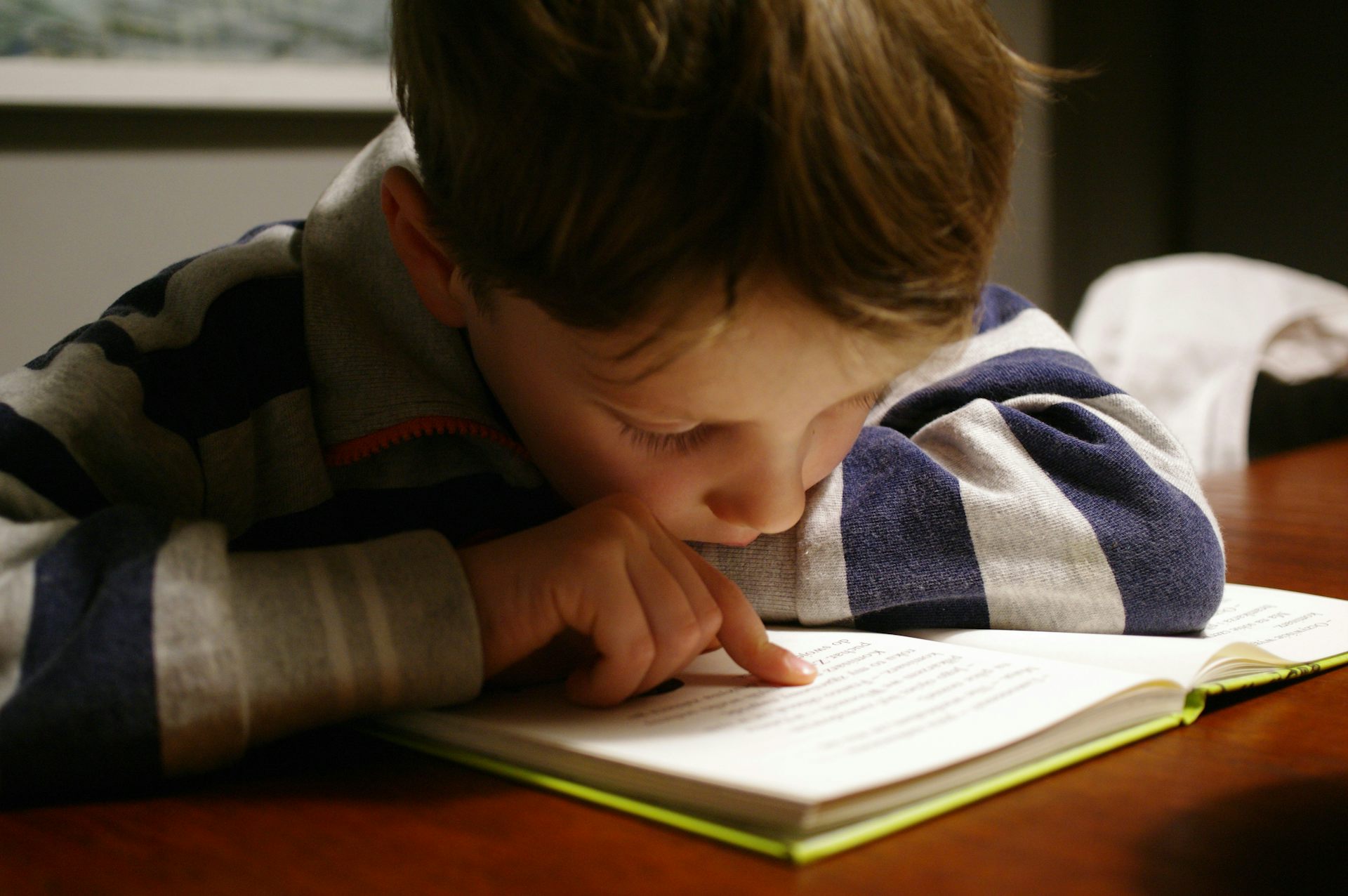
To address these questions, it’s worth remembering that, although reading might appear to be an easy task, this impression is false. Reading is arguably the most difficult task one must learn – one that requires years of formal education and practice to master. In contrast to spoken language, it is a skill we are not biologically predisposed to learn.
لمعالجة هذه التساؤلات، من الجدير التذكر أنه على الرغم من أن القراءة قد تبدو مهمة سهلة، فإن هذا الانطباع خاطئ. فالقراءة هي بلا شك أصعب مهمة يجب على المرء أن يتعلمها – وهي مهمة تتطلب سنوات من التعليم والممارسة الرسمية لإتقانها. وعلى عكس اللغة المنطوقة، فهي مهارة لسنا مُهيئين بيولوجياً لتعلمها.
Millions of Australians, both children and adults, struggle with literacy.
يعاني ملايين الأستراليين، من الأطفال والكبار على حد سواء، من صعوبات في محو الأمية.
In this series, we explore the challenges of reading in an age of smartphones and social media – and ask experts how we can become better readers.
في هذه السلسلة، نستكشف تحديات القراءة في عصر الهواتف الذكية ووسائل التواصل الاجتماعي – ونسأل الخبراء كيف يمكننا أن نصبح قراء أفضل.
Why is reading so difficult?
لماذا القراءة صعبة جدًا؟
To understand why reading is difficult, one must first understand the physiology of reading.
لفهم سبب صعوبة القراءة، يجب أولاً فهم فسيولوجيا القراءة.
As you are reading this sentence, your eyes are making a series of rapid movements, called saccades, from one word to the next. During these saccades, the processing of visual information is suppressed and is only available during brief intervals, called fixations, when the eyes are stationary.
بينما تقرأ هذه الجملة، تقوم عيناك بسلسلة من الحركات السريعة، تسمى “القفزات البصرية” (saccades) ، من كلمة إلى أخرى. خلال هذه القفزات، يتم قمع معالجة المعلومات البصرية ولا تكون متاحة إلا خلال فترات قصيرة، تسمى “نقاط التثبيت” (fixations) ، عندما تكون العيون ثابتة.
Experiments that measure readers’ eye movements have shown we fixate most words because our capacity to extract visual information during each fixation is extremely limited.
أظهرت التجارب التي تقيس حركات عيون القراء أننا نثبّت معظم الكلمات لأن قدرتنا على استخلاص المعلومات البصرية خلال كل تثبيت محدودة للغاية.
In languages like English that are read from left to right, our capacity to perceive the features that distinguish letters is limited to a small region of the visual field called the perceptual span. This span extends from 2-3 letter spaces to the left of fixation to 8-12 letter spaces to the right of fixation.
في لغات مثل الإنجليزية التي تُقرأ من اليسار إلى اليمين، تقتصر قدرتنا على إدراك السمات التي تميز الحروف على منطقة صغيرة من المجال البصري تسمى “النطاق الإدراكي” (perceptual span) . يمتد هذا النطاق من مسافات تتراوح بين 2-3 أحرف إلى يسار نقطة التثبيت إلى مسافات تتراوح بين 8-12 حرفًا إلى يمين نقطة التثبيت.
The span’s asymmetry reflects the movement of attention through the text. It extends to the left in languages like Arabic, which are read from right to left. The size of the span is smaller for dense writing systems, such as Chinese.
يعكس عدم تماثل هذا النطاق حركة الانتباه عبر النص. ويمتد إلى اليسار في لغات مثل العربية، التي تُقرأ من اليمين إلى اليسار. وحجم النطاق أصغر بالنسبة لأنظمة الكتابة الكثيفة، مثل الصينية.
We also know from eye-tracking and brain-imaging experiments that words require time to identify. Our best estimates suggest visual information requires 60 milliseconds to propagate from the eyes to the brain and words then require an additional 100-300 milliseconds to identify. (A millsecond is one-thousandth of a second) .
نعرف أيضًا من تجارب تتبع العين وتصوير الدماغ أن الكلمات تتطلب وقتًا لتحديدها. تشير أفضل تقديراتنا إلى أن المعلومات البصرية تحتاج إلى 60 مللي ثانية لتنتقل من العين إلى الدماغ، وتتطلب الكلمات بعد ذلك 100-300 مللي ثانية إضافية لتحديدها. (المللي ثانية هو جزء من الألف من الثانية) .
These constraints limit the maximum rate of reading to 300-400 words per minute, depending on the difficulty of the text and one’s level of comprehension.
تحد هذه القيود الحد الأقصى لمعدل القراءة إلى 300-400 كلمة في الدقيقة، اعتمادًا على صعوبة النص ومستوى الفهم لدى الشخص.
Speed-reading advocates, who falsely promise faster reading speeds, teach you how to skim a text. Comprehension declines at a rate inversely proportional to the gain in speed.
يعلّمك دعاة القراءة السريعة، الذين يعدون كاذبًا بسرعات قراءة أسرع، كيفية تصفح النص. وينخفض مستوى الفهم بمعدل يتناسب عكسيًا مع الزيادة في السرعة.
Importantly, the upper limit for reading speed requires years of practice to attain, because it requires the brain systems that support vision, attention, word identification, language processing and eye movements to operate in a highly coordinated manner. Anything that prevents this coordination will therefore reduce comprehension.
والأهم من ذلك، أن الحد الأقصى لسرعة القراءة يتطلب سنوات من الممارسة للوصول إليه، لأنه يتطلب أن تعمل أنظمة الدماغ التي تدعم البصر والانتباه وتحديد الكلمات ومعالجة اللغة وحركات العين بطريقة منسقة للغاية. وبالتالي، فإن أي شيء يمنع هذا التنسيق سيقلل من مستوى الفهم.
Consequences of digital reading
عواقب القراءة الرقمية
So what are the likely consequences of digital reading?
إذًا، ما هي العواقب المحتملة للقراءة الرقمية؟
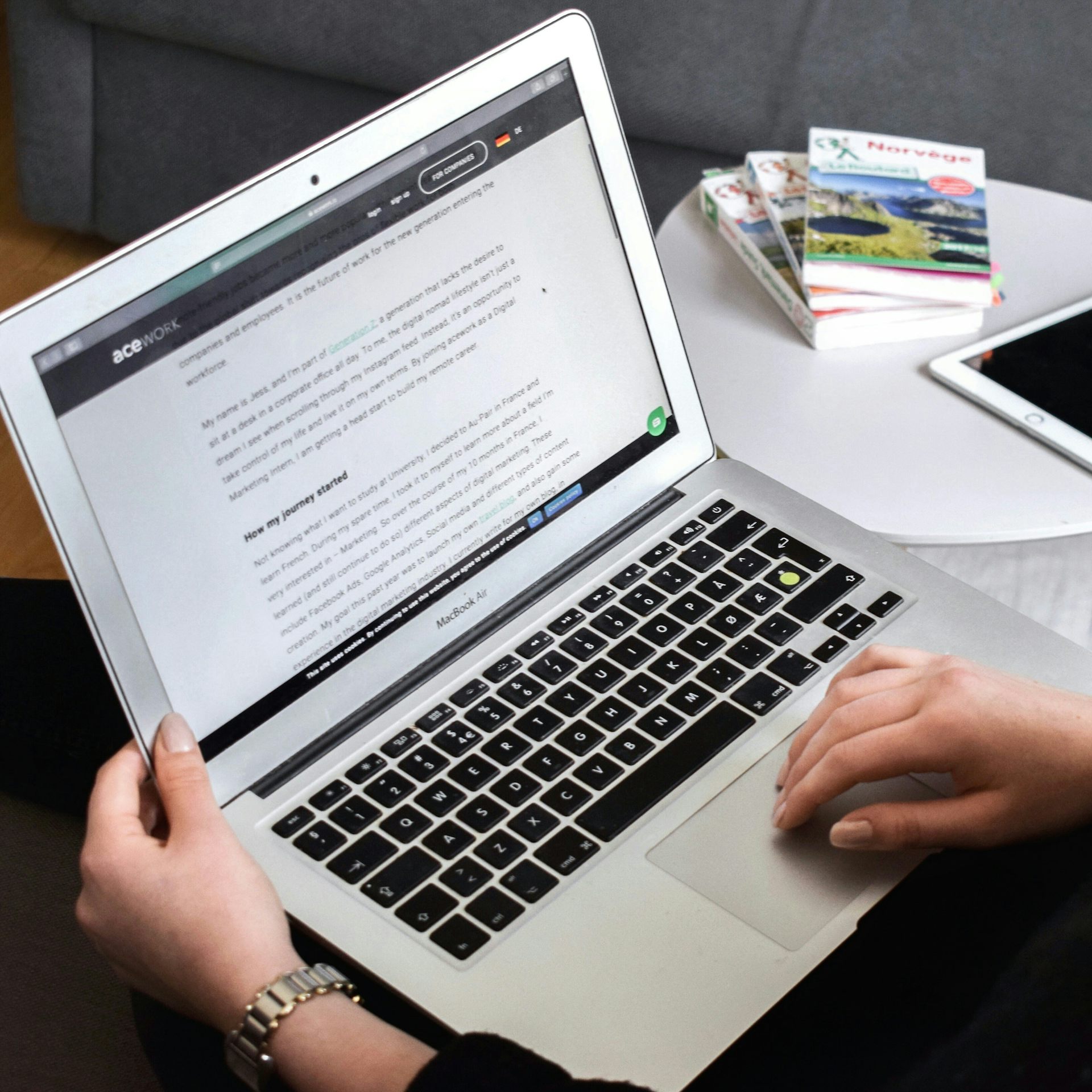
With some devices, such as e-readers, there is little reason to suspect digital reading differs from the reading of books, because both formats support the mental processes required for skilled reading.
بالنسبة لبعض الأجهزة، مثل أجهزة القراءة الإلكترونية، لا يوجد سبب يثير الشك في أن القراءة الرقمية تختلف عن قراءة الكتب، لأن كلا التنسيقين يدعمان العمليات العقلية اللازمة للقراءة الماهرة.
The more questionable devices are those introducing distractions (such as news websites interspersed with ads) or which have suboptimal formatting, such as centre-justified text with large or unequal-sized gaps between words. The latter is rarely a feature of paper-based texts.
أما الأجهزة الأكثر إثارة للجدل فهي تلك التي تُدخل المشتتات (مثل مواقع الأخبار الممزوجة بالإعلانات) أو التي تحتوي على تنسيق دون المستوى الأمثل، مثل النص المبرر في المنتصف مع فجوات كبيرة أو غير متساوية بين الكلمات. ونادرًا ما تكون هذه الأخيرة سمة للنصوص المطبوعة على الورق.
Although the consequences of these two factors are under-researched, enough has been learned about human cognition to make informed predictions.
على الرغم من أن عواقب هذين العاملين لا تزال قيد البحث، إلا أنه قد تم تعلم ما يكفي حول الإدراك البشري لإجراء تنبؤات مستنيرة.
For example, images and audio unrelated to a text such as pop-up ads can capture attention. Although most adults have developed a level of executive control sufficient to ignore such distractions, young children have not.
على سبيل المثال، يمكن للصور والصوت غير المتعلقة بالنص، مثل الإعلانات المنبثقة، أن تجذب الانتباه. وعلى الرغم من أن معظم البالغين قد طوروا مستوى من التحكم التنفيذي كافٍ لتجاهل مثل هذه المشتتات، إلا أن الأطفال الصغار لم يطوروه بعد.
The implications for a child who is struggling to understand the meaning of a text are obvious. Their comprehension will suffer to the extent that additional effort is required to ignore distractions, or if they do not yet have the mental coordination to understand the text has been disrupted.
إن التداعيات على الطفل الذي يواجه صعوبة في فهم معنى النص واضحة. فسيتأثر فهمه بقدر ما يتطلب تجاهل المشتتات جهدًا إضافيًا، أو إذا لم يكن لديه بعد التنسيق العقلي اللازم لفهم النص، فقد يكون هذا التنسيق قد تعرّض للاضطراب.
There is also evidence from eye-tracking experiments that many digital environments, such as webpages, can induce specific reading strategies, such as skimming for gist or searching for information.
هناك أيضًا أدلة من تجارب تتبع العين تشير إلى أن العديد من البيئات الرقمية، مثل صفحات الويب، يمكن أن تحفز استراتيجيات قراءة محددة، مثل التصفح السريع للحصول على الفكرة العامة أو البحث عن المعلومات.
Although such strategies might be adaptive in some contexts, they reduce overall comprehension. This possibility should be especially concerning for children, because years of practice are needed to coordinate the mental systems that support adult levels of reading skill.
على الرغم من أن مثل هذه الاستراتيجيات قد تكون تكيفية في بعض السياقات، إلا أنها تقلل من الفهم العام. ويجب أن يكون هذا الاحتمال مقلقًا بشكل خاص بالنسبة للأطفال، لأن سنوات من الممارسة مطلوبة لتنسيق الأنظمة العقلية التي تدعم مستويات مهارة القراءة لدى البالغين.
Such concerns have recently drawn more attention, because the onset of the COVID-19 pandemic caused a shift to online education and a marked increase in digital reading. Although these changes were motivated by practical necessity, their long-term consequences remain unclear.
لقد لفتت مثل هذه المخاوف مؤخرًا المزيد من الاهتمام، لأن تفشي جائحة كوفيد-19 تسبب في التحول إلى التعليم عبر الإنترنت وزيادة ملحوظة في القراءة الرقمية. وعلى الرغم من أن هذه التغييرات كانت مدفوعة بالضرورة العملية، إلا أن عواقبها طويلة المدى لا تزال غير واضحة.
So far, eye-tracking research has been carried out on computer screens. New technology is becoming available which will allow us to directly compare eye movements and comprehension between digital devices and paper. This should give us more clarity about the benefits versus costs of digital devices.
حتى الآن، أُجريت أبحاث تتبع العين على شاشات الكمبيوتر. وتصبح تقنية جديدة متاحة ستسمح لنا بمقارنة حركات العين والفهم بشكل مباشر بين الأجهزة الرقمية والورق. ومن المفترض أن يمنحنا هذا وضوحًا أكبر بشأن مزايا وعيوب الأجهزة الرقمية.
Given reading ability is predictive of one’s education, socioeconomic status and wellbeing, the importance of assessing the long-term consequences of digital reading cannot be overstated.
نظرًا لأن القدرة على القراءة تنبؤية بالتعليم والحالة الاجتماعية والاقتصادية والرفاهية، فلا يمكن المبالغة في أهمية تقييم العواقب طويلة المدى للقراءة الرقمية.
Erik D Reichle has received funding from the US National Institute of Health, US Institute of Education Sciences, UK Economic and Social Research Council, and Australian Research Council.
تلقى إريك دي رايشله تمويلاً من المعهد الوطني للصحة بالولايات المتحدة، والمعهد الأمريكي لعلوم التربية، والمجلس الاقتصادي والاجتماعي في المملكة المتحدة، والمجلس البحثي الأسترالي.
Lili Yu does not work for, consult, own shares in or receive funding from any company or organisation that would benefit from this article, and has disclosed no relevant affiliations beyond their academic appointment.
ليلي يو لا تعمل لدى، أو تستشير، أو تمتلك حصصًا في، أو تتلقى تمويلاً من أي شركة أو منظمة يمكن أن تستفيد من هذه المقالة، ولم تكشف عن أي انتماءات ذات صلة تتجاوز منصبها الأكاديمي.
Read more
-

تيم ماكجرو في العشرين: كيف وضعت أغنية تايلور سويفت المنفردة الأولى صيغتها للنجاح
Tim McGraw at 20: how Taylor Swift’s debut single set her formula for success
-

الذاكرة الفوتوغرافية أسطورة – إليك ما يقوله البحث حقاً حول التذكر
Photographic memory is a myth – here’s what research really says about remembering