هل تشعر باليأس من حالة العالم؟ اليونانيون والرومان القدماء عرفوا هذا الشعور
Despairing at the state of the world? The ancient Greeks and Romans knew the feeling
Withdraw, endure, or laugh? The ancients have some advice about facing disillusionment.
هل تنسحب، أم تتحمل، أم تضحك؟ لدى القدماء بعض النصائح لمواجهة خيبة الأمل.
If you’re feeling fed up with the way things are in the world, then, no matter your politics, you are experiencing an emotion people have felt for millennia.
إذا كنت تشعر بالضجر من طريقة سير الأمور في العالم، فبغض النظر عن توجهاتك السياسية، فأنت تختبر شعوراً شعر به الناس لآلاف السنين.
Perhaps you feel helpless. Maybe you feel like the character in the Roman dramatist Terence’s play The Brothers (160 BCE) , who exclaims:
ربما تشعر بالعجز. ربما تشعر وكأنك الشخصية في مسرحية “الإخوة” للدرامي الروماني تيرينس (160 قبل الميلاد) ، الذي يصرخ:
we’re enclosed by so many things from which there’s no escape: violence, poverty, injustice, loneliness, disgrace. What an age we live in!
نحن محاصرون بالكثير من الأشياء التي لا مفر منها: العنف، والفقر، والظلم، والوحدة، والعار. يا له من عصر نعيش فيه!
What can you do? As we will see, ancient people had different ideas about how to act.
ماذا يمكنك أن تفعل؟ كما سنرى، كان للناس القدامى أفكار مختلفة حول كيفية التصرف.
One popular option was to retreat – or try to retreat – from the world, renouncing involvement and avoiding society. A less common option was to try to sort things out in the world by yourself, as one person facing all its woes.
كان أحد الخيارات الشائعة هو الانسحاب – أو محاولة الانسحاب – من العالم، والتخلي عن المشاركة وتجنب المجتمع. أما الخيار الأقل شيوعاً فكان محاولة حل الأمور في العالم بنفسك، كشخص يواجه كل مصائبه.
Heraclitus’ escape
هرقليدس الهارب
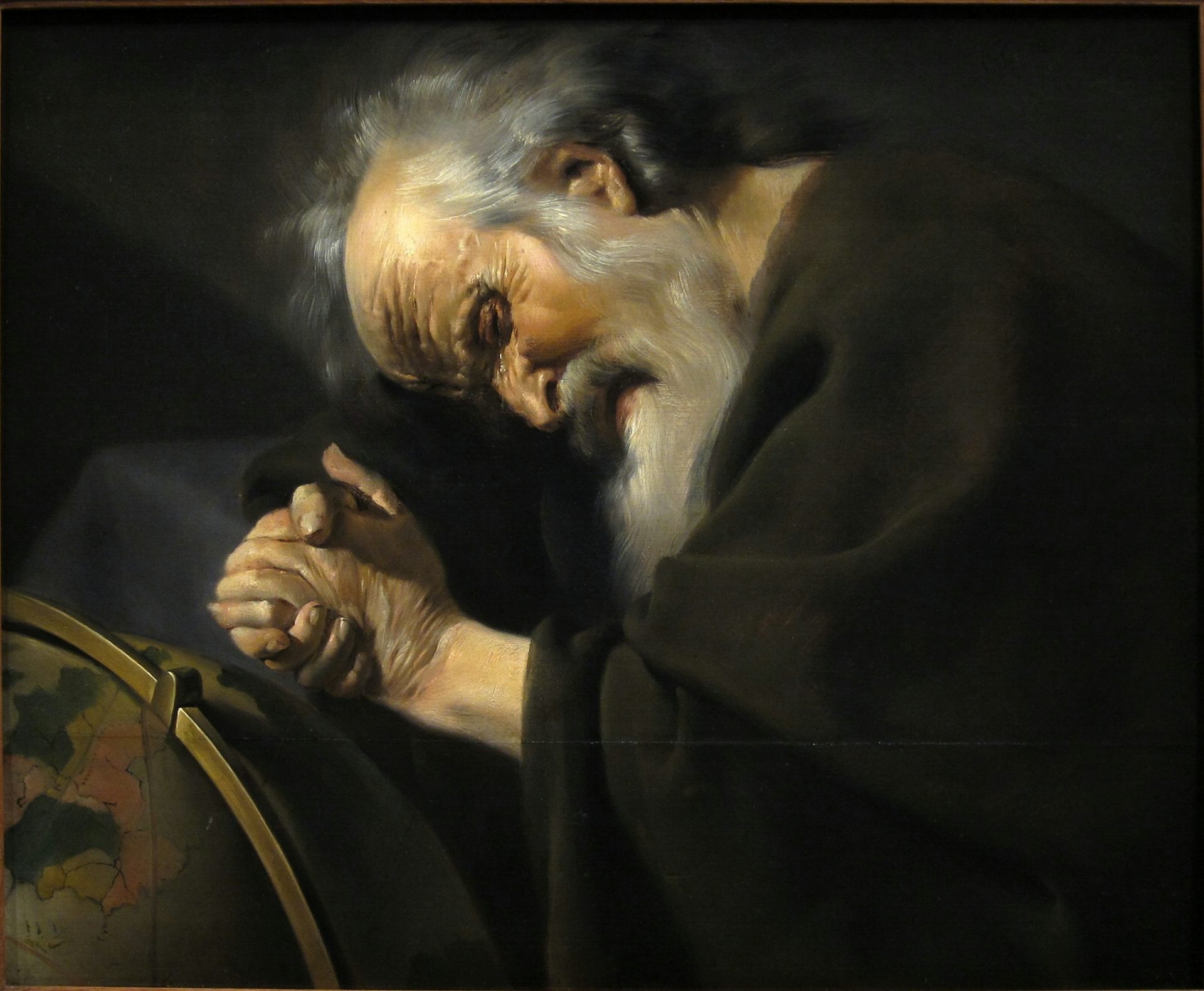
Heraclitus of Ephesus (c.540-480 BCE) is one of the most prominent Greek philosophers known for becoming disillusioned with worldly affairs.
هرقليدس الإفسسي (حوالي 540-480 قبل الميلاد) هو أحد أبرز الفلاسفة اليونانيين المعروفين بخيبة أملهم من الشؤون الدنيوية.
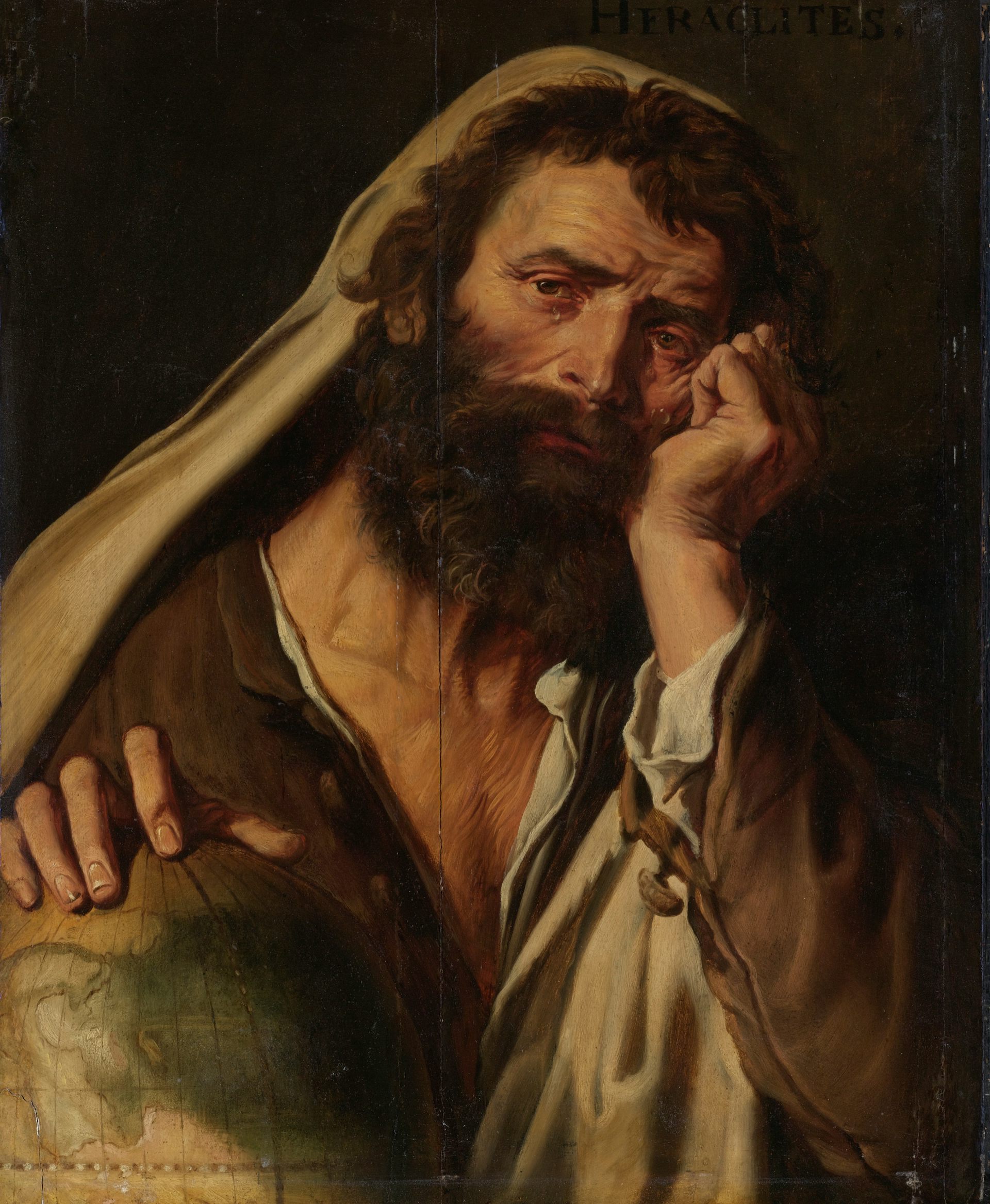
His main gripe was with politics. He disliked the insolence and stupidity of politicians and the laws they created. He was also tired of the foolishness of the people, who didn’t defend their laws and constitutions: “the people,” he said, “must fight for the law as for city-walls”.
كانت شكواه الرئيسية تتعلق بالسياسة. كان يكره وقاحة وغباء السياسيين والقوانين التي أوجدها. كما سئم من حماقة الناس الذين لم يدافعوا عن قوانينهم ودساتيرهم: “يجب على الشعب،” قال، “أن يقاتل من أجل القانون كما يقاتل من أجل أسوار المدينة.”
When his friend Hermodorus was banished from Ephesus, Heraclitus condemned the city for elevating foolish men and destroying good men. As the historian Diogenes Laertius informs us, Heraclitus told the leaders of Ephesus that they were so worthless they should kill themselves:
عندما نُفي صديقه هيرمودوروس من إفسس، أدان هرقليدس المدينة لرفعها للرجال الحمقى وتدميرها للرجال الصالحين. وكما يخبرنا المؤرخ ديوجين لايرتيوس، قال هرقليدس لقادة إفسس إنهم بلا قيمة لدرجة أن عليهم أن يقتلوا أنفسهم:
The Ephesians would do well to end their lives, every grown man of them, and leave the city to beardless boys, for that they have driven out Hermodorus, the worthiest man among them, saying, “We will have none who is worthiest among us; or if there be any such, let him go elsewhere and consort with others.”
“من الأفضل للإفسسيين أن ينهوا حياتهم، كل رجل بالغ منهم، ويتركون المدينة للأولاد غير المحلقي الذقن، لأنه لقد طردوا هيرمودوروس، الأجدر بالرجل بينهم، قائلين: “لن يكون لدينا أحد الأجدر بيننا؛ أو إذا كان هناك أي شخص كذلك، فليذهب إلى مكان آخر ويتعايش مع الآخرين”.”
When the people of Ephesus asked why an intelligent man like Heraclitus ignored politics and preferred instead to play games of knuckle-bones with children, he apparently said civil life was no longer worth an intelligent man’s time:
عندما سأل أهل إفسس لماذا يتجاهل رجل ذكي مثل هرقليدس السياسة ويفضل بدلاً من ذلك لعب ألعاب العظام مع الأطفال، بدا أنه قال إن الحياة المدنية لم تعد تستحق وقت رجل ذكي:
Are you astonished? Is it not better to do this than to take part in your civil life?
“هل أنت مندهش؟ أليس من الأفضل فعل هذا بدلاً من المشاركة في حياتكم المدنية؟”
Eventually, Heraclitus couldn’t bear it any more. As Diogenes Laertius continues the story, Heraclitus “became a hater of his kind”. He took to wandering in the mountains, living on grass and herbs, but “when this gave him dropsy, he made his way back to the city and put this riddle to the physicians, whether they were competent to create a drought after heavy rain”. He then tried to cure himself by repairing to a cowshed and burying himself in manure.
في النهاية، لم يعد هرقليدس يحتمل ذلك. وكما يواصل ديوجين لايرتيوس القصة، “أصبح هرقليدس مكروهاً لنوعه.” بدأ يتجول في الجبال، يعيش على العشب والأعشاب، ولكن “عندما أصابه الوذمة، عاد إلى المدينة وطرح هذا اللغز على الأطباء، عما إذا كانوا أكفاء لإحداث جفاف بعد مطر غزير.” ثم حاول علاج نفسه عن طريق إصلاح نفسه في حظيرة الأبقار ودفن نفسه في السماد.
Living his life in the mountains away from society, Heraclitus’ health quickly deteriorated. He died soon after at the age of 60.
عاش هرقليدس حياته في الجبال بعيداً عن المجتمع، وتدهورت صحته بسرعة. وتوفي بعد ذلك بوقت قصير عن عمر يناهز الستين عاماً.
Sertorius’ dream of escape
حلم سيرتوريوس بالهروب
Quintus Sertorius (123-72 BCE) was a Roman statesman who distinguished himself by his rhetorical skill and his military victories as a commander against tribes in Gaul.
كان كوينتوس سيرتوريوس (123-72 قبل الميلاد) رجل دولة روماني ميز نفسه بمهارته البلاغية وانتصاراته العسكرية كقائد ضد القبائل في بلاد الغال.
During the political unrest in Rome in the 90s BCE, Sertorius was sent to command the empire’s Spanish provinces. While there, he became an enemy of the ruling faction at Rome and effectively established his own independent rule of Spain for eight years.
خلال الاضطرابات السياسية في روما في التسعينيات قبل الميلاد، أُرسل سيرتوريوس لقيادة المقاطعات الإسبانية للإمبراطورية. وهناك، أصبح عدوًا للفصيل الحاكم في روما وأسس فعليًا حكمه المستقل لإسبانيا لمدة ثماني سنوات.
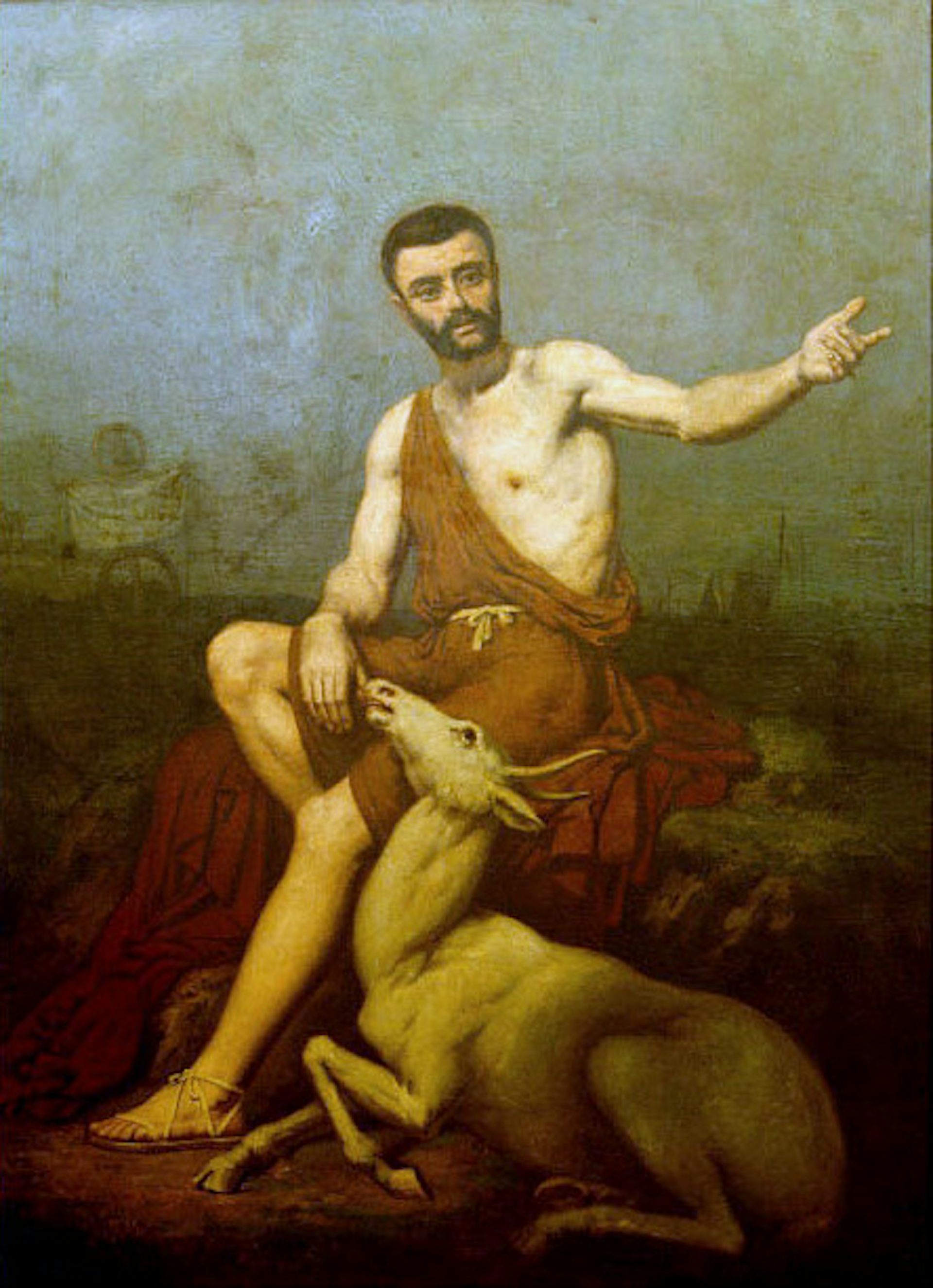
Sertorius’ enemies at Rome sent armies to Spain to defeat him, but were unsuccessful in dislodging him. Sertorius set up his own senate of 300 members. This included a mix of Romans and members of Spanish tribes. He consolidated his popularity by appealing to local superstitions – he went everywhere accompanied by a white fawn, a symbol of divine power.
أرسل أعداء سيرتوريوس في روما جيوشًا إلى إسبانيا لهزيمته، لكنهم لم ينجحوا في إبعاده. أنشأ سيرتوريوس مجلس شيوخ خاص به يضم 300 عضو. وشمل هذا مزيجًا من الرومان وأعضاء القبائل الإسبانية. عزز شعبيته بالاستناد إلى الخرافات المحلية – حيث كان يذهب إلى كل مكان برفقة غزال صغير أبيض، وهو رمز للقوة الإلهية.
After years of threats and toil, Sertorius became sick of it all. According to the Greek historian Plutarch (c.46-119 CE) , Sertorius met some sailors “who had recently come back from the Atlantic Islands”. The sailors spoke of a land off the coast of Africa with a warm climate and plentiful food and water. Most importantly, it was far away from all the political and military turmoil.
بعد سنوات من التهديدات والمشقة، سئم سيرتوريوس كل شيء. ووفقًا للمؤرخ اليوناني بلوتارخ (حوالي 46-119 م) ، التقى سيرتوريوس ببعض البحارة “الذين عادوا مؤخرًا من جزر الأطلسي.” تحدث البحارة عن أرض قبالة ساحل إفريقيا ذات مناخ دافئ وغذاء وماء وفير. والأهم من ذلك، أنها كانت بعيدة عن كل الاضطرابات السياسية والعسكرية.
Plutarch tells us that the words of the sailors made an impression:
يخبرنا بلوتارخ أن كلمات البحارة تركت انطباعًا:
When Sertorius heard this tale, he was seized with an amazing desire to dwell in the islands and live in quiet, freed from tyranny and wars that would never end.
عندما سمع سيرتوريوس هذه الحكاية، اجتاحه رغبة مذهلة في العيش في الجزر والعيش في هدوء، متحررًا من الطغيان والحروب التي لن تنتهي أبدًا.
Nobody today knows for sure what islands these sailors were referring to. Some possibilities are Madeira, Porto Santo or the Canary Islands.
لا أحد اليوم يعرف بالتأكيد ما هي الجزر التي كان يشير إليها هؤلاء البحارة. بعض الاحتمالات هي ماديرا، أو بورتو سانتو، أو جزر الكناري.
Unfortunately for Sertorius, he never found his “escape”. He endured many more years of political and social strife, until he was murdered by conspirators in 72 BCE.
لسوء حظ سيرتوريوس، لم يجد أبدًا “مهربه.” تحمل سنوات عديدة أخرى من الصراعات السياسية والاجتماعية، حتى قُتل على يد مؤامري في عام 72 قبل الميلاد.
Can happiness come from disengagement?
هل يمكن أن تأتي السعادة من الانفصال؟
Many people living in ancient Greece and Rome appear to have recognised that happiness can come from removing oneself from worldly affairs. The Greek philosopher Epicurus (c.341-270 BCE) advised people to seek obscurity and avoid the world. His famous saying is two words: “live unknown”.
يبدو أن العديد من الناس الذين عاشوا في اليونان وروما القديمة أدركوا أن السعادة يمكن أن تأتي من الابتعاد عن الشؤون الدنيوية. نصح الفيلسوف اليوناني إبيقور (حوالي 341-270 قبل الميلاد) الناس بالسعي وراء الخفاء وتجنب العالم. ومقولته الشهيرة تتكون من كلمتين: “عش مجهولاً.”
Some disagreed, of course. Plutarch, for example, thought Epicurus’ idea was a mark of defeat and a waste of the potential of living:
بالطبع، لم يتفق الجميع. فبلوتارخ، على سبيل المثال، رأى أن فكرة إبيقور كانت علامة على الهزيمة وإهدار لإمكانات الحياة:
he who casts himself into the unknown state and wraps himself in darkness and buries his life in an empty tomb would appear to be aggrieved at his very birth and to renounce the effort of being.
إن من يلقي بنفسه في حالة المجهول ويغلف نفسه بالظلام ويدفن حياته في قبر فارغ، سيبدو وكأنه متضرر منذ ولادته ويرفض جهد الوجود.
Others, however, seemed to favour the idea that disappearing into a a quiet and hidden life, ignorant of the world’s affairs, could bring happiness. The Roman poet Horace (65-8 BCE) , for example, wrote:
ومع ذلك، بدا آخرون يفضلون فكرة أن الاختفاء في حياة هادئة ومخفية، غافلة عن شؤون العالم، يمكن أن يجلب السعادة. كتب الشاعر الروماني هوراس (65-8 قبل الميلاد) ، على سبيل المثال:
Happy the man who, far from business concerns, works his ancestral acres with his oxen like the men of old, free from every kind of debt; he is not wakened, like a soldier, by the harsh bray of the bugle, and has no fear of the angry sea; he avoids both the city centre and the lofty doorways of powerful citizens.
سعيد الرجل الذي يعمل في أراضيه الموروثة بأبقارِه مثل الرجال القدامى، بعيداً عن شؤون التجارة، ومتحرراً من كل أنواع الديون؛ لا يستيقظ، كالجندي، على صوت البوق الصارخ، ولا يخشى البحر الغاضب؛ ويتجنب كلاً من وسط المدينة والمداخل الشاهقة للمواطنين الأقوياء.
For Horace, someone who is happy is far from cities and armies, living simply on his ancestral farm with animals and loved ones – with no debt.
بالنسبة لهوراس، فإن الشخص السعيد هو من يبتعد عن المدن والجيوش، ويعيش ببساطة في مزرعته الموروثة مع الحيوانات والأحباء – دون ديون.
Taking matters into your own hands
تولي زمام الأمور
Some, of course, don’t want to retreat from things. They want to solve problems and make the world around them better. But how can you do this if you’re just an ordinary person?
بالطبع، لا يريد البعض التراجع عن الأمور. إنهم يريدون حل المشكلات وتحسين العالم من حولهم. ولكن كيف يمكنك فعل ذلك إذا كنت مجرد شخص عادي؟
The Athenian playwright Aristophanes (450-388 BCE) had a comical, tongue-in-cheek solution. In his play Acharnians, first performed in 425 BCE, he depicts a man called Dicaeopolis who is fed up with politics.
كان الكاتب المسرحي الأثيني أريستوفانيس (450-388 قبل الميلاد) لديه حل كوميدي ساخر. ففي مسرحيته “الأخارنيين”، التي عُرضت لأول مرة عام 425 قبل الميلاد، يصور رجلاً يُدعى ديكايوبوليس سئم من السياسة.
Dicaeopolis is not only tired of politicians lying and starting endless wars; he is also tired of people voting selfishly for handouts and for harmful policies. The people, he says, “can be bought and sold”.
لم يكن ديكايوبوليس متعباً من سياسيي الكذب وبدء الحروب التي لا تنتهي فحسب؛ بل كان متعباً أيضاً من الناس الذين يصوتون بأنانية للحصول على الإعانات والسياسات الضارة. ويقول إن الناس “يمكن شراءها وبيعها.”
So Dicaeopolis comes up with a personal solution. He will “make a treaty with the Spartans for me alone and my children and the missus” so his family can live in peace.
لذا، يبتكر ديكايوبوليس حلاً شخصياً. سيقوم بـ “إبرام معاهدة مع سبارتا لي أنا وأطفالي وزوجتي” حتى تتمكن عائلته من العيش في سلام.
His efforts are a triumph. He successfully negotiates the treaty and lives freely, enjoying privileges other citizens cannot, like farming, trading with other states and drinking.
جهوده هي انتصار. فهو ينجح في التفاوض على المعاهدة ويعيش بحرية، مستمتعاً بامتيازات لا يستطيع المواطنون الآخرون الحصول عليها، مثل الزراعة والتجارة مع الدول الأخرى والشرب.
The play is not meant to be taken seriously – it is a comedy, after all, and no private individual would really be able to negotiate a treaty with another city. But its plot reveals something about the political frustration ordinary citizens can often feel.
المسرحية ليست مقصودة لأخذها على محمل الجد – فهي كوميديا في نهاية المطاف، ولن يتمكن أي فرد خاص حقاً من التفاوض على معاهدة مع مدينة أخرى. لكن حبكتها تكشف شيئاً عن الإحباط السياسي الذي يمكن أن يشعر به المواطنون العاديون غالباً.
So what can you do if you are fed up with politics?
إذًا، ماذا يمكنك أن تفعل إذا سئمت من السياسة؟
Two thousand years later, the options haven’t improved much. The ancient advice is clear: you can withdraw, endure, or laugh. Preferably the last option. It seems to have the best survival rate.
بعد ألفي عام، لم تتحسن الخيارات كثيراً. النصيحة القديمة واضحة: يمكنك الانسحاب، أو التحمل، أو الضحك. ويفضل الخيار الأخير. يبدو أنه يمتلك أفضل معدل للبقاء على قيد الحياة.
Konstantine Panegyres does not work for, consult, own shares in or receive funding from any company or organisation that would benefit from this article, and has disclosed no relevant affiliations beyond their academic appointment.
كونستانتين بانيجيريس لا يعمل لدى، أو يستشير، أو يمتلك حصصاً في، أو يتلقى تمويلاً من أي شركة أو منظمة يمكن أن تستفيد من هذه المقالة، ولم يفصح عن أي انتماءات ذات صلة تتجاوز تعيينه الأكاديمي.
Read more
-

تقود الولايات المتحدة السباق الفضائي الجديد – لكن دولاً أخرى تتبعها عن كثب.
The US is leading the new space race – but other countries are close behind
-

إذا كان الذكاء الاصطناعي مُسببًا للإدمان، فأين تقع المسؤولية – على شركات التكنولوجيا الكبرى أم مستخدميها؟
If AI is addictive, where does the responsibility lie – with big tech or its users?