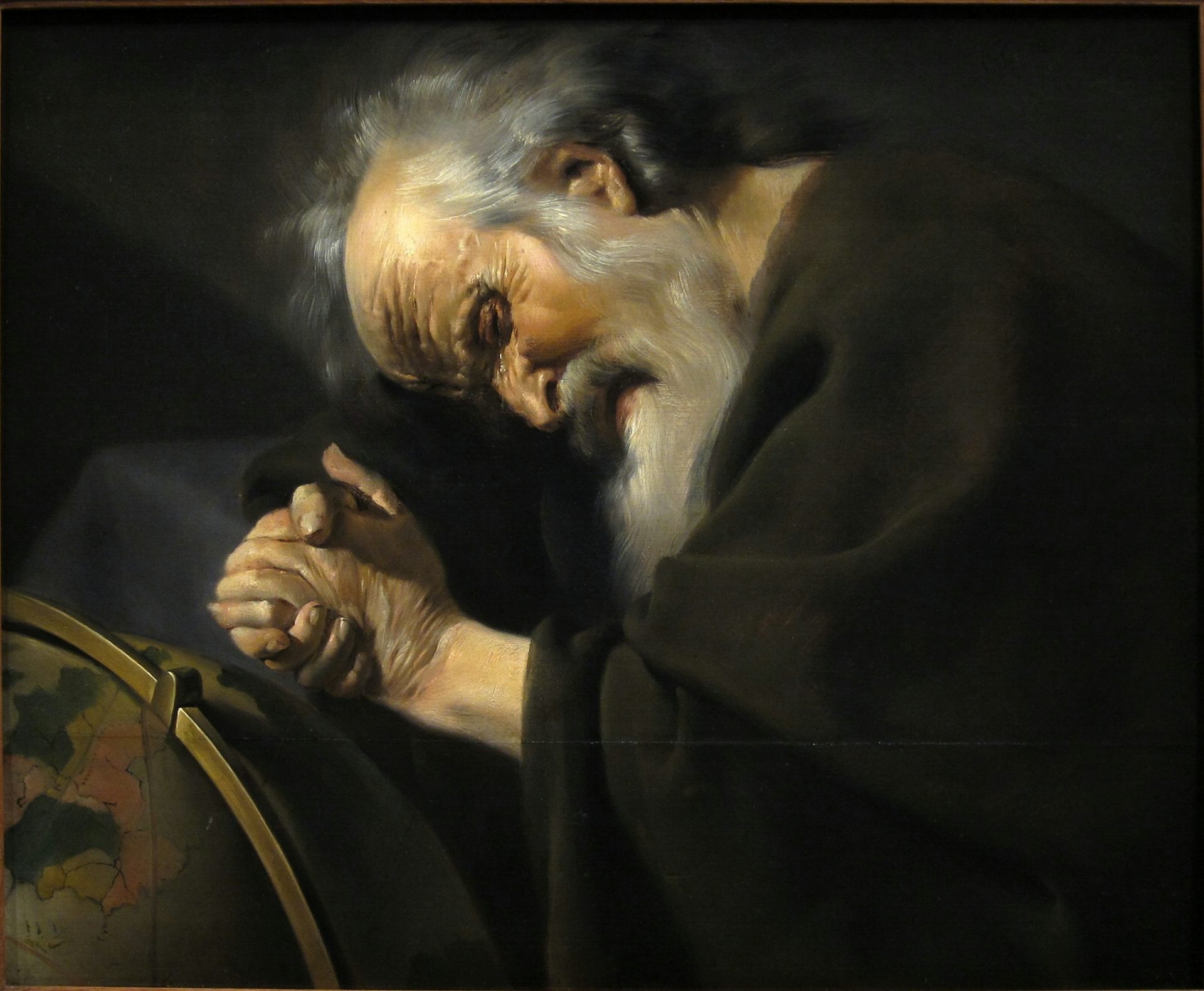
Desesperado com o estado do mundo? Os antigos gregos e romanos conheciam esse sentimento
Despairing at the state of the world? The ancient Greeks and Romans knew the feeling
Withdraw, endure, or laugh? The ancients have some advice about facing disillusionment.
Retirar-se, suportar ou rir? Os antigos têm alguns conselhos sobre como enfrentar a desilusão.
If you’re feeling fed up with the way things are in the world, then, no matter your politics, you are experiencing an emotion people have felt for millennia.
Se você está farto da maneira como as coisas estão no mundo, então, independentemente da sua política, você está vivenciando uma emoção que as pessoas sentem há milênios.
Perhaps you feel helpless. Maybe you feel like the character in the Roman dramatist Terence’s play The Brothers (160 BCE) , who exclaims:
Talvez você se sinta impotente. Talvez você se sinta como o personagem da peça Os Irmãos (160 a.C.) do dramaturgo romano Terêncio, que exclama:
we’re enclosed by so many things from which there’s no escape: violence, poverty, injustice, loneliness, disgrace. What an age we live in!
estamos enclausurados por tantas coisas das quais não há escapatória: violência, pobreza, injustiça, solidão, desgraça. Que época vivemos!
What can you do? As we will see, ancient people had different ideas about how to act.
O que você pode fazer? Como veremos, as pessoas antigas tinham ideias diferentes sobre como agir.
One popular option was to retreat – or try to retreat – from the world, renouncing involvement and avoiding society. A less common option was to try to sort things out in the world by yourself, as one person facing all its woes.
Uma opção popular era se retirar – ou tentar se retirar – do mundo, renunciando ao envolvimento e evitando a sociedade. Uma opção menos comum era tentar resolver as coisas no mundo por conta própria, como uma pessoa enfrentando todos os seus males.
Heraclitus’ escape
A fuga de Heráclito
Heraclitus of Ephesus (c.540-480 BCE) is one of the most prominent Greek philosophers known for becoming disillusioned with worldly affairs.
Heráclito de Éfeso (c.540-480 a.C.) é um dos filósofos gregos mais proeminentes, conhecido por ter se desiludido com os assuntos mundanos.
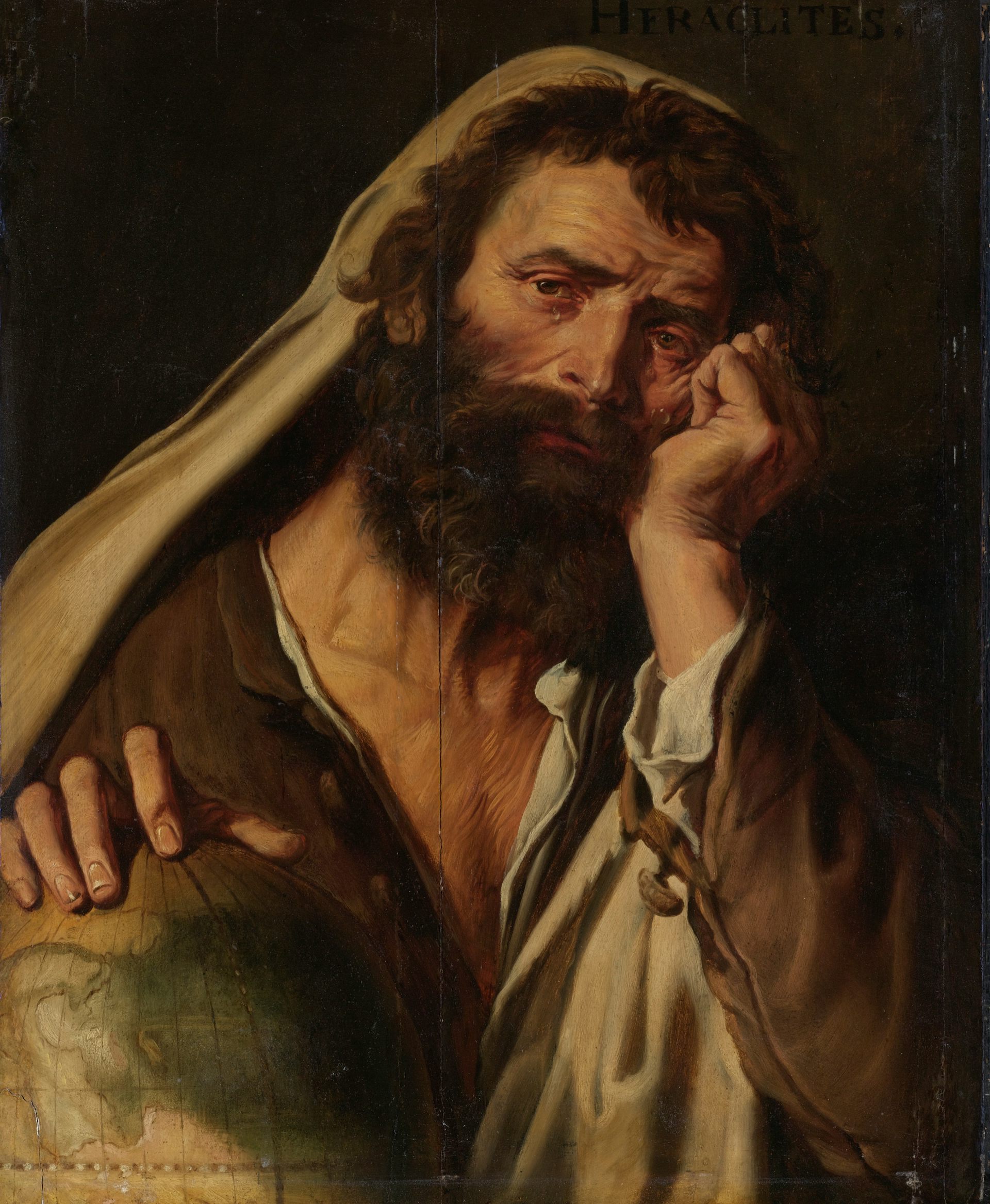
His main gripe was with politics. He disliked the insolence and stupidity of politicians and the laws they created. He was also tired of the foolishness of the people, who didn’t defend their laws and constitutions: “the people,” he said, “must fight for the law as for city-walls”.
Sua principal queixa era com a política. Ele detestava a insolência e a estupidez dos políticos e as leis que criavam. Ele também estava cansado da tolice do povo, que não defendia suas leis e constituições: “o povo”, disse ele, “deve lutar pela lei como por muralhas da cidade”.
When his friend Hermodorus was banished from Ephesus, Heraclitus condemned the city for elevating foolish men and destroying good men. As the historian Diogenes Laertius informs us, Heraclitus told the leaders of Ephesus that they were so worthless they should kill themselves:
Quando seu amigo Hermodoro foi banido de Éfeso, Heráclito condenou a cidade por elevar homens tolos e destruir homens bons. Como o historiador Diógenes Laércio nos informa, Heráclito disse aos líderes de Éfeso que eles eram tão inúteis que deveriam matar-se:
The Ephesians would do well to end their lives, every grown man of them, and leave the city to beardless boys, for that they have driven out Hermodorus, the worthiest man among them, saying, “We will have none who is worthiest among us; or if there be any such, let him go elsewhere and consort with others.”
Os efésios fariam bem em acabar com suas vidas, todo homem adulto deles, e deixar a cidade para rapazes sem barba, pois expulsaram Hermodoro, o homem mais digno entre eles, dizendo: “Não teremos ninguém que seja o mais digno entre nós; ou se houver algum, que vá para outro lugar e conviva com outros.”
When the people of Ephesus asked why an intelligent man like Heraclitus ignored politics and preferred instead to play games of knuckle-bones with children, he apparently said civil life was no longer worth an intelligent man’s time:
Quando o povo de Éfeso perguntou por que um homem inteligente como Heráclito ignorava a política e preferia em vez disso jogar jogos de ossos com crianças, ele aparentemente disse que a vida civil não valia mais o tempo de um homem inteligente:
Are you astonished? Is it not better to do this than to take part in your civil life?
Estão surpresos? Não é melhor fazer isto do que participar da vossa vida civil?
Eventually, Heraclitus couldn’t bear it any more. As Diogenes Laertius continues the story, Heraclitus “became a hater of his kind”. He took to wandering in the mountains, living on grass and herbs, but “when this gave him dropsy, he made his way back to the city and put this riddle to the physicians, whether they were competent to create a drought after heavy rain”. He then tried to cure himself by repairing to a cowshed and burying himself in manure.
Eventualmente, Heráclito não aguentou mais. Como Diógenes Laércio continua a história, Heráclito “tornou-se um odiador de sua própria espécie”. Ele passou a vaguear pelas montanhas, vivendo de grama e ervas, mas “quando isto lhe causou edema, ele voltou para a cidade e fez esta charada aos médicos, se eram competentes para causar uma seca após chuva forte”. Ele então tentou curar-se reparando-se num estábulo e enterrando-se em esterco.
Living his life in the mountains away from society, Heraclitus’ health quickly deteriorated. He died soon after at the age of 60.
Vivendo sua vida nas montanhas, longe da sociedade, a saúde de Heráclito deteriorou-se rapidamente. Ele morreu pouco tempo depois, aos 60 anos.
Sertorius’ dream of escape
O sonho de fuga de Sertório
Quintus Sertorius (123-72 BCE) was a Roman statesman who distinguished himself by his rhetorical skill and his military victories as a commander against tribes in Gaul.
Quintus Sertorius (123-72 a.C.) foi um estadista romano que se distinguiu por sua habilidade retórica e suas vitórias militares como comandante contra tribos na Gália.
During the political unrest in Rome in the 90s BCE, Sertorius was sent to command the empire’s Spanish provinces. While there, he became an enemy of the ruling faction at Rome and effectively established his own independent rule of Spain for eight years.
Durante os desordens políticas em Roma na década de 90 a.C., Sertório foi enviado para comandar as províncias espanholas do império. Lá, ele se tornou inimigo da facção governante em Roma e estabeleceu efetivamente seu próprio governo independente na Espanha por oito anos.
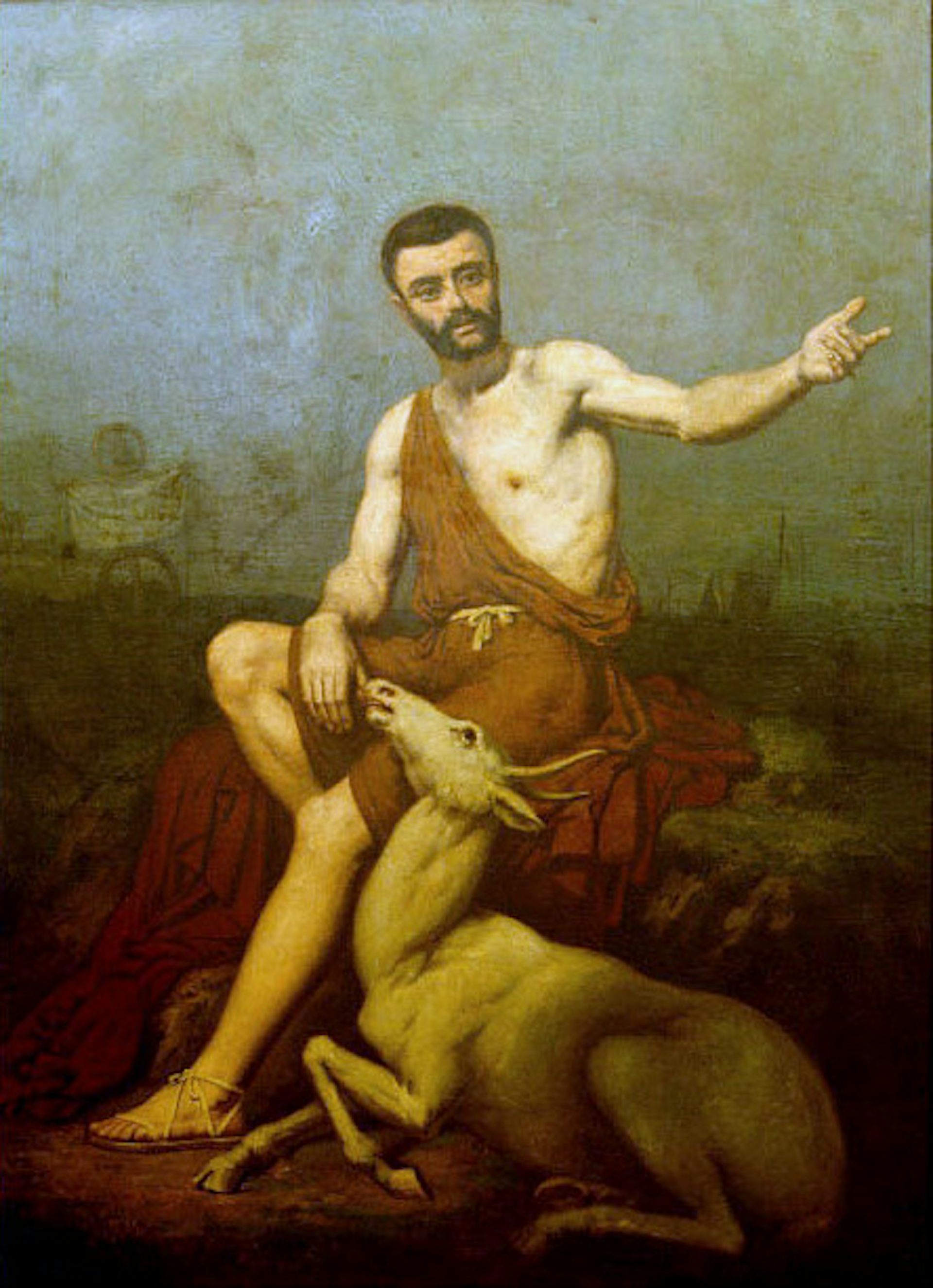
Sertorius’ enemies at Rome sent armies to Spain to defeat him, but were unsuccessful in dislodging him. Sertorius set up his own senate of 300 members. This included a mix of Romans and members of Spanish tribes. He consolidated his popularity by appealing to local superstitions – he went everywhere accompanied by a white fawn, a symbol of divine power.
Os inimigos de Sertório em Roma enviaram exércitos para a Espanha para derrotá-lo, mas foram sem sucesso em removê-lo. Sertório estabeleceu seu próprio senado de 300 membros. Este incluía uma mistura de romanos e membros de tribos espanholas. Ele consolidou sua popularidade apelando para superstições locais – ele ia por toda parte acompanhado por um veado branco, um símbolo de poder divino.
After years of threats and toil, Sertorius became sick of it all. According to the Greek historian Plutarch (c.46-119 CE) , Sertorius met some sailors “who had recently come back from the Atlantic Islands”. The sailors spoke of a land off the coast of Africa with a warm climate and plentiful food and water. Most importantly, it was far away from all the political and military turmoil.
Após anos de ameaças e trabalho árduo, Sertório enjoou de tudo. De acordo com o historiador grego Plutarco (c.46-119 d.C.) , Sertório encontrou alguns marinheiros “que haviam retornado recentemente das Ilhas Atlânticas”. Os marinheiros falaram de uma terra na costa da África com clima quente e comida e água abundantes. O mais importante era que estava longe de toda a turbulência política e militar.
Plutarch tells us that the words of the sailors made an impression:
Plutarco conta-nos que as palavras dos marinheiros causaram uma impressão:
When Sertorius heard this tale, he was seized with an amazing desire to dwell in the islands and live in quiet, freed from tyranny and wars that would never end.
Quando Sertório ouviu este relato, foi tomado por um desejo incrível de morar nas ilhas e viver em paz, livre de tirania e guerras que nunca terminariam.
Nobody today knows for sure what islands these sailors were referring to. Some possibilities are Madeira, Porto Santo or the Canary Islands.
Ninguém hoje sabe com certeza a quais ilhas esses marinheiros se referiam. Algumas possibilidades são Madeira, Porto Santo ou as Ilhas Canárias.
Unfortunately for Sertorius, he never found his “escape”. He endured many more years of political and social strife, until he was murdered by conspirators in 72 BCE.
Infelizmente para Sertório, ele nunca encontrou sua “fuga”. Ele suportou muitos mais anos de conflito político e social, até ser assassinado por conspiradores em 72 a.C.
Can happiness come from disengagement?
A felicidade pode vir do desapego?
Many people living in ancient Greece and Rome appear to have recognised that happiness can come from removing oneself from worldly affairs. The Greek philosopher Epicurus (c.341-270 BCE) advised people to seek obscurity and avoid the world. His famous saying is two words: “live unknown”.
Muitas pessoas que viveram na Grécia e Roma antigas parecem ter reconhecido que a felicidade pode vir de se retirar dos assuntos mundanos. O filósofo grego Epicuro (c.341-270 a.C.) aconselhava as pessoas a buscar a obscuridade e evitar o mundo. Seu famoso ditado tem duas palavras: “viver desconhecido”.
Some disagreed, of course. Plutarch, for example, thought Epicurus’ idea was a mark of defeat and a waste of the potential of living:
Alguns discordaram, é claro. Plutarco, por exemplo, pensou que a ideia de Epicuro era um sinal de derrota e um desperdício do potencial de viver:
he who casts himself into the unknown state and wraps himself in darkness and buries his life in an empty tomb would appear to be aggrieved at his very birth and to renounce the effort of being.
aquele que se lança no estado desconhecido e se envolve na escuridão e enterra sua vida em um túmulo vazio pareceria estar aflito desde o seu nascimento e renunciar ao esforço de existir.
Others, however, seemed to favour the idea that disappearing into a a quiet and hidden life, ignorant of the world’s affairs, could bring happiness. The Roman poet Horace (65-8 BCE) , for example, wrote:
Outros, no entanto, pareciam favorecer a ideia de que desaparecer em uma vida tranquila e escondida, ignorante dos assuntos do mundo, poderia trazer felicidade. O poeta romano Horácio (65-8 a.C.) , por exemplo, escreveu:
Happy the man who, far from business concerns, works his ancestral acres with his oxen like the men of old, free from every kind of debt; he is not wakened, like a soldier, by the harsh bray of the bugle, and has no fear of the angry sea; he avoids both the city centre and the lofty doorways of powerful citizens.
Feliz o homem que, longe das preocupações comerciais, trabalha seus hectares ancestrais com seus bois como os homens de antigamente, livre de todo tipo de dívida; ele não é acordado, como um soldado, pelo estridente toque da corneta, e não teme o mar bravo; ele evita tanto o centro da cidade quanto os altos portais de cidadãos poderosos.
For Horace, someone who is happy is far from cities and armies, living simply on his ancestral farm with animals and loved ones – with no debt.
Para Horácio, alguém que é feliz está longe das cidades e dos exércitos, vivendo simplesmente em sua fazenda ancestral com animais e entes queridos – sem dívidas.
Taking matters into your own hands
Assumindo as rédeas
Some, of course, don’t want to retreat from things. They want to solve problems and make the world around them better. But how can you do this if you’re just an ordinary person?
Alguns, é claro, não querem se afastar das coisas. Eles querem resolver problemas e melhorar o mundo ao seu redor. Mas como você pode fazer isso se você é apenas uma pessoa comum?
The Athenian playwright Aristophanes (450-388 BCE) had a comical, tongue-in-cheek solution. In his play Acharnians, first performed in 425 BCE, he depicts a man called Dicaeopolis who is fed up with politics.
O dramaturgo ateniense Aristófanes (450-388 a.C.) teve uma solução cômica e irônica. Em sua peça Acarnianos, primeira apresentação em 425 a.C., ele retrata um homem chamado Dicaeópolis, que está farto de política.
Dicaeopolis is not only tired of politicians lying and starting endless wars; he is also tired of people voting selfishly for handouts and for harmful policies. The people, he says, “can be bought and sold”.
Dicaeópolis não está apenas cansado de políticos que mentem e iniciam guerras intermináveis; ele também está cansado de pessoas que votam egoisticamente por favores e por políticas prejudiciais. O povo, ele diz, “pode ser comprado e vendido”.
So Dicaeopolis comes up with a personal solution. He will “make a treaty with the Spartans for me alone and my children and the missus” so his family can live in peace.
Então Dicaeópolis inventa uma solução pessoal. Ele fará “um tratado com os espartanos só para mim, meus filhos e a minha esposa” para que sua família possa viver em paz.
His efforts are a triumph. He successfully negotiates the treaty and lives freely, enjoying privileges other citizens cannot, like farming, trading with other states and drinking.
Seus esforços são um triunfo. Ele negocia o tratado com sucesso e vive livremente, desfrutando de privilégios que outros cidadãos não podem, como agricultura, comércio com outros estados e beber.
The play is not meant to be taken seriously – it is a comedy, after all, and no private individual would really be able to negotiate a treaty with another city. But its plot reveals something about the political frustration ordinary citizens can often feel.
A peça não deve ser levada a sério – afinal, é uma comédia, e nenhum indivíduo particular seria realmente capaz de negociar um tratado com outra cidade. Mas seu enredo revela algo sobre a frustração política que os cidadãos comuns podem sentir.
So what can you do if you are fed up with politics?
Então, o que você pode fazer se está farto de política?
Two thousand years later, the options haven’t improved much. The ancient advice is clear: you can withdraw, endure, or laugh. Preferably the last option. It seems to have the best survival rate.
Vinte séculos depois, as opções não melhoraram muito. O conselho antigo é claro: você pode se retirar, suportar ou rir. Preferencialmente a última opção. Parece ter a melhor taxa de sobrevivência.
Konstantine Panegyres does not work for, consult, own shares in or receive funding from any company or organisation that would benefit from this article, and has disclosed no relevant affiliations beyond their academic appointment.
Konstantine Panegyres não trabalha, não consulta, não possui ações nem recebe financiamento de nenhuma empresa ou organização que se beneficiaria deste artigo, e não divulgou afiliações relevantes além de seu cargo acadêmico.
Read more
-

Grandes mistérios da arqueologia: um mundo amazônico antigo revelado do céu
Great mysteries of archaeology: an ancient Amazonian world revealed from the sky
-

Por que o ‘milagre’ da inflação de Javier Milei na Argentina é mais um miragem
Why Javier Milei’s inflation ‘miracle’ in Argentina is more of a mirage