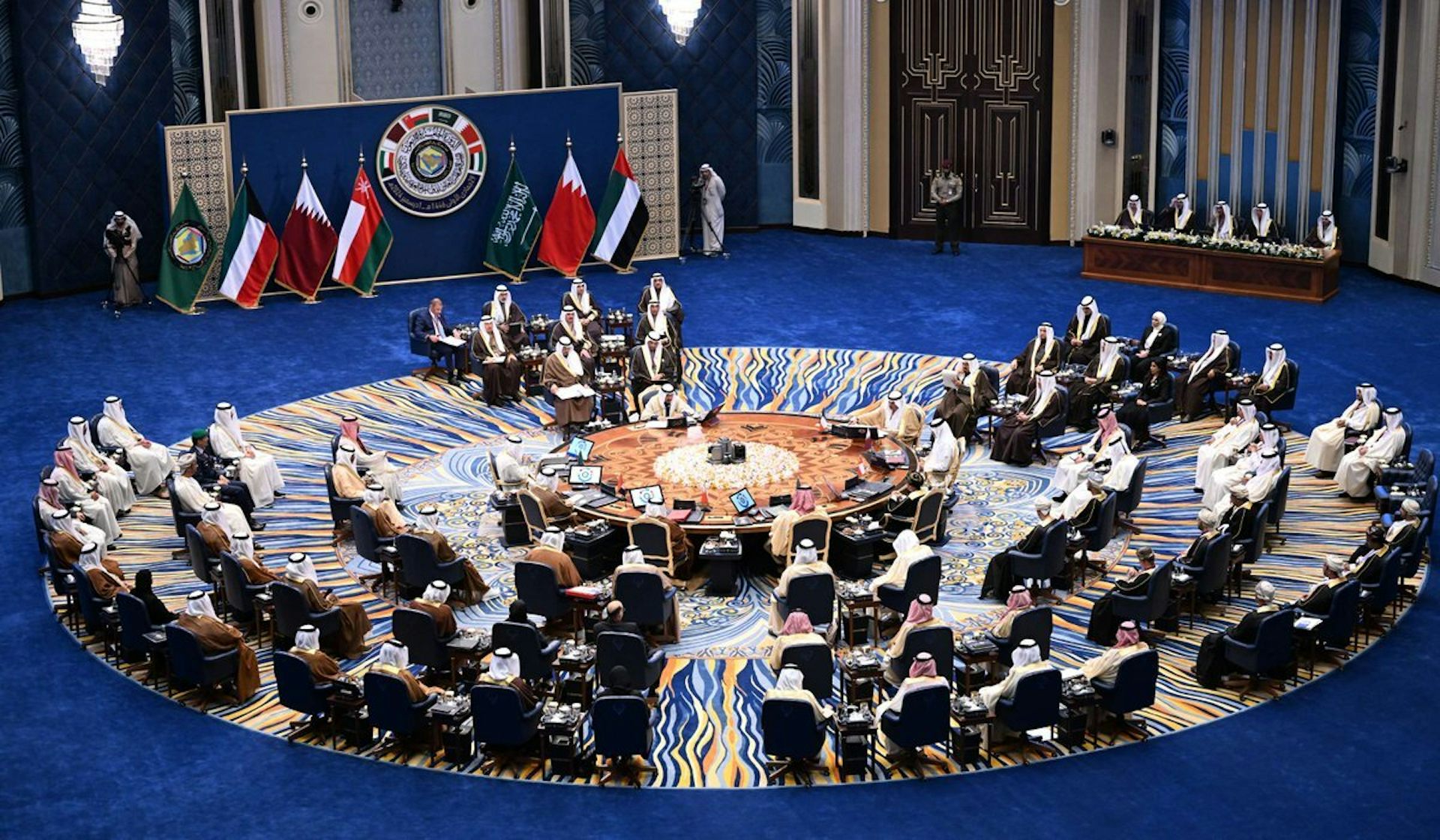
لقد تشكّل تعاون دول الخليج لفترة طويلة بفعل تهديد إيران – لكن مظاهر الوحدة تخفي الانقسام.
Gulf state cooperation has long been shaped by the threat of Iran − but shows of unity belie division
The Gulf Cooperation Council was formed after the Iranian Revolution of 1979. Since then, GCC members have tried different strategies to contend with Tehran.
تأسس مجلس التعاون الخليجي بعد الثورة الإيرانية عام 1979. ومنذ ذلك الحين، جرب أعضاء مجلس التعاون الخليجي استراتيجيات مختلفة للتعامل مع طهران.
Arab Gulf countries, battered economically and physically by the war with Iran, were keen to put on a united front at a key regional meeting on April 28, 2026.
كانت دول الخليج العربية، التي ضربتها الحرب مع إيران اقتصادياً ومادياً، حريصة على إظهار جبهة موحدة في اجتماع إقليمي رئيسي في 28 أبريل 2026.
Gathering in the Saudi city Jeddah, representatives of the Gulf Cooperation Council warned the Iranian government in Tehran that an attack on any one of its six members would be taken as an attack on all. Rejecting Iran’s claims to control of the Strait of Hormuz, Qatari Emir Sheikh Tamim bin Hamad Al Thani later described the summit as embodying “the unified Gulf stance” over the conflict.
في اجتماع عُقد بالمدينة السعودية جدة، حذر ممثلو مجلس التعاون الخليجي الحكومة الإيرانية في طهران من أن الهجوم على أي من أعضائها الستة سيعتبر هجوماً على الجميع. وفي رفضها لمطالبات إيران بالسيطرة على مضيق هرمز، وصف الأمير القطري الشيخ تميم بن حمد آل ثاني لاحقاً القمة بأنها تجسد “الموقف الخليجي الموحد” تجاه الصراع.
The show of togetherness may seem at odds with other recent developments that have seen members of the GCC split over policy and vision for the region – not least the United Arab Emirate’s decision to quit the oil cartel OPEC.
قد يبدو عرض التكاتف هذا متعارضاً مع تطورات حديثة أخرى شهدت انقسام أعضاء مجلس التعاون الخليجي حول السياسة والرؤية للمنطقة – لا سيما قرار دولة الإمارات العربية المتحدة بالانسحاب من تحالف النفط أوبك.
But to followers of Gulf politics, like myself, the scene felt familiar. Time and again, Iran has accomplished what no outside mediator could: It has pushed divided Gulf Arab states together. When tensions rise, the monarchies of the GCC – Bahrain, Qatar, UAE, Saudi Arabia, Kuwait and Oman – tend to stand united, at least publicly.
ولكن بالنسبة لمتابعي السياسة الخليجية، مثلي، بدا المشهد مألوفاً. فمراراً وتكراراً، حققت إيران ما لم يستطع أي وسيط خارجي تحقيقه: لقد جمعت الدول الخليجية العربية المنقسمة. فعندما ترتفع التوترات، تميل ملكيات دول مجلس التعاون الخليجي – البحرين، وقطر، والإمارات، والمملكة العربية السعودية، والكويت، وعمان – إلى الوقوف متحدة، على الأقل علناً.
From revolution to coordination
من الثورة إلى التنسيق
The modern Gulf security environment was profoundly shaped by the 1979 Iranian Revolution.
لقد شكّلت الثورة الإيرانية عام 1979 بيئة الأمن الخليجية الحديثة بشكل عميق.
Iran shares a narrow and strategically vital waterway with the Gulf states but has long differed in identity and outlook. Specifically, Iran’s Shiite revolutionary model contrasts with the Sunni-led monarchies across the region.
تتشارك إيران ممر مائي ضيق وحيوي استراتيجياً مع دول الخليج، لكنها لطالما اختلفت في الهوية والنظرة. وعلى وجه التحديد، يتباين النموذج الثوري الشيعي الإيراني مع الممالك التي تقودها سلالات سنية في جميع أنحاء المنطقة.
Before 1979, when Iran was ruled by Shah Mohammad Reza Pahlavi Iran and Saudi Arabia, the largest of the Sunni Arab Gulf states, were regarded by Washington as “twin pillars,” protecting American interests in the Middle East. Their relationship was cooperative, but not close.
قبل عام 1979، عندما كانت إيران تحكمها الشاه محمد رضا بهلوي، كان كل من إيران والمملكة العربية السعودية، أكبر دول الخليج العربية السنية، يُنظر إليهما من قبل واشنطن على أنهما “ركيزتان توأم”، تحميان المصالح الأمريكية في الشرق الأوسط. كانت علاقتهما تعاونية، ولكنها لم تكن وثيقة.
Then the emergence of the Islamic Republic after the revolution in 1979 introduced a new kind of regional actor – one defined not only by state power but also by Shiite ideological ambition.
ثم أدخل ظهور الجمهورية الإسلامية بعد الثورة عام 1979 نوعاً جديداً من الفاعلين الإقليميين – فاعلاً لا يُعرّف فقط بالقوة الدولة، بل أيضاً بالطموح الأيديولوجي الشيعي.
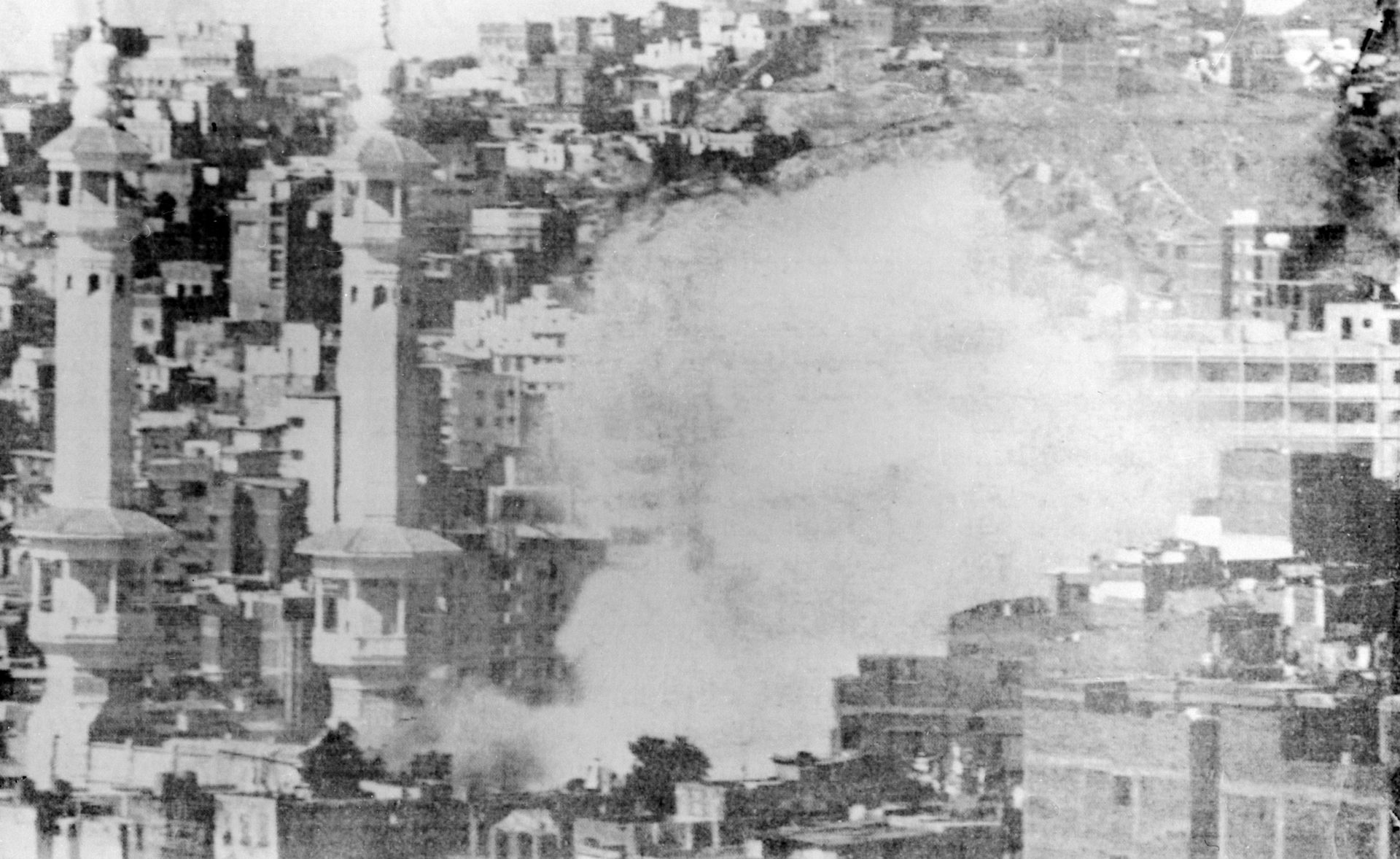
Gulf monarchies’ concern over both external security and internal stability was reinforced by the 1979 Grand Mosque seizure in Saudi Arabia, when Islamist militants seized Islam’s holiest site. The event, alongside Iran’s revolution, exposed the vulnerability of Gulf regimes to religiously driven upheaval.
تعزز قلق الممالك الخليجية بشأن الأمن الخارجي والاستقرار الداخلي بفعل احتلال المسجد الأقصى عام 1979 في المملكة العربية السعودية، عندما استولى المتشدمون الإسلاميون على أقدس موقع في الإسلام. وكشف هذا الحدث، إلى جانب ثورة إيران، عن ضعف الأنظمة الخليجية أمام الاضطرابات المدفوعة دينياً.
In response to this revolution ideology, Bahrain, Kuwait, Oman, Qatar, Saudi Arabia and the UAE established the GCC in 1981. Although officially framed as a platform for economic and political cooperation, the organization also reflected shared security concerns and Arab identity.
ردًا على أيديولوجية هذه الثورة، أنشأت البحرين والكويت وعمان وقطر والمملكة العربية السعودية والإمارات العربية المتحدة مجلس التعاون الخليجي عام 1981. وعلى الرغم من تأطيره رسمياً كمنصة للتعاون الاقتصادي والسياسي، فقد عكس التنظيم أيضاً المخاوف الأمنية المشتركة والهوية العربية.
But unity had limits. Member states did not all view threats to their respective regimes in the same way.
لكن الوحدة كان لها حدود. لم تنظر جميع الدول الأعضاء إلى التهديدات التي تواجه أنظمتها على السواء.
Saudi Arabia worried about U.S. pressure for reforms; Kuwait feared neighboring Iraq; Bahrain was concerned about Iran’s influence over its own Shiite population; and the UAE worried about both Iran and its own large foreign workforce. Meanwhile, Oman and Qatar followed a more independent or balanced approach.
قَلقت المملكة العربية السعودية من الضغط الأمريكي لإجراء الإصلاحات؛ وخافت الكويت من العراق المجاور؛ وأعربت البحرين عن قلقها بشأن نفوذ إيران على شيعتها المحليين؛ وقَلقت الإمارات العربية المتحدة من إيران ومن قوة عملها الأجنبية الكبيرة على حد سواء. وفي غضون ذلك، اتبعت عُمان وقطر نهجاً أكثر استقلالية أو توازناً.
These differences would shape the trajectory of the GCC, and Arab Gulf states’ relationship with Tehran.
ستشكل هذه الاختلافات مسار مجلس التعاون الخليجي، وعلاقة دول الخليج العربية بطهران.
The eight-year Iran–Iraq War, which began in 1980, brought to the fore fears of Iran’s influence across the region. While Oman declared neutrality, other GCC states supported Iraq by funneling billions of dollars to the regime of Saddam Hussein.
جلب حرب إيران والعراق التي استمرت ثماني سنوات، وبدأت عام 1980، إلى الواجهة مخاوف النفوذ الإيراني في جميع أنحاء المنطقة. وبينما أعلنت عُمان حيادها، دعمت دول مجلس التعاون الخليجي الأخرى العراق بتوجيه مليارات الدولارات إلى نظام صدام حسين.
This revealed an early pattern: Gulf states could coordinate politically, but avoided acting as a single strategic bloc. The GCC broadly favored Iraq as a counterweight to Iran, but there was no unified strategy or formal policy.
كشف هذا نمطاً مبكراً: يمكن لدول الخليج التنسيق سياسياً، لكنها تتجنب العمل ككتلة استراتيجية واحدة. وقد فضّل مجلس التعاون الخليجي بشكل عام العراق كقوة موازنة لإيران، ولكن لم تكن هناك استراتيجية موحدة أو سياسة رسمية.
Security dependence
الاعتماد الأمني
The Iraqi invasion of Kuwait in 1990 reshaped the region’s security structure again. In early 1991, the move prompted a U.S.-led coalition, including Saudi Arabia and other Gulf states, to expel Iraqi forces. Saudi Arabia’s role was especially significant: It not only hosted coalition forces but also actively participated militarily – marking one of the first major episodes in which a GCC state was directly involved in the defense of another member.
أعاد الغزو العراقي للكويت عام 1990 تشكيل الهيكل الأمني للمنطقة مرة أخرى. ففي أوائل عام 1991، دفع هذا التحرك تحالفاً بقيادة الولايات المتحدة، شمل المملكة العربية السعودية ودول الخليج الأخرى، إلى طرد القوات العراقية. وكان دور المملكة العربية السعودية بالغ الأهمية بشكل خاص: فلم تقتصر على استضافة قوات التحالف فحسب، بل شاركت أيضاً بنشاط عسكري – مما يمثل إحدى الحلقات الكبرى الأولى التي شاركت فيها دولة خليجية في الدفاع عن عضو آخر.
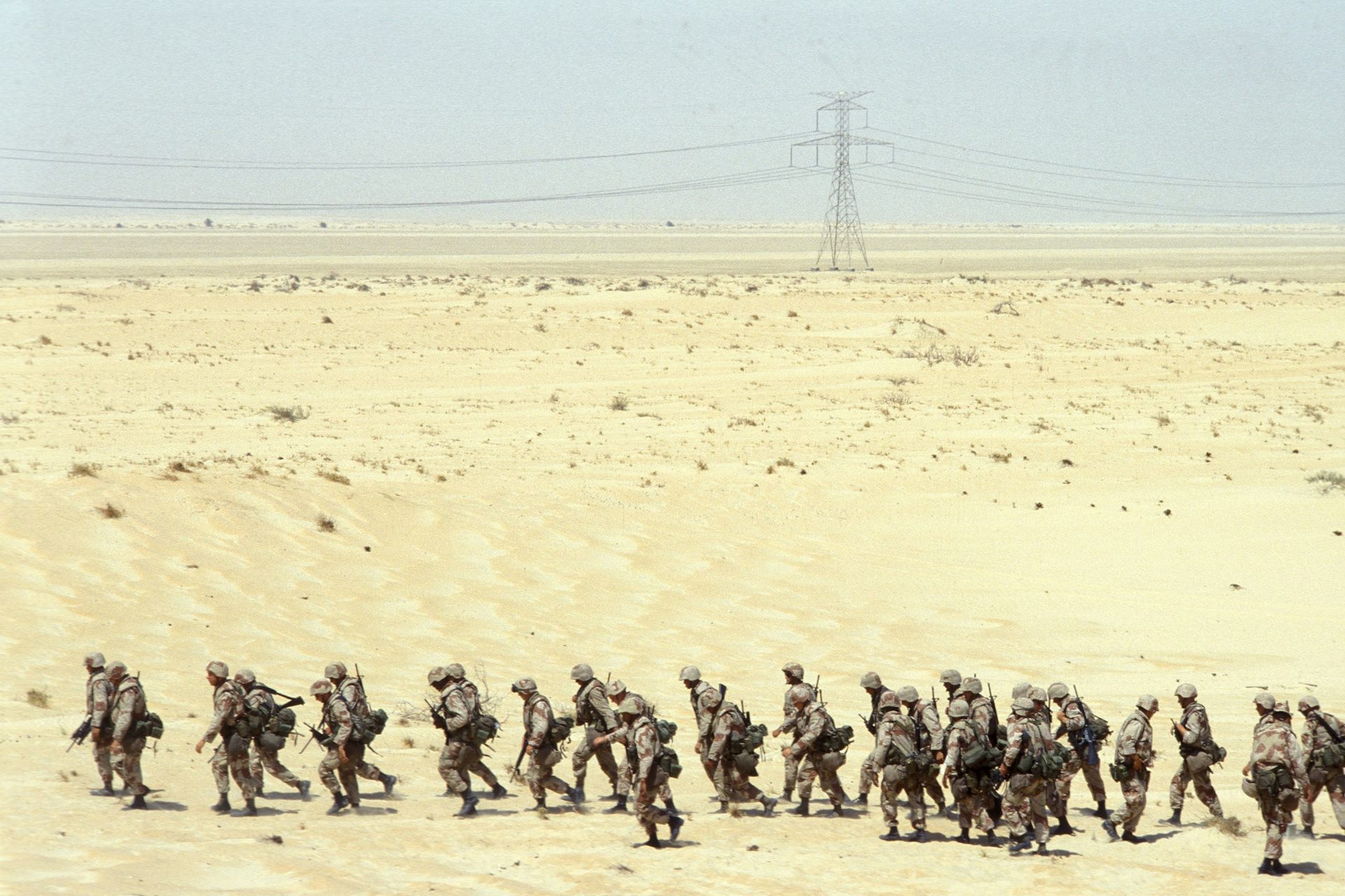
During – and especially after – the Gulf War, GCC states deepened their reliance on the United States, agreeing to host U.S. military bases and expanding long-term defense cooperation.
خلال، وخاصة بعد، حرب الخليج، عمقت دول مجلس التعاون الخليجي اعتمادها على الولايات المتحدة، متفقين على استضافة قواعد عسكرية أمريكية وتوسيع التعاون الدفاعي طويل الأمد.
This external security umbrella provided a measure of stability, but it also introduced new differences. While Saudi Arabia, Kuwait, the UAE and Bahrain aligned more closely with Washington’s strategic framework, others – notably Oman and Qatar – maintained a more flexible approach. As a result, the appearance of unity coexisted with growing variation in national strategies.
وفرت هذه المظلة الأمنية الخارجية قدراً من الاستقرار، لكنها أدخلت أيضاً اختلافات جديدة. فبينما تواءمت المملكة العربية السعودية والكويت والإمارات والبحرين بشكل أوثق مع الإطار الاستراتيجي لواشنطن، حافظت دول أخرى – ولا سيما عُمان وقطر – على نهج أكثر مرونة. ونتيجة لذلك، تعايش مظهر الوحدة مع تباين متزايد في الاستراتيجيات الوطنية.
This pattern has continued in recent years, significantly through diplomatic moves to normalize ties with Israel under the Abraham Accords. While the UAE and Bahrain moved quickly to formalize ties with Israel, others remained more cautious.
استمر هذا النمط في السنوات الأخيرة، لا سيما من خلال التحركات الدبلوماسية لتطبيع العلاقات مع إسرائيل بموجب اتفاقيات إبراهيم. فبينما سارعت الإمارات والبحرين إلى إضفاء الطابع الرسمي على العلاقات مع إسرائيل، ظل البعض الآخر أكثر حذراً.
The effort to contain Iran
الجهد المبذول لاحتواء إيران
When it comes to combating Iranian influence, GCC states have long played different roles.
عندما يتعلق الأمر بمكافحة النفوذ الإيراني، لعبت دول مجلس التعاون الخليجي أدواراً مختلفة لفترة طويلة.
Oman has consistently acted as a mediator, maintaining open channels with Tehran and facilitating quiet diplomacy — including back-channel talks between Iran and Western states.
تصرّف عُمان باستمرار كوسيط، محافظة على قنوات مفتوحة مع طهران وتسهيل الدبلوماسية الهادئة — بما في ذلك المحادثات غير الرسمية بين إيران والدول الغربية.
Qatar also kept communication open, partly because of shared economic interests with Iran – particularly the management of the North Field/South Pars gas reserve.
أبقت قطر أيضاً قنوات الاتصال مفتوحة، جزئياً بسبب المصالح الاقتصادية المشتركة مع إيران — ولا سيما إدارة احتياطي غاز حقل الشمال/بورسع.
Saudi Arabia and the UAE, by contrast, have generally taken a more cautious and at times confrontational stance toward Iran. Both view Iran as a regional competitor and a source of security concerns, particularly due to Tehran’s missile program and its support for ideologically opposed non-state actors.
في المقابل، اتخذت المملكة العربية السعودية والإمارات العربية المتحدة عموماً موقفاً أكثر حذراً وفي بعض الأحيان مواجهة تجاه إيران. فكلاهما ينظر إلى إيران كمنافس إقليمي ومصدر لمخاوف أمنية، خاصة بسبب برنامج الصواريخ الإيراني ودعمها للجهات الفاعلة غير الحكومية المعارضة أيديولوجياً.
This contrasting approach to Iran across the GCC allows different states to engage Tehran through multiple channels, but it also makes it harder to form a consistent, unified GCC strategy.
يسمح هذا التباين في التعامل مع إيران عبر دول مجلس التعاون الخليجي للولايات المختلفة بالتعامل مع طهران عبر قنوات متعددة، ولكنه يجعل أيضاً من الصعب صياغة استراتيجية خليجية موحدة ومتسقة.
A changing regional balance
توازن إقليمي متغير
The 2003 Iraq War marked a turning point in the GCC-Iran dynamic. The removal of Iraq as a regional counterweight allowed Iran to expand its influence.
مثلت حرب العراق عام 2003 نقطة تحول في الديناميكية بين دول مجلس التعاون الخليجي وإيران. وقد سمح إزالة العراق كوزن موازن إقليمي لإيران بتوسيع نفوذها.
And this development sharpened divisions within the GCC.
وقد زاد هذا التطور من حدة الانقسامات داخل دول مجلس التعاون الخليجي.
Saudi Arabia and the UAE increasingly viewed Iran as a direct strategic threat requiring containment. Qatar and Oman, however, emphasized dialogue and mediation.
نظرت كل من المملكة العربية السعودية والإمارات العربية المتحدة بشكل متزايد إلى إيران باعتبارها تهديداً استراتيجياً مباشراً يتطلب الاحتواء. في المقابل، أكدت قطر وعمان على الحوار والوساطة.
These differences became more visible during the Qatar diplomatic crisis of 2017. The dispute centered around Qatar’s support for Islamist political groups such as the Muslim Brotherhood, considered a terrorist organization by the UAE and Saudi Arabia.
أصبحت هذه الاختلافات أكثر وضوحاً خلال الأزمة الدبلوماسية القطرية عام 2017. وتمحور النزاع حول دعم قطر للجماعات السياسية الإسلامية مثل الإخوان المسلمين، التي اعتبرتها الإمارات والسعودية منظمة إرهابية.
Saudi Arabia, the UAE and Bahrain severed diplomatic ties with Qatar and imposed a full air, land and sea blockade in June 2017. The three nations accused Qatar of supporting extremist groups and maintaining close ties with Iran. Isolated, Qatar relied on Iran for airspace, trade routes and supplies, strengthening the relationship between the countries. The blockade eventually ended in January 2021, when the parties signed a declaration restoring diplomatic and trade relations at a GCC summit in Saudi Arabia.
قطعت المملكة العربية السعودية والإمارات العربية المتحدة والبحرين علاقاتها الدبلوماسية مع قطر وفرضت حصاراً جوياً وبرياً وبحرياً كاملاً في يونيو 2017. واتهمت الدول الثلاث قطر بدعم الجماعات المتطرفة والحفاظ على علاقات وثيقة مع إيران. واعتمدت قطر، المعزولة، على إيران فيما يتعلق بالمجال الجوي ومسارات التجارة والإمدادات، مما عزز العلاقات بين البلدين. وانتهى الحصار في نهاية المطاف في يناير 2021، عندما وقع الأطراف إعلاناً لاستعادة العلاقات الدبلوماسية والتجارية في قمة لمجلس التعاون الخليجي في المملكة العربية السعودية.
GCC under attack
دول مجلس التعاون الخليجي تحت الهجوم
The series of events that began with the Oct. 7, 2023, attack by Iranian-backed Hamas in Israel shook up GCC relations with Tehran.
أدت سلسلة الأحداث التي بدأت بهجوم حماس المدعومة من إيران في إسرائيل في 7 أكتوبر 2023 إلى زعزعة العلاقات بين دول مجلس التعاون الخليجي وطهران.
In June 2025, in response to the U.S.-Israeli attack on Iran, Tehran struck a U.S. base in Qatar – the first such attack on a GCC state by Tehran.
في يونيو 2025، وردًا على الهجوم الأمريكي الإسرائيلي على إيران، ضربت طهران قاعدة أمريكية في قطر – وهو أول هجوم من هذا النوع على دولة خليجية من قبل طهران.
At an extraordinary meeting in Doha, Qatar’s capital, GCC members pledged full solidarity with Qatar and strongly condemned the Iranian attack.
في اجتماع استثنائي في الدوحة، عاصمة قطر، تعهد أعضاء مجلس التعاون الخليجي بالتضامن الكامل مع قطر وأدانوا بشدة الهجوم الإيراني.
But it was not enough to prevent Iran from attacking all six GCC states in response to the ongoing conflict begun in February 2026 by U.S. and Israel.
لكن ذلك لم يكن كافيًا لمنع إيران من مهاجمة جميع دول مجلس التعاون الخليجي الستة ردًا على الصراع المستمر الذي بدأه كل من الولايات المتحدة وإسرائيل في فبراير 2026.
The subsequent closure of the Strait of Hormuz, affecting 20% of global oil supplies, has sparked what many see as the biggest crisis in the Gulf since the inception of the GCC.
أثار الإغلاق اللاحق لمضيق هرمز، الذي يؤثر على 20% من إمدادات النفط العالمية، ما يراه الكثيرون أكبر أزمة في الخليج منذ تأسيس مجلس التعاون الخليجي.
The GCC responded by emphasizing collective security and unity. But yet again, the public show of togetherness masks divergent views on how to respond. When the war ends, each state will likely return to its own strategic and foreign policy approach.
رد مجلس التعاون الخليجي بالتأكيد على الأمن الجماعي والوحدة. ولكن مرة أخرى، يخفي الاستعراض العلني للتكاتف آراء متباينة حول كيفية الرد. وعندما تنتهي الحرب، من المرجح أن تعود كل دولة إلى نهجها الاستراتيجي والسياسات الخارجية الخاص بها.
Understanding the pattern
فهم النمط
Since 1979, Tehran’s actions in the Gulf region have exposed two parallel developments. On the surface, there are shared concerns among GCC members and public shows of unity. But underneath this facade of unity, each state has continued to develop its own national priorities and risk tolerance.
منذ عام 1979، كشفت تصرفات طهران في منطقة الخليج عن تطورين متوازيين. على السطح، هناك اهتمامات مشتركة بين أعضاء دول مجلس التعاون الخليجي وعروض علنية للوحدة. ولكن تحت واجهة الوحدة هذه، واصلت كل دولة تطوير أولوياتها الوطنية وتحملها للمخاطر الخاصة بها.
The combination of these two factors helps explain why the GCC often appears unified during crises, while remaining internally divided over how to respond to them.
يساعد مزيج هذين العاملين في تفسير سبب ظهور دول مجلس التعاون الخليجي غالبًا على أنها موحدة أثناء الأزمات، بينما تظل منقسمة داخليًا بشأن كيفية الاستجابة لها.
Rather than viewing the GCC as a fully cohesive bloc, it may be more accurate to see it as a framework where cooperation and disagreement coexist.
بدلاً من النظر إلى دول مجلس التعاون الخليجي ككتلة متماسكة بالكامل، قد يكون من الأدق النظر إليها كإطار يتعايش فيه التعاون والاختلاف.
Firmesk Rahim does not work for, consult, own shares in or receive funding from any company or organization that would benefit from this article, and has disclosed no relevant affiliations beyond their academic appointment.
لا يعمل فيرمسك رحيم لدى، أو يقدم استشارات لـ، أو يمتلك حصصًا في، أو يتلقى تمويلاً من أي شركة أو منظمة تستفيد من هذه المقالة، ولم يفصح عن أي انتماءات ذات صلة تتجاوز منصبه الأكاديمي.
Read more
-

ما الهدف من التعليم؟ ولماذا تتصدر الدراما الكورية الجديدة “تعليمك درسًا” القوائم؟
What is education for? Why new Korean drama Teach You a Lesson is topping the charts
-

يقول جيف بيزوس إن الشعر الذي لا يعتمد على القافية سهل – لكن الأمر ليس بهذه البساطة.
Jeff Bezos says poetry without rhyming is easy – but it’s not that simple