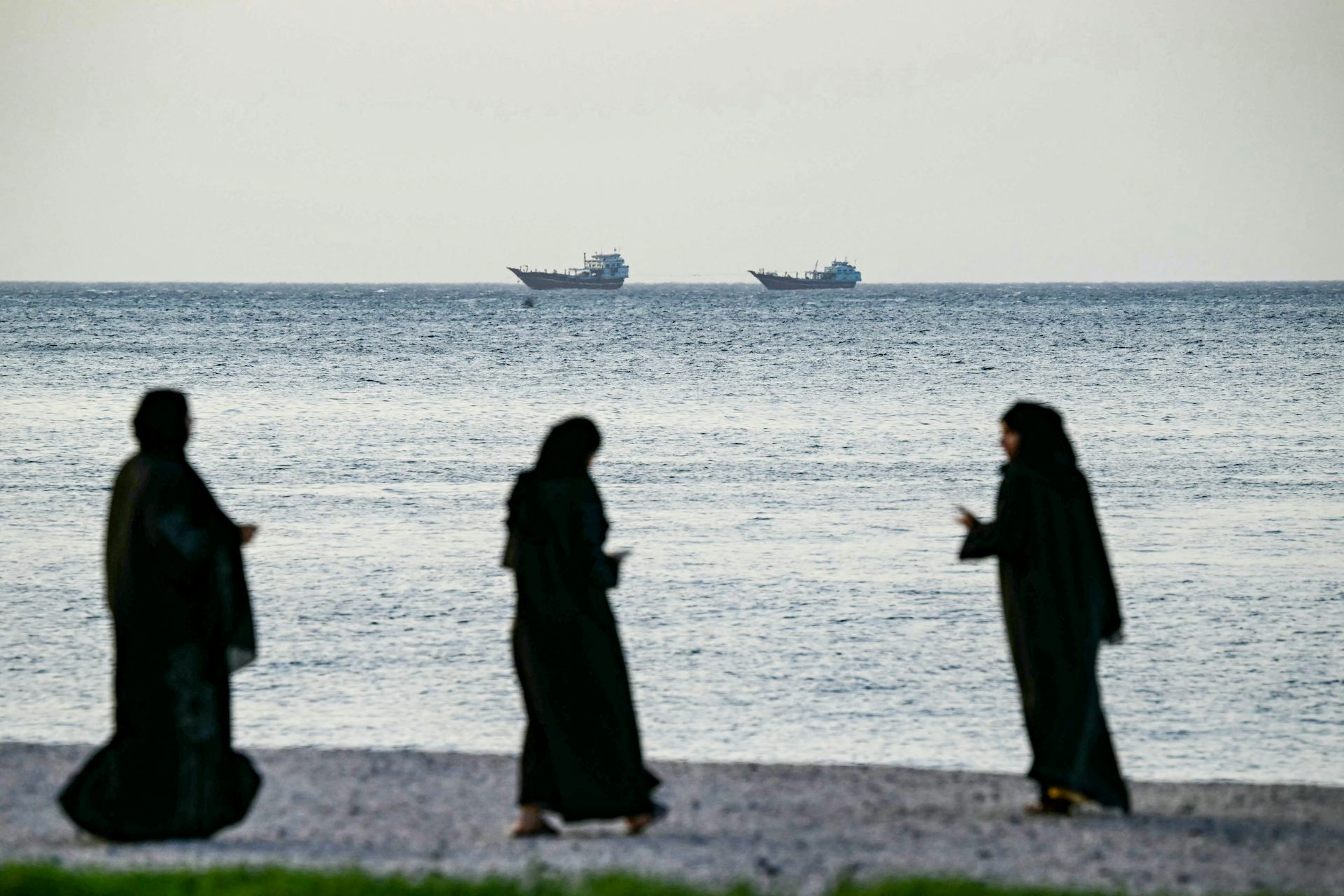
كيف يمكن إعادة فتح مضيق هرمز؟ إليك 3 سيناريوهات
How might the Strait of Hormuz be reopened? Here are 3 scenarios
US President Donald Trump has threatened to “demolish” Iran if it doesn’t reopen the crucial shipping channel, but it’s not the most likely path to reopening.
هدد الرئيس الأمريكي دونالد ترامب بـ “هدم” إيران إذا لم تعيد فتح ممر الشحن الحيوي، لكن هذا ليس المسار الأكثر ترجيحاً لإعادة الفتح.
The Strait of Hormuz crisis has reached a critical juncture. President Donald Trump has demanded Iran reopen the strait or the United States will further intensify its military assault.
وصلت أزمة مضيق هرمز إلى منعطف حرج. وطالب الرئيس دونالد ترامب إيران بإعادة فتح المضيق وإلا ستقوم الولايات المتحدة بتكثيف هجومها العسكري.
While the strait has not been totally closed to shipping, it has been substantially disrupted and transits have effectively slowed to a trickle. The strait is economically and strategically unique due to the access it provides to the Persian Gulf from which there is no exit point. All shipping passes in and out a single waterway.
وعلى الرغم من أن المضيق لم يُغلق بالكامل أمام الشحن، إلا أنه تعرّض لتعطيل كبير، وبطأت العبورات فعلياً إلى مجرد خيط رفيع. ويتميز المضيق بفرادة اقتصادية واستراتيجية بسبب الوصول الذي يوفره إلى الخليج العربي، ولا توجد منه نقطة خروج. تمر جميع السفن عبر ممر مائي واحد للدخول والخروج.
The key navigational choke point borders Iran to the north and Oman to the south. It’s only 29 nautical miles wide (53 kilometres) and consists of two-mile-wide (just over three kilometres) navigable channels for inbound and outbound shipping as well as a two-mile-wide buffer zone. This is all in Iranian waters.
تقع نقطة الاختناق الملاحية الرئيسية بين إيران شمالاً وعمان جنوباً. ويبلغ عرضها 29 ميلاً بحرياً فقط (53 كيلومتراً) ، وتتكون من قنوات ملاحية بعرض ميلين (أكثر بقليل من ثلاثة كيلومترات) للشحن الوارد والصادر، بالإضافة إلى منطقة عازلة بعرض ميلين. وكل هذا يقع في المياه الإيرانية.
In 2025 a total of 20 million barrels per day of crude oil and oil products were estimated to have been shipped through the strait. That’s 25% of the world’s seaborne oil trade to multiple markets in Europe, Asia, and Australia.
في عام 2025، قُدّر شحن ما مجموعه 20 مليون برميل يومياً من النفط الخام ومنتجات النفط عبر المضيق. وهذا يمثل 25% من تجارة النفط البحري العالمية إلى أسواق متعددة في أوروبا وآسيا وأستراليا.
So what does the future look like for the Strait of Hormuz, and how might it be reopened? There are three legal, geopolitical and military scenarios.
فما هو مستقبل مضيق هرمز، وكيف يمكن إعادة فتحه؟ هناك ثلاثة سيناريوهات قانونية وجيوسياسية وعسكرية.
1. There’s a ceasefire
1. هناك وقف لإطلاق النار
A ceasefire could arise from an Iranian capitulation to Trump’s demands to reopen the strait, even on a temporary basis until a permanent ceasefire is reached.
قد ينشأ وقف لإطلاق النار عن استسلام إيراني لمطالب ترامب بإعادة فتح المضيق، حتى لو كان ذلك على أساس مؤقت لحين التوصل إلى وقف دائم لإطلاق النار.
This scenario would leave the strait predominantly in Iranian hands and while hostilities may have ended, there is every prospect that Iran may seek to impose ongoing tolls on any foreign shipping passing through.
سيترك هذا السيناريو المضيق في الغالب تحت السيطرة الإيرانية، وعلى الرغم من أن الأعمال العدائية قد تكون قد انتهت، إلا أن هناك احتمالاً كبيراً بأن تحاول إيران فرض رسوم مستمرة على أي شحن أجنبي يمر عبره.
Reports have emerged that tolls have been imposed on some ships to escape the strait in recent weeks. These could be viewed as a temporary wartime measure that Iran knew it could extract from desperate shipping companies.
برزت تقارير تفيد بفرض رسوم على بعض السفن التي تحاول الهروب من المضيق في الأسابيع الأخيرة. يمكن النظر إلى هذه الرسوم على أنها إجراء مؤقت وقت الحرب، وهو ما كانت إيران تعلم أنها تستطيع استخراجه من شركات الشحن اليائسة.
The imposition of tolls on ships passing through an international strait such as Hormuz is prohibited under international law during peacetime, but Iran may give little weight to that constraint following weeks of American and Israeli bombardment.
يُحظر بموجب القانون الدولي فرض رسوم على السفن التي تمر عبر مضيق دولي مثل هرمز في أوقات السلم، لكن قد لا تولي إيران اهتماماً كبيراً بهذا القيد بعد أسابيع من القصف الأمريكي والإسرائيلي.
There is every possibility that under whatever scenario emerges for the strait’s future, Iran will seek to keep in place an ongoing toll regime. The international shipping industry, who would initially bear the burden of paying any such tolls, would most likely reluctantly do so to keep their ships moving.
هناك احتمال كبير أنه بغض النظر عن السيناريو الذي ينشأ لمستقبل المضيق، ستحاول إيران الإبقاء على نظام رسوم مستمر. ومن المرجح أن تقوم صناعة الشحن الدولية، التي ستحمل في البداية عبء دفع أي رسوم، بذلك على مضض للحفاظ على حركة سفنها.
The cost of any such tolls would then have to be factored into the market resulting in inevitable price rises for all exports from the Gulf region.
يجب بعد ذلك احتساب تكلفة أي رسوم من هذا القبيل في السوق، مما يؤدي إلى ارتفاع حتمي في الأسعار لجميع الصادرات من منطقة الخليج.
This is the most likely scenario given the current diplomatic and military efforts to achieve an end to the conflict, but would depend on Iranian concessions over the future of its nuclear ambitions.
هذا هو السيناريو الأكثر ترجيحاً بالنظر إلى الجهود الدبلوماسية والعسكرية الحالية لتحقيق نهاية للصراع، ولكنه سيعتمد على تنازلات إيرانية بشأن مستقبل طموحاتها النووية.
2. The US puts boots on the ground
2. نشر الولايات المتحدة لقواتها على الأرض
The second possible scenario is that the US pivots from an air and missile campaign against Iran to a land-based operation involving American boots on the ground.
السيناريو الثاني المحتمل هو أن تحول الولايات المتحدة من حملة جوية وصاروخية ضد إيران إلى عملية قائمة على اليابسة تتضمن انتشار القوات الأمريكية على الأرض.
With a significant build-up of 5,000 additional US troops throughout the Gulf, making an estimated total of 50,000 scattered throughout the region, the US is clearly poised for such an assault.
ومع التجمع الكبير لـ 5,000 جندي أمريكي إضافي في جميع أنحاء الخليج، ليصل العدد التقديري الإجمالي إلى 50,000 جندي منتشرين في جميع أنحاء المنطقة، فإن الولايات المتحدة مهيأة بوضوح لمثل هذا الهجوم.
There has been much speculation as to whether the US would first seize Kharg Island, which handles roughly 90% of Iran’s crude oil exports. The island could provide a launch pad for US ground and sea operations throughout the Gulf.
كان هناك الكثير من التكهنات حول ما إذا كانت الولايات المتحدة ستستولي أولاً على جزيرة خوراج، التي تعالج حوالي 90% من صادرات النفط الخام الإيرانية. يمكن أن توفر الجزيرة منصة انطلاق للعمليات الأمريكية البرية والبحرية في جميع أنحاء الخليج.
However, Kharg Island is not located in the Strait of Hormuz and does not offer an immediate military advantage to reopening the waterway. Any US reopening of the strait would eventually require significant naval assets to be deployed to initially secure the strait from all hostile threats, including mines, and then to be able to escort commercial shipping through the strait in both directions.
ومع ذلك، فإن جزيرة خوراج ليست تقع في مضيق هرمز ولا تقدم ميزة عسكرية فورية لإعادة فتح الممر المائي. وأي إعادة فتح للمضيق من قبل الولايات المتحدة ستتطلب في نهاية المطاف نشر أصول بحرية كبيرة لتأمين المضيق في البداية من جميع التهديدات المعادية، بما في ذلك الألغام، ومن ثم لتكون قادرة على مرافقة الشحن التجاري عبر المضيق في كلا الاتجاهين.
Recent comments from President Trump suggest he is not inclined to do this alone without the support of US allies. That support has not been forthcoming and in some instances has been directly rejected.
تشير التعليقات الأخيرة للرئيس ترامب إلى أنه لا يميل إلى القيام بذلك بمفرده دون دعم حلفاء الولايات المتحدة. ولم يكن هذا الدعم متوفراً وفي بعض الحالات تم رفضه بشكل مباشر.
While capable of escalating its current campaign, even Trump may not want to gamble on the military and political risks it would entail. At present, it would appear unlikely the US would pursue this course of action.
وفي حين أن الولايات المتحدة قادرة على تصعيد حملتها الحالية، فقد لا يرغب حتى ترامب في المجازفة بالمخاطر العسكرية والسياسية التي ستترتب على ذلك. وفي الوقت الحالي، يبدو من غير المرجح أن تسلك الولايات المتحدة مسار العمل هذا.
3. End the war, but leave the strait closed
3. إنهاء الحرب، ولكن ترك المضيق مغلقاً
The third scenario is the US ends the war but safe passage through the strait is not secured.
السيناريو الثالث هو أن تنهي الولايات المتحدة الحرب ولكن لا يتم تأمين الممر الآمن عبر المضيق.
There is clearly growing momentum for a coalition of like-minded countries to act to resolve this issue. On March 11 the United Nations Security Council adopted Resolution 2817 directly addressing safety and security of navigation in the Gulf and through the Strait of Hormuz.
هناك زخم متزايد بوضوح لتشكيل ائتلاف من الدول المتشابهة في التفكير للعمل على حل هذه القضية. ففي 11 مارس، اعتمد مجلس الأمن التابع للأمم المتحدة القرار 2817 الذي تناول بشكل مباشر سلامة وأمن الملاحة في الخليج وعبر مضيق هرمز.
A fresh resolution could be adopted authorising UN member states to take collective action to secure the strait. This would provide a clear legal basis for the strait to be cleared and for freedom of navigation to resume under escort from a UN-mandated naval coalition capable of defending itself from Iranian attacks.
يمكن اعتماد قرار جديد يخول الدول الأعضاء في الأمم المتحدة اتخاذ إجراء جماعي لتأمين المضيق. سيوفر هذا أساساً قانونياً واضحاً لتطهير المضيق واستئناف حرية الملاحة تحت حراسة من تحالف بحري بتفويض من الأمم المتحدة وقادر على الدفاع عن نفسه ضد الهجمات الإيرانية.
The United Kingdom on April 2 coordinated discussions among partners and allies to explore options for how this could be achieved. Australia was part of those discussions.
نسّق أعضاء المملكة المتحدة في 2 أبريل المناقشات بين الشركاء والحلفاء لاستكشاف خيارات لكيفية تحقيق ذلك. وكانت أستراليا جزءاً من تلك المناقشات.
The UK, Australia and other European and Asian powers such as China who may contribute to such a UN-mandated Hormuz mission will not wish to do so during a hot armed conflict. They will feel more comfortable acting once the US has withdrawn and hostilities between the main protagonists have ended.
لن ترغب المملكة المتحدة وأستراليا والقوى الأوروبية والآسيوية الأخرى مثل الصين، التي قد تساهم في مهمة هرمز بتفويض من الأمم المتحدة، في القيام بذلك أثناء صراع مسلح محتدم. وسيجدون أنفسهم أكثر راحة في التصرف بمجرد انسحاب الولايات المتحدة ووقف الأعمال العدائية بين الأطراف الرئيسية.
This becomes the fall-back option if the current Iran/US impasse over the strait remains and Trump declares victory and withdraws US forces.
يصبح هذا هو الخيار الاحتياطي إذا استمر الجمود الحالي بين إيران والولايات المتحدة بشأن المضيق، وأعلن ترامب النصر وانسحب القوات الأمريكية.
What is clear is that the pre-war status quo will not return in the Strait of Hormuz. If hostilities end and an ongoing peace settlement is reached, Iran will still have the capacity to control the strait. This is a reality of geography that the world will need to live with.
ما هو واضح هو أن الوضع الراهن قبل الحرب لن يعود في مضيق هرمز. وإذا انتهت الأعمال العدائية وتم التوصل إلى تسوية سلام مستمرة، فستحتفظ إيران بالقدرة على السيطرة على المضيق. هذه حقيقة جغرافية سيتعين على العالم التعايش معها.
Donald Rothwell receives funding from Australian Research Council
يتلقى دونالد روثويل التمويل من المجلس الأسترالي للبحوث
Read more
-

مطلوب تعاون دولي أكبر لتحقيق الأهداف العالمية للغابات التابعة للأمم المتحدة
Greater international co-operation is needed to achieve the UN’s global forest goals
-

ما هي “الاستقلالية الاستراتيجية” – ولماذا يتجه الجميع إليها فجأة؟
What is ‘strategic autonomy’ – and why is everyone suddenly reaching for it?