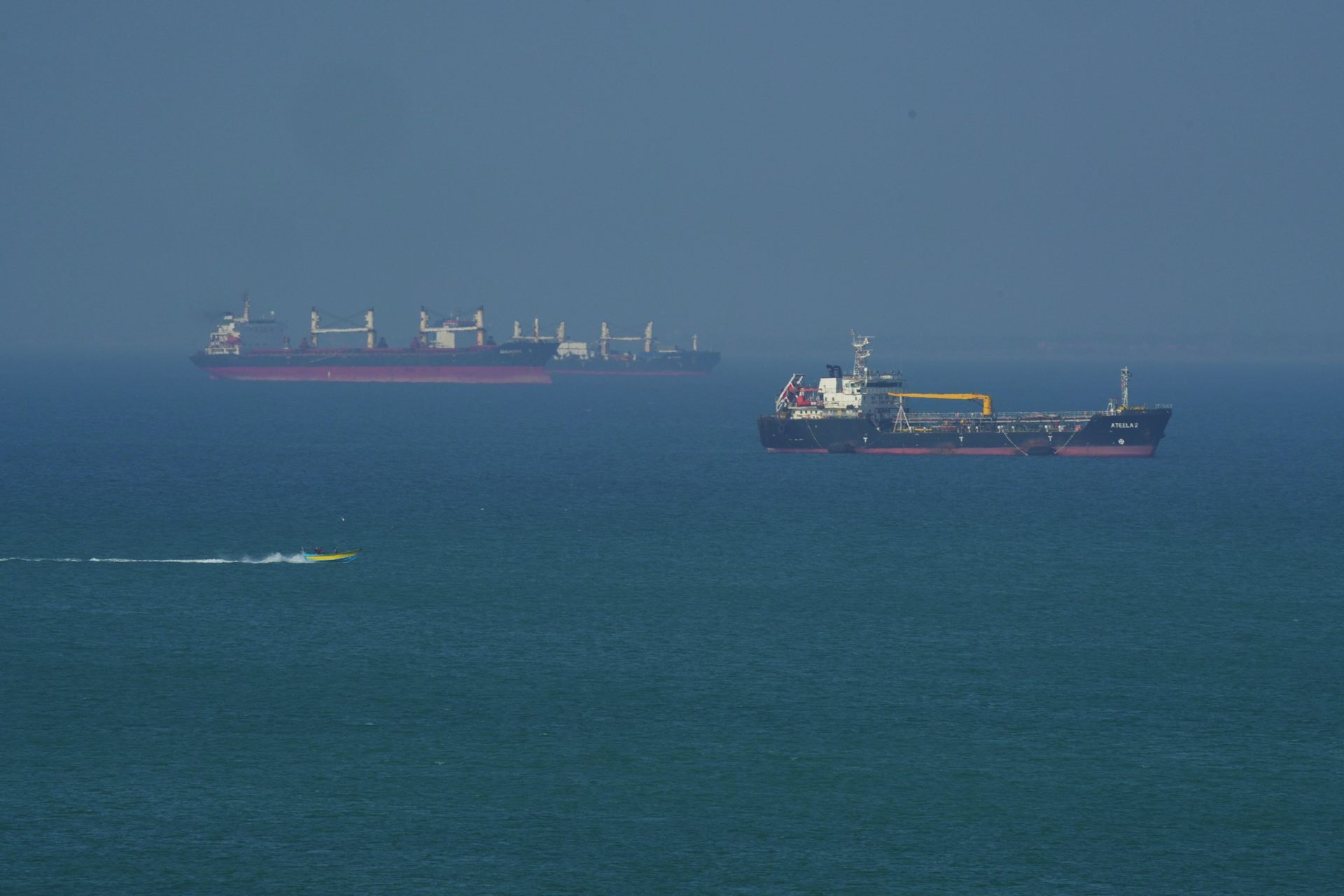
طالما استخدمت الولايات المتحدة الإكراه الاقتصادي لتحقيق أهداف سياستها الخارجية – والحرب في إيران تُظهر كيف تضاءلت تلك القوة.
The US has long used economic coercion to achieve foreign policy goals — the war in Iran shows how that power has declined
US sanctions on foreign nations have lost some of their power to influence the behavior of other nations – with increasing costs for the US to boot.
فقدت العقوبات الأمريكية المفروضة على الدول الأجنبية جزءًا من قوتها في التأثير على سلوك الدول الأخرى – مع تزايد التكاليف على الولايات المتحدة لتنفيذها.
Two months after the United States, along with Israel, launched a war against Iran, that conflict appears far from a lasting resolution.
بعد شهرين من قيام الولايات المتحدة، بالتعاون مع إسرائيل، بشن حرب ضد إيران، يبدو أن هذا الصراع بعيد عن أي حل دائم.
Much commentary on the protracted nature of the conflict has centered on the limits of both the military and diplomatic approaches to the war. But the conflict has also exposed another key reality: the limits of U.S. sanctions.
تركز الكثير من التعليقات حول الطبيعة المطولة للصراع على حدود المقاربتين العسكري والدبلوماسي للحرب. لكن الصراع كشف أيضاً عن حقيقة رئيسية أخرى: حدود العقوبات الأمريكية.
The U.S. has been the world’s preeminent economic and military power for decades, certainly since the end of the Cold War. It is at the center of much global financial activity and has a military budget well beyond China, the closest competitor.
كانت الولايات المتحدة القوة الاقتصادية والعسكرية الأبرز في العالم لعقود، وبالتأكيد منذ نهاية الحرب الباردة. وهي في مركز الكثير من النشاط المالي العالمي ولديها ميزانية عسكرية تتجاوز بكثير الصين، أقرب منافس لها.
Leveraging that power, the U.S. has long used economic coercion to achieve its foreign policy goals, whether against North Korea under the Kim regime, Russia over its invasion of Ukraine or Iran since the 1979 revolution that overthrew the U.S.-allied shah.
مستغلةً هذه القوة، استخدمت الولايات المتحدة لفترة طويلة الإكراه الاقتصادي لتحقيق أهداف سياستها الخارجية، سواء ضد كوريا الشمالية في ظل نظام كيم، أو روسيا بسبب غزوها لأوكرانيا، أو إيران منذ ثورة عام 1979 التي أطاحت بالشاه المتحالف مع الولايات المتحدة.
But as U.S. power in the world has slowly declined amid the rise of China and an increasingly multipolar world, the country has likewise lost some of its ability to effectively use economics as a weapon. Indeed, as scholars of economic sanctions and statecraft, we believe that the conflict against Iran has made clear the diminishing returns of U.S. economic sanctions.
ولكن مع تراجع القوة الأمريكية في العالم ببطء وسط صعود الصين والعالم متعدد الأقطاب بشكل متزايد، فقدت البلاد أيضاً جزءاً من قدرتها على استخدام الاقتصاد كسلاح بفعالية. في الواقع، ونحن، كباحثين في العقوبات الاقتصادية وصناعة الدولة، نعتقد أن الصراع ضد إيران قد أوضح العوائد المتناقصة للعقوبات الاقتصادية الأمريكية.
The limits of sanctions on Iran
حدود العقوبات المفروضة على إيران
Since 1979, relations between Washington and Iran have been antagonistic. U.S. policy has been largely to punish, contain or isolate Iran, and successive administrations have done so in part through a mix of primary, secondary and targeted financial economic sanctions.
منذ عام 1979، كانت العلاقات بين واشنطن وإيران علاقات معادية. وكانت سياسة الولايات المتحدة تهدف إلى حد كبير إلى معاقبة إيران أو احتواءها أو عزلها، وقد نفذت الإدارات المتعاقبة ذلك جزئياً من خلال مزيج من العقوبات المالية والاقتصادية الأولية والثانوية والموجهة.
U.S. economic coercion has been applied on Iran for a variety of reasons, including its alleged state sponsorship of terrorism throughout the region and its nuclear program.
لقد فُرض الإكراه الاقتصادي الأمريكي على إيران لأسباب متنوعة، بما في ذلك ما يُزعم من دعمها للدولة للإرهاب في جميع أنحاء المنطقة وبرنامجها النووي.
The emergence of that nuclear program in 2003, which later resulted in United Nations sanctions against Iran, saw U.S. and European Union interests around Iran converge.
شهد ظهور هذا البرنامج النووي في عام 2003، والذي أدى لاحقاً إلى فرض عقوبات الأمم المتحدة على إيران، تقارباً في المصالح الأمريكية والأوروبية حول إيران.
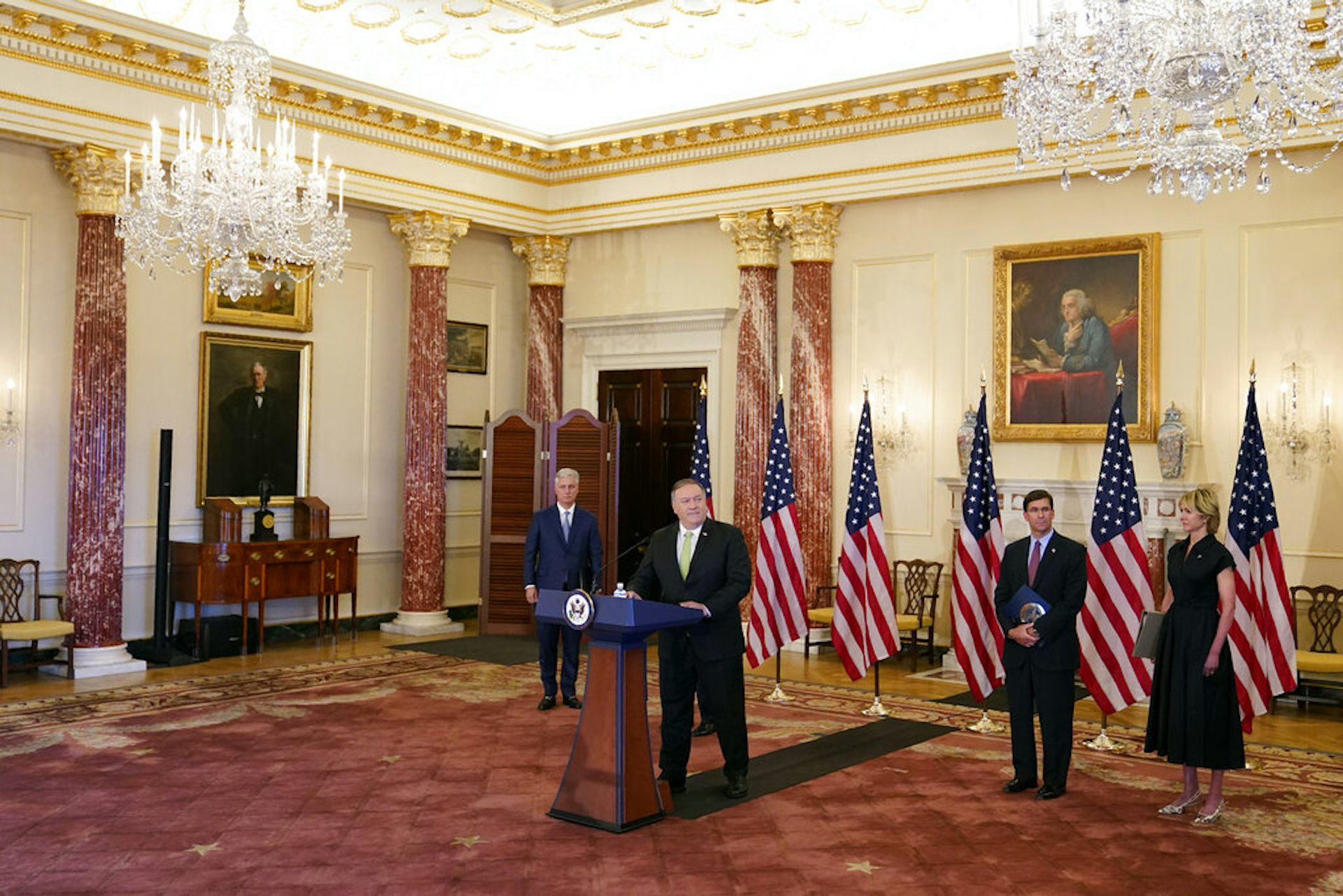
This convergence led to the U.S. and EU cooperating on economic sanctions against Iran, which limited Iranian access to the European banking system. The combined coordinated efforts proved onerous for the Iranian economy, which, as political scientist Adam Tarock notes, meant Iran was “winning a little, losing a lot.”
أدى هذا التقارب إلى تعاون الولايات المتحدة والاتحاد الأوروبي في فرض عقوبات اقتصادية على إيران، مما حدّ من وصول إيران إلى النظام المصرفي الأوروبي. وأثبتت الجهود المنسقة المشتركة أنها مرهقة للاقتصاد الإيراني، الذي، كما يشير عالم السياسة آدم تاروك، يعني أن إيران كانت “تكسب القليل وتخسر الكثير.”
The Joint Comprehensive Plan of Action (JCPOA) , negotiated between the U.S., Iran, members of the EU, Russia and China in 2015, placed limits on Iran’s nuclear program in exchange for sanctions relief. At the time, the Iranian economy was suffering crushing inflation and rampant food prices. The agreement would provide relief from decades of economic punishment and the removal of EU, UN and U.S. economic sanctions.
وضع خطة العمل الشاملة المشتركة (JCPOA) ، التي تم التفاوض عليها بين الولايات المتحدة وإيران وأعضاء الاتحاد الأوروبي وروسيا والصين في عام 2015، قيوداً على البرنامج النووي الإيراني مقابل تخفيف العقوبات. في ذلك الوقت، كان الاقتصاد الإيراني يعاني من تضخم ساحق وارتفاع جامح في أسعار الغذاء. وكان الاتفاق سيوفر الإعفاء من عقود من العقاب الاقتصادي وإزالة العقوبات الاقتصادية للاتحاد الأوروبي والأمم المتحدة والولايات المتحدة.
However, the U.S. withdrew from the agreement in 2018 under the first Trump administration and later reimposed sanctions on Iran. The return of economic sanctions as part of the first Trump administration’s maximum pressure campaign – even if not supported by other nations – saw most global firms refrain from doing business with Iran out of risk aversion.
ومع ذلك، انسحبت الولايات المتحدة من الاتفاق في عام 2018 بموجب أول إدارة ترامب، وأعادت لاحقاً فرض العقوبات على إيران. وشهد عودة العقوبات الاقتصادية كجزء من حملة الضغط القصوى للإدارة الأولى لترامب – حتى لو لم تدعمها دول أخرى – امتناع معظم الشركات العالمية عن التعامل مع إيران بسبب النفور من المخاطر.
Additionally, despite the EU’s efforts to preserve the JCPOA, Iran restarted its nuclear enrichment program in 2019, one year after the U.S. withdrawal. The Biden administration’s subsequent expressed intention to reenter the deal never came to fruition.
بالإضافة إلى ذلك، وعلى الرغم من جهود الاتحاد الأوروبي للحفاظ على خطة العمل الشاملة المشتركة، أعادت إيران تشغيل برنامج تخصيبها النووي في عام 2019، بعد عام واحد من انسحاب الولايات المتحدة. ولم يتحقق لاحقاً القصد المعلن من إدارة بايدن بشأن إعادة الدخول في الاتفاق.
Believing sanctions relief was not a realistic outcome after the agreement’s failure, Iran – though battered by losing access to the global financial system – has found increasingly creative workarounds. Those have included utilizing so-called shadow fleets shipping illicit Iranian goods, creating successful homemade military products like cheaply made drones and ramping up trade with partners outside the Western orbit.
اعتقاداً منها بأن تخفيف العقوبات ليس نتيجة واقعية بعد فشل الاتفاق، وجدت إيران – على الرغم من تعرضها للضرب بسبب فقدان الوصول إلى النظام المالي العالمي – طرقاً بديلة إبداعية بشكل متزايد. وشملت هذه الطرق استخدام ما يسمى بـ “الأسطول الخفي” الذي يشحن سلعاً إيرانية غير مشروعة، وإنشاء منتجات عسكرية منزلية ناجحة مثل الطائرات المسيرة رخيصة الصنع، وزيادة التجارة مع الشركاء خارج المدار الغربي.
Indeed, since the nuclear agreement’s collapse, Iran has pursued much closer ties with China and Russia at the expense of prior robust economic relations with Europe. As Iran reorients its trade and economic relations, the U.S. and the West have lost economic coercive leverage.
في الواقع، منذ انهيار الاتفاق النووي، سعت إيران إلى علاقات أوثق بكثير مع الصين وروسيا على حساب العلاقات الاقتصادية القوية السابقة مع أوروبا. ومع إعادة توجيه إيران لعلاقاتها التجارية والاقتصادية، فقدت الولايات المتحدة والغرب نفوذ الإكراه الاقتصادي.
Separated from a diplomatic endgame, U.S. sanctions – and the current blockade of Iranian-linked ships – appear to be only hardening Iranian resolve. Even if a deal were reached to reopen the Strait of Hormuz, Iran has said it plans to push for commercial ships to pay a toll going forward – something that didn’t exist before the war.
وبالتفريق عن نهاية دبلوماسية، يبدو أن العقوبات الأمريكية – والحصار الحالي للسفن المرتبطة بإيران – لا يفعل شيئاً سوى تصلب العزيمة الإيرانية. وحتى لو تم التوصل إلى اتفاق لإعادة فتح مضيق هرمز، قالت إيران إنها تخطط للدفع باتجاه دفع رسوم على السفن التجارية في المستقبل – وهو أمر لم يكن موجوداً قبل الحرب.
In effect, Iran’s ongoing de facto closure of the strait has redirected U.S. economic coercion back at the Trump administration.
من الناحية العملية، أدى الإغلاق الفعلي المستمر للمضيق من قبل إيران إلى إعادة توجيه الإكراه الاقتصادي الأمريكي نحو إدارة ترامب.
Blowback in the energy markets
ارتداد في أسواق الطاقة
The biggest costs of that ongoing closure for the U.S. has been in energy.
كانت أكبر التكاليف لهذا الإغلاق المستمر للولايات المتحدة في قطاع الطاقة.
The U.S. today is one of the largest exporters of crude and refined petroleum globally, making it particularly exposed to oil price volatility. At the same time, some Americans see the development of fossil fuel resources as a key policy priority. As the U.S. becomes more embedded in the export energy sector, it is increasingly experiencing collateral damage – namely, higher oil and gasoline prices – when its foreign policy decisions disrupt oil-related trade.
تعد الولايات المتحدة اليوم واحدة من أكبر مصدّري النفط الخام والمكرر عالمياً، مما يجعلها عرضة بشكل خاص لتقلبات أسعار النفط. وفي الوقت نفسه، يرى بعض الأمريكيين أن تطوير موارد الوقود الأحفوري يمثل أولوية سياسية رئيسية. ومع تزايد اندماج الولايات المتحدة في قطاع تصدير الطاقة، فإنها تتعرض بشكل متزايد لأضرار جانبية – وهي ارتفاع أسعار النفط والبنزين – عندما تعرقل قرارات سياستها الخارجية التجارة المتعلقة بالنفط.
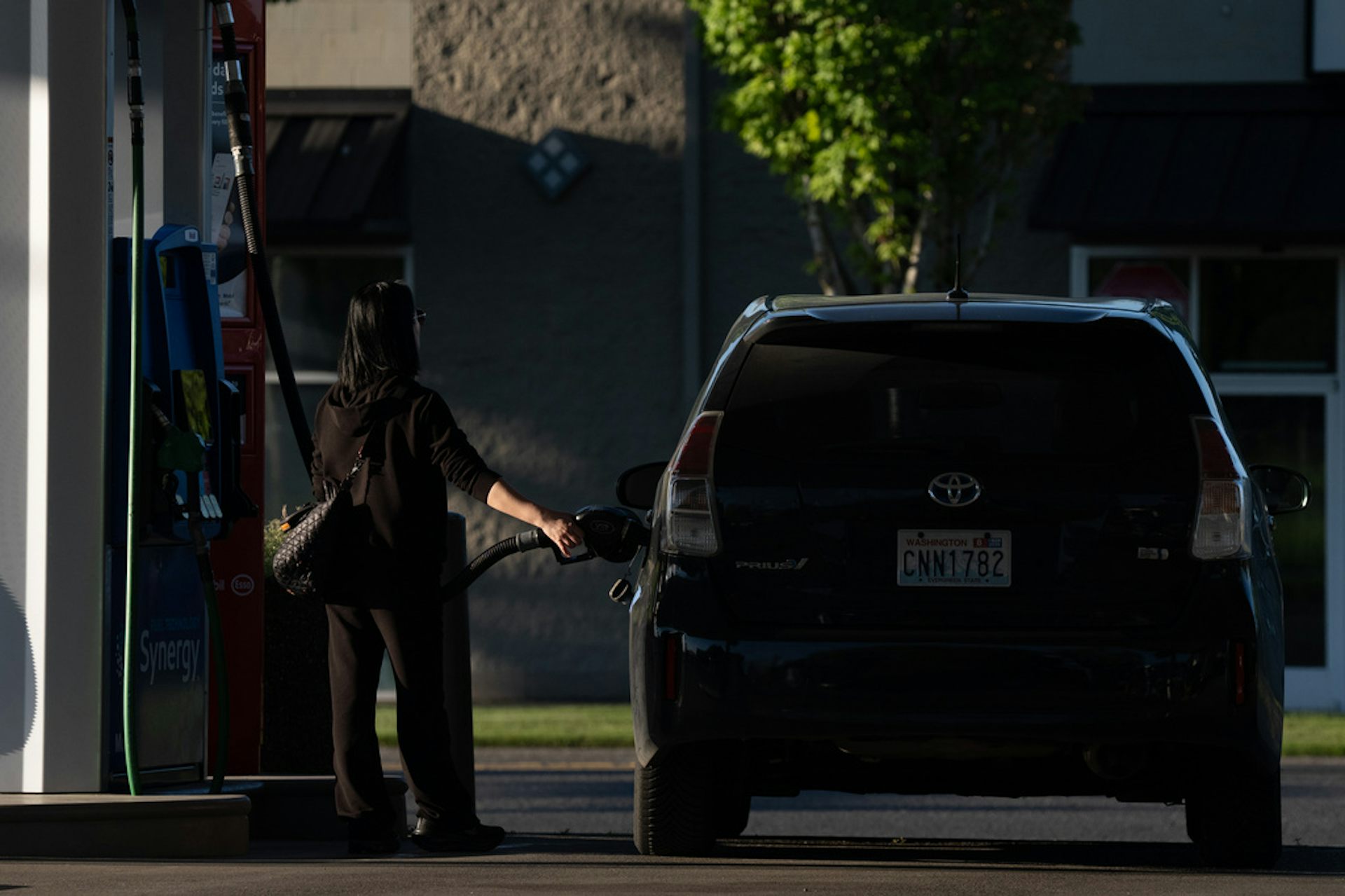
One way that collateral damage manifests is the affordability problem for many Americans as gas prices rise, which is likely to also create political costs for the Trump administration.
إحدى الطرق التي تتجلى بها الأضرار الجانبية هي مشكلة القدرة على تحمل التكاليف للعديد من الأمريكيين مع ارتفاع أسعار البنزين، وهو ما من المرجح أن يخلق أيضاً تكاليف سياسية لإدارة ترامب.
While the U.S. has taken steps to ease the economic disruptions to American consumers by relaxing oil sanctions on Russia and Iran – thus undermining its own sanctions policy – these policy shifts have done little to nothing to offset rising fuel prices. They will likewise fail to ameliorate the potential for economic damage caused by the ongoing disruptions to commerce due to the Strait of Hormuz dangers and uncertainties.
فبينما اتخذت الولايات المتحدة خطوات لتخفيف الاضطرابات الاقتصادية عن المستهلكين الأمريكيين عن طريق تخفيف العقوبات النفطية على روسيا وإيران – مما يقوض سياستها العقابية الخاصة – فإن هذه التحولات السياسية لم تفعل شيئاً يذكر لتعويض ارتفاع أسعار الوقود. ومن المرجح أن تفشل أيضاً في التخفيف من احتمالية الضرر الاقتصادي الناجم عن الاضطرابات المستمرة للتجارة بسبب مخاطر وعدم يقين مضيق هرمز.
Famed economist Albert O. Hirschman once noted that countries use their strategic position to shift others’ cost–benefit calculations, especially through trade disruptions. And for decades, the U.S. used its privileged position in the global financial system to pressure both rising countries and those not explicitly part of the U.S. alliance.
لاحظ الاقتصادي الشهير ألبرت أو. هيرشمان ذات مرة أن الدول تستخدم موقعها الاستراتيجي لتغيير حسابات التكلفة والعائد للآخرين، خاصة من خلال اضطرابات التجارة. وعملت الولايات المتحدة لعقود من الزمن على استخدام موقعها المتميز في النظام المالي العالمي للضغط على كل من الدول الصاعدة وتلك التي ليست جزءاً صريحاً من تحالف الولايات المتحدة.
But as the U.S. becomes more exposed to the consequences of its own decisions, its ability to lead and coerce has stalled under costs it cannot easily absorb.
ولكن مع تزايد تعرض الولايات المتحدة لعواقب قراراتها الخاصة، فقد توقفت قدرتها على القيادة والإكراه تحت وطأة تكاليف لا يمكنها استيعابها بسهولة.
No longer leading by example
لم يعد القيادة بالقدوة
Historically, U.S. economic power was made possible not only by the country’s unilateral strengths but its willingness to pool resources and work multilaterally with other nations.
تاريخياً، لم تكن القوة الاقتصادية الأمريكية ممكنة فقط بفضل نقاط القوة الأحادية للبلاد، بل أيضاً برغبتها في تجميع الموارد والعمل متعدد الأطراف مع الأمم الأخرى.
The Trump White House’s inability to put together a multinational coalition to address the political and economic challenges caused by U.S.-Israeli attacks on Iran is not surprising. But they further reflect the evaporation of goodwill the U.S. previously enjoyed with allies in and outside the region.
إن عجز البيت الأبيض التابع لترامب عن تشكيل تحالف متعدد الجنسيات لمعالجة التحديات السياسية والاقتصادية الناجمة عن الهجمات الأمريكية الإسرائيلية على إيران ليس أمراً مفاجئاً. لكنه يعكس أيضاً تبخر النوايا الحسنة التي كانت الولايات المتحدة تتمتع بها سابقاً لدى الحلفاء داخل المنطقة وخارجها.
As the U.S. abandons a playbook that has buttressed its power for decades, Russia has grown bolder, China is edging ahead of the West and middle powers like Iran are able to hold out against American economic and military strength.
مع تخلّي الولايات المتحدة عن استراتيجية دعمت قوتها لعقود، أصبحت روسيا أكثر جرأة، وتتقدم الصين على الغرب، وأصبحت القوى المتوسطة مثل إيران قادرة على الصمود أمام القوة الاقتصادية والعسكرية الأمريكية.
None of this means the U.S. no longer holds significant global power. But its turn toward a sanction-first, ask-questions-later approach has, we believe, eroded its ability to shape the behavior of other nations. And it has done so while imposing increasingly tangible costs on both American strategy and the well-being of its own citizens.
لا يعني أي من هذا أن الولايات المتحدة لم تعد تتمتع بقوة عالمية كبيرة. لكن تحولها نحو نهج “العقوبات أولاً، وطرح الأسئلة لاحقاً”، قد أضعف، في رأينا، قدرتها على تشكيل سلوك الأمم الأخرى. وقد فعل ذلك مع فرض تكاليف ملموسة بشكل متزايد على كل من الاستراتيجية الأمريكية ورفاهية مواطنيها.
The authors do not work for, consult, own shares in or receive funding from any company or organization that would benefit from this article, and have disclosed no relevant affiliations beyond their academic appointment.
لا يعمل المؤلفون لدى، أو يستشارون من قبل، أو يملكون حصصاً في، أو يتلقون تمويلاً من أي شركة أو منظمة يمكن أن تستفيد من هذه المقالة، ولم يفصحوا عن أي انتماءات ذات صلة تتجاوز منصبهم الأكاديمي.
Read more
-
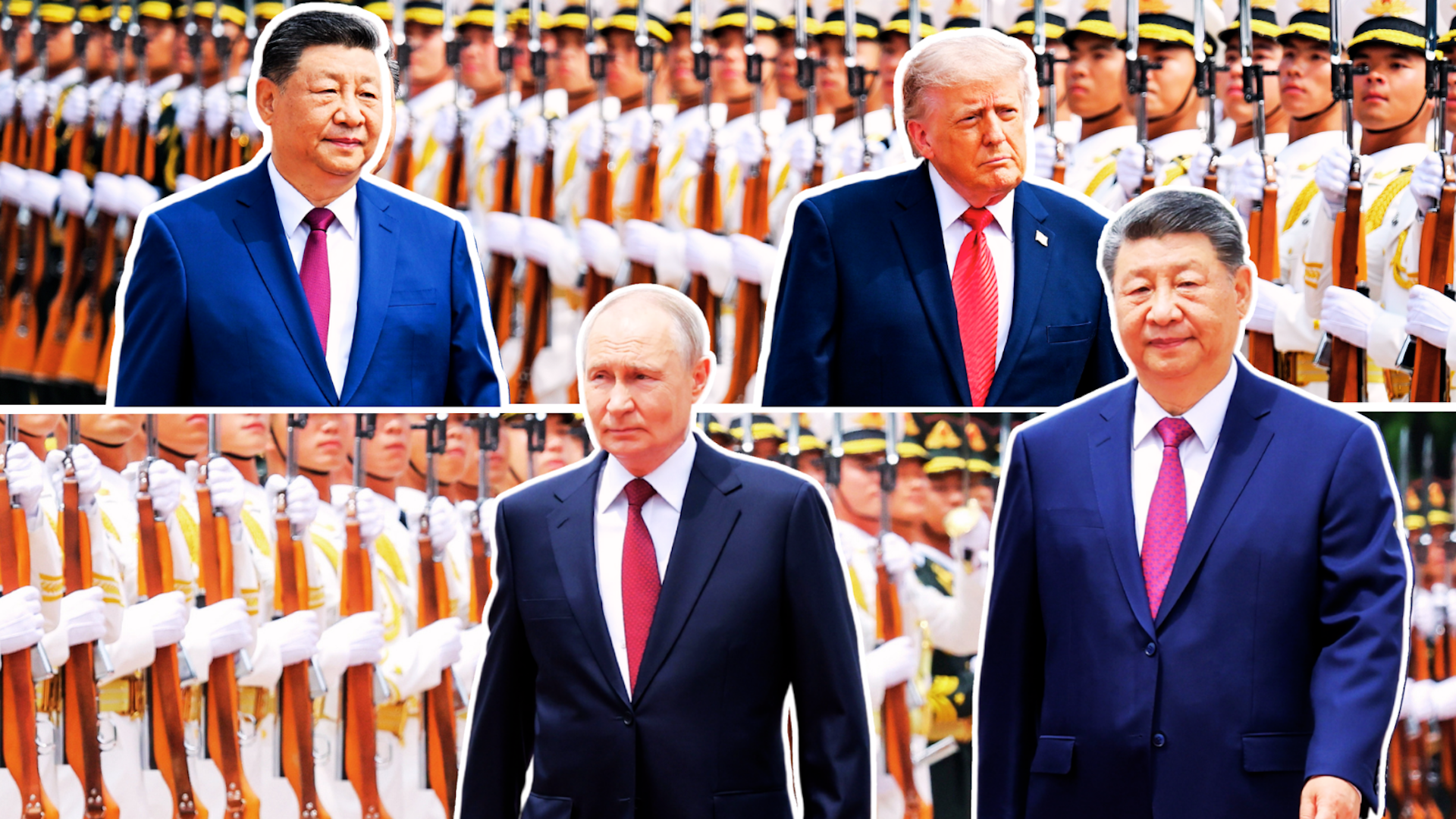
استضافة بوتين وترامب، ترسل الصين رسالة – لقد أصبحت الآن في مقعد القيادة.
Playing host to Putin and Trump, China sends a message – it’s now in the driver’s seat
-

بينجولز، وكركلبولز، و”بيير باريل بولكا” – تعرض مئات الأعمال المنسية العالم المتنوع للدراسات الأكاديمية عن البيسبول
Bingles, knuckleballs and ‘Beer Barrel Polka’ – hundreds of forgotten works showcase the eclectic world of baseball scholarship