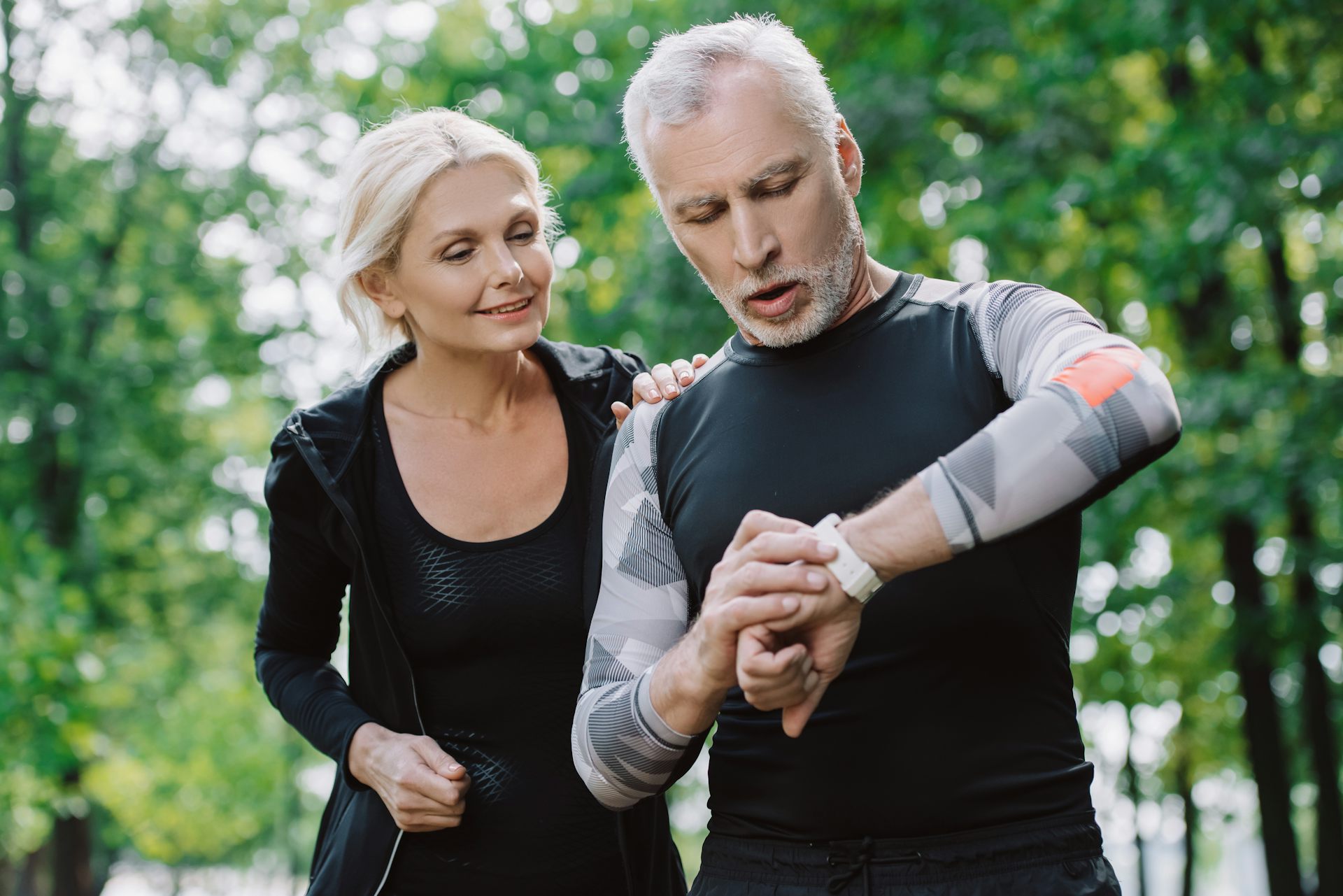
خمسة مخاطر خفية لتتبع اللياقة البدنية
Five hidden pitfalls of fitness tracking
Fitness trackers often privilege steps over strength, rest and context, which can leave some users with a distorted view of health.
غالبًا ما تعطي أجهزة تتبع اللياقة الأولوية للخطوات على حساب القوة والراحة والسياق، الأمر الذي يمكن أن يمنح بعض المستخدمين رؤية مشوهة للصحة.
Many people in the UK now use apps, smartwatches or wearable devices to track their physical activity. Fitness trackers promise to help users become fitter, happier and healthier versions of themselves. For many people, they can be useful: a nudge to move more, a way to notice patterns, or a reminder that activity does not have to happen in a gym.
يستخدم العديد من الأشخاص في المملكة المتحدة الآن تطبيقات أو ساعات ذكية أو أجهزة قابلة للارتداء لتتبع نشاطهم البدني. تعد أجهزة تتبع اللياقة البدنية بأنها ستساعد المستخدمين ليصبحوا نسخاً أكثر لياقة وسعادة وصحة من أنفسهم. وبالنسبة للكثيرين، يمكن أن تكون مفيدة: دفعة للحركة أكثر، أو طريقة لملاحظة الأنماط، أو تذكيراً بأن النشاط لا يجب أن يحدث في صالة الألعاب الرياضية.
But self-tracking devices do more than record behaviour. Through prompts, defaults, streaks, badges and automated feedback, they also shape it. There is good evidence that tracking can help some people become more active. But there are also growing reports of anxiety, shame and disordered eating among people who track closely.
لكن أجهزة التتبع الذاتي تفعل أكثر من مجرد تسجيل السلوك. فمن خلال المطالبات والإعدادات الافتراضية والسلاسل (Streaks) والشارات والتغذية الراجعة الآلية، فإنها تشكّل هذا السلوك أيضاً. هناك أدلة جيدة على أن التتبع يمكن أن يساعد بعض الأشخاص ليصبحوا أكثر نشاطاً. ولكن هناك أيضاً تقارير متزايدة عن القلق والخزي وتناول الطعام المضطرب بين الأشخاص الذين يتابعون بشكل مكثف.
This raises questions about how common these harms are and why they happen, which is what I have spent the past decade researching. Here are five reasons tracking can become harmful.
يثير هذا تساؤلات حول مدى شيوع هذه الأضرار ولماذا تحدث، وهو ما قضيته العقد الماضي في البحث فيه. وفيما يلي خمسة أسباب يمكن أن يصبح فيها التتبع ضاراً.
1. The fixation on steps
1. الهوس بالخطوات
The 10,000-step target comes from a marketing slogan for a 1960s Japanese pedometer, and has no firm scientific basis as a universal target. Researchers continue to debate the ideal number, with some pointing to around 7,000 as a more realistic and beneficial target for many adults. Yet 10,000 steps remains widely treated as a badge of good health.
يأتي هدف العشرة آلاف خطوة من شعار تسويقي لعداد خطوات ياباني يعود إلى حقبة الستينيات، ولا يمتلك أساساً علمياً راسخاً كهدف عالمي. ويستمر الباحثون في مناقشة العدد المثالي، حيث يشير البعض إلى حوالي 7000 خطوة باعتباره هدفاً أكثر واقعية وفائدة للعديد من البالغين. ومع ذلك، لا تزال خطوات العشرة آلاف تُعامل على نطاق واسع كدليل على الصحة الجيدة.
The trouble is that a single target cannot fit everyone. It can also distort what people think activity is worth. A tracker may misread wrist movement, or fail to capture cycling, swimming or strength training properly because these do not look like stepping.
تكمن المشكلة في أن الهدف الواحد لا يمكن أن يناسب الجميع. كما أنه قد يشوّه ما يعتقده الناس أن النشاط يستحق. فقد يقرأ جهاز التتبع حركة المعصم بشكل خاطئ، أو يفشل في تسجيل ركوب الدراجات أو السباحة أو تدريب القوة بشكل صحيح لأن هذه الأنشطة لا تبدو كخطوات.
This means trackers often privilege what they can easily count. Steps are visible, while strength work, mobility, Pilates, rehabilitation and recovery can appear less important, even though they may be exactly what someone needs. This can give users a skewed sense of what counts as worthwhile movement.
وهذا يعني أن أجهزة التتبع غالباً ما تمنح الأولوية لما يمكنها عده بسهولة. فالخطوات مرئية، بينما قد تبدو تمارين القوة والحركية والبيلاتس وإعادة التأهيل والتعافي أقل أهمية، على الرغم من أنها قد تكون بالضبط ما يحتاجه الشخص. وهذا يمكن أن يمنح المستخدمين شعوراً مشوهاً بما يُعد حركة جديرة بالاهتمام.
2. Movement loses its joy
2. يفقد الحركة متعتها
The hardest part of becoming active is making it a habit that lasts. Chasing a target can work against that if it turns movement into a chore rather than something enjoyable. The point becomes closing a ring instead of noticing what your body can do.
إن أصعب جزء في أن تصبح نشيطاً هو جعل هذا النشاط عادة دائمة. قد يعمل السعي وراء هدف معين ضد ذلك إذا حوّل الحركة إلى واجب ثقيل بدلاً من كونها شيئاً ممتعاً. يصبح الهدف هو إغلاق الحلقة بدلاً من ملاحظة ما يمكن لجسمك فعله.
Research suggests that repeatedly failing to meet goals can lead people to abandon both the device and the habits they were trying to build. Enjoyment helps habits stick, while external metrics can erode the internal motivation to move.
تشير الأبحاث إلى أن الفشل المتكرر في تحقيق الأهداف يمكن أن يدفع الناس إلى التخلي عن الجهاز والعادات التي كانوا يحاولون بناءها على حد سواء. يساعد الاستمتاع في ترسيخ العادات، بينما يمكن للمقاييس الخارجية أن تؤدي إلى تآكل الدافع الداخلي للحركة.
So the next time you head out, try leaving the numbers alone. Take a friend, put on a podcast, or call your mum. When you feel satisfied, go home. The activity still counts, and over time it may help you reach your goals without making the numbers the only measure of success.
لذا، في المرة القادمة التي تخرج فيها، حاول تجاهل الأرقام. خذ صديقاً معك، أو شغل بودكاست، أو اتصل بوالدتك. عندما تشعر بالرضا، عد إلى المنزل. لا يزال النشاط يُحتسب، ومع مرور الوقت قد يساعدك ذلك في تحقيق أهدافك دون أن تكون الأرقام هي المقياس الوحيد للنجاح.
3. The more-is-more approach
3. نهج “المزيد هو الأفضل”
Many devices still make “more” feel like the default measure of success. The prompts are persistent, the summaries often feel like gentle reproaches, and the clearest currency is usually steps.
لا تزال العديد من الأجهزة تجعل مفهوم “المزيد” يبدو وكأنه المقياس الافتراضي للنجاح. التنبيهات مستمرة، والملخصات غالبًا ما تبدو كلوم خفيف، وعملة القياس الأكثر وضوحاً هي عادةً الخطوات.
What this often misses is ability, skill and context. Do you know how much exercise you need? What kind of movement might cause injury? Can you interpret your own VO2 max data? These competencies are often taken for granted, but many people have never had the chance to build them.
ما يغفل عنه هذا النهج غالباً هو القدرة، والمهارة، والسياق. هل تعرف كمية التمرين التي تحتاج إليها؟ أي نوع من الحركة قد يتسبب في إصابة؟ هل يمكنك تفسير بيانات الحد الأقصى لاستهلاك الأكسجين (VO2 max) الخاصة بك؟ غالبًا ما تُعتبر هذه الكفاءات أمراً مسلماً به، لكن الكثير من الناس لم تتاح لهم الفرصة لبنائها قط.
Our research shows that people are most vulnerable to harm when they are left to manage with assumptions already made for them. They may hand their judgement over to the device and accept whatever it tells them. Yet the device may not know enough about whether you are recovering from illness, short on sleep, injured, newly active or pregnant to interpret today’s data safely.
تُظهر أبحاثنا أن الأشخاص هم الأكثر عرضة للضرر عندما يُترَكوا لإدارة حياتهم بناءً على افتراضات قُدِّمت لهم مسبقاً. قد يسلمون حكمهم للأجهزة ويقبلون أي شيء تخبرهم به. ومع ذلك، فقد لا يعرف الجهاز ما يكفي عما إذا كنت تتعافى من مرض، أو تعاني من نقص في النوم، أو مصاباً، أو نشيطاً حديثاً، أو حاملاً لتفسير بيانات اليوم بأمان.
4. The default user does not exist
٤. المستخدم الافتراضي غير موجود
Much of the design and marketing of these devices is aimed at a standard, average consumer. But research repeatedly shows that this person does not exist. We differ in our bodies, histories, goals and circumstances, so asking everyone to squeeze into the same mould is poor design.
يستهدف جزء كبير من تصميم وتسويق هذه الأجهزة المستهلك القياسي والمتوسط. لكن البحث يظهر مراراً وتكراراً أن هذا الشخص لا وجود له. نحن نختلف في أجسادنا، وتاريخنا، وأهدافنا، وظروفنا، لذا فإن مطالبة الجميع بالتكيف مع قالب واحد هو تصميم رديء.
The problem is the body imagined by the device: often able-bodied, non-pregnant, already confident with exercise and free to prioritise activity every day. Some defaults also follow narrow social norms, often built around male bodies, and amplify questionable ideas about health and beauty.
تكمن المشكلة في الجسد الذي يتخيله الجهاز: غالباً ما يكون جسداً قادراً على الحركة، وغير حامل، وواثق بالفعل من التمارين الرياضية ومتاح لتحديد أولويات النشاط كل يوم. كما تتبع بعض الافتراضات معايير اجتماعية ضيقة، وغالباً ما تكون مبنية حول الأجساد الذكورية، وتضخم أفكاراً مشكوك فيها حول الصحة والجمال.
Think of BMI, which can penalise muscular bodies and treat perfectly healthy women’s bodies as problems to be solved. Similar assumptions can be baked into self-trackers when they nudge users towards weight loss by default or reinforce dated ideals about size and ability. At their worst, they can push some people towards over-exercising or under-eating, with real damage to body and mind.
فكر في مؤشر كتلة الجسم (BMI) ، الذي يمكن أن يعاقب الأجسام العضلية ويعامل أجسام النساء السليمة تماماً على أنها مشاكل يجب حلها. ويمكن دمج افتراضات مماثلة في أجهزة التتبع الذاتي عندما تدفع المستخدمين نحو فقدان الوزن بشكل افتراضي أو تعزز المُثل البالية حول الحجم والقدرة. وفي أسوأ حالاتها، يمكن أن تدفع بعض الأشخاص إلى الإفراط في ممارسة الرياضة أو نقص التغذية، مما يسبب ضرراً حقيقياً للجسد والعقل على حد سواء.
5. It blames you when things go wrong
5. إنه يلومك عندما تسوء الأمور
Sedentary living is a society-wide problem. Yet trackers often frame inactivity as a matter of individual willpower. That can draw attention away from the conditions that shape how much people move: safe streets, time, money, caring responsibilities, disability, local facilities and access to green space.
يُعدّ الخمول نمط حياة مشكلة على مستوى المجتمع بأكمله. ومع ذلك، غالبًا ما تُصوّر أجهزة التتبع قلة النشاط باعتبارها مسألة إرادة فردية. وهذا يمكن أن يصرف الانتباه عن الظروف التي تشكل مقدار الحركة لدى الناس: الشوارع الآمنة، والوقت، والمال، ومسؤوليات الرعاية، والإعاقة، والمرافق المحلية، وإمكانية الوصول إلى المساحات الخضراء.
Many people report feeling pressure from the device. When life gets in the way of their targets, they may feel shame, failure, or give up altogether.
يُفيد العديد من الأشخاص بأنهم يشعرون بالضغط من الجهاز. وعندما تعيق الحياة أهدافهم، فقد يشعرون بالخزي أو الفشل، أو يتخلون عن المحاولة تمامًا.
Research shows that people use these devices for a wide range of reasons and goals. That means support and personalisation are essential to making tracking safer. Devices should account for individual goals, experience and context rather than loading all responsibility onto the user, a familiar and unfair pattern across health and social care.
تُظهر الأبحاث أن الناس يستخدمون هذه الأجهزة لمجموعة واسعة من الأسباب والأهداف. وهذا يعني أن الدعم والتخصيص أمران ضروريان لجعل التتبع أكثر أمانًا. يجب أن تأخذ الأجهزة في الحسبان الأهداف الفردية والخبرة والسياق بدلاً من تحميل المسؤولية بالكامل على المستخدم، وهو نمط مألوف وغير عادل عبر الرعاية الصحية والرعاية الاجتماعية.
Some would call these harms unintended side effects. But they are also the predictable result of design choices that reward more, simplify health into scores and treat missed targets as personal failure.
قد يسمي البعض هذه الضغوط آثارًا جانبية غير مقصودة. لكنها أيضًا النتيجة المتوقعة لخيارات التصميم التي تكافئ المزيد، وتبسّط الصحة إلى درجات رقمية، وتتعامل مع الأهداف الفائتة على أنها فشل شخصي.
For users, the first shift is to treat tracking as information rather than instruction. A watch can tell you what it has measured. It cannot tell you what your body needs today.
بالنسبة للمستخدمين، يتمثل التحول الأول في التعامل مع التتبع كمعلومات وليس كتعليمات. يمكن للساعة أن تخبرك بما قاسته. لكنها لا تستطيع أن تخبرك بما يحتاجه جسمك اليوم.
The bigger responsibility sits with developers. Trackers could place less emphasis on fixed step targets, make strength and non-step activity more visible, build in rest and recovery without guilt, and offer safer defaults for people with different bodies, abilities, health histories and goals.
تقع المسؤولية الأكبر على المطورين. يمكن لأجهزة التتبع أن تقلل من التركيز على أهداف الخطوات الثابتة، وتجعل النشاط القوي وغير المرتبط بالخطوات أكثر وضوحًا، وتدمج فترات الراحة والتعافي دون الشعور بالذنب، وتقدم إعدادات افتراضية أكثر أمانًا للأشخاص ذوي الأجساد والقدرات والتاريخ الصحي والأهداف المختلفة.
None of this means abandoning the technology – it means refusing to let a made-up number decide whether movement has counted.
لا يعني أي من هذا التخلي عن التكنولوجيا – بل يعني رفض السماح لرقم مُختلَق بتحديد ما إذا كانت الحركة قد حُسِبَت أم لا.
Sahar Bakr is a Trustee for Runspire Together
سحر بكر هي عضو في مجلس إدارة “رنسباير توجذر” (Runspire Together)
Read more
-

صفقة أمريكا وإيران تترك مستقبل لبنان غير مؤكد – ومرهون بتدخل إسرائيل كعامل تخريب
US-Iran deal leaves the future of Lebanon uncertain – and subject to Israel playing the spoiler
-

يُظهر مضيق هرمز كيف أن كل شيء أصبح يتعلق بالنفوذ
The Strait of Hormuz shows how everything is now about leverage