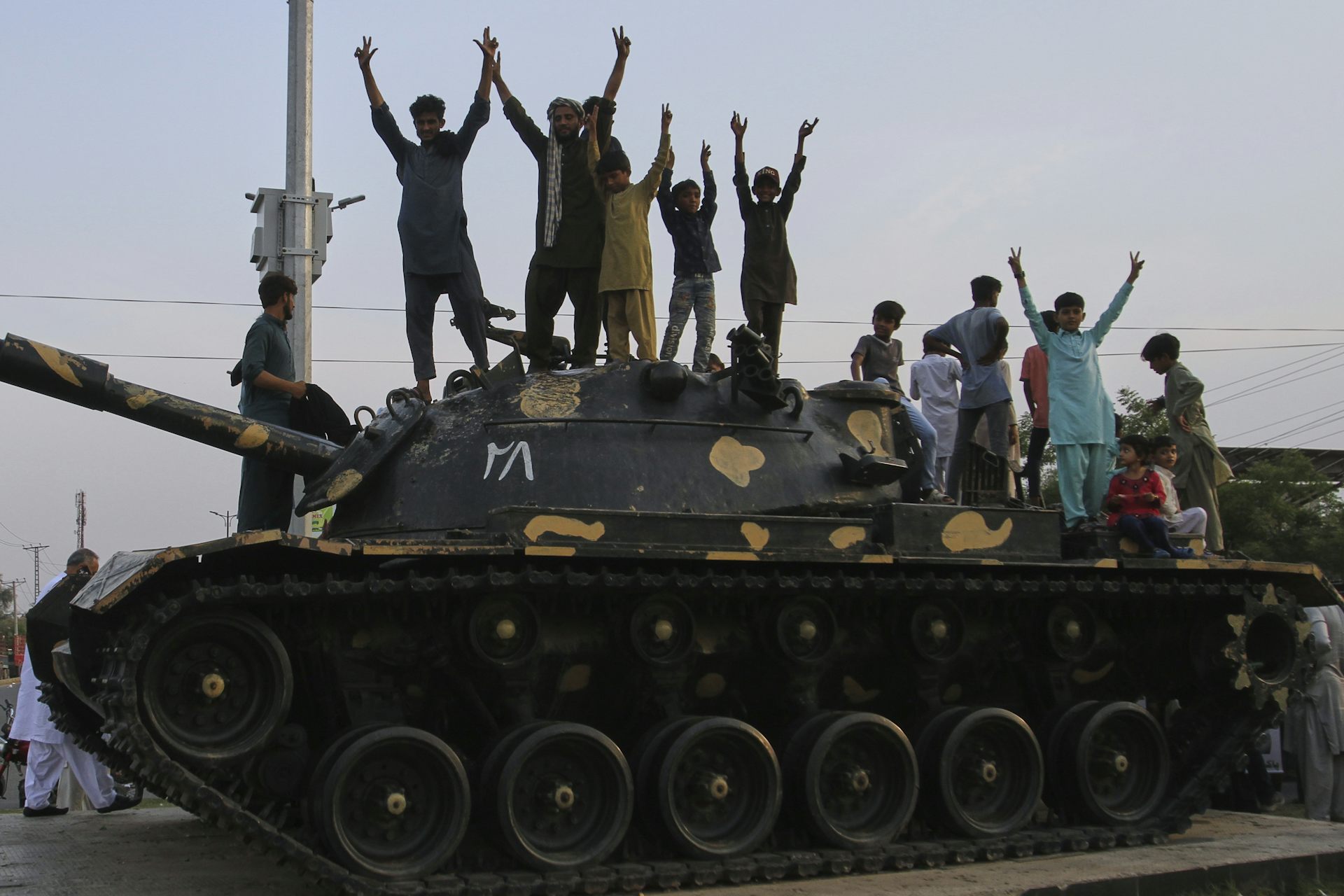
بعد عام من حربهما القصيرة، ما مدى قرب الهند وباكستان من صراع آخر؟
One year after their brief war, how close are India and Pakistan to another conflict?
The shifting geopolitics and heightened rhetoric have narrowed the space for any prospects of meaningful dialogue between the two.
لقد ضيقت الجيوسياسة المتغيرة والخطاب المتصاعد المساحة لأي آفاق لحوار هادف بين البلدين.
A year has passed since conflict broke out between India and Pakistan, briefly raising fears of an all-out war between the two nuclear powers.
مر عام على اندلاع الصراع بين الهند وباكستان، مما أثار لفترة وجيزة مخاوف من حرب شاملة بين القوتين النوويتين.
While violent conflict between the neighbours has been commonplace for the past 80 years, this latest round of fighting felt different.
وفي حين أن الصراع العنيف بين الجارين كان أمرًا مألوفًا على مدى الثمانين عامًا الماضية، إلا أن الجولة الأخيرة من القتال هذه شعرت بأنها مختلفة.
Both sides used new weapons against one another, including cruise missiles, short-range ballistic missiles and drones. The level of mistrust and sharp rhetoric worsened considerably, significantly testing regional partnerships.
استخدم كلا الجانبين أسلحة جديدة ضد بعضهما البعض، بما في ذلك صواريخ كروز، وصواريخ باليستية قصيرة المدى، والطائرات المسيرة. وتدهور مستوى انعدام الثقة والخطاب الحاد بشكل كبير، مما اختبر الشراكات الإقليمية بشكل ملحوظ.
One year later, tensions remain high, with an underlying risk of further escalation.
بعد عام واحد، لا تزال التوترات مرتفعة، مع خطر كامن لمزيد من التصعيد.
What happened last year?
ماذا حدث العام الماضي؟
The war broke out last May following a terrorist attack that killed 26 civilians in the Pahalgam area of Indian Kashmir on April 22.
اندلعت الحرب في مايو الماضي في أعقاب هجوم إرهابي أسفر عن مقتل 26 مدنياً في منطقة باهالغام بكشمير الهندية في 22 أبريل.
Within days, Indian police claimed the Pakistan-based militant group Lashkar-e-Taiba was behind the attack. Pakistan vehemently denied any involvement.
في غضون أيام، زعمت الشرطة الهندية أن جماعة “لشكر إيتي با” المتمركزة في باكستان تقف وراء الهجوم. ونفت باكستان بشدة أي تورط.
Then, on May 7, India launched Operation Sindoor against alleged terrorist strongholds in Pakistan, which prompted a Pakistani retaliatory attack, Operation Bunyan-un-Marsoos.
بعد ذلك، وفي 7 مايو، أطلقت الهند “عملية سيندور” ضد معاقل إرهابية مزعومة في باكستان، مما أثار هجوماً باكستانياً انتقامياً، وهو “عملية بنيان-المرصوص.”
Dozens of people are believed to have been killed. As in any India-Pakistan conflict, the possibility of the use of nuclear weapons created further alarm.
يُعتقد أن عشرات الأشخاص قُتلوا. وكما يحدث في أي صراع بين الهند وباكستان، أثارت إمكانية استخدام الأسلحة النووية قلقاً إضافياً.
The four-day conflict came to an end with a ceasefire on May 10. It was announced by the Trump administration, which claimed to have mediated the deal. This irritated India, but Pakistan nominated US President Donald Trump for the Nobel Peace Prize.
انتهى الصراع الذي استمر أربعة أيام بوقف إطلاق النار في 10 مايو. وأعلنت عنه إدارة ترامب، التي ادعت التوسط في الاتفاق. وقد أثار هذا استياء الهند، لكن باكستان رشحت الرئيس الأمريكي دونالد ترامب لجائزة نوبل للسلام.
India nonetheless claimed victory, boasting of its ability to deliver precise attacks far inside Pakistani territory, exposing weaknesses in its rival’s air defences. Pakistan, meanwhile, claimed to have shot down five Indian fighter jets (which India denies) .
ومع ذلك، ادعت الهند النصر، متباهية بقدرتها على تنفيذ هجمات دقيقة في عمق الأراضي الباكستانية، كاشفة عن نقاط ضعف في دفاعات منافسها الجوية. وفي الوقت نفسه، ادعت باكستان إسقاط خمس طائرات مقاتلة هندية (وهو ما تنفيه الهند) .
Political ramifications
التداعيات السياسية
In Pakistan, the Pakistani military returned to the political mainstream following the conflict. After leading Pakistan’s military response to India, the chief of army staff, Syed Asim Munir, was elevated to field marshal, and then to the post of the country’s first chief of defence forces.
في باكستان، عاد الجيش الباكستاني إلى التيار السياسي السائد بعد النزاع. وبعد قيادته للرد العسكري الباكستاني على الهند، تُرَقّي رئيس هيئة الأركان، سيد عاصم منير، إلى رتبة فيلق عريض، ومن ثم إلى منصب أول رئيس لقوات الدفاع في البلاد.
Munir’s influence has only grown since. He has become very close to Trump and has been a key figure in the negotiations between the US and Iran to bring an end to their war.
لم يزداد نفوذ منير إلا منذ ذلك الحين. فقد أصبح مقرباً جداً من ترامب وكان شخصية محورية في المفاوضات بين الولايات المتحدة وإيران لإنهاء حربهما.
In India, Operation Sindoor was seen as a win for the Modi government’s decisive foreign policy, and was a moment of rare political consensus in the country.
في الهند، اعتُبرت عملية سيندور انتصاراً للسياسة الخارجية الحاسمة لحكومة مودي، وكانت لحظة إجماع سياسي نادر في البلاد.
However, in Kashmir, the terror attack raised fresh questions about the government’s claims of normalcy in the region – and its push to boost tourism – following the controversial revocation of Kashmir’s statehood in 2019.
ومع ذلك، في كشمير، أثار الهجوم الإرهابي تساؤلات جديدة حول ادعاءات الحكومة بالعودة إلى الوضع الطبيعي في المنطقة – ودفعها لتعزيز السياحة – في أعقاب إلغاء صفة الدولة عن كشمير المثير للجدل في عام 2019.
In the weeks that followed the attack, security operations in the Kashmir valley shut down several tourist sites. This led to a sharp decline in visitor numbers and severely affected local businesses. Security operations also targeted civilians, alarming human rights experts.
في الأسابيع التي تلت الهجوم، أغلقت العمليات الأمنية في وادي كشمير العديد من المواقع السياحية. وأدى ذلك إلى انخفاض حاد في أعداد الزوار وأثر بشدة على الأعمال التجارية المحلية. كما استهدفت العمليات الأمنية المدنيين، مما أثار قلق خبراء حقوق الإنسان.
Shifting regional dynamics
التحولات في الديناميكيات الإقليمية
Perhaps the most significant impact of the conflict has been the difference in diplomatic engagements of both countries.
ربما كان التأثير الأبرز للصراع هو اختلاف التفاعلات الدبلوماسية لكلا البلدين.
The war highlighted Pakistan’s operational cooperation with both China and Turkey. The Pakistani military used Chinese-built fighter jets and missiles in its attacks, as well as Turkish-made drones. Its satellite-based intelligence was enabled by China, too.
أبرزت الحرب التعاون العملياتي لباكستان مع كل من الصين وتركيا. استخدم الجيش الباكستاني طائرات مقاتلة وصواريخ صينية الصنع في هجماته، بالإضافة إلى طائرات الدرون التركية. كما أن استخباراته المعتمدة على الأقمار الصناعية كانت ممكّنة من قبل الصين أيضاً.
After the war, Pakistan also signed a new deal with the Trump administration to develop Pakistan’s oil reserves, and a defence pact with Saudi Arabia, a staunch US ally.
بعد الحرب، وقعت باكستان أيضاً صفقة جديدة مع إدارة ترامب لتطوير احتياطيات النفط الباكستانية، واتفاقية دفاع مع المملكة العربية السعودية، وهي حليف أمريكي راسخ.
India had pursued a decade-long push to isolate Pakistan diplomatically, which made Pakistan’s increasing bonhomie with the US and Gulf states particularly awkward.
كانت الهند قد سعت لعقد من الوقت لعزل باكستان دبلوماسياً، مما جعل الود المتزايد لباكستان مع الولايات المتحدة ودول الخليج أمراً محرجاً بشكل خاص.
Prime Minister Narendra Modi’s once-close relationship with Trump, meanwhile, began to deteriorate over US tariffs and India’s purchase of Russian oil.
في غضون ذلك، بدأت العلاقة التي كانت وثيقة في السابق بين رئيس الوزراء ناريندرا مودي وترامب تتدهور بسبب الرسوم الجمركية الأمريكية وشراء الهند للنفط الروسي.
Modi’s ill-timed visit to Israel and the visible lack of influence in the US–Iran war has also raised questions about India’s professed role as a regional leader. It has highlighted the limits to India’s strategy of balancing its strategic partnerships, especially during conflict.
كما أن زيارة مودي غير المناسبة لإسرائيل والافتقار الواضح للنفوذ في الحرب بين الولايات المتحدة وإيران، قد أثار تساؤلات حول الدور المعلن للهند كقائد إقليمي. وقد سلط هذا الضوء على حدود استراتيجية الهند في موازنة شراكاتها الاستراتيجية، خاصة أثناء النزاع.
India has tried to engage in proactive diplomacy, dispatching delegations of MPs and former diplomats to more than 30 countries over the past year. While India claims these visits were a success, they haven’t done much to convince the world that Pakistan was the aggressor in their conflict.
حاولت الهند الانخراط في دبلوماسية استباقية، حيث أرسلت وفوداً من النواب والدبلوماسيين السابقين إلى أكثر من 30 دولة خلال العام الماضي. وبينما تدعي الهند أن هذه الزيارات كانت ناجحة، إلا أنها لم تفعل الكثير لإقناع العالم بأن باكستان كانت المعتدي في نزاعهما.
Where do things go from here?
إلى أين تتجه الأمور من هنا؟
One year on, the political rhetoric on both sides is as charged as ever.
بعد عام، لا تزال الخطابات السياسية من الجانبين مشحونة كما في السابق.
Both India and Pakistan have signalled a resolve for further escalation in future conflicts.
أشارت كل من الهند وباكستان إلى عزمها على تصعيد أكبر في النزاعات المستقبلية.
Despite a sliver of hope for secret backchannel talks, India continues to give stern warnings to Pakistan over its alleged support to terrorist groups.
على الرغم من بصيص أمل لإجراء محادثات سرية عبر القنوات الخلفية، تواصل الهند توجيه تحذيرات صارمة إلى باكستان بشأن دعمها المزعوم للجماعات الإرهابية.
India has also reiterated that a major water-sharing treaty between the countries would remain suspended until Pakistan takes steps to end its support for terrorism – leaving a major concern over water security unresolved.
كما أكدت الهند أن أي معاهدة رئيسية لتقاسم المياه بين البلدين ستبقى معلقة حتى تتخذ باكستان خطوات لوقف دعمها للإرهاب – مما يترك قلقاً كبيراً بشأن الأمن المائي دون حل.
In response, Pakistan has made clear any attempt to target Pakistan again would “trigger consequences” that would not be “geographically confined or strategically or politically palatable for India”.
رداً على ذلك، أوضحت باكستان أن أي محاولة لاستهداف باكستان مرة أخرى “ستؤدي إلى عواقب” لن تكون “مقتصرة جغرافياً أو مقبولة استراتيجياً أو سياسياً بالنسبة للهند.”
The shifting geopolitics and heightened rhetoric have narrowed the space for any prospects of meaningful dialogue between the two. As a result, the alarmingly low levels of trust will remain.
لقد ضيقت الجغرافيا السياسية المتغيرة والخطاب المتصاعد المجال لأي آفاق لحوار هادف بين البلدين. ونتيجة لذلك، ستبقى مستويات الثقة المنخفضة بشكل مقلق قائمة.
The ceasefire holds for now, but the conflict continues unabated.
لا يزال وقف إطلاق النار سارياً في الوقت الحالي، لكن الصراع مستمر دون توقف.
Stuti Bhatnagar does not work for, consult, own shares in or receive funding from any company or organisation that would benefit from this article, and has disclosed no relevant affiliations beyond their academic appointment.
لا تعمل ستوتي بهاتناجار أو تستشير أو تمتلك حصصاً أو تتلقى تمويلاً من أي شركة أو منظمة تستفيد من هذه المقالة، ولم تكشف عن أي انتماءات ذات صلة تتجاوز منصبها الأكاديمي.
Read more
-
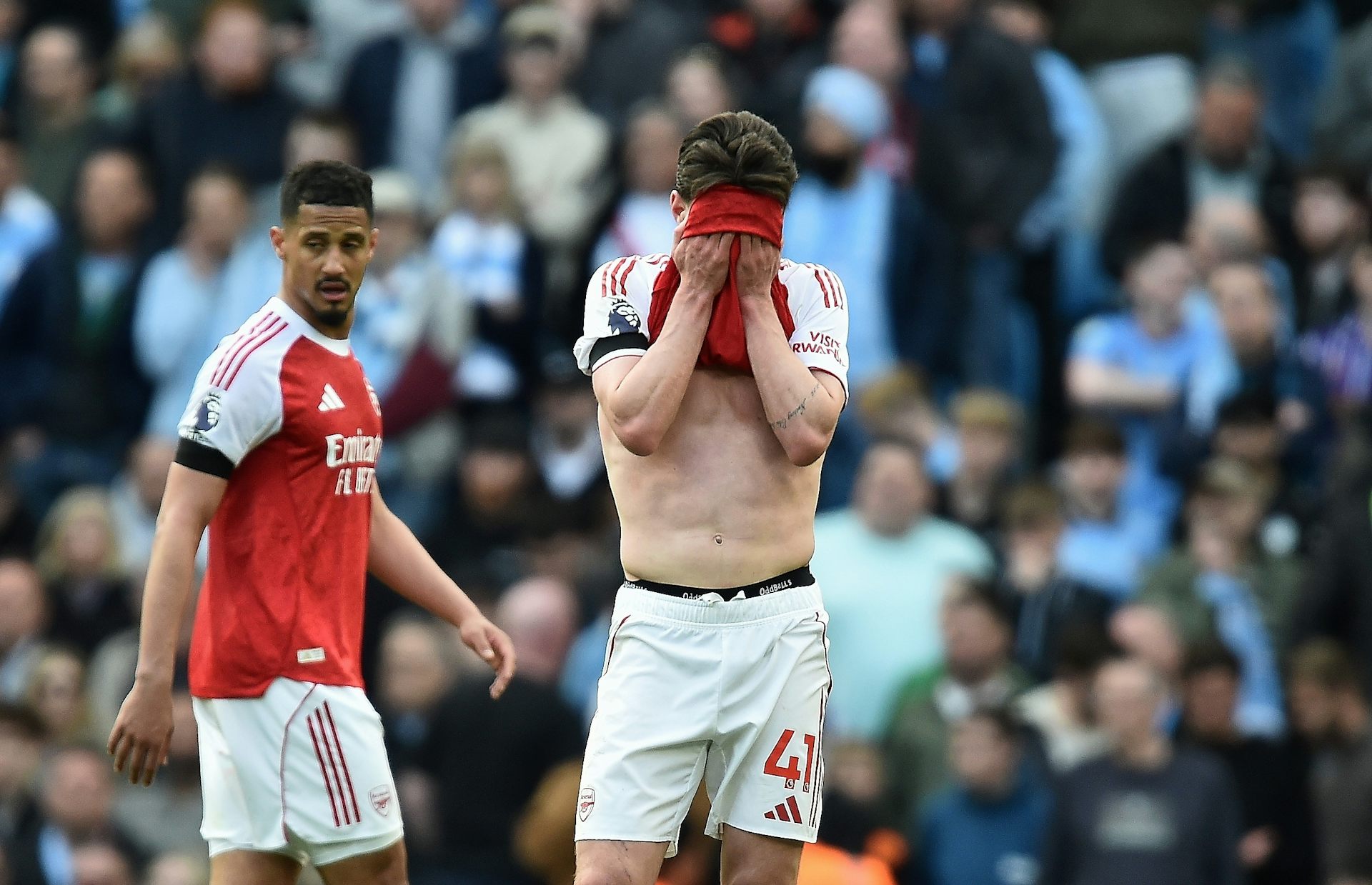
قد يتعثر آرسنال مجددًا في الدوري الإنجليزي الممتاز. إليك 4 حلول نفسية
Arsenal might be choking again in England’s Premier League. Here are 4 psychological fixes
-
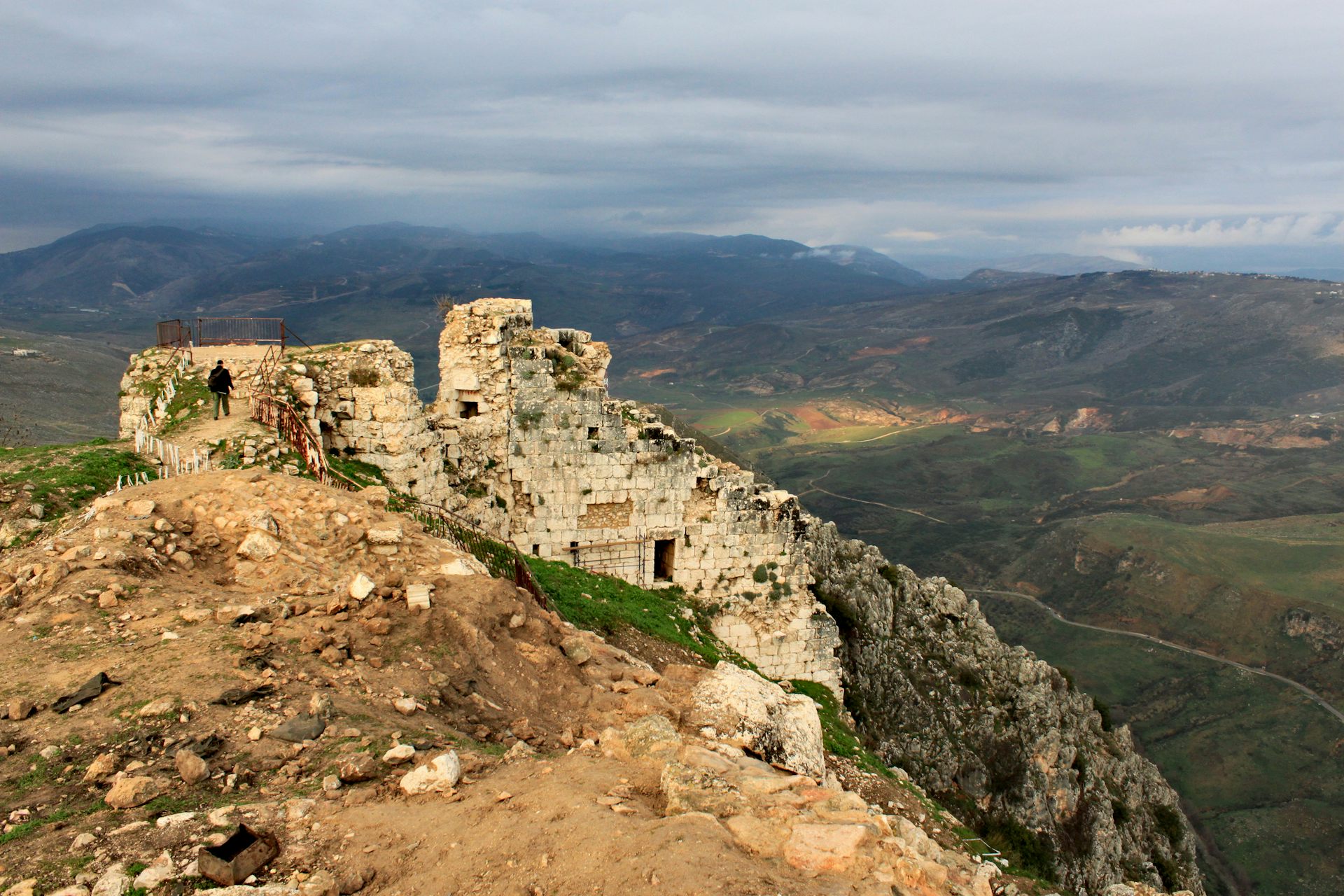
تستولي القوات الإسرائيلية على قلعة بوفورت اللبنانية، وهو موقع يعود للعصر الصليبي وكان يوماً في حوزة فرسان الهيكل
Israeli forces capture Lebanon’s Beaufort Castle, a Crusade-era site once held by the Knights Templar