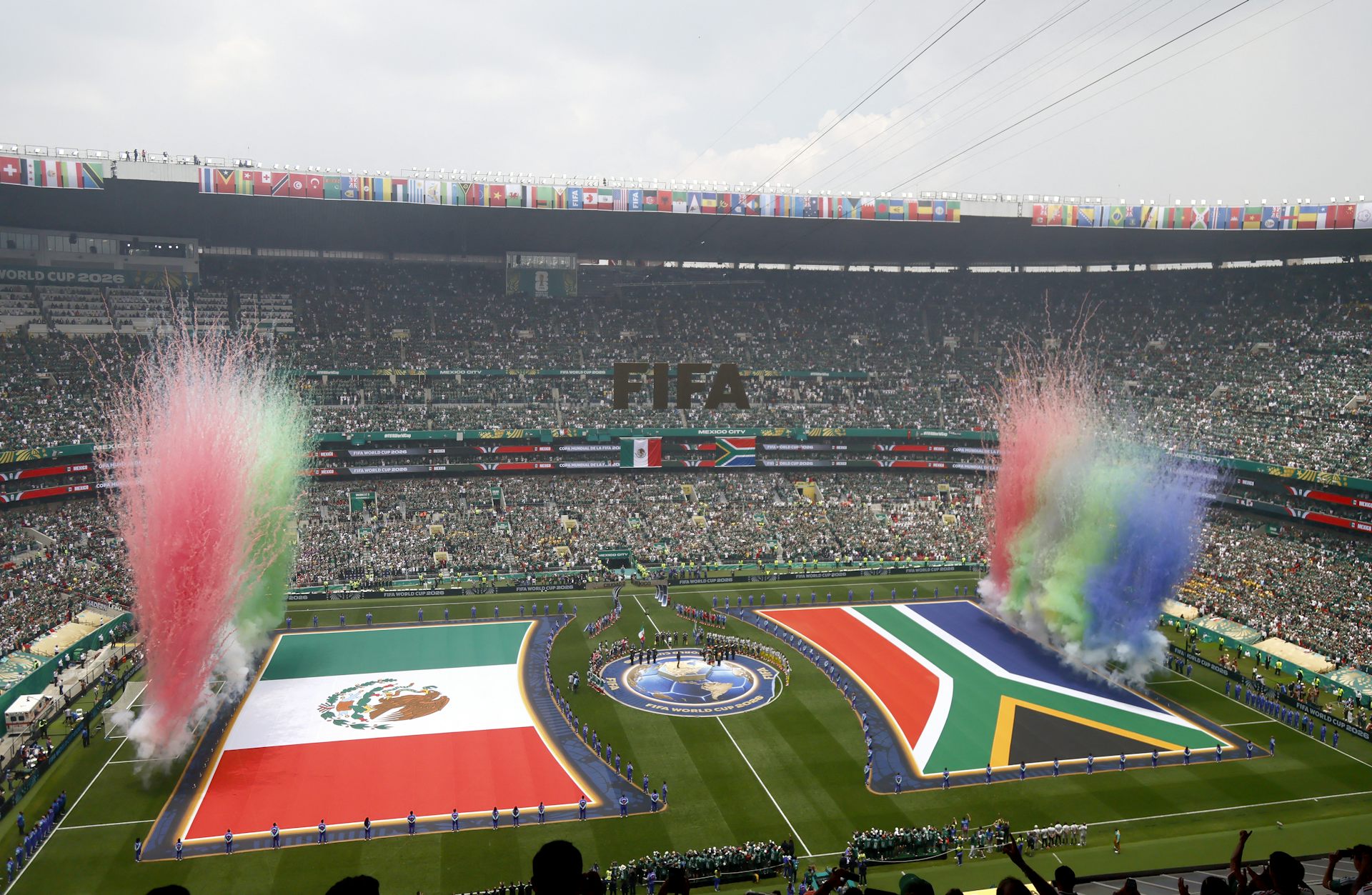
بالنسبة للدول المتنافسة في كأس العالم لكرة القدم، لا يعني الحجم دائمًا الأهداف والمجد
For countries contesting the FIFA World Cup, size doesn’t always mean goals and glory
Among the 48 nations contesting the FIFA World Cup, how much do demographic factors like population and median age matter? See how your national squad compares.
من بين الدول الـ ٤٨ المتنافسة في كأس العالم لكرة القدم، ما مدى أهمية العوامل الديموغرافية مثل عدد السكان ومتوسط العمر؟ شاهد كيف يقارن منتخبك الوطني.
The planet’s biggest sporting event – the FIFA Men’s World Cup – is now underway, drawing a television audience of billions and a stadium audience of millions.
إن أكبر حدث رياضي للكوكب – كأس العالم لكرة القدم للرجال التابع للفيفا – جارٍ الآن، ويجذب جمهوراً تلفزيونياً يبلغ المليارات وجمهوراً في الملعب يبلغ الملايين.
There’s no shortage of other impressive statistics to illustrate the scale of the tournament’s 23rd edition. A record 48 teams have begun playing 108 matches across 16 venues in three North American countries, competing for a record prize pool of nearly US$900 million.
ولا يوجد نقص في الإحصائيات المثيرة الأخرى لتوضيح حجم النسخة الثالثة والعشرين من البطولة. فقد بدأت 48 فريقاً قياسياً بلعب 108 مباريات عبر 16 موقعاً في ثلاث دول أمريكية شمالية، يتنافسون على مجموع جوائز قياسي يقارب 900 مليون دولار أمريكي.
For demographers, a look at the competing countries also offers a snapshot of a world undergoing profound change.
بالنسبة لعلماء الديموغرافيا، فإن النظر إلى البلدان المتنافسة يمنح أيضاً لمحة عن عالم يمر بتغير عميق.
And it raises an intriguing question: how much do factors such as a country’s population size and age alone weigh on chances of success?
وهذا يثير سؤالاً مثيراً: ما مدى تأثير عوامل مثل حجم السكان وعمر الدولة وحدها على فرص النجاح؟
Why size isn’t everything
لماذا الحجم ليس كل شيء
The spread of countries represented this year is remarkable, as is the age range of talent taking to the field.
إن انتشار الدول المشاركة هذا العام أمر لافت للنظر، وكذلك نطاق أعمار المواهب التي تطأ الملعب.
Portugal’s Cristiano Ronaldo is still competing at 41, while Spain’s 18-year-old Lamine Yamal arrives as one of the game’s brightest young stars after helping his country win the European Championship in 2024.
ما زال كريستيانو رونالدو من البرتغال ينافس في سن الـ 41 عاماً، بينما يصل لامين يامال البالغ من العمر 18 عاماً من إسبانيا كواحدة من ألمع النجوم الشباب في اللعبة بعد مساعدة بلاده على الفوز ببطولة أمم أوروبا في عام 2024.
Côte d’Ivoire has brought the youngest squad, with a median age of 25.4, while Iran fields the oldest at 31.3. Those figures might mirror trends at home: Côte d’Ivoire’s median population age is just 18.1 years, compared with 34.3 in Iran.
أحضرت ساحل العاج أصغر تشكيلة، بمتوسط عمر يبلغ 25.4 سنة، بينما يضم إيران الأكبر سناً بمتوسط 31.3 سنة. قد تعكس هذه الأرقام اتجاهات محلية: متوسط العمر السكاني في ساحل العاج هو 18.1 عاماً فقط، مقارنة بـ 34.3 عاماً في إيران.
Still, the relationship between a country’s football team and the age of its population isn’t always straightforward.
ومع ذلك، فإن العلاقة بين المنتخب الوطني لكرة القدم وسن سكانه ليست دائماً واضحة.
Japan has the oldest population of any nation at the tournament, with a median age of 49, while its squad – widely regarded as one of the strongest in Asia – has a median age of just 27.4.
تتمتع اليابان بأقدم سكان أي دولة مشاركة في البطولة، حيث يبلغ متوسط عمرها 49 عاماً، بينما يمتلك فريقها – الذي يُعتبر على نطاق واسع من أقوى الفرق في آسيا – متوسط عمر لا يتجاوز 27.4 عاماً.
That puts it within a statistical sweet spot in the tournament’s history: the optimum average age for a world cup finalist has been cited at between 26 and 28.5 years old.
وهذا يضع اليابان ضمن نقطة مثالية إحصائياً في تاريخ البطولة: حيث أشير إلى أن متوسط العمر الأمثل لنهائي كأس العالم يتراوح بين 26 و 28.5 سنة.
Population size might also seem like an obvious advantage at a world cup.
قد يبدو حجم السكان أيضاً ميزة واضحة في كأس العالم.
More people should mean a larger talent pool to draw from and, indeed, one recent analysis suggested this to be a top predictor for world cup qualification.
يجب أن يعني عدد أكبر من الناس مجموعة مواهب أكبر يمكن الاستفادة منها، بل إن تحليلاً حديثاً أشار إلى أن هذا هو أحد أهم مؤشرات التأهل لكأس العالم.
Brazil would certainly fit this theory. Home to more than 211 million people, it is the second most populous nation at the tournament and its most successful, with five world cup titles.
بالتأكيد ستناسب البرازيل هذه النظرية. فهي موطن لأكثر من 211 مليون نسمة، وهي ثاني أكثر دولة كثافة سكانية في البطولة وأنجحها، بحصولها على خمسة ألقاب لكأس العالم.
At the same time, size can’t ensure victory. The world’s two most populous nations, China and India, have never qualified for a men’s world cup finals, while the United States has reached only one semi-final despite its population exceeding 340 million.
في الوقت نفسه، لا يمكن للحجم أن يضمن النصر. فالدول الأكثر اكتظاظاً بالسكان في العالم، الصين والهند، لم تتأهل قط لنهائيات كأس العالم للرجال، بينما وصل الاتحاد الأمريكي إلى نصف النهائي مرة واحدة فقط على الرغم من تجاوز عدد سكانها 340 مليون نسمة.
The same statistical models that highlight the power of population also reveal glaring anomalies. Italy, boasting a massive reserve of talent, failed to make the cut.
إن نماذج إحصائية مماثلة تسلط الضوء على قوة السكان تكشف أيضاً عن تناقضات صارخة. فقد فشلت إيطاليا، التي تتباهى باحتياطي ضخم من المواهب، في التأهل.
Then there are those small nations that seemingly punch above their demographic weight.
ثم هناك تلك الدول الصغيرة التي تبدو وكأنها تتجاوز وزنها الديموغرافي.
Curaçao, with a population of just 185,000, is the smallest nation ever to qualify for a world cup. Every member of its squad plays professionally overseas – many in the Netherlands – illustrating how football talent can be developed far beyond a country’s borders.
تُعد كوراساو، بسكان يبلغ 185 ألف نسمة فقط، أصغر دولة شاركت في كأس العالم على الإطلاق. يلعب كل عضو في فريقها محترفاً في الخارج – والكثير منهم في هولندا – مما يوضح كيف يمكن تطوير المواهب الكروية بعيداً عن حدود الدولة.
Another stand-out is Uruguay. With a population of just 3.4 million, the South American nation has won the world cup twice and remains one of the sport’s great overachievers.
ومن أبرز الدول أيضاً الأوروغواي. فبسكان يبلغ 3.4 مليون نسمة فقط، فازت هذه الدولة الأمريكية الجنوبية بكأس العالم مرتين ولا تزال واحدة من أكثر الفرق إنجازاً في الرياضة.
Population may help produce football talent, but the world cup suggests other factors have an important part to play.
قد يساعد عدد السكان على إنتاج المواهب الكروية، لكن كأس العالم يشير إلى أن هناك عوامل أخرى تلعب دوراً هاماً.
Demographics and dividends
النص المراد ترجمته إلى اللغة العربية الفصحى الحديثة (MSA):
As recent analyses have suggested, wealth, coaching systems and long-established football cultures can be just as important as the size of a country’s player talent pool.
كما أشارت تحليلات حديثة، يمكن للثروة وأنظمة التدريب والثقافات الكروية الراسخة أن تكون مهمة بقدر أهمية حجم مجموعة مواهب اللاعبين في أي بلد.
The same principle applies away from sport. Demographers have long argued that a country’s prospects can be influenced not just by how many people it has, but by the age structure of its population and how effectively it develops its human capital.
وينطبق المبدأ نفسه بعيداً عن الرياضة. لطالما جادل علماء الديموغرافيا بأن آفاق أي بلد لا تتأثر فقط بعدد سكانه، بل أيضاً بالهيكل العمري لسكانها وبمدى فعاليتها في تطوير رأسمالها البشري.
Many of the tournament’s countries with younger populations – particularly across Africa, Asia and the Pacific – have growing workforces and a large share of young people entering adulthood.
العديد من دول البطولة ذات التجمعات السكانية الأصغر سناً – لا سيما في جميع أنحاء أفريقيا وآسيا والمحيط الهادئ – لديها قوى عاملة متنامية ونسبة كبيرة من الشباب الذين يدخلون مرحلة الرشد.
Economists refer to the opportunities created by a relatively large working-age population as the “demographic dividend”.
يشير الاقتصاديون إلى الفرص التي يخلقها عدد كبير نسبياً من السكان في سن العمل باسم “العائد الديموغرافي.”
Migration is also becoming increasingly important. Across much of Europe, immigration now accounts for a significant share of population growth, helping offset labour shortages and population ageing.
أصبحت الهجرة أيضاً ذات أهمية متزايدة. ففي معظم أنحاء أوروبا، يمثل الوافدون الآن حصة كبيرة من نمو السكان، مما يساعد على تعويض نقص العمالة وشيخوخة السكان.
The world cup reflects this reality, with many national teams drawing on players whose family histories span multiple countries.
يعكس كأس العالم هذه الحقيقة، حيث تعتمد العديد من المنتخبات الوطنية على لاعبين تمتد خلفياتهم العائلية عبر عدة دول.
But neither a youthful population, strong migration nor sheer population size guarantees success – whether on or off the pitch.
لكن لا يضمن أي من التجمعات السكانية الشابة، أو الهجرة القوية، ولا حتى الحجم السكاني الهائل نجاحاً – سواء على أرض الملعب أو خارجه.
The key, if this world cup offers countries any lesson in demography, is investment in people.
المفتاح، إذا كان كأس العالم يقدم أي درس للبلدان في علم الديموغرافيا، فهو الاستثمار في البشر.
The authors do not work for, consult, own shares in or receive funding from any company or organisation that would benefit from this article, and have disclosed no relevant affiliations beyond their academic appointment.
لا يعمل المؤلفون أو يستشارون أو يمتلكون حصصاً في أي شركة أو منظمة تستفيد من هذه المقالة، ولا يتلقون منها التمويل، ولم يفصحوا عن أي انتماءات ذات صلة تتجاوز تعيينهم الأكاديمي.
Read more
-

بينجولز، وكركلبولز، و”بيير باريل بولكا” – تعرض مئات الأعمال المنسية العالم المتنوع للدراسات الأكاديمية عن البيسبول
Bingles, knuckleballs and ‘Beer Barrel Polka’ – hundreds of forgotten works showcase the eclectic world of baseball scholarship
-
ميسي كبير، وقصير وبطيء. كيف لا يزال يهيمن في كأس العالم؟
Messi is old, short and slow. How is he still dominating at the World Cup?