البندقية تغرق – لقد حللنا كل خطة لإنقاذها، ولا أي منها سيحافظ على المدينة كما نعرفها.
Venice is sinking – we analysed every plan to save it, and none would preserve the city as we know it
As sea levels rise, Venice’s options are running out. New research shows that even the most ambitious engineering may only delay the inevitable.
مع ارتفاع مستويات سطح البحر، تنفد خيارات البندقية. وتُظهر أبحاث جديدة أن حتى الهندسة الأكثر طموحاً قد لا تؤخر سوى الحتمي.
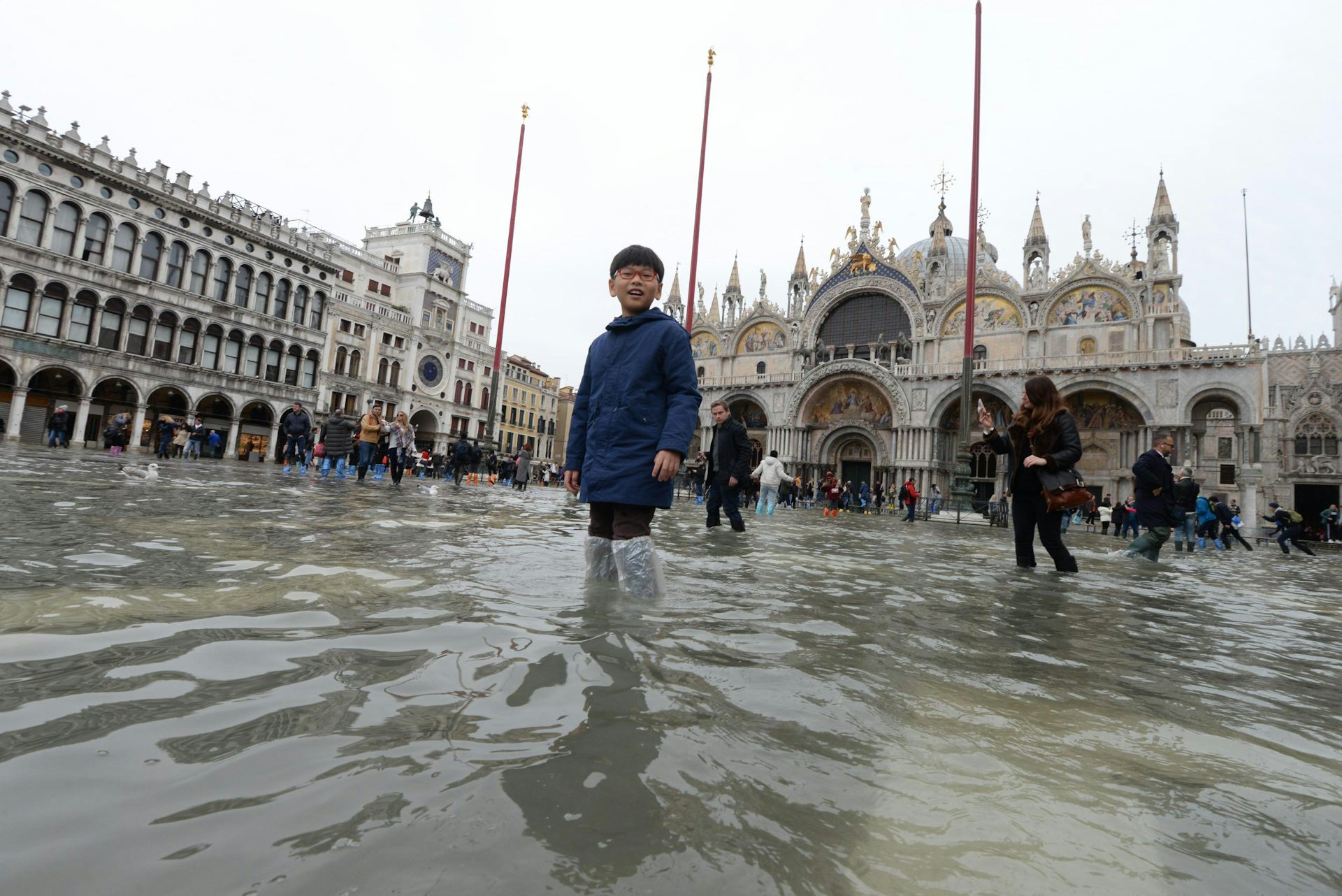
Venice has co-existed with the sea throughout its 1,500-year history, perhaps better than any other city on earth. Yet over the past century it has flooded increasingly often, as the sea rises and the city itself sinks under its own weight.
لقد عاشت البندقية وتعايشت مع البحر طوال تاريخها الذي يمتد لـ 1500 عام، وربما أفضل من أي مدينة أخرى على وجه الأرض. ومع ذلك، فقد غمرها الفيضان بشكل متزايد خلال القرن الماضي، مع ارتفاع مستوى سطح البحر وغرق المدينة نفسها تحت وطأة وزنها.
We recently published an academic analysis of the various options Venice has to ensure its long-term survival.
لقد نشرنا مؤخراً تحليلاً أكاديمياً للخيارات المختلفة المتاحة للبندقية لضمان بقائها على المدى الطويل.
Our study compares a range of possible strategies against different degrees of sea-level rise. These include maintaining the current system of mobile barriers, building ring dykes to separate the city from the lagoon in which it sits, enclosing the whole lagoon within a much larger defence system, or – in the most extreme case – relocating much of the city and its population inland.
تقارن دراستنا مجموعة من الاستراتيجيات الممكنة مقابل درجات مختلفة من ارتفاع مستوى سطح البحر. وتشمل هذه الاستراتيجيات الحفاظ على النظام الحالي للحواجز المتحركة، أو بناء سدود حلقية لعزل المدينة عن البحيرة التي تقع فيها، أو إحاطة البحيرة بأكملها بنظام دفاعي أكبر بكثير، أو – في الحالة الأكثر تطرفاً – نقل جزء كبير من المدينة وسكانها إلى اليابسة الداخلية.
Each option becomes relevant at different points as sea levels rise. The city’s flood defences have already been upgraded substantially, at a cost of €6 billion (£5.2 billion) . This involves a series of huge steel gates attached to the seafloor, known as the Mose barriers. When raised, these barriers effectively seal off the Venetian Lagoon from the wider Mediterranean Sea.
يصبح كل خيار ذا صلة في نقاط مختلفة مع ارتفاع مستويات سطح البحر. لقد تم بالفعل تحديث دفاعات المدينة ضد الفيضانات بشكل كبير، بتكلفة بلغت 6 مليارات يورو (5.2 مليار جنيه إسترليني) . ويتضمن ذلك سلسلة من البوابات الفولاذية الضخمة المتصلة بقاع البحر، والمعروفة باسم حواجز “الموزي” (Mose barriers) . وعند رفعها، تعمل هذه الحواجز على عزل البحيرة البندقية بشكل فعال عن البحر الأبيض المتوسط الأوسع.
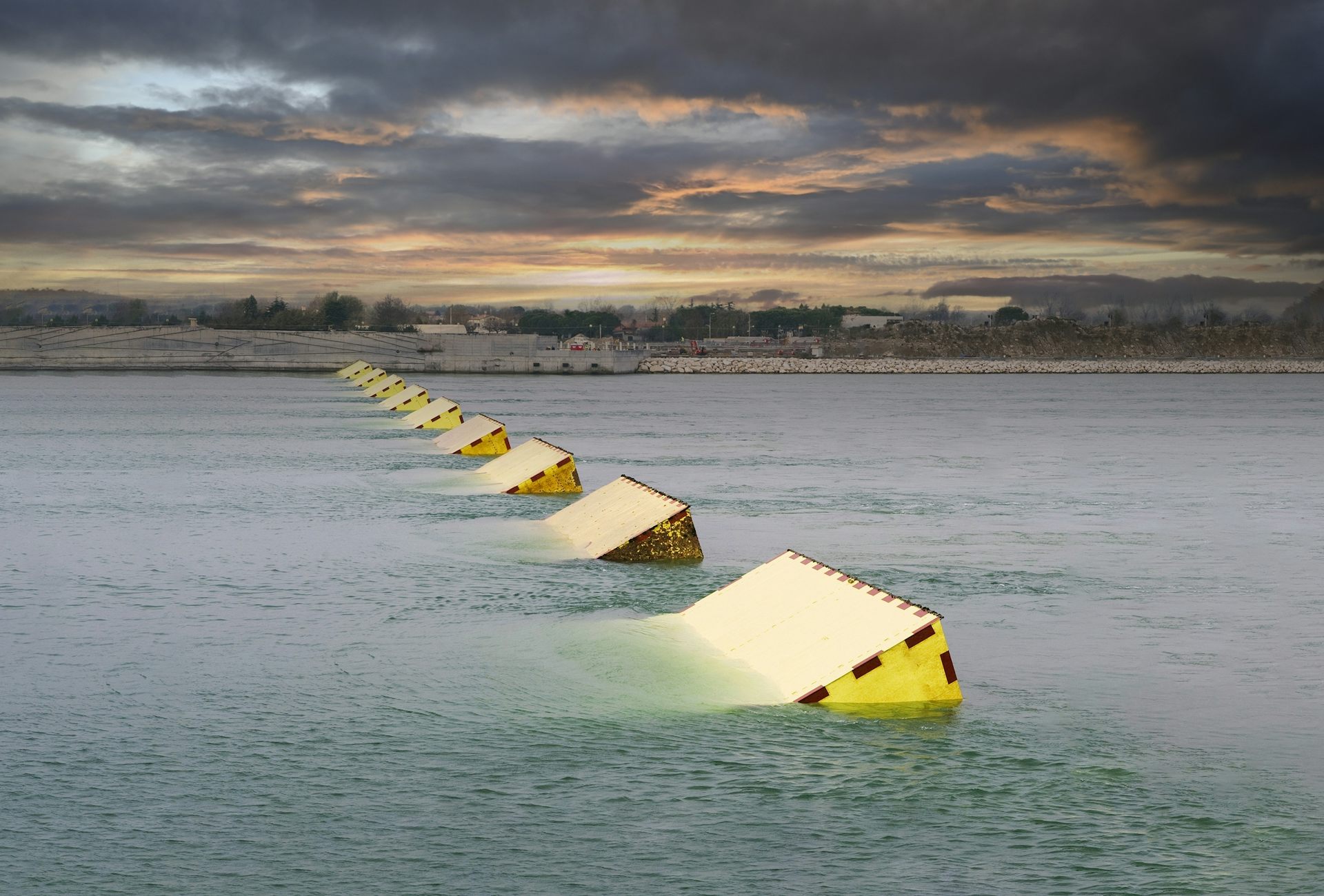
The Mose barriers mean the flood risks are currently manageable, but the frequency of their use is rising. In the first five years of use (between 2020 and 2025) the system was closed for 108 high waters, while in the first two months of 2026 it was activated 30 times. And as sea levels continue to climb, it would need to be closed more and more often – potentially for weeks at a time each year.
تعني حواجز الموزي أن مخاطر الفيضانات قابلة للإدارة حالياً، لكن تكرار استخدامها يتزايد. ففي السنوات الخمس الأولى من الاستخدام (بين عامي 2020 و 2025) ، أُغلق النظام في 108 مواجات عالية، بينما في الشهرين الأولين من عام 2026، تم تفعيله 30 مرة. ومع استمرار ارتفاع مستويات سطح البحر، سيتعين إغلاقه بشكل متكرر أكثر – وربما لأسابيع في كل عام.
This creates a series of problems. Frequent closures would disrupt shipping and tourism, alter the lagoon’s ecology, and would require major new systems for sewage treatment and huge pumps to maintain lagoon water levels. A system designed for occasional protection risks becoming a semi-permanent barrier – something it was never intended to be.
يخلق هذا سلسلة من المشاكل. فالإغلاقات المتكررة ستعطل الشحن والسياحة، وتغير بيئة البحيرة، وتتطلب أنظمة جديدة ضخمة لمعالجة مياه الصرف الصحي ومضخات عملاقة للحفاظ على مستويات مياه البحيرة. إن نظاماً مصمماً للحماية العرضية يواجه خطر أن يصبح حاجزاً شبه دائم – وهو ما لم يكن مقصوداً له أبداً.
With additional measures, such as raising the city by injecting sea water into the rocks deep underground, reversing the subsidence to some degree, these barriers could remain effective for some time – perhaps even after a metre of sea-level rise.
مع تدابير إضافية، مثل رفع المدينة عن طريق حقن مياه البحر في الصخور عميقاً تحت الأرض، مما يعكس جزءاً من الهبوط، يمكن أن تظل هذه الحواجز فعالة لبعض الوقت – وربما حتى بعد ارتفاع مستوى سطح البحر بمتر واحد.
But even under relatively low levels of warming, the sea is projected to keep rising for centuries, eventually pushing beyond what the barriers can handle.
ولكن حتى في مستويات الاحترار المنخفضة نسبياً، من المتوقع أن يستمر البحر في الارتفاع لقرون، ليطغى في نهاية المطاف على ما يمكن أن تتحمله الحواجز.
At that point, more radical measures may be necessary. Building a ring of dykes around the city would physically separate Venice from the lagoon, but may be necessary by the end of this century.
عند تلك النقطة، قد تكون هناك حاجة إلى تدابير أكثر جذرية. إن بناء حلقة من السدود حول المدينة سيفصل البندقية مادياً عن البحيرة، ولكنه قد يكون ضرورياً بحلول نهاية هذا القرن.
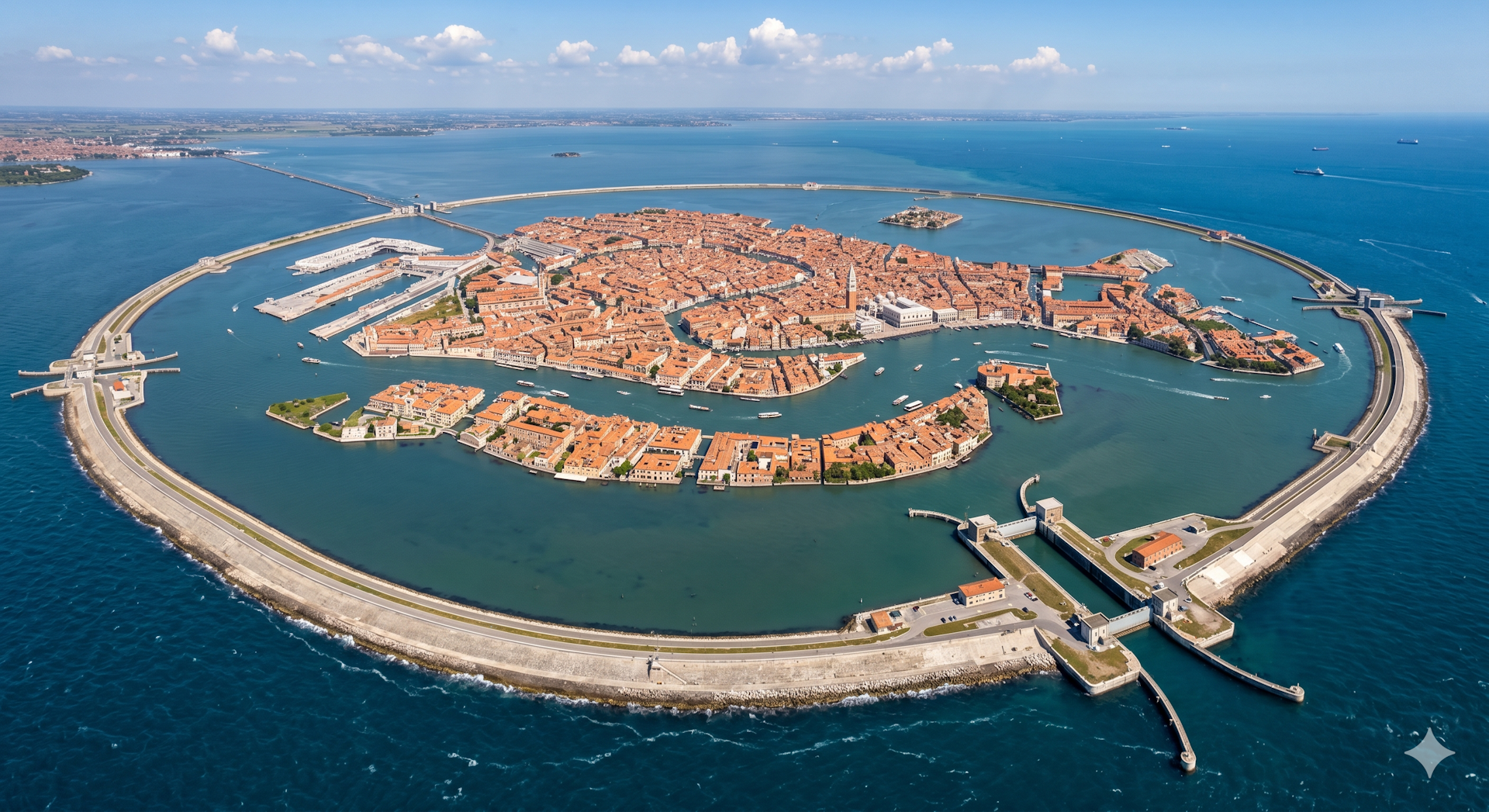
A fully enclosed lagoon – protected by a much larger “super levee” and supported by continuous pumping – could protect the city from up to 10m of sea level rise, but at severe cost to the living lagoon.
يمكن للبحيرة المغلقة بالكامل – المحمية بـ “سد عملاق” أكبر بكثير ومدعومة بالضخ المستمر – أن تحمي المدينة من ارتفاع يصل إلى 10 أمتار في مستوى سطح البحر، ولكن بتكلفة باهظة على البحيرة الحية.
The only other option is to relocate the city to safer ground. This may be necessary beyond about 5m of sea-level rise, which is projected to occur after 2300.
الخيار الوحيد الآخر هو نقل المدينة إلى أرض أكثر أماناً. وقد يكون هذا ضرورياً بعد ارتفاع مستوى سطح البحر بمقدار 5 أمتار تقريباً، وهو ما من المتوقع أن يحدث بعد عام 2300.
Difficult choices ahead
خيارات صعبة في الأفق
The financial costs of these choices are substantial. We used the costs of Mose and other previous engineering projects (adjusted for inflation to 2024 prices) to estimate the cost of each adaptation strategy.
التكاليف المالية لهذه الخيارات كبيرة. لقد استخدمنا تكاليف مشروع “موز” والمشاريع الهندسية السابقة الأخرى (المعدلة حسب التضخم لتصل إلى أسعار عام 2024) لتقدير تكلفة كل استراتيجية تكيّف.
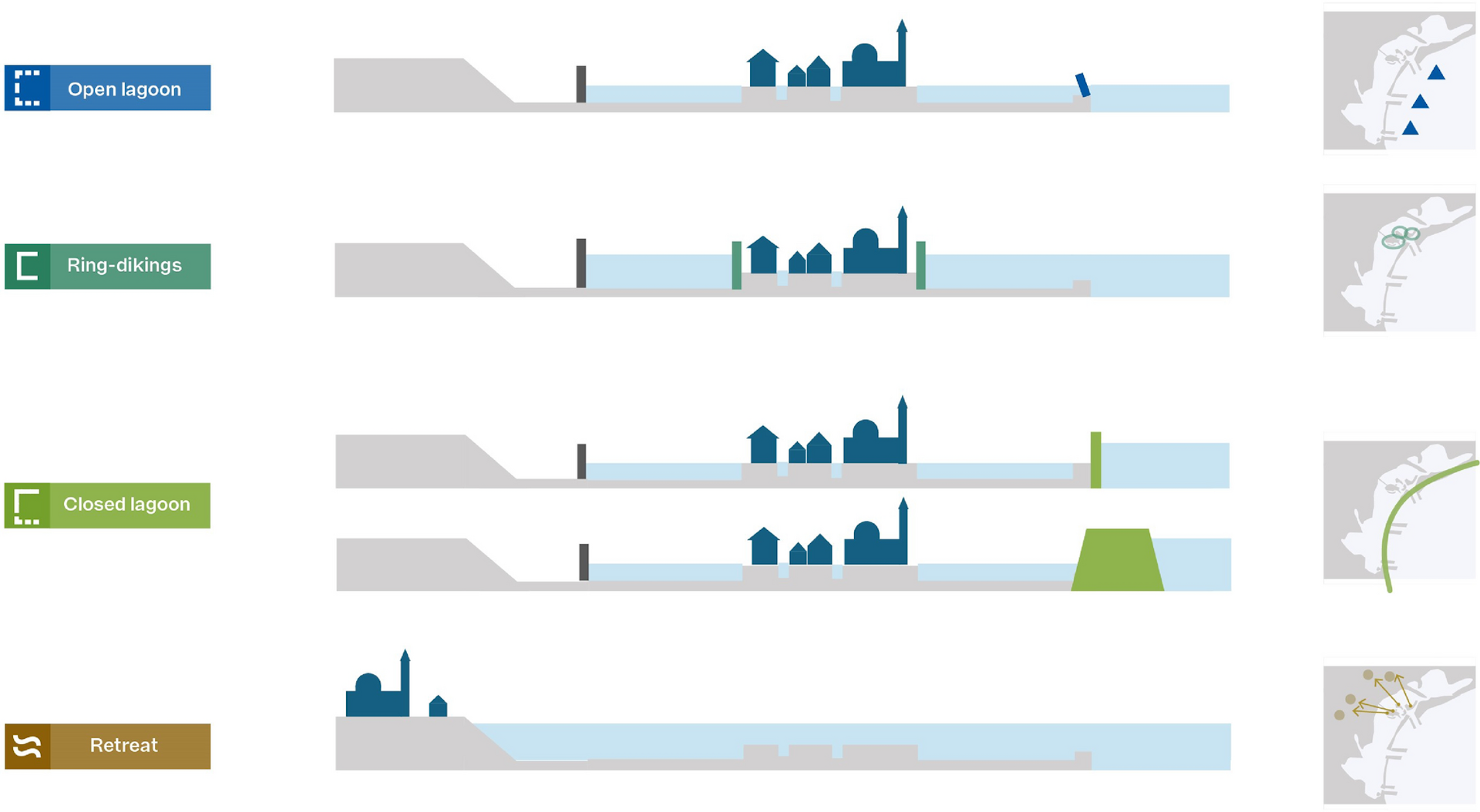
The dykes could cost between €500 million and €4.5 billion. Closing the lagoon with a super levee could initially cost more than €30 billion, and relocating the city could cost up to €100 billion.
يمكن أن تتراوح تكلفة السدود بين 500 مليون يورو و 4.5 مليار يورو. قد تكلف عملية إغلاق البحيرة بسد فائق في البداية أكثر من 30 مليار يورو، وقد تصل تكلفة نقل المدينة إلى 100 مليار يورو.
But costs aren’t the only issue. How do you even put a price on the cultural value of Venice? Especially as none of these measures will be able to sustain the Venice we see today in the long-term. Adaptation can manage change up to a certain point – beyond that, we are no longer preserving the present. Rather, we are designing a fundamentally different future.
لكن التكاليف ليست القضية الوحيدة. كيف يمكن للمرء حتى أن يضع سعراً للقيمة الثقافية للبندقية؟ خاصة وأن أياً من هذه الإجراءات لن يتمكن من الحفاظ على البندقية التي نراها اليوم على المدى الطويل. يمكن للتكيف أن يدير التغيير حتى نقطة معينة – وبعد ذلك، لم نعد نحافظ على الحاضر. بل إننا نصمم مستقبلاً مختلفاً جوهرياً.
Our analysis shows there is no optimal adaptation strategy. Any approach involves trade-offs between the wellbeing and safety of Venice’s residents, economic prosperity, the future of the lagoon’s ecosystems, heritage preservation, and the region’s traditions and culture. In addition, many of these measures can take decades to fully implement, so early planning is essential.
يظهر تحليلنا أنه لا توجد استراتيجية تكيّف مثالية. يتضمن أي نهج مفاضلات بين رفاهية وسلامة سكان البندقية، والازدهار الاقتصادي، ومستقبل النظم البيئية للبحيرة، والحفاظ على التراث، وتقاليد وثقافة المنطقة. بالإضافة إلى ذلك، قد تستغرق العديد من هذه الإجراءات عقوداً لتنفيذها بالكامل، لذا فإن التخطيط المبكر ضروري.
At least Venice is thinking about these things in a long-term way. Most vulnerable coastal areas are not. In fact, many continue to attract businesses and people, even as rising seas gradually narrow the range of viable long-term options.
على الأقل، تفكر البندقية في هذه الأمور على المدى الطويل. أما معظم المناطق الساحلية المعرضة للخطر، فلا تفعل. في الواقع، لا يزال الكثير منها يجذب الأعمال التجارية والأشخاص، حتى مع تضييق البحار المرتفعة تدريجياً من نطاق الخيارات الممكنة على المدى الطويل.
With its long and unique history, Venice has particular challenges, but all low-lying coastal areas should recognise the danger of long-term sea-level rise and start preparing now.
بتاريخها الطويل والفريد، تواجه البندقية تحديات خاصة، ولكن يجب على جميع المناطق الساحلية المنخفضة أن تدرك خطر ارتفاع مستوى سطح البحر على المدى الطويل وأن تبدأ بالاستعداد الآن.
Robert James Nicholls received funding from the Horizon 2020 program of the European Commission through the CoCliCo project (#101003598) .
حصل روبرت جيمس نيكولز على تمويل من برنامج “أفق 2020” للمفوضية الأوروبية من خلال مشروع CoCliCo (#101003598) .
Piero Lionello has received funding from Italian Ministry for Education and Research (PNRR-HPC Center) . Piero LIonello is a member of the Scientific Committee of the International Centre for Climate Change Research and Studies Co-coordinator of the MedECC network (Mediterranean Experts on Environmental and Climate Change)
حصل بييرو ليونييلو على تمويل من وزارة التعليم والبحث الإيطالية (PNRR-HPC Center) . بييرو ليونييلو هو عضو في اللجنة العلمية للمركز الدولي لأبحاث ودراسات تغير المناخ ومنسق شبكة MedECC (الخبراء المتوسطيين في البيئة وتغير المناخ) .
Marjolijn Haasnoot does not work for, consult, own shares in or receive funding from any company or organisation that would benefit from this article, and has disclosed no relevant affiliations beyond their academic appointment.
مارجولين هاسنوت لا تعمل لدى، أو تستشير، أو تمتلك حصصاً في، أو تتلقى تمويلاً من أي شركة أو منظمة ستستفيد من هذه المقالة، ولم تكشف عن أي انتماءات ذات صلة تتجاوز منصبها الأكاديمي.
Read more
-
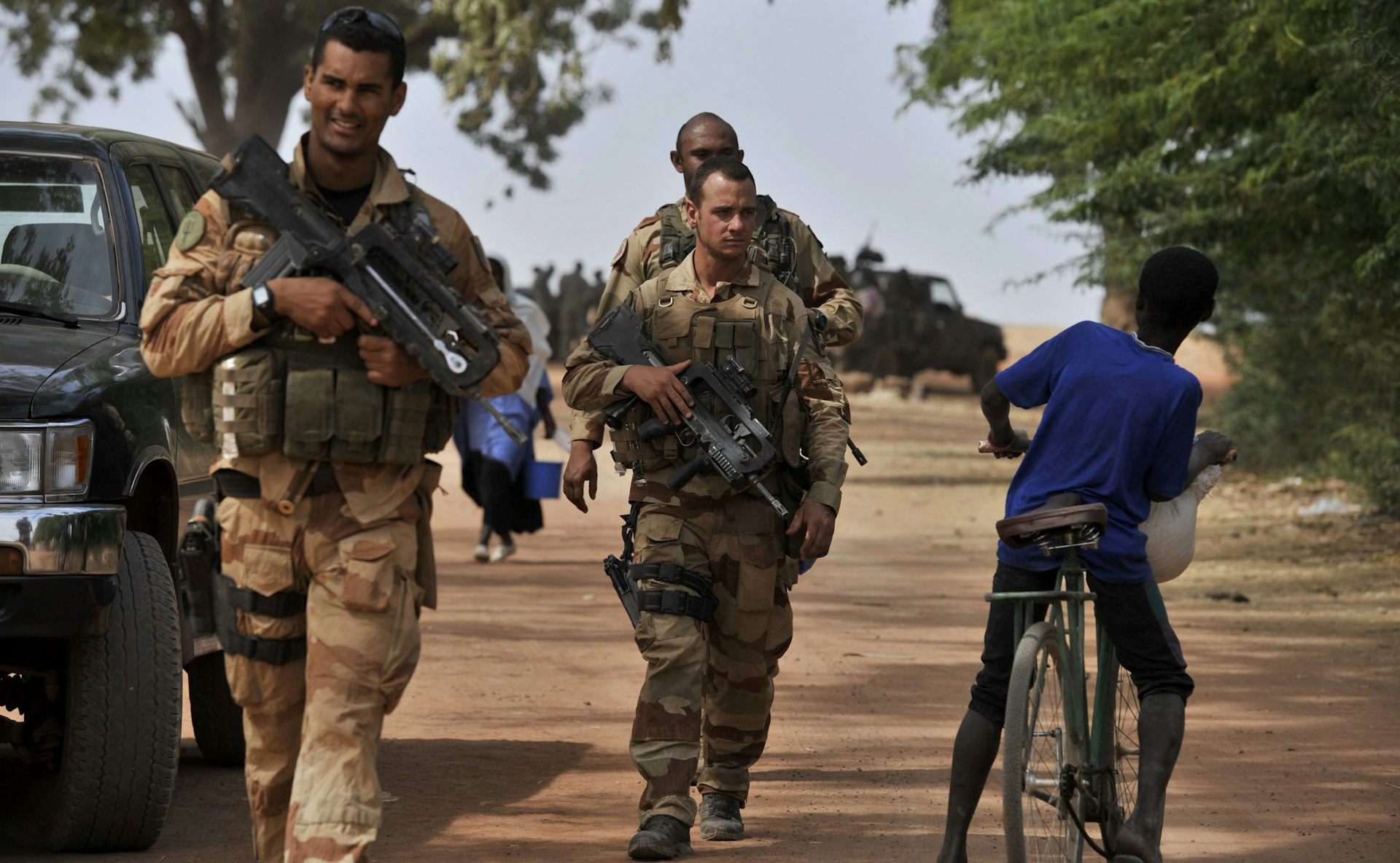
منطقة الساحل أقل أمانًا من أي وقت مضى: القوات الأجنبية لا تزيد إلا من دورة العنف.
The Sahel region is less secure than ever: foreign forces just add to the cycle of violence
-

بينما تخطط شركات سبيس إكس، وأوبن إيه آي، وأنثروبيك لإطلاق منتجات ضخمة، فهل سيجعل ذلك عمالقة الذكاء الاصطناعي أكثر مساءلة؟
As SpaceX, OpenAI and Anthropic plan blockbuster launches, will it make AI giants more accountable?