威尼斯正在沉没——我们分析了所有拯救它的计划,但没有一个能保留我们所知的这座城市
Venice is sinking – we analysed every plan to save it, …
As sea levels rise, Venice’s options are running out. New research shows that even the most ambitious engineering may only delay the inevitable.
随着海平面上升,威尼斯的选择正在耗尽。新的研究表明,即使是最雄心勃勃的工程也只能延缓不可避免的命运。
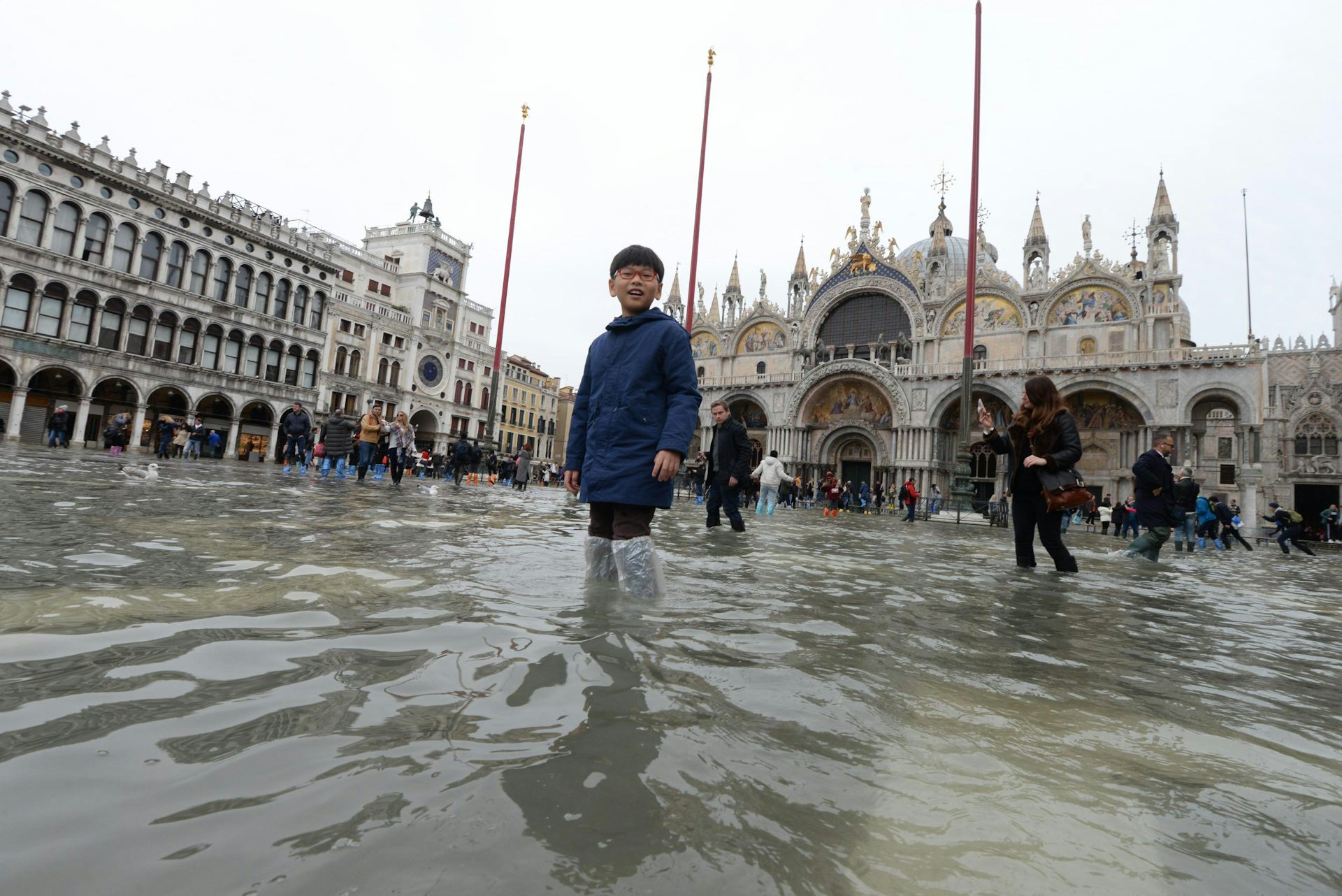
Venice has co-existed with the sea throughout its 1,500-year history, perhaps better than any other city on earth. Yet over the past century it has flooded increasingly often, as the sea rises and the city itself sinks under its own weight.
威尼斯在其1500年的历史中一直与大海共存,或许比地球上的任何其他城市都更成功。然而,在过去的一个世纪里,随着海平面上升和城市自身沉降,它遭受的洪水频率越来越高。
We recently published an academic analysis of the various options Venice has to ensure its long-term survival.
我们最近发表了一篇学术分析,探讨了威尼斯确保长期生存的各种选择。
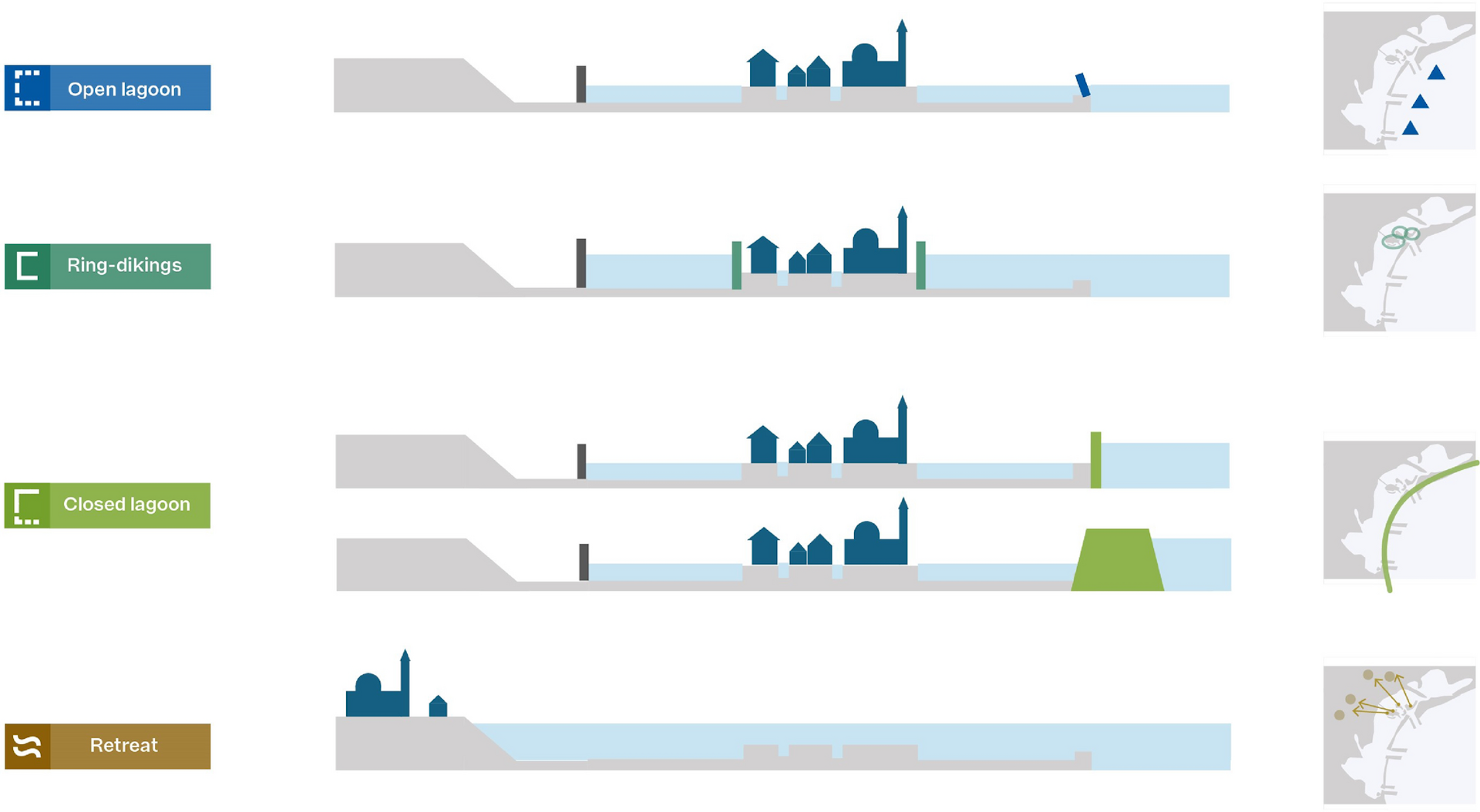
Our study compares a range of possible strategies against different degrees of sea-level rise. These include maintaining the current system of mobile barriers, building ring dykes to separate the city from the lagoon in which it sits, enclosing the whole lagoon within a much larger defence system, or – in the most extreme case – relocating much of the city and its population inland.
我们的研究将一系列可能的策略与不同程度的海平面上升进行了比较。这些策略包括维持现有的移动屏障系统、修建环形堤坝将城市与所在的泻湖隔开、将整个泻湖圈入一个更大的防御系统,或者——在最极端的情况下——将城市的大部分及其人口迁移到内陆。
Each option becomes relevant at different points as sea levels rise. The city’s flood defences have already been upgraded substantially, at a cost of €6 billion (£5.2 billion) . This involves a series of huge steel gates attached to the seafloor, known as the Mose barriers. When raised, these barriers effectively seal off the Venetian Lagoon from the wider Mediterranean Sea.
随着海平面上升,每种选择在不同时间点变得相关。该市的防洪设施已经得到了大幅升级,耗资60亿欧元(52亿英镑)。这涉及一系列固定在海床上的巨大钢门,被称为莫塞屏障(Mose barriers)。当这些屏障升起时,它们有效地将威尼斯泻湖与更广阔的地中海隔离开来。
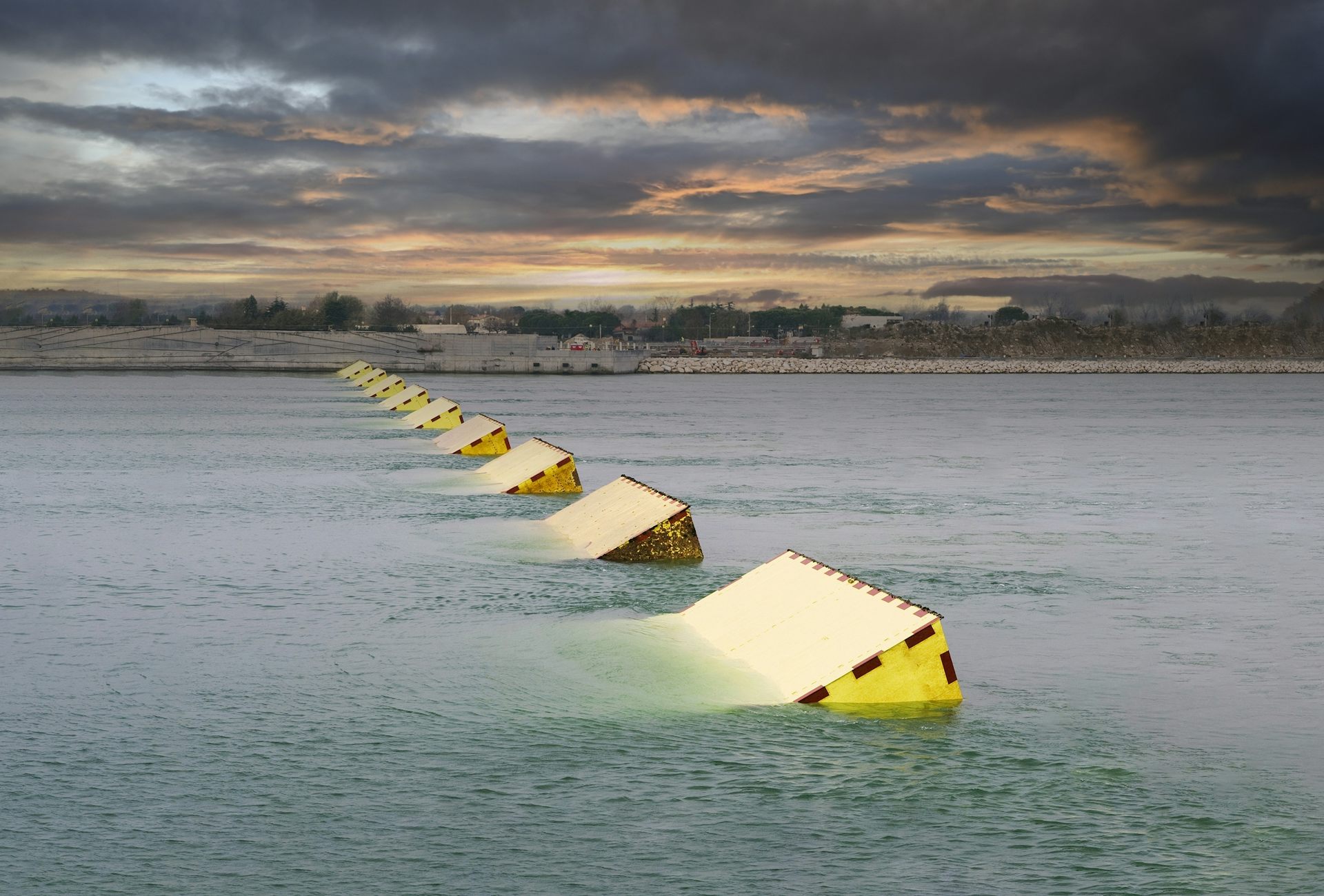
The Mose barriers mean the flood risks are currently manageable, but the frequency of their use is rising. In the first five years of use (between 2020 and 2025) the system was closed for 108 high waters, while in the first two months of 2026 it was activated 30 times. And as sea levels continue to climb, it would need to be closed more and more often – potentially for weeks at a time each year.
莫塞屏障意味着目前的洪水风险是可控的,但其使用频率正在上升。在最初的五年使用期(2020年至2025年间),该系统曾关闭了108次高潮;而在2026年最初的两个月里,它被激活了30次。随着海平面持续上升,它需要更频繁地关闭——每年可能需要持续数周。
This creates a series of problems. Frequent closures would disrupt shipping and tourism, alter the lagoon’s ecology, and would require major new systems for sewage treatment and huge pumps to maintain lagoon water levels. A system designed for occasional protection risks becoming a semi-permanent barrier – something it was never intended to be.
这带来了一系列问题。频繁关闭会扰乱航运和旅游业,改变泻湖的生态,并需要新的污水处理系统和巨大的水泵来维持泻湖的水位。一个原本设计用于偶尔保护的系统,有可能会变成一个半永久性的屏障——这绝非其初衷。
With additional measures, such as raising the city by injecting sea water into the rocks deep underground, reversing the subsidence to some degree, these barriers could remain effective for some time – perhaps even after a metre of sea-level rise.
通过额外的措施,例如向深层岩石注入海水来抬升城市,在一定程度上逆转沉降,这些屏障可以保持一段时间的有效性——甚至在海平面上升一米之后。
But even under relatively low levels of warming, the sea is projected to keep rising for centuries, eventually pushing beyond what the barriers can handle.
但即使在相对较低的变暖水平下,海平面预计仍将持续上升数个世纪,最终超出屏障所能承受的范围。
At that point, more radical measures may be necessary. Building a ring of dykes around the city would physically separate Venice from the lagoon, but may be necessary by the end of this century.
到那时,可能需要采取更激进的措施。在城市周围修建环形堤坝将物理上将威尼斯与泻湖隔开,但这可能在本世纪末成为必要。
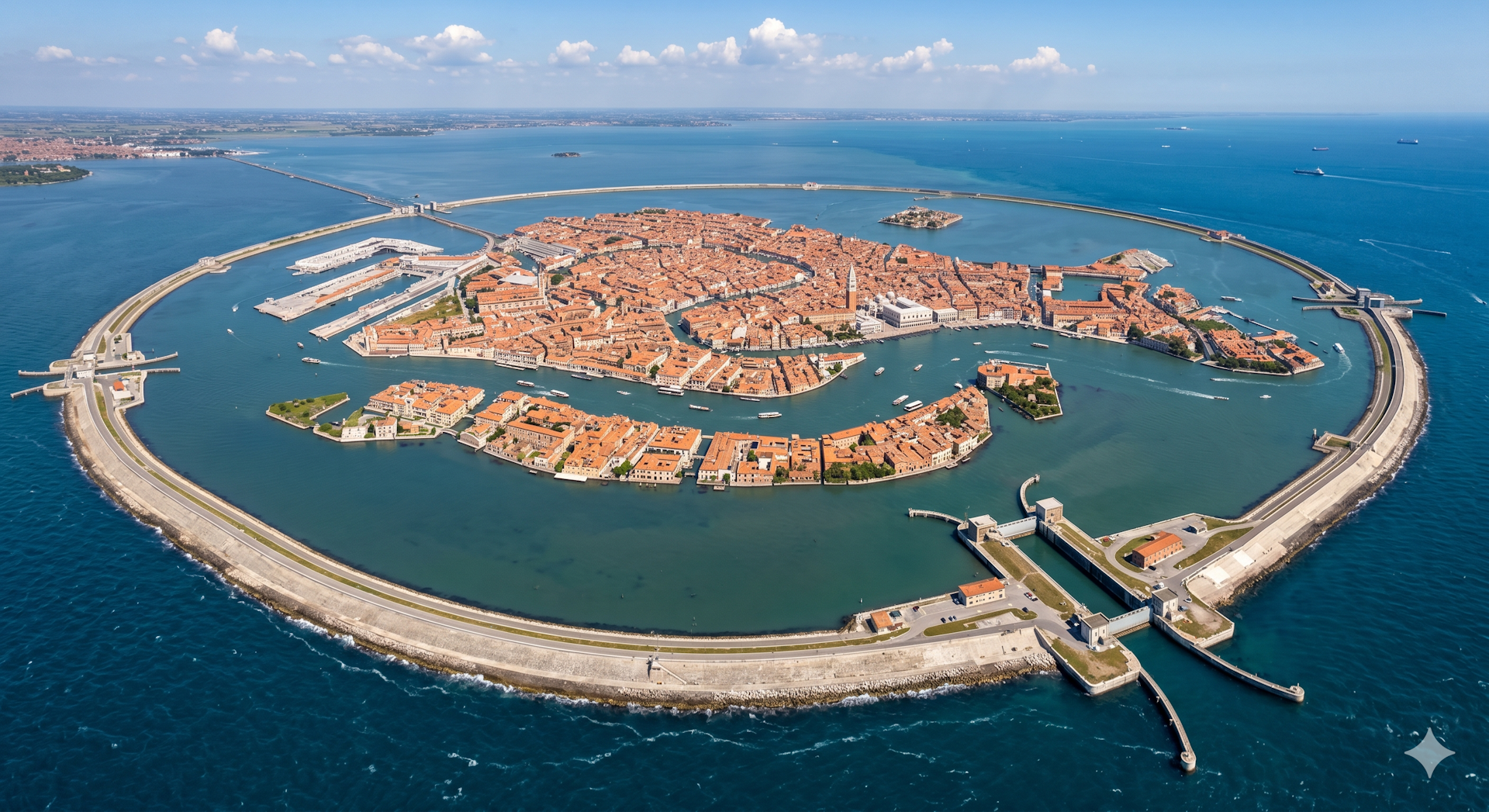
A fully enclosed lagoon – protected by a much larger “super levee” and supported by continuous pumping – could protect the city from up to 10m of sea level rise, but at severe cost to the living lagoon.
一个完全封闭的泻湖——由一个更大的“超级堤坝”保护并依靠持续泵送支持——可以保护城市免受高达10米的海平面上升,但这将对活着的泻湖造成严重损害。
The only other option is to relocate the city to safer ground. This may be necessary beyond about 5m of sea-level rise, which is projected to occur after 2300.
唯一的其他选择是将城市迁移到更安全的地带。这可能在海平面上升约5米之后变得必要,而预计这种情况将在2300年之后发生。
Difficult choices ahead
前方有艰难的选择
The financial costs of these choices are substantial. We used the costs of Mose and other previous engineering projects (adjusted for inflation to 2024 prices) to estimate the cost of each adaptation strategy.
这些选择的经济成本是巨大的。我们利用了莫塞(Mose)和其他先前工程项目(根据通货膨胀调整至2024年价格)的成本,来估算每种适应策略的成本。
The dykes could cost between €500 million and €4.5 billion. Closing the lagoon with a super levee could initially cost more than €30 billion, and relocating the city could cost up to €100 billion.
堤坝的成本可能在5亿欧元到45亿欧元之间。用超级堤坝封闭泻湖的初始成本可能超过300亿欧元,而将城市迁移的成本可能高达1000亿欧元。
But costs aren’t the only issue. How do you even put a price on the cultural value of Venice? Especially as none of these measures will be able to sustain the Venice we see today in the long-term. Adaptation can manage change up to a certain point – beyond that, we are no longer preserving the present. Rather, we are designing a fundamentally different future.
但成本并非唯一问题。如何给威尼斯的文化价值定价?特别是考虑到这些措施在长期内都无法维持我们今天所看到的威尼斯。适应可以管理到一定程度的变化——超出这个范围,我们就不再是保护现在。相反,我们是在设计一个根本不同的未来。
Our analysis shows there is no optimal adaptation strategy. Any approach involves trade-offs between the wellbeing and safety of Venice’s residents, economic prosperity, the future of the lagoon’s ecosystems, heritage preservation, and the region’s traditions and culture. In addition, many of these measures can take decades to fully implement, so early planning is essential.
我们的分析表明,不存在最佳的适应策略。任何方法都涉及威尼斯居民的福祉和安全、经济繁荣、泻湖生态系统的未来、遗产保护以及该地区传统和文化之间的权衡。此外,许多这些措施需要数十年才能完全实施,因此尽早规划至关重要。
At least Venice is thinking about these things in a long-term way. Most vulnerable coastal areas are not. In fact, many continue to attract businesses and people, even as rising seas gradually narrow the range of viable long-term options.
至少威尼斯是在从长远角度考虑这些问题的。大多数脆弱的沿海地区没有。事实上,即使海平面上升逐渐缩小了可行的长期选择范围,许多地区仍然吸引着企业和人群。
With its long and unique history, Venice has particular challenges, but all low-lying coastal areas should recognise the danger of long-term sea-level rise and start preparing now.
威尼斯拥有悠久而独特的历史,面临着特殊的挑战,但所有低洼沿海地区都应该认识到长期海平面上升的危险,并现在开始做准备。
Robert James Nicholls received funding from the Horizon 2020 program of the European Commission through the CoCliCo project (#101003598) .
Robert James Nicholls 获得了欧盟委员会“地平线2020”计划通过 CoCliCo 项目(#101003598)的资助。
Piero Lionello has received funding from Italian Ministry for Education and Research (PNRR-HPC Center) . Piero LIonello is a member of the Scientific Committee of the International Centre for Climate Change Research and Studies Co-coordinator of the MedECC network (Mediterranean Experts on Environmental and Climate Change)
Piero Lionello 获得了意大利教育部和研究部的资助(PNRR-HPC 中心)。Piero Lionello 是国际气候变化研究与研究中心的科学委员会成员,也是 MedECC 网络(地中海环境和气候变化专家)的联合协调员。
Marjolijn Haasnoot does not work for, consult, own shares in or receive funding from any company or organisation that would benefit from this article, and has disclosed no relevant affiliations beyond their academic appointment.
Marjolijn Haasnoot 不受任何受益于本文的公司或组织的雇佣、咨询、拥有股份或获得资助,并且除了其学术任命之外,未披露任何相关隶属关系。