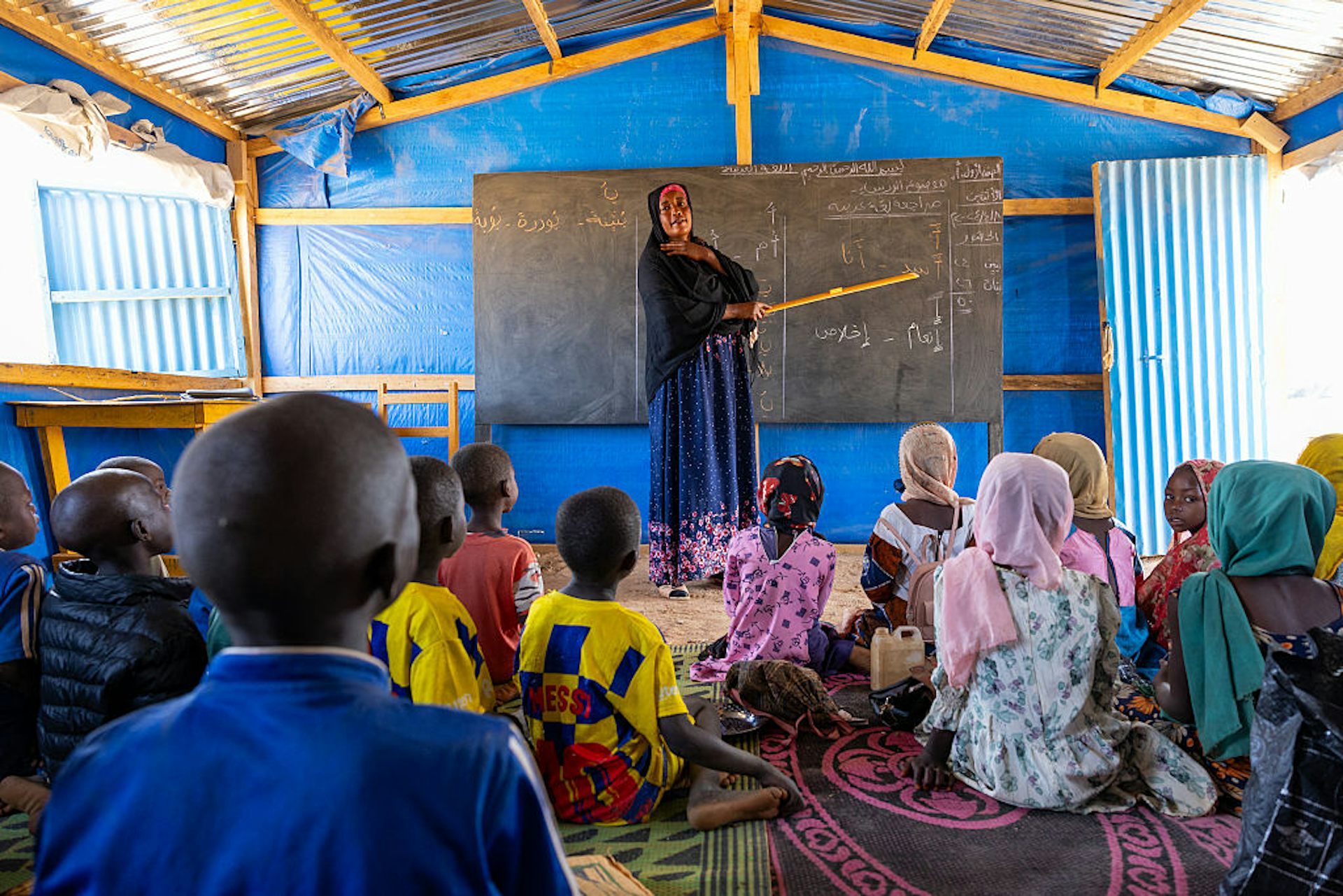
100 مليون طفل أفريقي لا يذهبون إلى المدرسة. ما الذي يدفع هذا الاتجاه وكيف يمكن عكسه؟
100 million African children are not in school. What’s driving the trend and how to reverse it
Eroding the gains made in education has severe consequences, especially for girls.
إن تآكل المكاسب التي تحققت في التعليم له عواقب وخيمة، خاصة بالنسبة للفتيات.
Many countries across Africa have embraced universal basic education policies in recent decades. But recent data has revealed that more than 100 million children and adolescents remain out of school, out of a total potential population of 469 million. The latest statistics suggest that after some years of progress, the situation is deteriorating. Education and youth empowerment scholar Moses Ngware and his co-researchers recently carried out an analysis of trends going back 25 years. Their main findings are set out below.
لقد تبنت العديد من الدول في جميع أنحاء أفريقيا سياسات التعليم الأساسي الشامل في العقود الأخيرة. لكن البيانات الحديثة كشفت أن أكثر من 100 مليون طفل ومراهق لا يزالون خارج المدرسة، من إجمالي عدد سكاني محتمل قدره 469 مليون نسمة. تشير أحدث الإحصائيات إلى أنه بعد بعض السنوات من التقدم، تتدهور الأوضاع. أجرى الباحث موسيس نغوار وخبرائه المشاركون في تمكين الشباب مؤخرًا تحليلًا للاتجاهات تعود إلى 25 عامًا. تترتب على ذلك النتائج الرئيسية لديهم أدناه.
What are the school attendance trends in Africa across all age groups?
ما هي اتجاهات الحضور المدرسي في أفريقيا عبر جميع الفئات العمرية؟
In 2000, the number of out-of-school children in primary school, lower secondary and upper secondary was above 100 million. It was down to about 90 million in 2014, and then up again to 100 million by 2025.
في عام 2000، كان عدد الأطفال غير الملتحقين بالمدارس في المرحلة الابتدائية والثانوية الدنيا والثانوية العليا يزيد عن 100 مليون طفل. وانخفض إلى حوالي 90 مليونًا في عام 2014، ثم ارتفع مرة أخرى إلى 100 مليون في عام 2025.
Viewed against Africa’s high population growth of above 2.5%, these absolute numbers suggest that school participation is not keeping pace.
بالنظر إلى النمو السكاني المرتفع لأفريقيا الذي يزيد عن 2.5%، تشير هذه الأرقام المطلقة إلى أن المشاركة في المدرسة لا تواكب هذا النمو.
Nevertheless, between 2000 and 2024, the proportion of out-of-school children and adolescents declined at all education levels. It fell from 37% to 20% for primary schools; from 47% to 35% for lower secondary and from 56% to 47% for upper secondary school-age children. This is despite the absolute numbers of out-of-school children remaining high.
ومع ذلك، بين عامي 2000 و 2024، انخفضت نسبة الأطفال والمراهقين غير الملتحقين بالمدارس في جميع المستويات التعليمية. انخفضت النسبة من 37% إلى 20% للمدارس الابتدائية؛ ومن 47% إلى 35% للمدارس الثانوية الدنيا؛ ومن 56% إلى 47% لأطفال المرحلة الثانوية. ويحدث هذا على الرغم من بقاء الأرقام المطلقة للأطفال غير الملتحقين بالمدارس مرتفعة.
Countries that showed greatest improvement included Côte d’Ivoire, Ethiopia, Guinea, Madagascar and Mozambique. Improvements were driven by at least two main factors. First, targeted policy responses that enabled them to achieve good coverage in a short time. Second, a strong political will combined with a multi-sectoral approach. The approaches included combining conditional cash transfers for households, food supplies, expanding access to schools and implementing universal education policies that reduce cost of schooling for households.
شملت البلدان التي أظهرت أكبر تحسن كوت ديفوار وإثيوبيا وغينيا ومدغشقر وموزمبيق. وقد قادت التحسينات عاملين رئيسيين على الأقل. أولاً، الاستجابات السياساتية الموجهة التي مكنتها من تحقيق تغطية جيدة في وقت قصير. ثانياً، الإرادة السياسية القوية مقترنة بنهج متعدد القطاعات. وشملت هذه المناهج الجمع بين التحويلات النقدية المشروطة للأسر، وإمدادات الغذاء، وتوسيع الوصول إلى المدارس، وتطبيق سياسات التعليم الشامل التي تقلل من تكلفة الدراسة للأسر.
On the other hand, there are countries that made little or no progress. They include Angola, Cape Verde, Lesotho, South Sudan and Zimbabwe. The main drivers of the low progress are:
من ناحية أخرى، هناك بلدان لم تحقق تقدمًا ضئيلاً أو لا تقدمًا على الإطلاق. وتشمل هذه البلدان أنغولا وكاب فيردي ليسوتو وجنوب السودان وزيمبابوي. وتتمثل المحركات الرئيسية لهذا التقدم المنخفض فيما يلي:
political instability, as seen in South Sudan
عدم الاستقرار السياسي، كما شوهد في جنوب السودان
poor economic performance, as witnessed in Zimbabwe
الأداء الاقتصادي الضعيف، كما شوهد في زيمبابوي
the high opportunity cost of schooling, as seen in Lesotho, where boys drop out due to poverty related coping mechanisms, including herding cattle, with only one in every five boys completing grade 12.
التكلفة العالية للفرصة في التعليم، كما شوهد في ليسوتو، حيث يتسرب الأولاد بسبب آليات التكيف المتعلقة بالفقر، بما في ذلك رعي الماشية، حيث لا يكمل سوى واحد من كل خمسة أولاد الصف الثاني عشر.
What are the notable changes in recent years?
ما هي التغيرات الملحوظة في السنوات الأخيرة؟
In the past five years, we have seen a steady increase in absolute numbers of out-of-school children and adolescents from 95 million to 100 million, with an average of about 1 million children either not transitioning from primary to secondary school or leaving school or not joining school at all.
شهدنا خلال السنوات الخمس الماضية زيادة مطردة في الأعداد المطلقة للأطفال والمراهقين خارج المدرسة، حيث ارتفعت من 95 مليوناً إلى 100 مليون، بمتوسط حوالي مليون طفل إما لا ينتقلون من المرحلة الابتدائية إلى المرحلة الثانوية، أو يتركون المدرسة، أو لا يلتحقون بالمدرسة على الإطلاق.
There are two main drivers of such a trend. First, finance – the fizzling effect of the universal basic education subsidies of the early 2000s. These subsidies made basic education affordable to many households. Of the 42 African countries with free education in their policies, only three were in a position to offer free schooling in 2025. Donor funding of education by multilateral organisations has also been reduced, with education aid in Africa declining by 7% in 2024. Second, the negative impact of COVID-19, with about 10 million who left school due to the lockdowns never to return, for various reasons, including forced marriages among girls and child labour for boys.
هناك محركان رئيسيان لهذا الاتجاه. أولاً، التمويل – التأثير المتلاشي لدعم التعليم الأساسي الشامل في أوائل الألفية الثالثة. فقد جعلت هذه المنح التعليم الأساسي ميسور التكلفة للعديد من الأسر. ومن أصل 42 دولة أفريقية تدرج التعليم المجاني في سياساتها، لم تكن سوى ثلاث دول قادرة على توفير التعليم المجاني في عام 2025. كما تم خفض تمويل التعليم من قبل المنظمات متعددة الأطراف، حيث انخفضت المساعدات التعليمية في أفريقيا بنسبة 7% في عام 2024. ثانياً، التأثير السلبي لجائحة كوفيد-19، حيث لم يعد حوالي 10 ملايين شخص تركوا المدرسة بسبب الإغلاقات، وذلك لأسباب مختلفة، بما في ذلك الزواج القسري بين الفتيات وعمالة الأطفال للأولاد.
Across all the schooling levels, higher than before rates of out-of-school children and adolescents were observed in the Sahel region, in Central African Republic, Chad, Mauritania and northern Nigeria. These countries or regions are characterised by politically motivated violence, harsh climatic changes and a history of low school participation.
لوحظت عبر جميع مستويات التعليم معدلات أعلى من ذي قبل للأطفال والمراهقين خارج المدرسة في منطقة الساحل، وفي جمهورية أفريقيا الوسطى، وتشاد، وموريتانيا، ونيجيريا الشمالية. تتسم هذه البلدان أو المناطق بالعنف بدافع سياسي، والتغيرات المناخية القاسية، وتاريخ من ضعف المشاركة المدرسية.
Why is school completion important for societies?
لماذا يُعد إكمال التعليم مهمًا للمجتمعات؟
The main benefits to societies of school completion include transition to decent work, girls’ empowerment, and improved health outcomes. An additional year of schooling increases an individual’s lifetime earnings by about 10% on average, with a potential to increase an individual’s purchasing power. Such benefits can also trickle down to households through providing household financial stability and enhanced family support.
تشمل الفوائد الرئيسية لإكمال التعليم للمجتمعات الانتقال إلى عمل لائق، وتمكين الفتيات، وتحسين النتائج الصحية. تزيد سنة دراسية إضافية دخل الفرد مدى الحياة بنحو 10% في المتوسط، مع إمكانية زيادة القوة الشرائية للفرد. يمكن لهذه الفوائد أيضًا أن تنتقل إلى الأسر من خلال توفير الاستقرار المالي للأسرة ودعم الأسرة المعزز.
For girls, school completion is critical for participation in decision making at societal level. Research shows that a woman’s power to make decisions, such as education for her children or where to invest, increases with education attainment. This has a bearing on economic independence and gender equity within the society.
بالنسبة للفتيات، يعد إكمال التعليم أمرًا بالغ الأهمية للمشاركة في صنع القرار على المستوى المجتمعي. تُظهر الأبحاث أن قوة المرأة في اتخاذ القرارات، مثل تعليم أطفالها أو أين تستثمر، تزداد مع مستوى التعليم المتحصل عليه. وهذا له تأثير على الاستقلال الاقتصادي والمساواة بين الجنسين داخل المجتمع.
Furthermore, and related to these two benefits, children of mothers who have completed secondary education have a 45% lower under-3 mortality rate. This implies that such children have about half the risk of death before age 3 compared to those born to mothers with no education.
علاوة على ذلك، وفيما يتعلق بهذه الفوائد، فإن أطفال الأمهات اللاتي أكملن التعليم الثانوي لديهن معدل وفيات أقل بنسبة 45% تحت سن الثالثة. وهذا يعني أن مثل هؤلاء الأطفال لديهم نصف خطر الوفاة قبل سن الثالثة مقارنة بأولئك الذين ولدوا لأمهات بلا تعليم.
What are the gender dynamics?
ما هي الديناميكيات الجندرية؟
By 2025, the proportion of males that were out of school, at 51%, was only slightly higher than that of females. However, the out-of-school female rate was on the rise – up by two percentage points in 10 years.
بحلول عام 2025، كانت نسبة الذكور الذين لم يكملوا التعليم، والبالغة 51%، أعلى قليلاً من نسبة الإناث. ومع ذلك، كانت نسبة الإناث اللاتي لم يكملن التعليم في تزايد – بزيادة نقطتين مئويتين على مدى 10 سنوات.
If this growth continues, then the proportion of out-of-school females will overtake that of males in the coming years. This will compound the vulnerabilities disadvantaged girls face in their schooling journey and transition to work.
إذا استمر هذا النمو، فستتجاوز نسبة الإناث اللاتي لم يكملن التعليم نسبة الذكور في السنوات القادمة. وهذا سيزيد من نقاط الضعف التي تواجهها الفتيات المحرومات في رحلة تعليمهن وانتقالهن إلى العمل.
In addition, the gains made in the last three decades in closing gender gaps in education will be eroded. Eroding the gains made in education has severe consequences, especially for girls. For instance, we are likely to see an increase in females getting married much earlier, and child bearing among adolescents may also increase.
علاوة على ذلك، سيتم تآكل المكاسب التي تحققت في العقود الثلاثة الماضية في سد الفجوات بين الجنسين في التعليم. إن تآكل المكاسب التي تحققت في التعليم له عواقب وخيمة، خاصة بالنسبة للفتيات. على سبيل المثال، من المرجح أن نشهد زيادة في زواج الإناث في سن مبكرة بكثير، وقد تزداد أيضاً معدلات الإنجاب بين المراهقات.
What lessons can we learn from the better-placed countries?
ما هي الدروس التي يمكننا تعلمها من البلدان الأفضل وضعاً؟
There are a number of important lessons to be learnt from countries that have lowered the number of out-of-school children and adolescents.
هناك عدد من الدروس المهمة التي يجب تعلمها من البلدان التي خفضت عدد الأطفال والمراهقين خارج المدرسة.
First, Algeria, Ghana, Kenya and Rwanda have relied on a strong national policy framework backed by political good will, high-level central coordination and donor-partner support.
أولاً، اعتمدت الجزائر وغانا وكينيا ورواندا على إطار سياسات وطني قوي مدعوم بالحسن النية السياسية، والتنسيق المركزي رفيع المستوى، ودعم المانحين والشركاء.
Second is the importance of targeted social support such as school feeding and conditional cash transfers. Close evaluations using hard data are needed.
ثانياً، تكمن الأهمية في الدعم الاجتماعي الموجه مثل التغذية المدرسية والتحويلات النقدية المشروطة. هناك حاجة إلى تقييمات دقيقة باستخدام بيانات صلبة.
Third is the elimination of significant direct fees or levies at basic education level, with timely financial disbursements and school supplies.
ثالثاً، هو إلغاء الرسوم أو الضرائب المباشرة الكبيرة على مستوى التعليم الأساسي، مع صرف مالي وفي الوقت المناسب ومستلزمات مدرسية.
Fourth is the lesson that affirmative action for vulnerable populations is an invaluable investment. These populations include disadvantaged girls, children from remote rural areas, children with disabilities, and children from poor households.
رابعاً، الدرس هو أن العمل الإيجابي (أو الإجراءات التفضيلية) للسكان الضعفاء هو استثمار لا يقدر بثمن. تشمل هذه الفئات الفتيات المحرومات، والأطفال من المناطق الريفية النائية، والأطفال ذوي الإعاقة، والأطفال من الأسر الفقيرة.
Finally, there are other interventions that can add value depending on the context. These include reducing travel distance through expanding infrastructure, and flexible school entry, such as late entry to improve participation. Another is catch-up programmes, which means accelerating progression to recover lost time and learning.
أخيراً، هناك تدخلات أخرى يمكن أن تضيف قيمة اعتماداً على السياق. وتشمل هذه التدخلات تقليل مسافة السفر من خلال توسيع البنية التحتية، والدخول المرن إلى المدرسة، مثل التسجيل المتأخر لتحسين المشاركة. وآخر هو برامج اللحاق بالركب، والتي تعني تسريع التقدم لاستعادة الوقت والتعلم الضائع.
Moses Ngware receives funding from. African Population and Health Research Center (APHRC)
يتلقى موسيس نغوار تمويلاً من مركز أبحاث السكان والصحة الأفريقية (APHRC) .
Read more
-

أنياب العنكبوت هي إحدى أكثر سماته رعباً – تكشف أحافير جديدة عن أصولها
Spider fangs are one of their scariest features – new fossils reveal their origins
-

“تسريحة الذيل الإلهية”، وفضائح المخدرات ومطاردة أوجي سيمبسون: نظرة إلى كأس العالم في الولايات المتحدة عام 1994
The ‘Divine Ponytail’, drug scandals and the OJ Simpson chase: looking back at the 1994 US World Cup