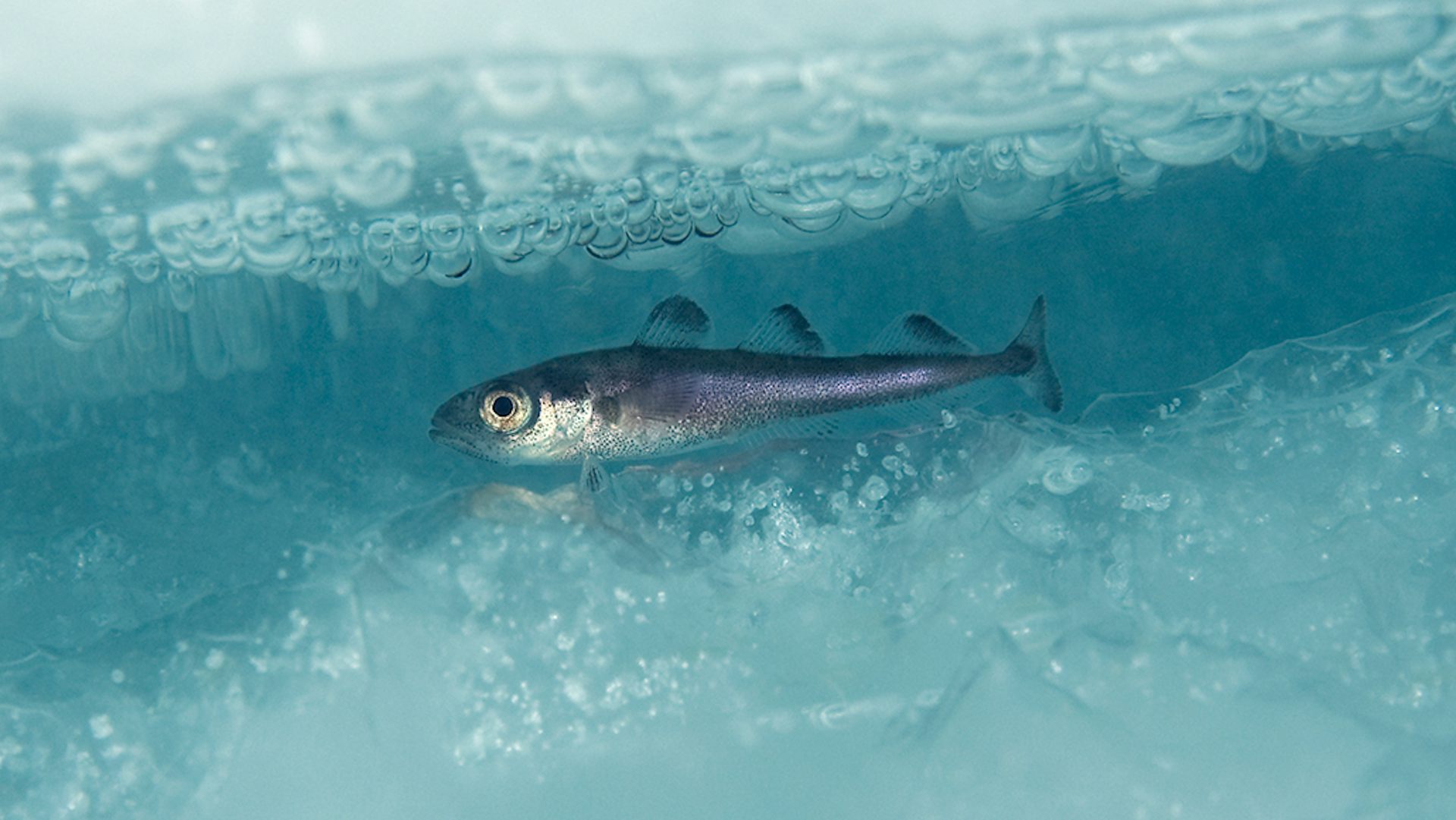
لقد أبقت اتفاقية صيد الأسماك الناجحة في القطب الشمالي روسيا والصين والولايات المتحدة وغيرهما على العمل معًا لمدة 5 سنوات – وقد تكون نموذجاً للدبلوماسية المستقبلية.
This successful Arctic fishing treaty has kept Russia, China, the US and others working together for 5 years – it could be a model for future diplomacy
As sea ice melts, more of the Arctic Ocean opens up. A former ambassador explains how this treaty creates time for scientists to figure out what lives there.
مع ذوبان الجليد البحري، يتكشف المزيد من المحيط المتجمد الشمالي. يشرح سفير سابق كيف أن هذه المعاهدة توفر وقتاً للعلماء لتحديد الكائنات التي تعيش هناك.
Lately, much of the news about the Arctic has been bleak. The far north is warming three to four times faster than the rest of the planet. Arctic climate change – manifesting in sea ice loss, permafrost thaw and coastal erosion, among other phenomena – is already causing serious problems for Arctic residents, ecosystems and the rest of the planet.
في الآونة الأخيرة، كان جزء كبير من الأخبار المتعلقة بالقطب الشمالي قاتماً. فالشمال الأقصى يزداد دفئاً بمعدل يتراوح بين ثلاثة وأربعة أضعاف بقية الكوكب. إن تغير المناخ في القطب الشمالي – الذي يتجلى في فقدان الجليد البحري، وذوبان التربة الصقيعية، وتآكل السواحل، من بين ظواهر أخرى – يسبب بالفعل مشاكل خطيرة للسكان والنظم البيئية وبقية الكوكب.
At the diplomatic level, Russia’s invasion of Ukraine in 2022 has had spillover effects in the Arctic, raising tensions and causing a breakdown in cooperation among the Arctic countries. The Trump administration’s interest in Greenland, along with its combative approach to NATO, has roiled relations among Arctic allies. The Arctic Council, established in 1996 to promote cooperation among the Arctic states, significantly scaled back its operations after the Russian invasion.
على المستوى الدبلوماسي، كان لغزو روسيا لأوكرانيا في عام 2022 تداعيات امتدت إلى القطب الشمالي، مما أثار التوترات وتسبب في انهيار التعاون بين دول المنطقة. كما أن اهتمام إدارة ترامب بغرينلاند، إلى جانب نهجها المواجه لحلف الناتو، قد زعزع العلاقات بين حلفاء القطب الشمالي. وقد قلص مجلس القطب الشمالي، الذي تأسس عام 1996 لتعزيز التعاون بين دول المنطقة، نطاق عملياته بشكل كبير بعد الغزو الروسي.
But there is a bright spot. Five years ago, the United States, Russia and China joined six other nations and the European Union to bring into force a new treaty – the Central Arctic Ocean Fisheries Agreement – to keep commercial fishing out of the region, at least for now.
ولكن هناك نقطة مضيئة. فمنذ خمس سنوات، انضمت الولايات المتحدة وروسيا والصين إلى ست دول أخرى والاتحاد الأوروبي لإقرار معاهدة جديدة – وهي اتفاقية مصايد الأسماك في المحيط الأرقطي المركزي – لمنع الصيد التجاري من المنطقة، على الأقل في الوقت الحالي.
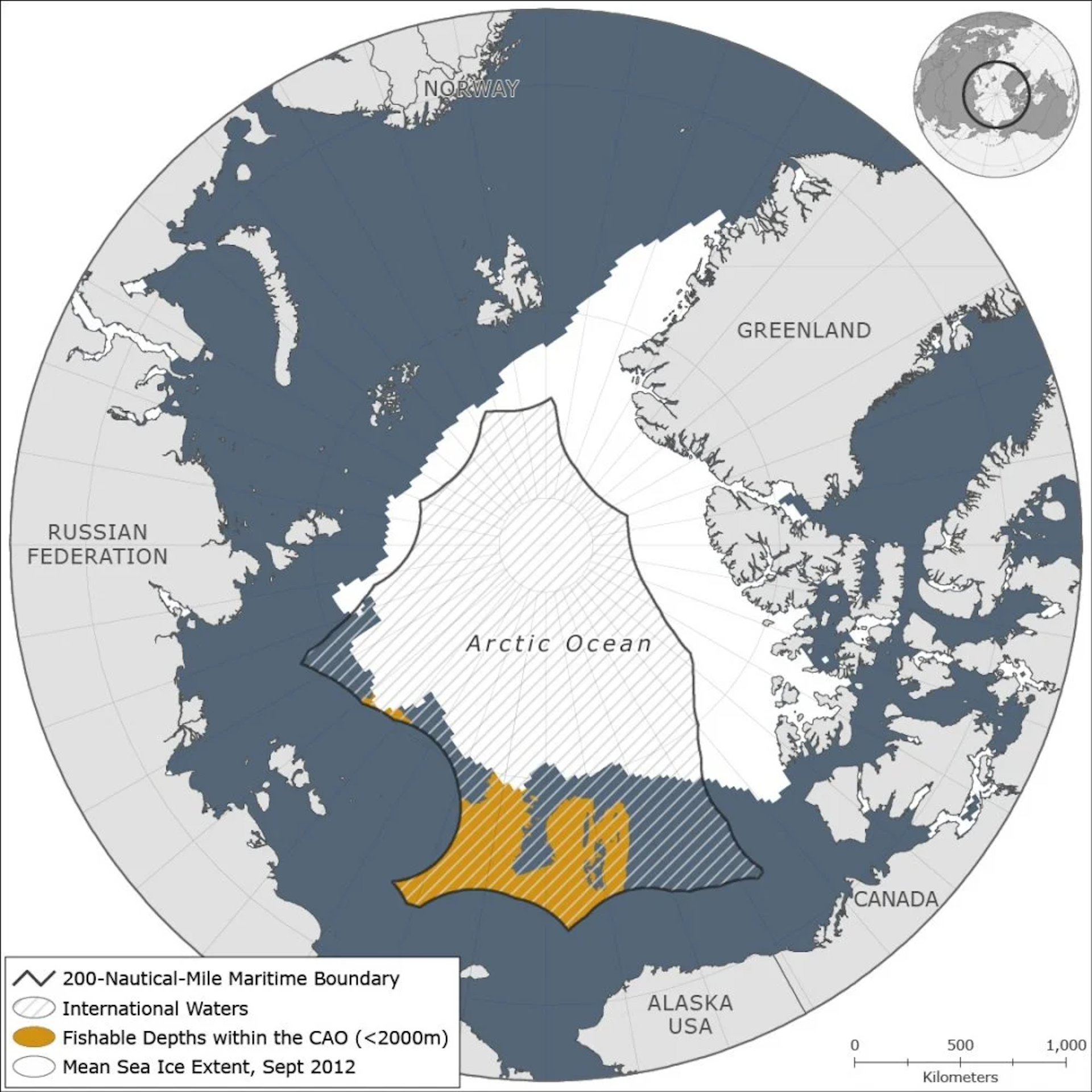
The agreement’s moratorium on fishing remains in place today, and the parties to the treaty, including Russia, continue to work together to advance scientific understanding of the Arctic Ocean under the treaty, despite other tensions in the region.
لا يزال وقف الصيد بموجب الاتفاقية سارياً حتى اليوم، ولا يزال أطراف المعاهدة، بما في ذلك روسيا، يعملون معاً لتعزيز الفهم العلمي للمحيط الأرقطي بموجب المعاهدة، على الرغم من التوترات الأخرى في المنطقة.
While serving in the U.S. State Department, I chaired the negotiations that produced this treaty. It’s useful to look at why this unusual pact came together, why it still works, and whether it could serve as a model for future diplomacy in the Arctic.
أثناء عملي في وزارة الخارجية الأمريكية، ترأست المفاوضات التي أنتجت هذه المعاهدة. ومن المفيد النظر في سبب نشوء هذا الاتفاق غير المعتاد، وسبب استمراره في العمل، وما إذا كان يمكن أن يشكل نموذجاً للدبلوماسية المستقبلية في القطب الشمالي.
The need for precaution
الحاجة إلى الاحتراز
At the heart of this treaty, and part of what can make it a good role model, is a tenet of modern international law known as the precautionary principle, or precautionary approach. In fact, it may be the best example of it that I’ve ever seen in international law.
في صميم هذه المعاهدة، وجزء مما يمكن أن يجعلها نموذجاً جيداً، يكمن مبدأ من مبادئ القانون الدولي الحديث يُعرف باسم المبدأ الاحترازي، أو النهج الوقائي. في الواقع، قد يكون هذا أفضل مثال رأيته على الإطلاق في القانون الدولي.
In the context of managing international fisheries, this tenet calls upon governments to “be more cautious when information is uncertain, unreliable, or inadequate.” Unlike many treaties, including past fishing treaty failures, the countries agreed to take action in advance, before commercial fishing could become a problem.
في سياق إدارة مصايد الأسماك الدولية، يحث هذا المبدأ الحكومات على “توخي المزيد من الحذر عندما تكون المعلومات غير مؤكدة، أو غير موثوق بها، أو غير كافية”. وعلى عكس العديد من المعاهدات، بما في ذلك إخفاقات معاهدات الصيد السابقة، اتفقت الدول على اتخاذ إجراء مسبق، قبل أن يصبح الصيد التجاري مشكلة.
Commercial fishing has never taken place in the Central Arctic Ocean. That’s because the area was completely covered by ice as far back as records exist, until recently. Today, as temperatures quickly rise in the Arctic and sea ice declines, a significant portion of the Central Arctic Ocean – the ocean’s international waters – is open water for part of each year.
لم يحدث الصيد التجاري قط في المحيط المتجمد الشمالي الأوسط. ويرجع ذلك إلى أن المنطقة كانت مغطاة بالكامل بالجليد منذ ما توجد فيه السجلات، وحتى وقت قريب. اليوم، مع الارتفاع السريع لدرجات الحرارة في القطب الشمالي وتراجع الجليد البحري، أصبحت مساحة كبيرة من المحيط المتجمد الشمالي الأوسط – المياه الدولية للمحيط – مياه مفتوحة لجزء من كل عام.
Nobody can say what effect commercial fishing might have on the ecosystem in this region, given the dearth of scientific knowledge about the Arctic Ocean.
لا يمكن لأحد أن يحدد التأثير الذي قد يحدثه الصيد التجاري على النظام البيئي في هذه المنطقة، نظراً لنقص المعرفة العلمية حول المحيط القطبي.
In the face of such uncertainty, this treaty – applying the precautionary approach – delays the start of commercial fishing until governments have adequate information to manage fishing sustainably. The treaty also sets up a research program to study and monitor the Central Arctic Ocean.
في مواجهة هذا الغموض، تؤخر هذه المعاهدة – بتطبيق النهج الاحترازي – بدء الصيد التجاري حتى تتوفر لدى الحكومات معلومات كافية لإدارة الصيد بشكل مستدام. كما تُؤسس المعاهدة برنامجاً بحثياً لدراسة ومراقبة المحيط المتجمد الشمالي الأوسط.
US leadership fostered international cooperation
قيادة الولايات المتحدة عززت التعاون الدولي
The origins of the agreement trace back to a bipartisan effort in the United States that may be difficult to imagine now. In 2008 Congress passed a joint resolution, signed by President George W. Bush, calling for a Central Arctic Ocean fisheries treaty.
تعود أصول الاتفاقية إلى جهد ثنائي الحزبين في الولايات المتحدة يصعب تخيله الآن. ففي عام 2008، أصدر الكونغرس قراراً مشتركاً، وقع عليه الرئيس جورج دبليو بوش، يدعو إلى معاهدة لمصايد الأسماك في المحيط الأرقطي المركزي.
Under President Barack Obama the United States convened two sets of international negotiations. The first round aligned the views of the United States and the four other countries that have coastlines on the Central Arctic Ocean: Canada, the Kingdom of Denmark, Norway and Russia. Next, the negotiations expanded to include Iceland and others with large, distant-water fishing fleets: China, Japan, South Korea and the European Union.
تحت إدارة الرئيس باراك أوباما، عقدت الولايات المتحدة مجموعتين من المفاوضات الدولية. ووحّد الجولة الأولى وجهات نظر الولايات المتحدة والدول الأربع الأخرى التي لها سواحل على المحيط الأرقطي المركزي: كندا ومملكة الدنمارك والنرويج وروسيا. بعد ذلك، توسعت المفاوضات لتشمل آيسلندا ودولاً أخرى لديها أساطيل صيد كبيرة وبعيدة عن السواحل: الصين واليابان وكوريا الجنوبية والاتحاد الأوروبي.
The treaty is also one of the best examples of a binding international agreement that requires incorporating Indigenous knowledge and the involvement of Arctic Indigenous peoples in its implementation. I believe the negotiations would not have succeeded without the involvement of Indigenous and other nongovernmental experts and groups, including scientists, industry leaders and environmental organizations.
تُعد هذه المعاهدة أيضاً من أفضل الأمثلة على اتفاق دولي ملزم يتطلب دمج المعرفة الأصلية وإشراك الشعوب الأصلية في المنطقة القطبية الشمالية في تنفيذها. وأعتقد أن المفاوضات لم تكن لتنجح لولا مشاركة الخبراء والمجموعات غير الحكومية، بما في ذلك العلماء وقادة الصناعة والمنظمات البيئية، من السكان الأصليين وغيرهم.
The resulting treaty entered into force in 2021. The United States signed and ratified the agreement during President Donald Trump’s first term.
دخلت المعاهدة الناتجة حيز التنفيذ في عام 2021. وقد وقعت الولايات المتحدة على الاتفاق وأقرت به خلال الولاية الأولى للرئيس دونالد ترامب.
Each country has something to gain from cooperation. For the United States, the agreement extends the successful model of fisheries management off Alaska to the high seas and helps limit foreign vessel activity in the region. For countries that don’t border the Arctic Ocean, such as China, Japan and South Korea, the treaty gives them international recognition as Arctic players. At the same time, the treaty doesn’t preclude future commercial fishing in the Central Arctic Ocean, but instead allows time to ensure any fishing there can be sustainable.
لكل دولة شيء لتكسبه من التعاون. وبالنسبة للولايات المتحدة، يوسع الاتفاق النموذج الناجح لإدارة مصايد الأسماك قبالة ألاسكا ليشمل المياه المفتوحة ويساعد في الحد من نشاط السفن الأجنبية في المنطقة. أما بالنسبة للدول التي لا تطل على المحيط الأرقطي، مثل الصين واليابان وكوريا الجنوبية، فإن المعاهدة تمنحها اعترافاً دولياً كلاعبين قطبيين شماليين. وفي الوقت نفسه، لا يمنع الاتفاق الصيد التجاري المستقبلي في المحيط الأرقطي المركزي، بل يسمح بالوقت اللازم لضمان أن يكون أي صيد هناك مستداماً.
A rare venue with Russia
مكان نادر مع روسيا
The 10 parties to the treaty have met each year since 2022 to implement the agreement. They have advanced scientific research in this little-known part of our planet and are developing rules for very limited “exploratory fisheries” to study the migration of fish into the Central Arctic Ocean.
اجتمعت الأطراف العشرة الموقعة على المعاهدة كل عام منذ عام 2022 لتنفيذ الاتفاقية. وقد أحرزوا تقدماً في البحث العلمي في هذا الجزء غير المعروف من كوكبنا ويطورون قواعد لـ “مصايد استكشافية” محدودة للغاية لدراسة هجرة الأسماك إلى شمال المحيط الأطلسي المركزي.
The fact that these meetings are taking place at all is an anomaly. In contrast to the Arctic Council, the conferences of the parties to this treaty have involved Russian experts each time, including during a meeting taking place June 16-17, 2026, in Brussels.
إن حقيقة أن هذه الاجتماعات تجري على الإطلاق هي أمر شاذ. وعلى عكس مجلس القطب الشمالي، فقد ضمت مؤتمرات أطراف هذه المعاهدة خبراء روس في كل مرة، بما في ذلك خلال اجتماع عُقد في 16-17 يونيو 2026 في بروكسل.
Despite the geopolitical turmoil in the world, those working to implement the treaty have put aside their differences to pursue their common interests concerning the Central Arctic Ocean.
على الرغم من الاضطرابات الجيوسياسية في العالم، فقد وضع أولئك الذين يعملون على تنفيذ المعاهدة خلافاتهم جانباً لمتابعة مصالحهم المشتركة المتعلقة بشمال المحيط الأطلسي المركزي.
Looking ahead
التطلعات المستقبلية
That willingness to set aside differences in pursuit of common interests can have many benefits.
إن الاستعداد لتجاوز الخلافات في سبيل تحقيق المصالح المشتركة يمكن أن يحمل العديد من الفوائد.
Even during the Cold War, the United States and the Soviet Union worked together on a wide range of issues, including a joint effort to spearhead the Antarctic Treaty, which has kept Antarctica demilitarized and facilitated scientific advancements at the Earth’s other pole.
حتى خلال الحرب الباردة، عملت الولايات المتحدة والاتحاد السوفيتي معاً على مجموعة واسعة من القضايا، بما في ذلك جهد مشترك لقيادة معاهدة أنتاركتيكا، التي أبقت أنتاركتيكا غير مسلحة ويسّرت التطورات العلمية في القطب الآخر للأرض.
After the Cold War ended, the Arctic also became a region of exceptional East-West collaboration. Nations cooperated to protect the Arctic environment, to promote economic development, to bolster search-and-rescue capacity and to improve scientific understanding.
بعد انتهاء الحرب الباردة، أصبح القطب الشمالي أيضاً منطقة للتعاون الاستثنائي بين الشرق والغرب. تعاونت الدول لحماية البيئة في القطب الشمالي، وتعزيز التنمية الاقتصادية، ودعم قدرات البحث والإنقاذ، وتحسين الفهم العلمي.
The current breakdown in cooperation with Russia is, on one level, entirely understandable, given the desire to maintain pressure on Russia to end the war in Ukraine. However, the Arctic Ocean is facing new challenges, with commercial shipping increasing as the ice melts and the rising potential for seabed mining, each of which poses unknown risks to its environment.
إن التدهور الحالي في التعاون مع روسيا هو، على مستوى واحد، مفهوم تماماً، نظراً للرغبة في الحفاظ على الضغط على روسيا لإنهاء الحرب في أوكرانيا. ومع ذلك، يواجه المحيط المتجمد الشمالي تحديات جديدة، مع زيادة الشحن التجاري مع ذوبان الجليد والاحتمالية المتزايدة للتعدين في قاع البحر، وكل منها يشكل مخاطر غير معروفة على بيئته.
I believe the Central Arctic Ocean Fisheries Agreement could serve as an inspiration, maybe even as a road map, for the path back to a cooperative, well-managed Arctic region, if countries follow its example.
أعتقد أن اتفاقية مصايد الأسماك في المحيط المتجمد الشمالي يمكن أن تكون مصدر إلهام، وربما حتى خريطة طريق، للعودة إلى منطقة قطبية شمالية تعاونية ومُدارة جيداً، إذا اتبعت الدول مثالها.
David Balton receives funding from the Harvard Kennedy School’s Belfer Center and from the Ocean Conservancy.
يتلقى ديفيد بالتون التمويل من مركز بيلفر في كلية كينيدي بجامعة هارفارد ومن مؤسسة المحيط (Ocean Conservancy) .
Read more
-
لماذا تقوم المملكة المتحدة بتغيير رئيس وزرائها كل بضع سنوات؟
Why is the UK now changing prime minister every few years?