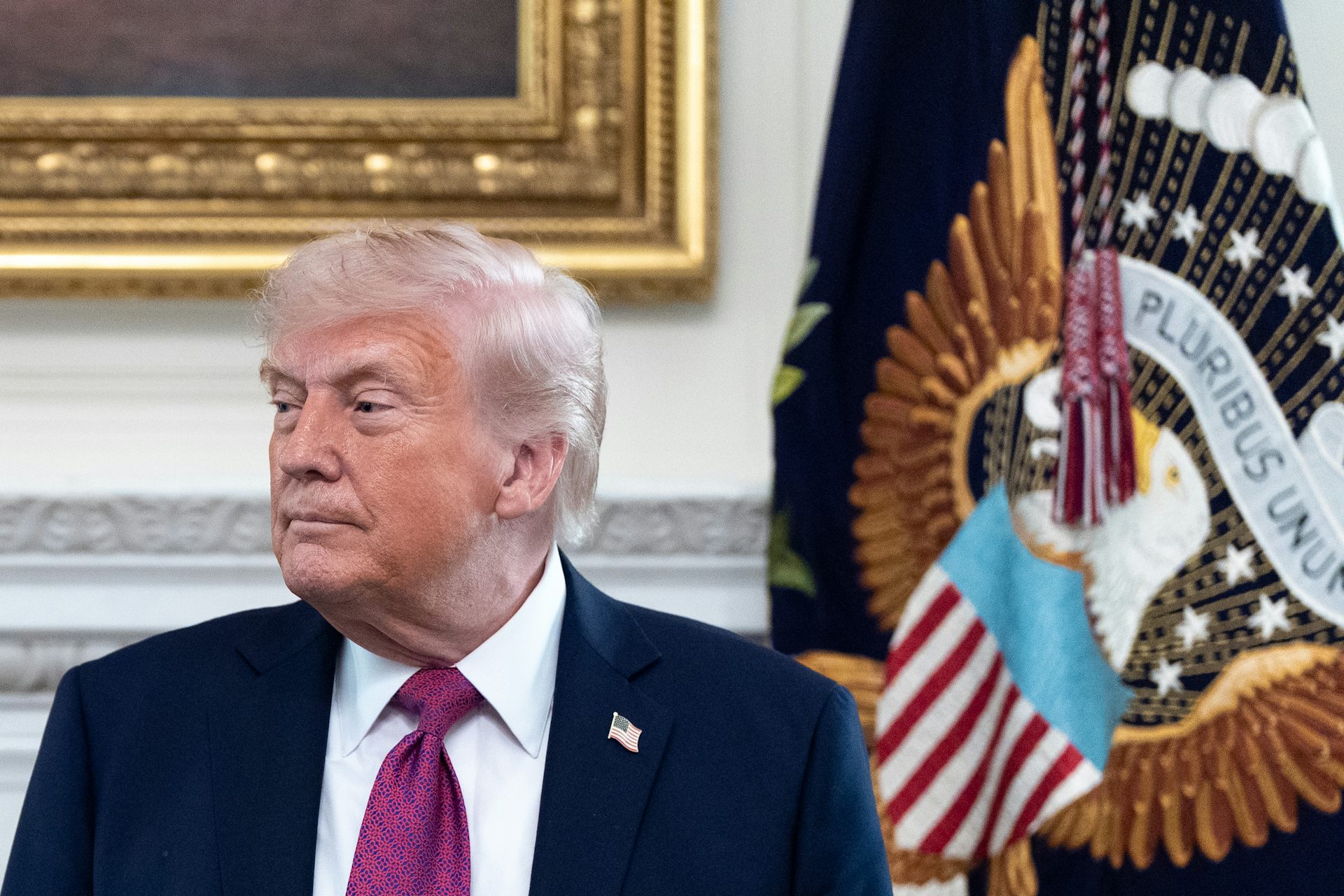
لا يمكننا معرفة ما إذا كان دونالد ترامب مصابًا بالخرف. وحتى لو كان كذلك، فلن يعفي ذلك من أفعاله.
We can’t know if Donald Trump has dementia. Even if he did, it wouldn’t excuse his actions
Blaming behaviour we don’t like on a disease means less accountability, and is bad for those who live with dementia. It’s also often inaccurate.
إلقاء اللوم على سلوك لا يعجبنا بسبب مرض يعني تقليل المساءلة، وهو أمر سيئ لمن يعيشون مع الخرف. كما أنه غالبًا ما يكون غير دقيق.
Over recent weeks, speculation has grown about US President Donald Trump’s erratic behaviour during the US-Israel war on Iran.
على مدى الأسابيع الماضية، تزايدت التكهنات حول السلوك المتقلب للرئيس الأمريكي دونالد ترامب خلال الحرب الأمريكية الإسرائيلية على إيران.
While questioning Trump’s mental fitness for office, various commentators have suggested he has malignant narcissism, Alzheimer’s disease or frontotemporal dementia, and is experiencing accelerating cognitive decline and a “profound psychological crisis”.
وفي الوقت الذي يشكك فيه المعلقون في اللياقة العقلية لترامب لتولي المنصب، أشار العديد منهم إلى أنه يعاني من النرجسية الخبيثة، أو مرض الزهايمر، أو الخرف الجبهي الصدغي، وأنه يمر بتدهور معرفي متسارع و”أزمة نفسية عميقة.”
The claim of frontotemporal dementia in particular has stuck. This form of dementia can affect judgement, empathy, language skills and impulse control.
وقد ترسخ بشكل خاص الادعاء المتعلق بالخرف الجبهي الصدغي. يمكن أن يؤثر هذا النوع من الخرف على الحكم، والتعاطف، والمهارات اللغوية، وضبط النفس.
Trump’s critics say frontotemporal dementia explains his escalating threats, profanities and tendency to ramble.
ويقول منتقدو ترامب إن الخرف الجبهي الصدغي يفسر تهديداته المتصاعدة، وشتائمه، وميله إلى الثرثرة.
But is frontotemporal dementia really the answer?
ولكن هل الخرف الجبهي الصدغي هو الإجابة حقاً؟
Diagnosing someone with this condition from afar is not only irresponsible – it’s impossible. It may also inadvertently give Trump an “out” for offensive but intentional behaviour, while increasing stigma for those who live with dementia.
إن تشخيص شخص بهذه الحالة عن بعد ليس غير مسؤول فحسب – بل هو مستحيل. وقد يمنح ترامب أيضاً، عن غير قصد، “مبرراً” لسلوكه المسيء ولكنه المتعمد، مع زيادة الوصم لمن يعيشون مع الخرف.
What is frontotemporal dementia?
ما هو الخرف الجبهي الصدغي؟
Frontotemporal dementia describes a group of neurodegenerative disorders that mostly affect the frontal and temporal lobes of the brain. These are regions involved in behaviour, personality, language and decision-making.
يصف الخرف الجبهي الصدغي مجموعة من الاضطرابات التنكسية العصبية التي تؤثر في الغالب على الفصين الجبهي والصدغي من الدماغ. وهما منطقتان تشاركان في السلوك والشخصية واللغة واتخاذ القرار.
Unlike dementia due to Alzheimer’s disease, frontotemporal dementia rarely begins with memory loss. Instead, early symptoms involve changes in social conduct, emotional regulation or language abilities.
على عكس الخرف الناتج عن مرض الزهايمر، نادرًا ما يبدأ الخرف الجبهي الصدغي بفقدان الذاكرة. بل إن الأعراض المبكرة تشمل تغيرات في السلوك الاجتماعي أو التنظيم العاطفي أو القدرات اللغوية.
There are several variants. The most common is behavioural-variant, which presents as a gradual decline in how a person behaves, interacts with others and expresses their personality.
هناك عدة أنواع. وأكثرها شيوعًا هو النوع السلوكي، الذي يظهر على شكل تدهور تدريجي في طريقة تصرف الشخص وتفاعله مع الآخرين والتعبير عن شخصيته.
Frontotemporal dementia is rare. Each year, around two or three out of 100,000 people are diagnosed with frontotemporal dementia worldwide. At any time, roughly nine out of 100,000 people live with the condition.
الخرف الجبهي الصدغي نادر. ففي كل عام، يتم تشخيص ما يقرب من شخصين إلى ثلاثة أشخاص من كل 100,000 شخص بالخرف الجبهي الصدغي على مستوى العالم. وفي أي وقت، يعيش ما يقرب من تسعة أشخاص من كل 100,000 شخص مع هذا المرض.
How is it diagnosed?
كيف يتم تشخيصه؟
Diagnosis is complex and cannot rely on observation alone.
التشخيص معقد ولا يمكن الاعتماد على الملاحظة وحدها.
To make a diagnosis, a multidisciplinary team of clinicians will examine the person’s personal and medical history. This includes information from family members, neurological examinations and formal cognitive testing to consider possible diagnoses.
لوضع تشخيص، سيقوم فريق متعدد التخصصات من الأطباء بفحص التاريخ الشخصي والطبي للشخص. ويشمل ذلك معلومات من أفراد العائلة، والفحوصات العصبية، والاختبارات المعرفية الرسمية للنظر في التشخيصات المحتملة.
Brain imaging, such as MRI or PET scans, are used to identify changes in the structure and function of the brain. In some cases, genetic testing may be used when family history suggests inherited risk.
تُستخدم تصوير الدماغ، مثل التصوير بالرنين المغناطيسي (MRI) أو التصوير المقطعي بالإصدار البوزيتروني (PET) ، لتحديد التغيرات في بنية ووظيفة الدماغ. وفي بعض الحالات، قد يُستخدم الاختبار الجيني عندما يشير التاريخ العائلي إلى خطر وراثي.
A “possible” diagnosis requires someone to demonstrate at least three of six core features. These are:
يتطلب التشخيص “المحتمل” أن يُظهر الشخص ما لا يقل عن ثلاث من ست سمات أساسية. وهي:
disinhibition
فقدان الكبح
apathy
اللامبالاة
loss of empathy
فقدان التعاطف
compulsive behaviour
السلوك القهري
hyperorality (excessive tendency to examine objects using the mouth)
فرط الفمويّة (الميل المفرط لفحص الأشياء باستخدام الفم)
loss of executive functions, the set of cognitive abilities that underpin our ability to plan and make decisions.
فقدان الوظائف التنفيذية، وهي مجموعة القدرات المعرفية التي تدعم قدرتنا على التخطيط واتخاذ القرارات.
Importantly, these features must also show clear progression over time.
ومن المهم أن تُظهر هذه السمات أيضًا تطورًا واضحًا بمرور الوقت.
But that is only the beginning. To reach a “probable” diagnosis, there must be imaging evidence as well as clear changes in a person’s ability to function independently in daily activities.
لكن هذا هو مجرد البداية. للوصول إلى تشخيص “مرجح”، يجب أن يكون هناك دليل تصويري بالإضافة إلى تغيرات واضحة في قدرة الشخص على العمل بشكل مستقل في الأنشطة اليومية.
A “definite” diagnosis can only be confirmed through genetic testing or brain changes linked to disease. This can only happen after death because it requires physically examining the brain itself.
لا يمكن تأكيد تشخيص “قاطع” إلا من خلال الاختبار الجيني أو التغيرات الدماغية المرتبطة بالمرض. ولا يمكن أن يحدث هذا إلا بعد الوفاة لأنه يتطلب فحص الدماغ نفسه جسديًا.
Even with these criteria, frontotemporal dementia remains one of the most challenging diseases to diagnose accurately. Its symptoms often overlap with psychiatric disorders such as bipolar disorder and schizophrenia, and its presentation varies widely between people.
حتى مع هذه المعايير، يظل الخرف الجبهي الصدغي أحد أصعب الأمراض تشخيصًا بدقة. وغالبًا ما تتداخل أعراضه مع الاضطرابات النفسية مثل الاضطراب ثنائي القطب والفصام، ويختلف مظهره بشكل كبير بين الأشخاص.
Careful differential diagnosis, which rules out other conditions, is therefore required.
لذلك، يتطلب الأمر تشخيصًا تفريقيًا دقيقًا، يستبعد الحالات الأخرى.
Why we shouldn’t diagnose from a distance
لماذا لا ينبغي لنا التشخيص عن بعد
Diagnosing frontotemporal dementia – or any form of dementia – is a complex process. Any “diagnosis” made without meeting the person, or looking at clinical evidence, is just speculation.
إن تشخيص الخرف الجبهي الصدغي – أو أي شكل من أشكال الخرف – عملية معقدة. وأي “تشخيص” يتم تقديمه دون مقابلة الشخص أو النظر في الأدلة السريرية، هو مجرد تخمين.
But there are other dangers in blaming controversial actions on dementia, such as Trump’s recent threat to wipe out “a whole civilisation” if Iran did not comply with US demands.
ولكن هناك مخاطر أخرى في إلقاء اللوم على الخرف فيما يتعلق بالأفعال المثيرة للجدل، مثل تهديد ترامب الأخير بمحو “حضارة بأكملها” إذا لم يمتثل إيران للمطالب الأمريكية.
First, attributing behaviour we don’t like to dementia reduces accountability for intentional actions.
أولاً، إن إرجاع السلوك الذي لا يعجبنا إلى الخرف يقلل من المساءلة عن الأفعال المتعمدة.
We know frontotemporal dementia affects brain regions that control impulse and social understanding. It does not explain political extremism, strategic decision-making or ideological conviction – especially where it has been longstanding.
نحن نعلم أن الخرف الجبهي الصدغي يؤثر على مناطق الدماغ التي تتحكم في الاندفاع والفهم الاجتماعي. ولا يفسر التطرف السياسي، أو اتخاذ القرارات الاستراتيجية، أو القناعة الأيديولوجية – خاصة عندما تكون راسخة منذ فترة طويلة.
Second, it further stigmatises those who live with the condition, reinforcing the idea that people with dementia are erratic, dangerous or morally compromised.
ثانياً، إنه يزيد من وصم أولئك الذين يعيشون مع هذا المرض، ويعزز فكرة أن المصابين بالخرف متقلبون أو خطيرون أو منبوذون أخلاقياً.
This stigma remains a major barrier to effective dementia care and prevention. Misconceptions can delay diagnosis, discourage families from seeking help, and make people with dementia feel more isolated.
يظل هذا الوصم حاجزاً رئيسياً أمام الرعاية والوقاية الفعالة من الخرف. ويمكن أن تؤدي المفاهيم الخاطئة إلى تأخير التشخيص، وتثبيط العائلات عن طلب المساعدة، وجعل المصابين بالخرف يشعرون بمزيد من العزلة.
In frontotemporal dementia, where changes in personality are already misunderstood, the risk of mischaracterisation is particularly acute.
في الخرف الجبهي الصدغي، حيث يتم سوء فهم التغيرات في الشخصية بالفعل، فإن خطر التوصيف الخاطئ حاد بشكل خاص.
The ethics of restraint
أخلاقيات ضبط النفس
Humans are driven to make sense of troubling events. This negativity bias that has served us well in evolution. But it creates an asymmetry worth noting.
يميل البشر إلى محاولة فهم الأحداث المقلقة. هذا التحيز السلبي الذي خدمنا جيداً في التطور. لكنه يخلق تباينًا يستحق الملاحظة.
When leaders behave admirably, their actions are rarely attributed to neurological health. But when behaviour is troubling, the impulse to medicalise it can be strong. This selective framing turns diagnosis into a rhetorical tool rather than a clinical question.
عندما يتصرف القادة بشكل مثالي، نادرًا ما تُعزى تصرفاتهم إلى صحتهم العصبية. ولكن عندما يكون السلوك مقلقًا، يمكن أن تكون الرغبة في “تطبيبه” قوية. هذا التأطير الانتقائي يحوّل التشخيص إلى أداة بلاغية بدلاً من كونه سؤالاً سريرياً.
The health of political leaders is a legitimate public concern. But there is a difference between evidence-based reporting (grounded in disclosed medical information) and speculative diagnosis based on observation from a distance.
صحة القادة السياسيين هي مصدر قلق عام مشروع. لكن هناك فرقًا بين التغطية القائمة على الأدلة (المستندة إلى معلومات طبية مُفصح عنها) والتشخيص التخميني القائم على الملاحظة من مسافة بعيدة.
Medical professionals have long recognised this boundary. Ethical guidelines warn against diagnosing individuals without examination, in part because doing so undermines trust in both medicine and the media.
أدرك المهنيون الطبيون هذا الحد منذ فترة طويلة. وتحذر الإرشادات الأخلاقية من تشخيص الأفراد دون فحص، جزئيًا لأن القيام بذلك يقوض الثقة في كل من الطب والإعلام.
Speculation about dementia may feel like a way of making sense of behaviour that is difficult, unsettling or even morally questionable. But it is a poor substitute for clinical rigour.
قد يبدو التكهن بالخرف وكأنه طريقة لفهم السلوك الصعب أو المقلق أو حتى المشكوك فيه أخلاقياً. لكنه بديل ضعيف عن الدقة السريرية.
For those living with frontotemporal dementia, it risks turning a serious neurological disease into a casual metaphor that explains little and harms a lot.
بالنسبة لأولئك الذين يعيشون مع الخرف الجبهي الصدغي، فإنه يهدد بتحويل مرض عصبي خطير إلى استعارة عابرة لا تفسر شيئًا وتضر بالكثير.
Joyce Siette receives funding from the National Health and Medical Research Council.
تتلقى جويس سييت التمويل من المجلس الوطني للبحوث الصحية والطبية.
Paul Strutt does not work for, consult, own shares in or receive funding from any company or organisation that would benefit from this article, and has disclosed no relevant affiliations beyond their academic appointment.
لا يعمل بول سترات ولا يشارك أو يمتلك أسهمًا أو يتلقى تمويلاً من أي شركة أو منظمة تستفيد من هذه المقالة، ولم يفصح عن أي انتماءات ذات صلة تتجاوز منصبه الأكاديمي.
Read more
-
ماذا تخبرنا وشوم لاعبي كأس العالم عن حبهم وحياتهم ومعتقداتهم الدينية؟
What the tattoos of World Cup players say about their love, life and religious beliefs
-
فتيات في فرق موسيقية: أيقونتان للروك في التسعينيات تتناولان الرومانسية والقسوة والرجال المملين
Girls in bands: two 90s rock icons on romance, ruthlessness and boring men