كشف عن الفساد وسار عبر المجر. الآن هزم بيتر ماغيار آلة دولة قوية
He exposed corruption and walked across Hungary. Now Péter Magyar has defeated a powerful state machine
Viktor Orbán had consolidated his power and taken over state institutions, but Magyar found his Achilles’ heel – growing public anger over corrupt elites.
كان فيكتور أوربان قد رسّخ سلطته واستولى على مؤسسات الدولة، لكن ماغيار وجد نقطة ضعفه – الغضب الشعبي المتزايد من النخب الفاسدة.
The landslide victory of Péter Magyar’s Tisza Party in Hungary’s parliamentary election represents much more than a routine change of government. It marks the fall of an “electoral autocracy”, a regime that used elections to shroud and legitimise a system designed to keep the ruling Fidesz party and its leader, Viktor Orbán, in power indefinitely.
يمثل الانتصار الساحق لحزب تيشا بقيادة بيتر ماغيار في الانتخابات البرلمانية المجرية أكثر من مجرد تغيير روتيني للحكومة. إنه يمثل سقوط “الاستبداد الانتخابي”، وهو نظام استخدم الانتخابات لتغطية وإضفاء الشرعية على نظام مصمم لإبقاء حزب فيديز (Fidesz) الحاكم وزعيمه، فيكتور أوربان، في السلطة إلى أجل غير مسمى.
The Orbán regime was founded on three pillars. The first was the concentration of power in Orbán’s hands and the destruction of constitutional restraints and oversight mechanisms.
تأسرت أنظمة أوربان على ثلاث ركائز. كانت الركيزة الأولى هي تركيز السلطة في أيدي أوربان وتدمير الضوابط الدستورية وآليات الرقابة.
Propelled to power in 2010 by a wave of revulsion at corruption scandals and economic crisis, Orbán quickly took over key state institutions like the judiciary, the taxation office, the prosecutor’s office and the election commission. Each were stacked with Fidesz loyalists, who transformed them into instruments of the regime.
في عام 2010، وبدافع من موجة الاشمئزاز من فضائح الفساد والأزمة الاقتصادية، استولى أوربان بسرعة على مؤسسات الدولة الرئيسية مثل القضاء، ومكتب الضرائب، ومكتب المدعي العام، ولجنة الانتخابات. وتم ملء كل منها بأتباع فيديز، الذين حولوها إلى أدوات للنظام.
The second pillar was corruption. The Orbán regime enriched Hungary’s elite by transferring vast resources to a group of loyal oligarchs and Orbán cronies.
الركيزة الثانية كانت الفساد. أثرى نظام أوربان النخبة المجرية عن طريق تحويل موارد هائلة إلى مجموعة من الأوليغارشيين الموالين والمقربين من أوربان.
It achieved this through skewered tendering processes to award massive state contracts to people like Lőrinc Mészáros, a former gas-fitter who had been one of Orbán’s close childhood friends. In 2010, Mészáros was a minor local businessman, but his wealth doubled every year of Orbán’s rule. By 2018, he was the richest man in Hungary.
حقق ذلك من خلال عمليات المناقصات المشوهة لمنح عقود حكومية ضخمة لأشخاص مثل لورينتس ميشاروس، وهو سباك سابق كان أحد الأصدقاء المقربين لأوربان منذ الطفولة. في عام 2010، كان ميشاروس رجل أعمال محلياً صغيراً، لكن ثروته تضاعفت كل عام من حكم أوربان. وبحلول عام 2018، أصبح أغنى رجل في المجر.
The third pillar was the media, slowly subjugated by a pincer movement of government institutions and loyal oligarchs.
الركيزة الثالثة كانت وسائل الإعلام، التي خضعت تدريجياً لحصار من مؤسسات الحكومة والأوليغارشيين الموالين.
Legislation passed in 2011 created a Fidesz-controlled Media Council, which was empowered to impose fines for “unbalanced” reporting. This had a chilling effect on journalists.
أنشّأ تشريع صدر عام 2011 مجلس إعلام تسيطر عليه فيديز، ومُنح سلطة فرض غرامات على التقارير “غير المتوازنة.” وكان لهذا تأثير مخيف على الصحفيين.
At the same time, the regime distributed lavish subsidies and advertising contracts to pro-regime outlets. And loyal oligarchs acquired the last bastions of the Hungarian mainstream media. In 2016, one of Hungary’s most influential newspapers, Népszabadság, was purchased by a company linked to Mészáros and promptly shut down.
في الوقت نفسه، وزع النظام إعانات ضخمة وعقود إعلانية على المنافذ الإعلامية المؤيدة للنظام. واقتنى الأوليغارشيون الموالون آخر معاقل وسائل الإعلام المجرية الرئيسية. وفي عام 2016، تم شراء إحدى الصحف المجرية الأكثر تأثيراً، “نيبزسابادشاج” (Népszabadság) ، من قبل شركة مرتبطة بميشاروس وتم إغلاقها على الفور.
The culmination of this war of attrition was the creation of a massive media conglomerate, the Central European Press and Media Foundation. It came to control hundreds of media holdings donated by pro-regime businesses. The result was the consolidation of the regime’s control over an estimated 80% of Hungary’s media market.
كان تتويج حرب الاستنزاف هذه هو إنشاء تكتل إعلامي ضخم، وهو مؤسسة أوروبا الوسطى للصحافة والإعلام. وأصبح يسيطر على مئات الحيازات الإعلامية التي تبرعت بها الشركات المؤيدة للنظام. وكانت النتيجة هي ترسيخ سيطرة النظام على ما يقدر بنسبة 80% من سوق الإعلام المجرية.
Orbán justified this concentration of power by posing as a defender of Hungary’s sovereignty and traditional values against threats to the nation.
برر أوربان هذا التركز للسلطة من خلال تقديم نفسه كمدافع عن سيادة المجر وقيمها التقليدية ضد التهديدات التي تواجه الأمة.
His rule was punctuated by a series of scare campaigns constructed around external threats – the philanthropist George Soros, the European Union, refugees and Ukraine. He used these threats to justify increasingly draconian controls over civil society and the domestic opposition.
تخلل حكمه سلسلة من الحملات التخويفية التي بُنيت حول تهديدات خارجية – مثل الفيلانثروبي جورج ساروس، والاتحاد الأوروبي، واللاجئين، وأوكرانيا. واستخدم هذه التهديدات لتبرير ضوابط متزايدة القسوة على المجتمع المدني والمعارضة المحلية.
Who is Péter Magyar?
من هو بيتر ماغيار؟
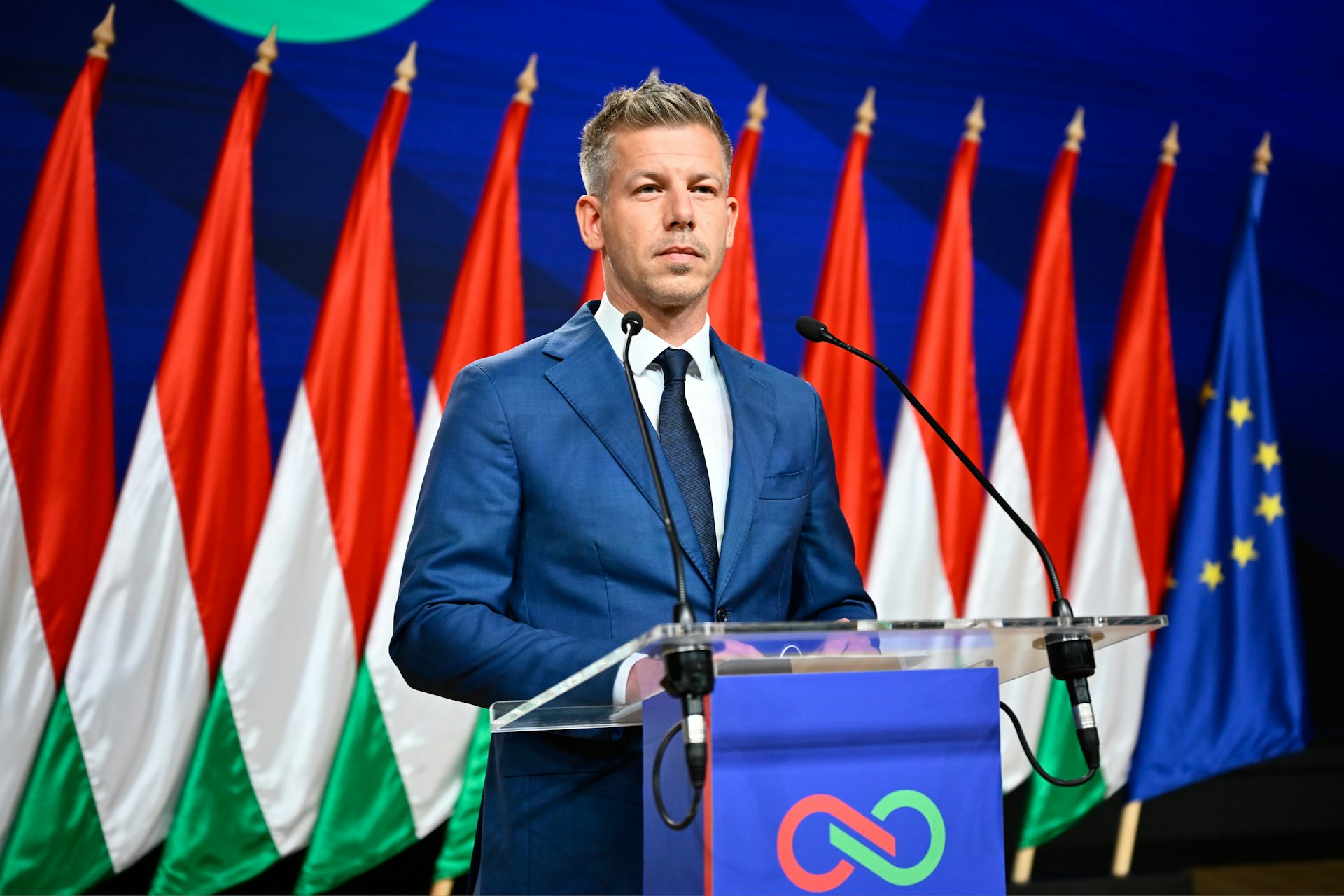
What enabled opposition leader Péter Magyar to topple this system in Sunday’s election was the fact he was an insider.
ما مكّن زعيم المعارضة بيتر ماغيار من الإطاحة بهذا النظام في انتخابات الأحد هو حقيقة أنه كان من الداخل.
As a moderate conservative and former Fidesz functionary, Magyar was not easy to stigmatise using the regime’s usual stereotypes. At the same time, he had deep knowledge of the inner workings of the system.
بصفته محافظاً معتدلاً وعضواً سابقاً في حزب فيدز، لم يكن من السهل وصم ماغيار باستخدام الصور النمطية المعتادة للنظام. وفي الوقت نفسه، كان لديه معرفة عميقة بكيفية عمل النظام الداخلي.
In early 2024, he broke with Fidesz during a massive scandal over a presidential pardon for a man convicted of covering up paedophilia in a children’s home. And he became an anti-corruption crusader.
في أوائل عام 2024، انفصل عن حزب فيدز خلال فضيحة كبيرة تتعلق بعفو رئاسي لرجل أدين بتغطية قضية اعتداء جنسي أطفال في دار أيتام. وأصبح مناضلاً لمكافحة الفساد.
On his Facebook page, Magyar reflected he had always believed in Fidesz’s vision of a “national, sovereign, civic Hungary”, but had slowly come to realise:
في صفحته على فيسبوك، عكس ماغيار أنه كان دائماً يؤمن برؤية فيدز لـ “المجر الوطنية ذات السيادة والمواطنة”، لكنه أدرك ببطء:
[…]this is really just a political product, a sugar coating that serves only two purposes: to conceal the operation of the power factory and to amass immense wealth.
[…]هذا مجرد منتج سياسي، تجميل لا يخدم سوى غرضين: إخفاء عمل مصنع السلطة وتكديس الثروة الهائلة.
A few weeks later, he magnified the impact of this bombshell by releasing audio recordings of a conversation in which his ex-wife, former Justice Minister Judit Varga, discussed how Orbán’s Cabinet chief had organised the removal of files in a corruption case.
بعد بضعة أسابيع، ضخم تأثير هذه القنبلة بإصدار تسجيلات صوتية لمحادثة ناقشت فيها زوجته السابقة، وزيرة العدل السابقة يوديت فارغا، كيف قام رئيس مجلس وزراء أوربان بتنظيم إزالة ملفات في قضية فساد.
Before the Orbán regime had time to react, Magyar had emerged as the leader of an obscure centre-right party, Tisza, in the elections to the European parliament. In a blow to Fidesz, it came from nowhere to win 30% of the vote. The result transformed Magyar into the undisputed leader of Hungary’s democratic movement.
قبل أن يتمكن نظام أوربان من الرد، برز ماغيار كزعيم لحزب يميني-وسطي غامض، تيزا، في انتخابات البرلمان الأوروبي. وفي ضربة لحزب فيدز، فاز من العدم بنسبة 30% من الأصوات. وحوّل هذا النتيجة ماغيار إلى الزعيم بلا منازع للحركة الديمقراطية في المجر.
Taking down an autocrat
إسقاط الديكتاتور
Magyar undermined the Orbán regime in two ways.
قوض ماغيار نظام أوربان بطريقتين.
The first was to neutralise Orbán’s populist, anti-elitist politics by focusing on corruption. Magyar repeatedly drew attention to the luxurious estate at Hatvanpuszta, a 19th century country estate and model farm that was massively redeveloped after 2018.
كانت الطريقة الأولى هي تحييد سياسات أوربان الشعبوية المناهضة للنخبة من خلال التركيز على الفساد. لفت ماغيار مراراً وتكراراً الانتباه إلى العقار الفاخر في هاتفانبوشتا، وهو عقار ريفي يعود إلى القرن التاسع عشر ومزرعة نموذجية أعيد تطويرها بشكل هائل بعد عام 2018.
Although formally owned by Orbán’s father, Győző, it was widely believed to be a personal retreat of Viktor Orbán himself. Magyar called Hatvanpuszta “the heart of the system”, and likened it to one of Putin’s palaces.
على الرغم من أن العقار مملوك رسمياً لوالد أوربان، غيوزو، إلا أنه كان يُعتقد على نطاق واسع أنه ملاذ شخصي لفيكتور أوربان نفسه. أطلق ماغيار على هاتفانبوشتا “قلب النظام”، وشبهه بأحد قصور بوتين.
The second was to reach out to Orbán’s rural heartland. In 2025, Magyar walked hundreds of kilometres in a series of political marches across the Hungarian countryside, visiting the small towns and villages that traditionally voted for Fidesz.
وكانت الطريقة الثانية هي الوصول إلى قلب أوربان الريفي. في عام 2025، سار ماغيار لمئات الكيلومترات في سلسلة من المسيرات السياسية عبر الريف المجري، زار فيها المدن والقرى الصغيرة التي كانت تصوت تقليدياً لـ “فيديز.”
His party, Tisza, soon overtook Fidesz in the pre-election polls, but a peaceful transition of power was far from inevitable.
سرعان ما تجاوز حزبه، “تيزا”، حزب “فيديز” في استطلاعات ما قبل الانتخابات، لكن الانتقال السلمي للسلطة كان بعيداً عن الحتمية.
During its final years, the Orbán regime had became increasingly repressive. It used the security services to conduct a covert operation to penetrate the Tisza party’s computer servers. It also laid espionage charges against the country’s famous investigative journalist, Szabolcs Panyi, for exposing how Orbán’s foreign minister was collaborating with the Kremlin.
خلال سنواته الأخيرة، أصبح نظام أوربان أكثر قمعية. استخدم خدمات الأمن لإجراء عملية سرية لاختراق خوادم الكمبيوتر التابعة لحزب “تيزا.” كما وجه اتهامات بالتجسس ضد الصحفي الاستقصائي الشهير في البلاد، سابولتس باني، لكشف كيفية تعاون وزير خارجية أوربان مع الكرملين.
And a disinformation campaign, apparently of Russian origin, prepared the ground for a government crackdown by raising the spectre of post-election violence and attempts to assassinate Orbán.
كما أعدت حملة تضليل، يبدو أنها من أصل روسي، الأرضية لتطهير حكومي من خلال إثارة شبح العنف ما بعد الانتخابات ومحاولات اغتيال أوربان.
But what broke the regime was the tidal wave of popular support for Magyar’s campaign. In the lead-up to the election, fractures began to emerge within the regime. A combination of whistleblower testimony and leaks from the security forces shone a spotlight on its abuses of power.
ولكن ما أطاح بالنظام كان المد العالي من الدعم الشعبي لحملة ماغيار. في الفترة التي سبقت الانتخابات، بدأت الشروخ تظهر داخل النظام. سلط مزيج من شهادات المبلغين عن المخالفات والتسريبات من قوات الأمن الضوء على تجاوزاته للسلطة.
When the scale of Magyar’s victory became clear on election night, there was no room to dispute the verdict of the people. Orbán was finished.
عندما اتضح حجم انتصار ماغيار في ليلة الانتخابات، لم يكن هناك مجال للطعن في حكم الشعب. لقد انتهى أوربان.
Robert Horvath has received funding from the Australian Research Council.
تلقى روبرت هورفاث تمويلاً من المجلس الأسترالي للبحوث.
Read more
-

روبوتات الآلهة بالذكاء الاصطناعي: قادة دينيون يحذرون من “عواقب مقلقة” لتحدث الآلات باسم الله
AI godbots: religious leaders warn of ‘alarming consequences’ when machines speak in the name of God
-
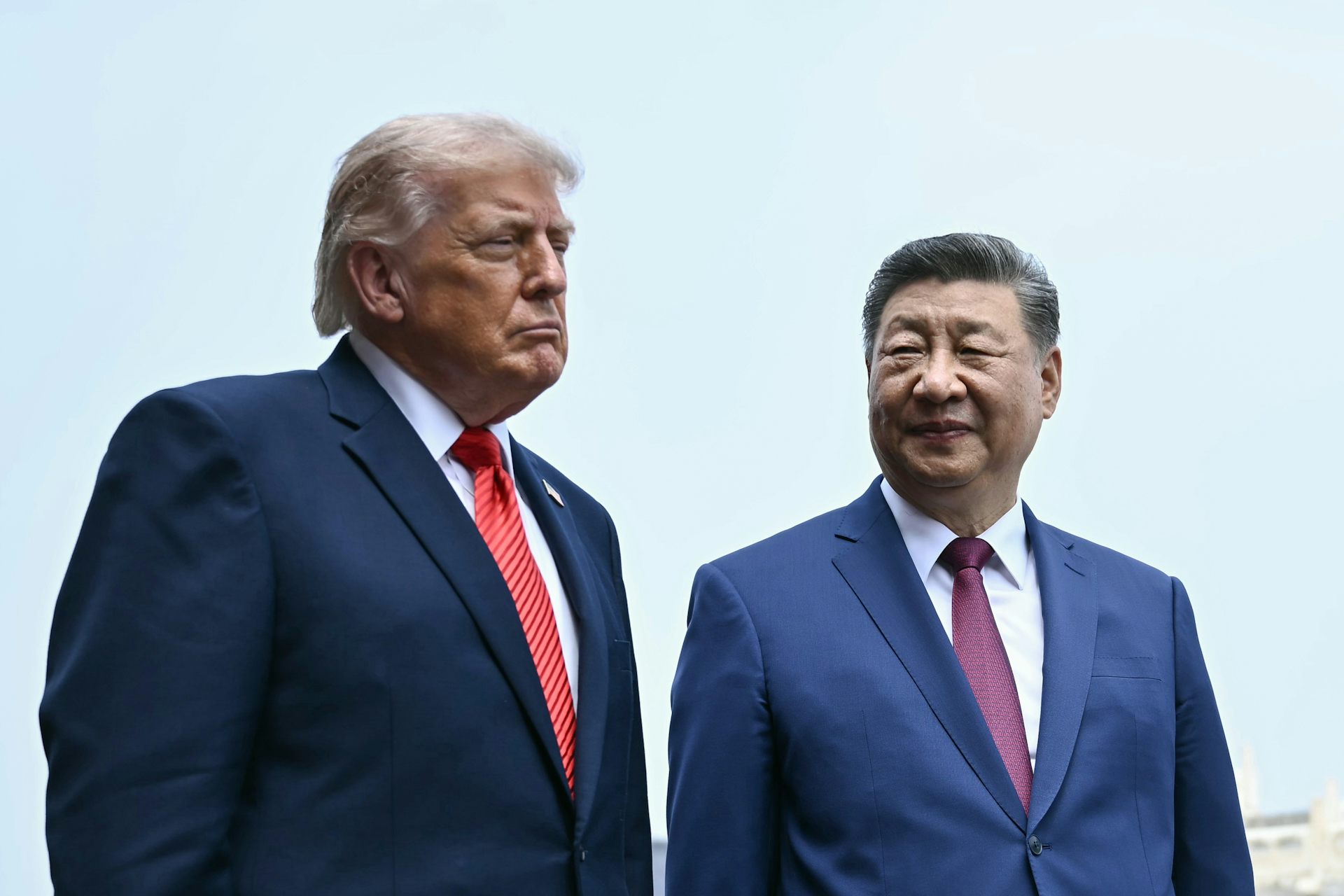
بعد قمة غامضة، تريد الصين والولايات المتحدة العمل معًا مرة أخرى. قد لا يكون هذا خبراً جيداً للعالم.
After an opaque summit, China and the US want to work together again. That might not be good news for the world